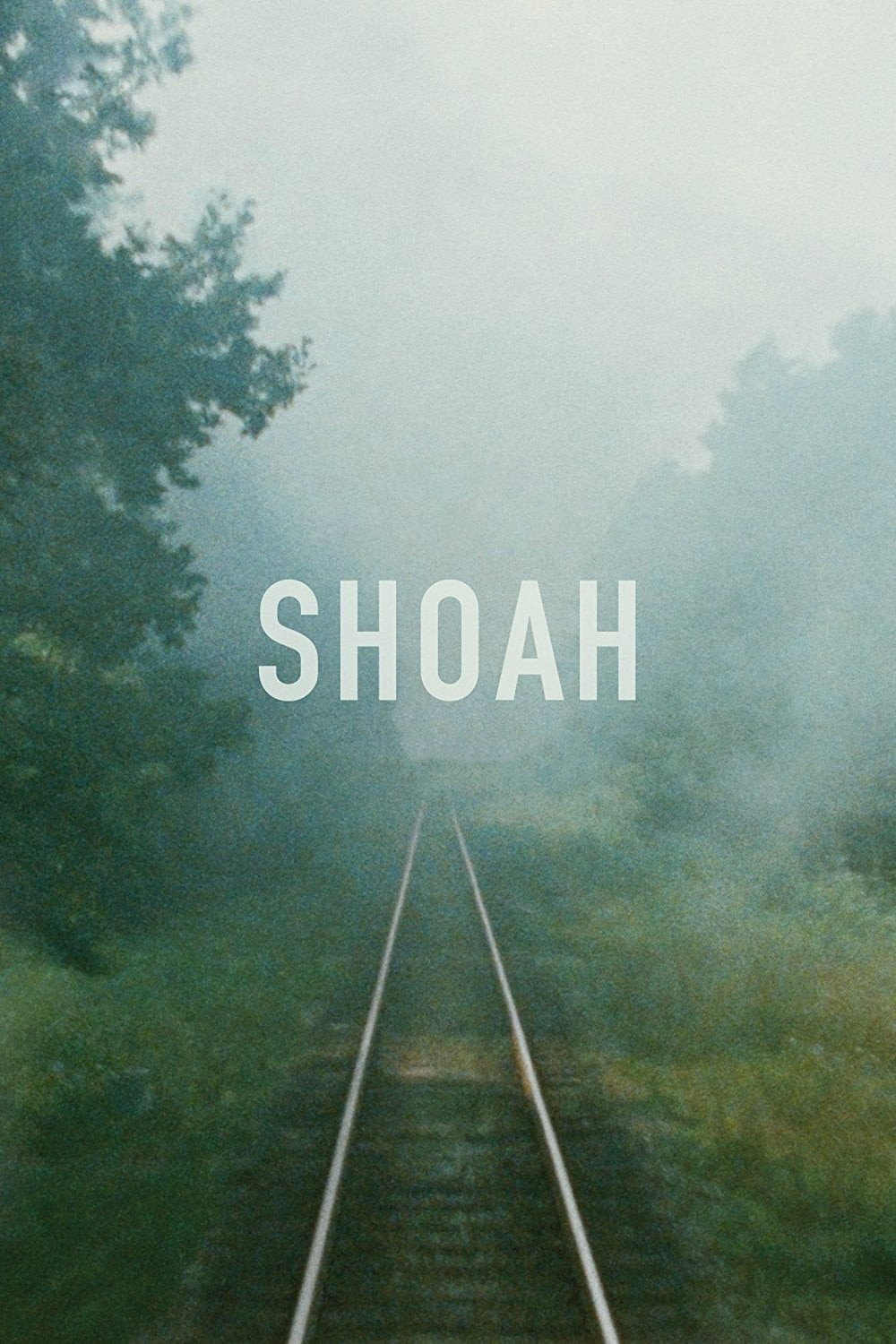
The reviews are unanimous in their admiration. Every critic returns to the same decision: Lanzmann uses no archive footage at all, only present-day testimony from survivors and witnesses, and long takes of the places where the killing happened. Most describe this as the source of the film’s force, with the faces, the voices and the empty landscapes around the former camps doing the work that newsreel would ordinarily do. Several remark on how the horror is made to feel present rather than past, and on the patience and persistence of Lanzmann’s questioning.
The reservations are few and narrow. Empire raises doubts about Lanzmann’s interviewing methods and the film’s reliability as history, though it still finds the result powerful and moving. The AV Club suggests some passages could be trimmed at this length. The New Yorker, writing on a re-release, finds it illuminated further by more recent scholarship. Nobody argues against it.