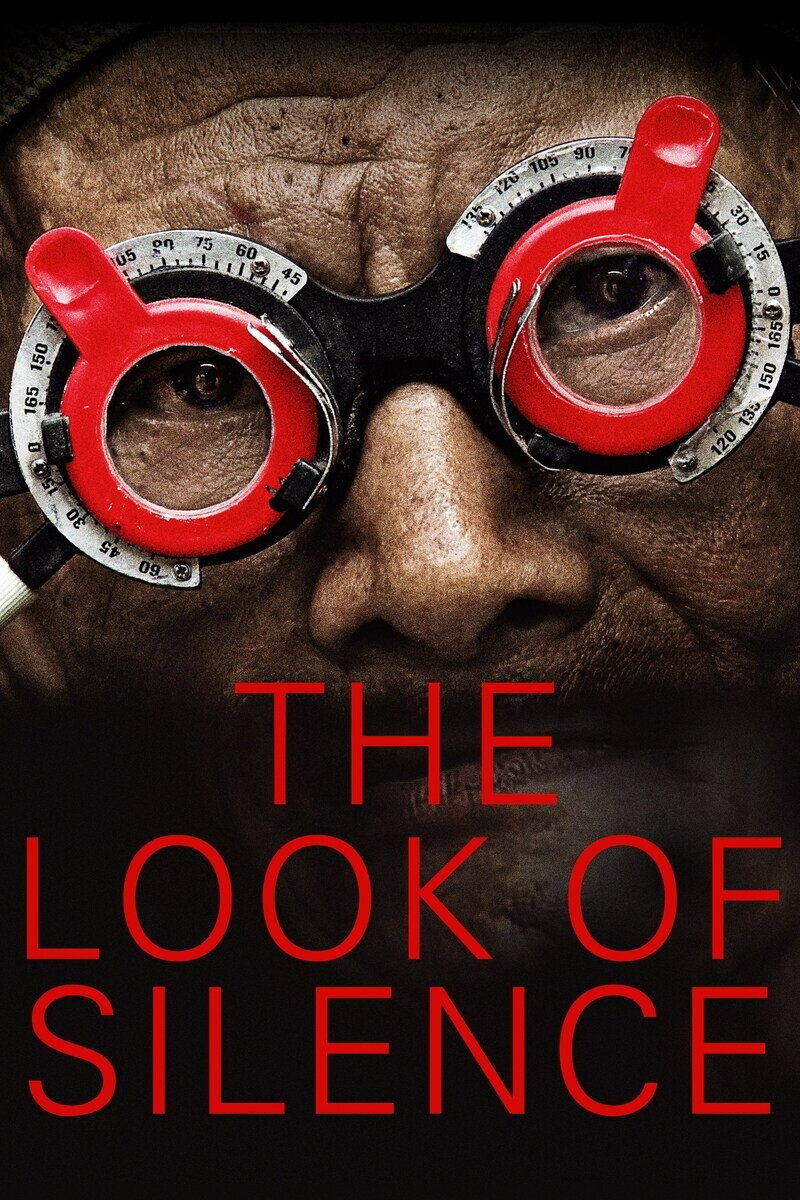
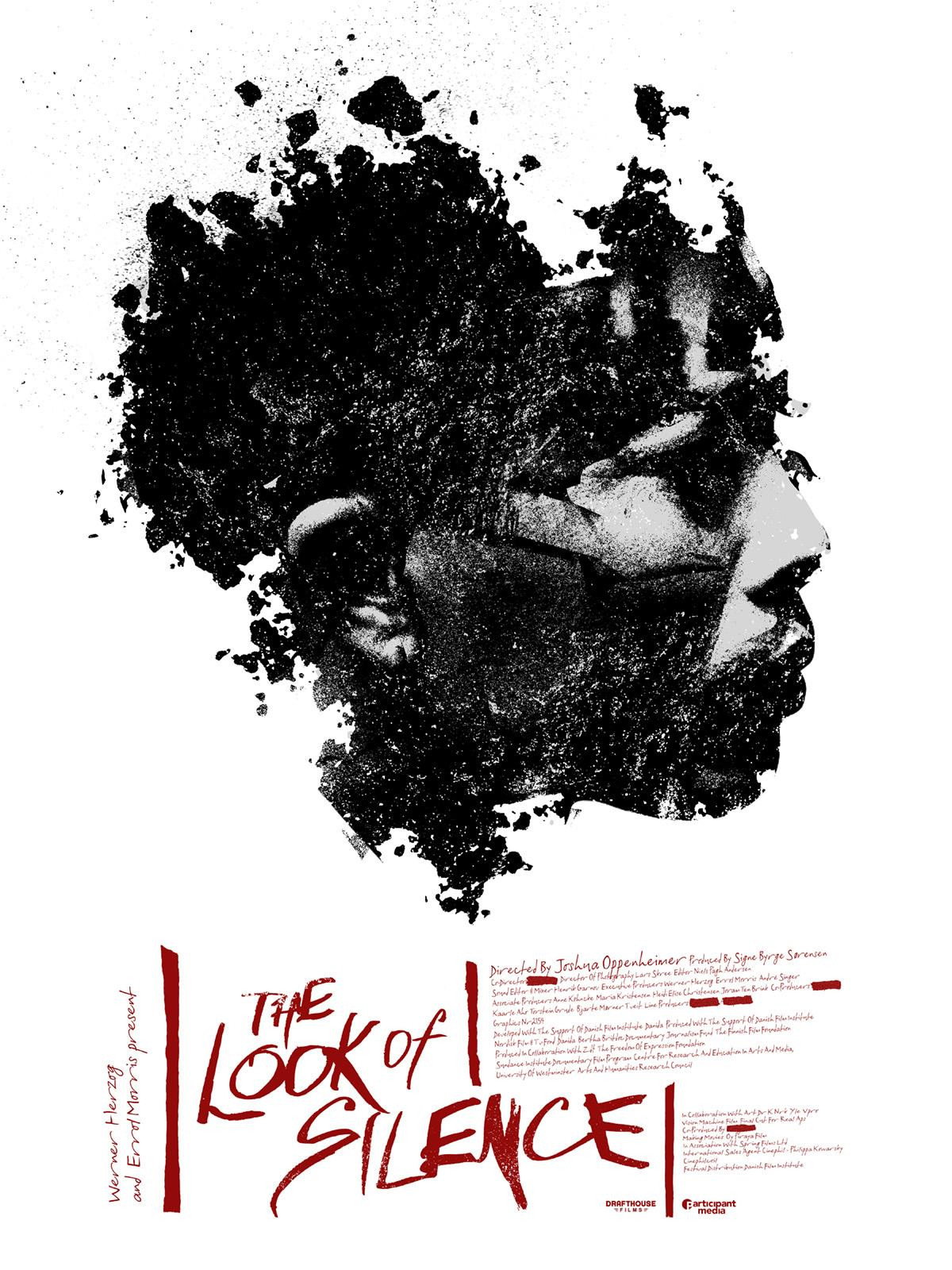
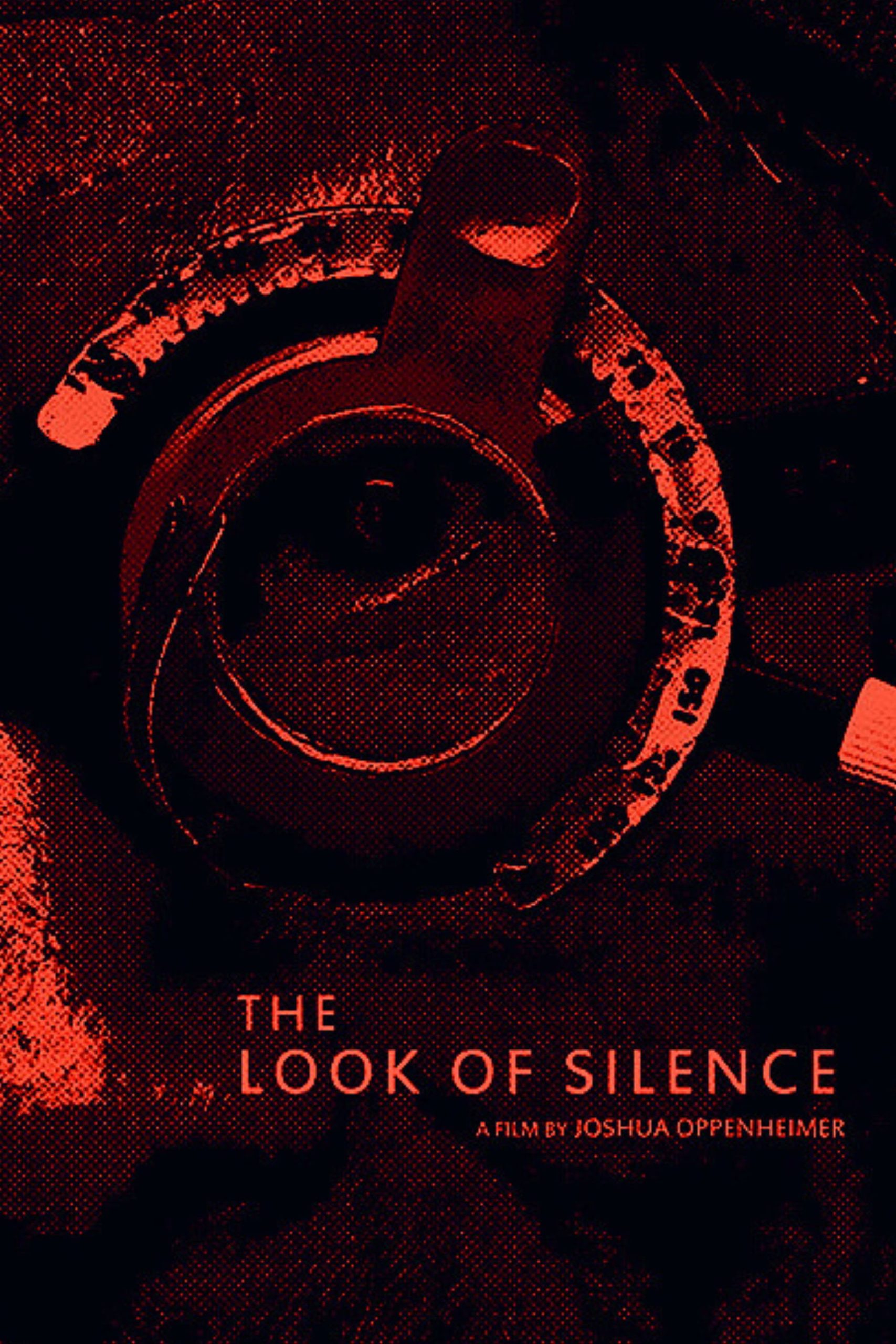
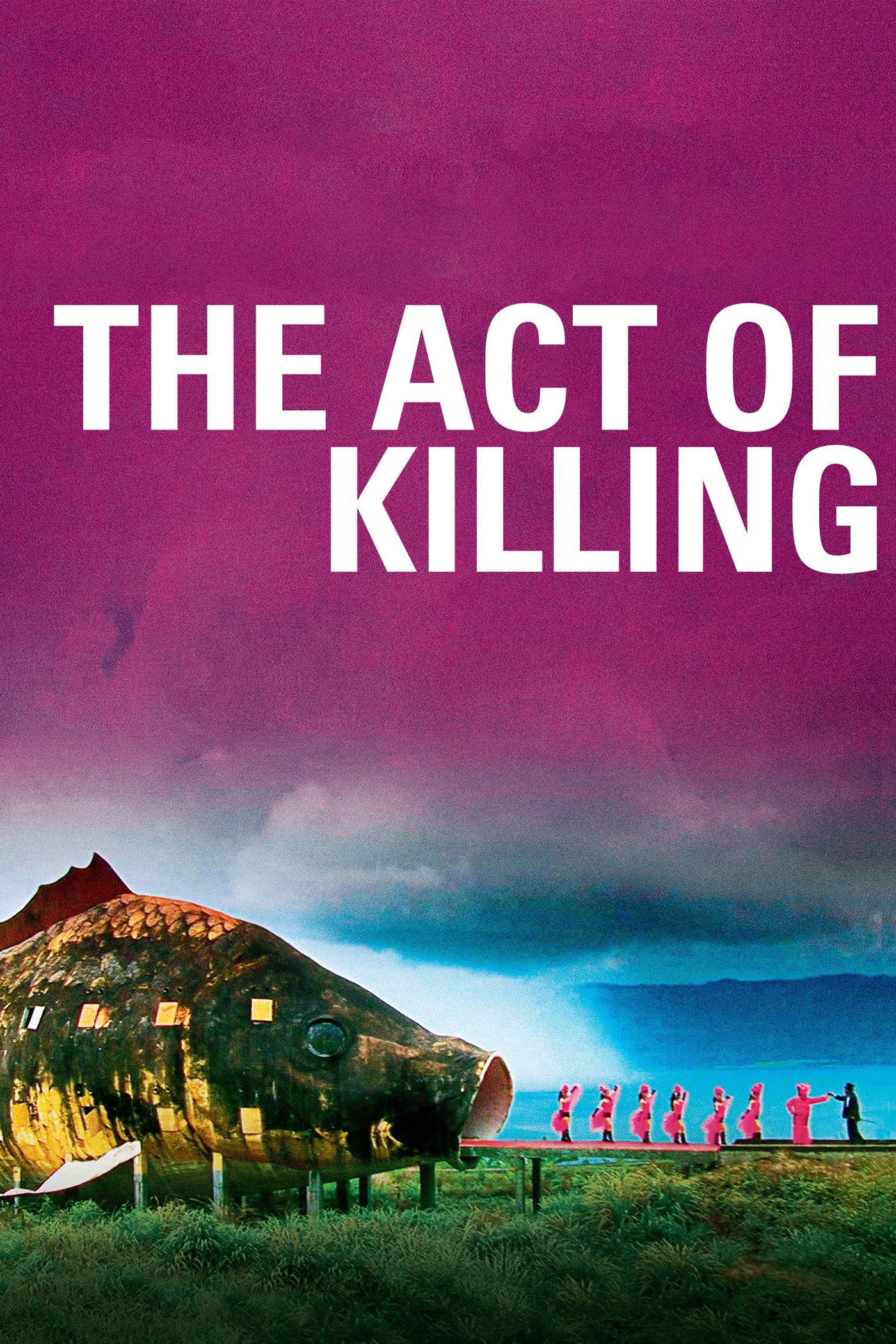
Oppenheimer’s companion to The Act of Killing sends a quiet optometrist to sit with the men who murdered his brother, and waits. It is calmer than its predecessor and cuts deeper; its patience with one frail old man is hard to watch.
In 1965 and 1966 the Indonesian army and the civilian gangs it armed killed hundreds of thousands of people it called communists. Nobody was tried. Many of the killers are still in their villages, telling the story their own way. Joshua Oppenheimer’s The Act of Killing let a group of those men re-enact what they had done in the style of the films they loved, and watched them enjoy it. The Look of Silence goes to the other side of the same villages. It is the better film: a plain account of living down the road from the man who killed your brother.
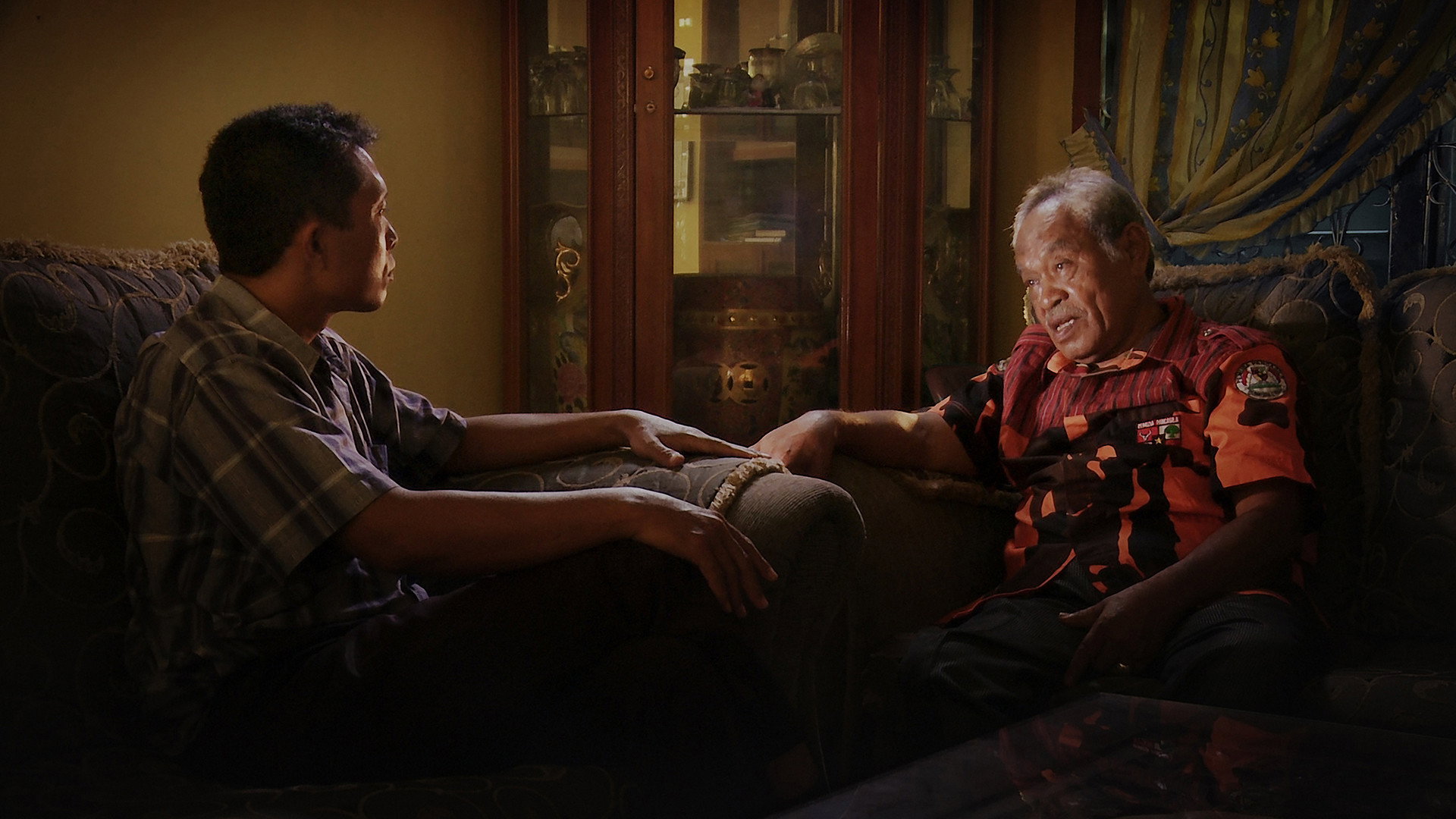
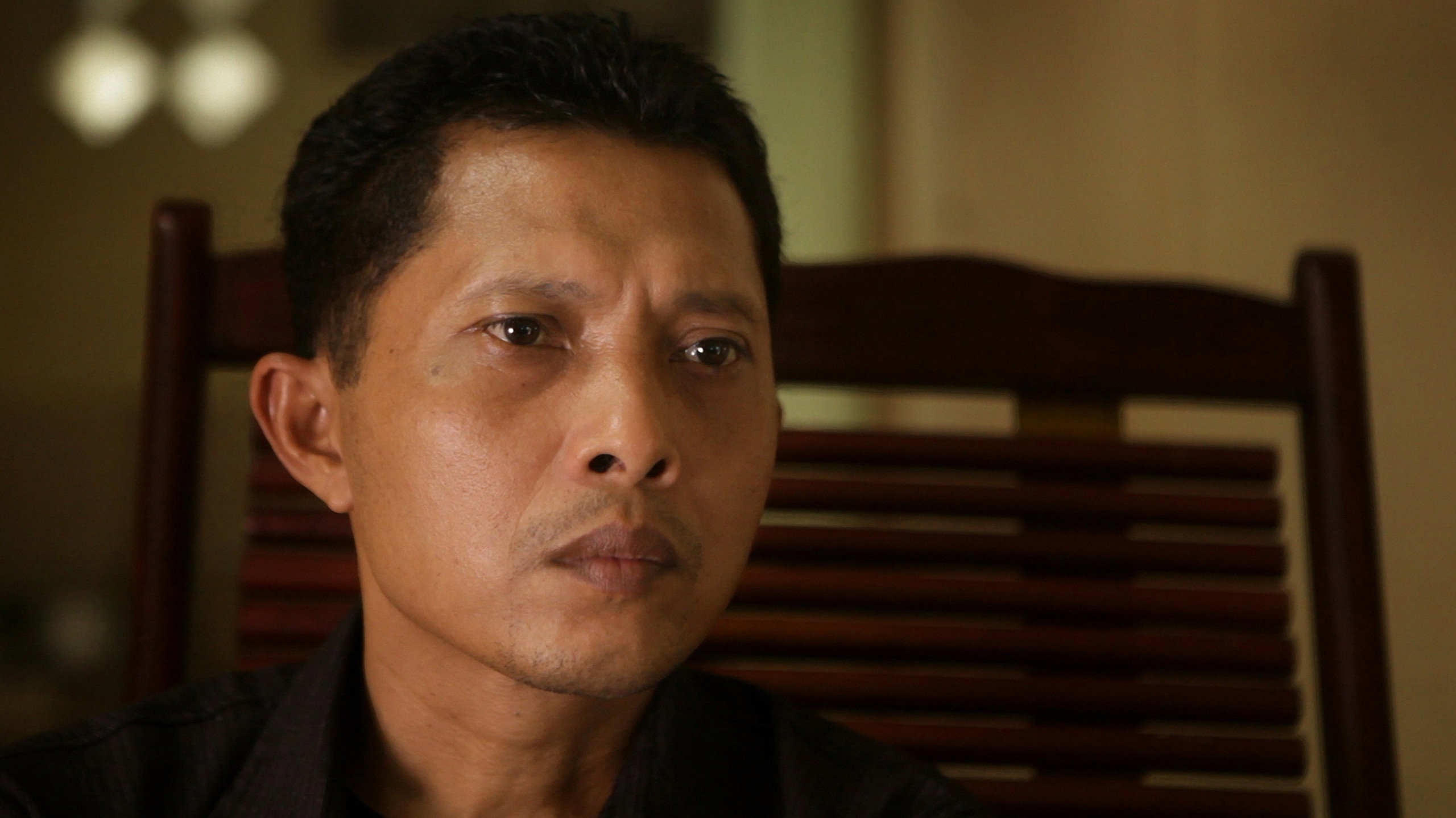
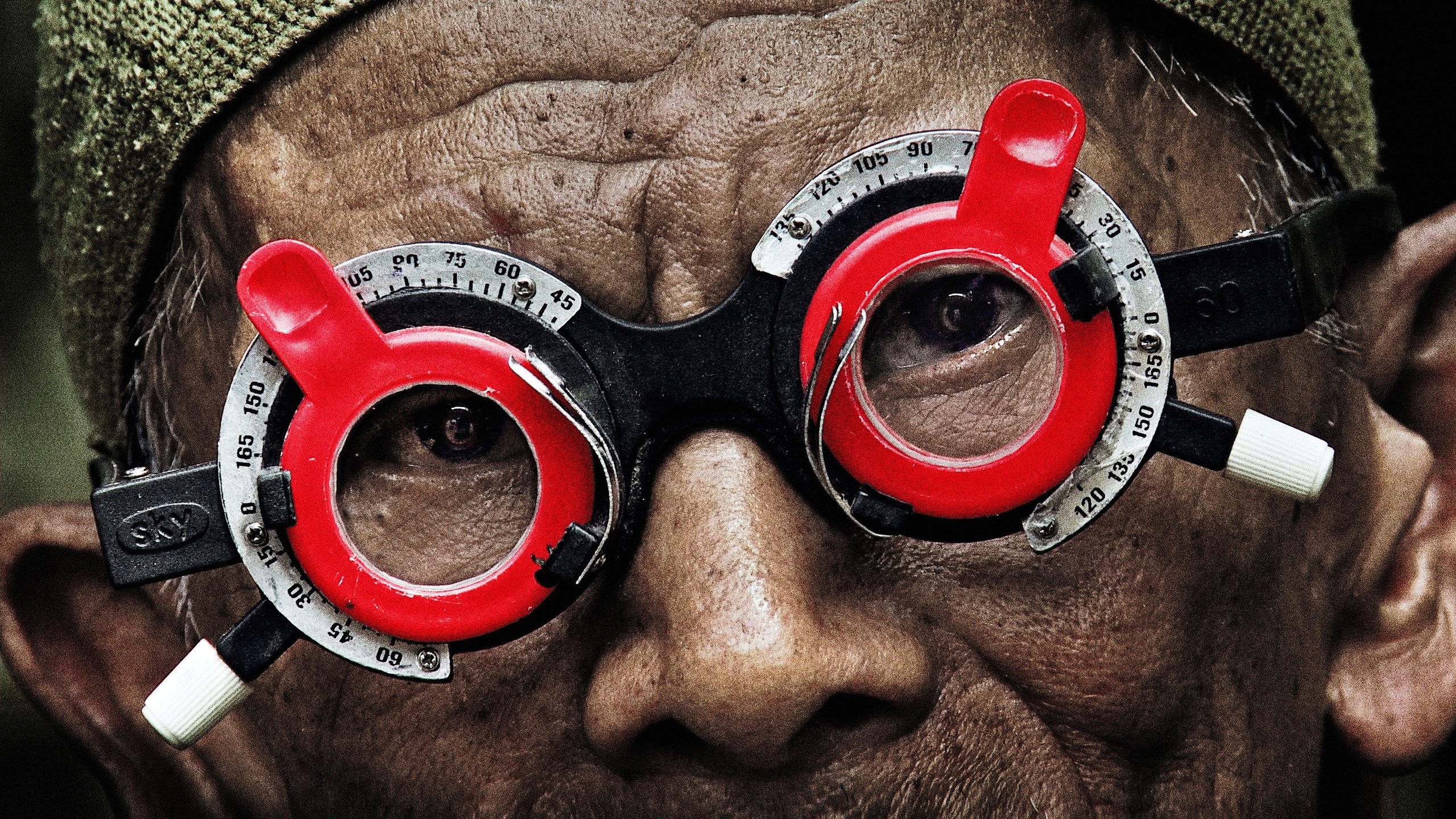
Adi Rukun was born after his older brother was murdered. He is an optometrist, and that gives him a reason to knock on doors. He sets up his testing frame, and while the lenses are swapped he asks about 1965. Lars Skree’s camera does not move. It sits at the distance of a second visitor and holds on a face for as long as the answer takes, and usually longer. Oppenheimer’s voice comes from behind the camera now and then, but the questions that matter are Adi’s.
Inong, one of the old men, tells Adi that the killers drank the blood of their victims because otherwise, he says, you went mad. He says it with the frame on his nose, squinting at a chart. We were horrified, and it was not the detail that did it. It was the ease. Then Adi tells him whose brother he is, and the ease goes. The camera stays on Inong while he works out that this visit was never about his eyes, and the face closing, with nothing said, is what the title means.
Between the visits the film goes home. Adi’s mother is small, quick and unforgiving; she names the men and says what she would like done to them. His father is ancient, blind and nearly deaf, and remembers nothing at all. The old man crawls about a house he no longer recognises, calling for help, and the camera does not step in. Some critics have called it exploitative. We think it runs longer than it needs to, and also that it is the film’s truest picture of a history that has been taken away.
Nils Pagh Andersen cuts slowly and rarely. Long stretches go to Adi in front of a television, watching the footage Oppenheimer shot of the killers, saying nothing. Skree films the countryside in a still green quiet, misted paddies, a jar of cocooned beans twitching on a table, and the soundtrack is mostly insects. The music, credited to Seri Banang and Mana Tahan, is used so sparingly that we noticed each time it arrived. An American television report, with Ted Yates on camera, turns up in fragments, and its cheerful narration sits in the film like a stone.
It is not flawless. The eyesight business is a tidy metaphor and Oppenheimer leans on it more than once. The confrontations follow a shape, hospitality, then boasting, then the question, then the shutter coming down, and by the fourth we could see it coming. Amir Siahaan and M.Y. Basrun produce the one defence they all share: they were following orders, and Adi should be careful about opening old wounds. The film lets the threat sit there, which is right. A viewer who has not seen The Act of Killing will be short of context for Amir Hasan, seen only in archive footage, whom Adi watches with the face of a man reading his own family’s death certificate.
This is the quieter film and the harder to shrug off. The Act of Killing had a showman at its centre and a great deal of invention. This has a man in a polo shirt with a case of lenses, and it needs nothing else. It runs 100 minutes and we did not check the time once.
See it, but not as background. It asks you to hold a face for a long while. Do not expect the men to change. They do not, and that is the point.