L
Little White Lies
12 June 2015 · 5/5/5 · Sophie Monks Kaufman
100
Oppenheimer's follow-up to The Act of Killing is bloodcurdling and brilliant, a devastating hybrid of intellectual and emotional fearlessness. It singles out the anguished tribute to victims struggling against the erasure of their experiences.
Read the full review →T
Time Out
26 August 2014 · ★★★★★ · Joshua Rothkopf
100
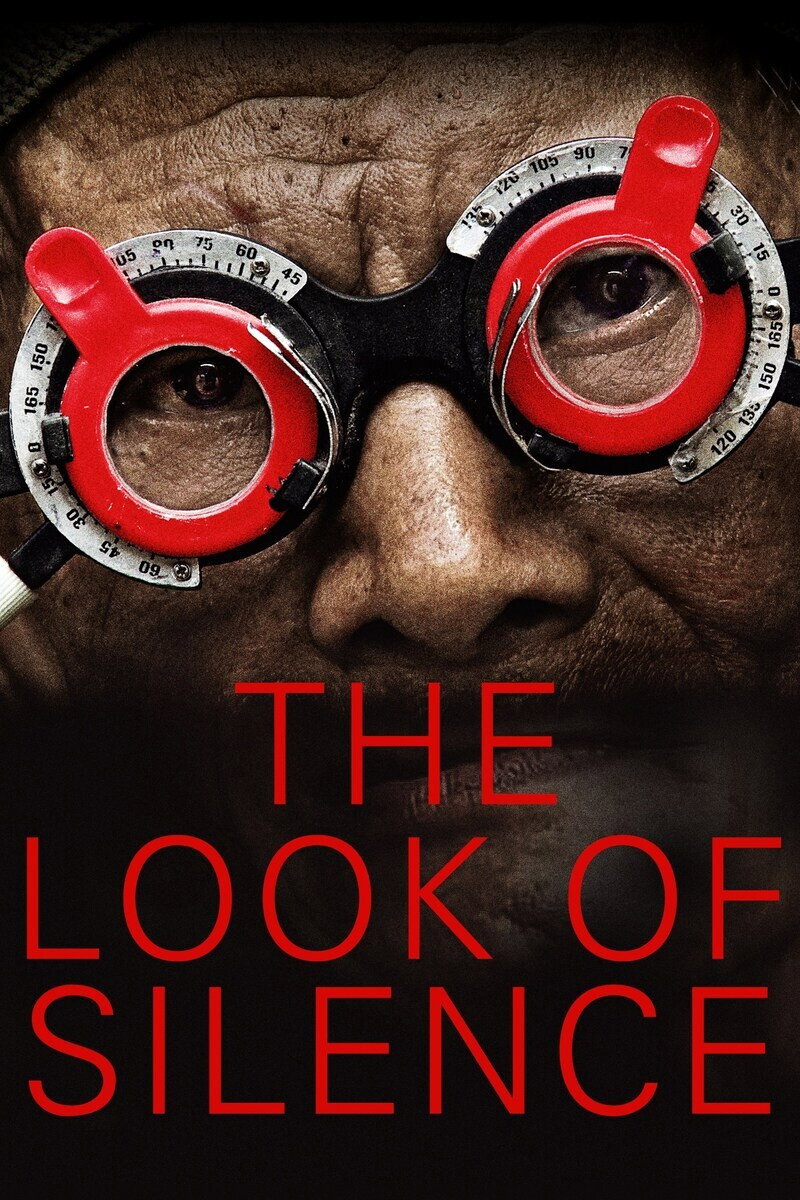
This is a superior, powerfully confrontational work that follows The Act of Killing and features the bold presence of victim’s brother Adi. It singles out the real-life potency of Adi’s ruined expressions and defiant questioning during confrontations with perpetrators.
Read the full review →A
The AV Club
16 July 2015 · A · A.A. Dowd
95
Describes it as a powerful and vital companion piece that gives voice to survivors through direct confrontations, though less conceptually daring than its predecessor.
Read the full review →F
Financial Times
11 June 2015 · Nigel Andrews
90*
The documentary is harrowing and even better than its predecessor, using an inspired method with the optometrist confronting killers to expose ongoing atrocities without authorial outrage. The criminals hang themselves through their own boasts.
Read the full review →The film is a stunning follow-up that shifts focus to the victims' families, who confront the killers. It enters the realm of tragedy with remarkable visual beauty and heartbreaking backstory centered on Adi's dignity and his elderly parents.
Read the full review →N
The New Yorker
20 July 2015 · Anthony Lane
90*
The film is a simpler and better work than its predecessor, following one man's calm quest for details about his brother's murder and cataloguing the excuses of the guilty amid tense tranquility.
Read the full review →N
The New York Times
16 July 2015 · A.O. Scott
90*
The film is a painful, profoundly empathetic work of moral reckoning that examines the mass killings in Indonesia and the ongoing ideology that justifies them.
Read the full review →V
Variety
27 August 2014 · festival review · Guy Lodge
90*
The film is a stunning companion piece that shifts emphasis to the victims while maintaining the predecessor’s moral complexities, keen sociological shading and devastating jabs of humor.
Read the full review →E
Evening Standard
12 June 2015 · Charlotte O'Sullivan
85*
This is an extraordinary follow-up to The Act of Killing that focuses on the impact of the Indonesian massacres on survivor Adi, an optometrist confronting the killers of his brother. The film is praised for its hypnotic portrayal of Adi turning from hunter to hunted during his direct, personal interrogations.
Read the full review →F
Film Comment
· Jonathan Romney
85*
The critic finds the film a calm, contemplative companion to The Act of Killing, more emotionally raw in its direct confrontations yet offset by visual beauty and formal elegance. Adi’s quiet dignity and the perpetrators’ unrepentant revelations are singled out as especially powerful.
Read the full review →Calls the film necessary and more conventional than its predecessor, praising its focus on victims and the power of testimony and confrontation through intimate, dramatic filming.
Read the full review →S
Screen Daily
28 August 2014 · festival review
80*
The film stands apart as a less flashy but more intimate portrait focused on a soft-spoken optometrist confronting killers from his brother's murder. It singles out the quiet dignity, anger and courage of Adi and his mother as the tonal measure amid tense and uncomfortable encounters.
Read the full review →T
The Times
14 June 2015 · Camilla Long
80*
This masterful follow-up is more surgical and meaningful than the first film, focusing on Adi the optician confronting death-squad leaders. It is unrelenting, desperate, sad and mesmerising in exploring the legacy of the killings.
Read the full review →I
IndieWire
1 September 2014 · festival review · Eric Kohn
70*
Calls it a first-rate followup that provides the survivors a voice in a more traditional documentary style, contextualizing the protagonist's quest amid family life and history.
Read the full review →L
Los Angeles Times
24 July 2015 · Kenneth Turan
70*
The film is a shocking and significant companion piece that illuminates one of recent history’s great horrors through the victims’ perspective, though it is exceptionally difficult to watch.
Read the full review →S
Sight and Sound
11 June 2015 · Nick Pinkerton
70*
The film is a companion piece to The Act of Killing that examines the possibility of truth and reconciliation through the eyes of a victim's family member. It singles out the intimate confrontations conducted by optician Adi with former killers as a powerful means of probing historical silence.
Read the full review →S
Slant Magazine
13 July 2015 · James Lattimer
60*
Notes that the film remains gripping despite its approach, criticizing the sensationalism, manipulation, and staged elements while acknowledging its intensity and outrage.
Read the full review →H
The Hollywood Reporter
27 August 2014 · festival review · THR Staff
50*
Praises the film as riveting for its focus on one man's personal confrontation with his brother's killers, noting it is frank and shocking. Criticizes the morbid fascination, gruesome details, and lack of delicacy and restraint in its approach.
Read the full review →H
HeyUGuys
28 August 2014 · ★★★★★ · Jo-Ann Titmarsh
100
The film creates a haunting diptych with its more personal approach, following one man's quest for truth and accountability from the perpetrators of the Indonesian genocide. It is more emotionally engaging than its predecessor, with visual poetry and a glimmer of hope in reconciliation.
Read the full review →P
The Playlist
13 July 2015 · A · The Playlist Staff
95
The follow-up is an ululating lament and spellbinding equal to The Act of Killing, transformed in tone but undiminished in power, with masterful imagery, soundtrack, and focus on Adi's courageous restraint amid horror. It meditates poignantly on legacy, bravery, and the search for truth.
Read the full review →C
Collider
17 July 2015 · A- · Matt Goldberg
90
The film is a jaw-dropping work of non-fiction that lets victims confront perpetrators of the 1965 Indonesian genocide through Adi, an optometrist seeking answers about his brother's murder. It highlights the haunting impunity and silence that persist decades later.
Read the full review →C
Consequence
16 August 2015
90*
The film is a breathtaking, haunting documentary that examines survivors' guilt, propaganda, and repressed memory through Adi's risky confrontations with aging death squad leaders. It powerfully contrasts the perpetrators' rationalizations with the victims' enduring trauma and pursuit of truth.
Read the full review →N
NME
5 June 2015 · Angus Batey
90*
The review calls the film exceptional for offering a personal perspective on Indonesia’s mid-’60s genocide through an optician confronting the killers of his brother. Adi’s courageous persistence in chipping away at the wall of silence is highlighted as astonishing.
Read the full review →P
Paste
19 July 2015 · 8.9 · Christine N. Ziemba
90*
The straightforward companion piece to The Act of Killing is devastatingly powerful and elegiac, focusing on survivor Adi confronting killers under the guise of eye exams. It damns the mass murderers and the ongoing culture of fear and denial in Indonesia.
Read the full review →E
Eye for Film
5 June 2015 · Amber Wilkinson
80*
Oppenheimer focuses the atrocity on one family's experience, with Adi confronting the killers during eye exams as a metaphor for helping them see differently. The patient camerawork lingers effectively on faces and emotions, though some scenes with Adi's father verge on exploitative.
Read the full review →S
The Skinny
2 June 2015 · ★★★★ · Ben Nicholson
80
The critic praises the film as a worthy, intimate companion piece to The Act of Killing that shifts focus to the victims’ perspective. Adi’s quietly crushing dignity while confronting the killers is singled out as the heart of this imperative and devastating documentary.
Read the full review →Ordered by the weight we give each publication, then by score. Scores are normalised to 100; * means inferred from an unrated review. Summaries are ours, not quotations; follow the links for the reviews themselves. How we rate