Bradley Cooper and Jennifer Lawrence make David O. Russell’s argumentative romance funny, uncomfortable and worth an evening. The performances earn our affection, though the writing becomes too reassuring about problems that deserve more care.
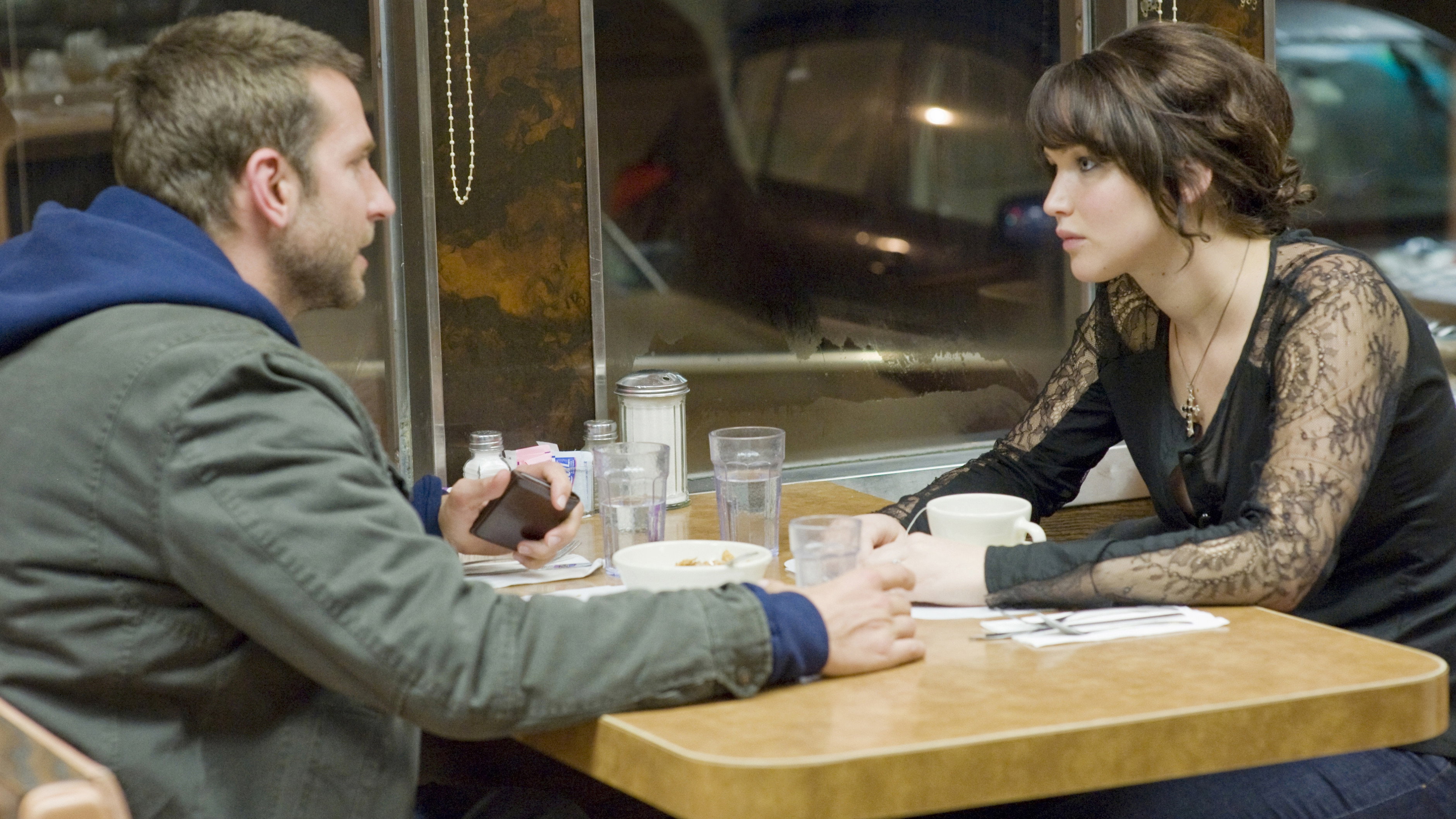
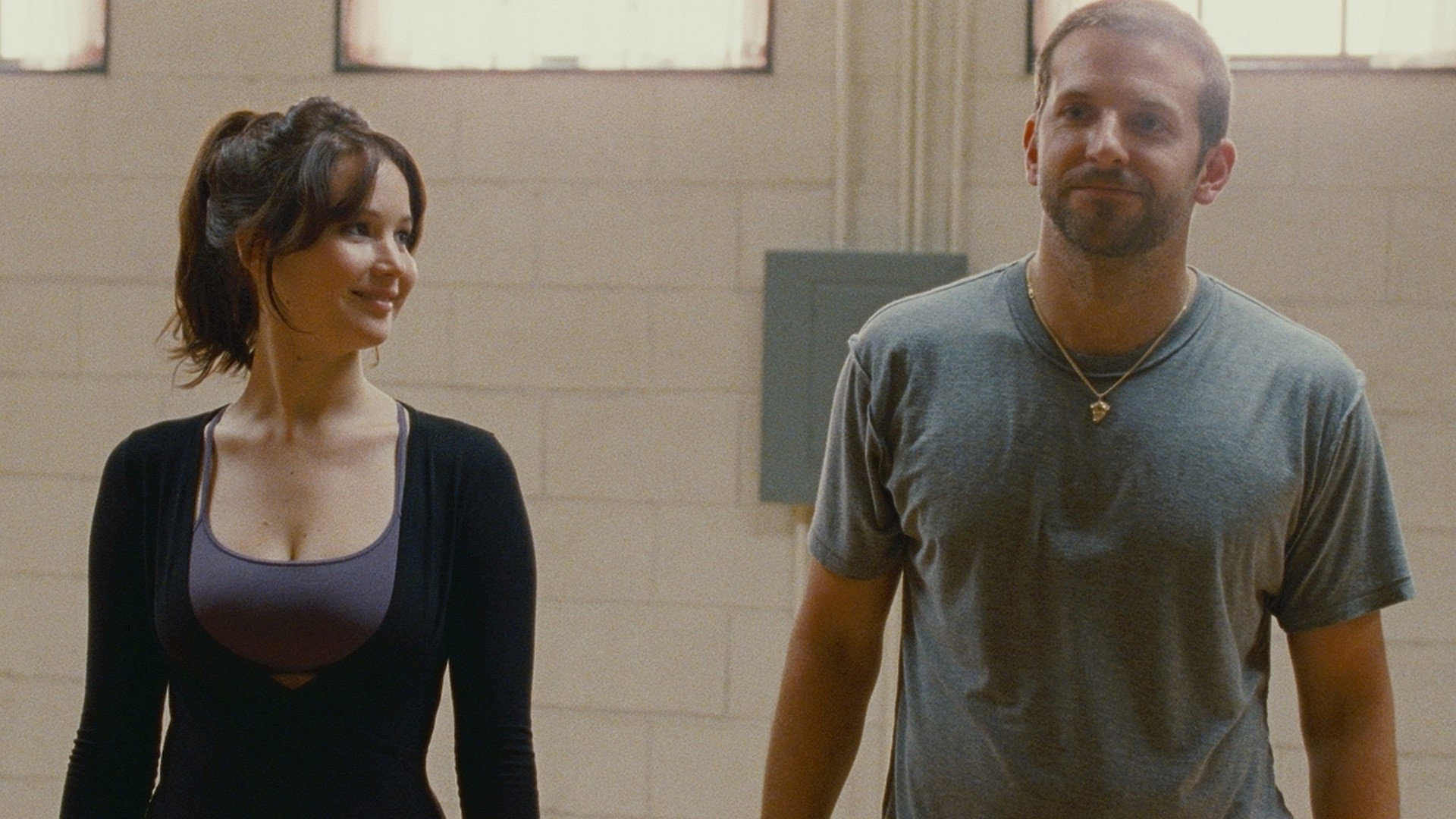
Silver Linings Playbook is a funny, abrasive romance that we recommend, with a substantial reservation about how conveniently it handles mental illness. Writing and directing from Matthew Quick’s novel, David O. Russell tries to keep the speed and friction of screwball comedy without treating his troubled couple as harmless eccentrics. For much of the film, he manages it. Bradley Cooper’s Pat, returning from a psychiatric institution, and Jennifer Lawrence’s Tiffany, a young widow, make even the prospect of getting along seem demanding.
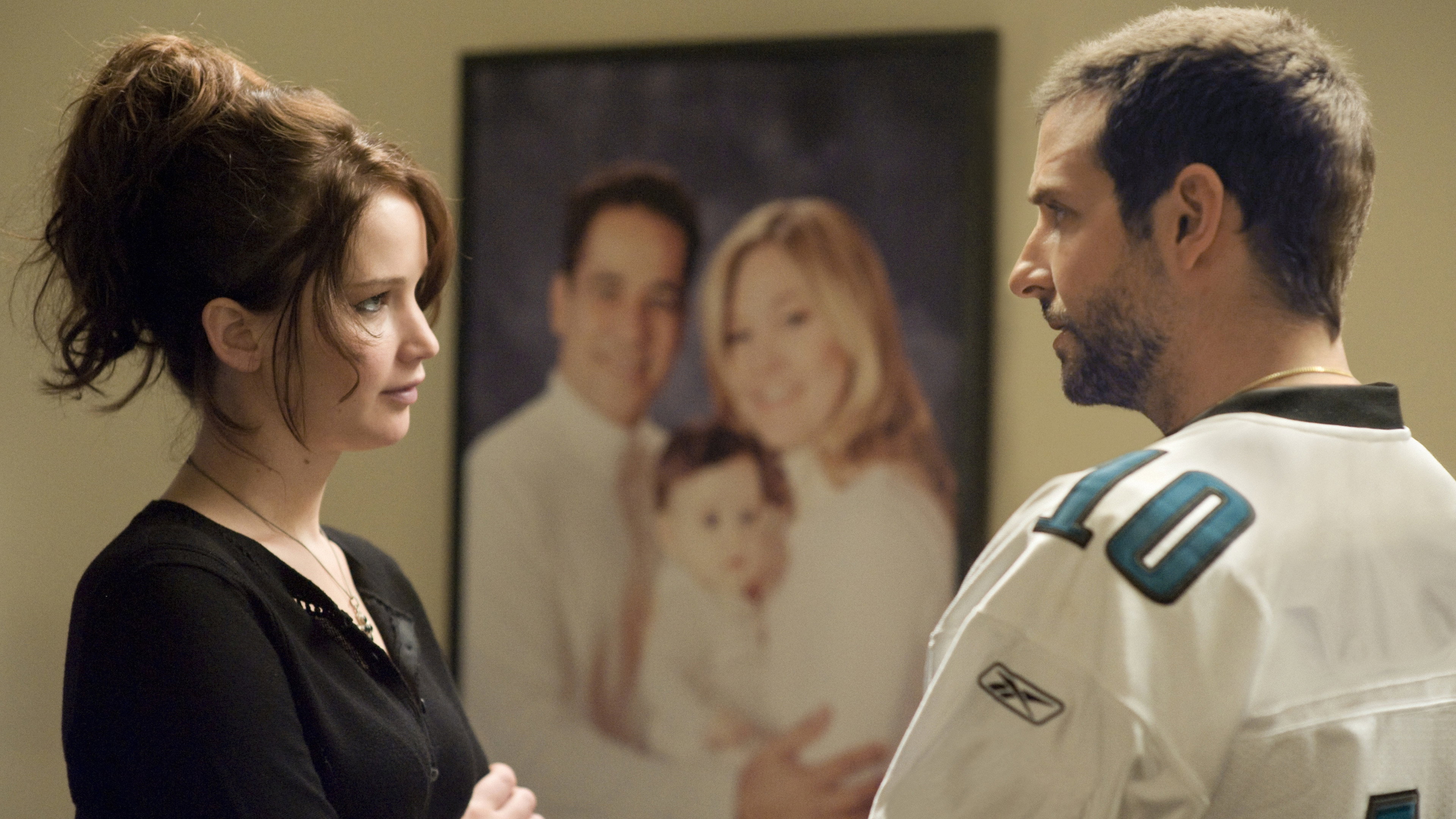
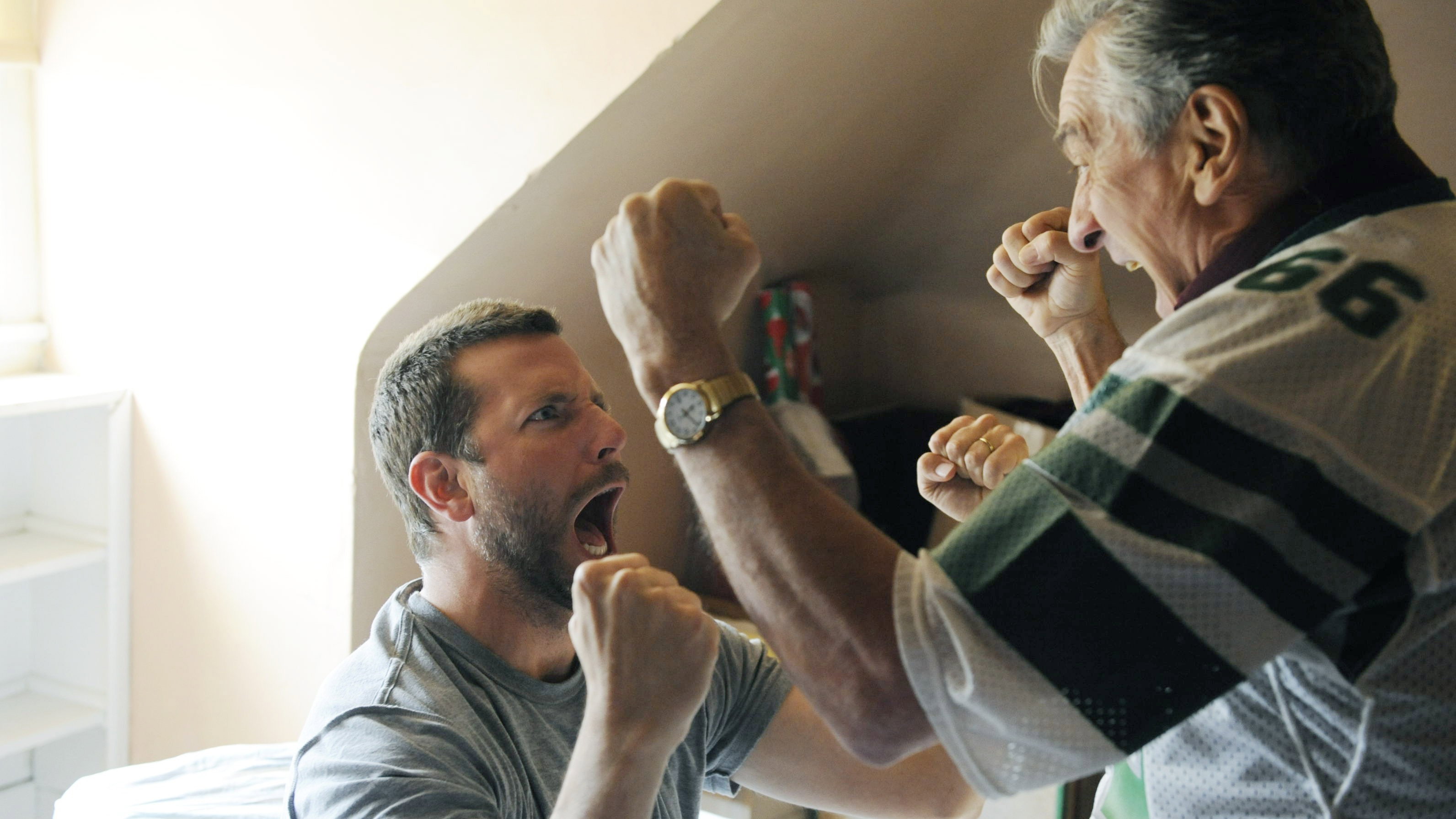
Cooper lets Pat be exhausting, which matters in a film that wants us to care about him. His restless delivery makes conversation feel like something he has to win before he can rest. We laughed at his blunt exchanges with Tiffany, then felt uneasy about how easily the jokes could hurt. Lawrence gives her replies enough anger to make that unease reasonable. The attraction is convincing because neither performance settles into the agreeable behaviour that romantic leads so often use to keep us on their side.
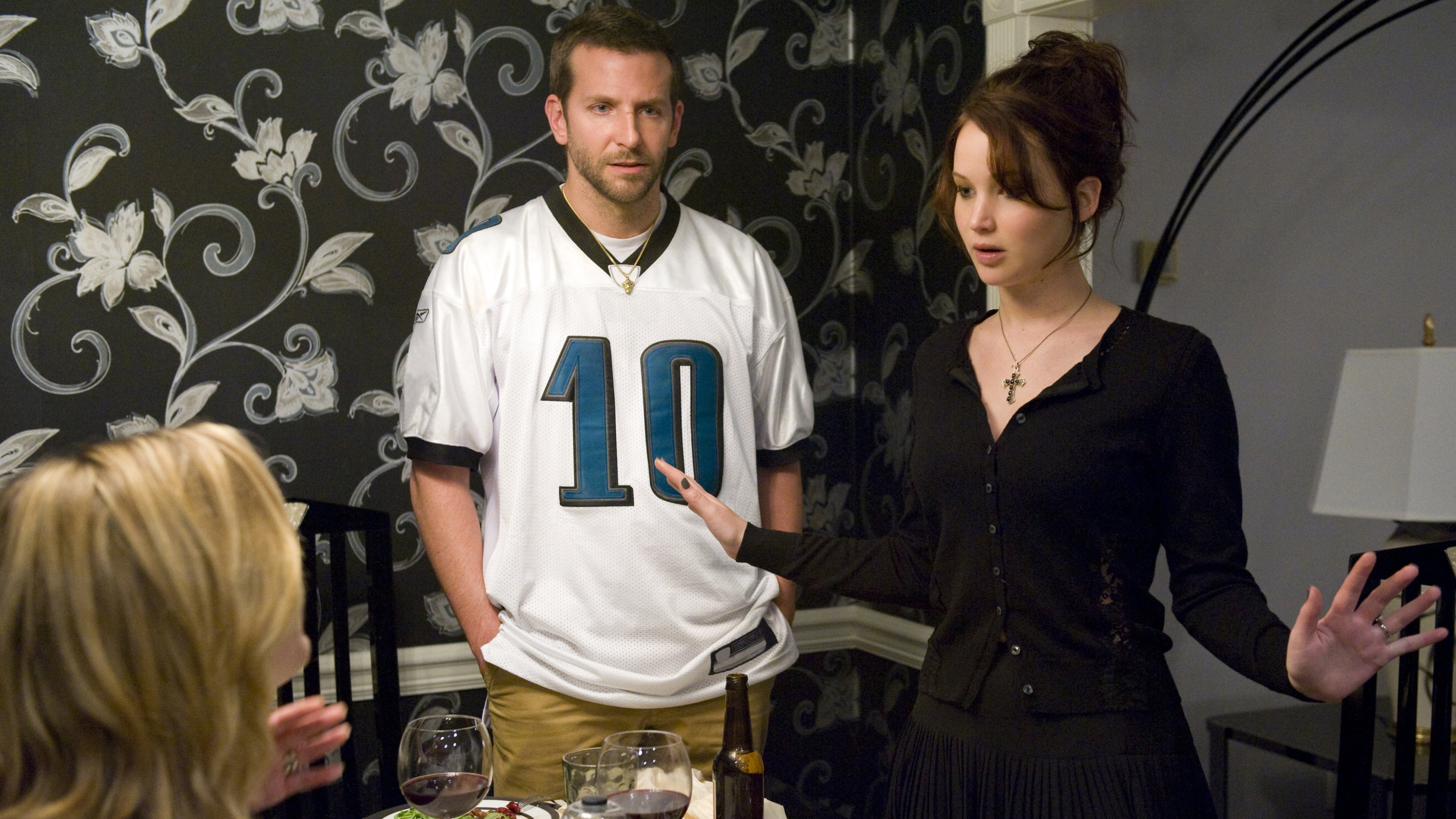
Lawrence is especially good at letting Tiffany’s grief remain troubling even when she is funny. She does not make every sharp reply a request for sympathy, and the part needs that resistance to sweetness. Robert De Niro and Jacki Weaver, as Pat Sr. and Dolores, help the family scenes suggest years of accumulated irritation. Russell gives the ensemble enough comic freedom for the household to feel busy without making everyone equally lovable.
Masanobu Takayanagi’s cinematography keeps the performers’ discomfort readable, a useful restraint when the dialogue is already doing so much. Judy Becker’s production design makes the family surroundings feel used and familiar, which helps keep the characters from looking like eccentrics assembled for our entertainment. We can believe that these people were irritating one another long before the story began. That ordinary domestic setting gives their arguments some weight beyond the immediate business of getting a laugh.
Editors Jay Cassidy and Crispin Struthers keep the verbal collisions moving quickly, giving the comedy a welcome impatience. The pace can be tiring, but it also makes the awkward stretches harder to relax into: another ill-judged remark is never far away. Danny Elfman’s music is less persuasive than the conversation, and its encouragement towards warmth occasionally feels unnecessary. The performances have already given us enough reason to care about these people.
The difficulty comes when Russell asks the romance to carry more reassurance than it can bear. The later plotting grows conventional in ways that make the earlier attention to mental illness feel less careful, as though getting two people together could settle everything else. Pat’s bipolar disorder deserves more caution than that, even in a comedy with no obligation to behave like a clinical case study. We wanted the screenplay to leave more room for the difficulties it has been so good at noticing.
As a screwball romance, it earns its place through the difficulty of these conversations and Cooper and Lawrence’s refusal to smooth them out. The jokes remain sharp enough to survive the softer writing. We would happily spend the evening with these people, though 122 minutes of their company occasionally feels like a family obligation. See it for Cooper and Lawrence; be less trusting of the film’s ideas about getting better.