Film review

Muriel's Wedding

1994 · Directed by P.J. Hogan · 1h 46m · MPA R

In a sentenceA woman puts her faith in ABBA and marriage, and ABBA seem the more responsible party

ComedyDramaRomance

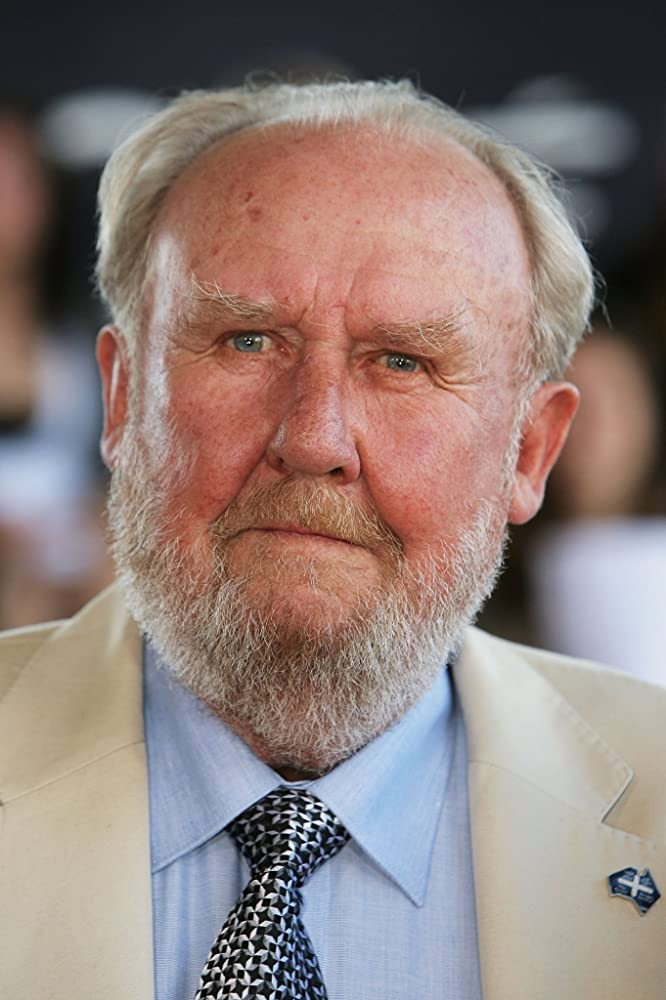
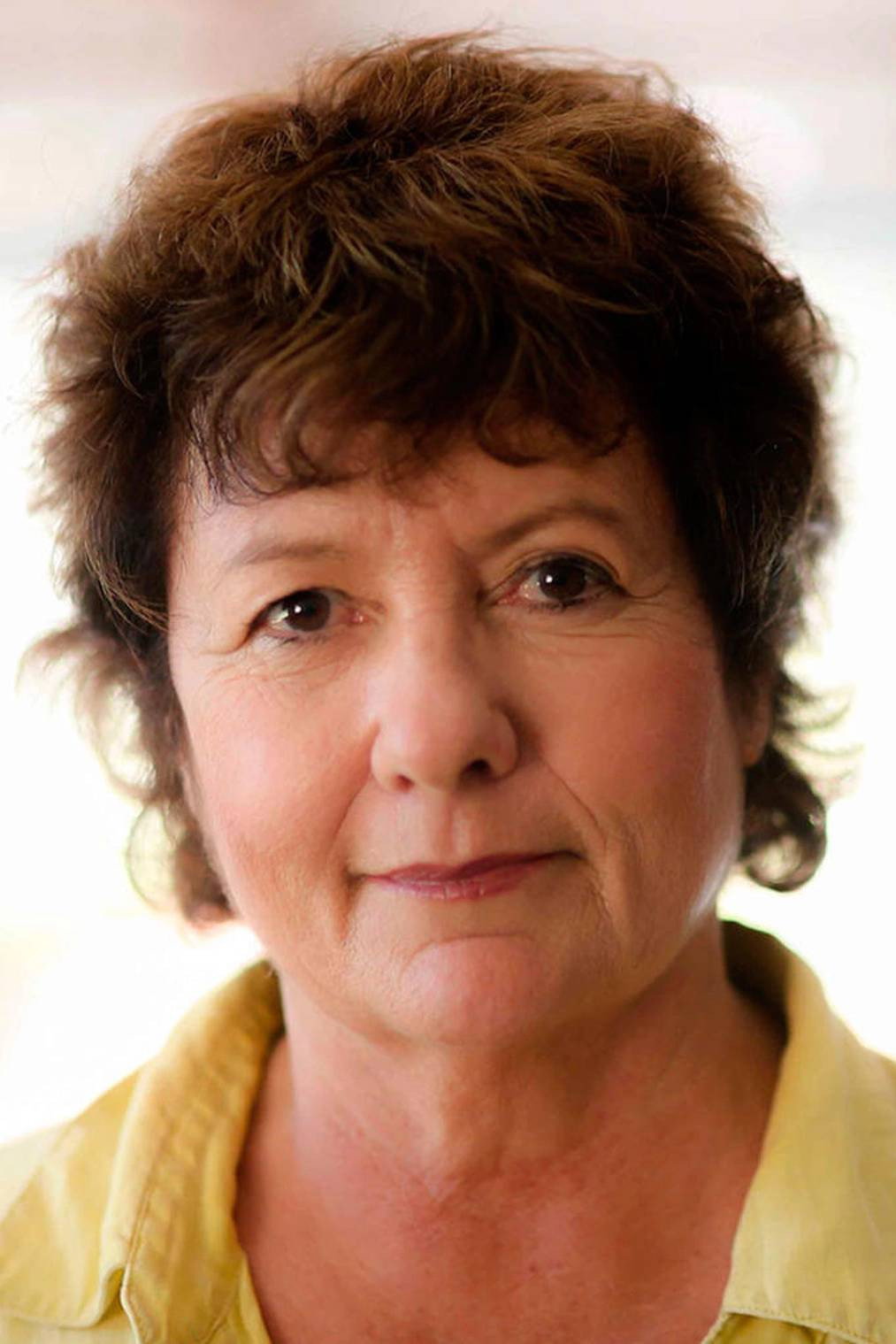
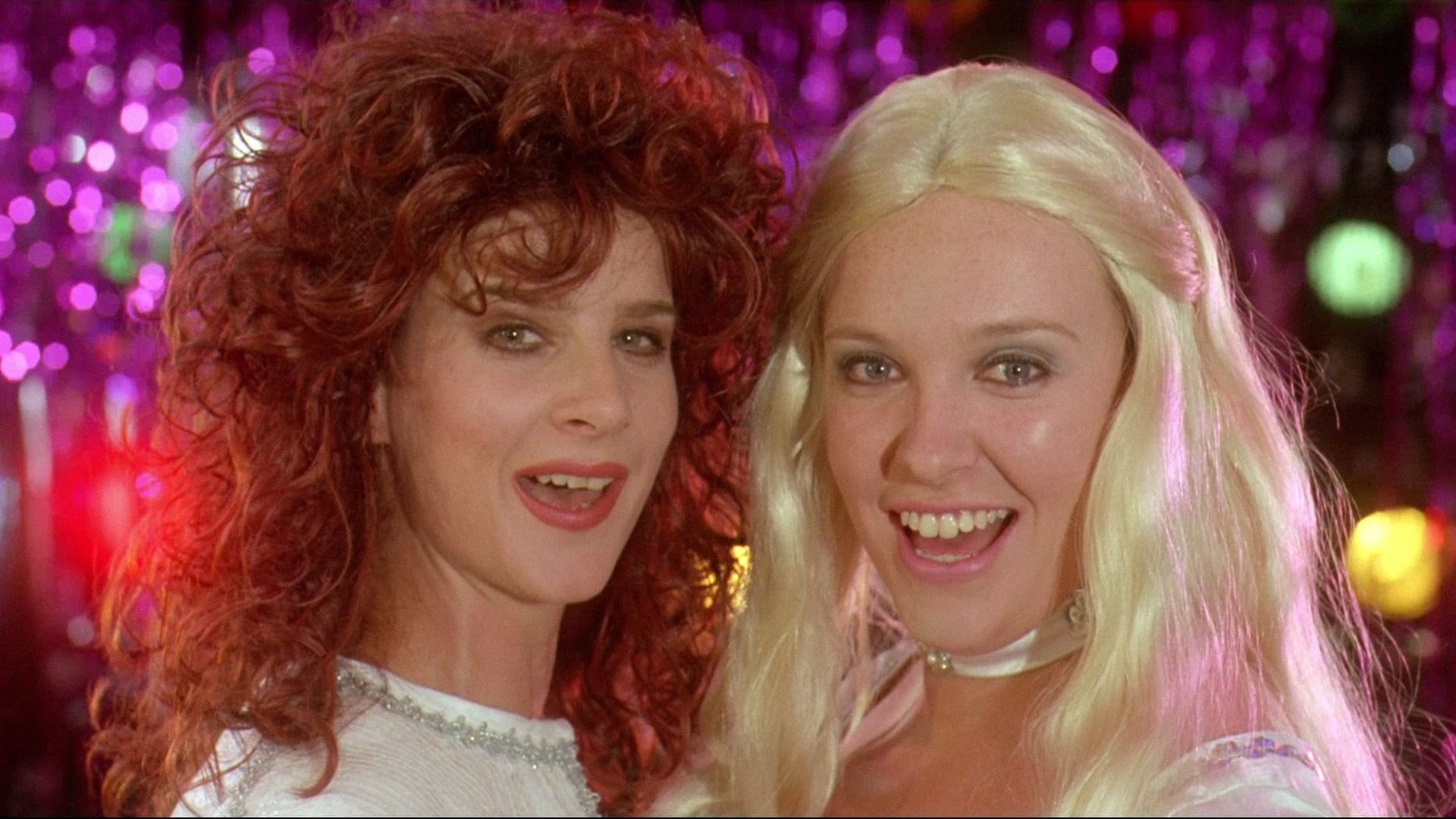
Muriel Heslop (Toni Collette) lives in a small Australian town and spends much of her time imagining a different life. ABBA songs and dreams of a wedding offer an escape from the people who make her feel she is worth little. Marriage seems to promise the approval she cannot find at home. Leaving her hometown, she shares a flat with Rhonda Epinstalk (Rachel Griffiths) and begins to discover what friendship might offer. P.J. Hogan writes and directs this comedy-drama, with Bill Hunter as Bill Heslop and Jeanie Drynan as Betty Heslop.

Plays from YouTube when you press play; nothing loads from them until then.

Fi1m review

Toni Collette makes Muriel’s Wedding funny and painful without asking us to pity its heroine. P.J. Hogan’s comedy is blunt in places, but its understanding of loneliness makes the rough changes of tone worth forgiving.

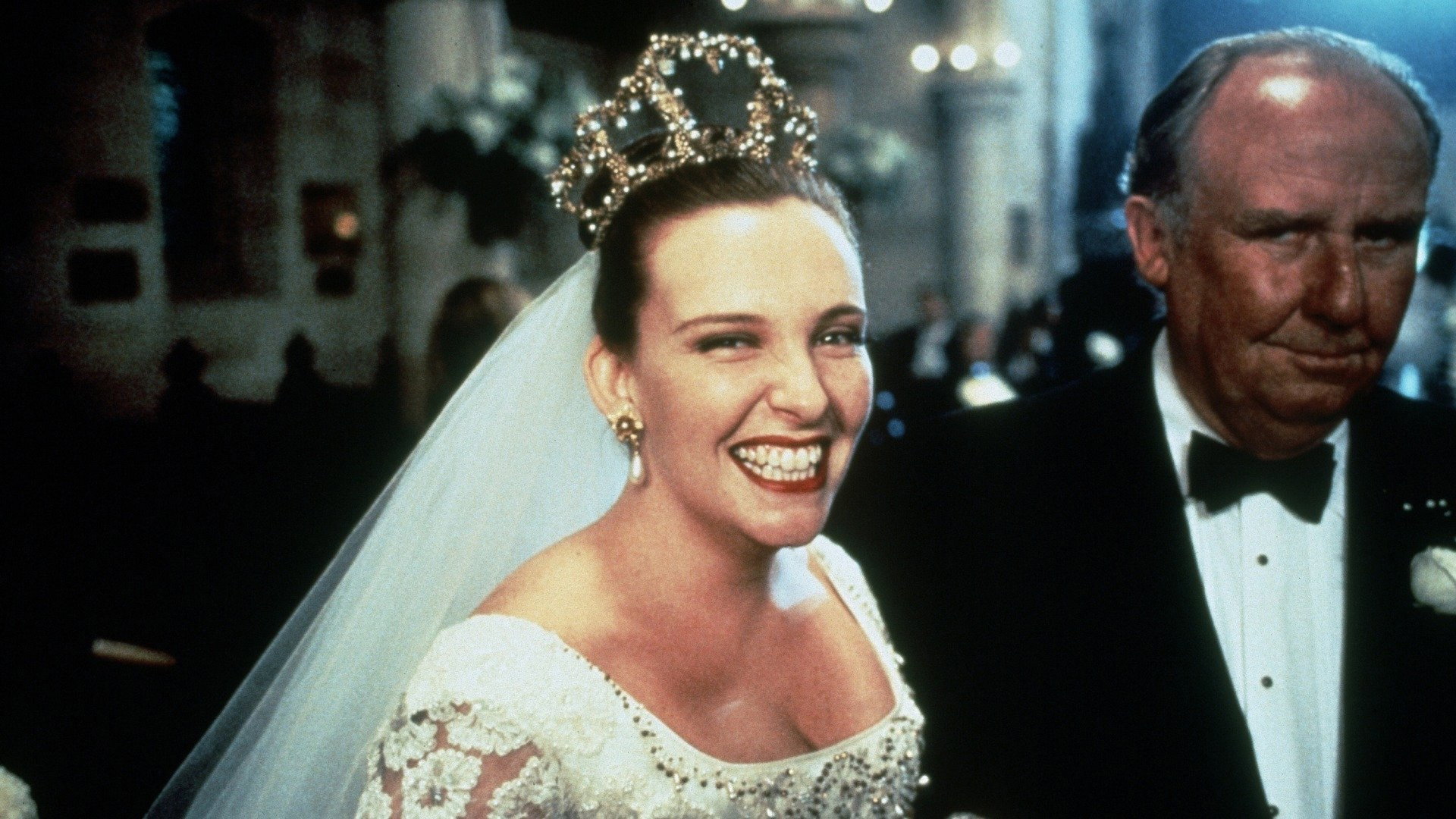
P.J. Hogan’s Muriel’s Wedding understands how a wedding can appeal to someone who has barely considered the marriage. For Muriel Heslop, played by Toni Collette, being chosen would settle a great many doubts about her worth. We recommend this funny, compassionate comedy despite its rough changes of tone, because Hogan takes care with someone who could easily have become a running joke. He lets her hopes look foolish without suggesting that she is wrong to want affection.

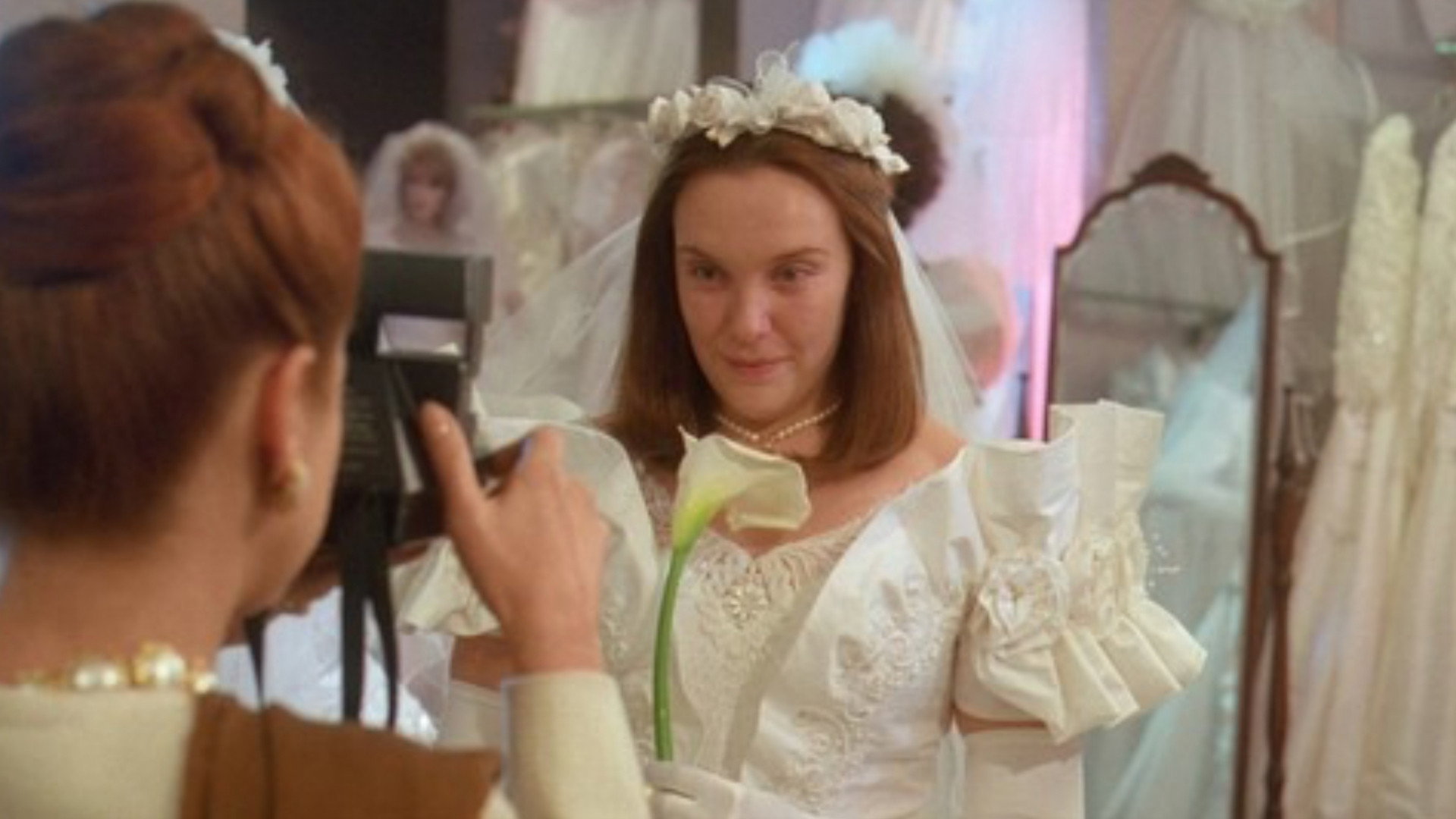
Collette makes Muriel’s wish to be admired understandable even when her fantasies are embarrassing. She gives the wedding-dress dreams an urgency that makes it hard to dismiss them as mere vanity. We were moved more than we expected: Collette makes Muriel seem so hungry to be wanted that the imagined wedding becomes painful to watch. The comedy survives because she also allows us to see how much Muriel expects a ceremony to fix.

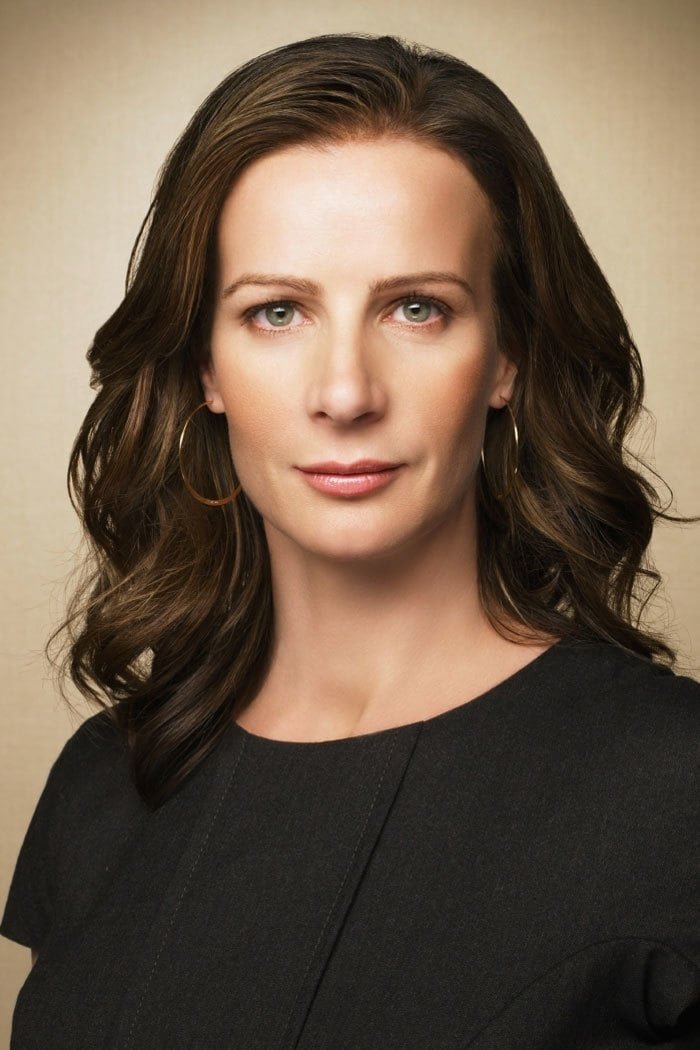
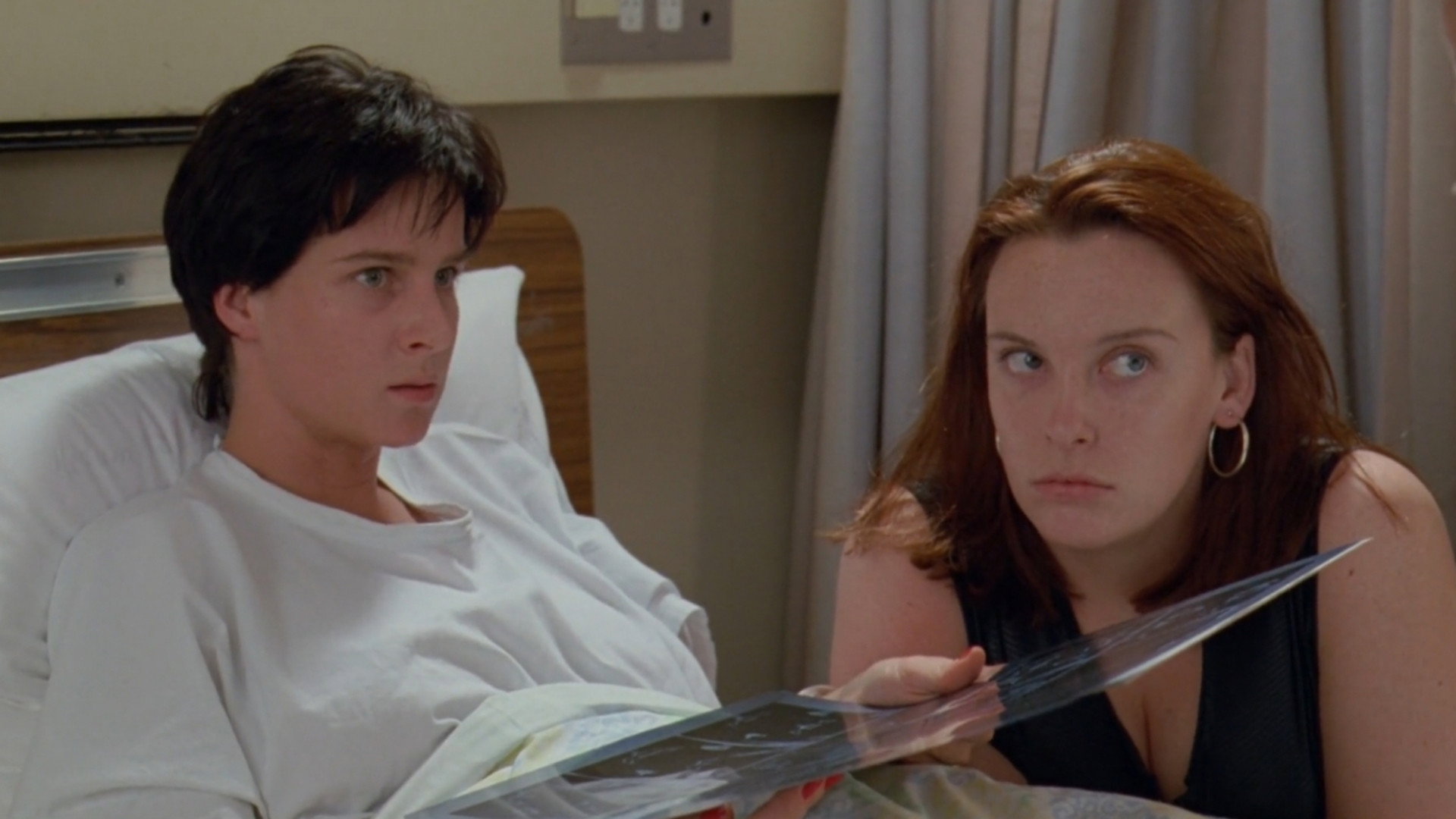
Rachel Griffiths’s Rhonda Epinstalk gives Muriel somebody whose company might matter more than her approval. When the women share a flat, the film has room to consider what friendship offers someone so preoccupied with marriage. Griffiths brings a useful directness to scenes that might otherwise drown in sympathy, and the pair are convincing company. Their relationship gives the film something to attend to beyond the question of whether Muriel will get her wish.

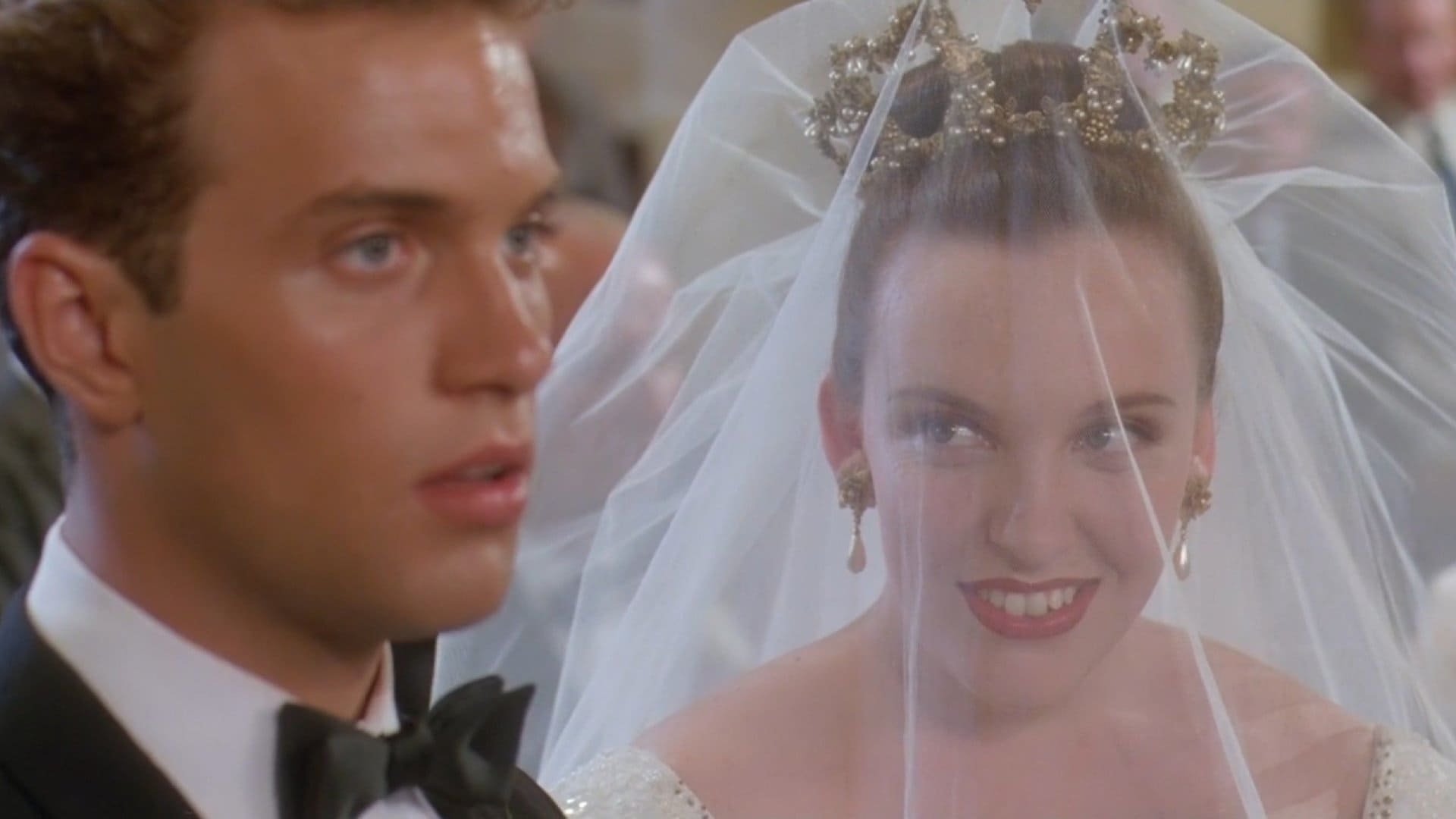
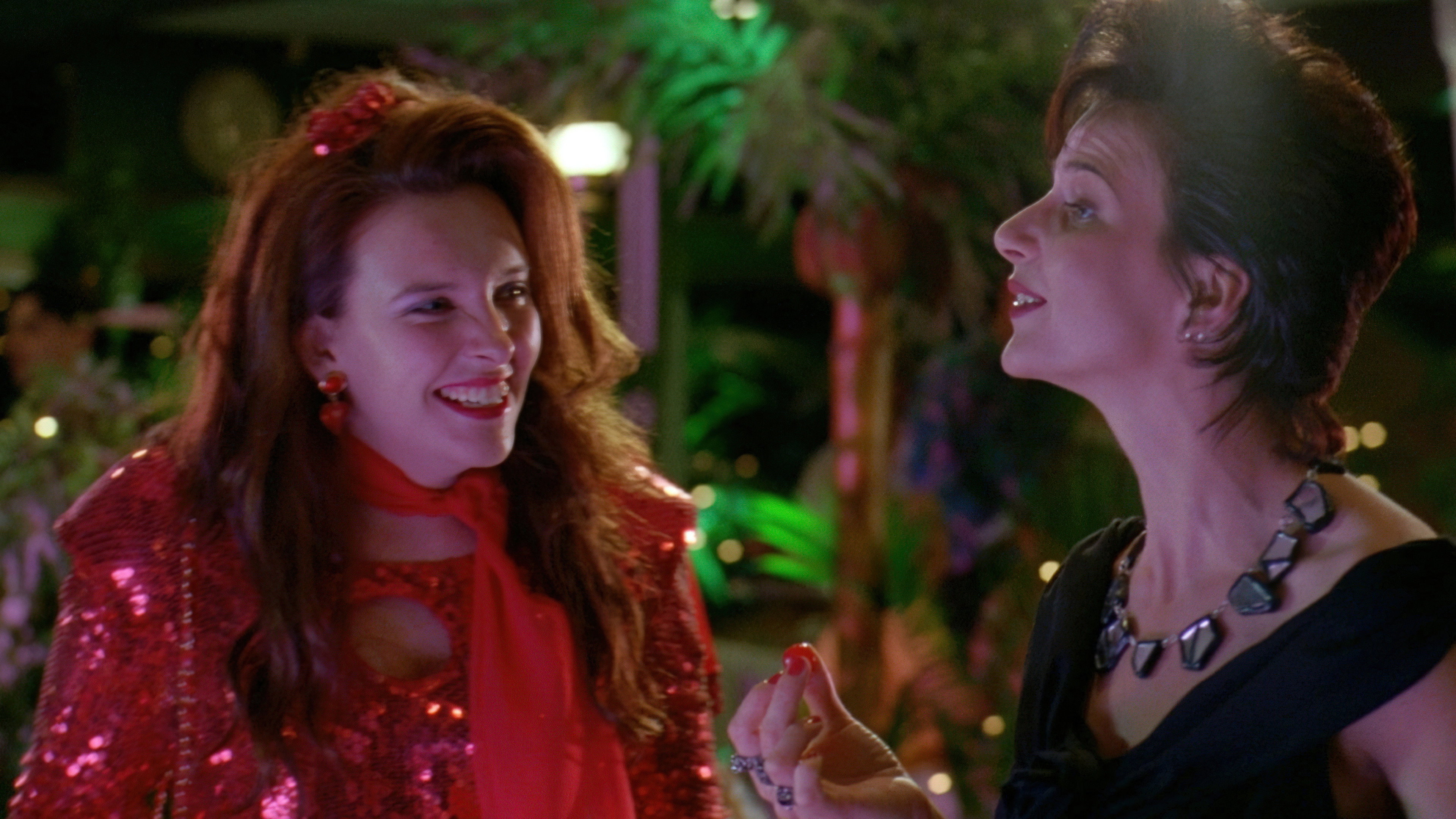
Martin McGrath’s cinematography favours emphatic colour, while Paddy Reardon’s production design takes cheerful decoration towards the gaudy. That suits a heroine whose dreams have little room for understatement, though the visual exaggeration occasionally makes the people around her too easy to laugh at. Jill Bilcock’s editing is particularly lively in the wedding scenes, giving the ceremonial fuss a brisk comic rhythm. These scenes have a confidence that the film’s more serious passages do not always share.

Peter Best’s score helps with the changes of mood, though the ABBA songs do more to explain Muriel’s imagined escape from her hometown. The pop gives her fantasies a persuasive happiness; we can understand why she would prefer to spend time with it. Best’s music is less distinctive, but its supporting role makes sense when Muriel has such firm musical loyalties. Hogan treats her attachment to those songs with affection, never assuming that we should laugh at her taste.

The problem is Hogan’s insistence when the story becomes more painful. Some supporting characters have been drawn so broadly that the move into serious drama asks for an adjustment the writing has not fully prepared. At times, the script also explains what we should think about self-esteem after Collette has already made it clear. A little less emphasis would help, particularly when the performances are capable of making us uncomfortable without an accompanying lesson.

Within romantic comedy, it remains unusually willing to let its heroine be awkward and mistaken without making her unworthy of our attention. Hogan is interested in how other people’s contempt can get inside a person’s thinking, and Collette makes that damage recognisable. Her scenes with Griffiths give us good reason to stay through the less assured stretches. Choose it for their company, but do not expect the ABBA songs to guarantee a cheerful evening.

Critical consensus AI synthesised

70
Positive
5
Mixed
1
Negative
1

Most critics respond warmly to Muriel’s Wedding, finding its broad comedy sharpened by social satire and softened by affection for its outsiders. Praise centres on Toni Collette’s affecting performance and the film’s ability to find poignancy beneath Muriel’s wedding fantasies. The favourable reviews see the friendship and self-discovery as more than feelgood reassurance: the humour challenges small-minded attitudes towards marriage, family and social acceptance without simply making Muriel the joke.

The disagreement concerns how well the comedy accommodates the darker material, and the responses range from enthusiastic to firmly dissatisfied. Some otherwise favourable reviews find the tonal shifts awkward or the formula short on originality. Variety regards the film as aesthetically crude but recognises its appeal to audiences who feel excluded. The Independent is more resistant, praising Collette and the wedding-scene editing while arguing that the move into sombre drama replaces promising comic observation with simplistic lessons about self-esteem.

RogerEbert.com
17 March 1995 · ★★★½/4 · Roger Ebert
88

The film walks a line between satire and misery in its portrait of provincial Australian society, showing affection for its misfit survivors. It follows Muriel's journey of self-discovery through friendship and unexpected developments, with a good heart that prevents it from mocking her.

Read the full review →
Los Angeles Times
10 March 1995 · Kenneth Turan
80*

This subversive comedy about self-esteem is wickedly mocking yet empathetic, recognizing poignancy in its situations while delivering raucous good humor and wit. It launches a slashing attack on notions of marriage, family, and self-improvement without forgetting the doubt that makes its characters human.

Read the full review →
Radio Times
★★★★ · Alan Jones
80

The Ugly Duckling is given a delightful Down Under spin in this congenial comedy about flabby Muriel living in a frothy fantasy world of ABBA songs and wedding-dress dreams. When she leaves her small-minded hometown to flat-share with Rhonda the initially hilarious humour begins to turn a shade more poignant, with a tremendously affecting Toni Collette in the lead.

Read the full review →
Time Out
9 June 2012 · GA
75*

Rather too obviously aimed at the Strictly Ballroom feel-good market, this is nevertheless an engaging, funny and sometimes surprisingly tough romantic comedy about Muriel leaving her dull hometown in pursuit of ABBA-fuelled dreams. It could do with a little more irony or originality, but the perkiness of the script, production design and performances carry it through with flying, gaudy colours.

Read the full review →
Empire
1 January 2000 · Caroline Westbrook
70*

The review calls the film a gently funny and thoroughly entertaining tale of self-discovery that benefits from a high feelgood factor despite some tonal inconsistencies. It praises the crisp comic moments and largely unknown cast while noting that the dramatic elements do not always gel with the wacky Aussie comedy tone.

Read the full review →
Variety
19 May 1994 · festival review
60*

The film is an aesthetically crude ugly-duckling fantasy shrewdly designed as a lowbrow audience pleaser that trades on the appeal of building self-esteem by showing up those who have held you down. Most of the action is played for broad laughs, with the potential mass appeal lying in how effectively it serves as a conduit for viewers who have felt unattractive or outcast.

Read the full review →

Cast

Stills

Awards

AACTA Award for Best Actor in a Supporting Role, 1994

Nominated
AACTA Award for Best Actor in a Supporting Role

AACTA Award for Best Actress in a Leading Role, 1994

Won
AACTA Award for Best Actress in a Leading Role

AACTA Award for Best Actress in a Supporting Role, 1994

Won
AACTA Award for Best Actress in a Supporting Role

AACTA Award for Best Costume Design, 1994

Nominated
AACTA Award for Best Costume Design

AACTA Award for Best Direction, 1994

Nominated
AACTA Award for Best Direction

AACTA Award for Best Editing, 1994

Nominated
AACTA Award for Best Editing

AACTA Award for Best Film, 1994

Won
AACTA Award for Best Film

AACTA Award for Best Original Screenplay, 1994

Nominated
AACTA Award for Best Original Screenplay

AACTA Award for Best Production Design, 1994

Nominated
AACTA Award for Best Production Design

AACTA Award for Best Sound, 1994

Won
AACTA Award for Best Sound

If you liked this, try…

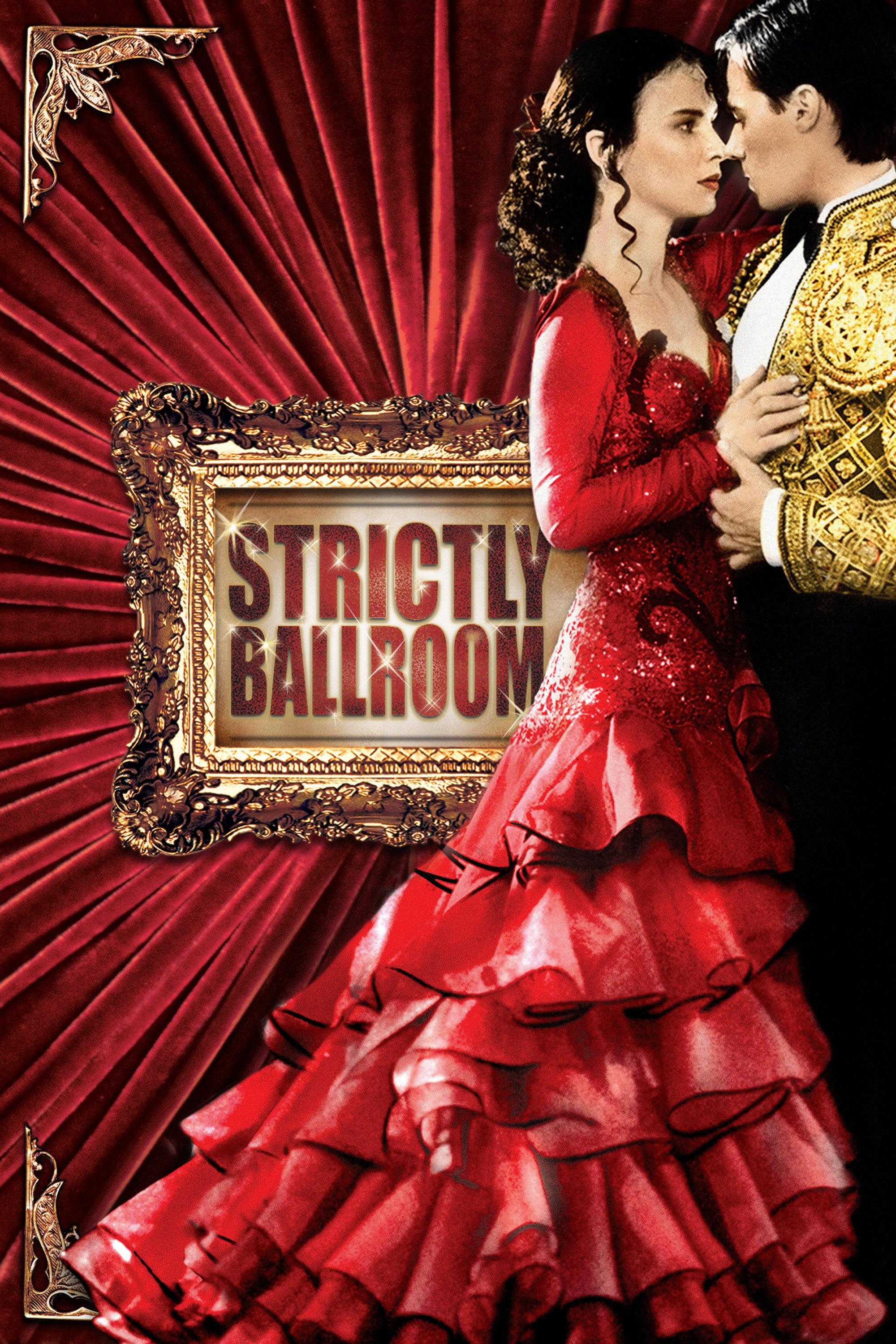
Strictly Ballroom poster

Strictly Ballroom

1992 · Outsiders seek acceptance amid bright costumes, competitive display and fiercely policed social rituals.

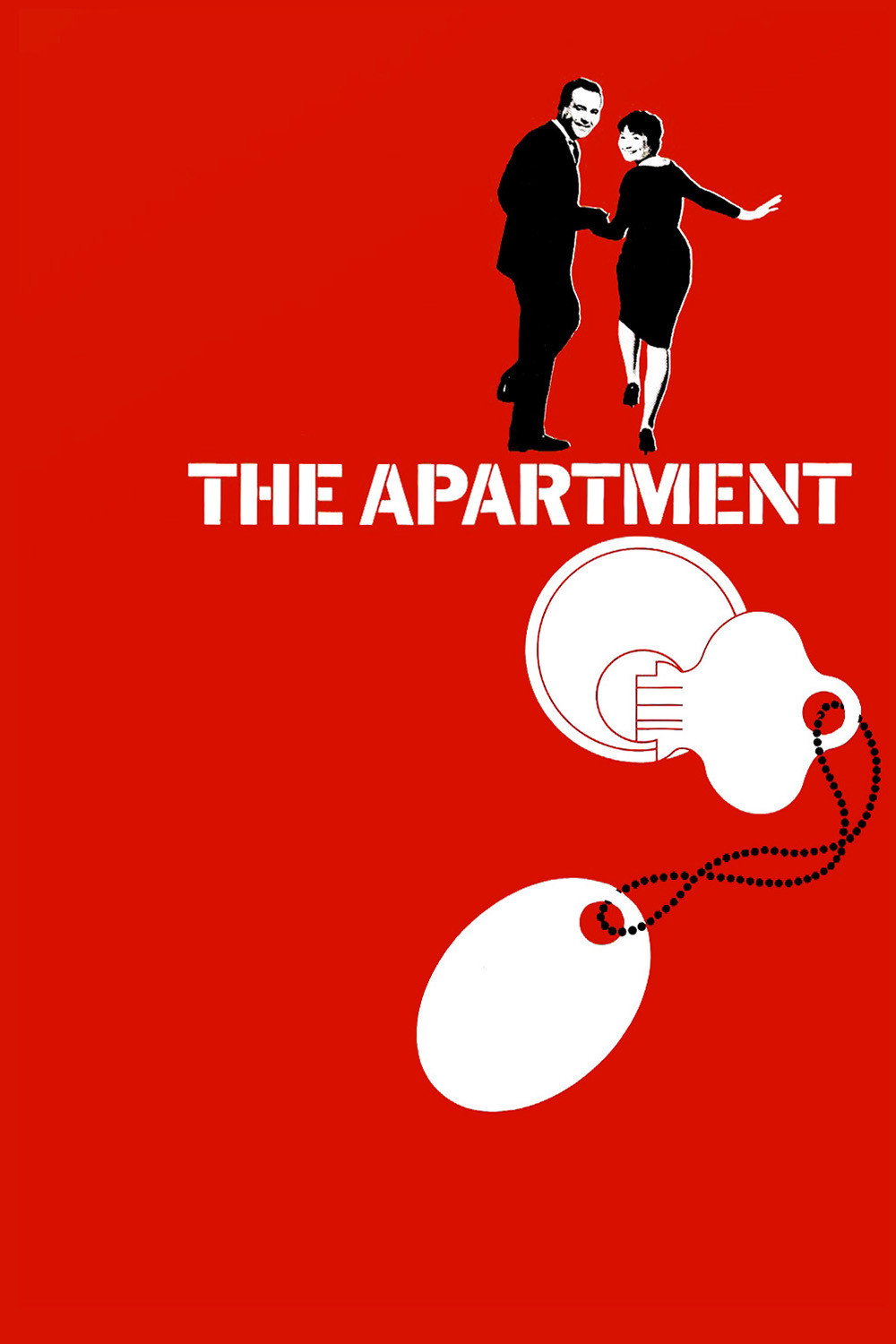
The Apartment poster

The Apartment

1960 · Another comedy that takes loneliness seriously while remaining alert to people’s ridiculous behaviour.

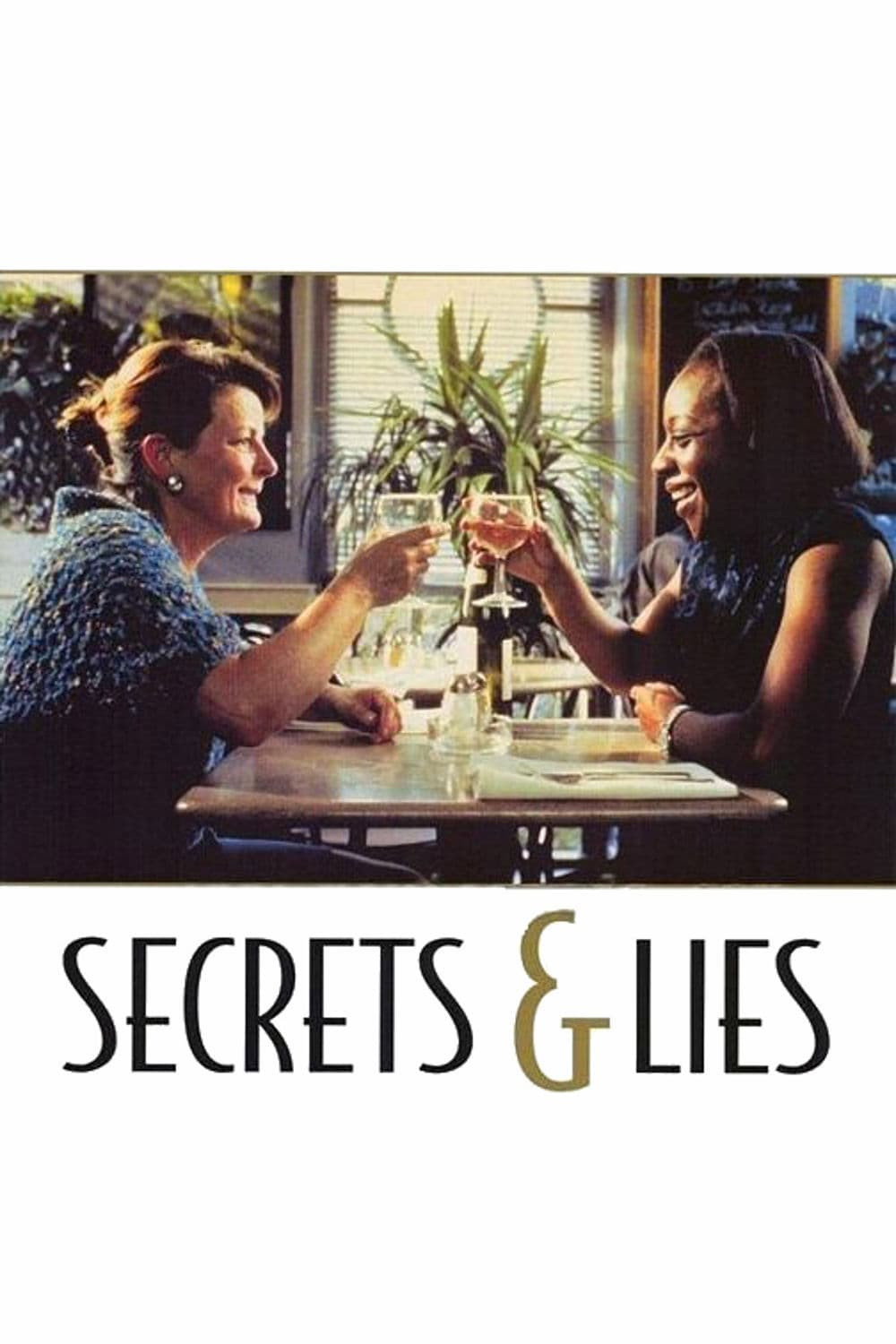
Secrets & Lies poster88

Secrets & Lies

1996 · Family shame and ordinary kindness, with performances that make both feel painfully familiar.

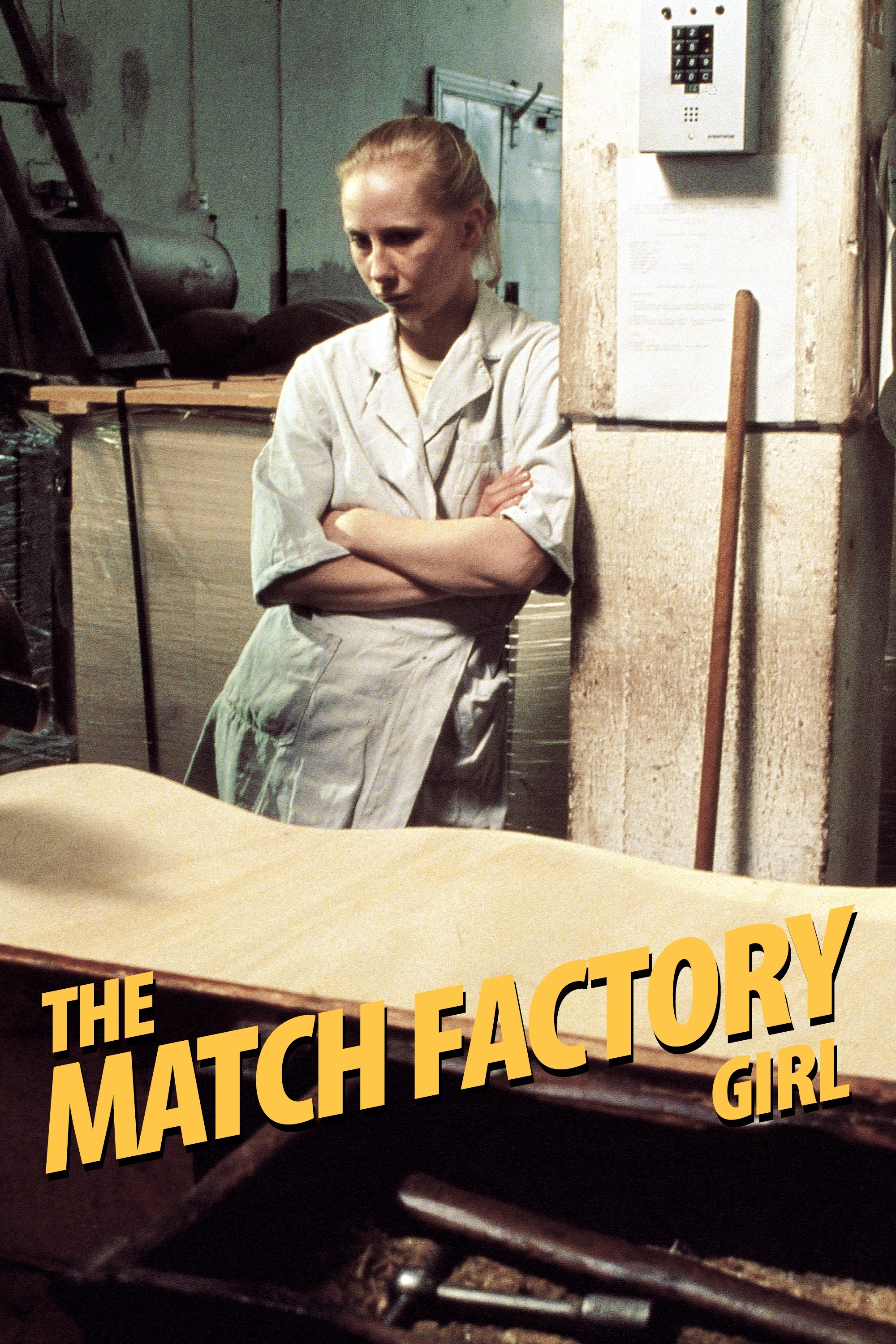
The Match Factory Girl poster

The Match Factory Girl

1990 · A far bleaker account of loneliness, humiliating work and the desire for affection.

The Lunchbox poster

The Lunchbox

2013 · Quiet companionship offers an alternative to lives organised around other people’s expectations.