Joe Wright’s Atonement is a moving, sharply acted romance, strongest when a glance can do real harm. Its war scenes occasionally advertise the effort behind them, but the people remain worth caring about.
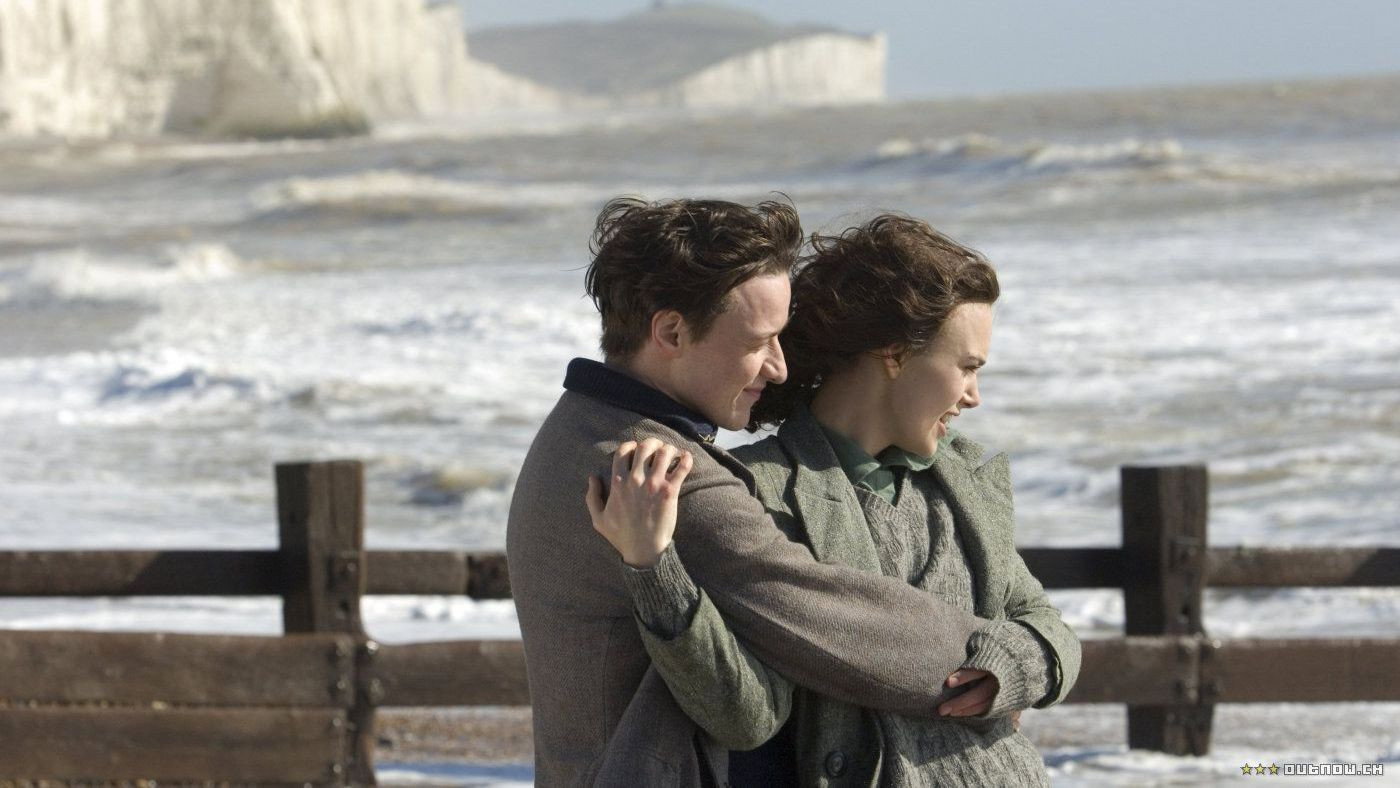
Joe Wright’s Atonement is a romance worth taking seriously, and we recommend it with one reservation: it can become too pleased with the size and difficulty of its own scenes. Its strongest passages stay close to three people and the trouble they have understanding one another. James McAvoy’s Robbie Turner and Keira Knightley’s Cecilia Tallis are drawn together, while Briony Tallis tries to interpret what she sees. Christopher Hampton’s adaptation of Ian McEwan’s novel keeps our attention on their behaviour even when the telling becomes complicated.
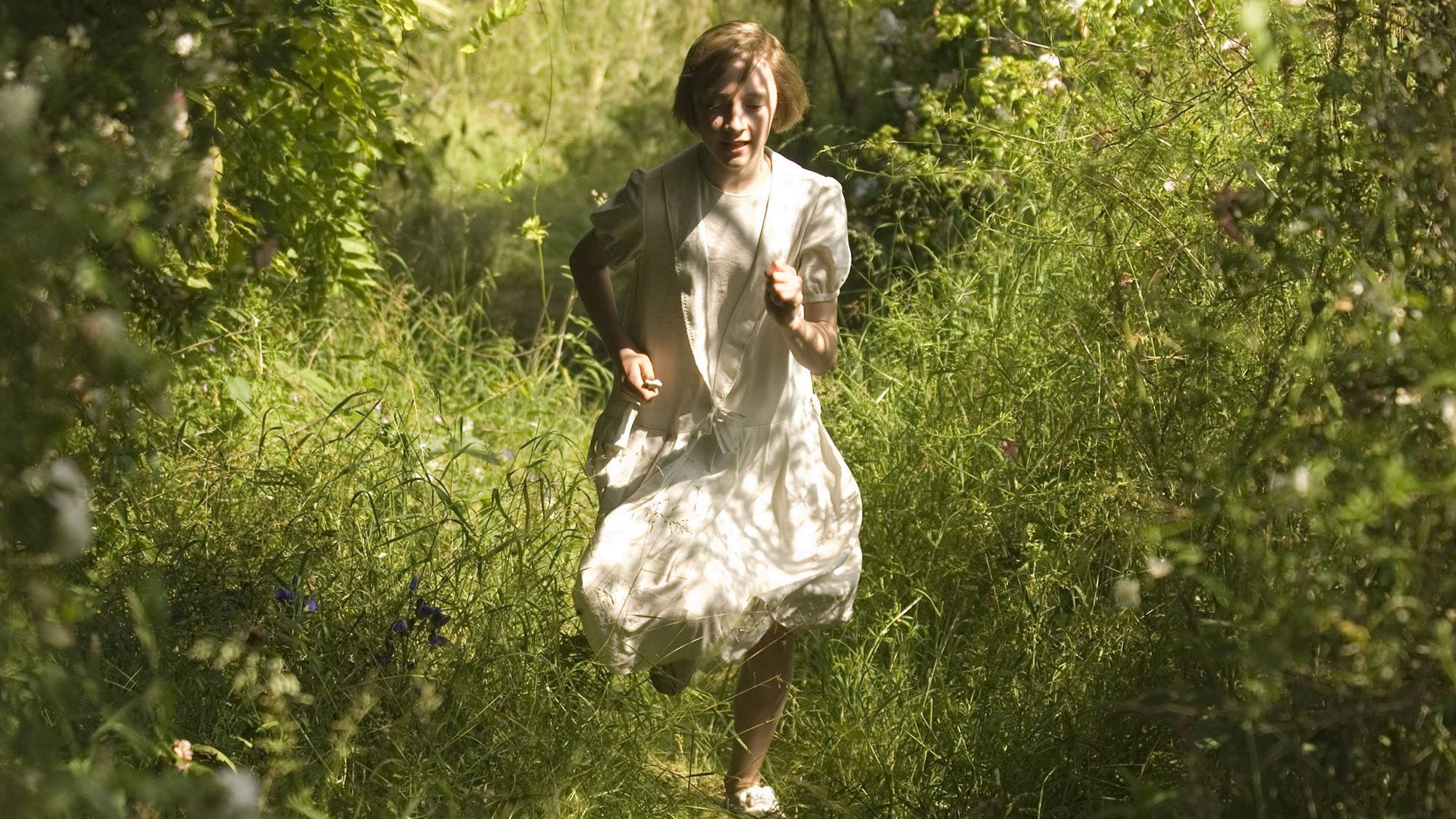
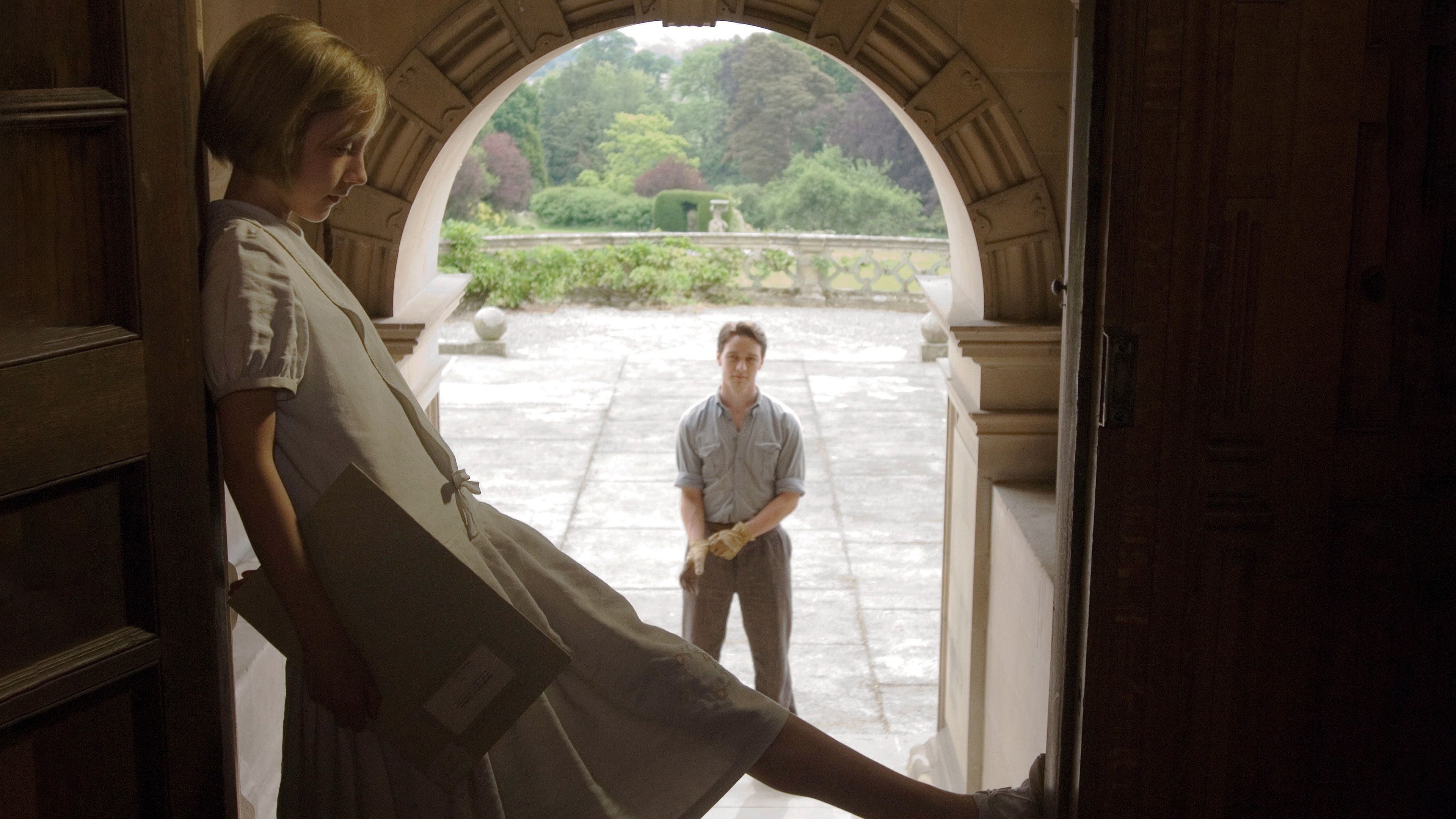
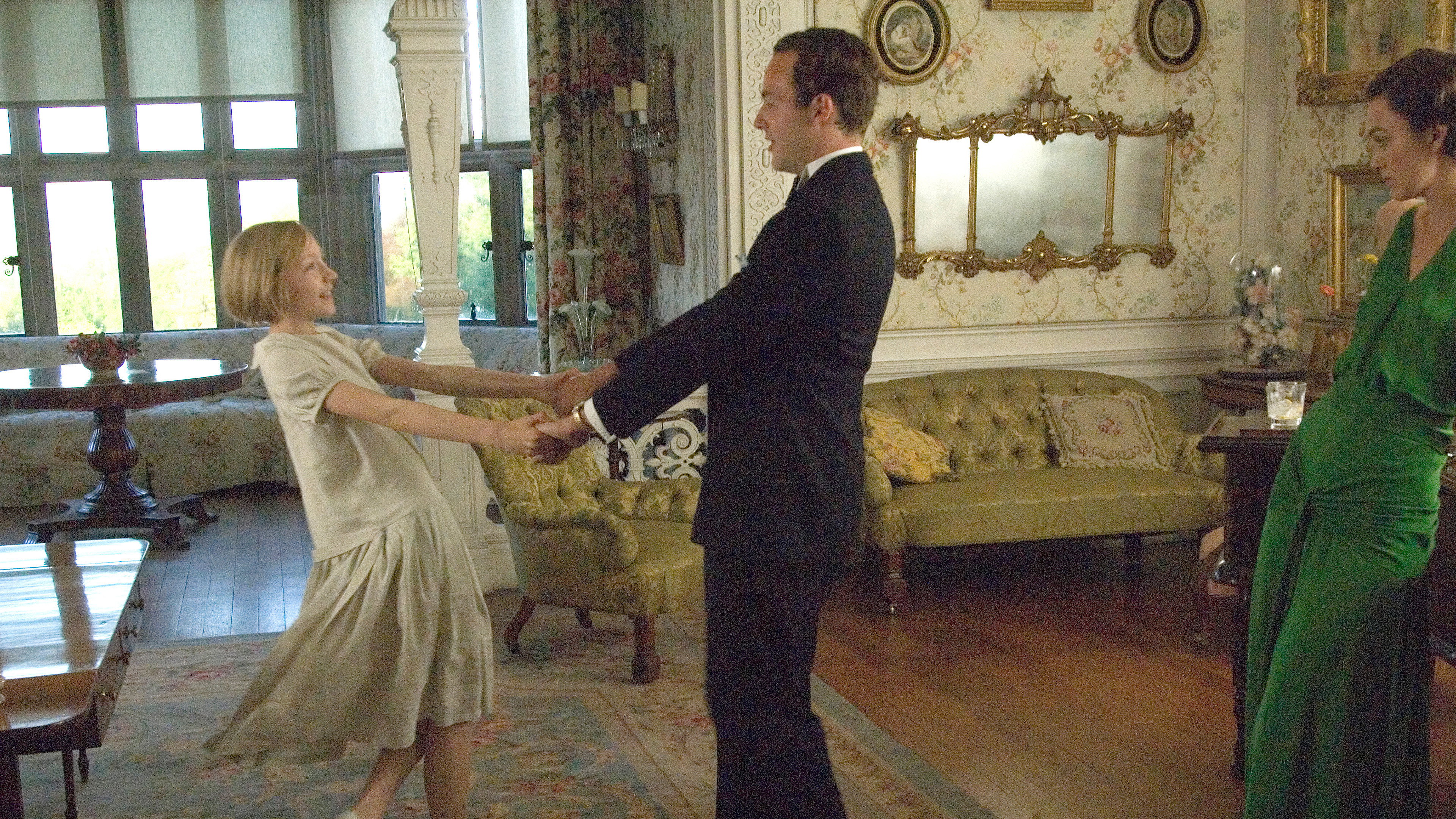
Saoirse Ronan’s Briony is thirteen, and the performance refuses the easy reassurance that she is merely too young to know better. There is something alarming about the confidence with which she turns a misreading into an accusation. We were frightened by her certainty. Ronan makes her account of adult behaviour sound so settled that the possibility of correcting her begins to seem remote. She gives Briony enough seriousness for us to believe in the harm she can cause.
Seamus McGarvey’s photography is especially effective at the fountain, where Cecilia jumps into the water while Robbie watches. The encounter is exposed to view and still difficult to read, which makes its beauty uncomfortable. Sarah Greenwood’s production design gives the country house an importance beyond providing somewhere expensive-looking for the actors to stand. Its ordered appearance makes a breach of decorum feel consequential. The setting encourages us to notice who is watching whom.
McAvoy and Knightley make the attraction worth worrying about. Knightley’s stiffness and McAvoy’s watchfulness make their closeness feel awkward, and that awkwardness gives the romance some life. Wright allows us time to look at them without insisting that every feeling be spoken. Dario Marianelli’s score adds urgency to these encounters, though it occasionally presses harder than the actors need. The music works best when it sustains the unease between them.
Paul Tothill’s editing handles the changes of perspective well, giving us enough information to revise an impression without stopping the film for an explanation. The pacing is less secure once the story moves into war. The long shot on the Dunkirk beach is an impressive piece of staging, but Wright and McGarvey keep drawing attention to how much they can include. It is the one stretch where we find ourselves studying the staging rather than worrying about Robbie.
As a period romance, Atonement understands how much strain there can be in an apparently composed encounter. It also takes betrayal seriously enough to make us care about the people who suffer from it. The attraction between Robbie and Cecilia survives the film’s occasional insistence on impressing us, because McAvoy and Knightley make it feel particular to these two people. We would have welcomed less display in the war passages. Watch it for the lovers and for Ronan, whose Briony makes the prospect of being misunderstood properly frightening.