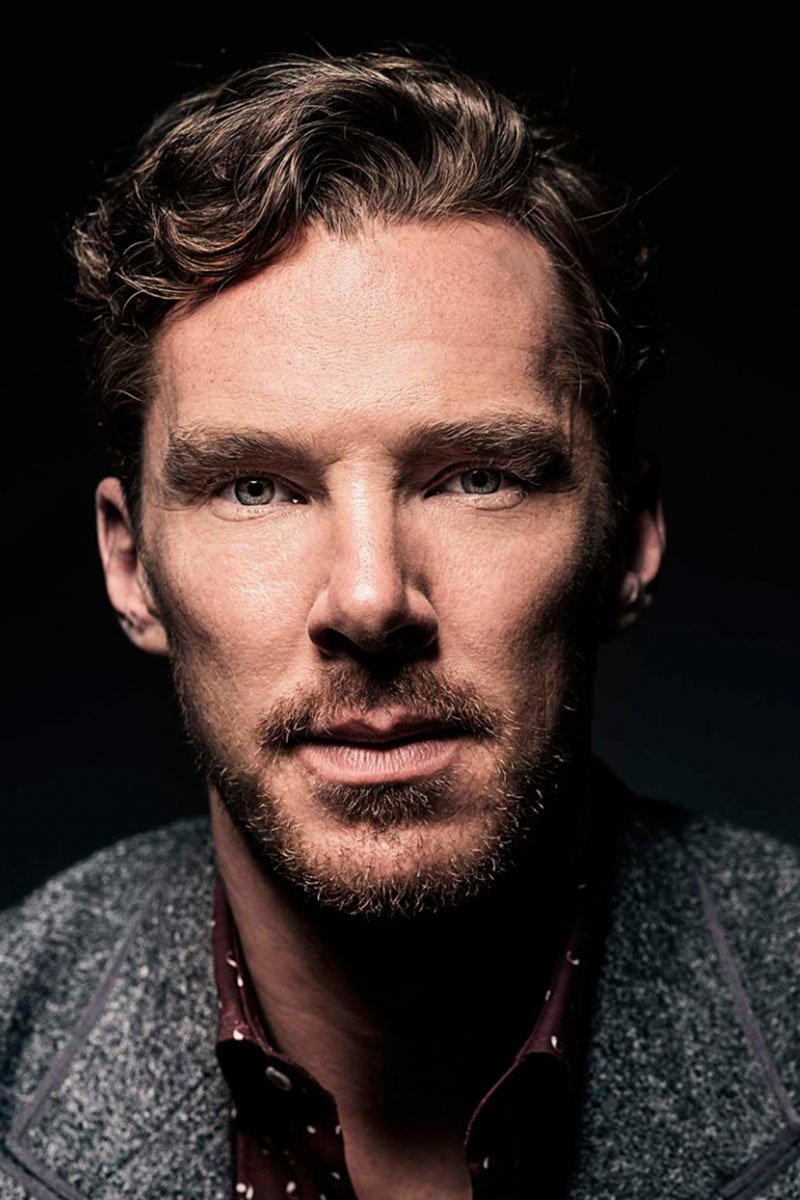
Benedict Cumberbatch makes clever men convincing through precise speech and vocal assurance. We rate him, with a reservation about the habitual casting: his humour and physical skill deserve as much attention as his intelligence.
Fi1m perspective
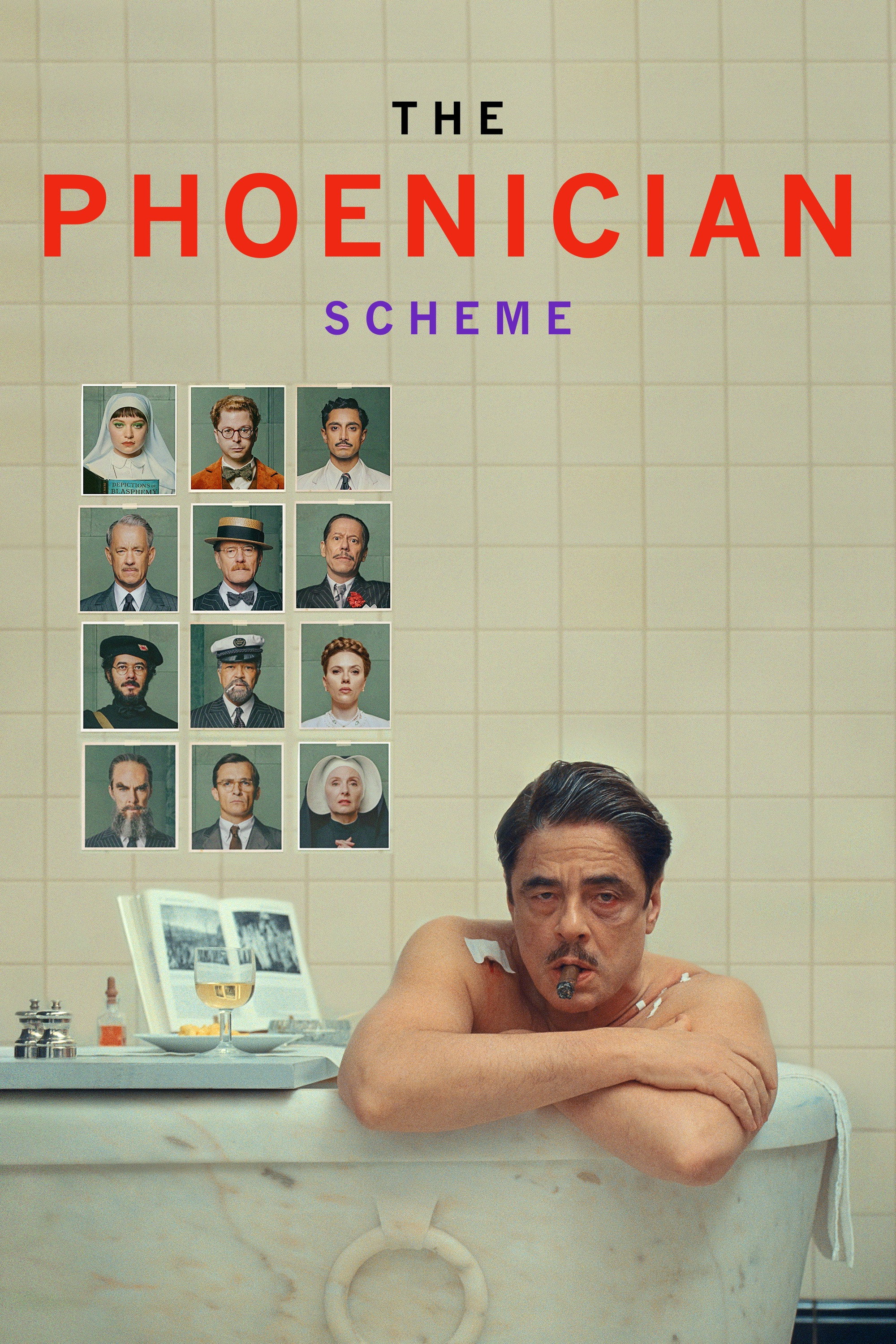
Benedict Cumberbatch often sounds as though he has worked out the answer before anyone else has understood the question. His precise diction and resonant voice suit the intelligent eccentrics he is frequently asked to play. We value that control, though another clever man can feel like an undemanding use of it. The welcome surprise of his Uncle Nubar in Wes Anderson's The Phoenician Scheme (2025) is how much pleasure there is in his being funny.
Sherlock (2010–2017), in which he played Sherlock Holmes, brought him to international attention. Alan Turing in The Imitation Game (2014) followed, a performance whose emotional restraint gave the intelligence some human weight. The move into Doctor Strange (2016) put his cerebral manner to work in a superhero film. The danger is familiarity: before he has done much, we may think we know exactly whom we are meeting.
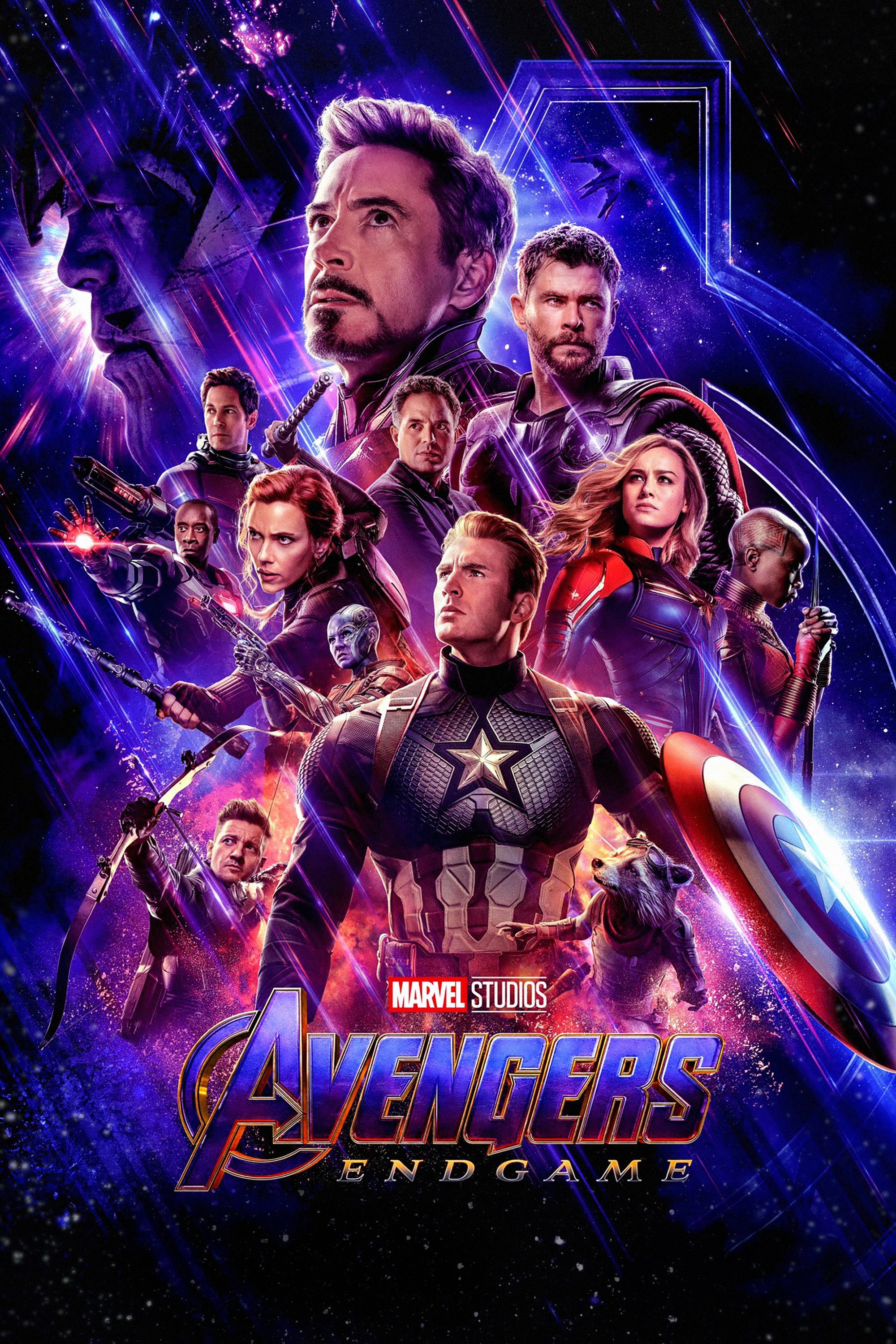
Avengers: Endgame (2019) is worth watching for the company, provided we already care about its heroes. Cumberbatch plays Doctor Strange, but this is an ensemble pleasure, not a film to approach chiefly for him. We found it affectionate and often moving, with too much running time and too little distinction in the spectacle. His place in such films need not be the measure of what he can do.
Jane Campion's The Power of the Dog (2021) offers a harsher setting for his control, with Cumberbatch playing the tormented Phil Burbank. The physical and vocal work matters here; the performance cannot depend on sounding clever. His voice and motion-capture work as Smaug in The Hobbit trilogy also gives us reason to look beyond the familiar diction. These parts ask him to use considerably more of himself.
Among Anderson's ensemble in The Phoenician Scheme, he is a welcome interruption to a repetitive film. We perked up when Uncle Nubar appeared, because Cumberbatch made a succession of meetings feel lively again. The film remains a pattern of sketches, and Benicio del Toro supplies its strongest performance; liking Cumberbatch does not require pretending otherwise. Try it for the humour, with the caveat that an entertaining relative cannot make every meeting worth attending.
Biography
Benedict Timothy Carlton Cumberbatch is an English actor. Born on 19 July 1976 in Hammersmith, London, he studied drama at the University of Manchester and obtained a Master of Arts in classical acting from the London Academy of Music and Dramatic Art. He began his career with stage roles, including Shakespeare productions at the Open Air Theatre, Regent's Park, and made his West End debut in a 2005 revival of Hedda Gabler.
Cumberbatch is known for his performances as Sherlock Holmes in the television series Sherlock (2010–2017), for which he received a Primetime Emmy Award, and as Doctor Strange in the Marvel Cinematic Universe films. His film roles include Alan Turing in The Imitation Game (2014) and the title character in Patrick Melrose (2018), the latter earning him a BAFTA Television Award. He won a Laurence Olivier Award for his stage performance in Frankenstein (2011). In 2015 he was appointed a CBE for services to the performing arts and charity. He appears as Uncle Nubar in the 2025 film The Phoenician Scheme.