The Russos make a crowded superhero gathering exciting enough to justify most of the noise. Josh Brolin gives it a formidable adversary, though anyone arriving without an attachment to these heroes has considerable catching up to do.
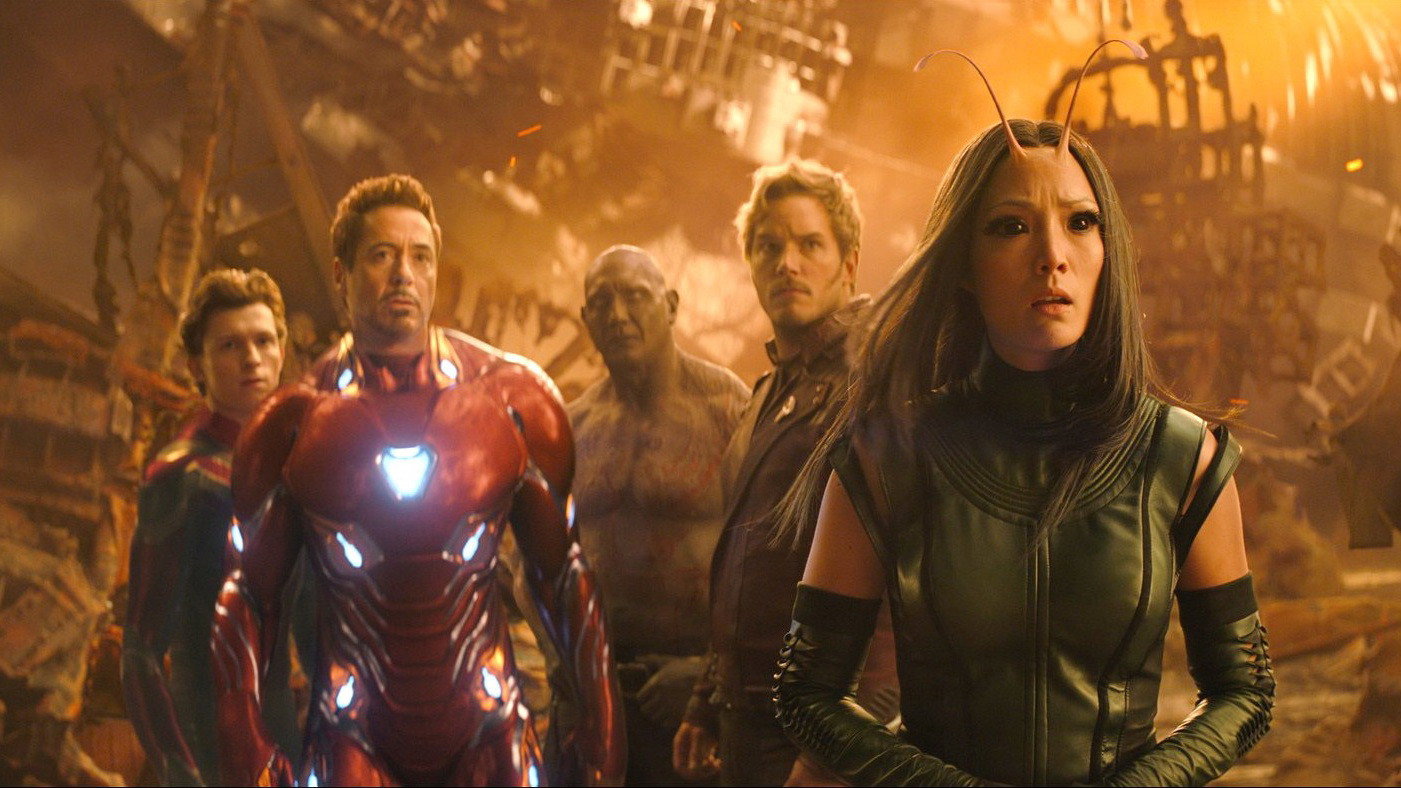
Anthony Russo and Joe Russo have made a crowded, forceful superhero adventure that rewards familiarity and does little to encourage anyone starting here. Avengers: Infinity War is good at the difficult business of keeping a large cast busy without making every encounter feel like a roll call. Its greater achievement is giving that gathering an adversary who can hold our attention without another hero arriving to help. The pace sometimes means that a favourite character has barely arrived before we are sent off to join somebody else.
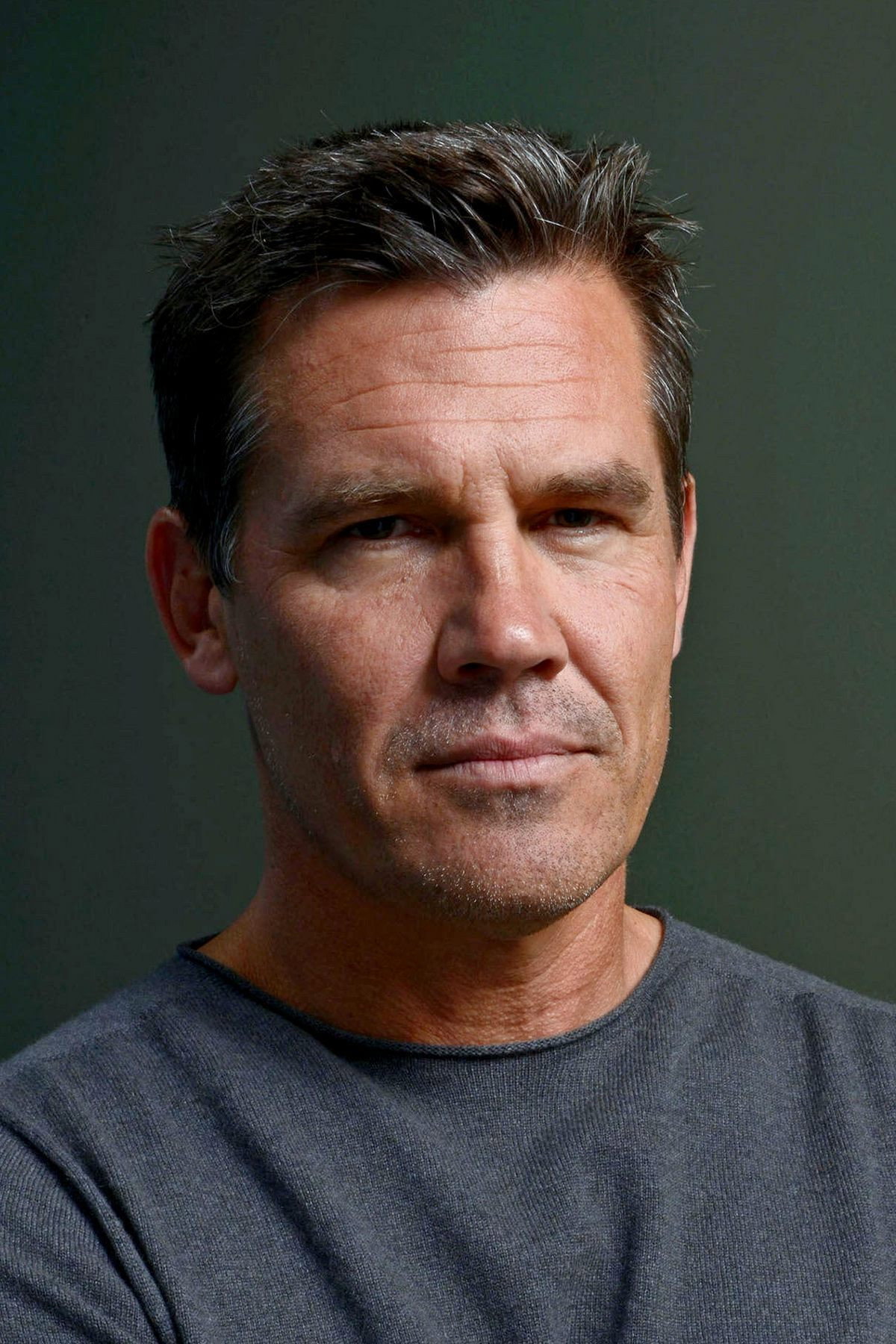
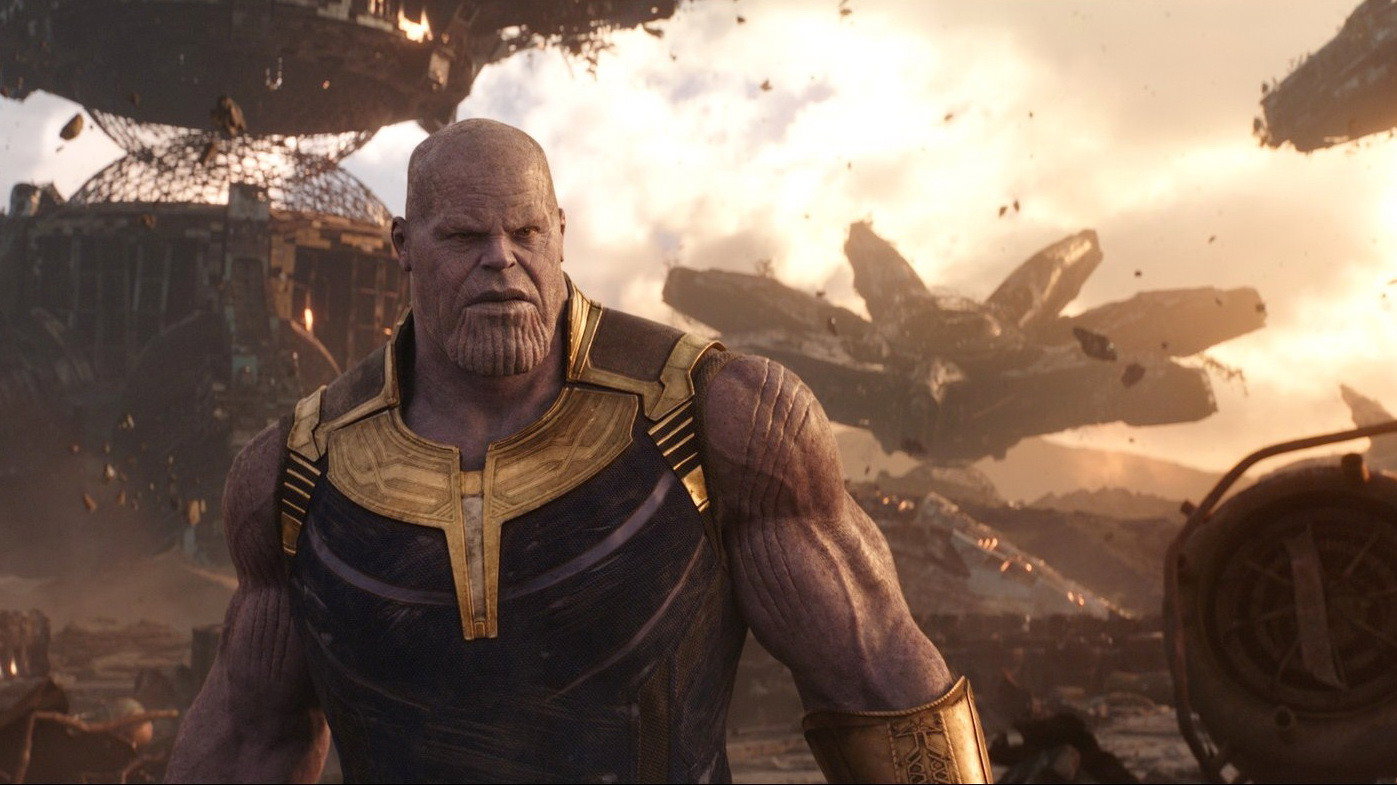
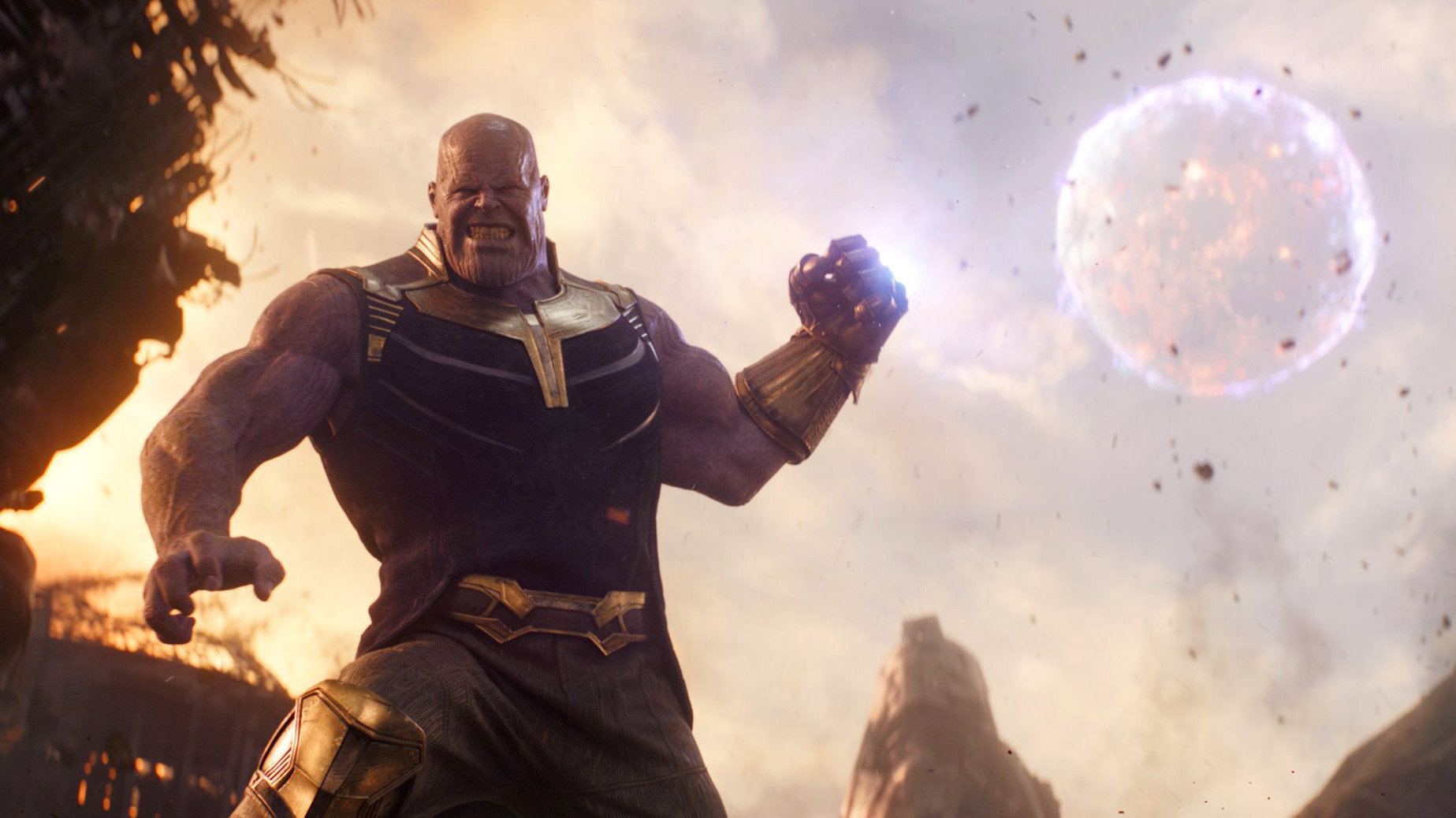
Josh Brolin’s Thanos gives the film someone to follow through all the changes of company. Brolin makes the villain’s conviction frightening, and gives his feelings enough weight to keep us watching between the fights. The attention paid to Thanos and Zoe Saldaña’s Gamora makes their conflict matter more than another battle could. There is a danger of treating a villain’s sincerity as proof that he has a point, but the performance lets us understand his feelings without requiring us to accept his reasoning.
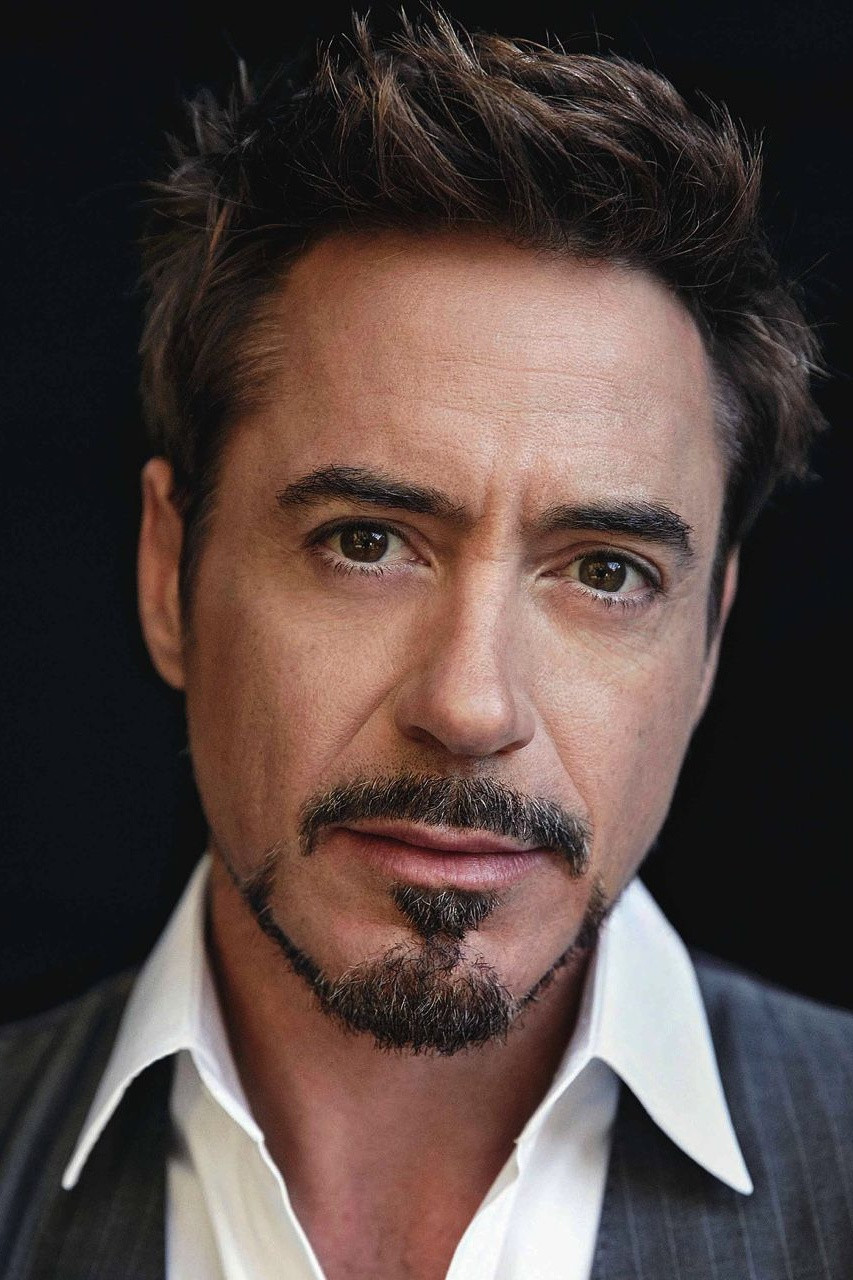
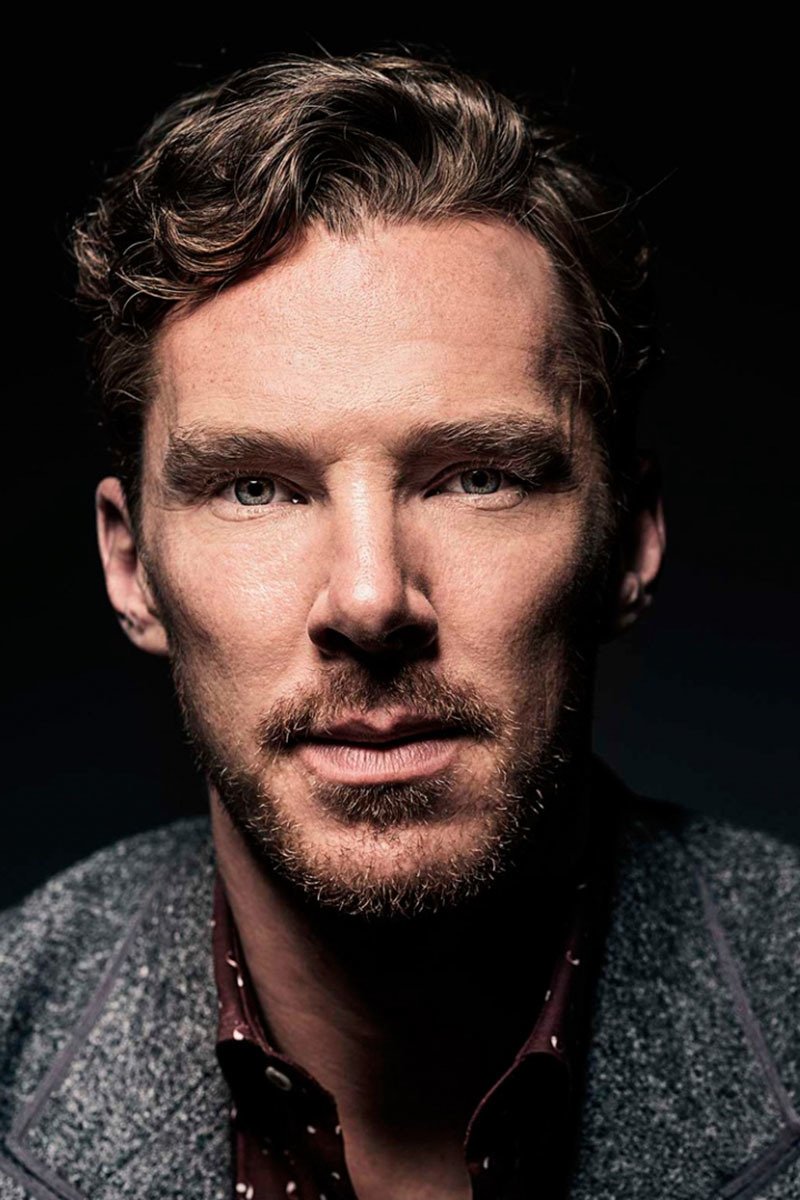
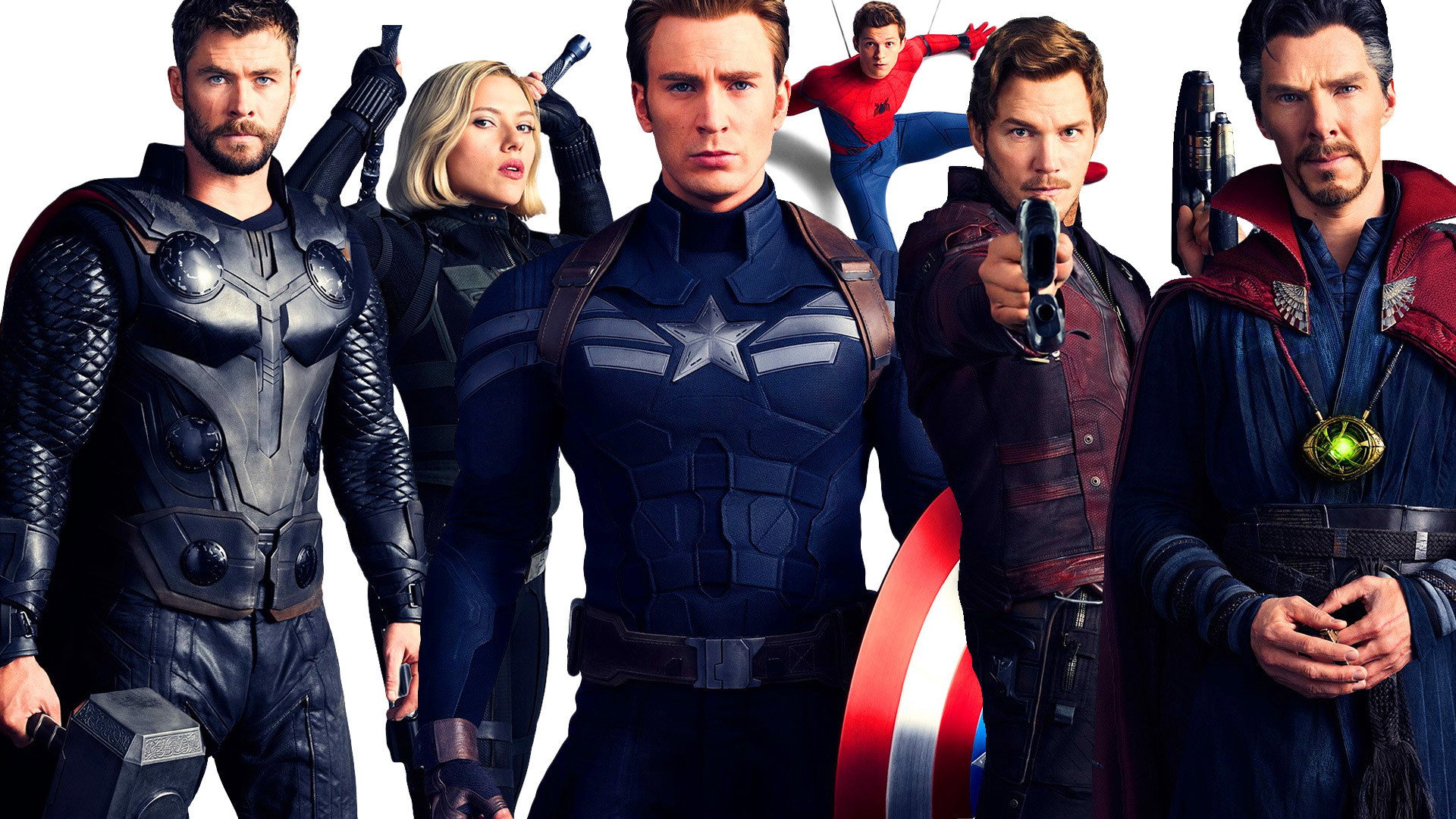
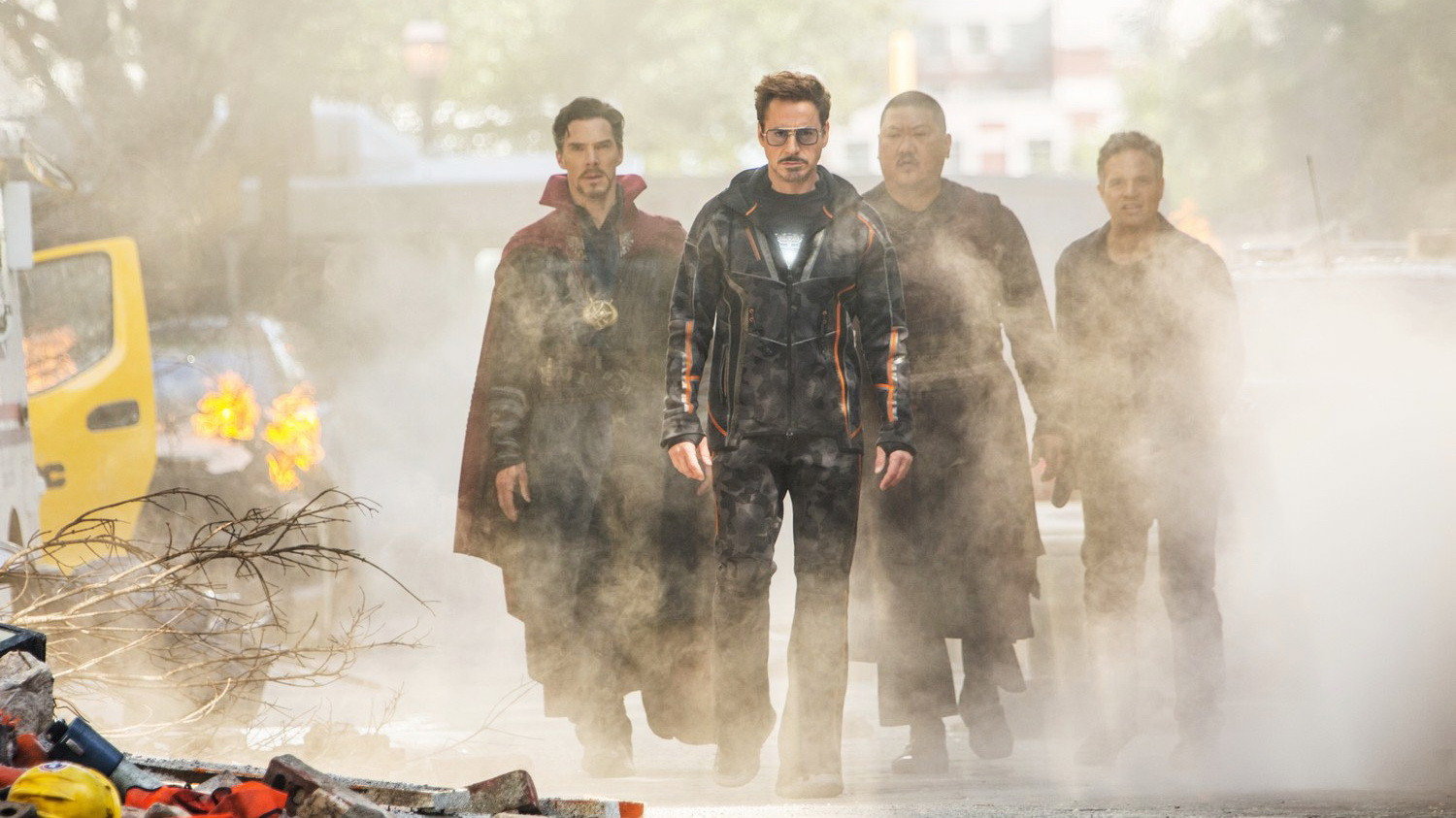
Christopher Markus and Stephen McFeely’s screenplay gets useful friction from putting these heroes in one another’s company. Robert Downey Jr.’s Tony Stark and Benedict Cumberbatch’s Doctor Strange both suggest men accustomed to having the cleverest answer, while Tom Holland’s Peter Parker has far less dignity to defend. We laughed when Spider-Man met Doctor Strange; Holland makes the encounter awkward in a way that the surrounding displays of power cannot tidy up. The humour comes from the actors finding different ways to occupy the same scene, rather than simply taking turns at a microphone.
Trent Opaloch’s cinematography gives the cosmic vistas room to register, and Charles Wood’s production design helps the shifting settings feel large enough for the assembled company. Those wider views are welcome in a film so full of faces and fighting. The action is less distinctive to look at: the excitement of an encounter often depends on recognising who has entered it. The directors keep the spectacle moving, but too rarely find an image as interesting as the people within it.
Editors Jeffrey Ford and Matthew Schmidt keep the changes of company brisk, usually moving on before a conversation can settle into another round of greetings. Their cutting gives the separate strands a shared urgency, though it also limits the time available for anyone to absorb what has happened. Alan Silvestri’s score supplies the grandeur needed to make this gathering feel consequential. The music is effective, even when it is doing some of the emotional work that a less hurried scene might have managed for itself.
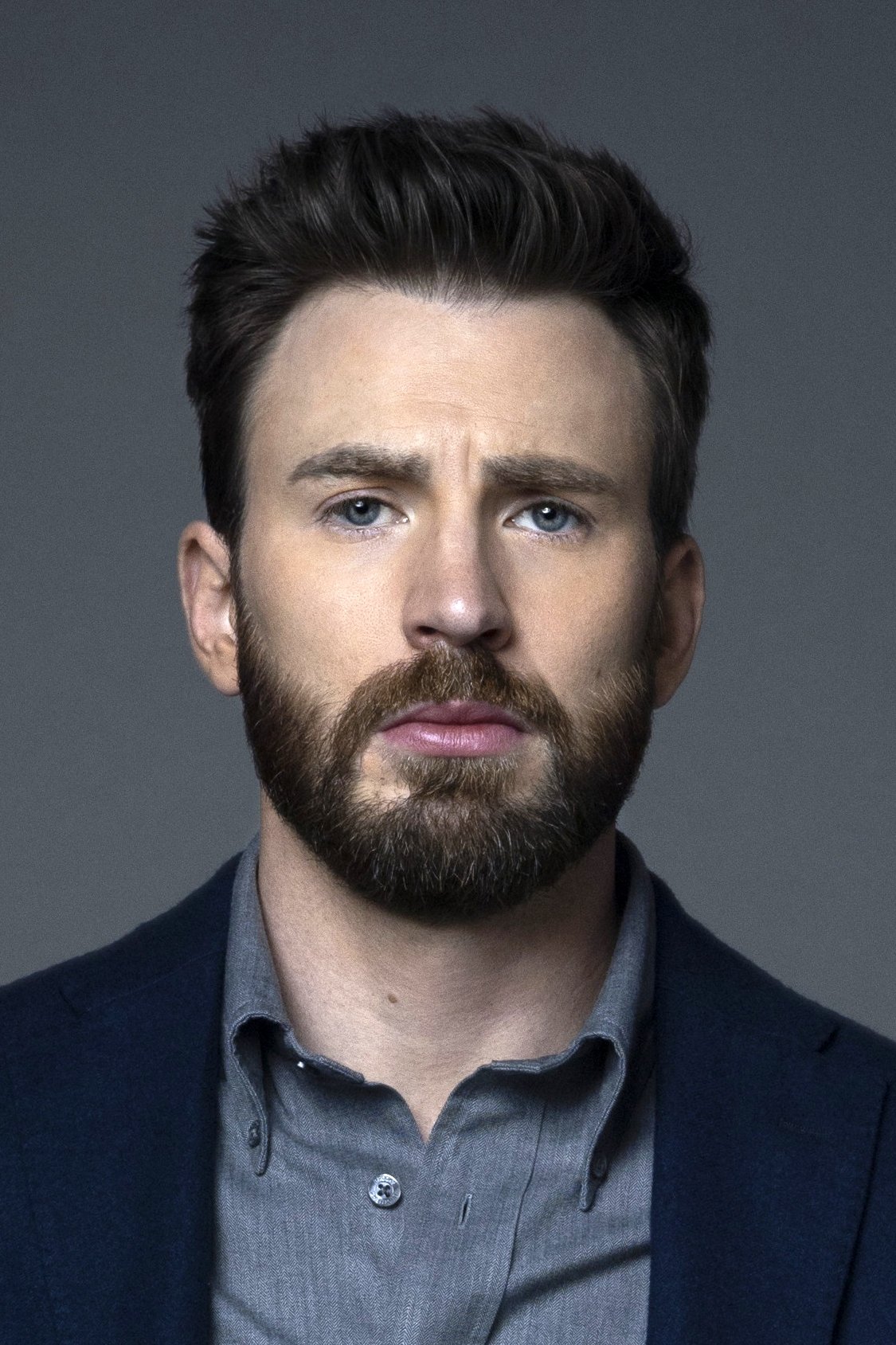
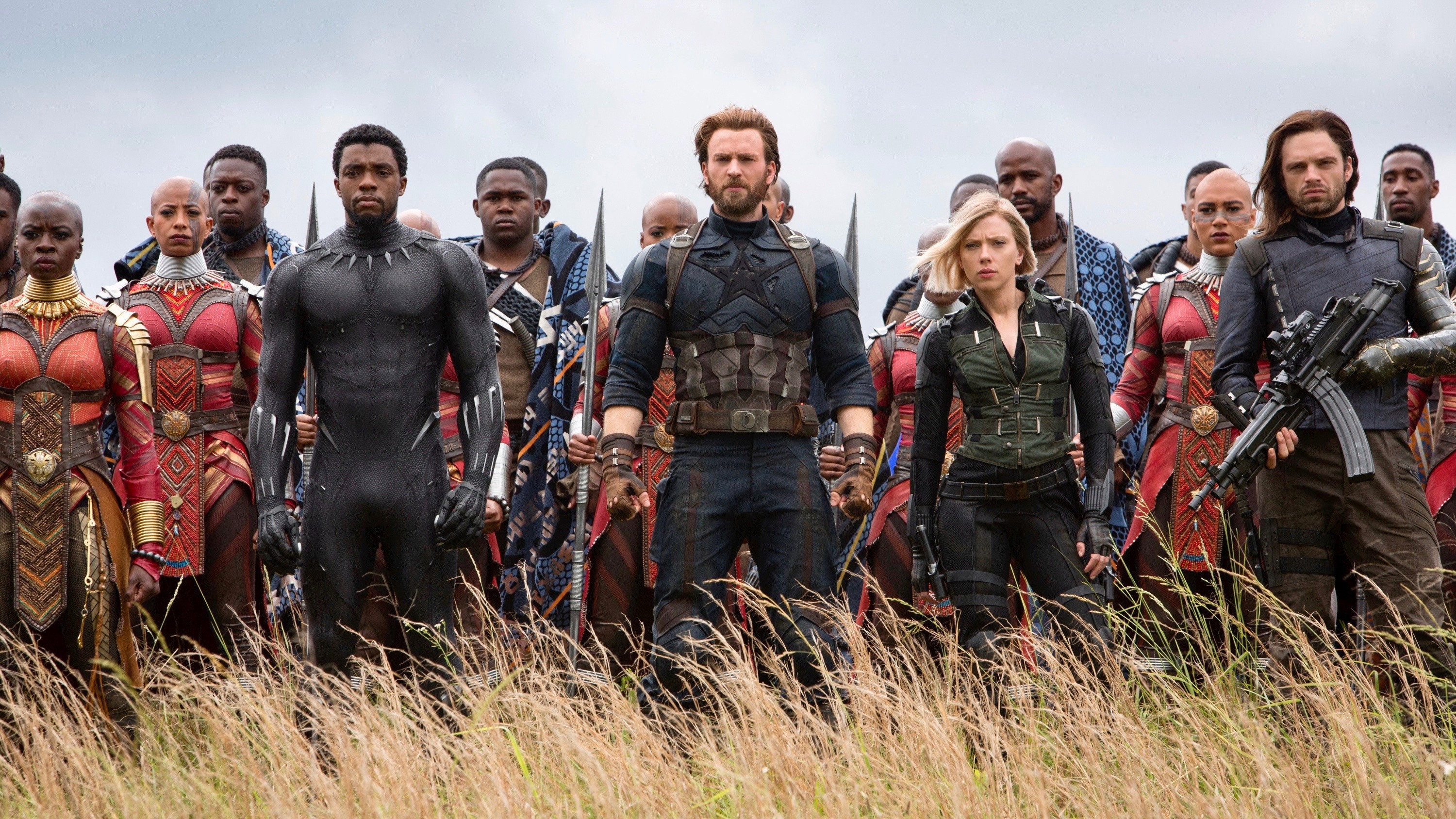
The cost is clearest among the heroes with less to say. Chris Evans’s Steve Rogers and Scarlett Johansson’s Natasha Romanoff have the presence to hold a scene, but the writing offers them little room to develop one. There is pleasure in recognising them, and the Russos rely on that pleasure heavily. For an ensemble adventure, this is an unusually large amount of character work to leave to earlier films. Anyone who does not already care about these people is expected to begin caring on sight.
We recommend it to anyone already invested in these heroes, with a warning that some favourites have little to do. Set aside the full 149 minutes; the constant changes of company make it a poor film to watch with half an eye. There is enough wit and menace to repay that attention. Anyone needing introductions should begin elsewhere.