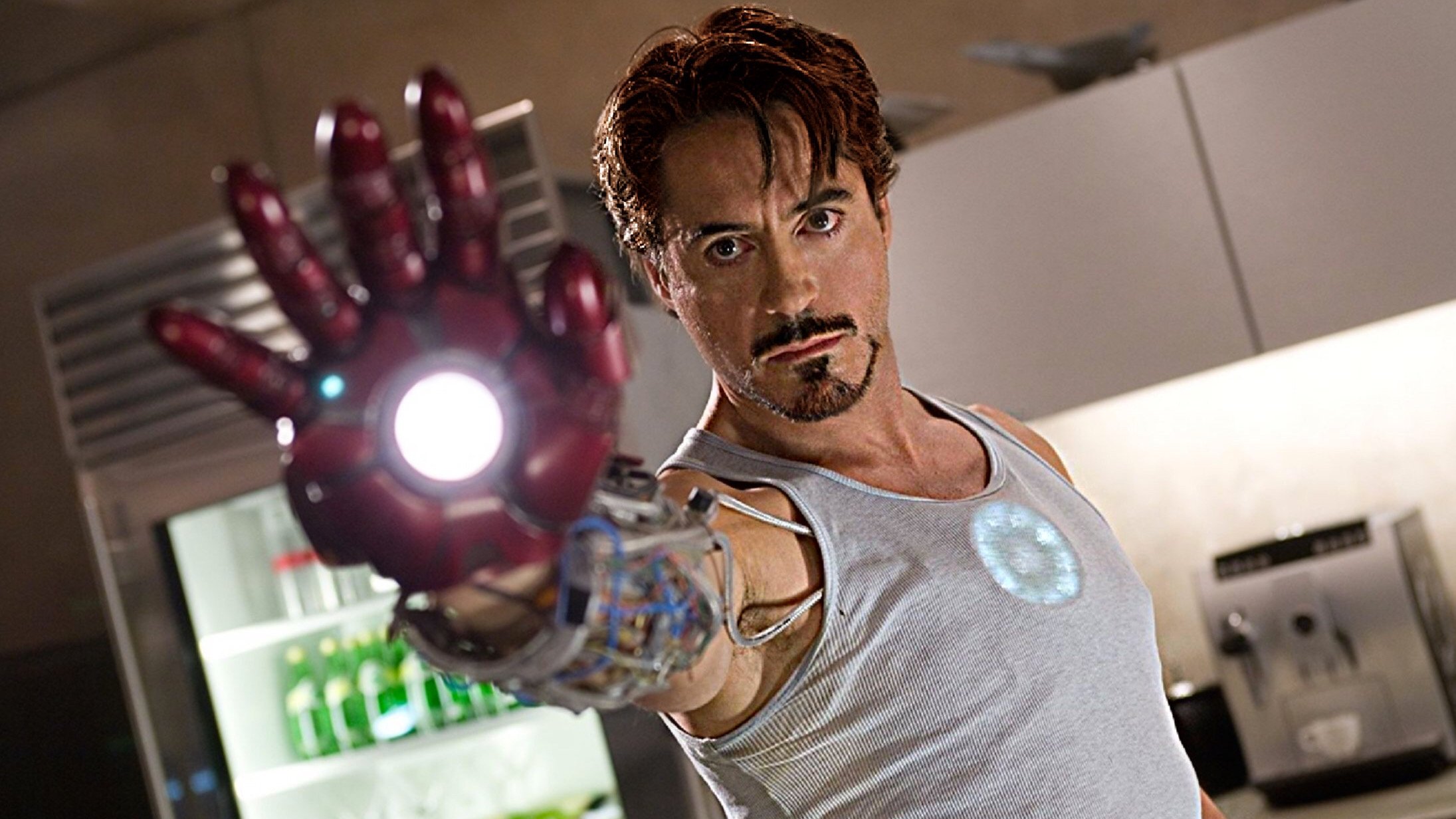
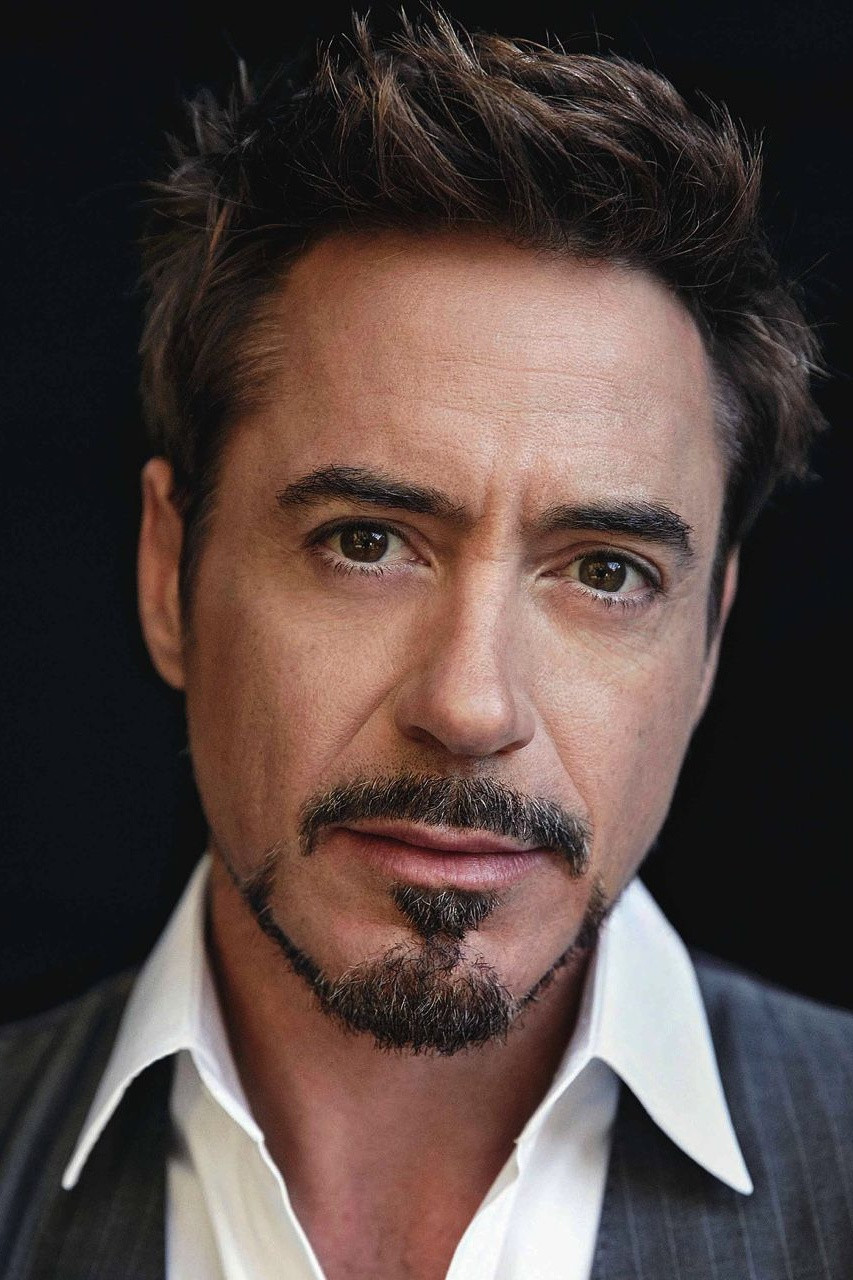
Robert Downey Jr. gives Iron Man a funny, abrasive hero worth spending time with. Jon Favreau’s attention to the actors makes this an easy recommendation, despite some routine fighting.
Jon Favreau’s Iron Man is a funny, well-acted superhero origin story that loses some of its charm when the fighting takes over. Robert Downey Jr. makes Tony Stark good company without requiring us to approve of him. Favreau understands how much pleasure there is in watching a clever man enjoy his own cleverness, and gives the performance time. Much of the film is spent outside the armour, establishing the person who will wear it.
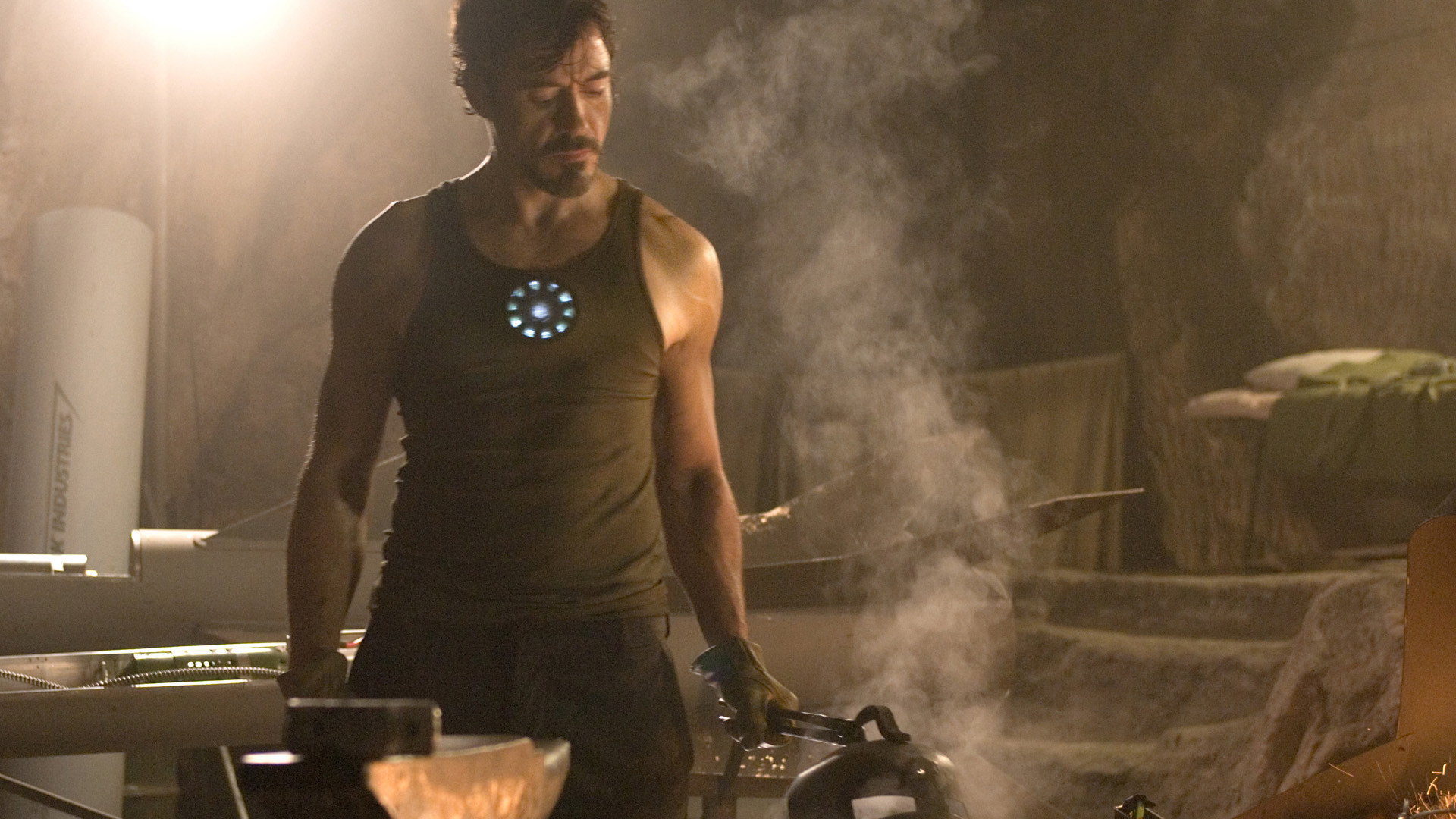
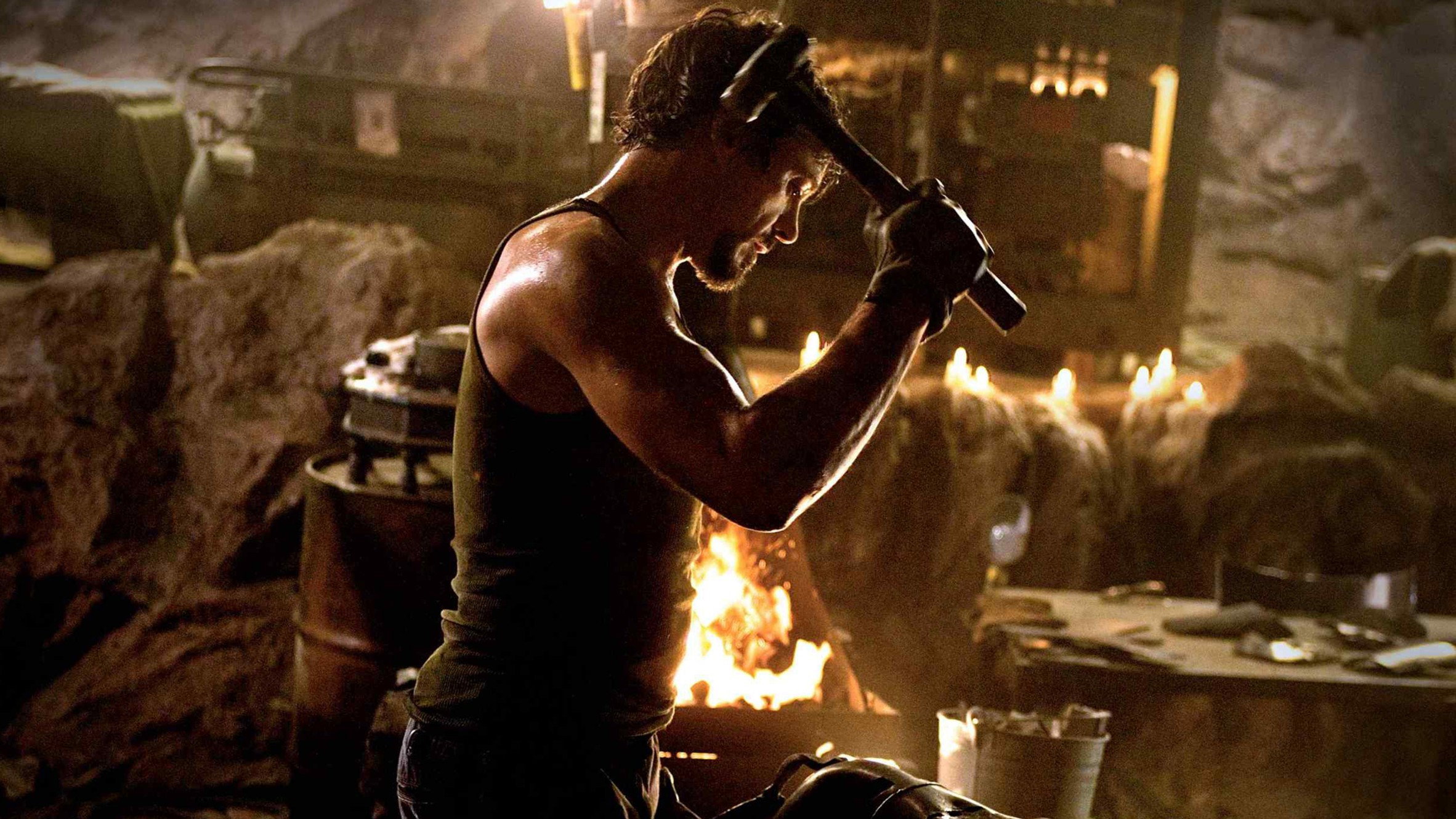
Downey makes Stark’s intelligence entertaining through the speed of his replies and the ease with which he assumes command of a conversation. His charm has an abrasive edge; he often seems more interested in his next thought than in the person answering him. We were surprised by how much pleasure we took in watching Stark build the armour, because Downey makes solving a technical problem look like something a person might enjoy. The process holds our attention without needing an action scene to rescue it.
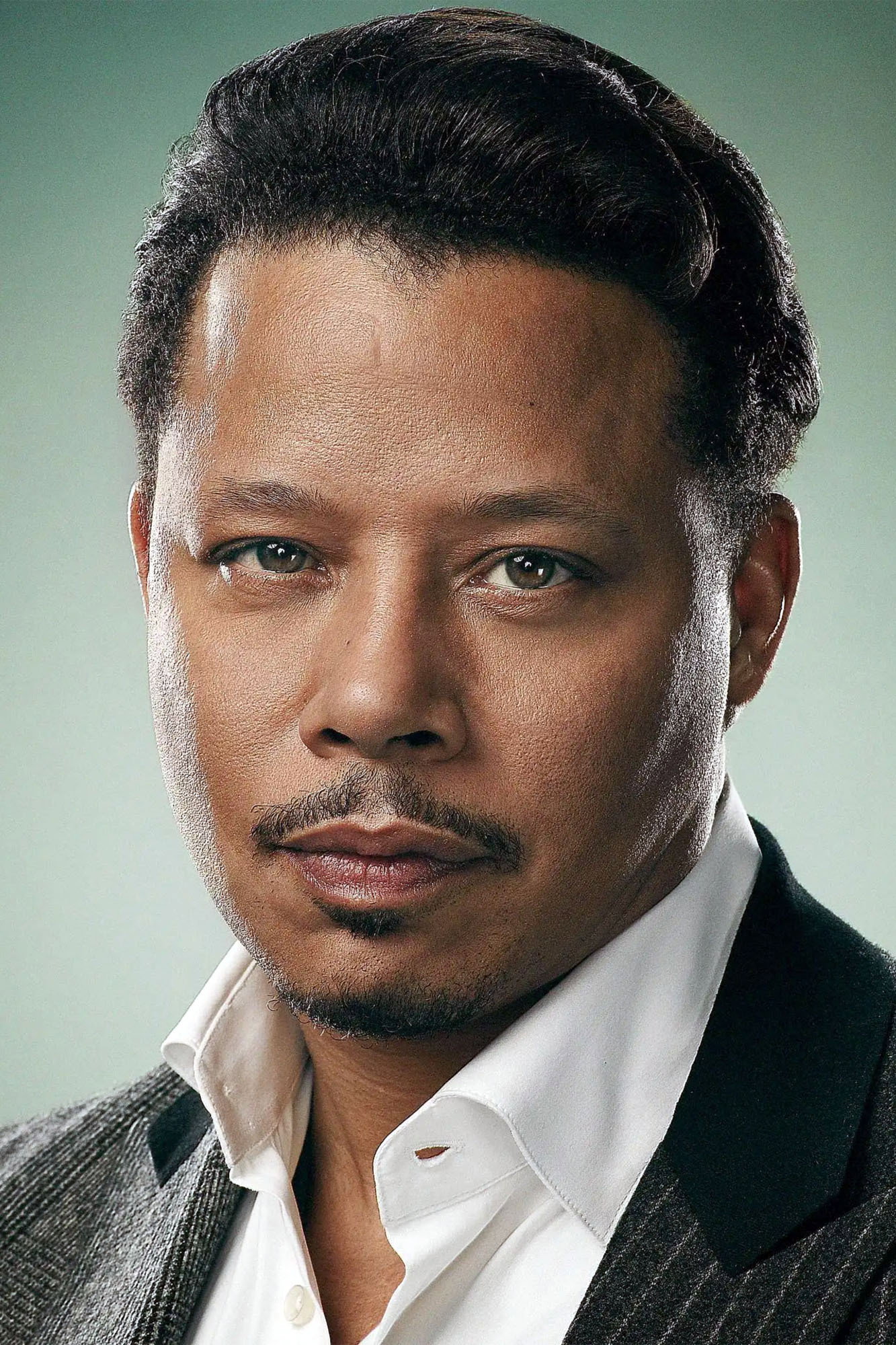
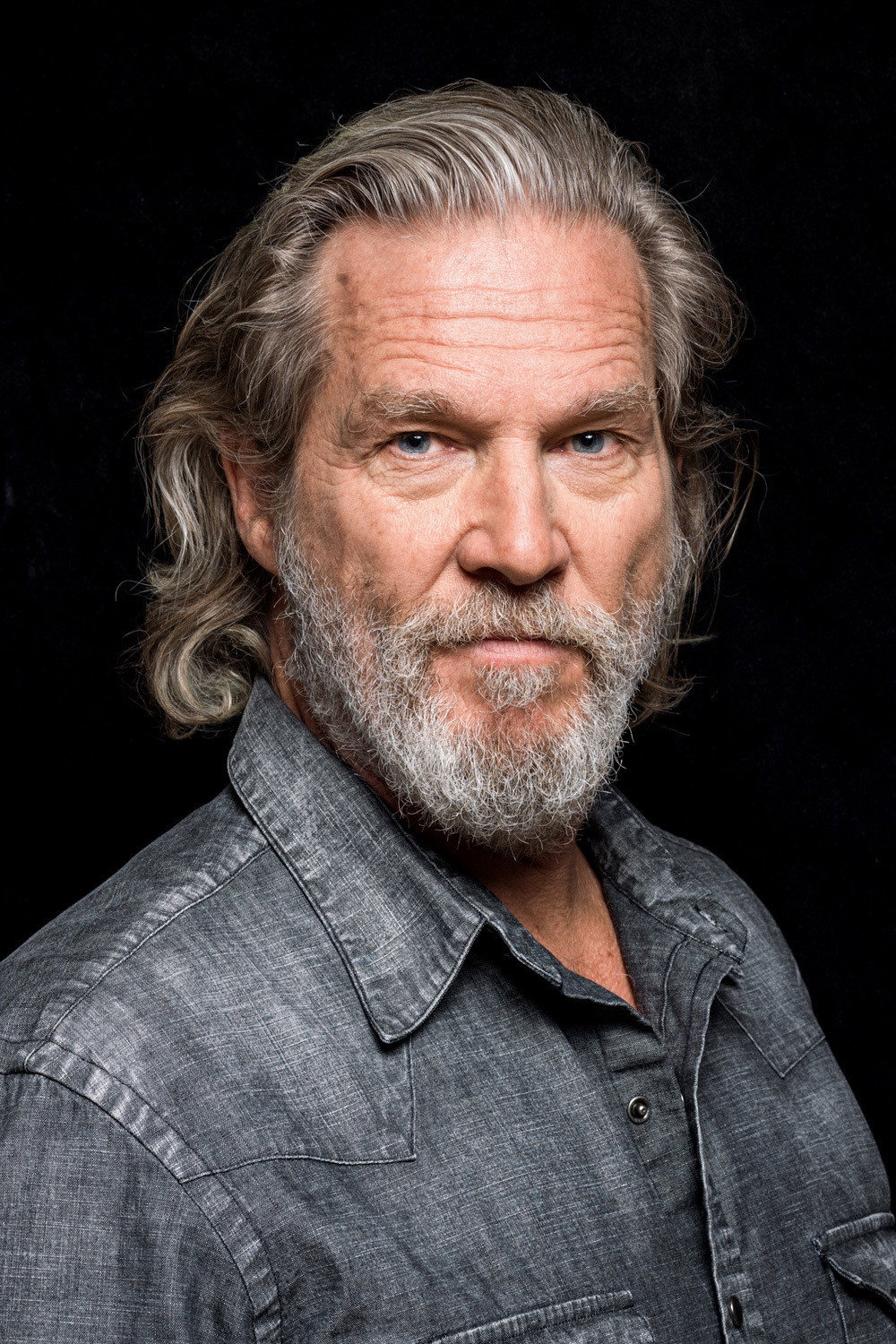
Gwyneth Paltrow, as Pepper Potts, is especially good at refusing to let Downey have every scene entirely his own way. She gives their exchanges enough resistance to stop his cleverness becoming exhausting. Terrence Howard’s Rhodey and Jeff Bridges’s Obadiah Stane help give Stark a world of people who seem to have lives beyond their immediate usefulness to him. Favreau handles the cast with assurance, and their conversations have an ease that this kind of film often sacrifices to get to the next demonstration of power.
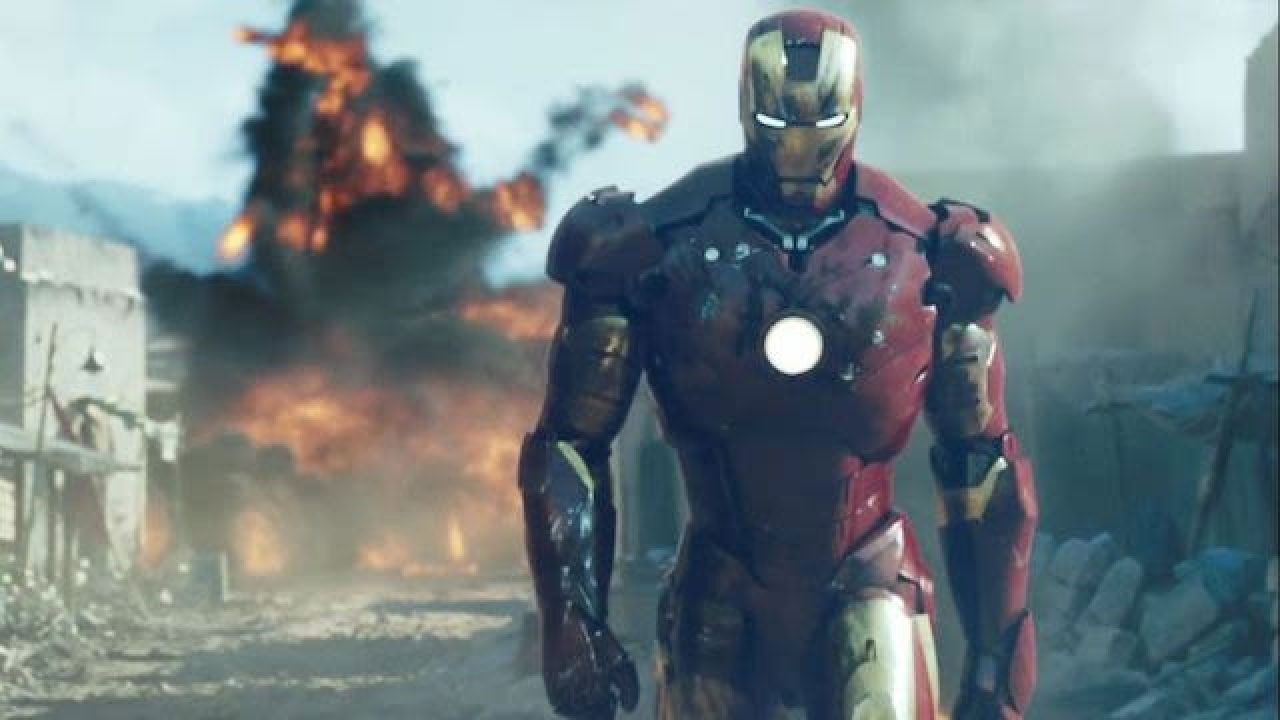
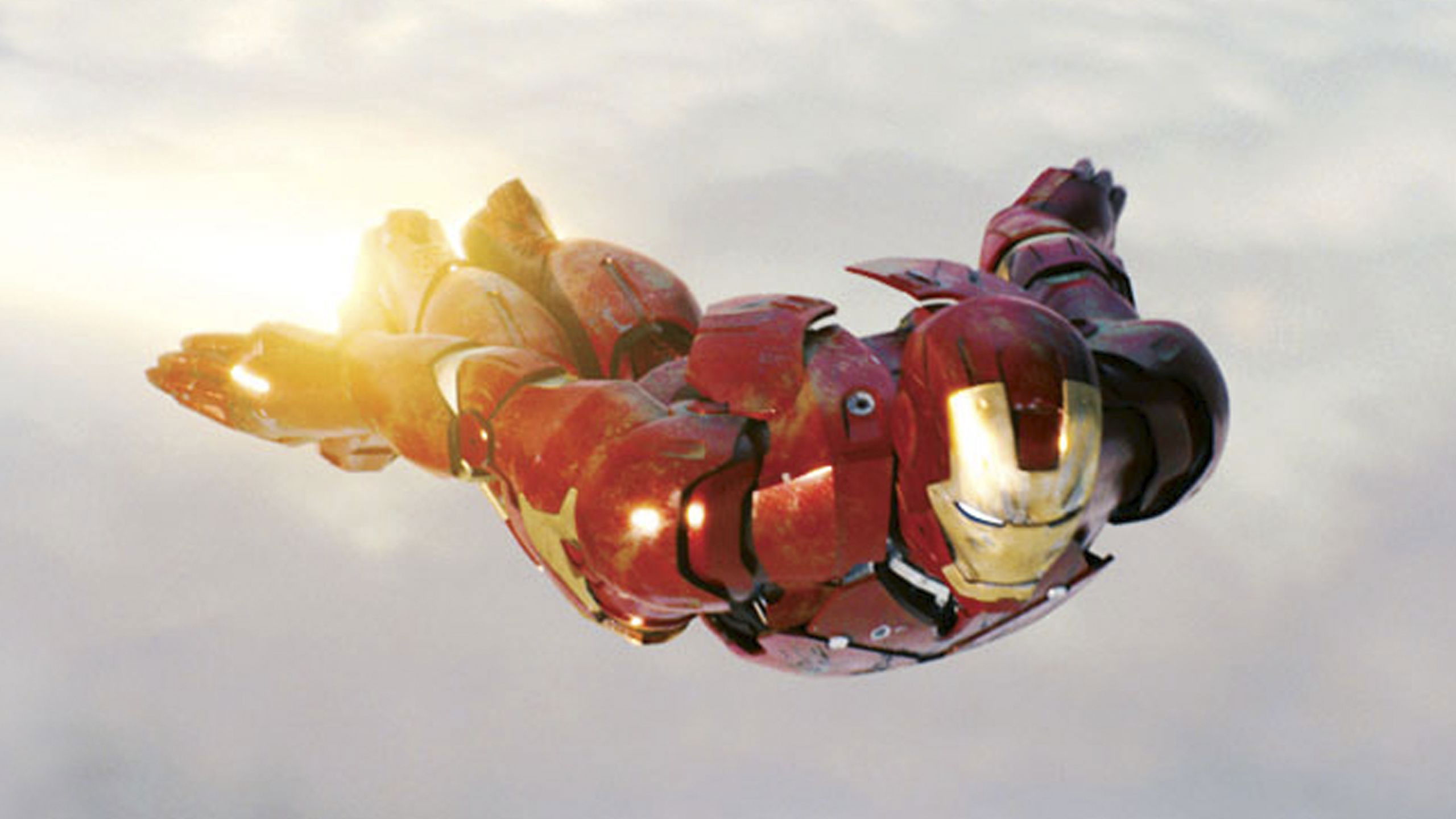
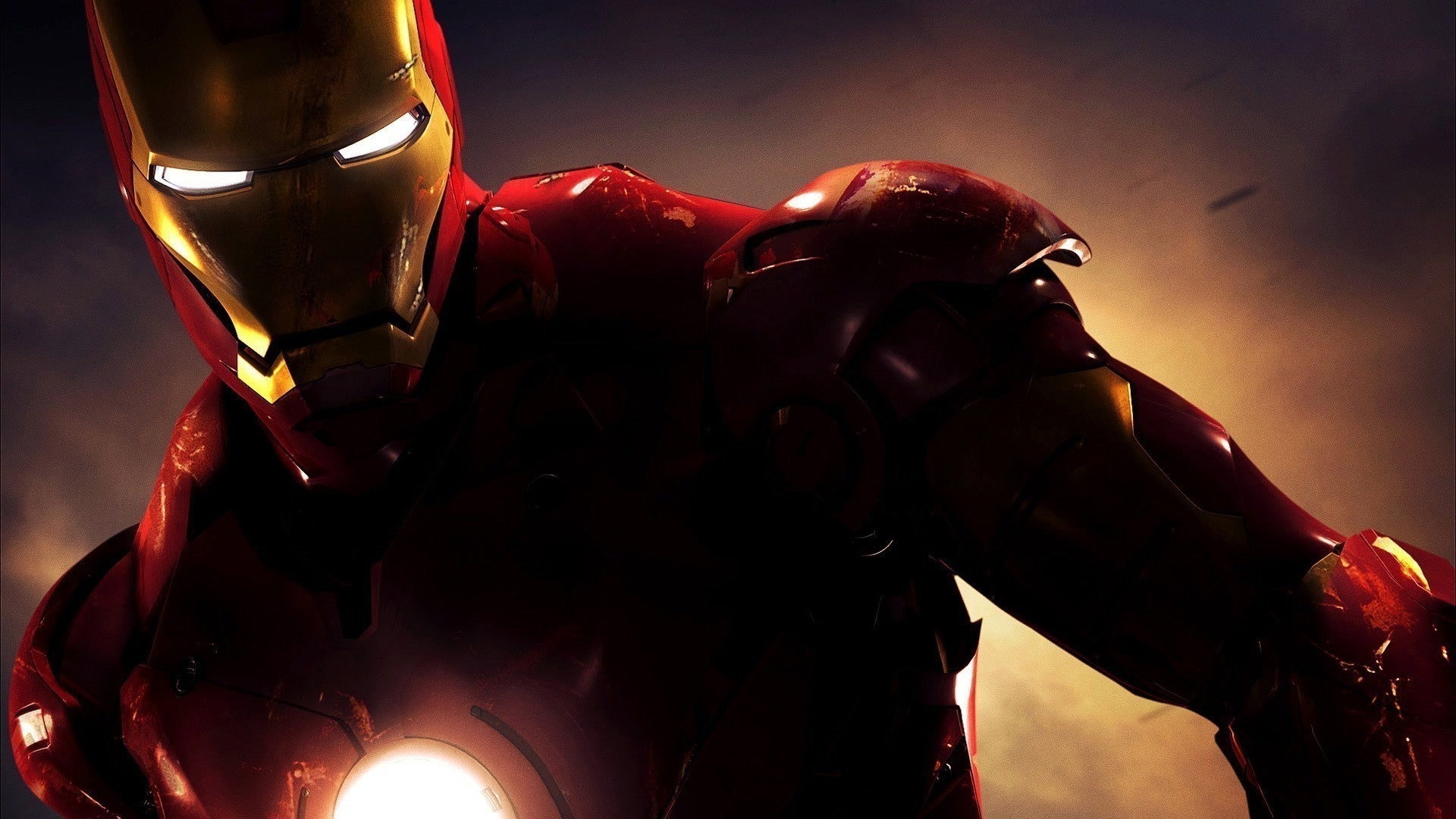
Matthew Libatique’s cinematography gives the hardware clear shapes and a sense of weight, so the effects do not immediately detach us from the people using it. J. Michael Riva’s production design makes the corporate surroundings credible, providing a working world around Stark’s improbable technology. The film is particularly convincing when the machinery is treated as something somebody has to operate, with all the difficulties that entails. Much of the pleasure comes from watching how the armour works.
The screenplay, credited to Mark Fergus, Hawk Ostby, Art Marcum and Matt Holloway, has rather less success with the questions Stark’s technology raises. Power and responsibility are useful subjects for this story, but the film does not examine them as closely as it examines its equipment. That limits its seriousness without spoiling its humour. As a superhero introduction it gets the essential job right: explaining enough about the man and his abilities for the action to matter.
Dan Lebental’s editing leaves welcome space for the performances, though the rhythm becomes less distinctive once action has to carry the film. The fighting is adequately busy but lacks the character of the conversations, and the effects become harder to read. Ramin Djawadi’s score adds force to these passages without making them much more exciting; its insistence becomes tiring. These are familiar weaknesses in the genre, made more noticeable here by how much better Favreau handles people.
Its 126 minutes allow a welcome amount of time for the cast, even when the plotting becomes familiar. That emphasis feels right for an origin story, where interest in the hero has to survive the explanation of his abilities. The later action could have used more of the wit that makes the introductions so enjoyable. Come for Downey, and allow for a stretch in which the armour gets more attention than it deserves.