Paul Verhoeven’s RoboCop is an exceptionally sharp action film, savage about corporate power and unexpectedly affecting. Peter Weller gives the metal policeman a person worth caring about, though the violence warrants a serious warning.
Paul Verhoeven’s RoboCop is a ferocious, funny action film that gives us good reason to care about its armoured policeman. We recommend it strongly, with a serious warning about the violence. Writers Edward Neumeier and Michael Miner put Officer Alex J. Murphy in a future where corporate power reaches into police work and a human being can be treated as equipment. The film is angry about that, and its jokes are specific enough to make the anger count.
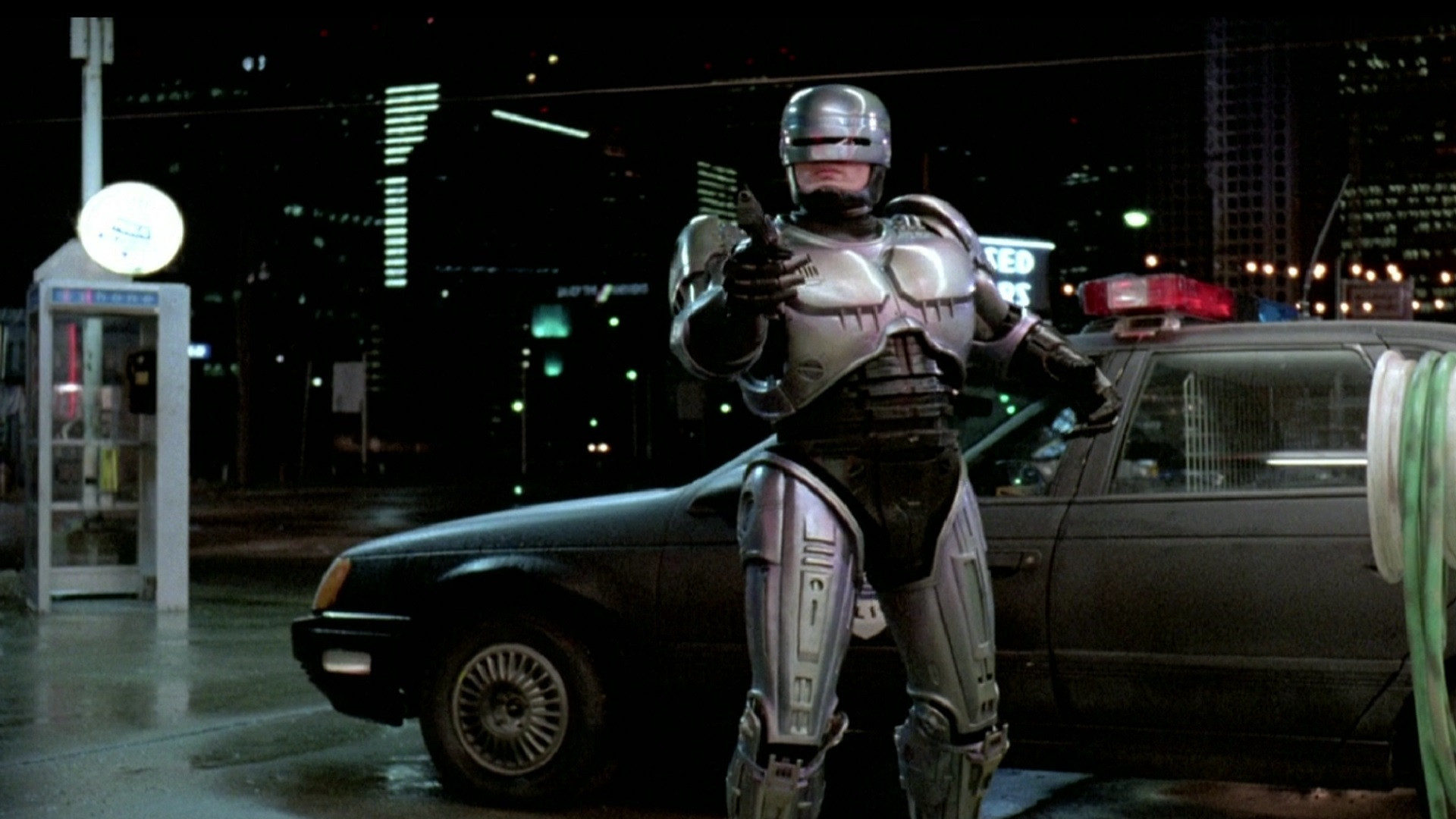
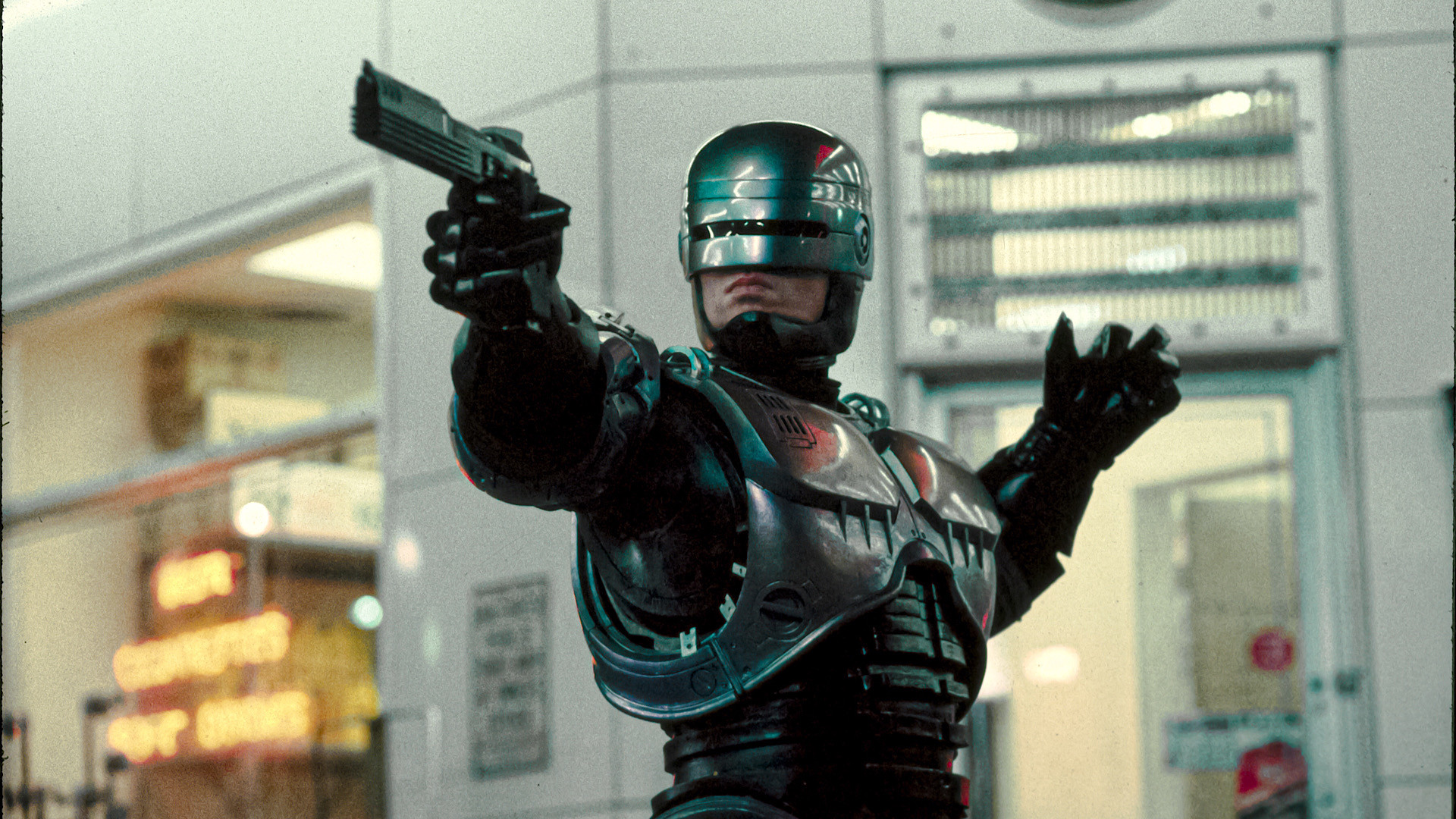
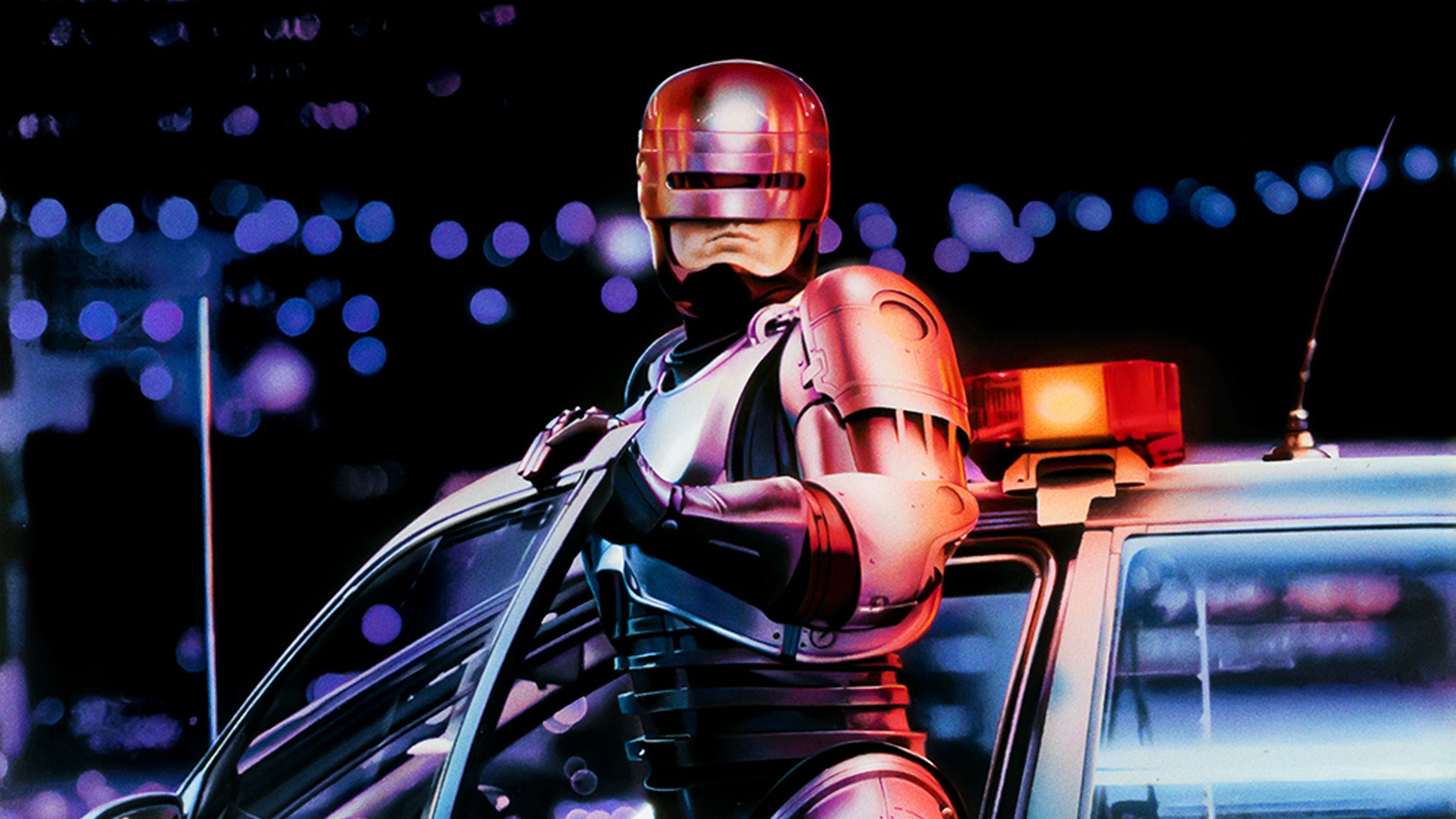
Peter Weller does the essential work inside the suit. His mechanical voice could have made Murphy a talking weapon; instead, the restricted delivery makes each suggestion of feeling unusually affecting. We were moved by how little warmth Weller needs to put into that voice. He earns that response without asking the film to stop and admire his predicament, and keeps Murphy sympathetic even when the comedy becomes broad.
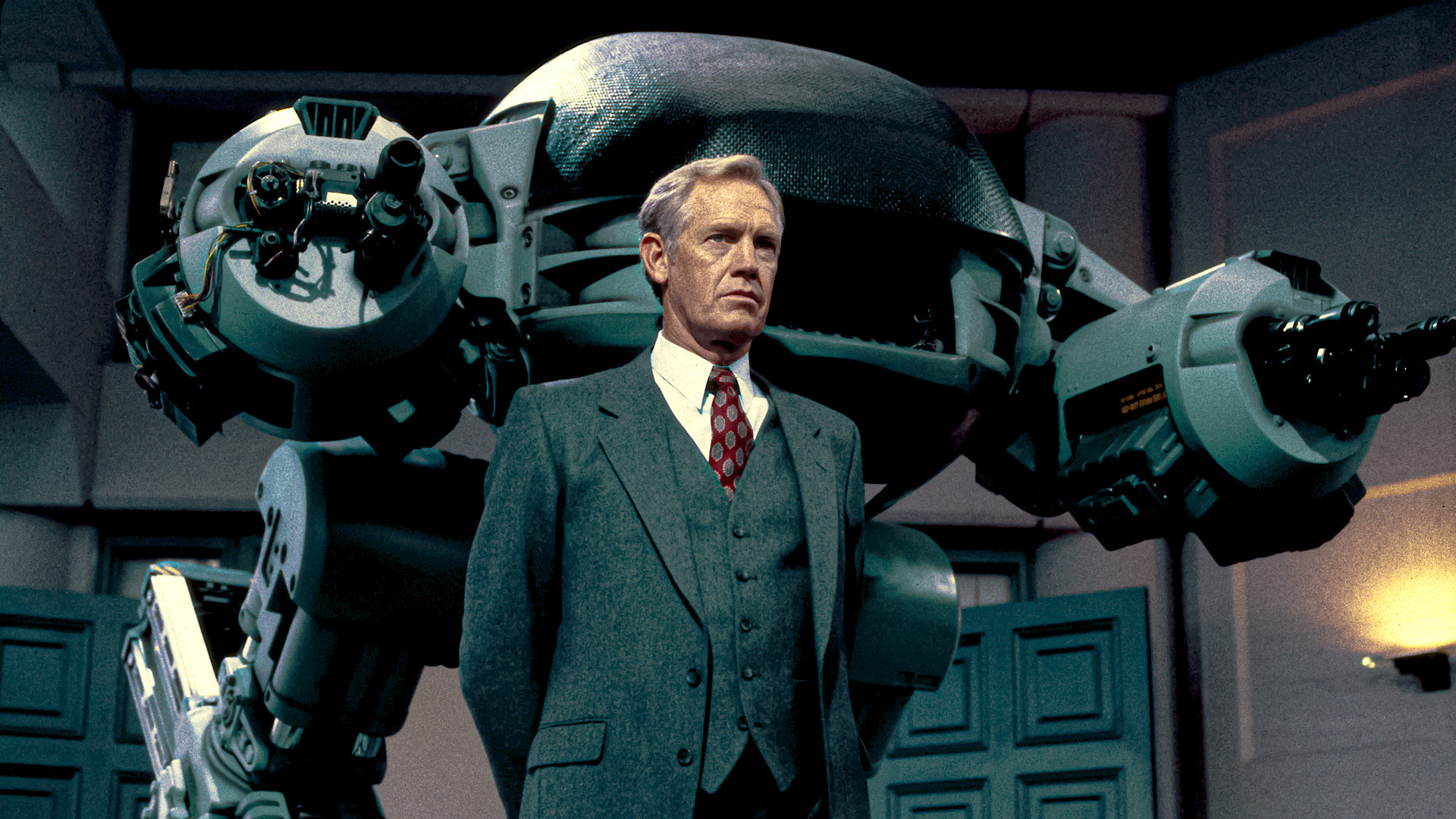
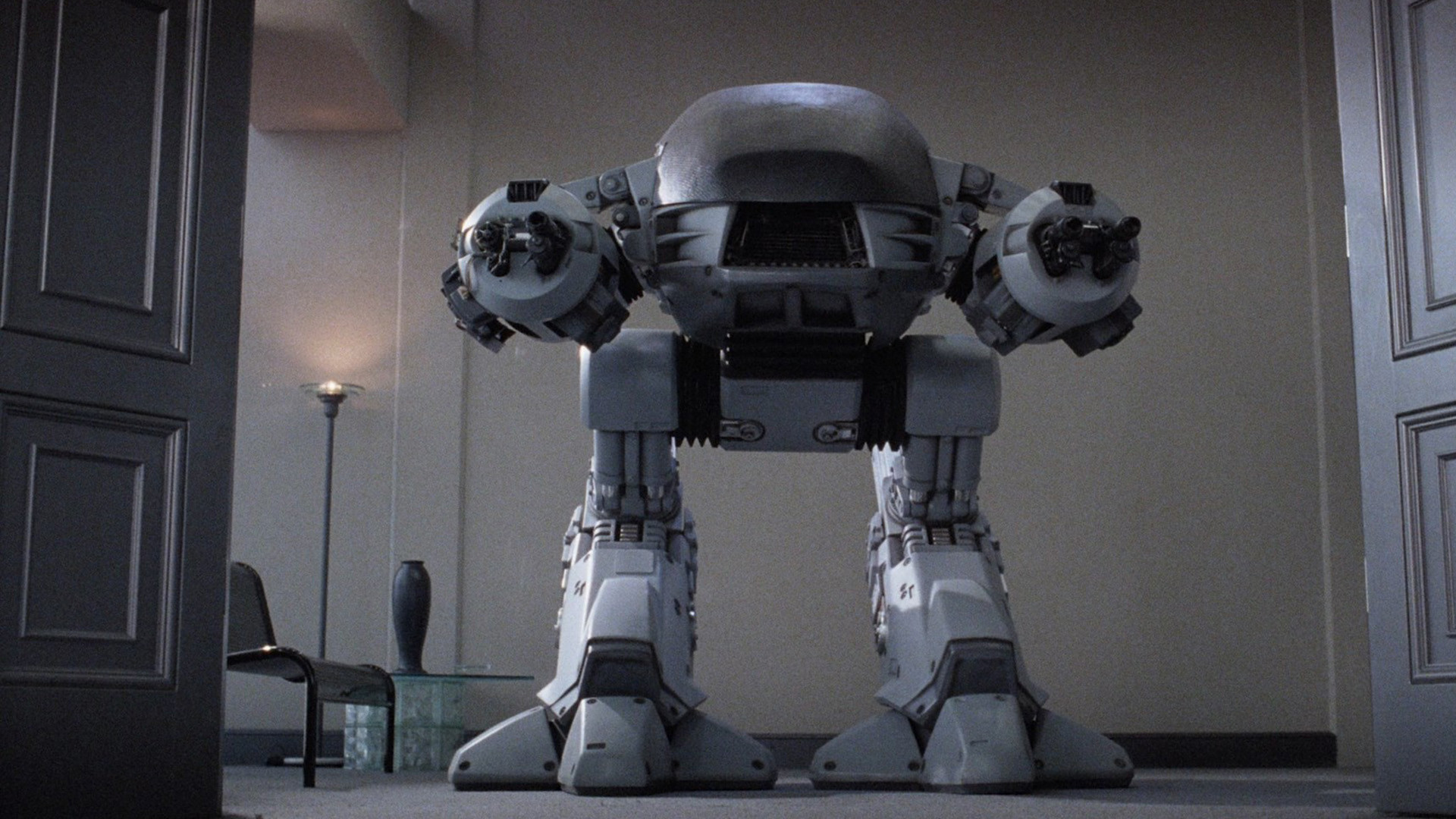
The boardroom demonstration is where the corporate satire bites hardest. We laughed, then felt ashamed of how readily we had laughed. Verhoeven makes the confidence of the presentation so grotesquely misplaced that the comedy survives the horror, which is precisely what makes it uncomfortable. The futuristic newscasts broaden the complaint, presenting a society in which violent events are processed with an efficiency the police might envy.
Jost Vacano’s cinematography gives the metal body a convincing weight, so that Murphy remains a physical presence even at the film’s most cartoonish. William Sandell’s production design does useful work in the boardroom, giving the demonstration a respectable business setting. That respectability makes the scene nastier. The corporate surroundings encourage us to regard what happens there as something sanctioned and sensible, and Verhoeven exploits that expectation without needing to explain the joke.
Frank J. Urioste’s editing keeps the action brisk without letting the satirical interruptions feel like a separate programme. At 102 minutes, there is little room for the film to explain a joke twice. Basil Poledouris’s score gives Murphy a sense of purpose that helps us take his police work seriously, even while the film questions who benefits from it. The music’s sincerity matters: a score content merely to wink along with the satire would have made the human story much harder to believe.
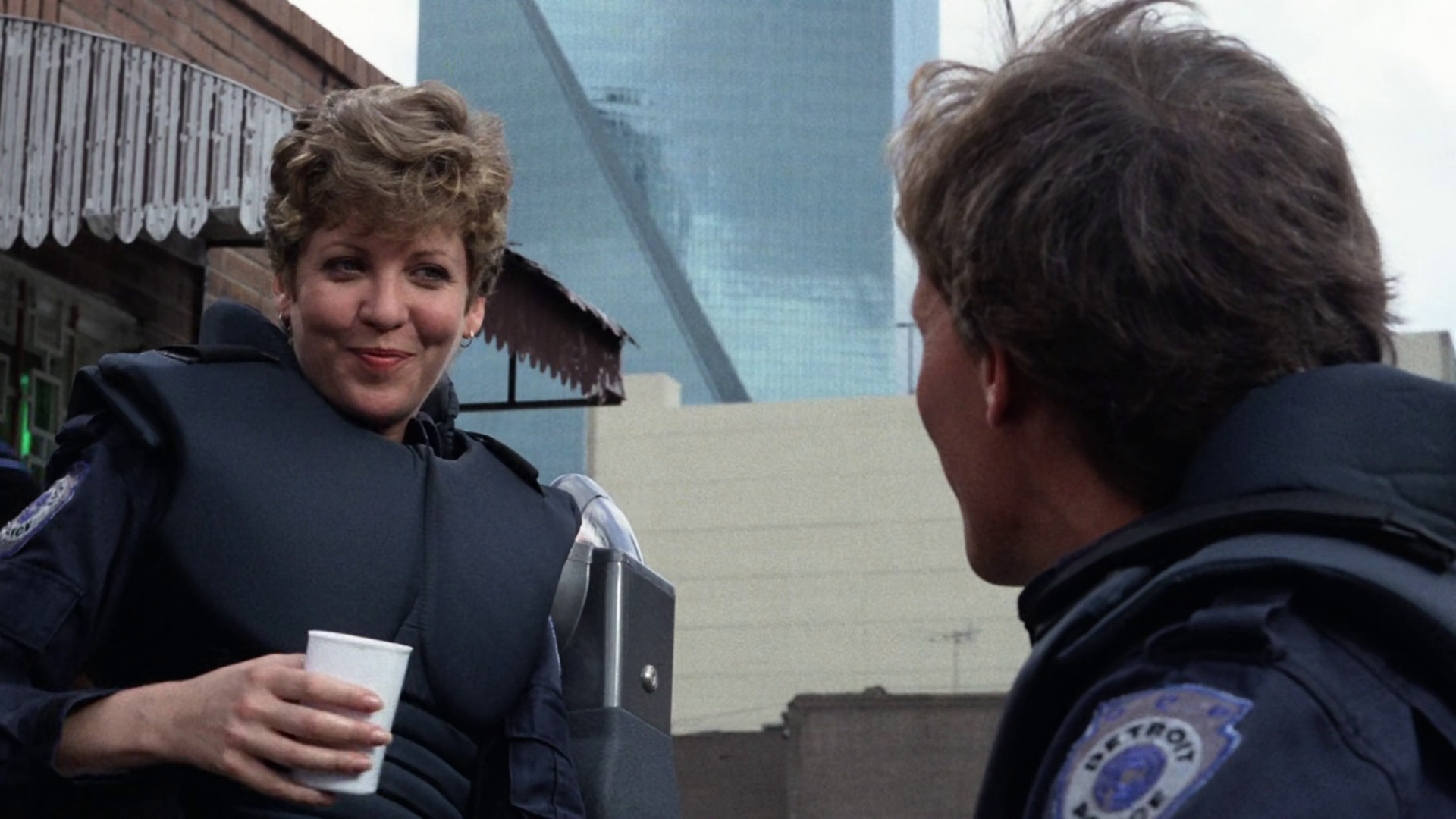
The supporting characters receive less care. Nancy Allen gives Officer Anne Lewis a welcome directness, but the writing leaves her with fewer complications than Murphy, and the wider characterisation can be blunt. Neumeier and Miner are better at giving people a function in their satire than allowing them much life beyond it. Allen makes enough of Lewis that we would have welcomed more time with her, particularly in a film so interested in what makes its central character a person.
Among science-fiction action films, this is unusually willing to make its central fantasy troubling. The appeal of a policeman who can withstand almost anything comes with the question of what has been done to the person inside, and Weller keeps that question present. The corporate jokes would be much easier to enjoy if Murphy were only a machine. Choose it when an action film is wanted and nobody is expecting a comfortable evening.