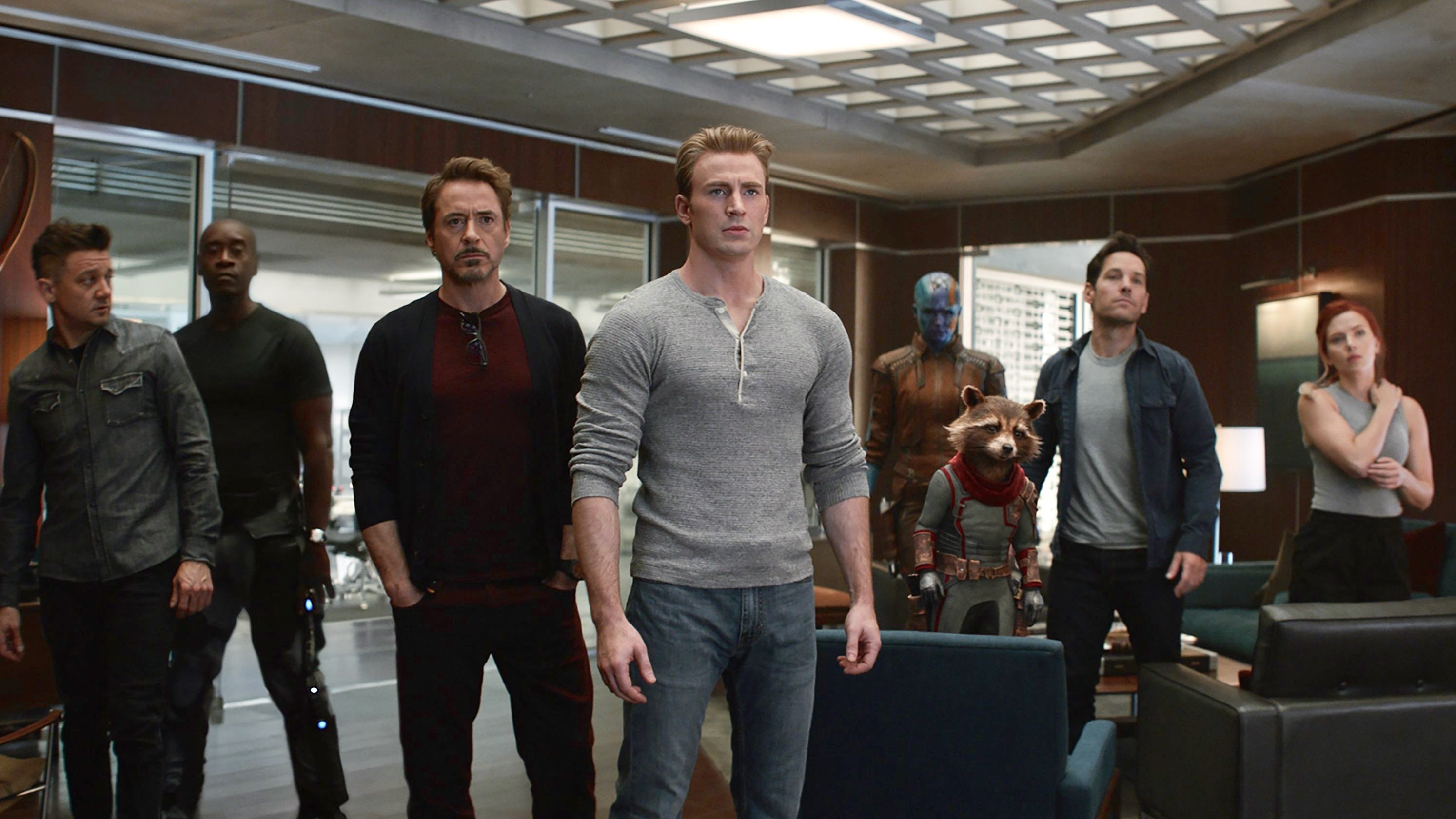
Avengers: Endgame gives its heroes enough time to matter, then rather more time than they need. We recommend this affectionate, often moving conclusion to anyone already invested, with reservations about the length and the routine-looking spectacle.
Anthony and Joe Russo have made a superhero conclusion that works because it allows the people inside the costumes to be unhappy for a while. Avengers: Endgame is good company for anyone who has followed these characters, though 181 minutes asks for more patience than it always repays. The aftermath of Avengers: Infinity War supplies something these films can too easily hurry past: consequences that affect how people behave. The attempt to deal with loss deserves the time it gets here.
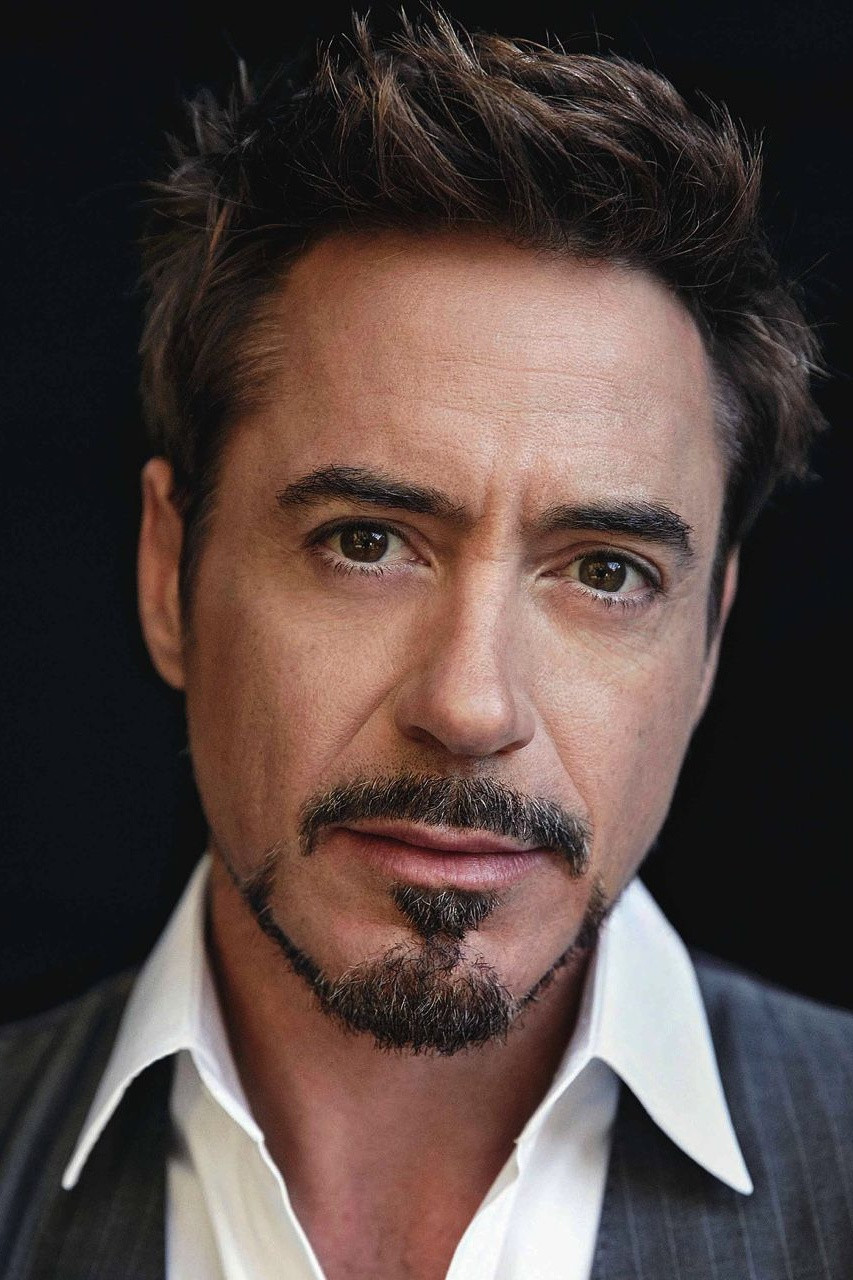
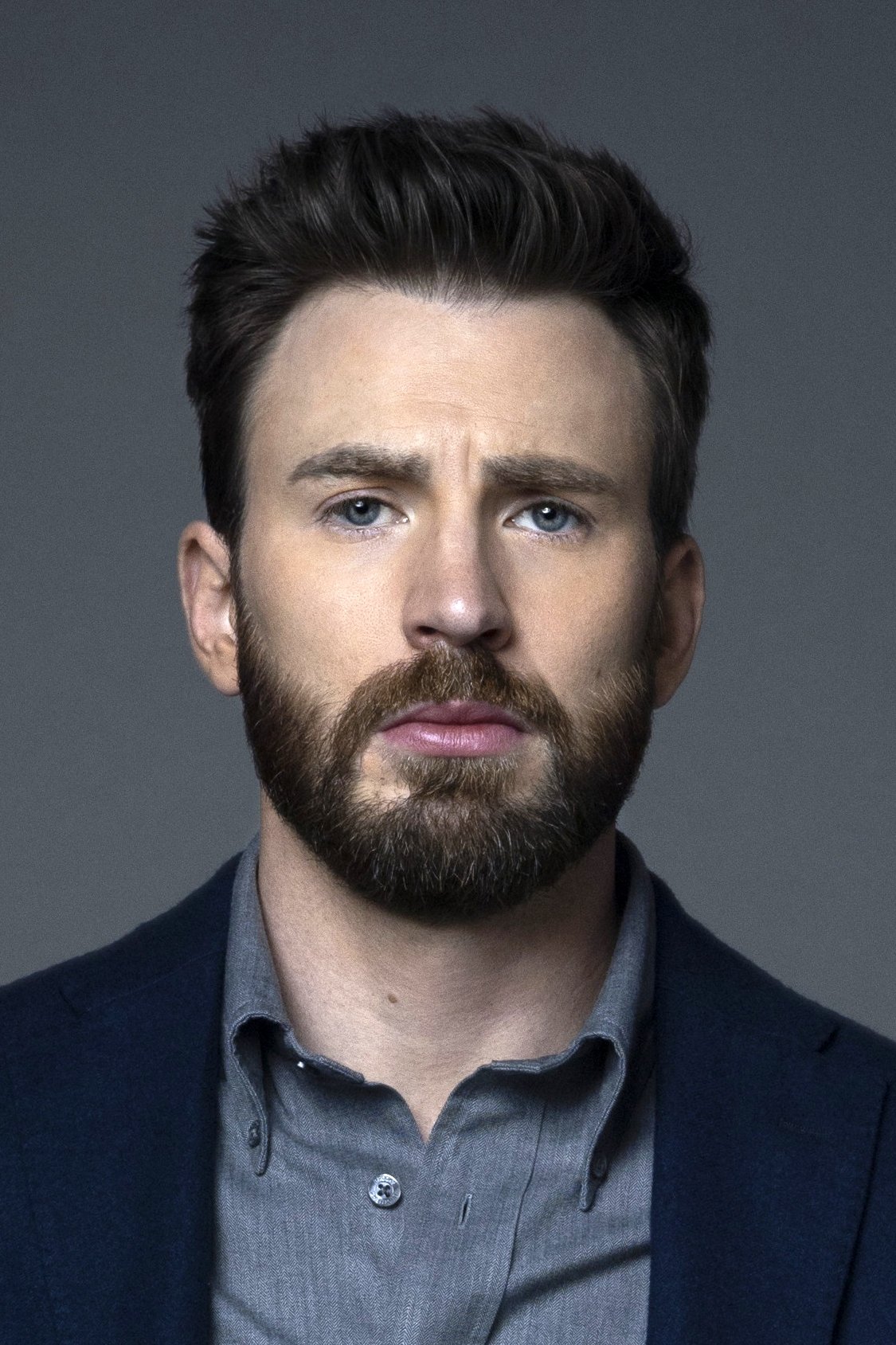
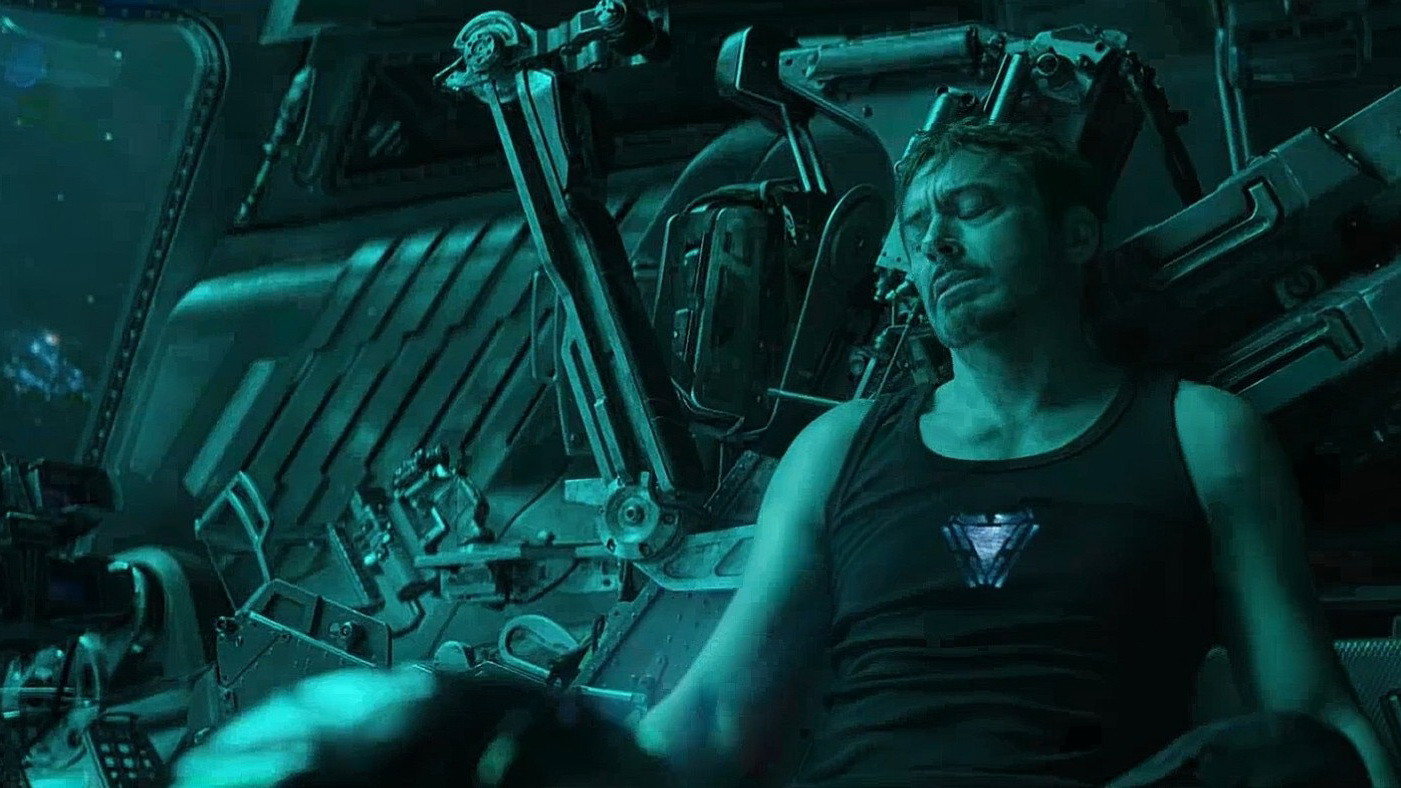
Robert Downey Jr. gives Tony Stark the performance that holds our attention most firmly, letting the humour coexist with a tiredness that cannot be joked away. We were moved more than we expected by that weariness; the effort behind the comic manner makes the character’s distress difficult to dismiss. Chris Evans gives Steve Rogers a steadiness that might have been dull in a less attentive performance, but here feels necessary. Both actors make the conversations about carrying on worth listening to.
Christopher Markus and Stephen McFeely’s screenplay understands the pleasure of returning to familiar people, and takes time over their responses to loss. The accumulated history matters, and the writing leans hard on an attachment it expects us to bring. For anyone arriving without that attachment, too much of the emotional work has already been done elsewhere. There are passages in which recognition seems to be doing a job that a sharper exchange, or a less dutiful scene, ought to do.
The broad handling of Thor is a particular irritation, and Chris Hemsworth is left making comedy out of material that needs more care. There is nothing wrong with allowing an unhappy superhero to be funny; Downey demonstrates that often enough. Here, though, the emphasis is too heavy, and the jokes weaken the attention paid to loss elsewhere. Jeffrey Ford and Matthew Schmidt’s editing keeps the large ensemble manageable, but too many stretches feel retained because someone would miss them.
Trent Opaloch’s cinematography does the practical work of keeping faces and action legible, without giving the film much visual character of its own. Charles Wood’s production design is equally undistinguished; the settings rarely demand a second look. That need not ruin an adventure, but it matters across a film this long, when so much depends on the pleasure of looking. We kept attending to the actors because their expressions offered more variety than the places around them.
Alan Silvestri’s music is more persuasive, giving the emotional passages an assurance the images sometimes lack. The action benefits from those personal stakes, and the Russos understand that a confrontation becomes more exciting when its participants have been allowed some life beyond it. By the standards of ensemble superhero films, the handling of individual personalities is unusually sure. The spectacle still has a tendency to outstay its welcome, but it does not erase the quieter acting that has given it a reason to matter.
We would not start here, however persuasive the cast might sound. The film expects familiarity with these people and makes few concessions to anyone without it, so this is a recommendation for the already committed. Even they may wish that a few more scenes had been shortened. If the Avengers already matter to you, give them the evening; just do not expect them to leave promptly.