Ang Lee’s martial-arts romance is generous with action, humour and feeling, and we recommend it well beyond the genre’s regulars. A few slow stretches are a small price for performances this persuasive and combat this clear.
Crouching Tiger, Hidden Dragon is a martial-arts romance that trusts us to care about what happens between the fights. Ang Lee gives longing, embarrassment and good manners the attention another action film might reserve for preparing its next confrontation. We recommend it warmly, including to those who usually find airborne combat a reason to leave. Its physical extravagance is easy to accept because the people taking part have recognisable feelings, including feelings they would rather keep out of sight.
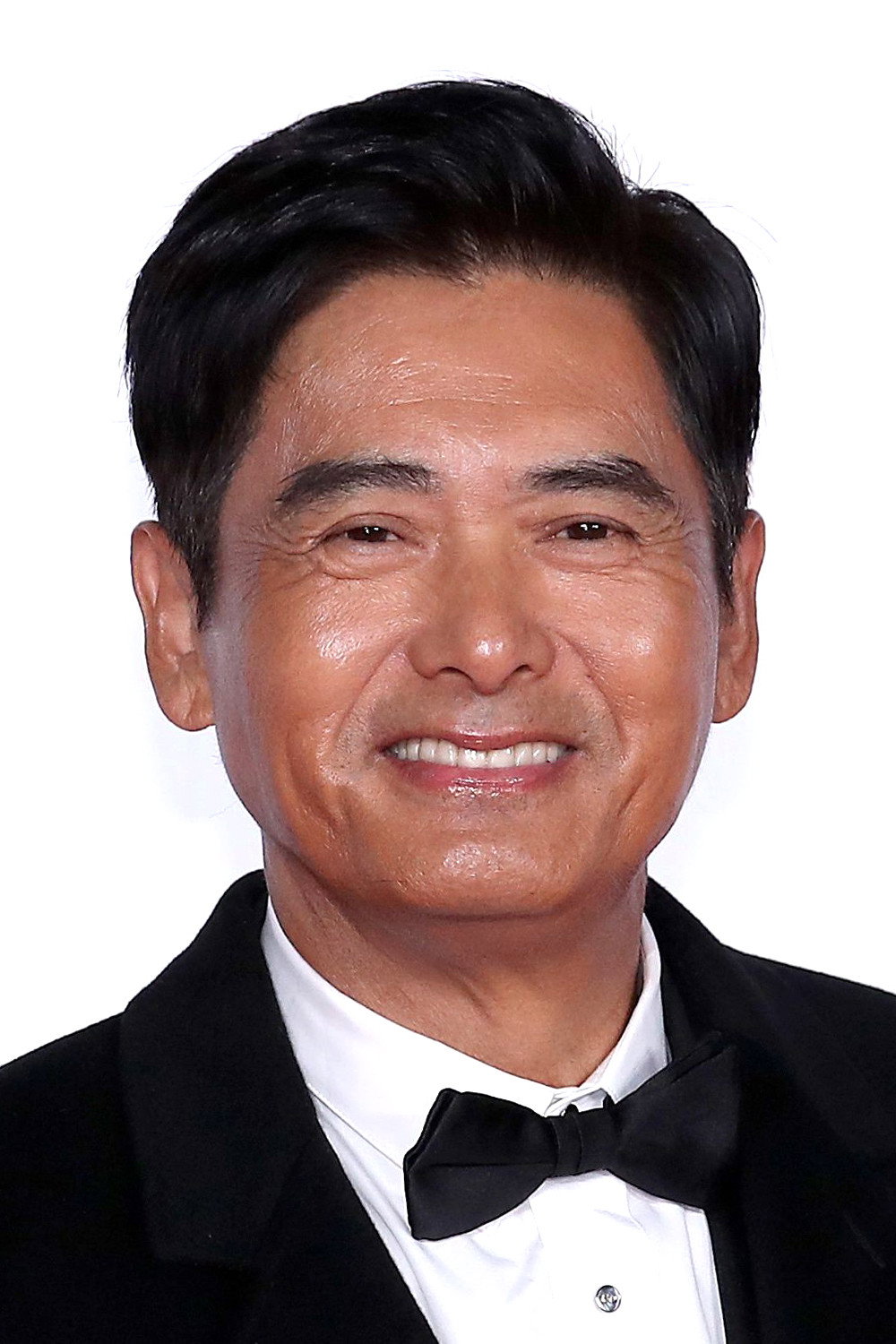
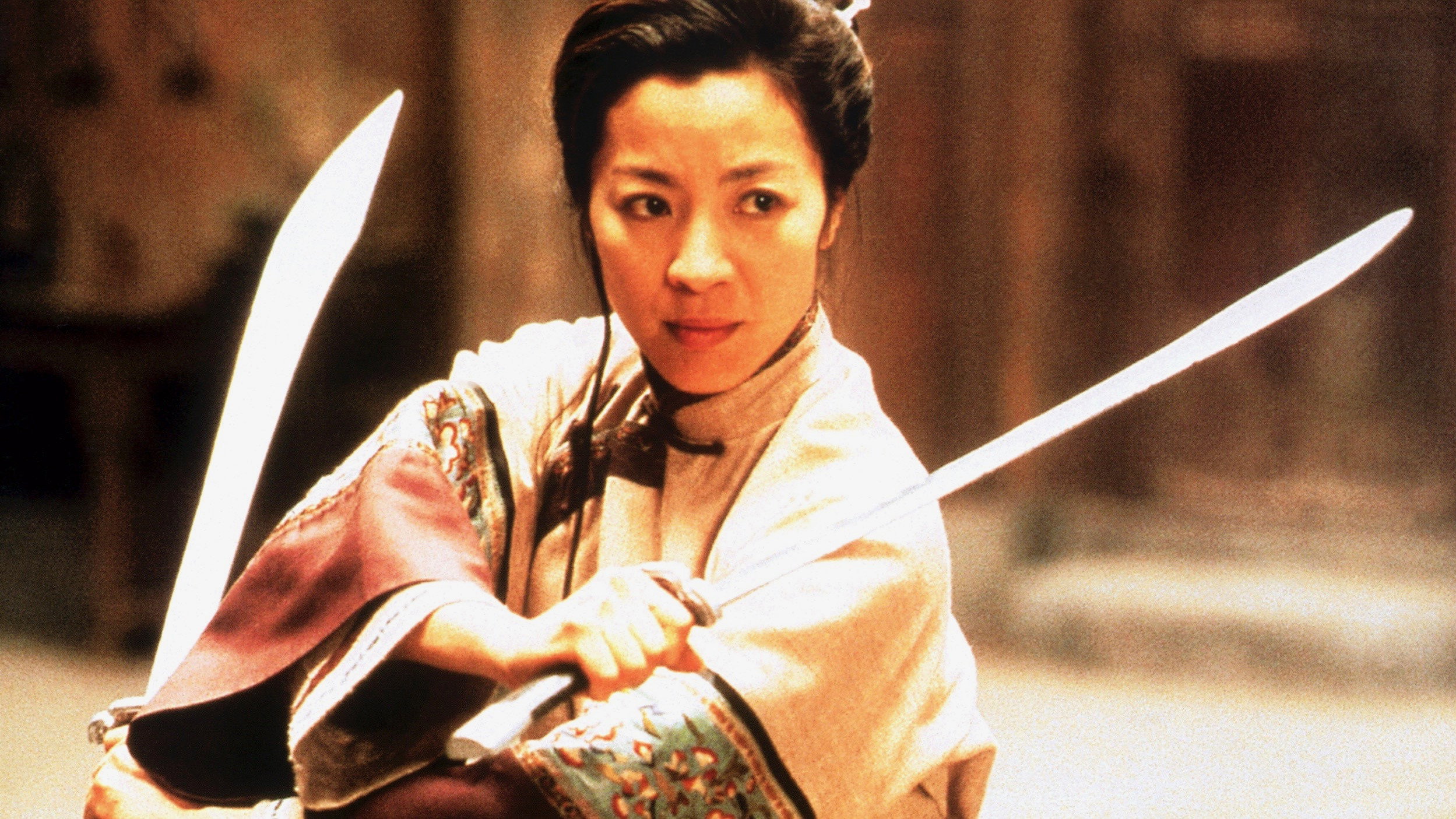
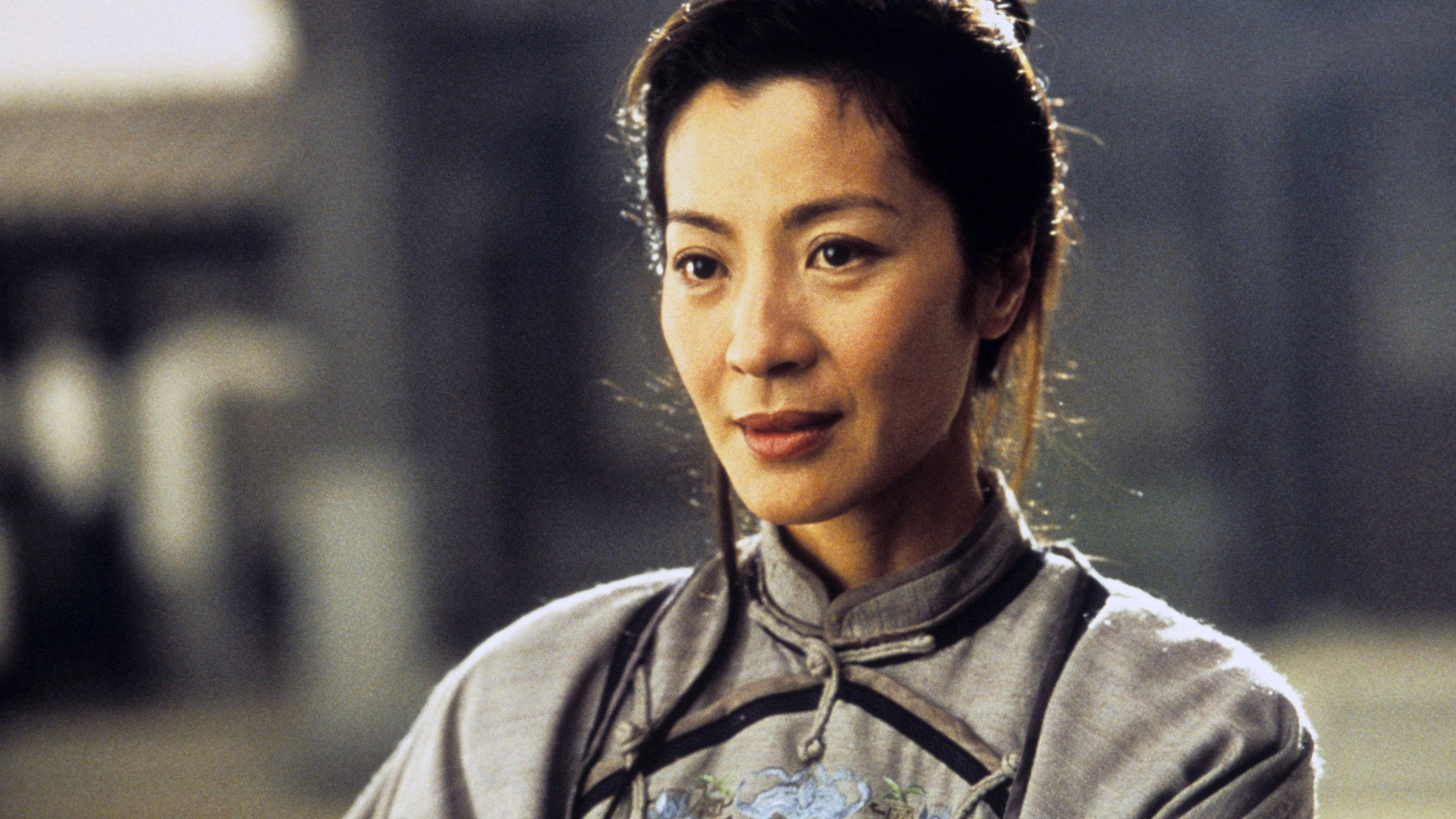
Chow Yun-Fat’s Li Mu Bai and Michelle Yeoh’s Yu Shu Lien give the film a welcome steadiness. Both make the effort of remaining composed seem costly, and Lee is patient enough to let us notice it. We were moved by how much affection they could suggest without making an open declaration. The performances make that reticence understandable, so the pauses between bouts of action remain worth watching rather than simply delaying the next display.
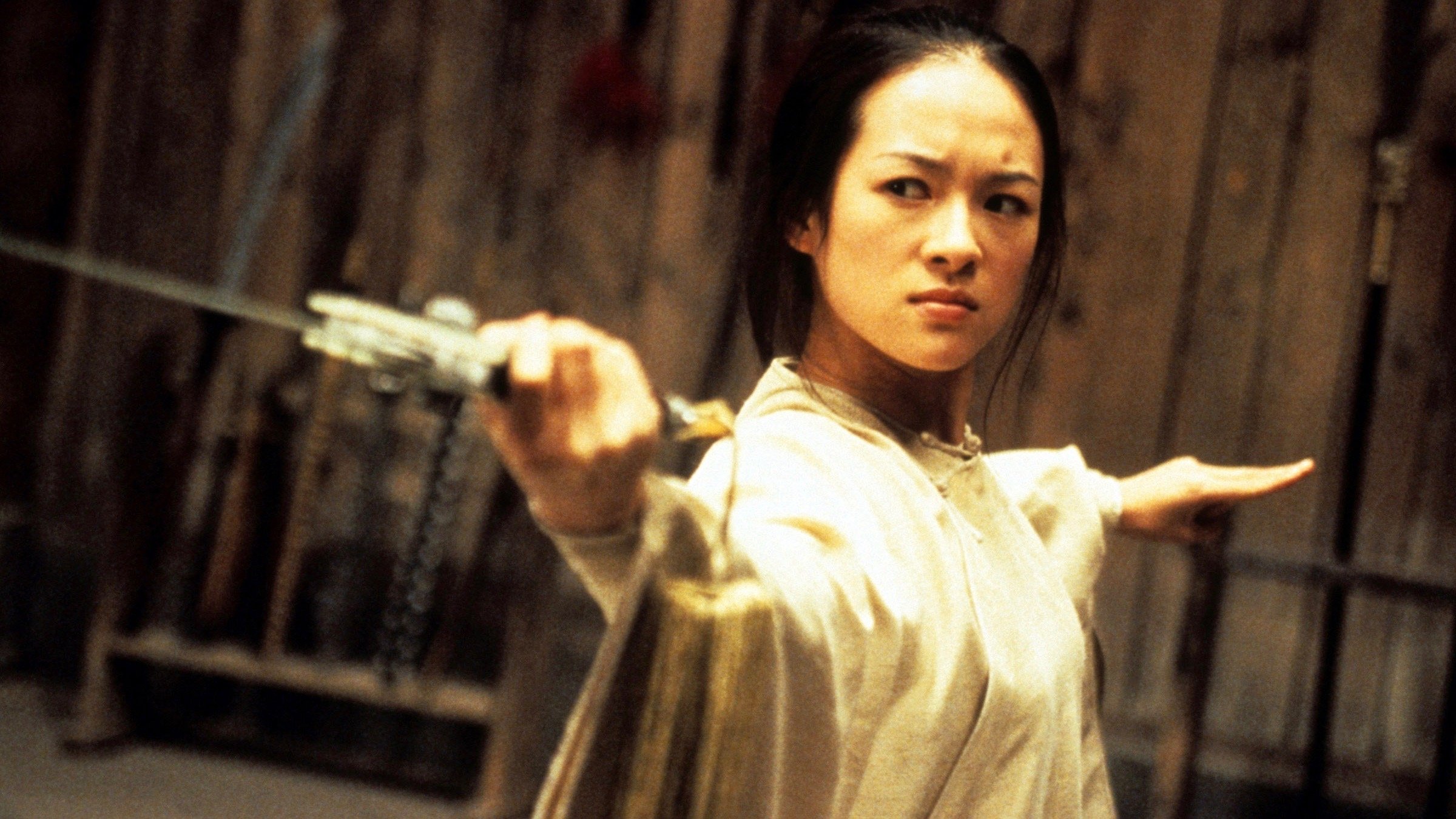
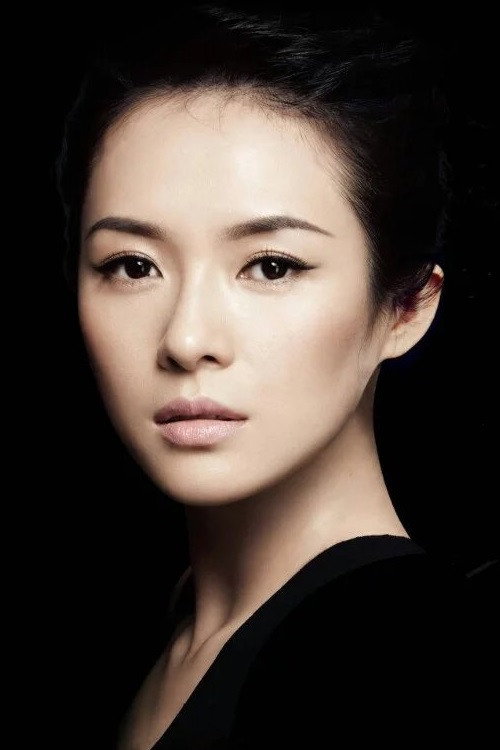
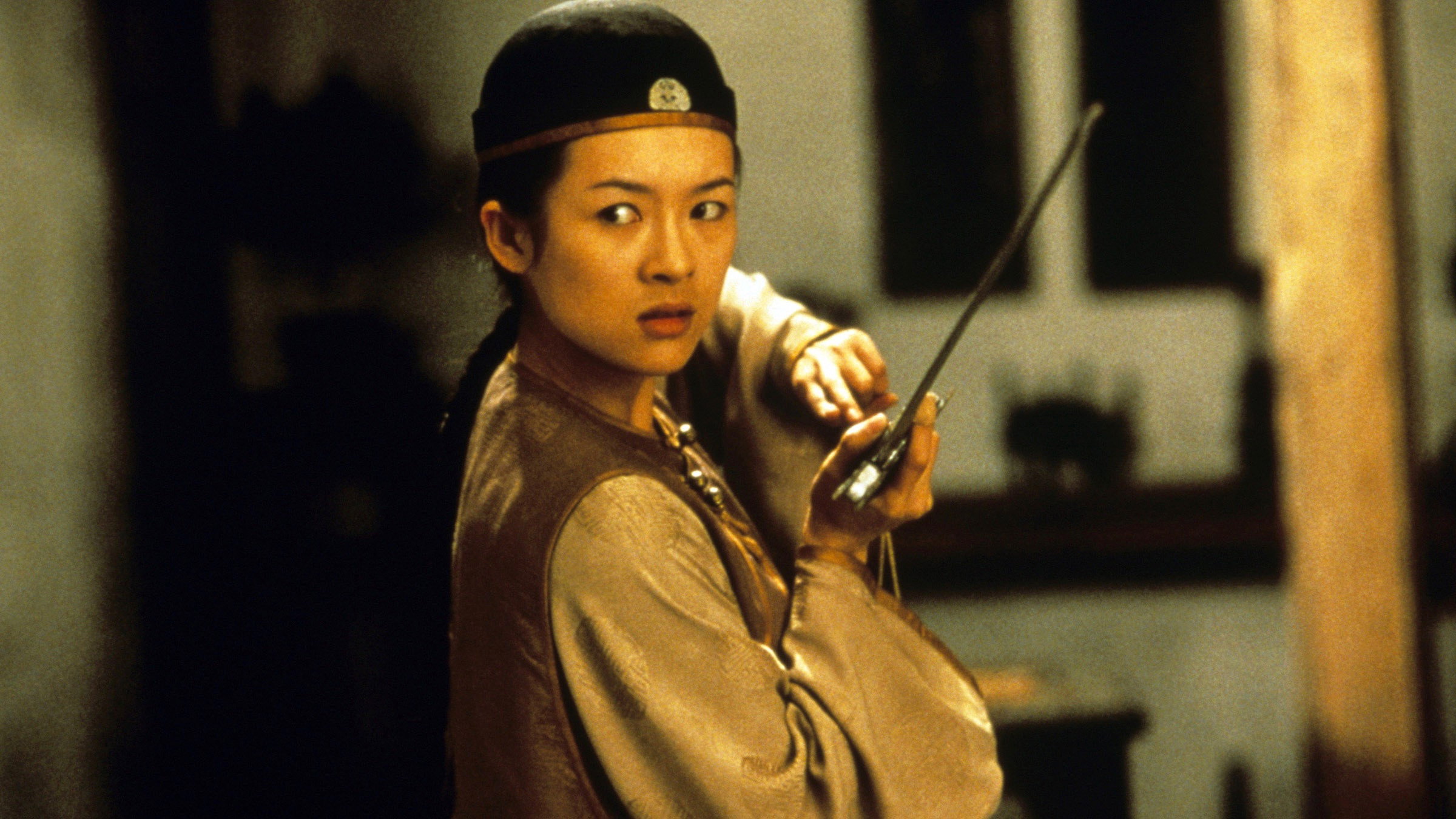
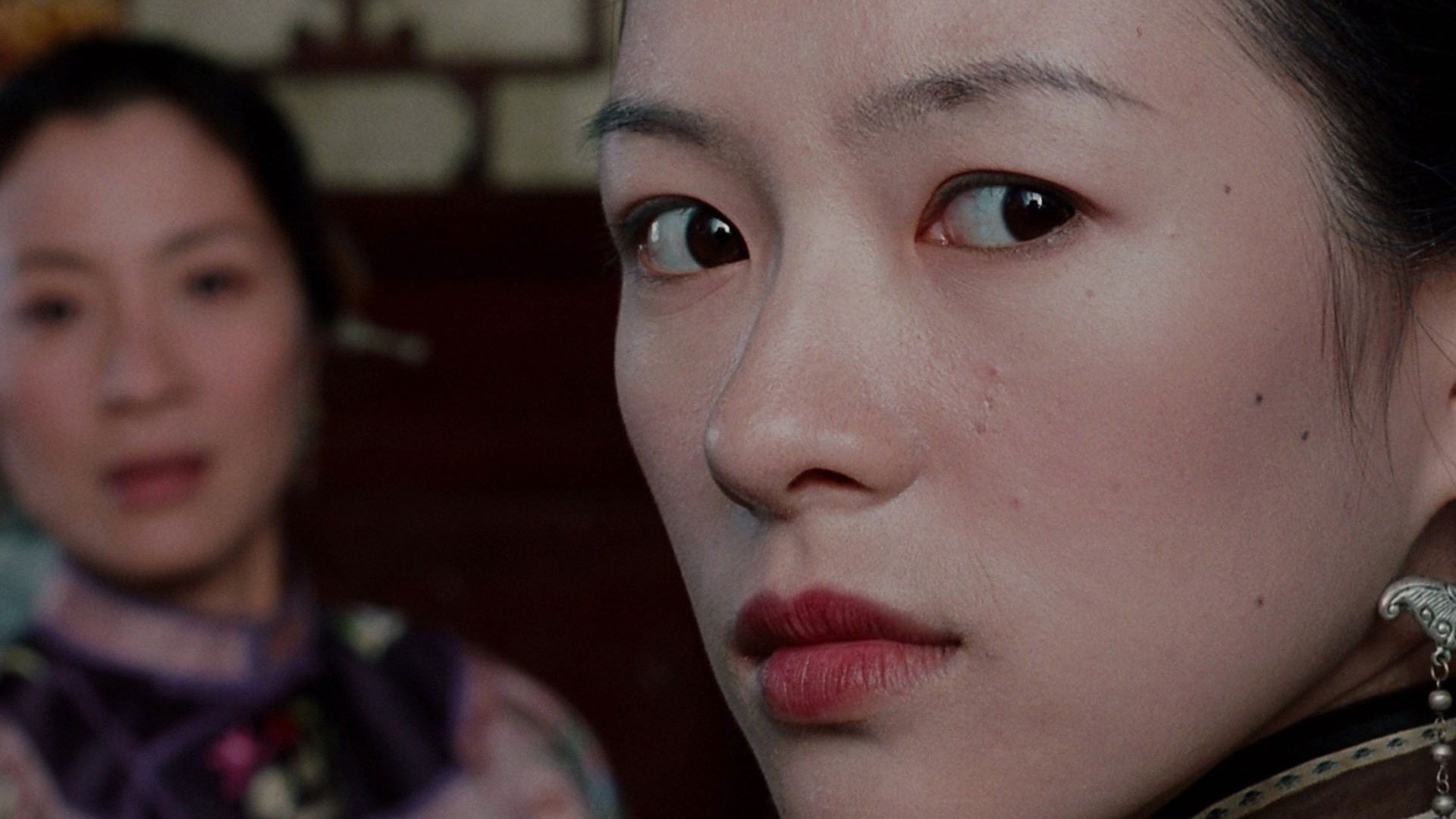
Zhang Ziyi’s Jen brings a less settled energy, and the performance is funny partly because she makes impatience so difficult to disguise. She can be thrilling without becoming automatically admirable. Lee takes the wish for freedom seriously while allowing vanity and unruliness to complicate it, which keeps the character from becoming a lesson in independence. The screenplay, by Wang Huiling, Tsai Kuo-Jung and James Schamus, allows its women to be difficult, forceful and emotionally confused without treating those qualities as a problem to be corrected.
Peter Pau Tak-Hai’s cinematography makes the scale of the landscapes count without letting the people disappear into them. In the wire-work passages, the pleasure comes from seeing a body move through space and having time to enjoy the improbable distance it covers. Tim Squyres’s editing preserves that pleasure; the movement remains readable, and a fight can change mood without becoming a confusion of glimpses. We caught ourselves smiling at the audacity of the flying, which Lee presents without an apologetic wink.
Timothy Yip Gam-Tim, responsible for both production and costume design, gives the film a formality that suits its concern with appearances. His costumes help the performers look composed even when their behaviour threatens to give them away; the elegance has a dramatic use. Tan Dun’s music keeps the romance present when the fighting threatens to command all our attention. It encourages feeling without making the quieter performances seem underpowered, and helps the changes of pace feel like parts of the same story.
The pace does slacken. At 120 minutes, the film occasionally spends longer sustaining a mood than the scene needs, and Squyres’s cutting cannot always make the romantic pauses feel spontaneous. We sometimes understand the hesitation before Lee allows the scene to move on. The humour helps, as does his willingness to enjoy the melodrama without looking down on it. He keeps the genre’s delight in improbable feats, giving the fights room to be playful even when the feelings around them are serious.
Allow it the full two hours, and resist treating the quieter exchanges as an interval. Lee makes the manners worth attending to, and the fighting is clear enough that watching closely brings its own pleasure. See it with someone who thinks they have no use for a martial-arts film.