Film review

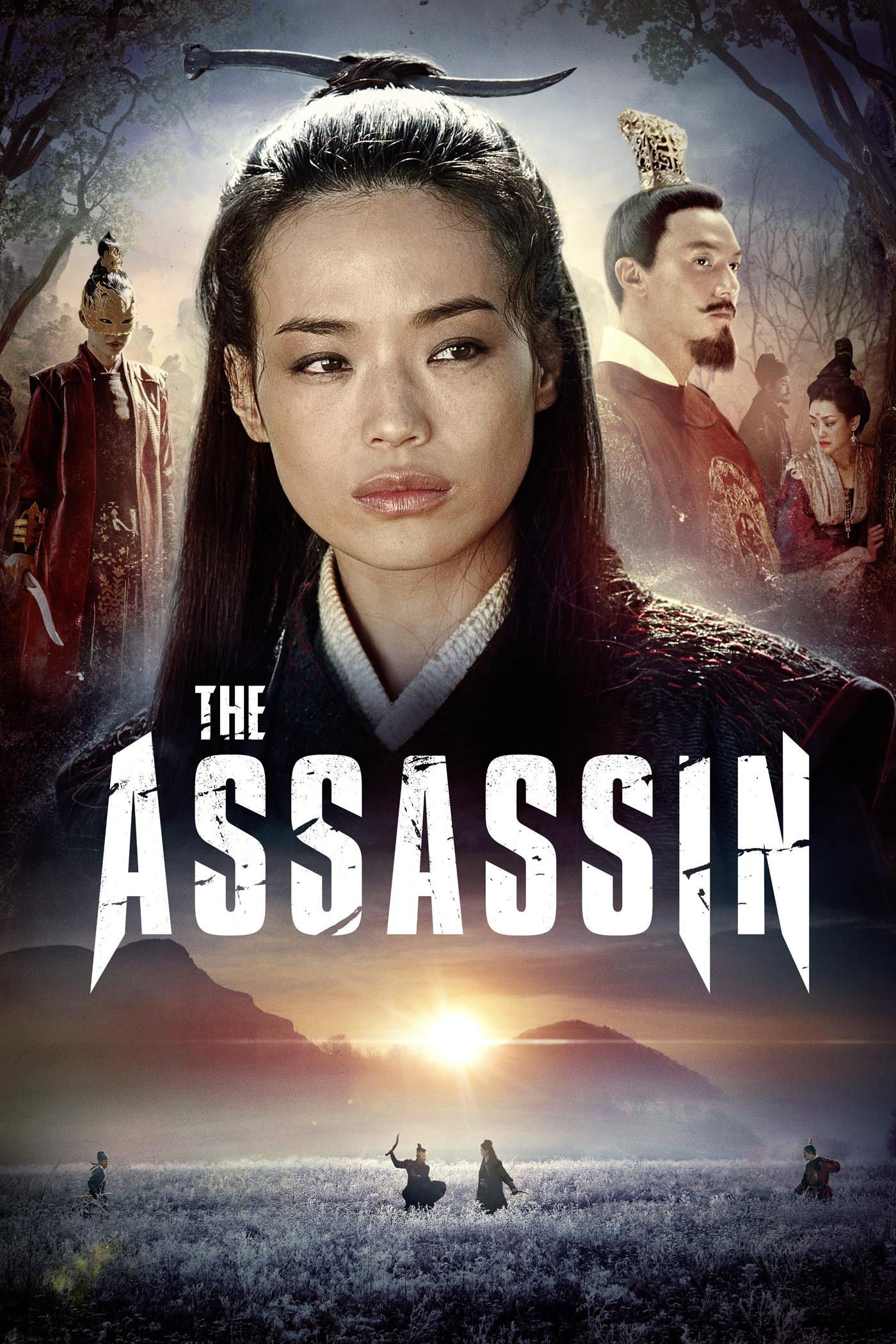
The Assassin

2015 · Directed by Hou Hsiao-hsien · 1h 45m · MPA NR

In a sentenceAn assassin who mostly decides not to, in a film that would rather watch the curtains move

ActionAdventureHistory

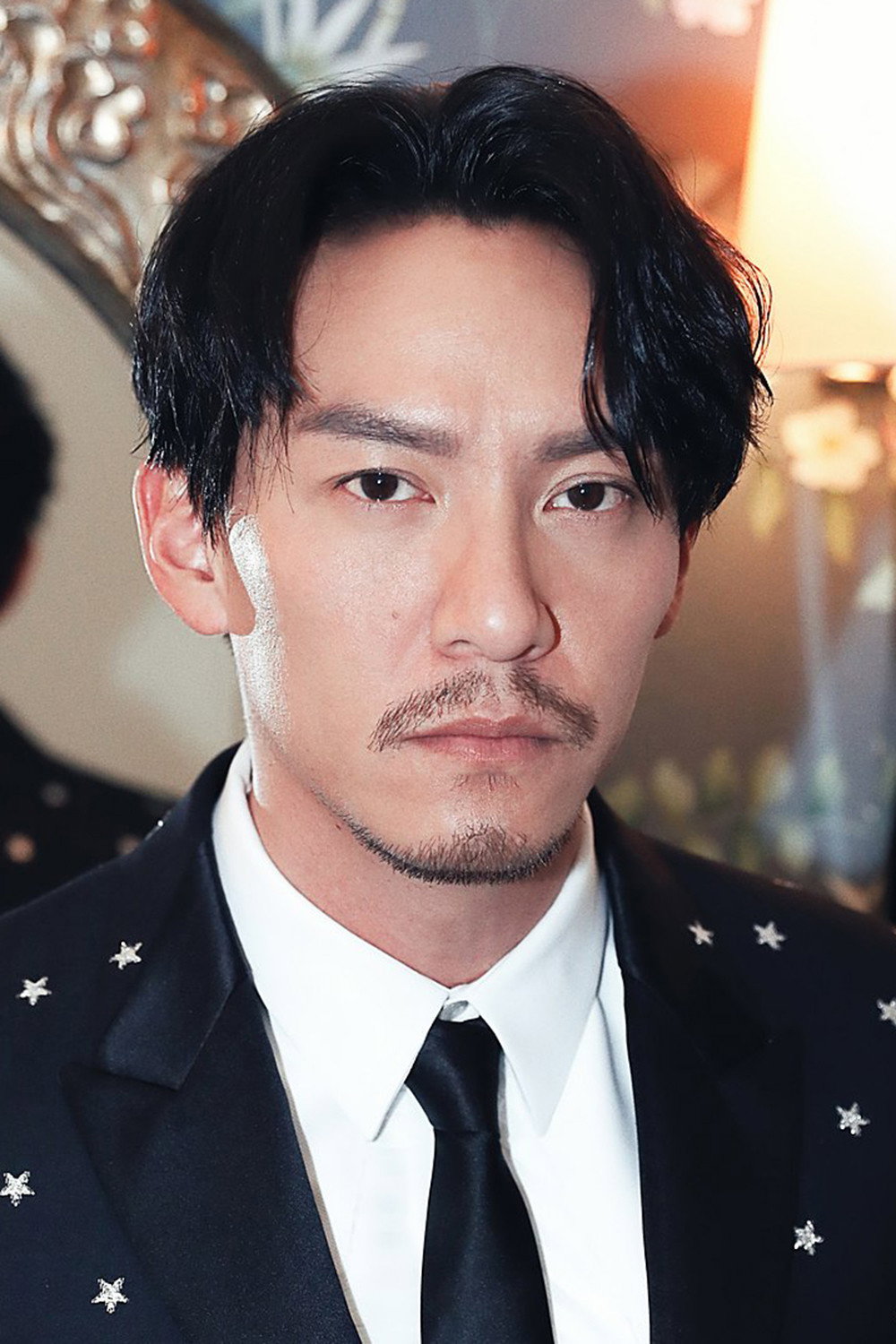
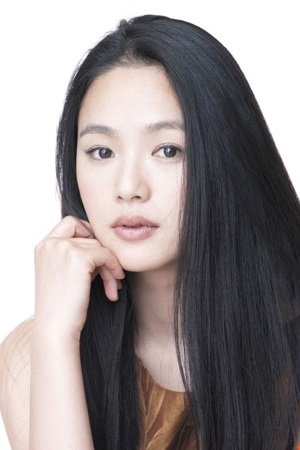
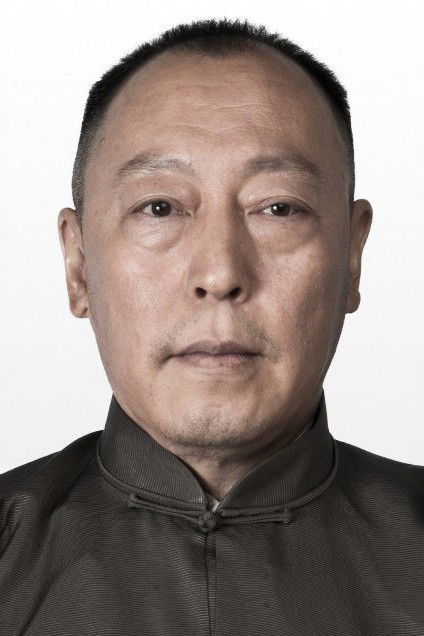
Ninth-century China, under a Tang court losing its grip on the provinces. Nie Yinniang (Shu Qi), taken from her family as a child and trained to kill by a Taoist nun (Sheu Fang-Yi), returns from a mission having spared a target because he was holding his small son. Her mistress judges her heart too soft and sends her home to Weibo, a frontier province run by its military governor Tian Ji’an (Chang Chen), her cousin, to whom she was once promised. Her orders are to kill him. She moves through his household unseen, watching him with his wife Lady Tian Yuan (Zhou Yun) and his pregnant concubine Huji (Nikki Hsieh), while her father Nie Feng (Ni Dahong) tries to make sense of the daughter who has come back.

Plays from YouTube when you press play; nothing loads from them until then.

Fi1m review

Hou Hsiao-hsien makes a martial arts film with almost no martial arts in it: a ninth-century revenge story told in candlelight, mist and silence. The plot is hard to follow. We did not mind.

Hou Hsiao-hsien has spent a career filming people in rooms, waiting. The Assassin is his martial arts film, and he has made the genre wait too. It is set in ninth-century Weibo, a province slipping from the Tang court’s grip, and its story is the form’s oldest: a trained killer sent home to murder the man she was once meant to marry. It is among the handsomest films we have seen in years, and for long stretches we could not have told you what was happening. We recommend it warmly, with that caveat attached.

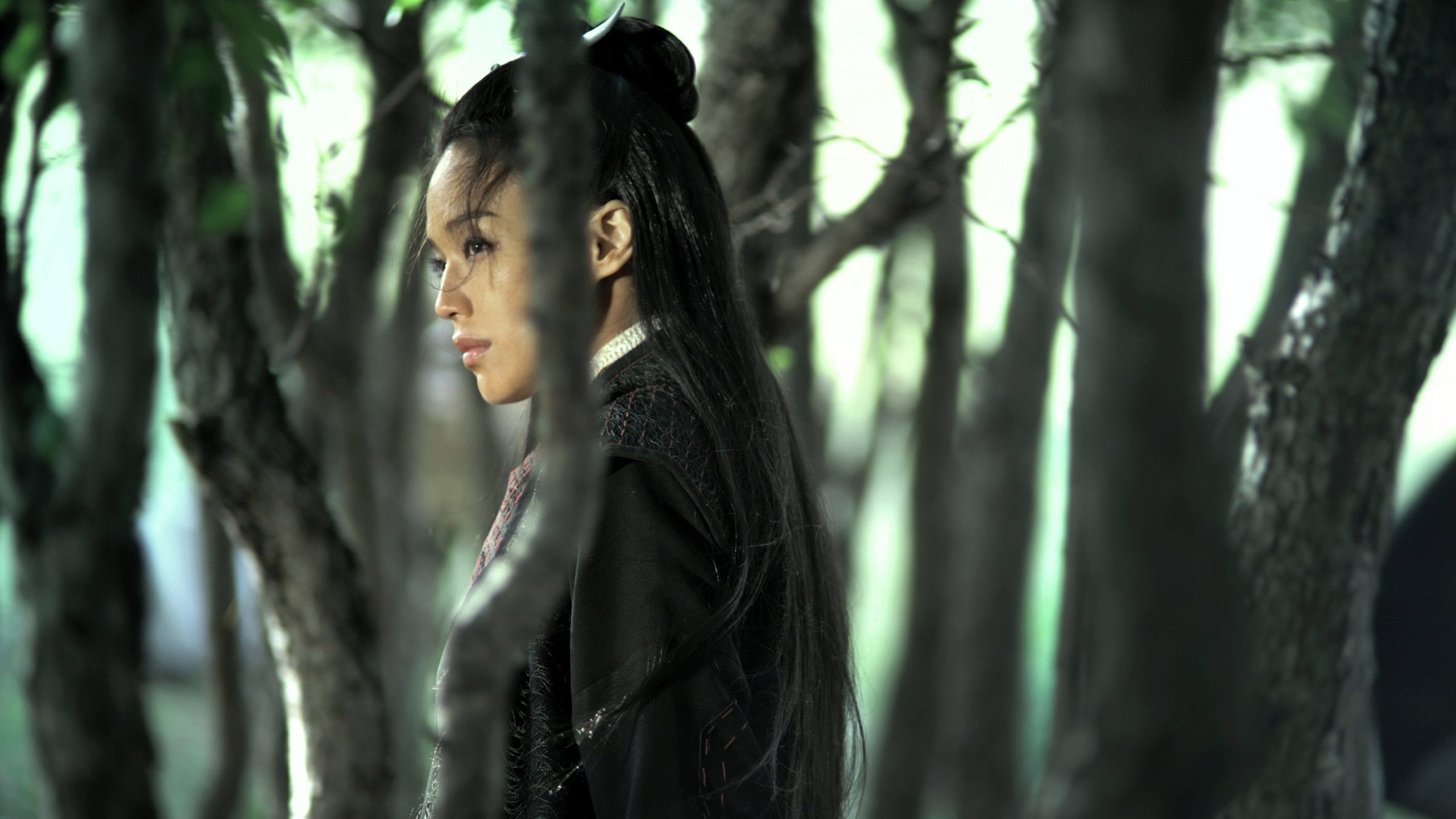
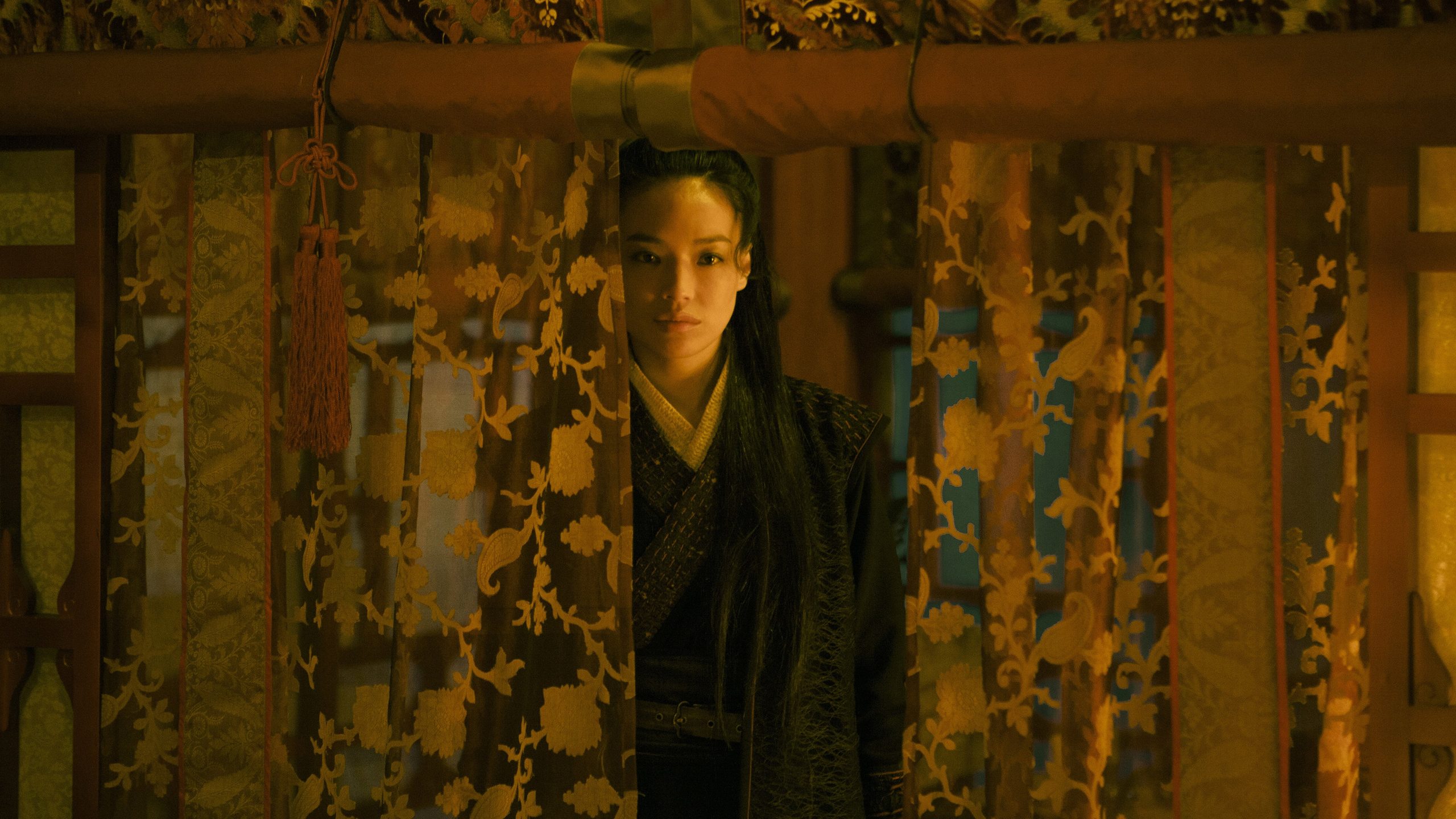
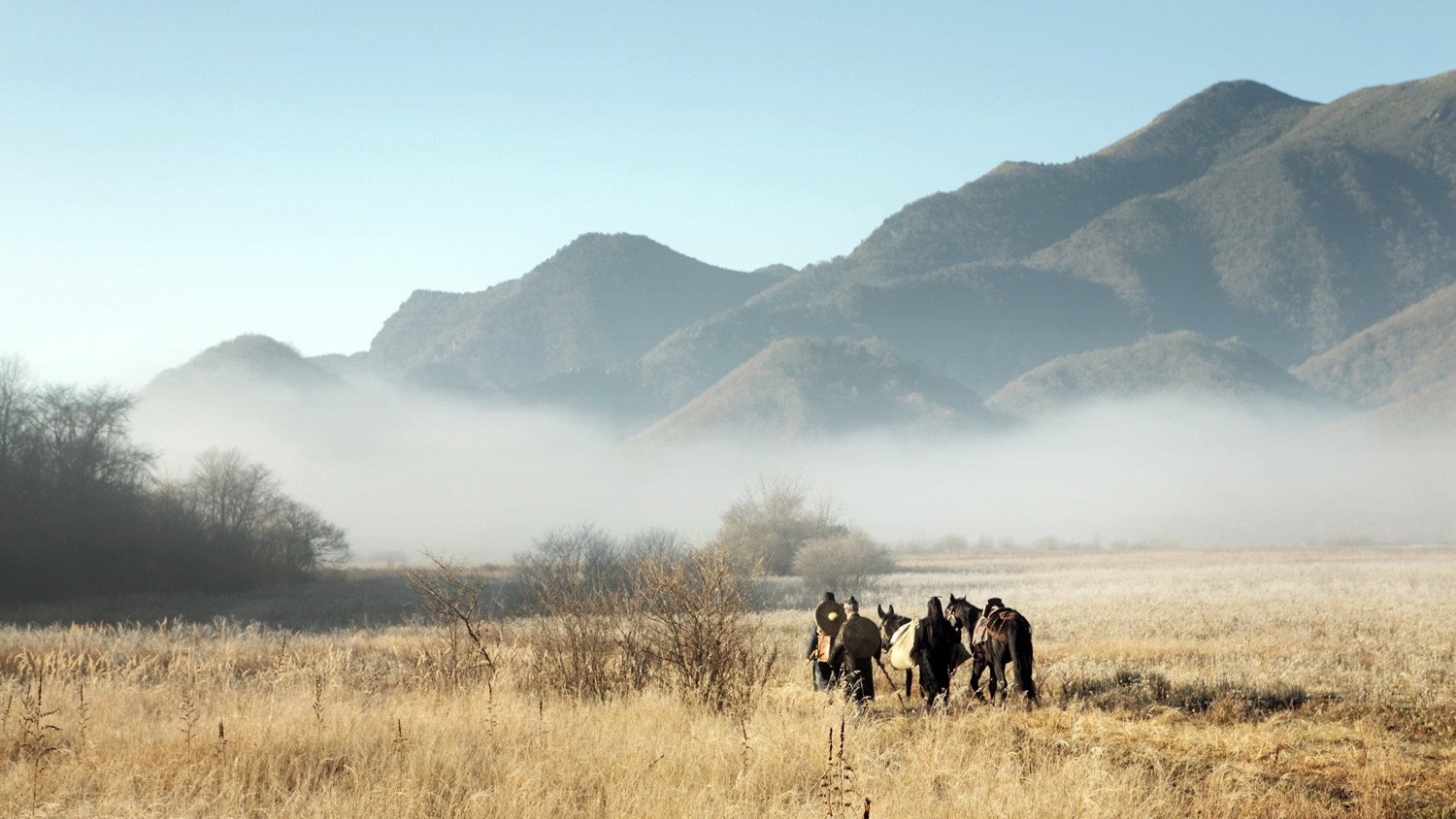
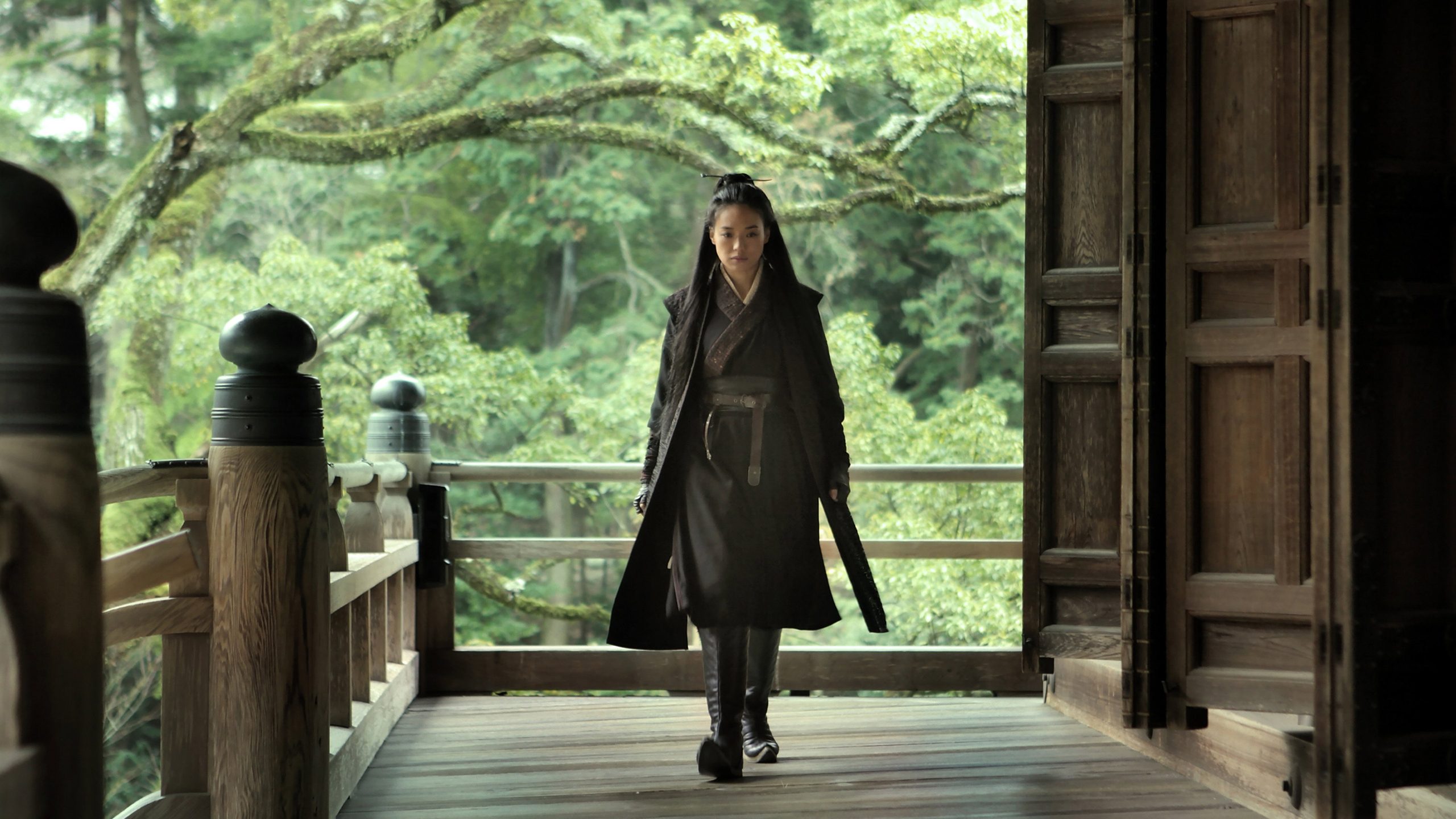
Mark Lee Ping-Bing shoots the opening from a distance. Yinniang kills a man on horseback with a single stroke and is gone before the body has finished falling. Then she crouches in the rafters above a governor playing with his son, and does not do it. Lee sits the camera far back from the governor’s hall and lets silk curtains blow across the lens, so half of every conversation is seen through a veil with a wind in it. Outdoors he waits on lakes, birch woods and mountains half lost in cloud.

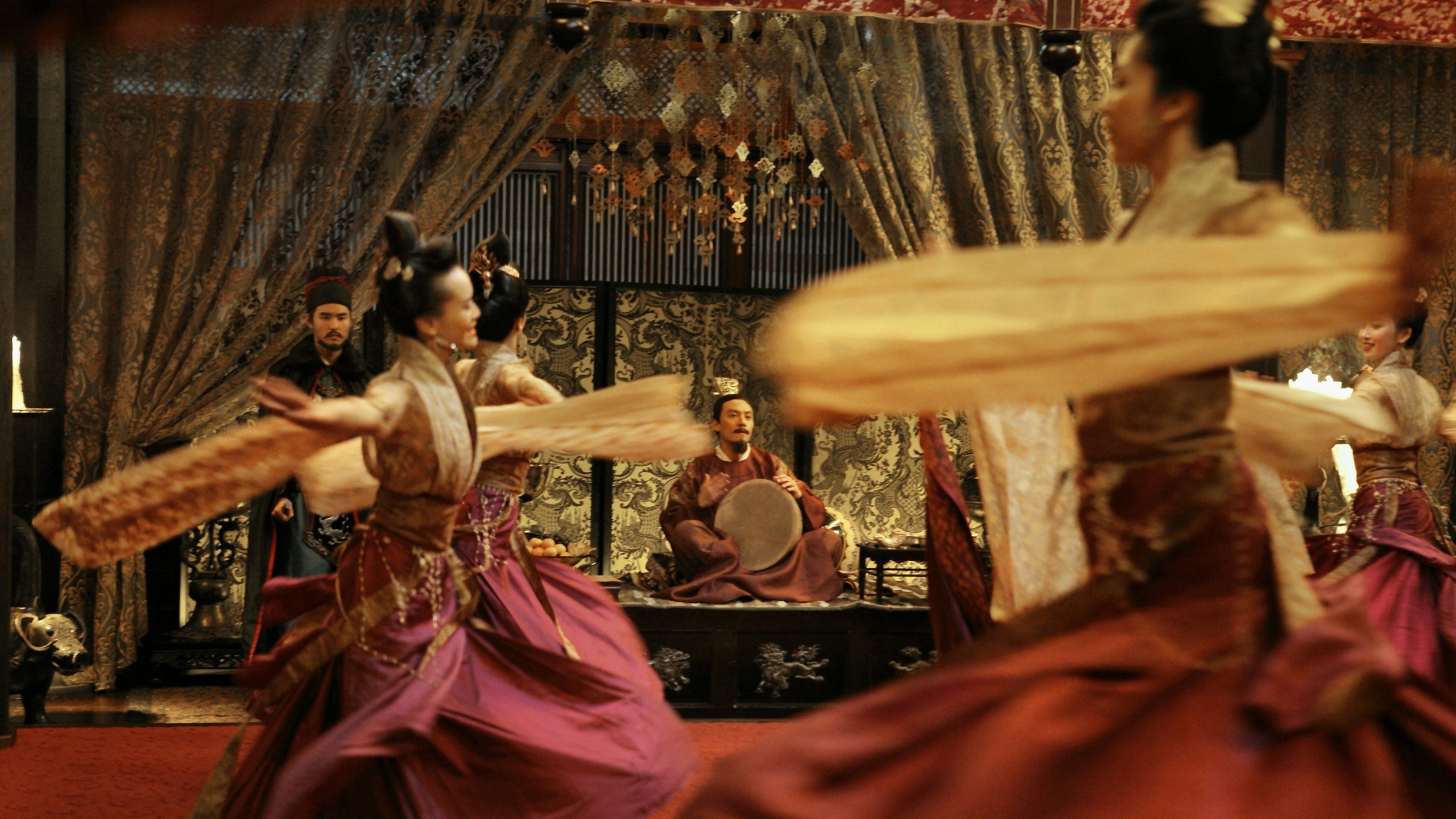
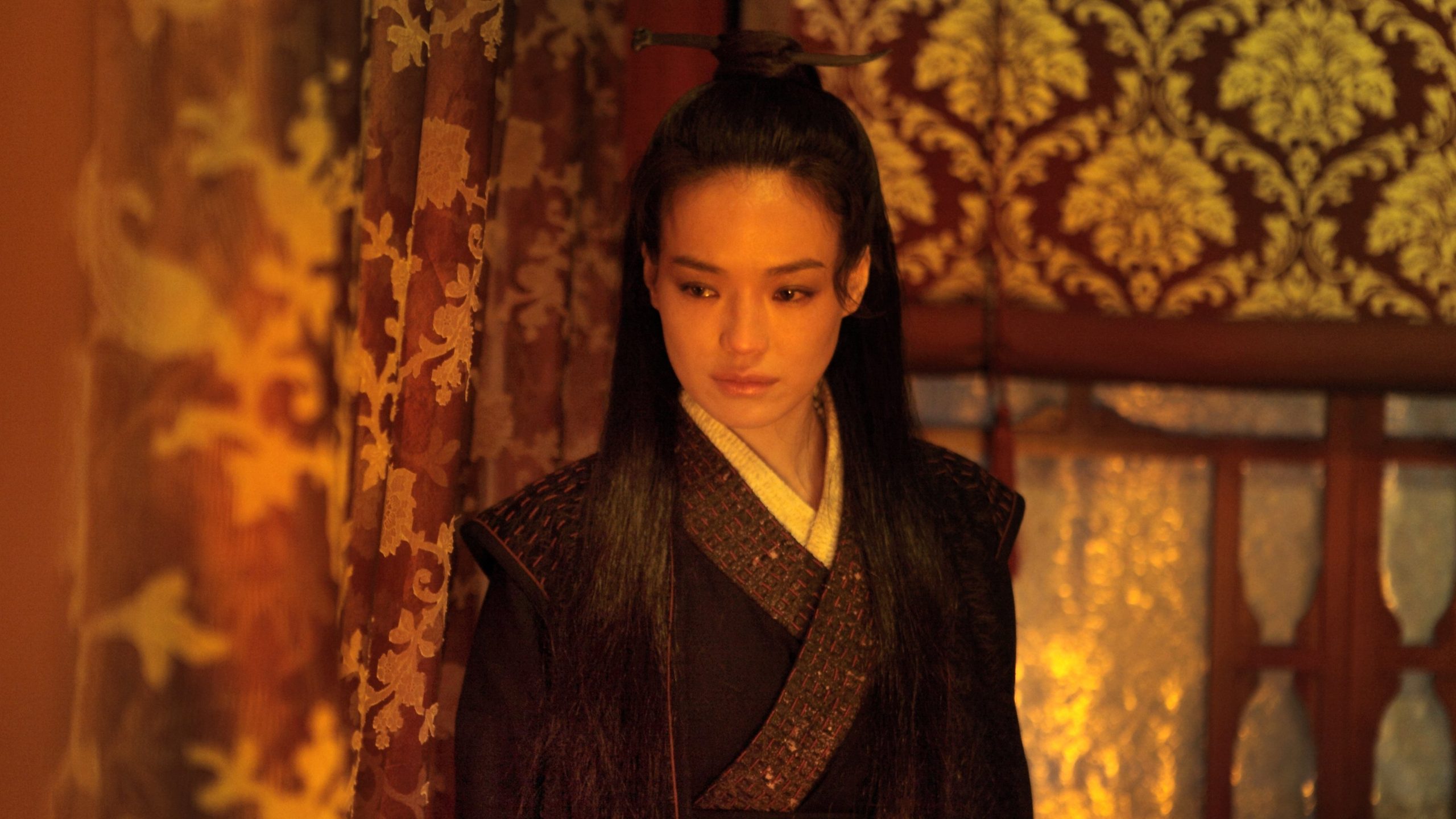
Huang Wen-ying designed both sets and clothes, which is why they agree. Shu Qi spends the film in the same dark tunic, so that in a lit room she is a gap in it. Lim Giong’s score is mostly a drum struck at long intervals; the rest is birds, wind and floorboards. A woman plays a zither and tells a story about a bluebird that danced itself to death before a mirror, and it moved us more than a story about a bird had any right to. It was the framing that did it: Sheu Fang-Yi held dead centre, the instrument, the fingers, and no cut for what felt like minutes.

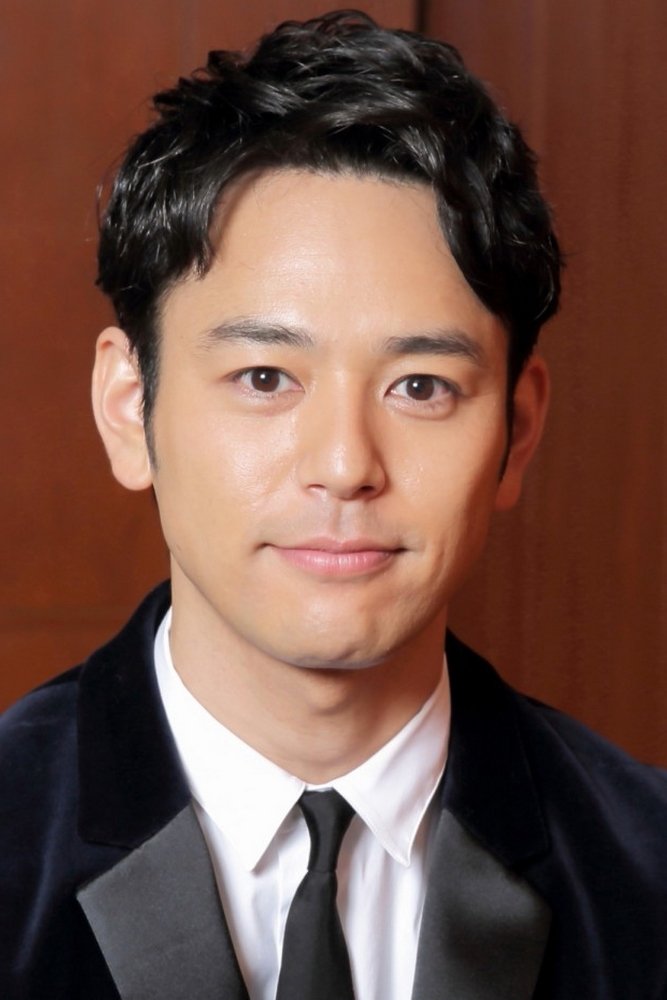
Shu Qi says perhaps thirty lines. She plays Yinniang as someone trained out of wanting anything who is finding, uncomfortably, that something is still there; you see it in how long she watches before she decides. Chang Chen gives Tian Ji’an a nervous vanity, a man who shouts at his court and goes quiet with his concubine. Satoshi Tsumabuki turns up as the Mirror Polisher, who cannot understand a word anyone says, which puts him about level with the audience.

The fights are over in seconds. Yinniang meets a masked woman in the birch wood, they exchange perhaps eight strokes, something is cut, and the film goes back to looking at the trees. A raid on a camp is shown from a hillside, in one wide shot, the way a passer-by would see it. Anyone who came for wire-work and ten-minute duels will feel robbed; several critics did. We did not. Because these fights are never allowed to become entertainment, you flinch when the blade comes out.

The plot is another matter. It concerns who in Weibo is loyal to the court and who is poisoning whom, and the four credited writers have removed most of the sentences that would have told you. Liao Ching-sung and Huang Chih-chia cut scenes before the information has landed. We lost the thread around the forty-minute mark and found that we did not mind. A viewer who did mind would be furious, and the closing stretch feels longer than its 105 minutes.

Most critics have landed near where we have; the dissenters wanted a martial arts film and were handed a Hou film with swords in it. Against his own work it sits closest to Flowers of Shanghai, another film about power conducted in lit rooms, and a long way from Crouching Tiger, Hidden Dragon.

See it on the largest screen you can; the mist and the candles are most of what it has to offer, and on a laptop they are wallpaper. The film is not keeping anything from you. It is simply not interested in telling you.
Critical consensus AI synthesised

77
Positive
19
Mixed
3
Negative
2

Most critics admire The Assassin, and the praise gathers almost entirely around how it looks. The reviews return to the long, still compositions, the mist and fabric the camera peers through, and the resemblance to classical Chinese painting. Hou Hsiao-hsien’s patient, observational style, applied to a wuxia story, is the point of interest: the fights are brief and spare, and several critics find them better for it. Shu Qi’s performance and the period detail in interiors and costume are singled out repeatedly.

The reservations are about pace and story. Even admirers call the film slow and hard to follow, and a few find its characters thinned out. The spread is wide, from full marks to outright rejection: Digital Spy finds it dramatically paralysed and aloof, Paste emotionally and narratively impoverished, and the Evening Standard loses patience with the plot as tension drains from the second half. The dissenters concede its beauty; what divides critics is whether beauty is enough.

Little White Lies
21 January 2016 · 4/5/5 · Violet Lucca
100

The critic calls it one of the most beautiful films of the year, praising its layered textures, formal precision, and Shu Qi's haunting performance as the emotional center of this enigmatic wuxia tale.

Read the full review →
Slant Magazine
18 September 2015 · ★★★★/4 · Jesse Cataldo
100

Hou familiarizes Tang dynasty China in a wuxia tale less concerned with eulogizing values than exploring them, carving out a rich emotional sphere and finding delicate poetry in the dispassionate pursuit of revenge. The film is aggressively slow and difficult to follow but rewards with visual splendor and a painterly style of withdrawal.

Read the full review →
Film Comment
30 June 2015 · festival review · Kent Jones
90*

The critic is awestruck by the film's refinement, economy, and visual harmony, describing it as a spell-like experience of breathtaking stillness and subtle shifts in tone that elevates the wuxia genre.

Read the full review →
Los Angeles Times
15 October 2015 · Mark Olsen
90*

The critic calls the film a fascinating hybrid that combines Hou's patient style with a martial arts tale, praising its beauty, emotional resonance and meditative aura. The lead performance and period detail are highlighted as strengths.

Read the full review →
Sight and Sound
22 January 2016 · Roger Clarke
90*

The critic praises the film's exquisite, elliptical style and ravishing visuals as one of Hou's best, noting its oblique wuxia approach and attention to period detail in interiors and landscapes.

Read the full review →
The AV Club
15 October 2015 · A- · Ignatiy Vishnevetsky
90

The Assassin is one of the most beautiful and puzzling movies of the decade, a mesmerizing martial-arts period piece that keeps to wuxia conventions while casting them in a mysterious light. Mood and poetic atmosphere are key, with quick, terse fights subsumed by a radical, minimalist yet lush aesthetic.

Read the full review →

Cast

Awards

International Submission to the Academy Awards, 2016

Nominated
International Submission to the Academy Awards

Golden Horse Award for Best Feature Film, 2015

Won
Golden Horse Award for Best Feature Film

If you liked this, try…

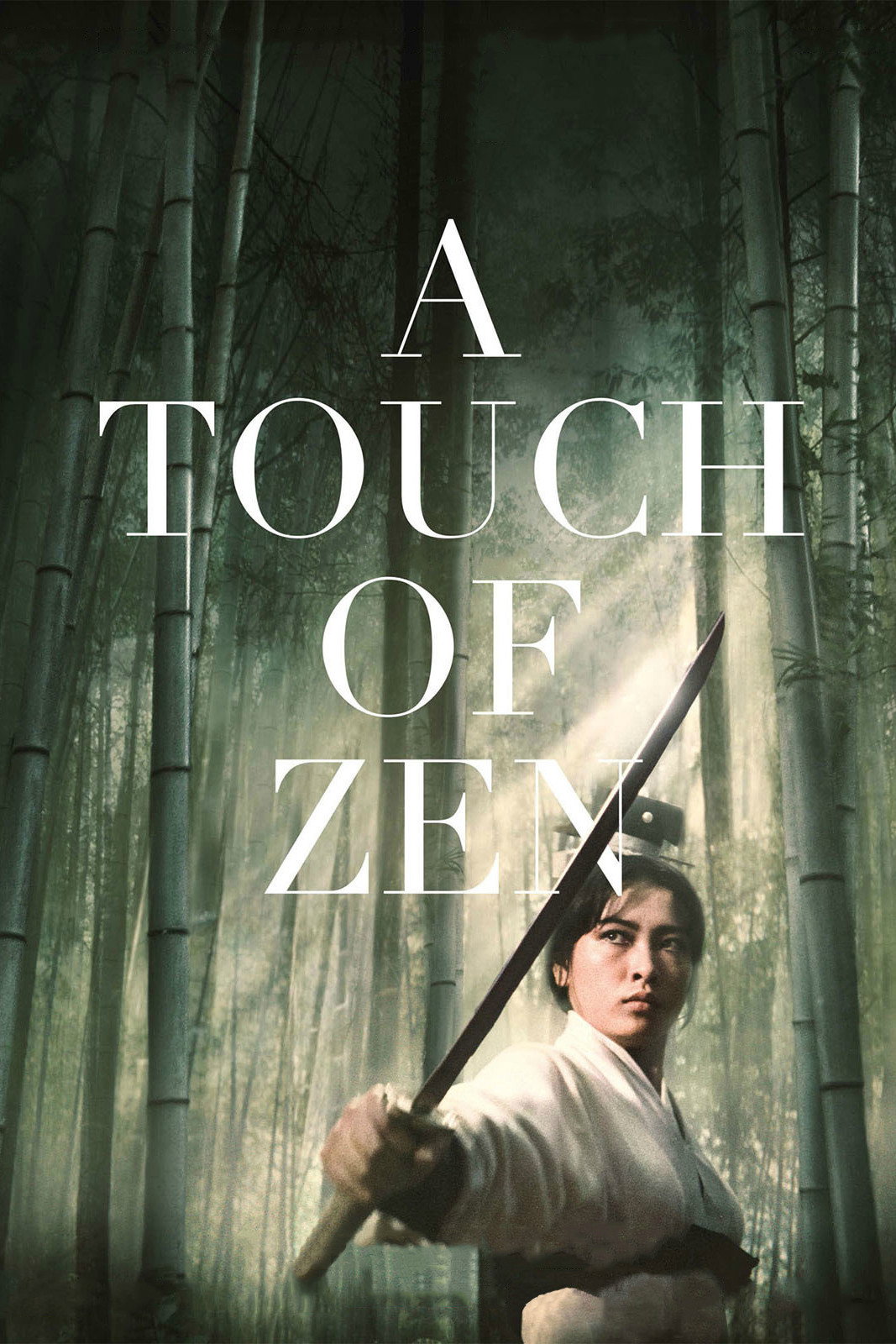
A Touch of Zen poster

A Touch of Zen

1971 · King Hu’s bamboo-grove fights are the ancestor of every quiet swordswoman since.

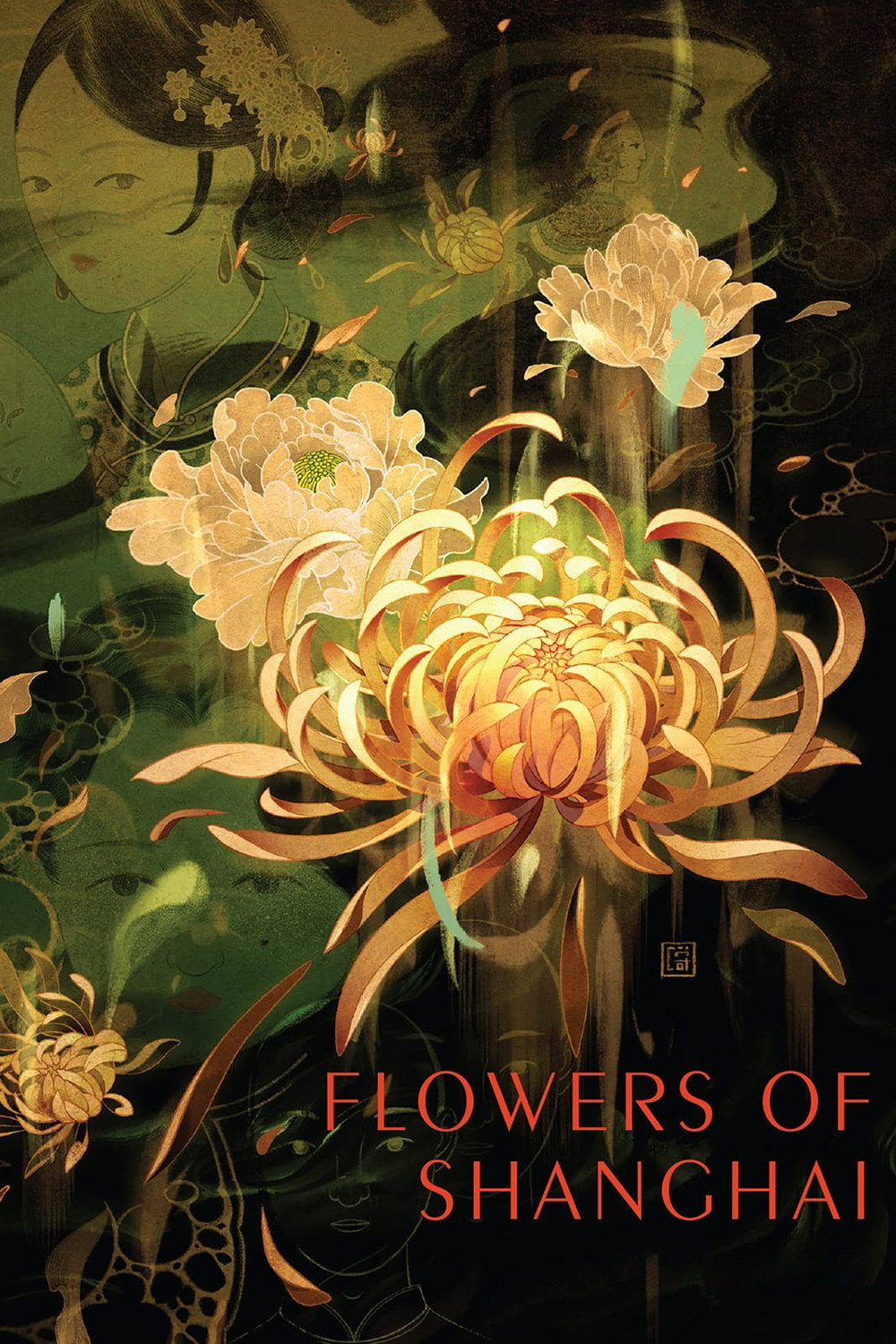
Flowers of Shanghai poster

Flowers of Shanghai

1998 · Hou in brothels instead of palaces, same candlelight, same patience, same distance.

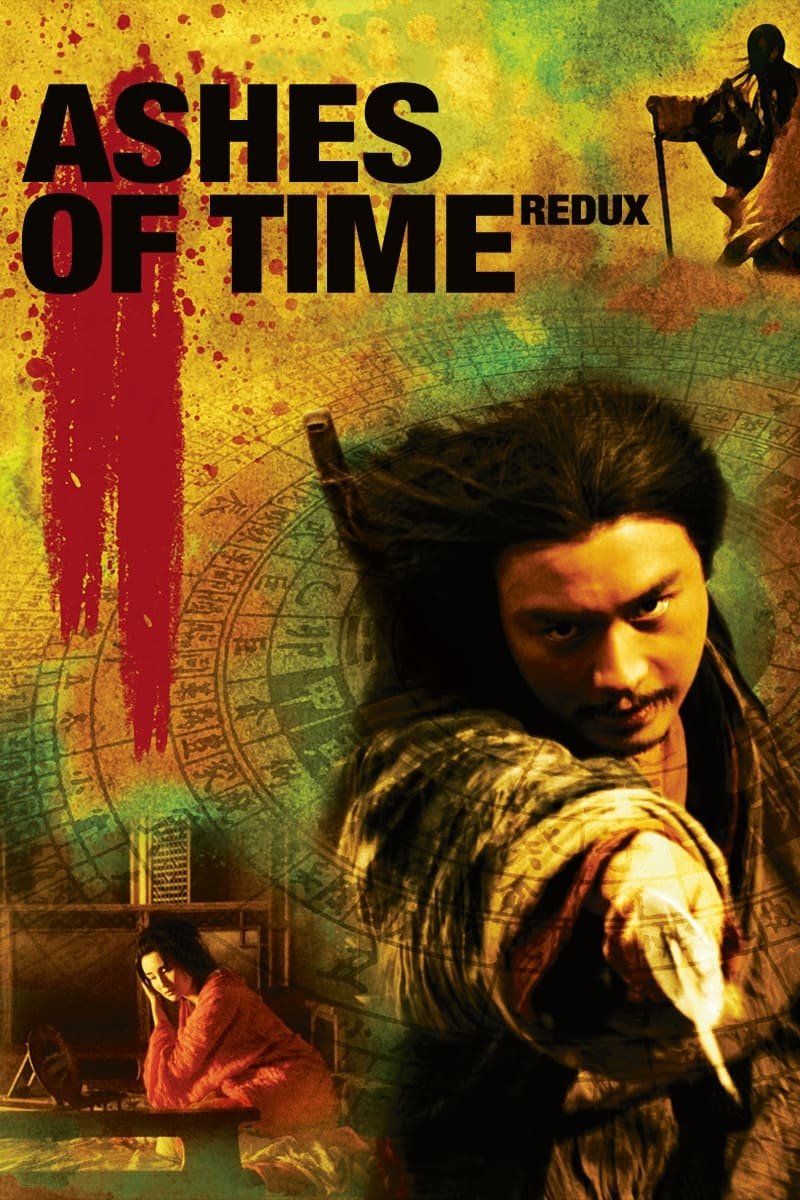
Ashes of Time poster

Ashes of Time

1994 · Wong Kar-wai’s desert wuxia, where the swordsmen mostly sulk and remember.

Harakiri poster91

Harakiri

1962 · Kobayashi’s samurai film is almost all talk, then one unbearable fight.

Barry Lyndon poster85

Barry Lyndon

1975 · Kubrick’s candlelit rooms and slow duels; another film that refuses to hurry.