Film review

Hero

2002 · Directed by Zhang Yimou · 1h 39m · MPA PG-13

In a sentenceThe sword fights are persuasive enough without asking us to trust the king

DramaAdventureActionHistory

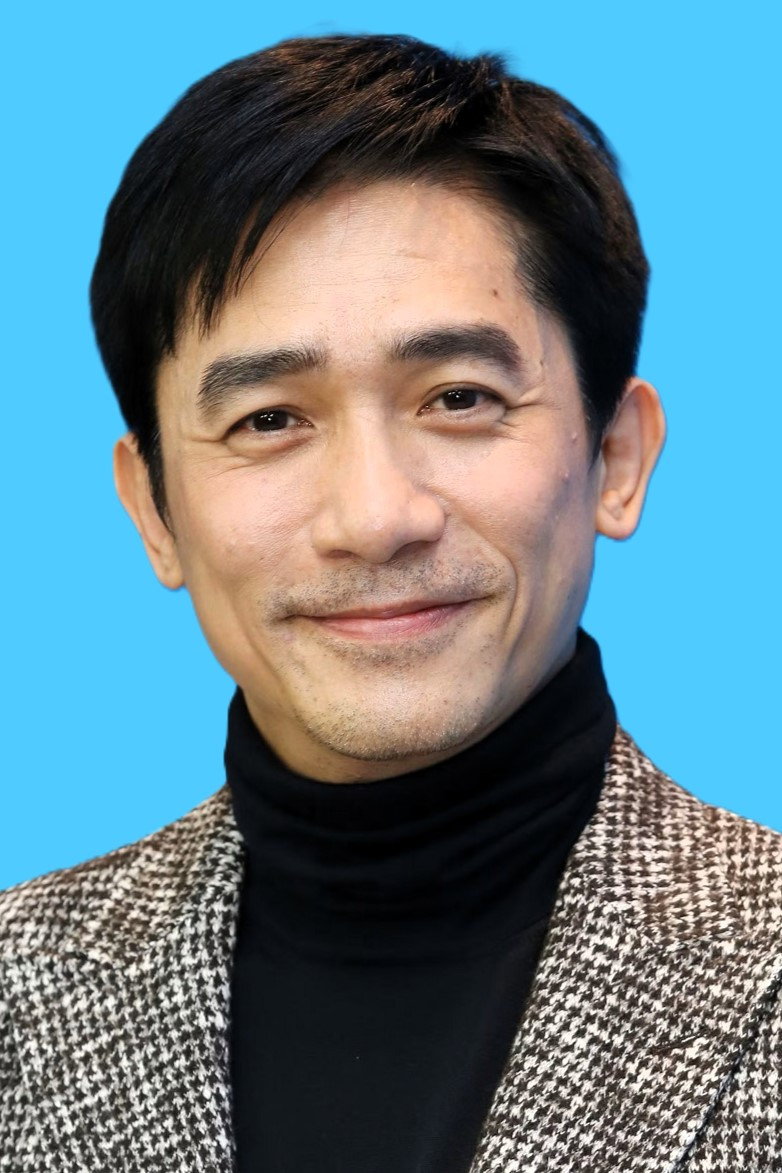
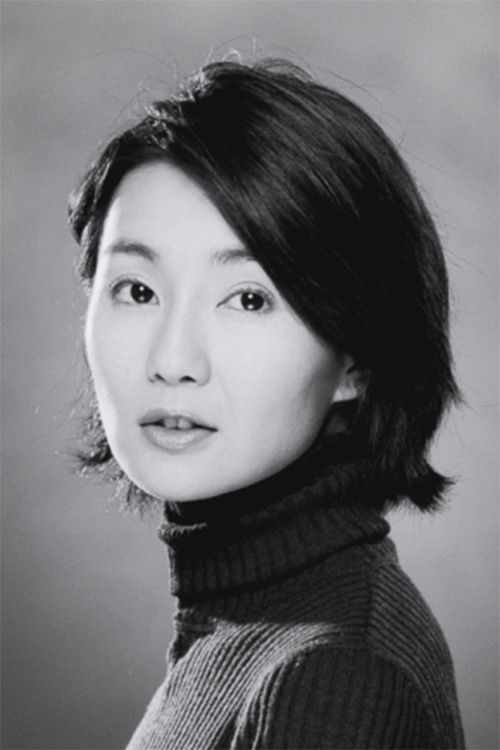
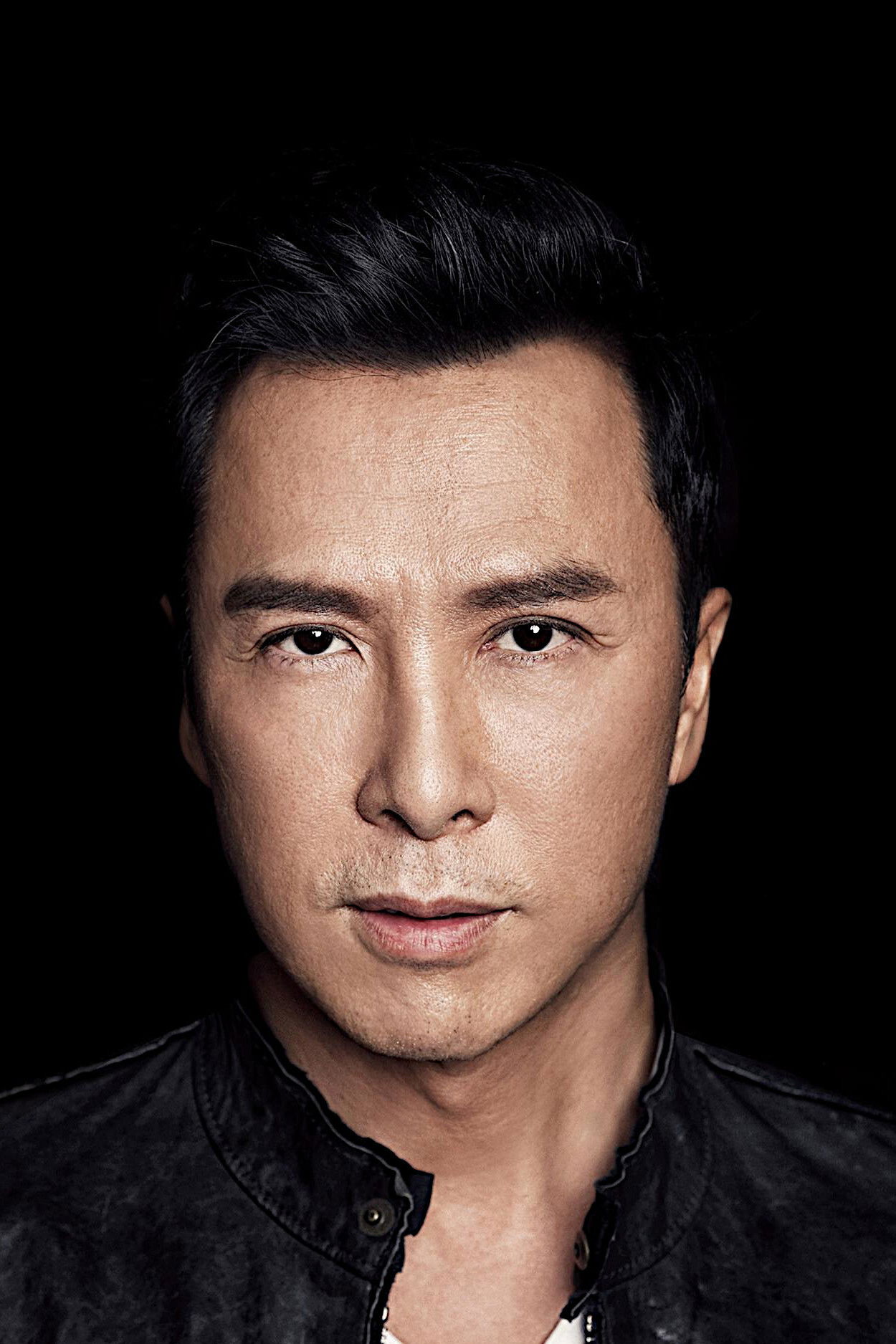
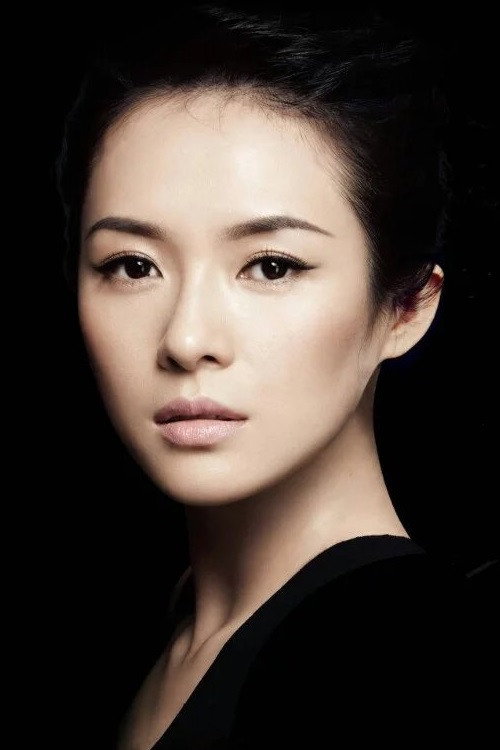
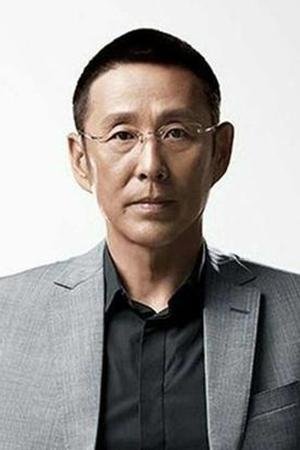
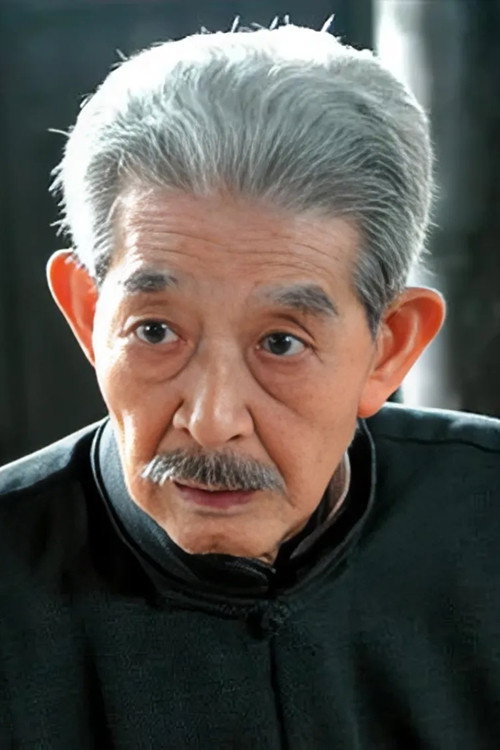
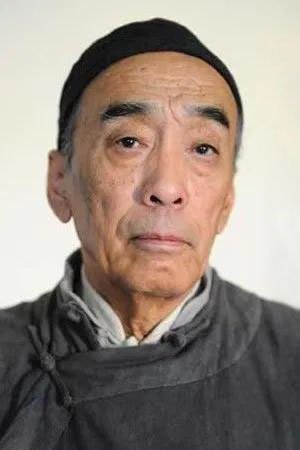
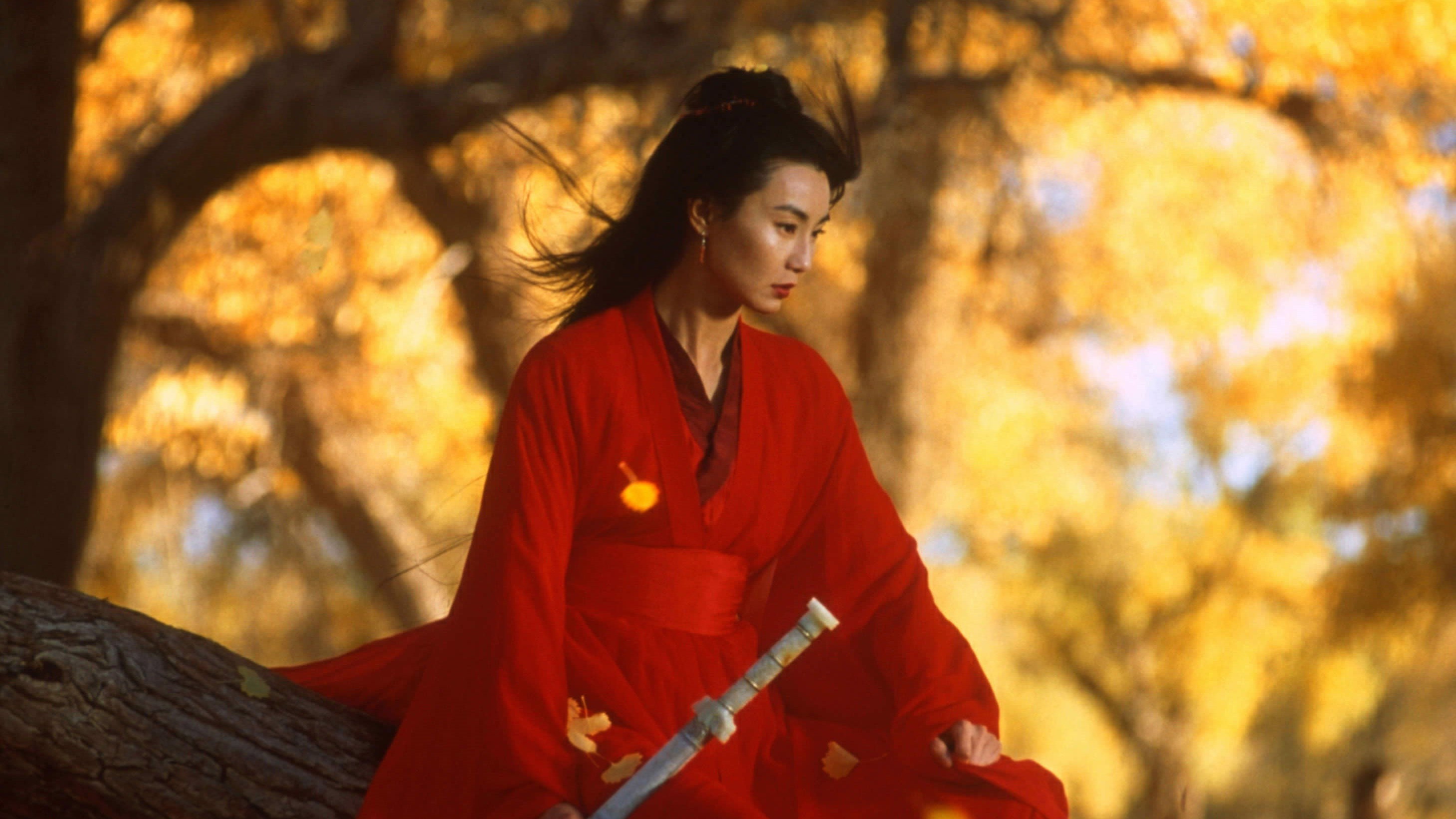
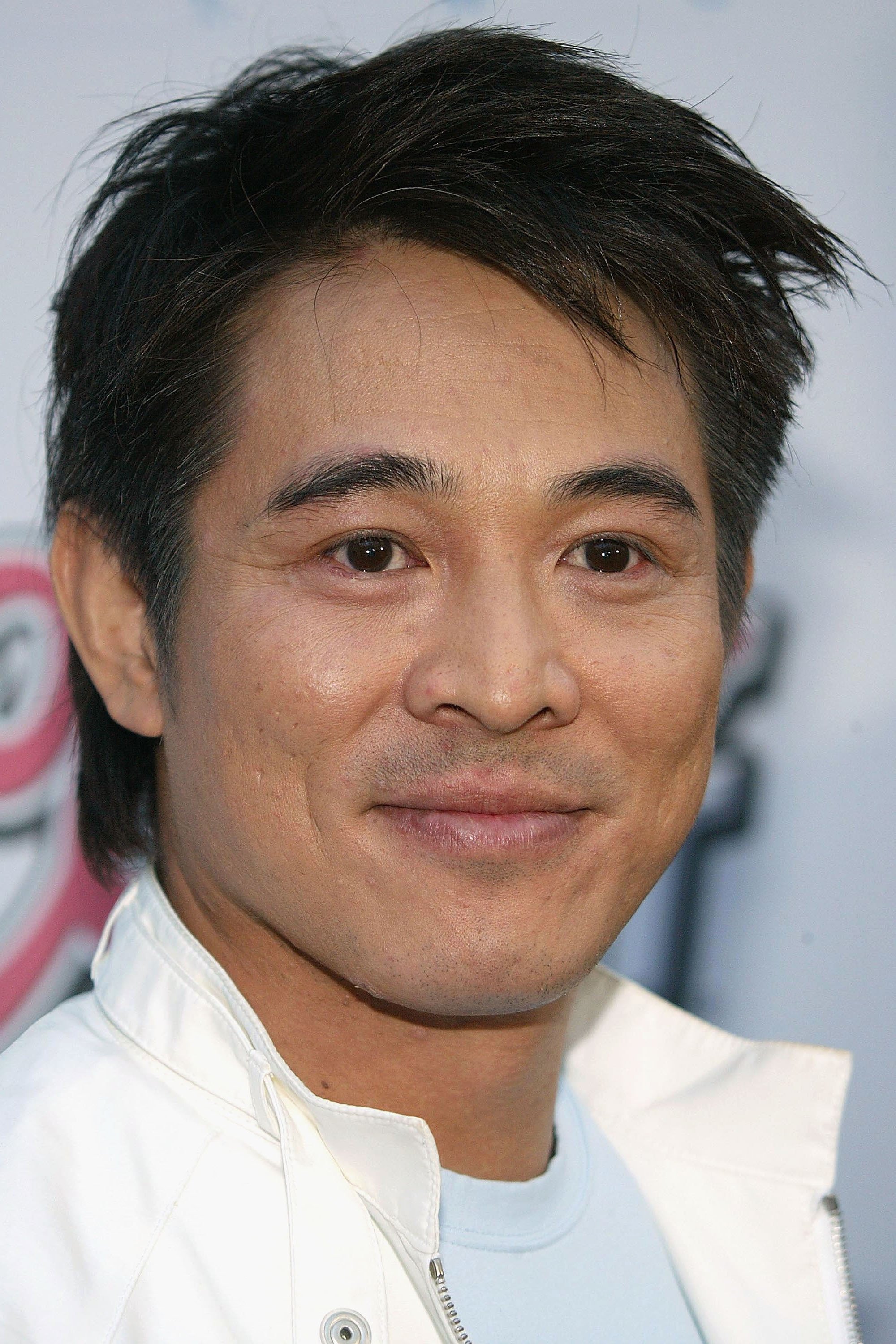
Martial combat, personal loyalties and imperial power meet in Zhang Yimou’s Hero. Jet Li plays Nameless, alongside Tony Leung Chiu-wai as Broken Sword and Maggie Cheung as Flying Snow. Donnie Yen appears as Sky, Zhang Ziyi as Moon and Chen Daoming as the King of Qin. Their story concerns the unification of an empire and the sacrifices demanded in the name of order. Events are presented through differing viewpoints, with shifts of colour distinguishing the accounts. Sword fights carry disputes over loyalty and the use of force, as the fighters’ lives become part of a struggle over how a country should be ruled.

Plays from YouTube when you press play; nothing loads from them until then.

Fi1m review

Zhang Yimou’s Hero is worth seeing for the precision and pleasure of its sword fights. Christopher Doyle’s colour photography gives the action force, though the distant characters and indulgent view of imperial power limit its hold on us.

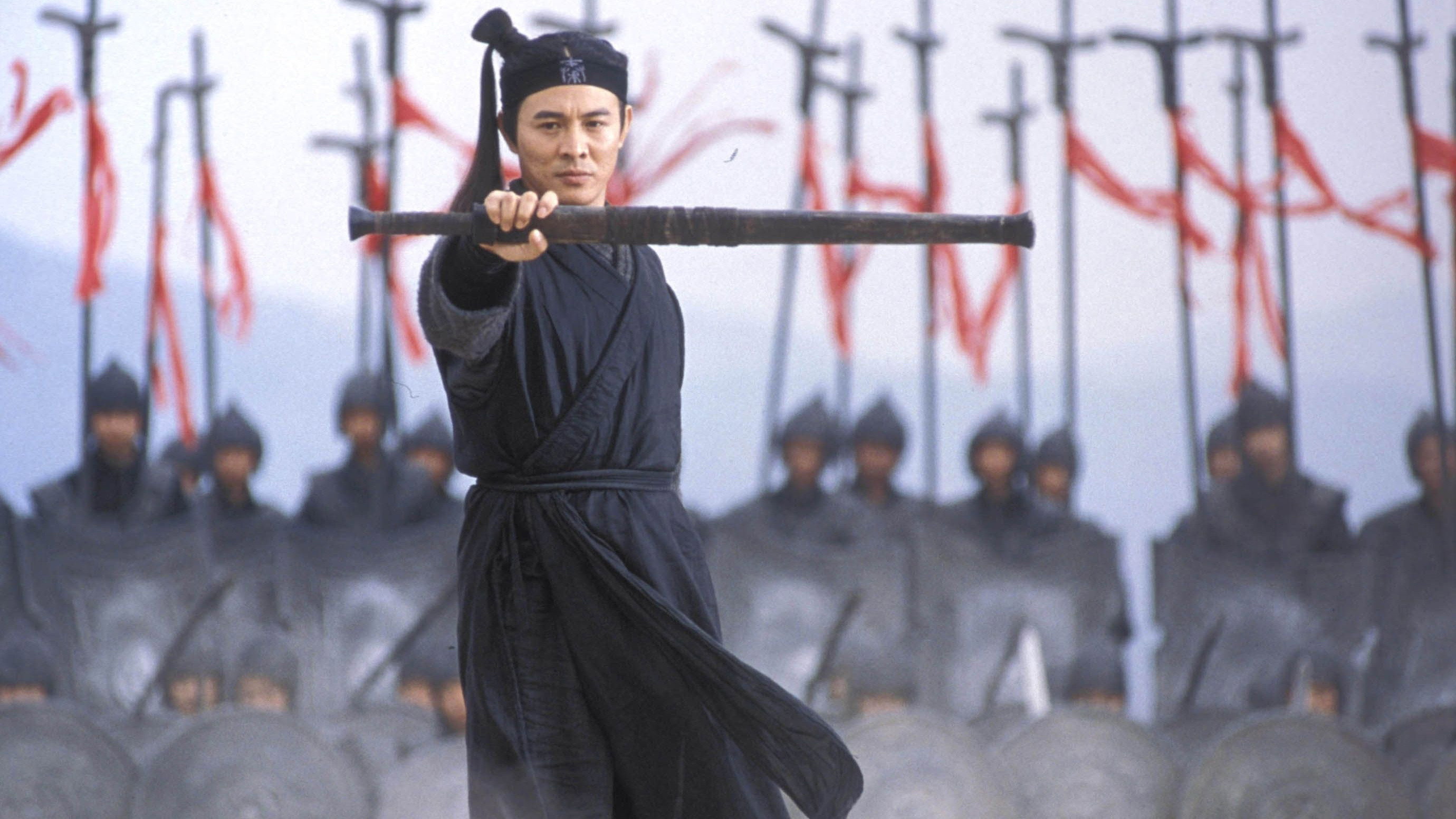
Hero is worth an evening for its fighting and its colour, though its account of imperial power needs more resistance than Zhang Yimou gives it. Zhang treats martial combat with the seriousness usually reserved for a state ceremony, and he has the skill to make that seem reasonable. Bodies in flight carry emotion that the dialogue and competing accounts do not always supply. The trouble comes when that same grandeur lends political authority a dignity we are expected to accept.

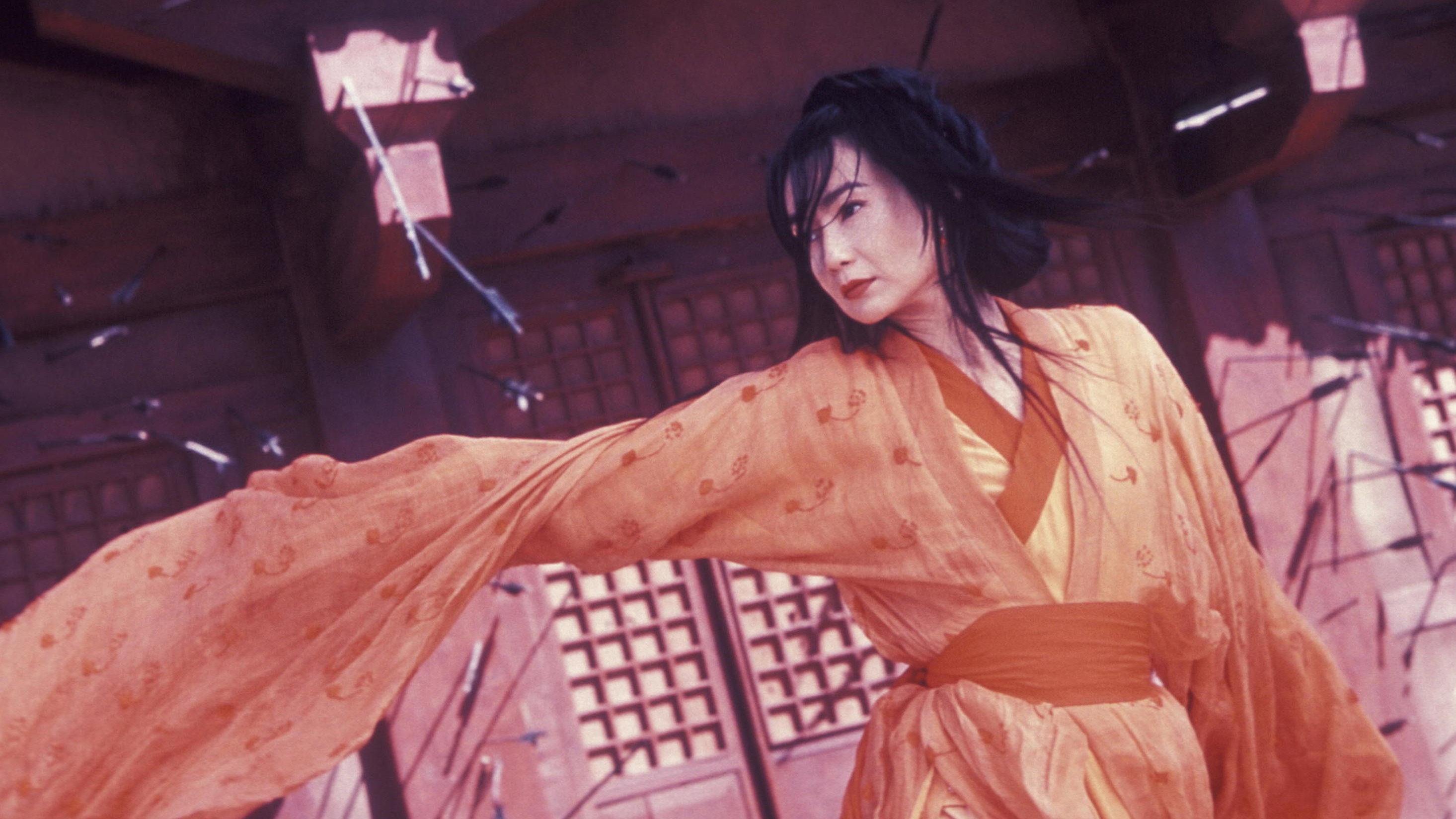
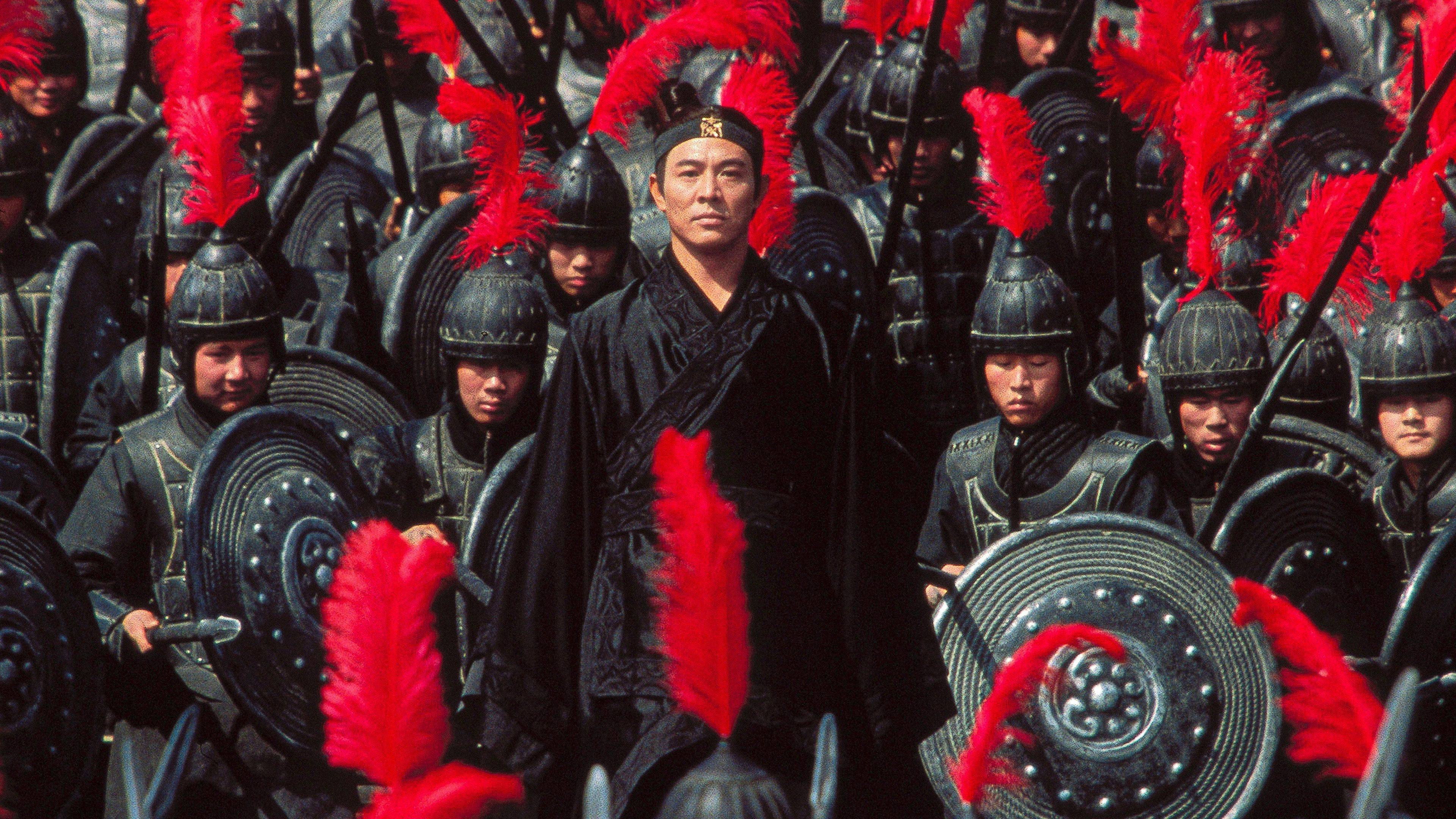
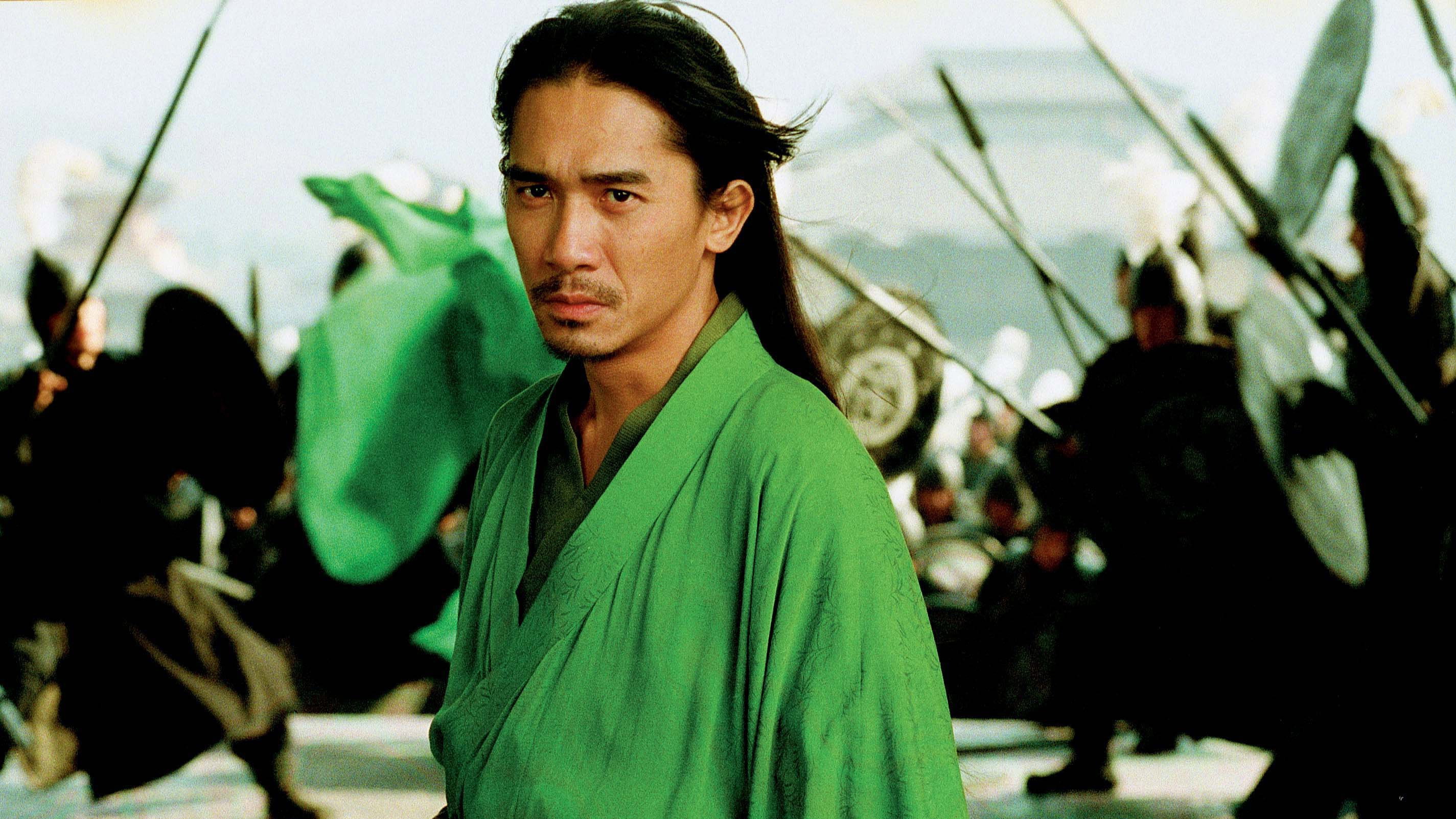
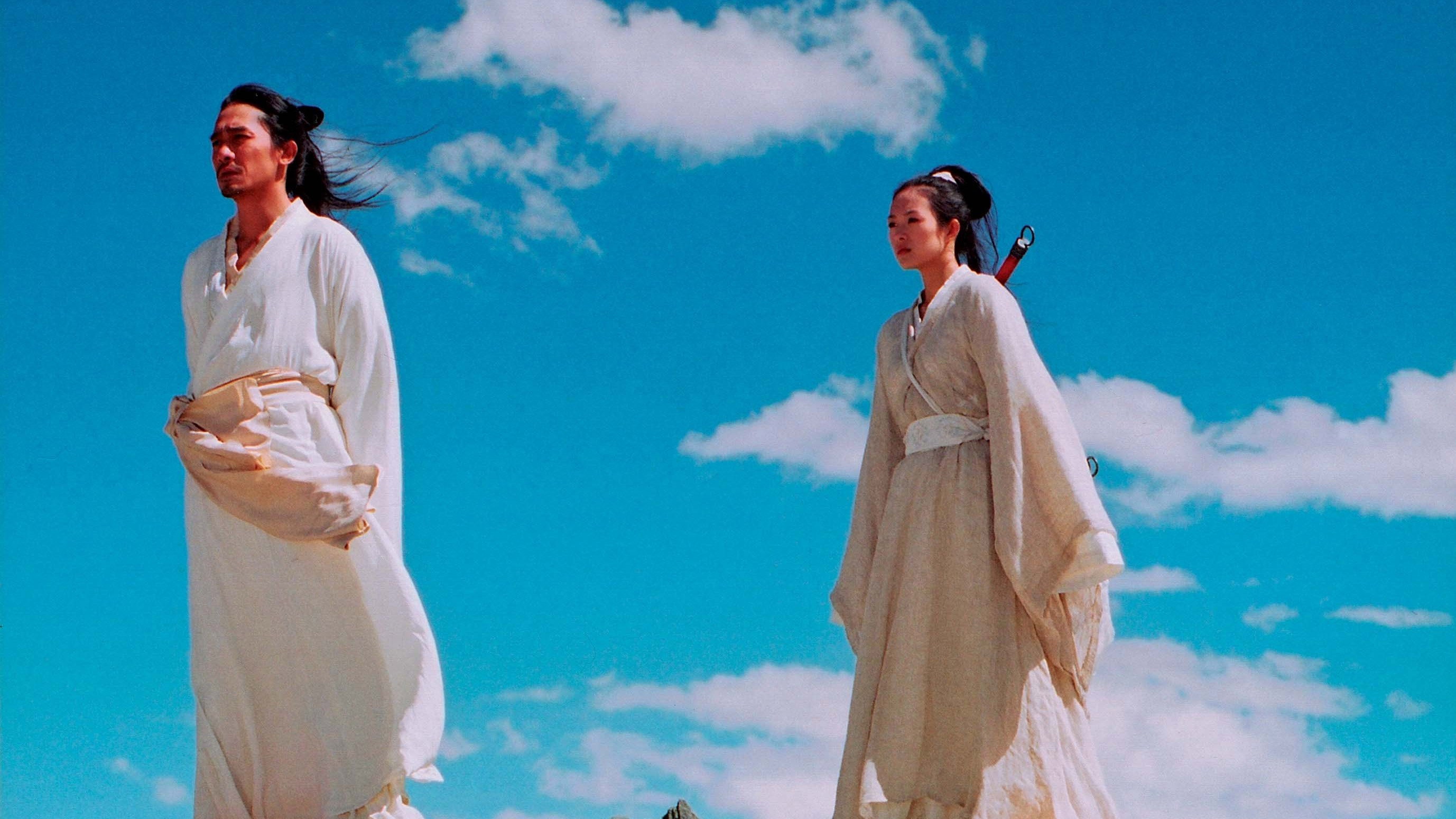
Christopher Doyle’s cinematography gives the colour-coded passages more to do than tell us which account we are watching. A change of palette can make a confrontation feel angrier or more remote before anyone has to explain the difference. Emi Wada’s costumes help make the figures readable within those broad fields of colour. The eye has something clear to follow even when the story asks us to reconsider what we thought we understood.

We were exhilarated by the flying fights, because the extravagant changes of direction remain so graceful and legible. Zhang makes the impossible movement worth watching in its own right; we do not spend these encounters simply waiting for someone to land a decisive blow. Production designers Tingxiao Huo and Zhenzhou Yi provide settings that suit this formal approach, giving the combat room to be seen. Their theatricality works better during the fighting than during the personal drama.

Jet Li’s Nameless gives the film a steady centre, though his reserve also helps keep us at a distance. Tony Leung Chiu-wai and Maggie Cheung, as Broken Sword and Flying Snow, offer the strongest reason to care about the people between the fights. Chen Daoming’s King of Qin belongs comfortably to the film’s stately manner. We can appreciate the discipline of these performances while still wanting a less ceremonious exchange between people with so much at stake.

The screenplay by Zhang, Wang Bin and Feng Li keeps asking us to reconsider what we have seen, and the colour changes are useful guides through its competing accounts. The editors, Ru Zhai, Angie Lam On-Yee and Vincent Lee, make individual passages flow, but the returns can interrupt our involvement just as it begins. Tan Dun’s music sustains the ceremonial mood effectively. It also contributes to a sense that almost everything must be momentous. At 99 minutes, the film is brief enough, yet some stretches feel more solemn than their dramatic weight can justify.

The political thinking deserves more scrutiny. There is something worth considering in the film’s interest in pacifism, particularly within a genre so dependent on skilled violence. Yet the screenplay moves too readily from the desire to end conflict towards respect for concentrated power, without giving the people subject to it enough weight. We do not need a martial-arts film to draft a constitution, but it should make obedience harder to admire than Zhang does here.

Those who dislike airborne swordplay will find little here to change their minds. For anyone who enjoys the genre, Zhang’s control of movement and colour is ample reason to stay, despite the distant storytelling. There is no obligation to accept the political lesson along with the choreography.
Critical consensus AI synthesised

4 of 6
Positive
2
Mixed
2
Negative
0
Screen Daily
6 January 2003
75*

The critic calls it an intoxicatingly beautiful, structurally enigmatic and brief epic that will struggle against Crouching Tiger comparisons in the West due to its cold, stately storytelling and lack of sentiment. They single out the breathtaking cinematography by Chris Doyle and the inventive fight choreography.

Read the full review →
Time Out
· NB
65*

The review describes it as a luscious martial-arts rhapsody with pomp, panache and narrative puzzles that paints imperial history as a cartoonish romantic pageant, praising the sumptuous colour-coded visuals and extravagant style while noting the political proposition feels fascistic.

Read the full review →
The Guardian
26 September 2004 · Philip French
50*

The critic finds the film graceful and visually stylish but ultimately inconsequential, lacking the magic and moral power of Crouching Tiger, Hidden Dragon. He singles out its nationalist message that endorses trust in powerful rulers and justifies sacrifice for order as an unpleasant aspect.

Read the full review →
Empire
· Adam Smith

The critic calls Hero the real deal compared to Crouching Tiger, Hidden Dragon, praising its breathtaking visuals, balletic fight sequences and colour-drenched cinematography by Christopher Doyle. The plot is seen as a minor weakness, flimsy and overly simplistic despite an intriguing political subtext.

Read the full review →
Evening Standard
10 April 2012 · Derek Malcolm

The review highlights Hero as a visually spectacular and popular hit with stunning action, star power and impressive cinematography, though the complicated story and apparent endorsement of totalitarianism are noted as drawbacks. It positions the film as a colourful, balletic spectacle ready for Western audiences.

Read the full review →
RogerEbert.com
26 August 2004 · Roger Ebert

The critic calls the film beautiful and beguiling, a martial arts extravaganza that defines fighters' styles and lives within Chinese tradition while using a Rashomon-like structure of multiple viewpoints. Zhang Yimou creates a visual poem of extraordinary beauty with spectacular sets, costumes and effects that move the genre into poetry, ballet and philosophy.

Read the full review →

Cast

Stills

Awards

Academy Awards, 2003

Nominated
Best International Feature Film

International Submission to the Academy Awards, 2003

Nominated
International Submission to the Academy Awards

If you liked this, try…

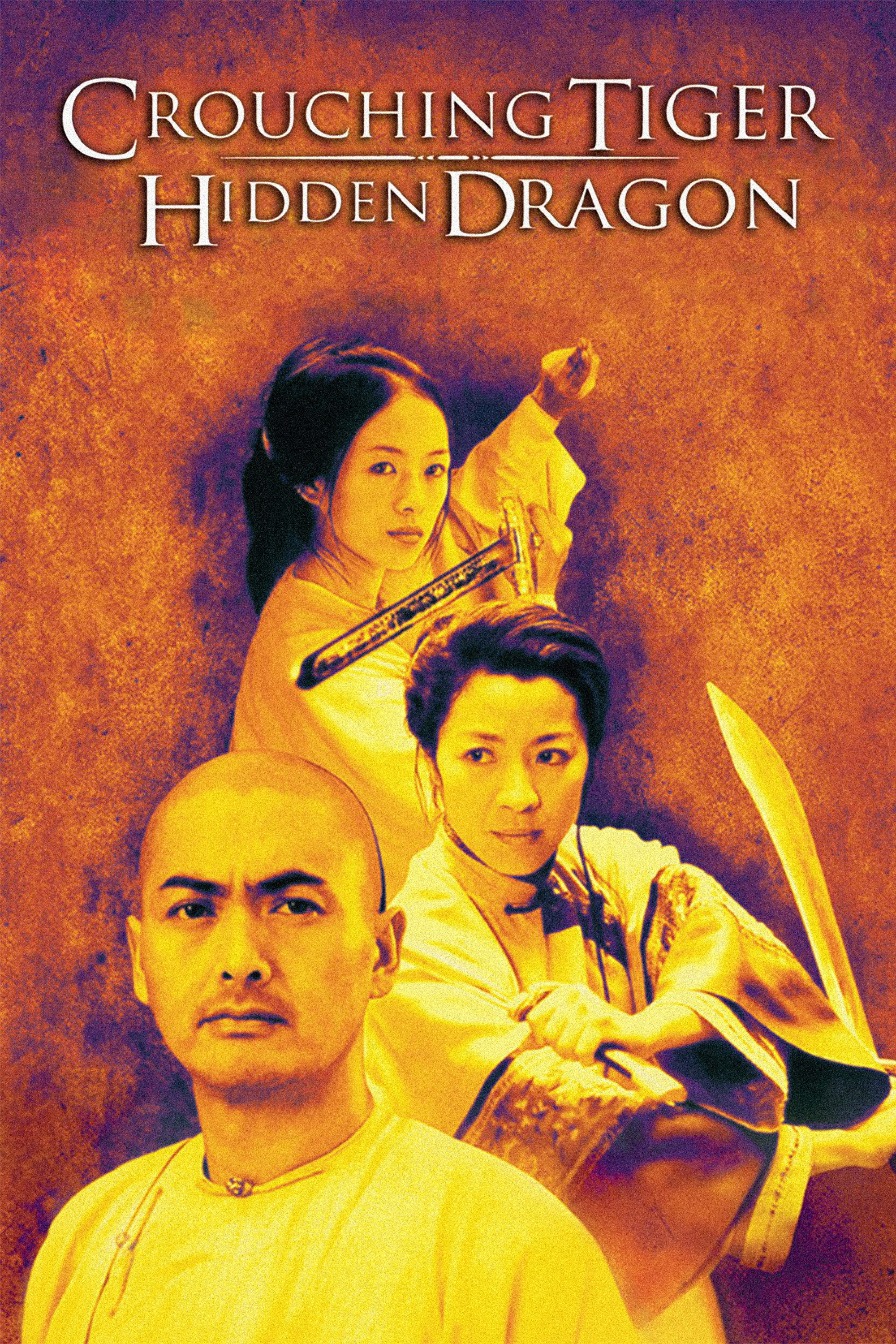
Crouching Tiger, Hidden Dragon poster90

Crouching Tiger, Hidden Dragon

2000 · For airborne swordplay with more room for longing and regret

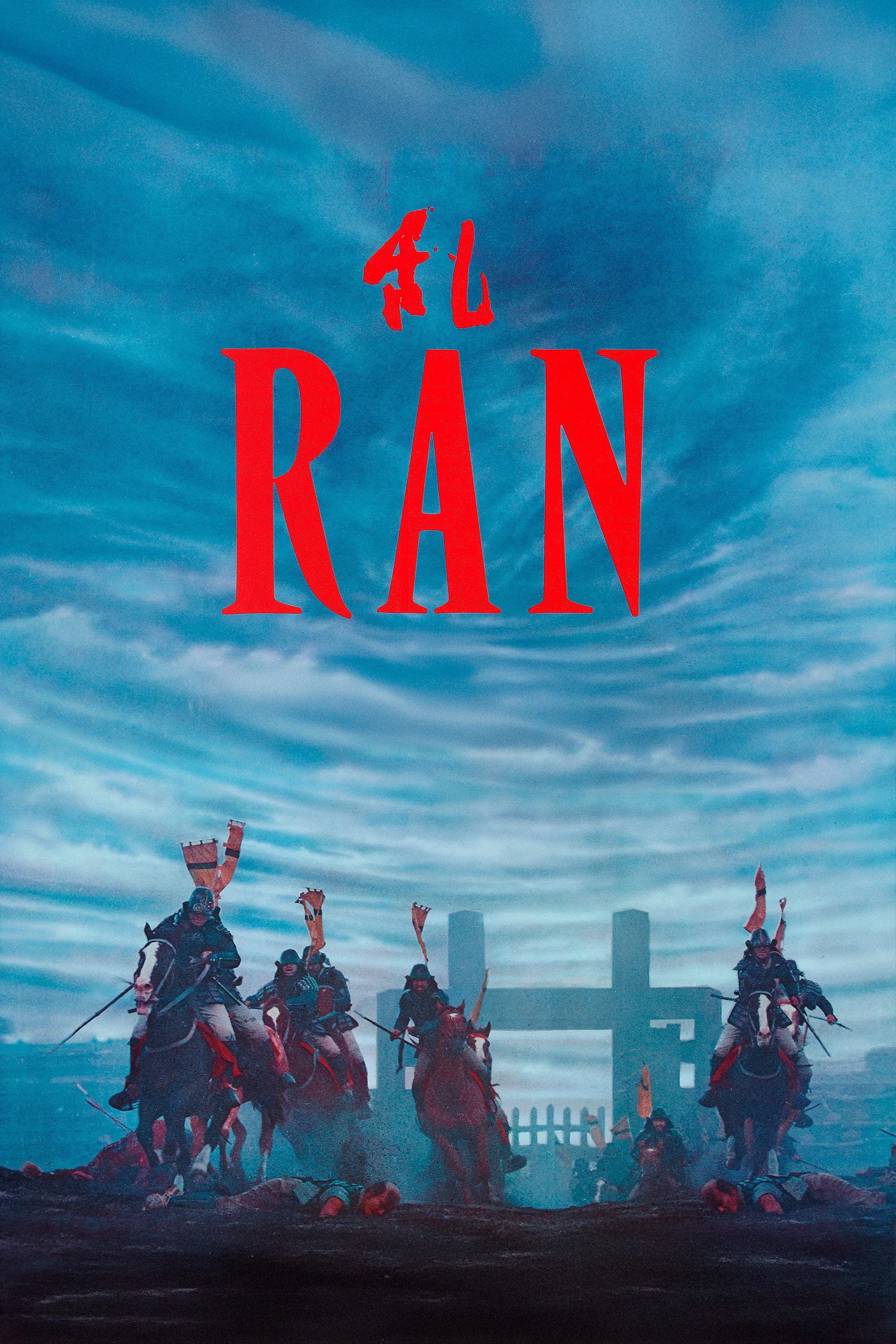
Ran poster

Ran

1985 · Another account of power where colour makes organised violence horribly clear

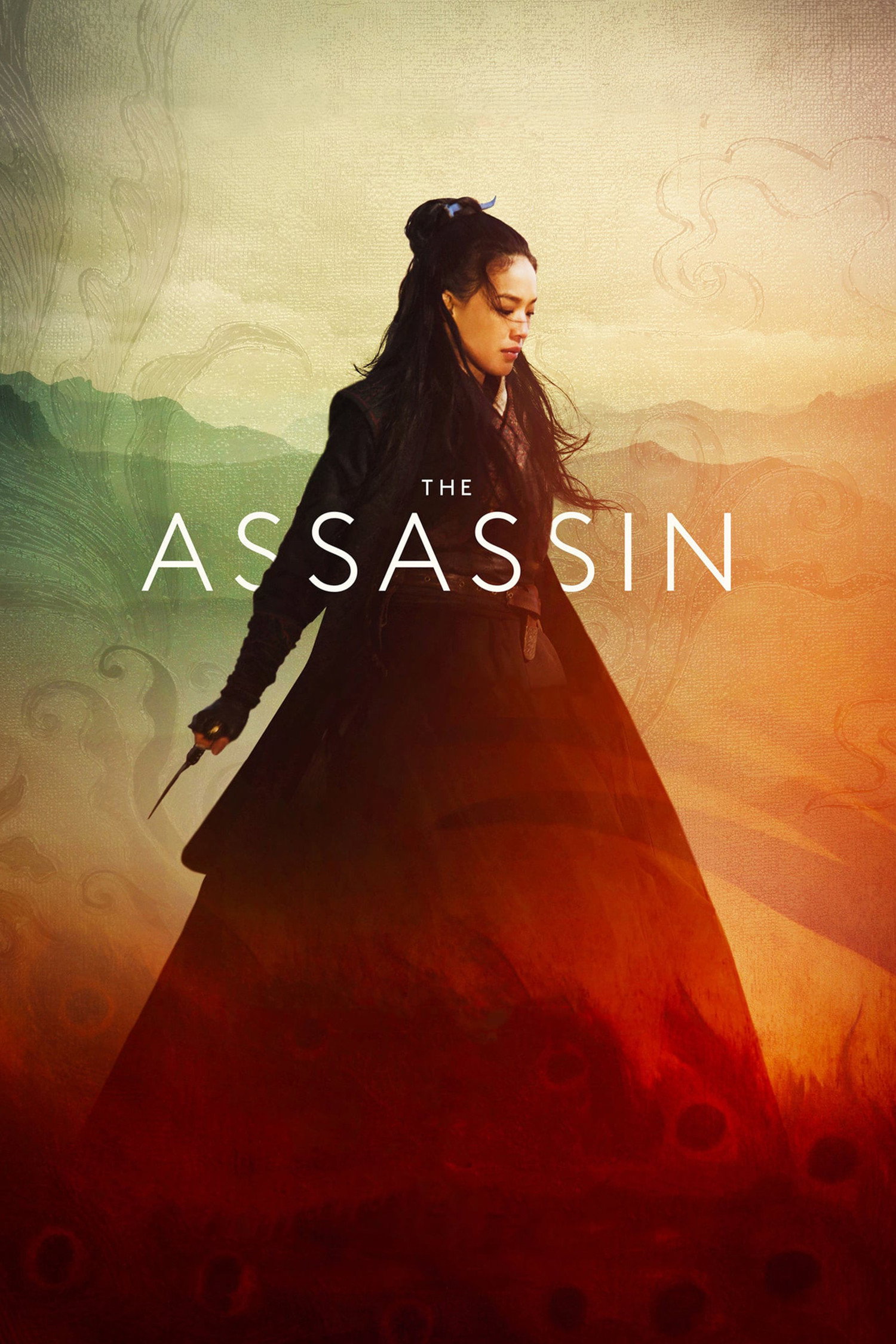
The Assassin poster

The Assassin

2015 · For martial arts stripped of hurry, with silence worth attending to

The Duellists poster

The Duellists

1977 · Two men keep fighting while history offers ample reasons to stop

The Colour of Pomegranates poster

The Colour of Pomegranates

1969 · For colour and ceremony, with no promise of an action sequence