Film review

Logan

2017 · Directed by James Mangold · 2h 17m · MPA R

In a sentenceWolverine has finally found something harder than a fight: looking after an old man

ActionDramaScience Fiction

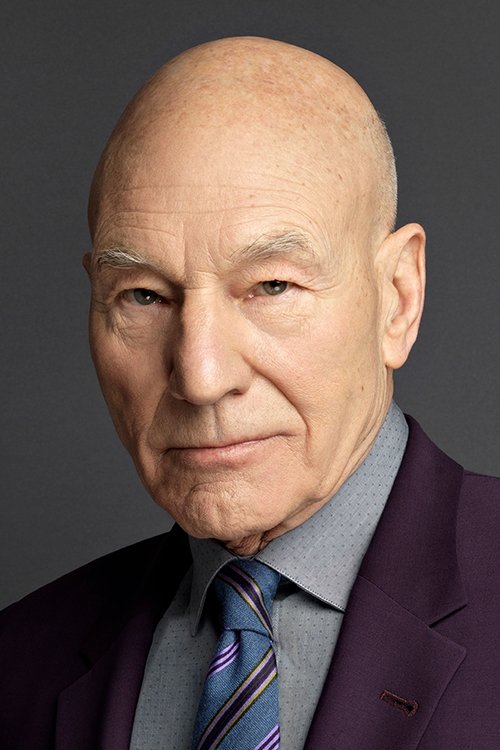
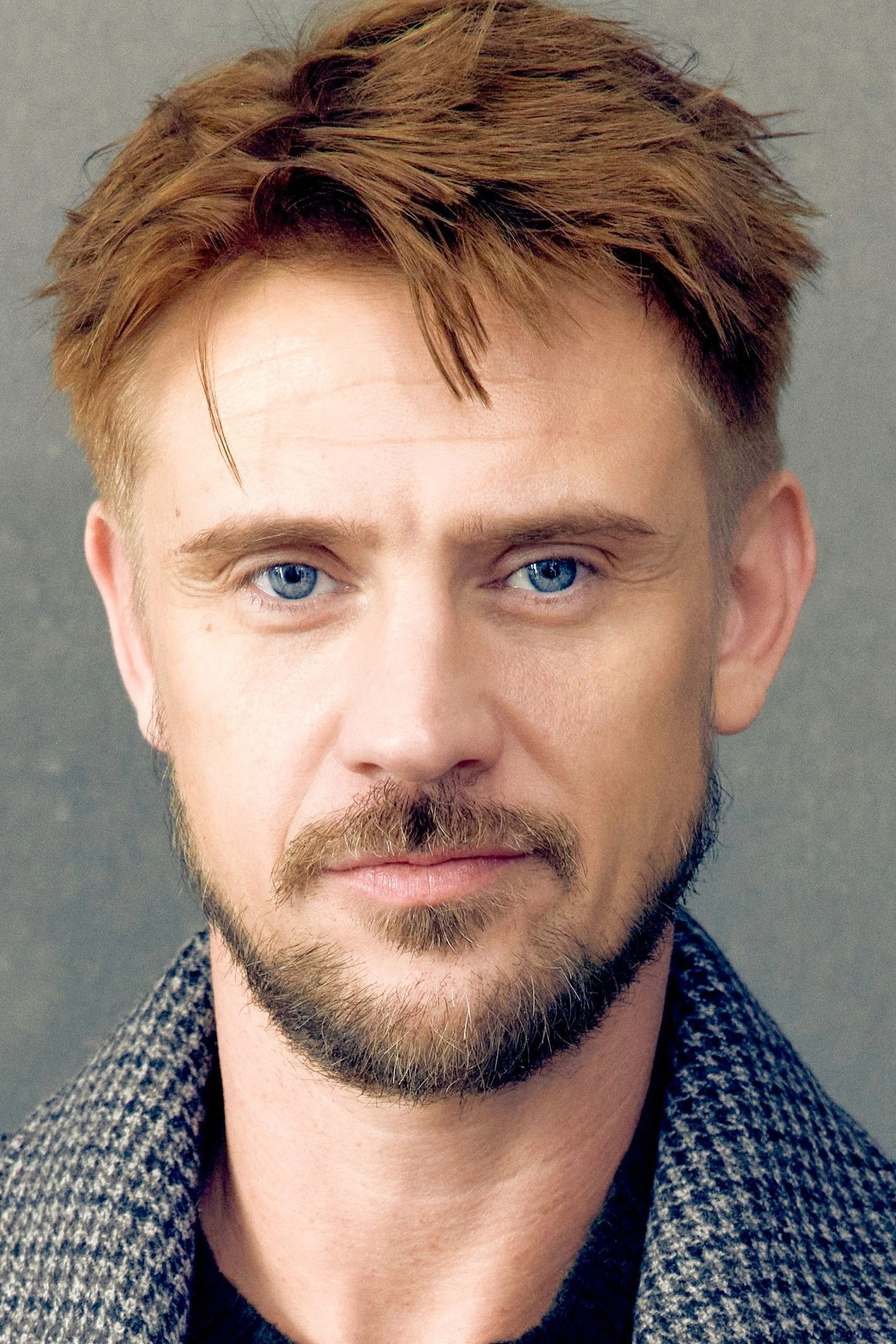
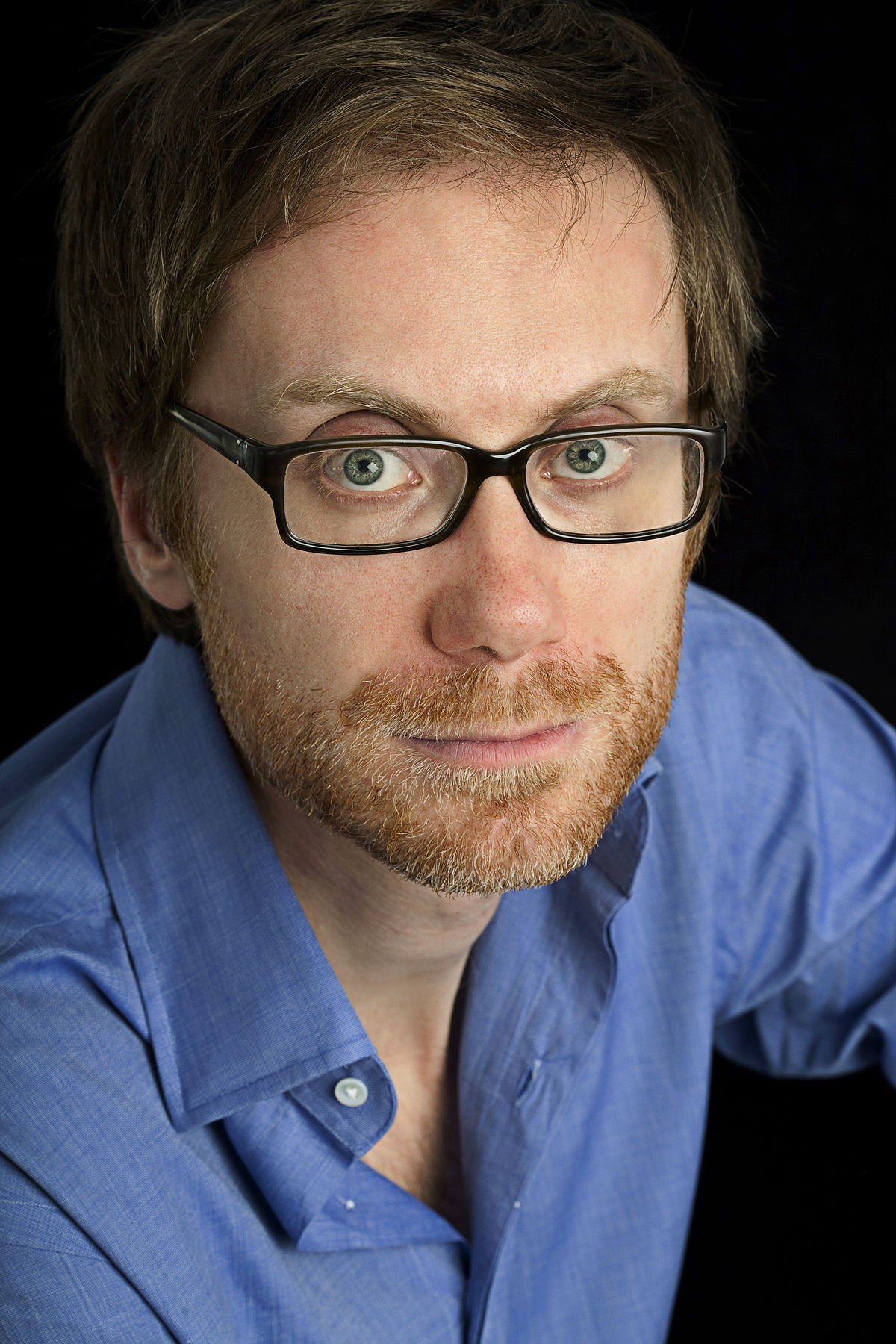
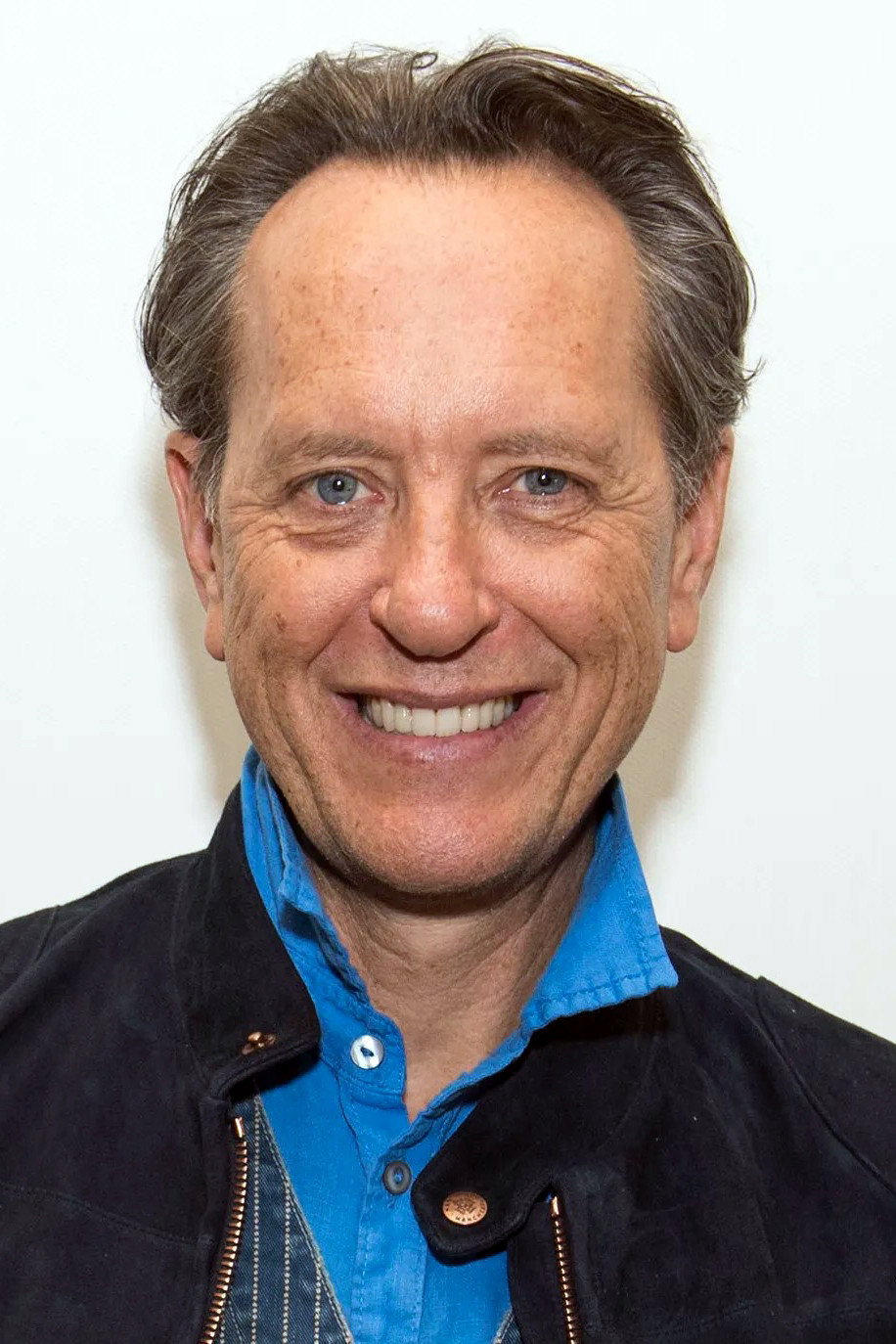
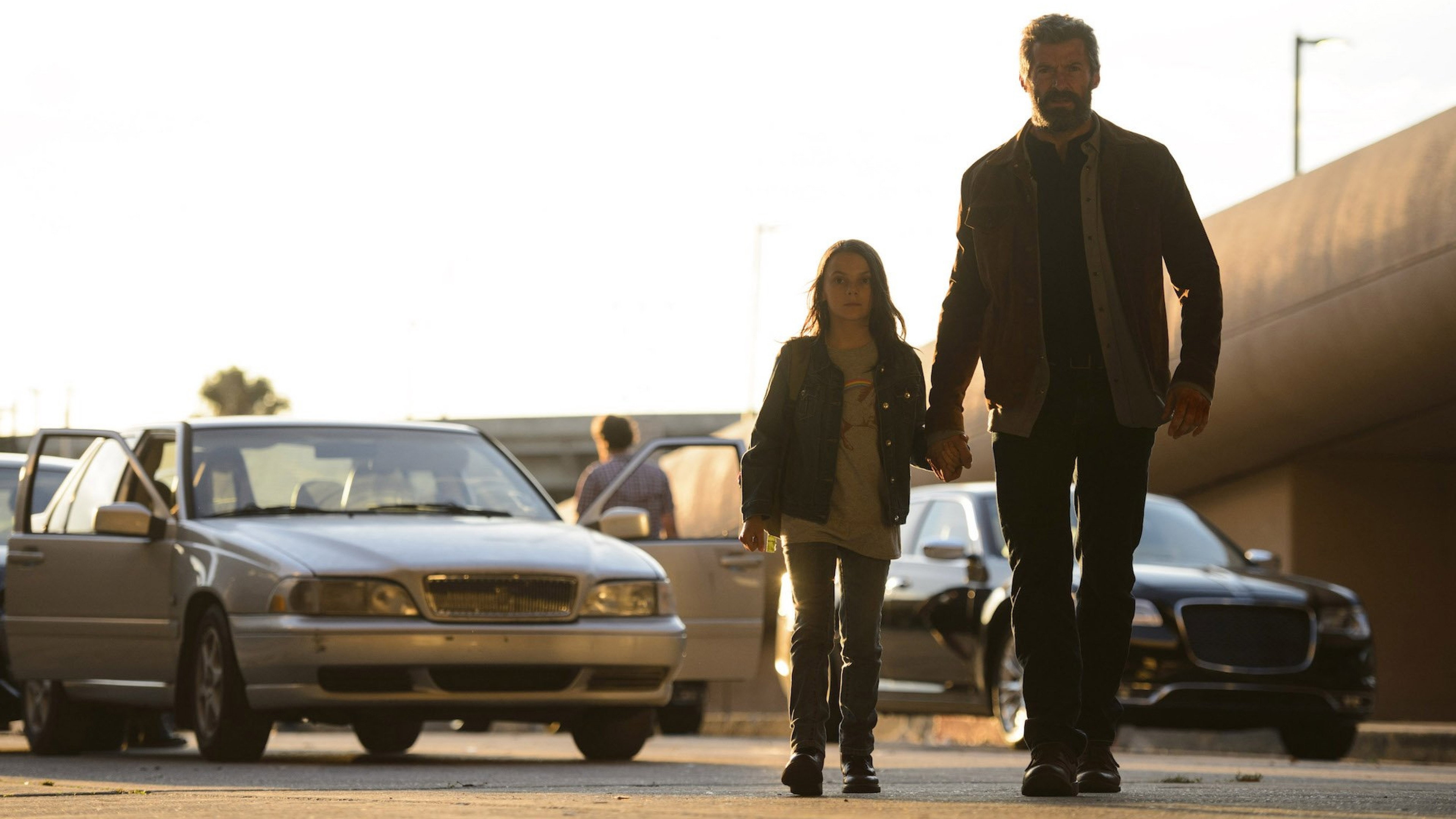
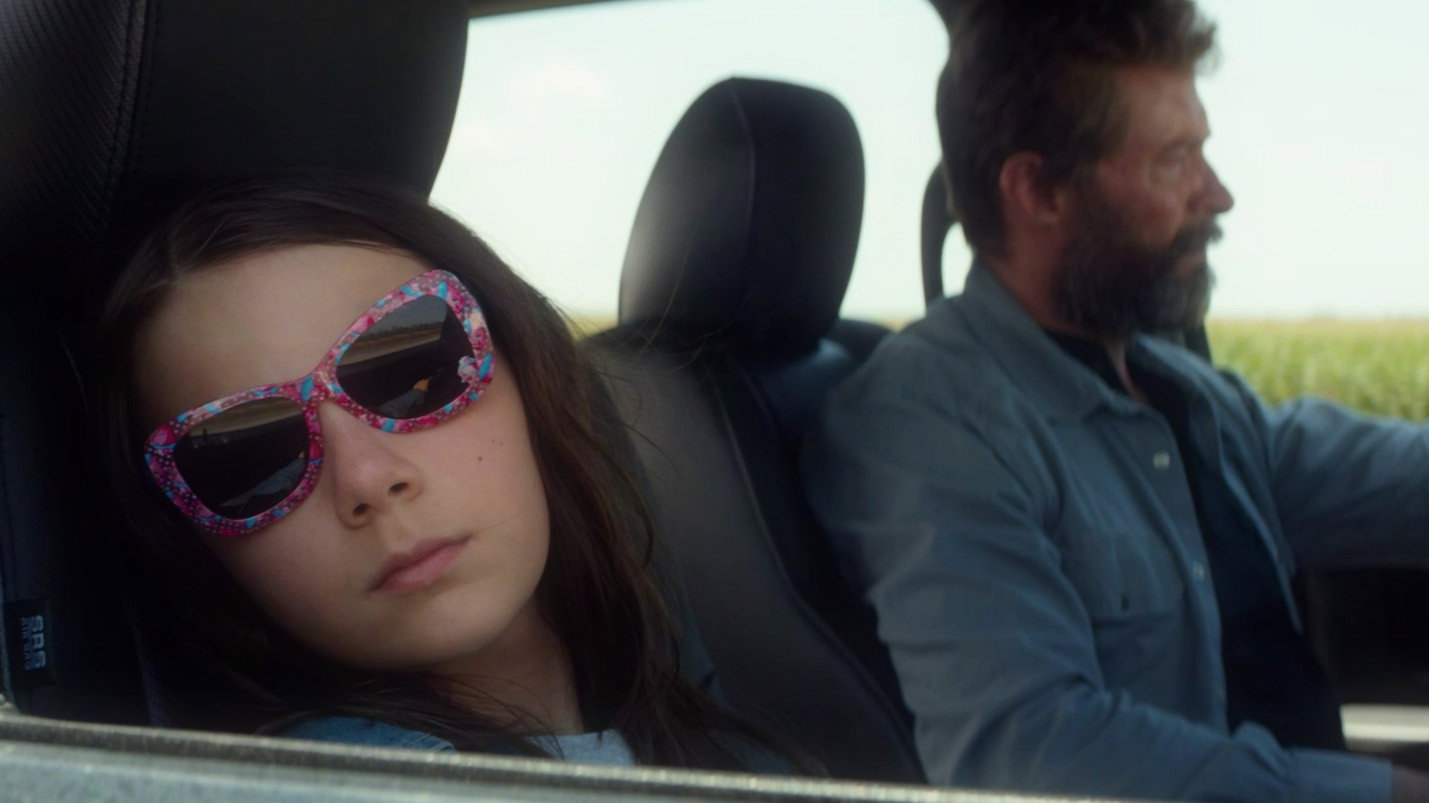
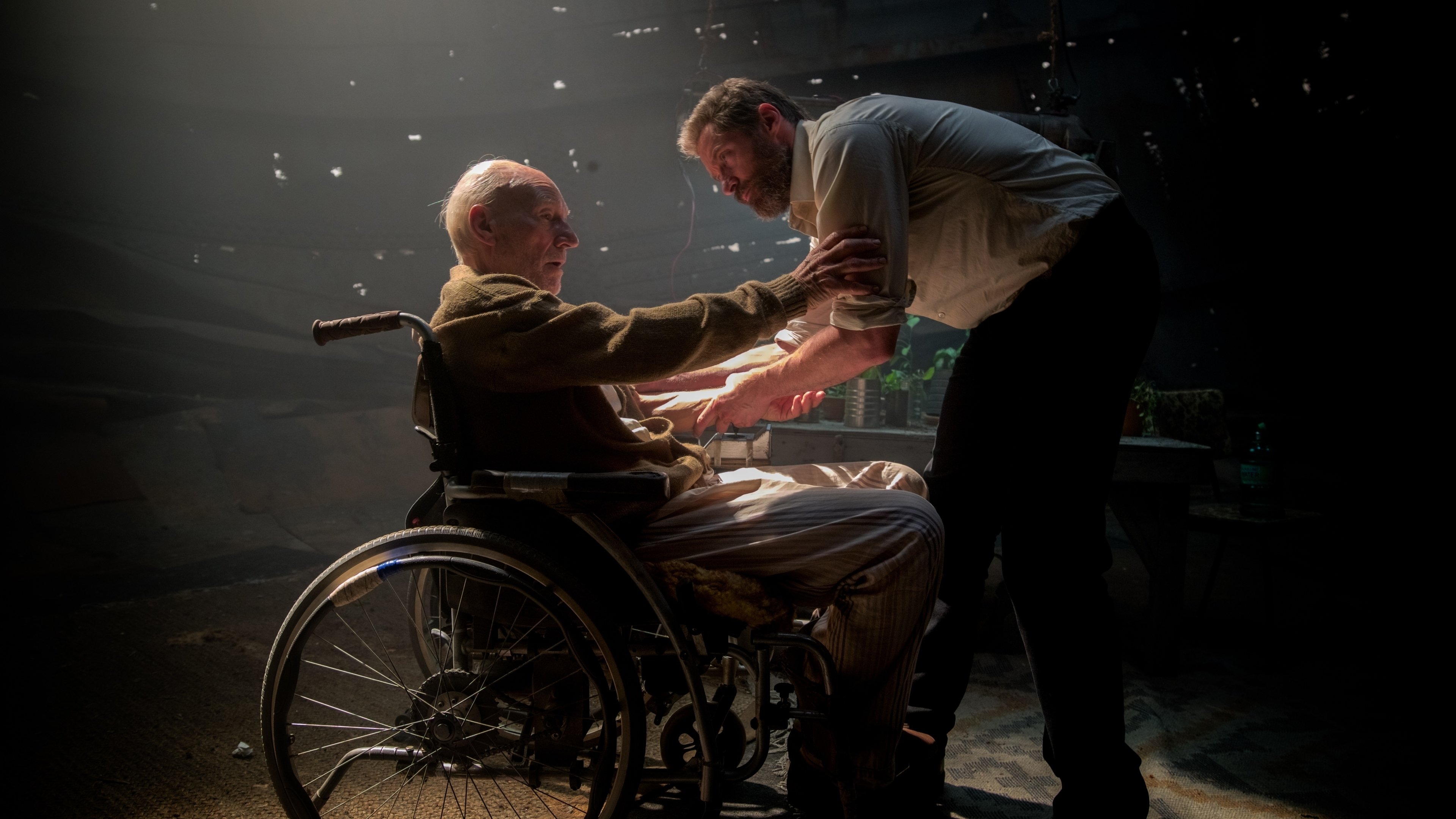
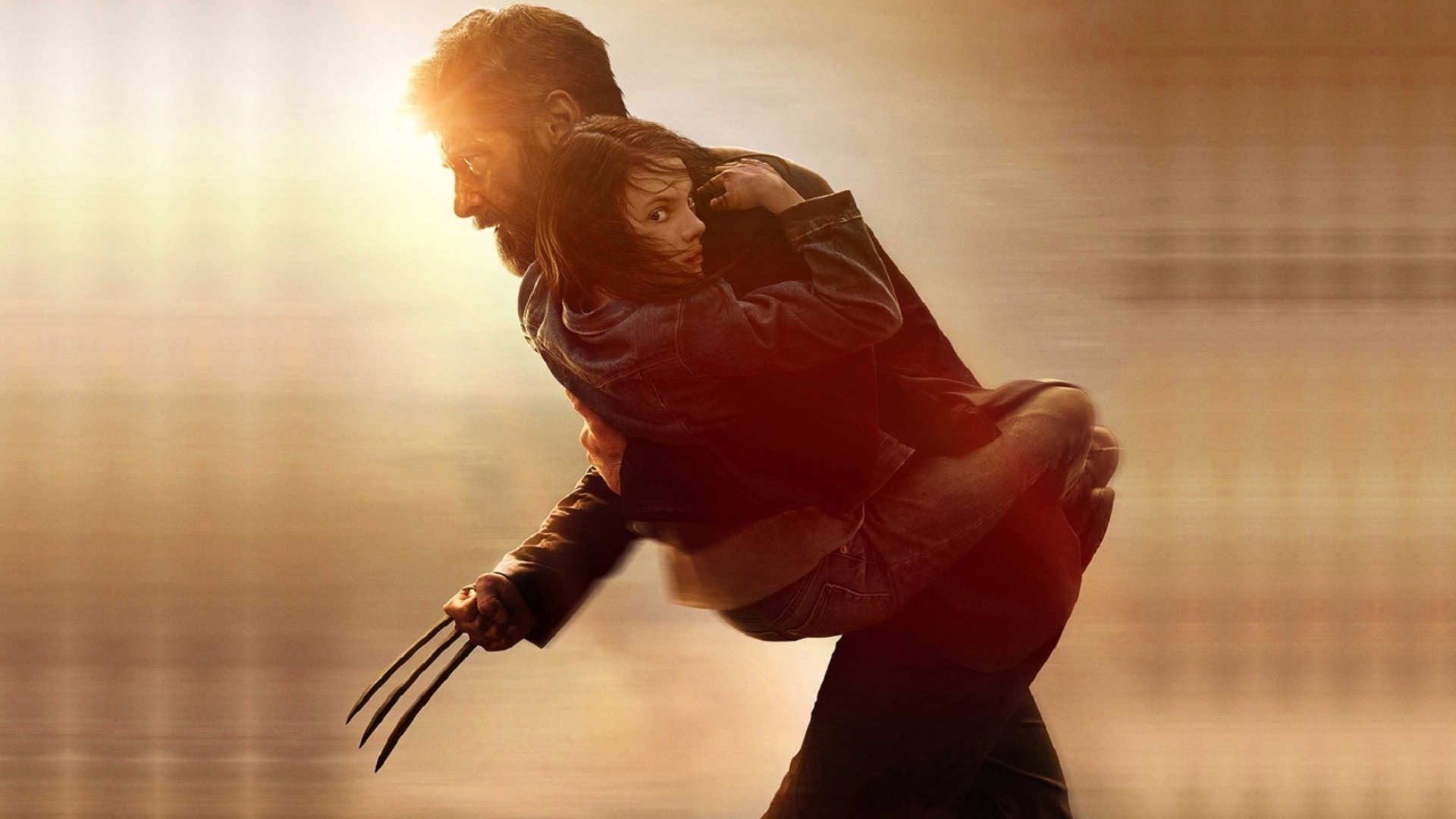
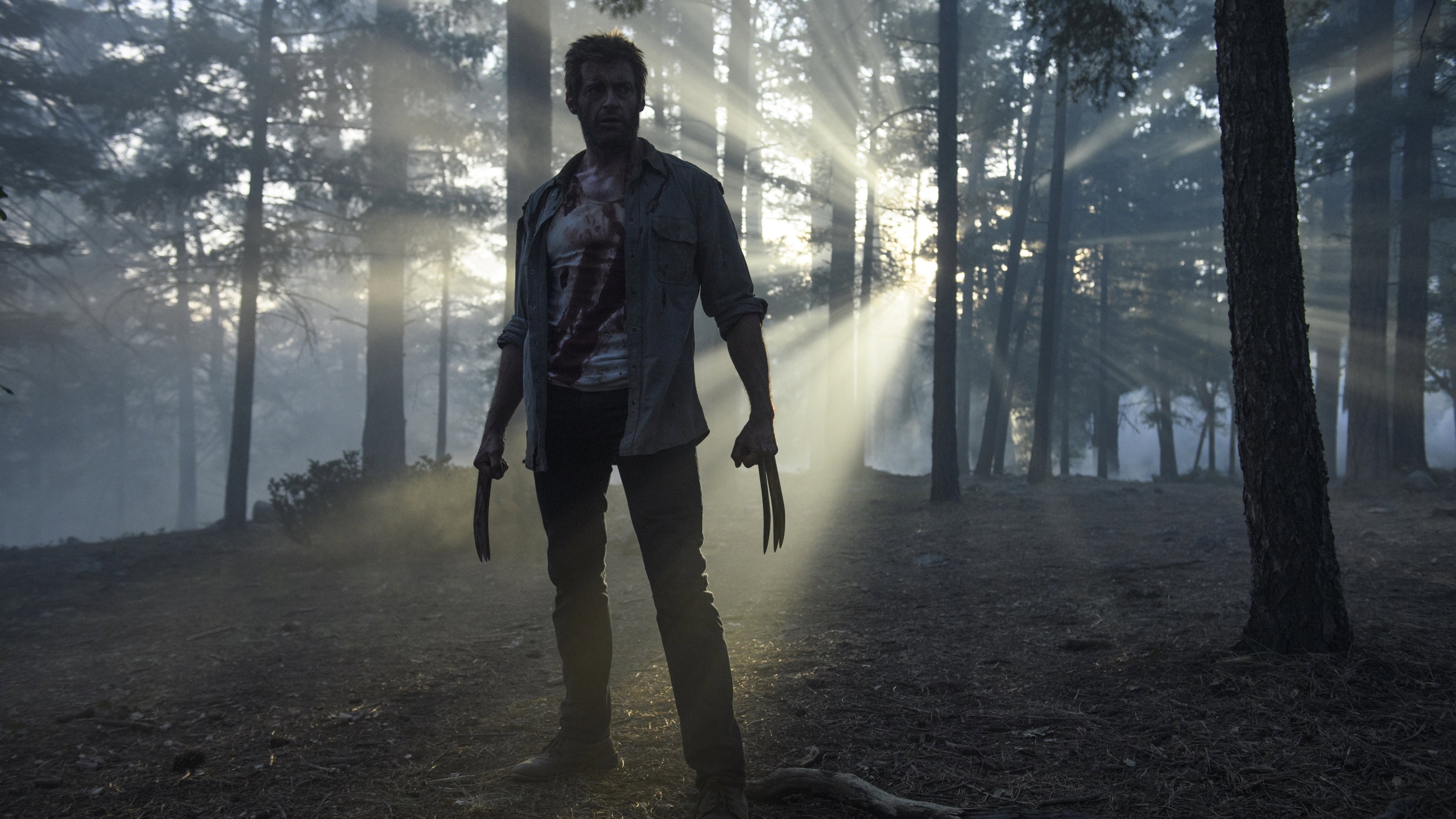
An ageing Logan (Hugh Jackman) is struggling with his own failing health while caring for Charles (Patrick Stewart), whose condition is also deteriorating. Laura (Dafne Keen) becomes part of their lives, drawing the reluctant Logan into a journey with responsibilities he would rather avoid. The makeshift family faces violence as Logan’s capacity to protect others comes up against the limits of his body. James Mangold directs this science-fiction action drama, with Boyd Holbrook as Pierce, Stephen Merchant as Caliban and Richard E. Grant as Dr. Rice.

Plays from YouTube when you press play; nothing loads from them until then.

Fi1m review

James Mangold gives Wolverine an affecting drama about ageing and care, led by Hugh Jackman and Patrick Stewart. The violence sometimes labours the point, but the awkward tenderness between these people earns our investment.

Logan asks what happens when a man accustomed to violence becomes responsible for people who need care. James Mangold makes a bruising, moving superhero drama from that question, although he sometimes mistakes another bout of bloodshed for a further insight. Ageing has made Logan less capable without making him much more agreeable, and Charles needs help that strength alone cannot provide. The western influence suits these diminished men, with their old abilities and uncertain usefulness, better than another demand to save the world would.

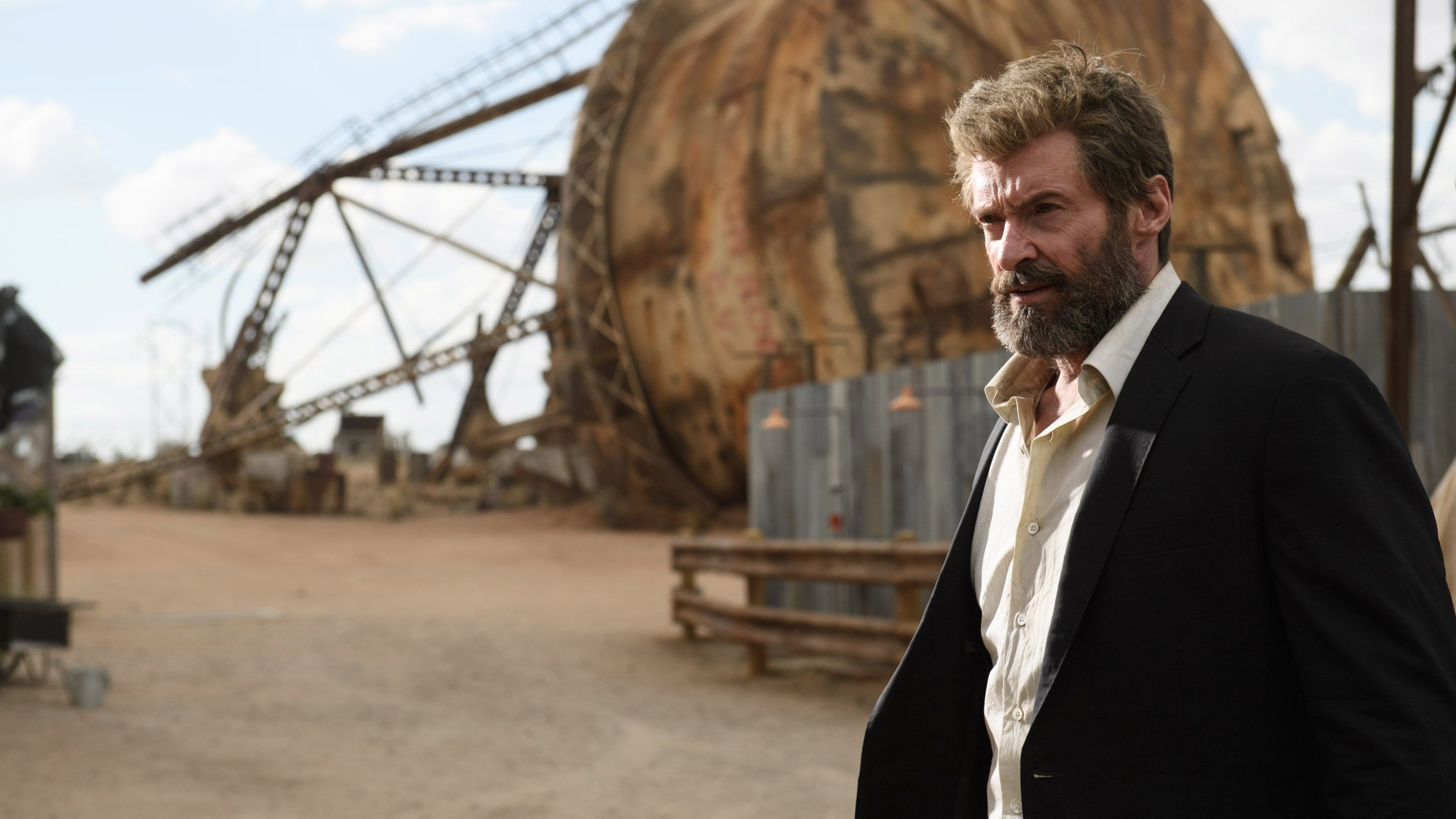
Jackman makes Logan’s reluctance convincing without asking us to find him charming. The performance allows pain to make him unpleasant, and allows that unpleasantness to coexist with an obligation he cannot simply discard. Patrick Stewart is equally valuable as Charles: his frailty makes the care between them uncomfortable, dependent on patience that Logan does not have in generous supply. We were moved by Logan looking after Charles, because Jackman lets the strain remain visible even when he is doing what is needed.

Dafne Keen’s Laura prevents the relationship from settling into a drama solely about old men and their regrets. Keen has the presence to make Laura matter without turning every exchange into an appeal for affection. In the screenplay by Mangold, Michael Green and Scott Frank, the makeshift family has to accommodate temperaments that do not conveniently fit together. The pleasure comes from watching the three performers resist easy warmth, so that we stay interested in how they might manage to tolerate each other.

John Mathieson’s cinematography makes the wear on Jackman’s face worth studying, keeping physical exhaustion central to our understanding of the character. François Audouy’s production design gives the future a used, unwelcoming feel that supports the film’s interest in people running short of options. Neither contribution needs to announce how serious everything is. These are useful choices for a superhero film in which the effort of continuing is supposed to matter as much as the ability to inflict damage.

Editors Michael McCusker and Dirk Westervelt are particularly effective in the exchanges between Logan, Charles and Laura, allowing the discomfort to register without tidying it away. At 137 minutes, the film gives those relationships room, though the repeated violence makes it feel longer than it needs to. Marco Beltrami’s score supplies an anxious forward pull. Its heavier passages are less useful, adding pressure to scenes whose physical brutality already leaves little room for us to feel anything else.

That brutality is both purposeful and occasionally tiresome. Mangold wants each act of violence to cost something, and the graphic fights make it difficult to imagine these bodies emerging untouched. Yet repetition takes over: once we understand what fighting does to Logan, further punishment can feel like insistence. The less developed supporting villains do not help, because they give the action a familiar simplicity that the difficult relationships elsewhere have worked hard to avoid.

The western comparison is useful because Logan’s ability to fight offers no assurance that he can live well with other people. Mangold gives that familiar problem weight by letting Jackman, Stewart and Keen be difficult company. We would recommend it for those performances alone. Just be prepared for the film to keep fighting after they have already persuaded us.
Critical consensus AI synthesised

81
Positive
17
Mixed
0
Negative
1

Most critics respond warmly to Logan’s stripped-down Western approach, finding an affecting character drama in its treatment of ageing, care and makeshift family. Praise centres on Hugh Jackman’s weary, pained performance and Patrick Stewart’s contribution to the Logan–Xavier relationship, with Dafne Keen also drawing strong notices. The reviews credit Mangold’s direction with giving the violence emotional consequences and allowing relationships to matter more than spectacle. Its sombre tone is widely seen as a strength, though not a promise of easy entertainment.

The reservations concern how fully the film escapes familiar superhero plotting, and whether its brutality helps or hinders the drama. The Los Angeles Times admires the performances but finds that the violence sometimes undermines the seriousness. Screen Daily is the clear dissenter, seeing formula and clichéd emotion beneath the mournful tone, while still acknowledging Jackman’s charisma. The spread therefore runs from emphatic praise to rejection, but the balance is firmly positive.

The i Paper
1 March 2017 · ★★★★★ · Matthew Turner
100

The critic calls it a deeply satisfying send-off and unmissable treat, with note-perfect direction, adult sensibility and gritty, moving script. They single out Hugh Jackman's sensational performance as the grizzled, pained Logan for particular praise.

Read the full review →
The Times
3 March 2017 · ★★★★★ · Kevin Maher
100

Logan is an immense, perfect piece of filmmaking that gets everything right as the payoff to 17 years of the franchise. It is soul-stirring with Hugh Jackman at a career high as an ageing alcoholic Wolverine.

Read the full review →
The New York Times
2 March 2017 · Manohla Dargis
85*

The critic finds “Logan” a strong, noirish western-like entry that feels like a real movie rather than a typical comic-book retread, praising its raw violence, intimations of mortality, and shift to a more humanist story. It singles out the performances and Mangold's direction for making it authentic and fresh.

Read the full review →
Total Film
17 February 2017
85*

The critic describes it as the gritty, R-rated Wolverine movie fans have been waiting for and a fine, fitting finale for the movies' greatest mutant. They single out the gutsy decision to wrap things up properly, along with juicy surprises and strong performances in key sequences.

Read the full review →
Empire
6 March 2017 · ★★★★ · Dan Jolin
80

The critic hails it as the best solo Wolverine yet: grown-up, ballsy, character-driven and grounded, with a sombre, elegiac mood. They praise the deep exploration of Logan's struggle between killer instinct and humanity, especially in interactions with Xavier and Laura, while noting some weaknesses in the final confrontation.

Read the full review →
Little White Lies
17 February 2017 · 2/4/4 · David Jenkins
80

The critic finds the film a successful, soulful revisionist comic-book yarn that finally gets Wolverine right with ultraviolence and western influences. It singles out Jackman’s committed performance and the emotional core for praise.

Read the full review →

Cast

Stills

Awards

Academy Awards, 2018

Nominated
Best Writing, Adapted Screenplay

If you liked this, try…

The Shootist poster

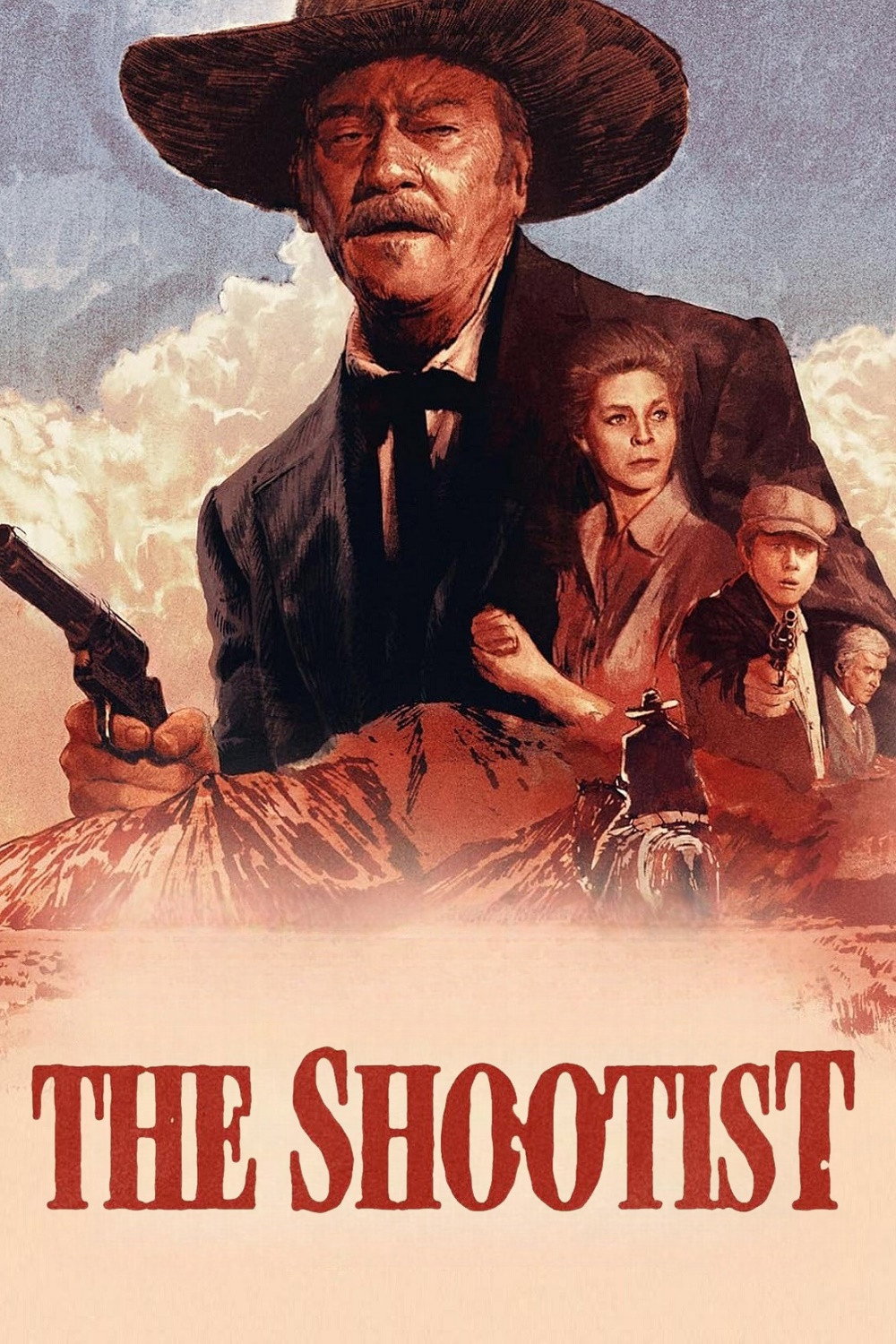
The Shootist

1976 · An ageing gunman faces limits that another fight cannot settle.

Gloria poster

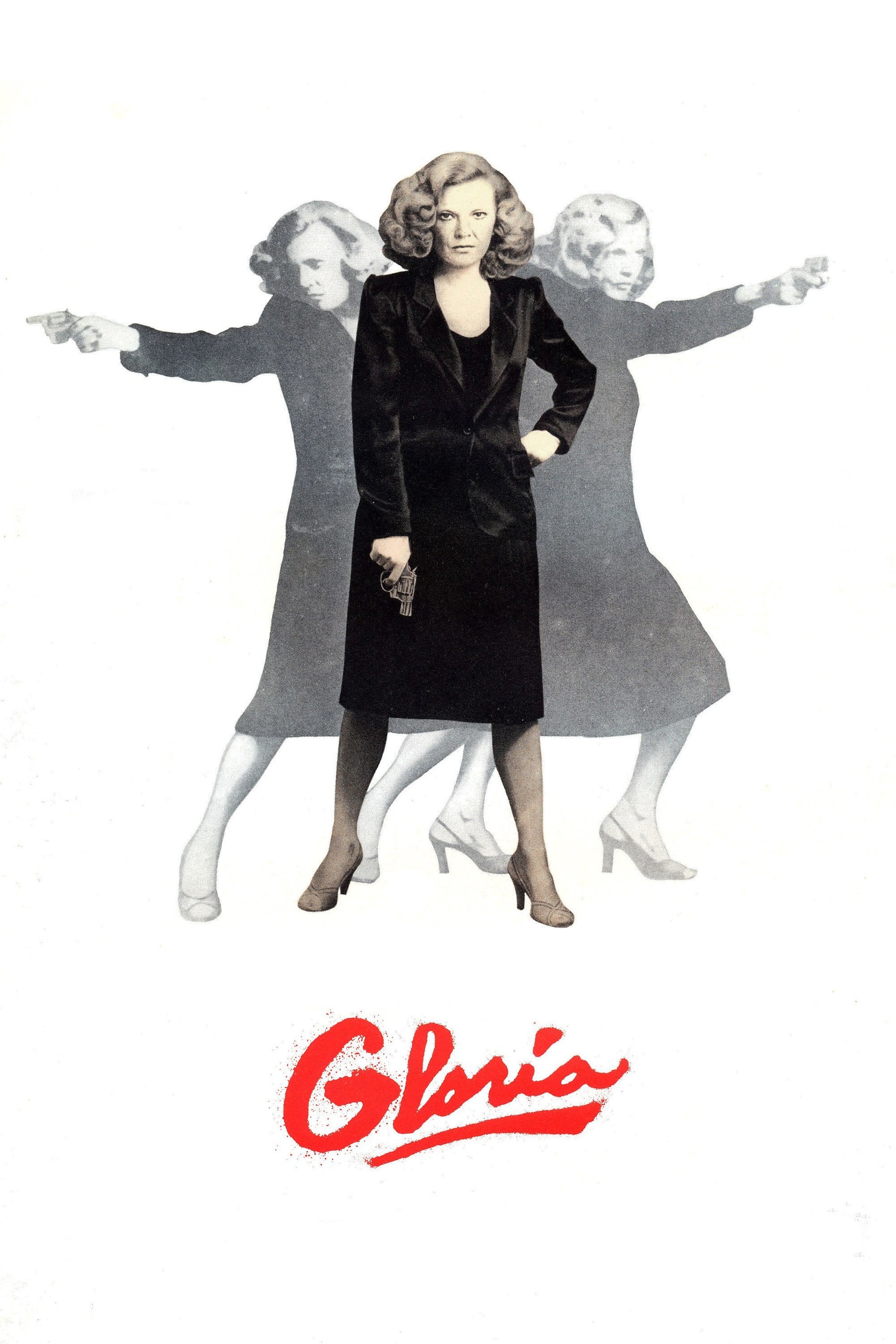
Gloria

1980 · A reluctant protector and a child form a combative, convincing partnership.

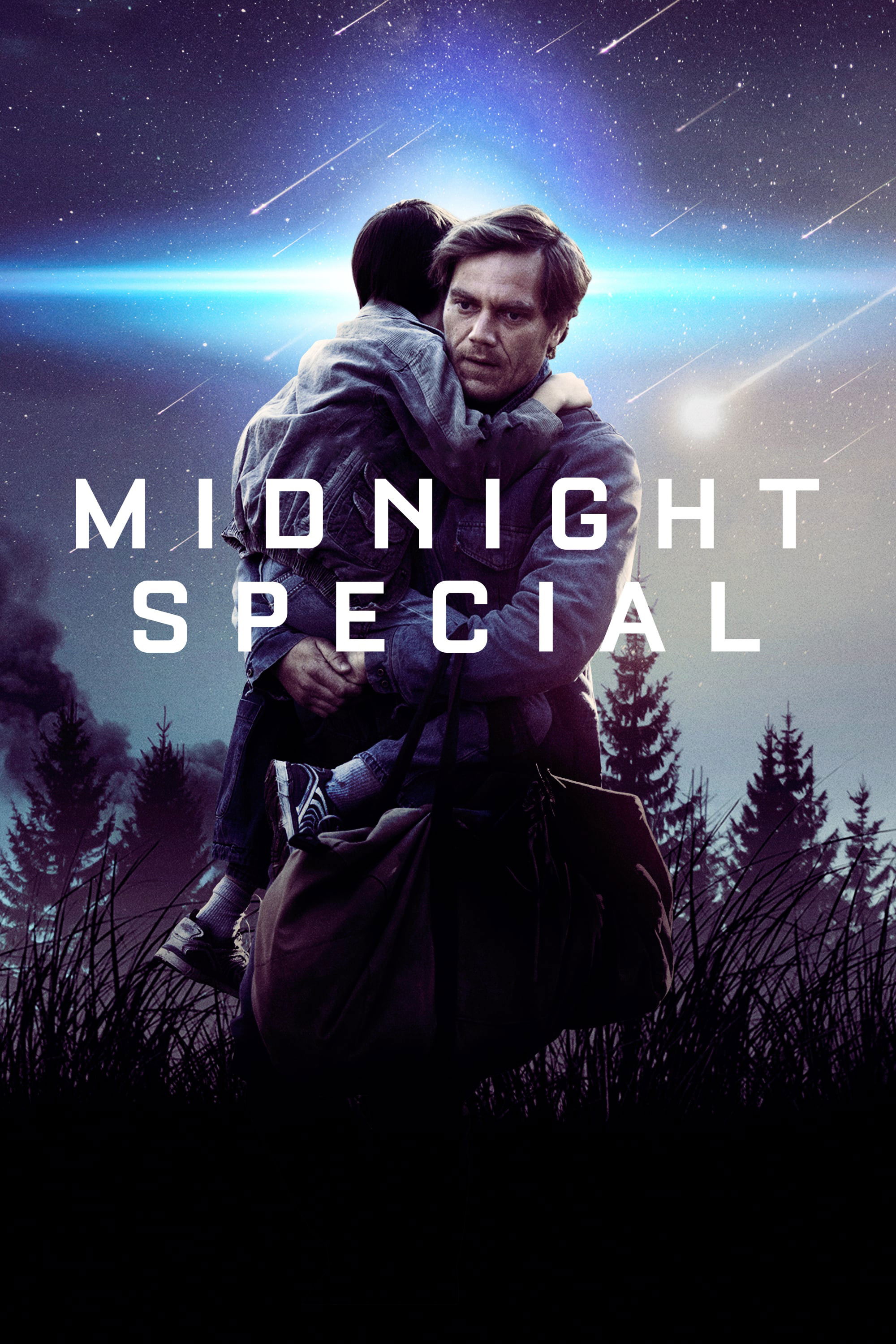
Midnight Special poster

Midnight Special

2016 · A child under threat turns a science-fiction chase into anxious family drama.

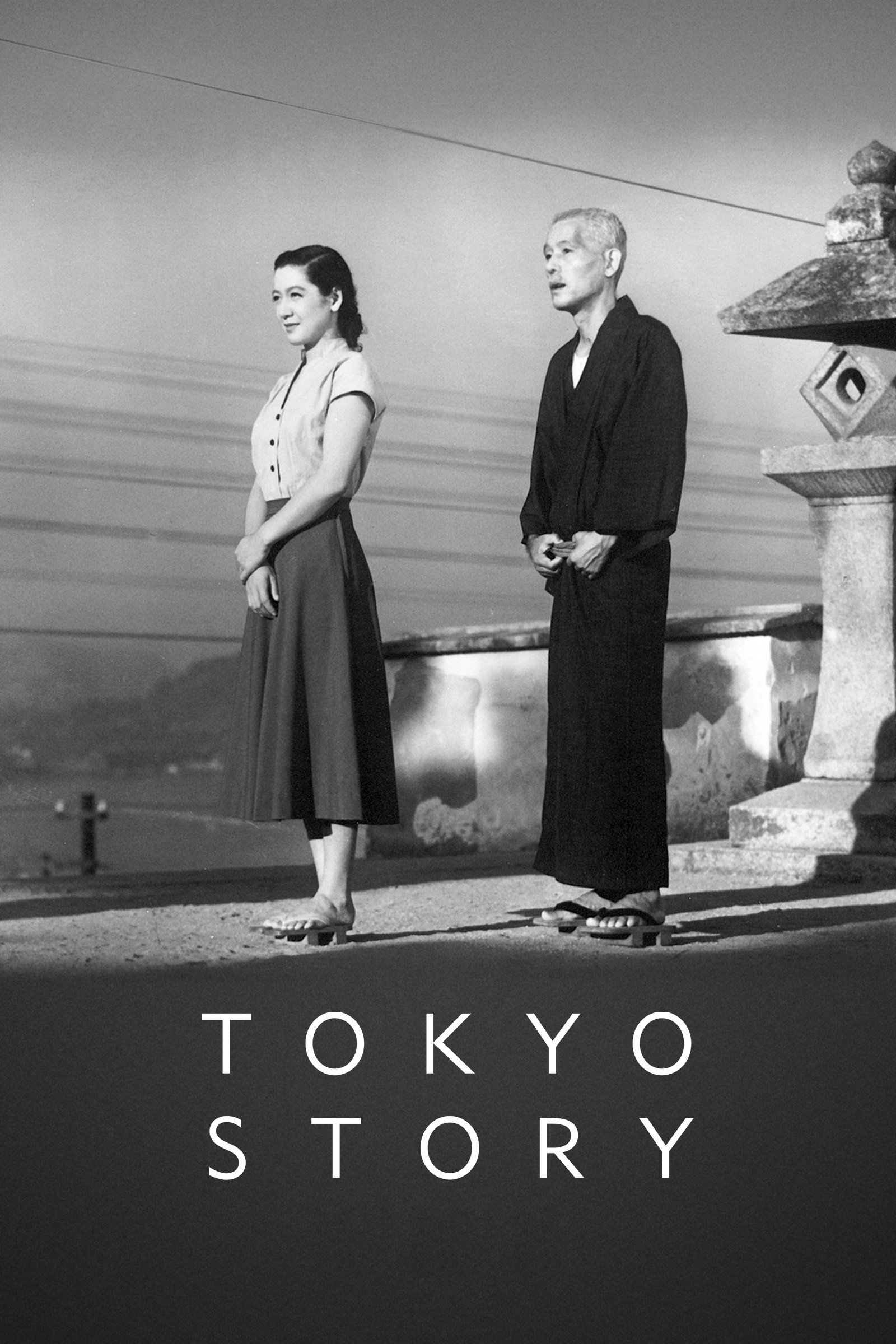
Tokyo Story poster92

Tokyo Story

1953 · For another patient, painful look at ageing and the failures of family.

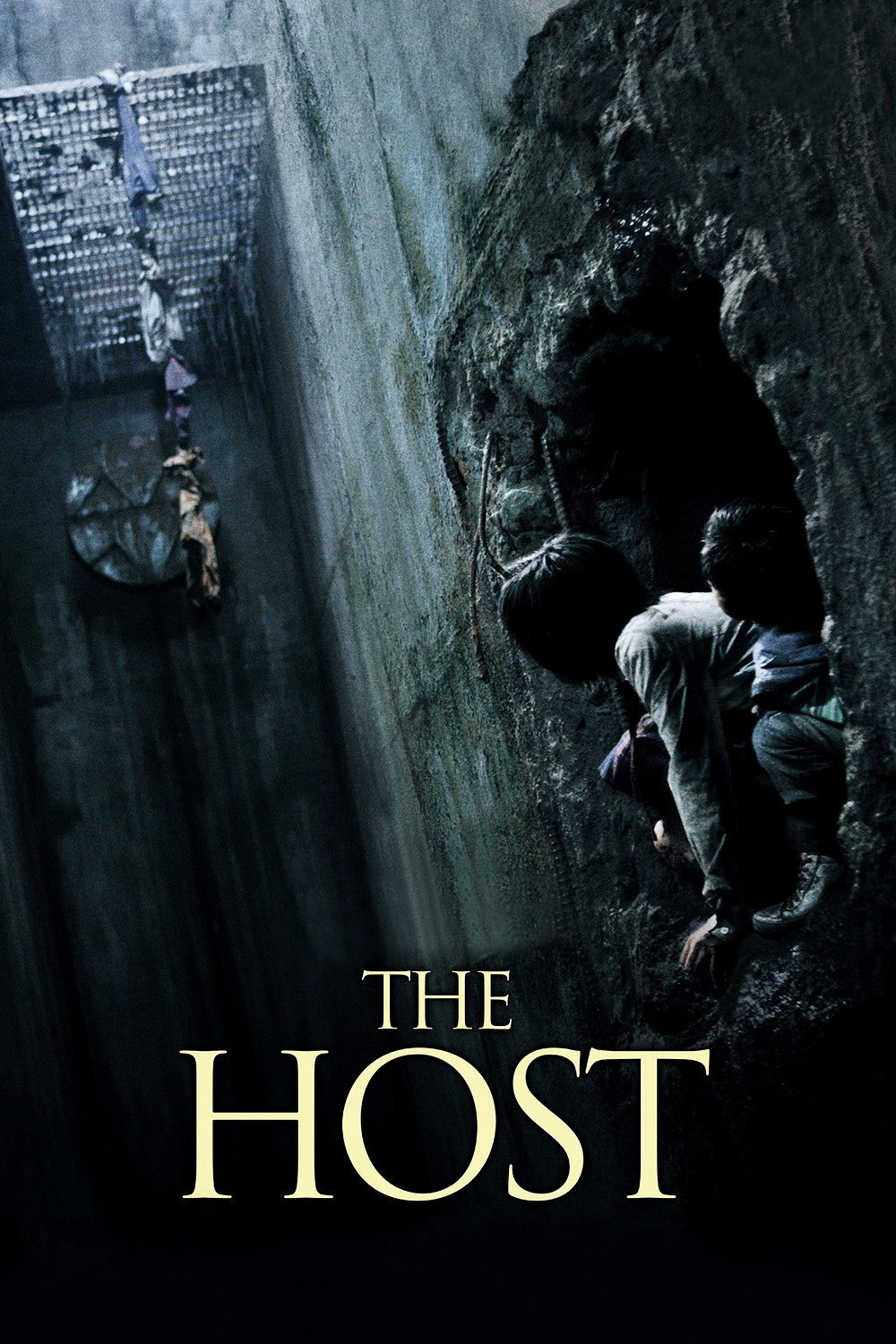
The Host poster

The Host

2006 · A disorderly family confronts monstrous danger, with room for anger and absurdity.