Gena Rowlands gives Gloria enough nerve and bad temper to make its uneven Mafia chase worth following. The gangsters are thinly drawn, but John Cassavetes makes her difficult partnership with a boy persuasive.
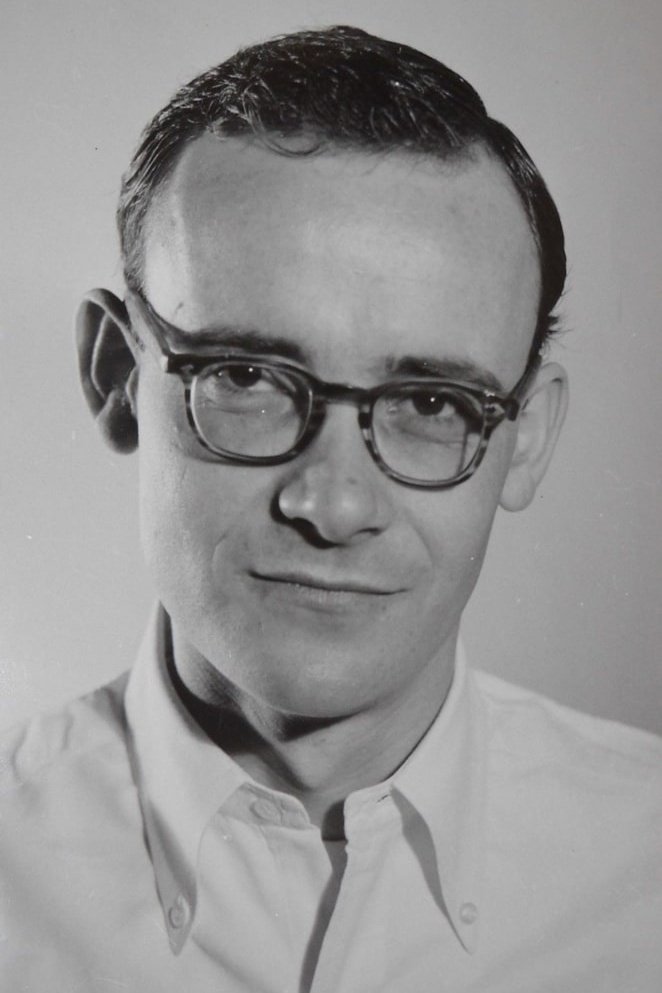
John Cassavetes gives Gloria a familiar crime-film job: put a woman and a child in danger and see whether they can get away. It is good, uneven entertainment, carried by Gena Rowlands and by the awkward business of two people who have not chosen each other trying to stay together. Gloria’s impatience gives their partnership something to work through besides the threat of the Mafia. The film lets looking after Phil be exhausting without treating that as a failure of character.
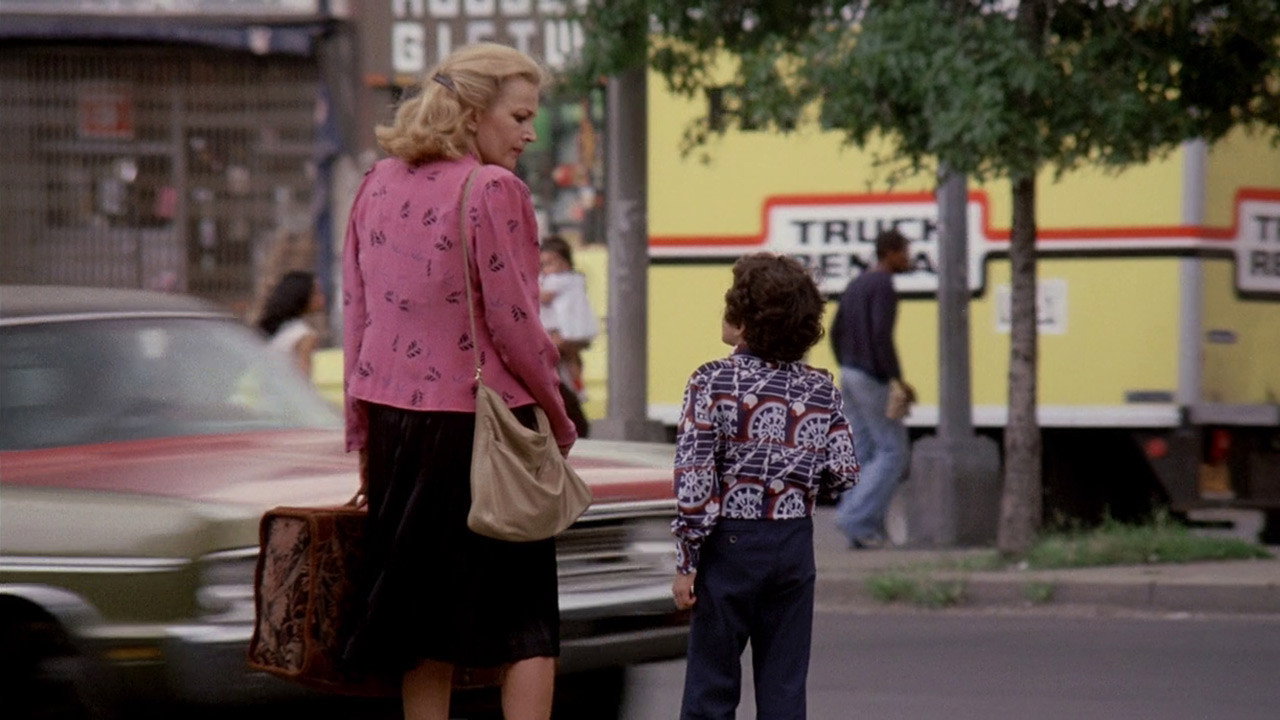
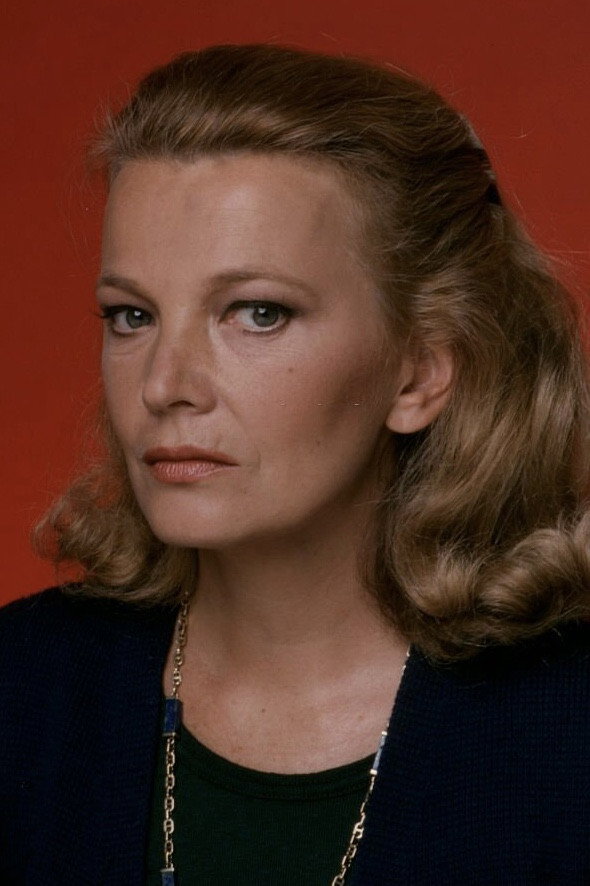
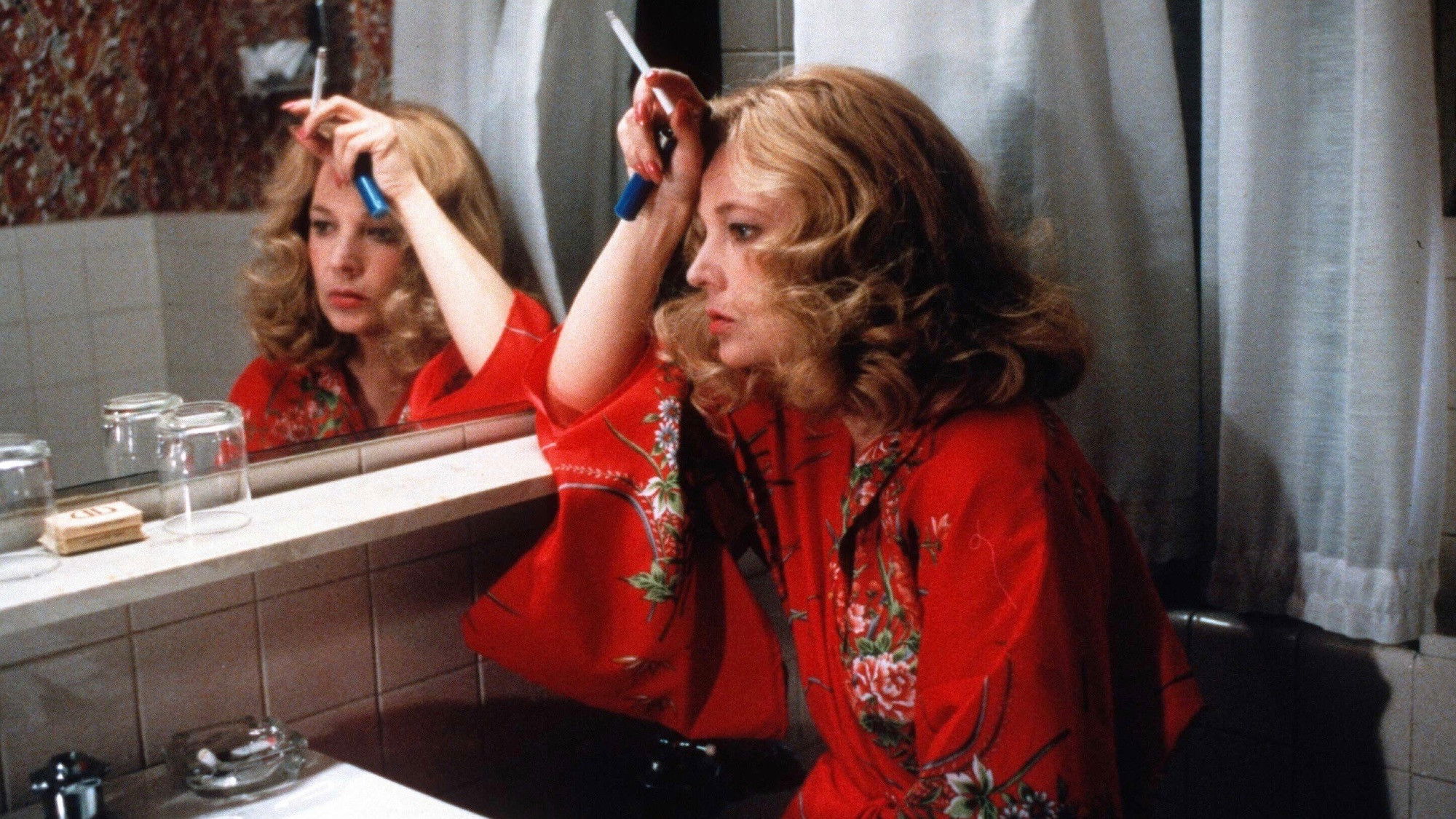
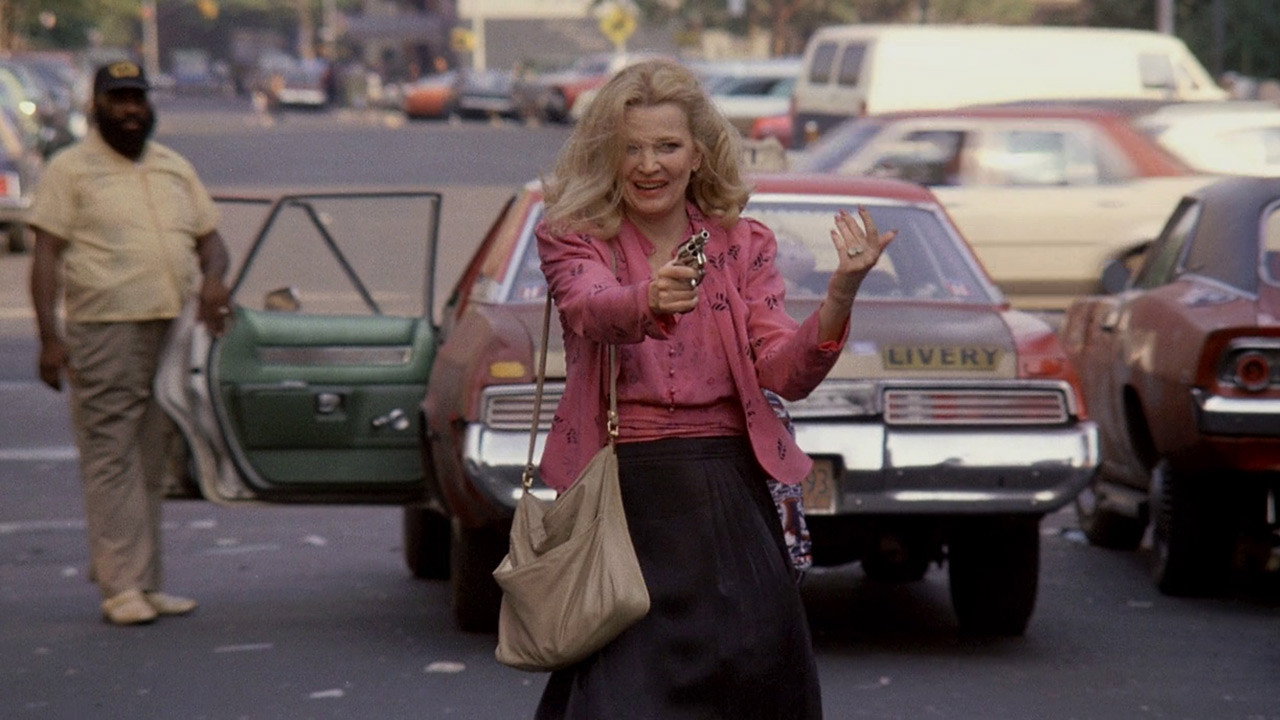
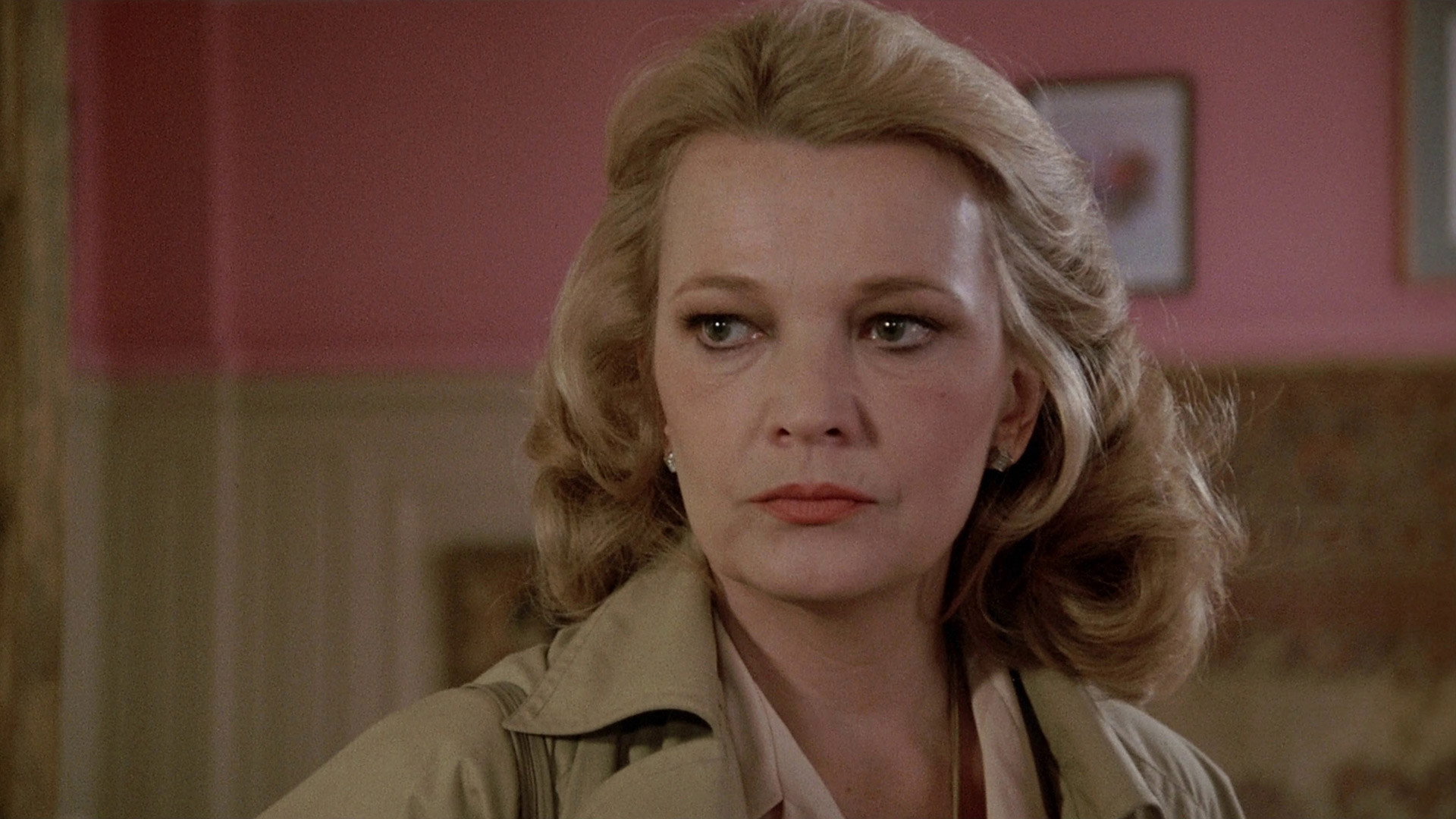
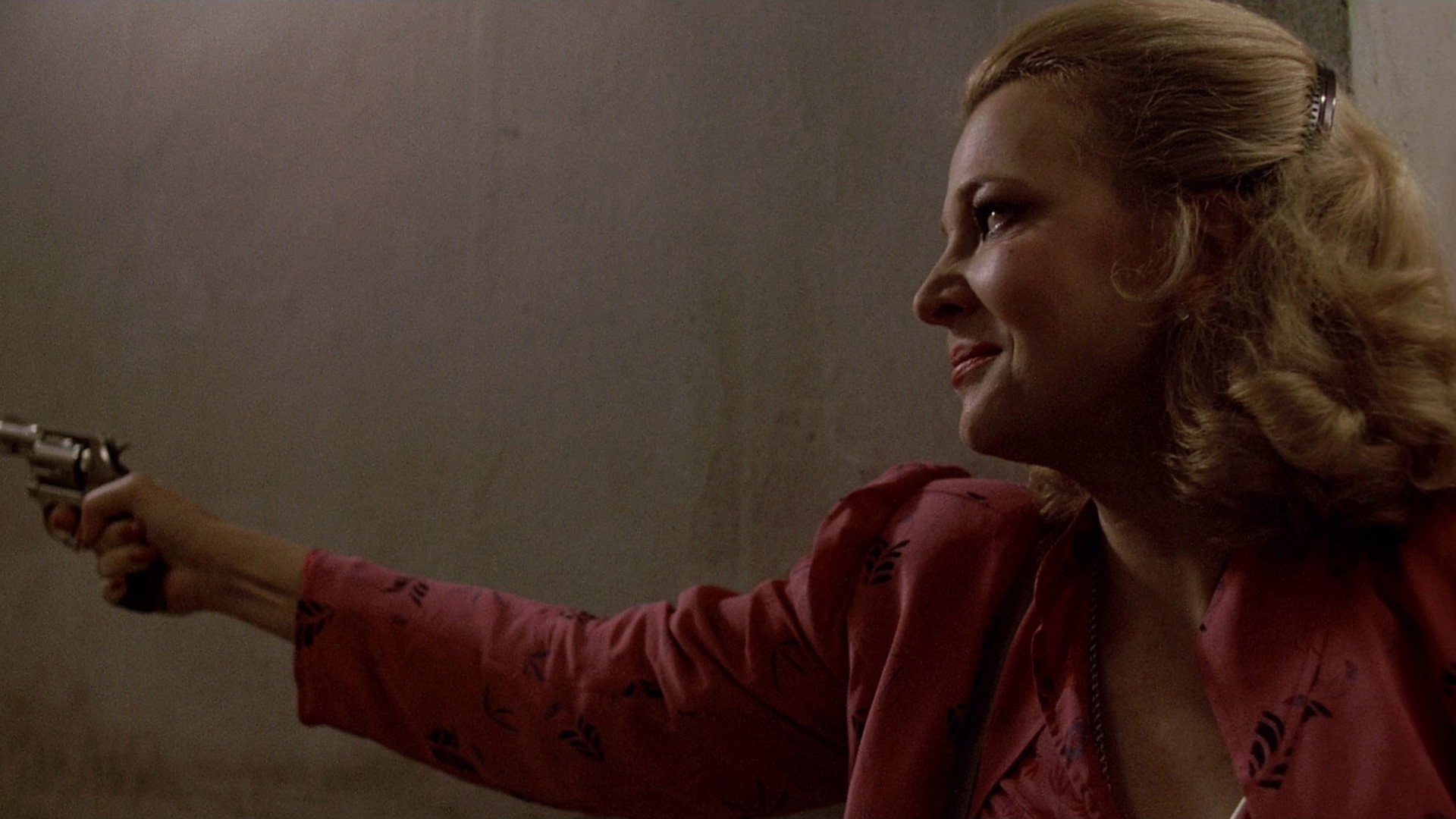
As Gloria Swenson, Gena Rowlands makes toughness look like an ordinary part of getting through the day. She carries herself elegantly, even when the character is being blunt. The performance keeps that assurance when Gloria has a child to look after, but adds a useful strain of annoyance. Her readiness to use a gun is convincing because the same force is there when she has to deal with Phil. She lets Gloria remain disagreeable, and the film is better for it.
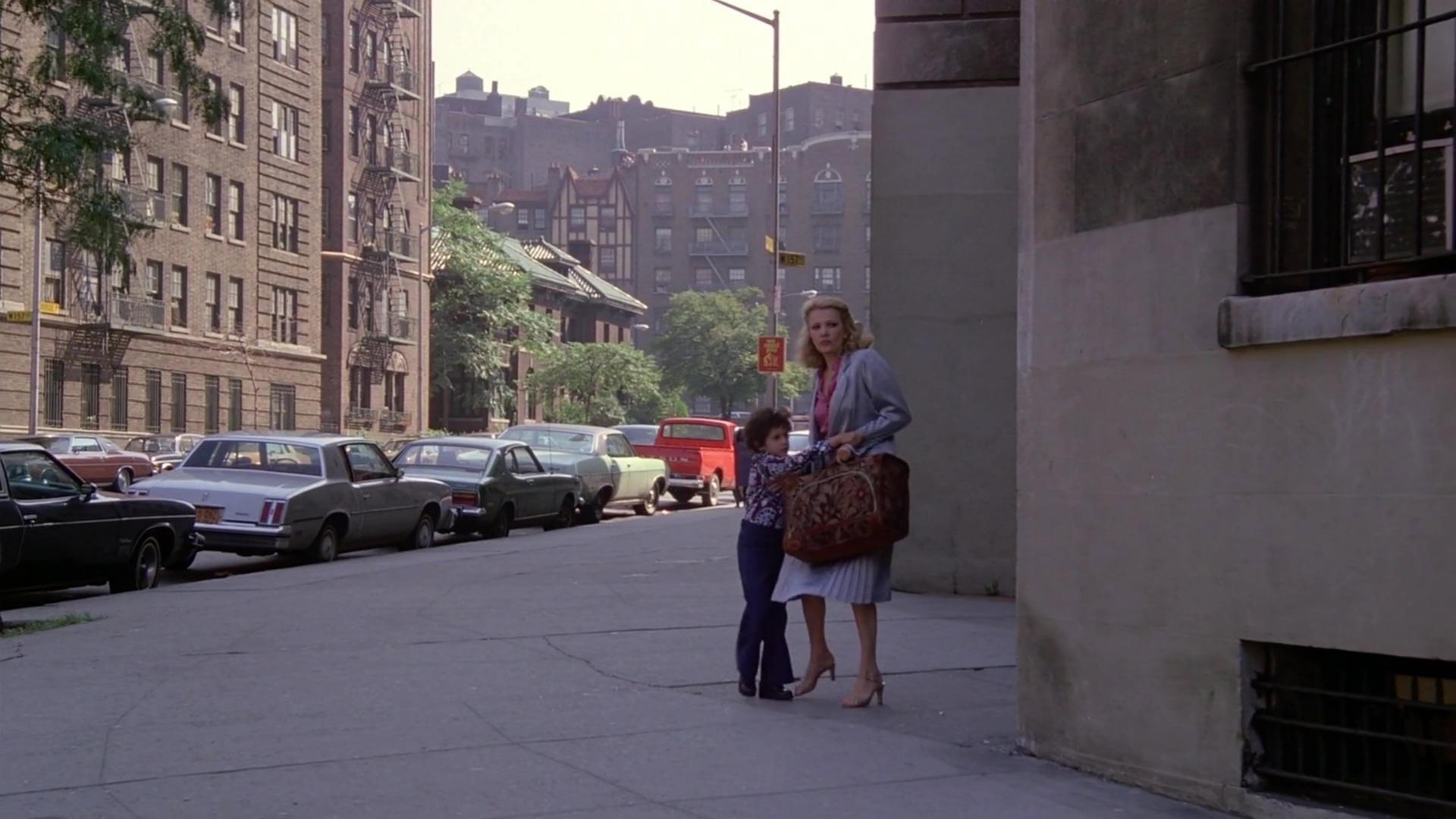
John Adames gives Phil the inconvenient reactions of a child, including tantrums that a tidier thriller might have edited out. We found those outbursts unexpectedly touching. With the Mafia after him, Phil still has the energy to be difficult, and that keeps him from becoming merely someone for an adult to rescue. The affection between the pair is persuasive because they do not make being together look easy. John Cassavetes allows their quarrelling to take up space in a story that could have been all pursuit.
Fred Schuler’s New York photography gives the chase a welcome sense of bustle. The opening montage encourages us to look at the city, rather than simply wait for something dangerous to happen in it. George C. Villaseñor’s editing gives that introduction an ease the later pursuit cannot always sustain. Bill Conti’s score supplies some grandeur, which works because Gena Rowlands remains so briskly practical within it. The pleasure in the sights and music helps stop the danger from making the film monotonously grim.
The chase is less satisfying. John Cassavetes the writer leans on gangsters whose function is clearer than their character, so the danger can feel arranged to give Gloria another chance to take charge. The supporting performances do little to make that threat more particular, and the shifts between crime-film exaggeration and intimate quarrelling are not always comfortable. George C. Villaseñor cannot make the pursuit feel as varied as the exchanges between the leads. At 122 minutes, the film spends longer on that weaker material than we would choose.
For a crime thriller, this puts unusual faith in the audience’s willingness to stay with an awkward pair. We do not need Gloria to become agreeable, and John Cassavetes is right not to insist on it. Anyone chiefly interested in the mechanics of escape may find the plotting a trial. Watch it for Gena Rowlands, with some patience for the gangsters.