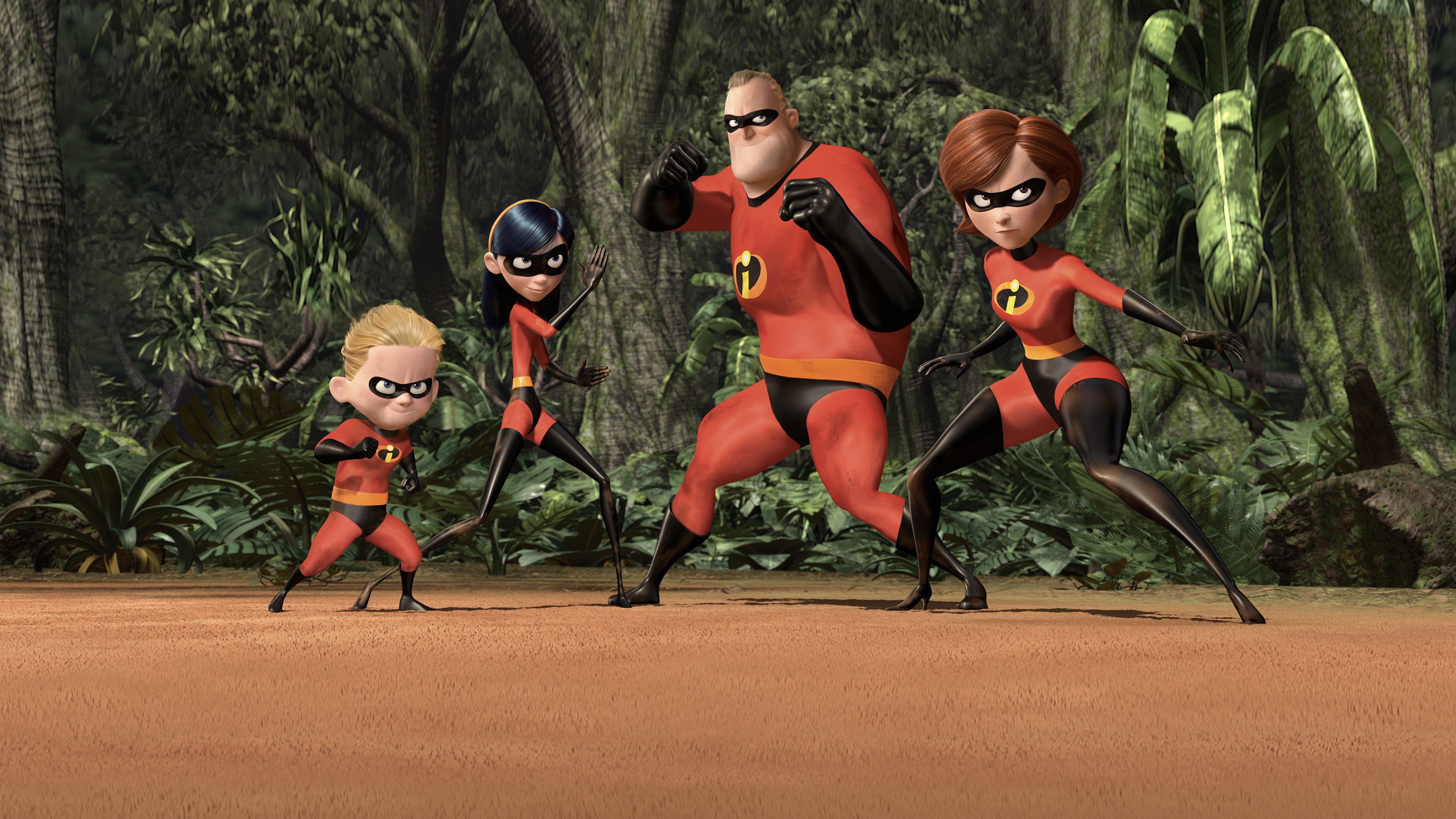
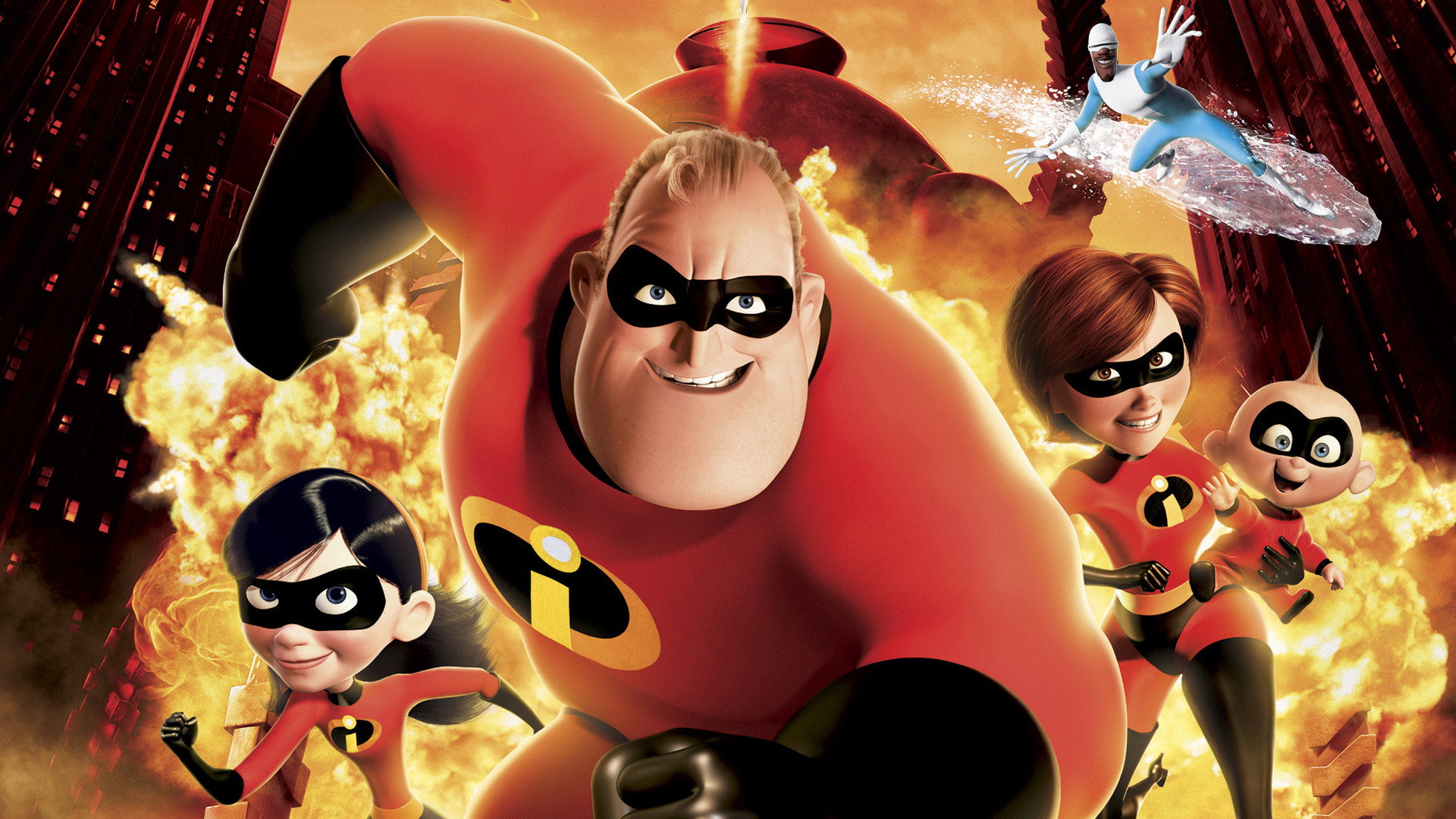
Brad Bird gives his superhero family recognisable grievances and jokes worth hearing twice. The Incredibles is an assured, involving adventure, with a slightly stretched running time and some awkward ideas about who deserves to stand out.
The Incredibles understands how quickly a family can turn a personal frustration into everybody else’s problem. Brad Bird, who writes and directs, gives that familiar trouble to superheroes living incognito, then allows both the domestic comedy and the adventure to matter. We recommend it readily: these characters could sustain a comedy even without their powers. The film’s occasional impatience with ordinary people is worth questioning, but the Parrs themselves remain recognisable even when the writing starts lecturing us about talent.
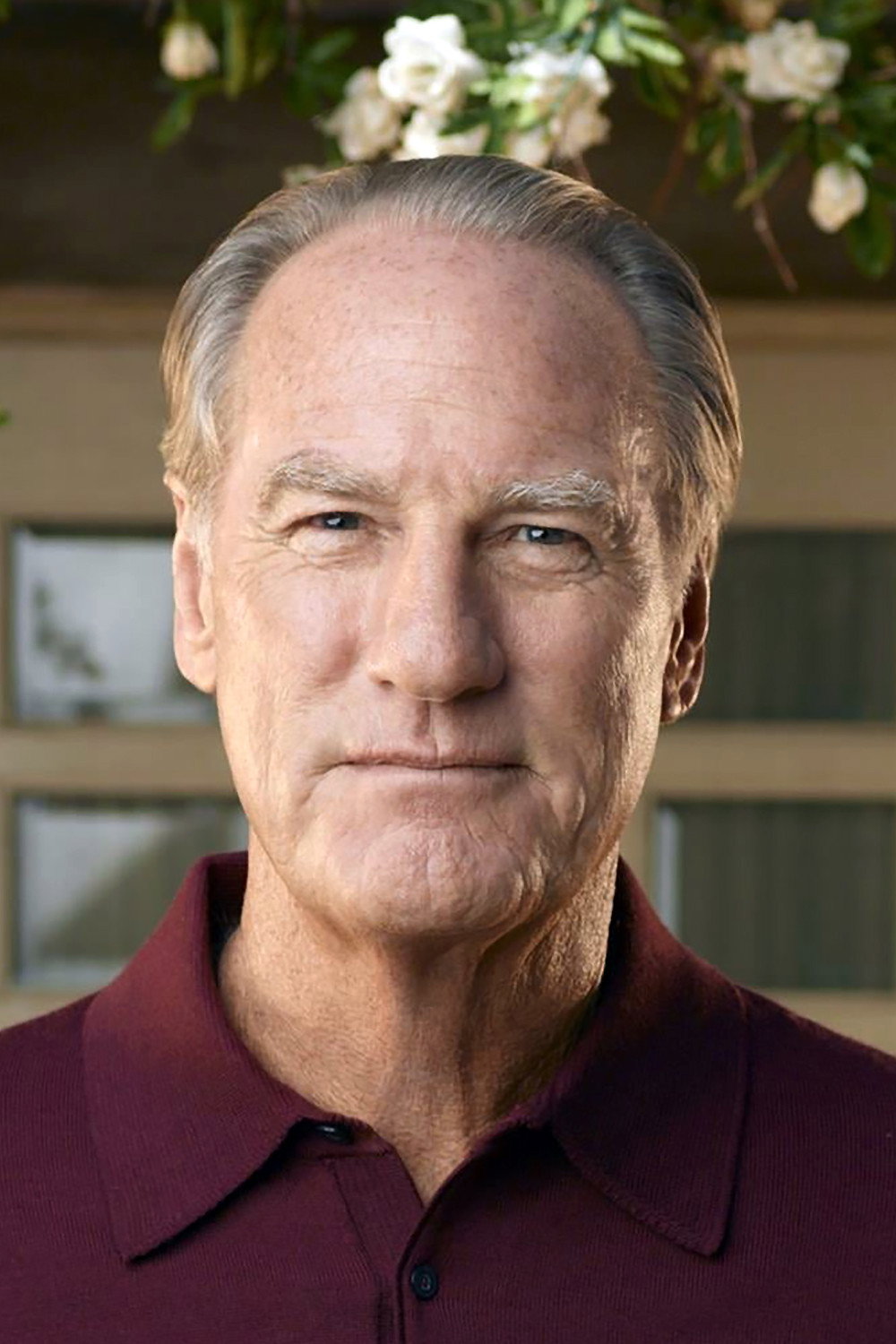
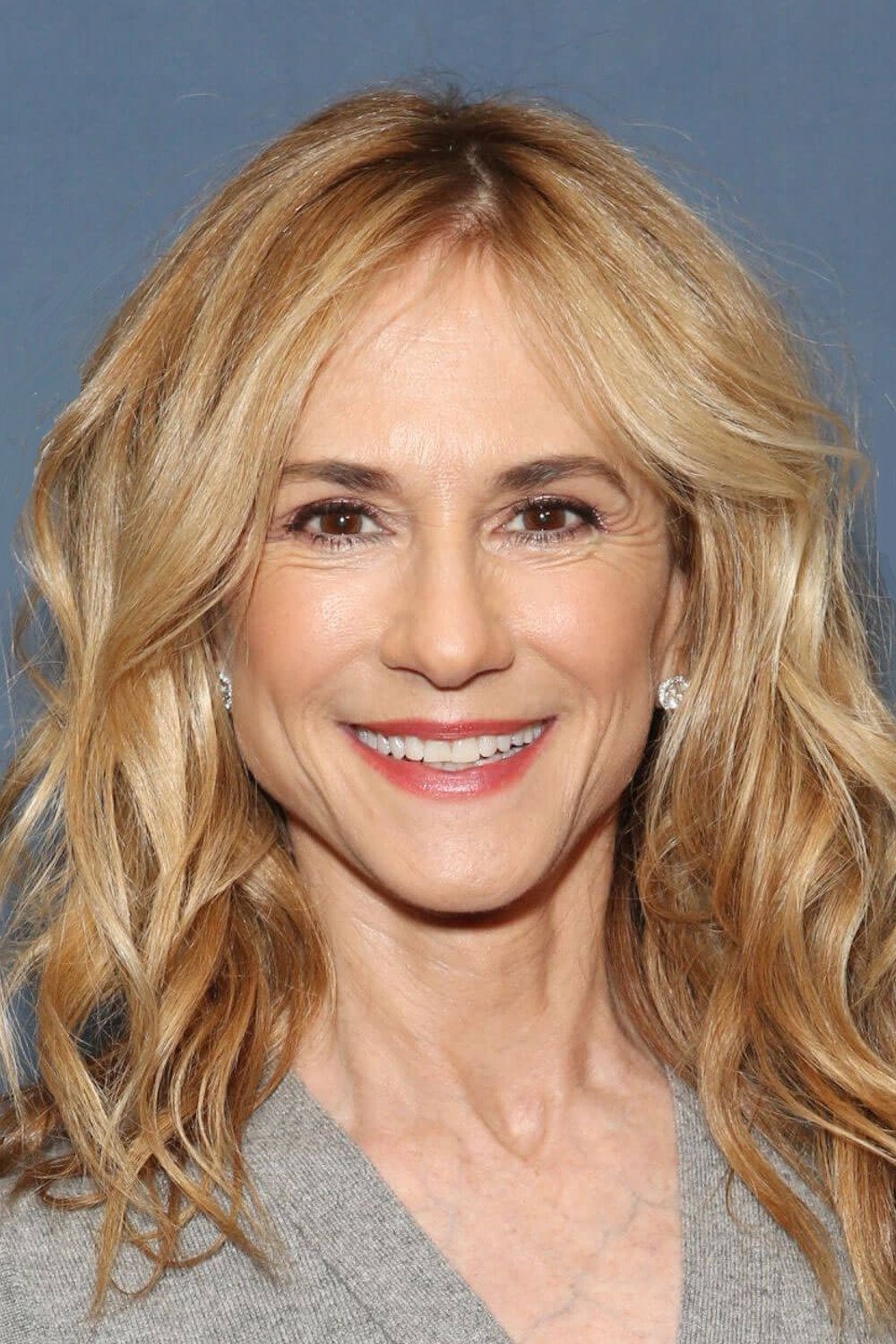
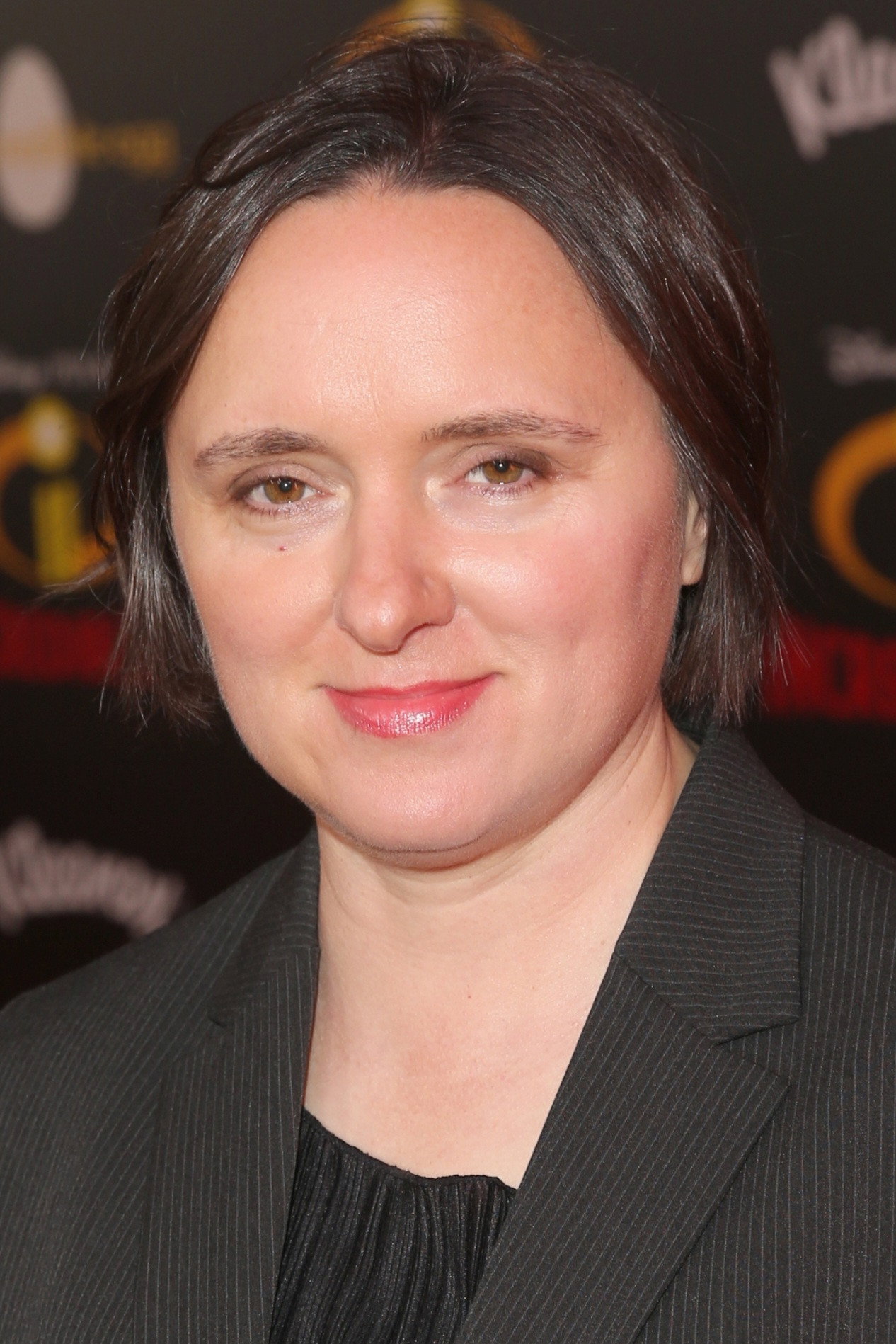
Craig T. Nelson makes Bob Parr’s dissatisfaction funny without asking us to find it attractive. Holly Hunter gives Helen enough impatience of her own to keep the marriage from becoming a prolonged opportunity for her husband to complain. Sarah Vowell’s Violet and Spencer Fox’s Dash belong in the same family because their frustrations count, rather than serving only to inconvenience the adults. Bird’s writing is particularly good at letting an unreasonable response feel understandable; these people do not suddenly become sensible because a lesson would be useful.
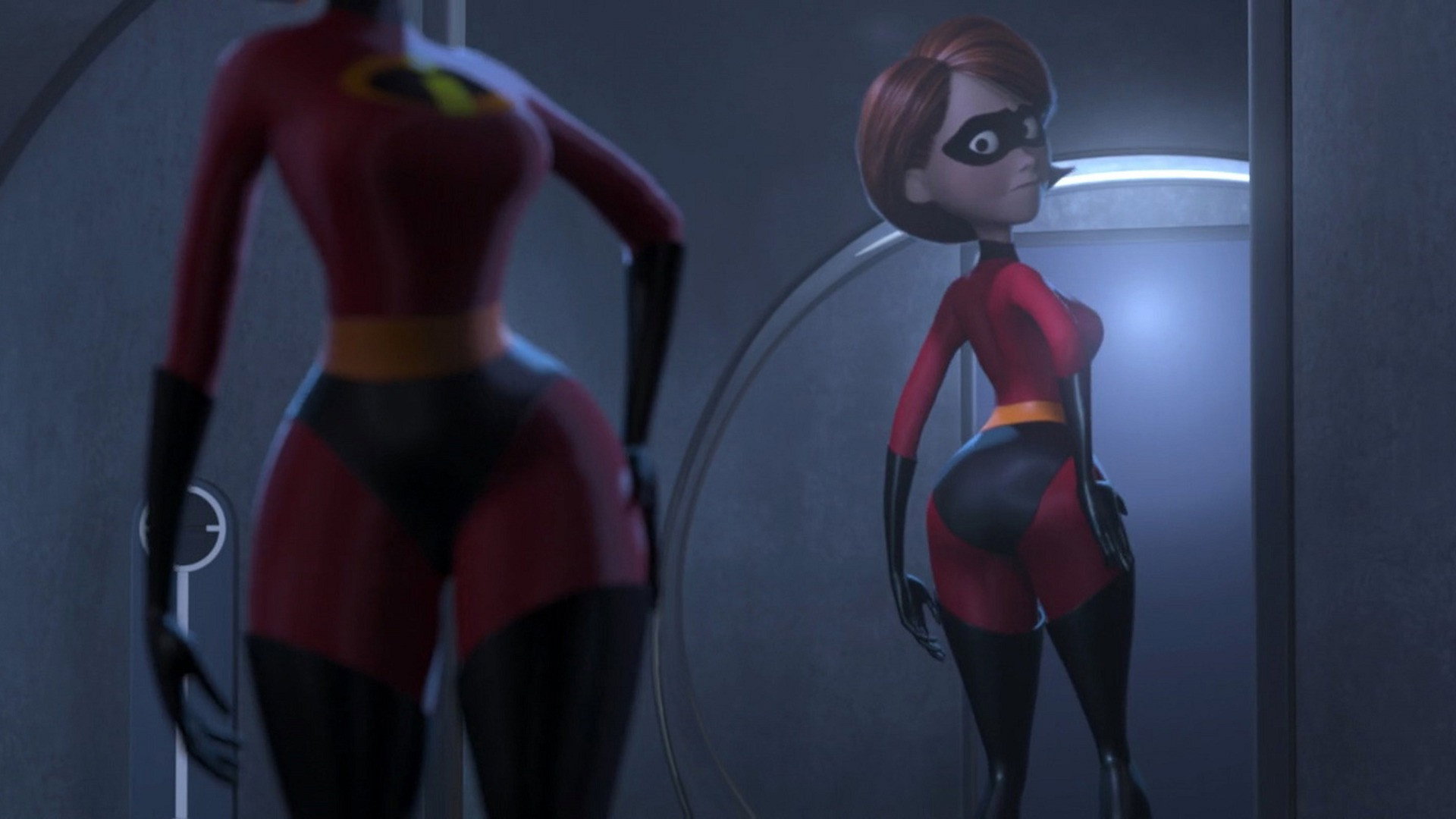
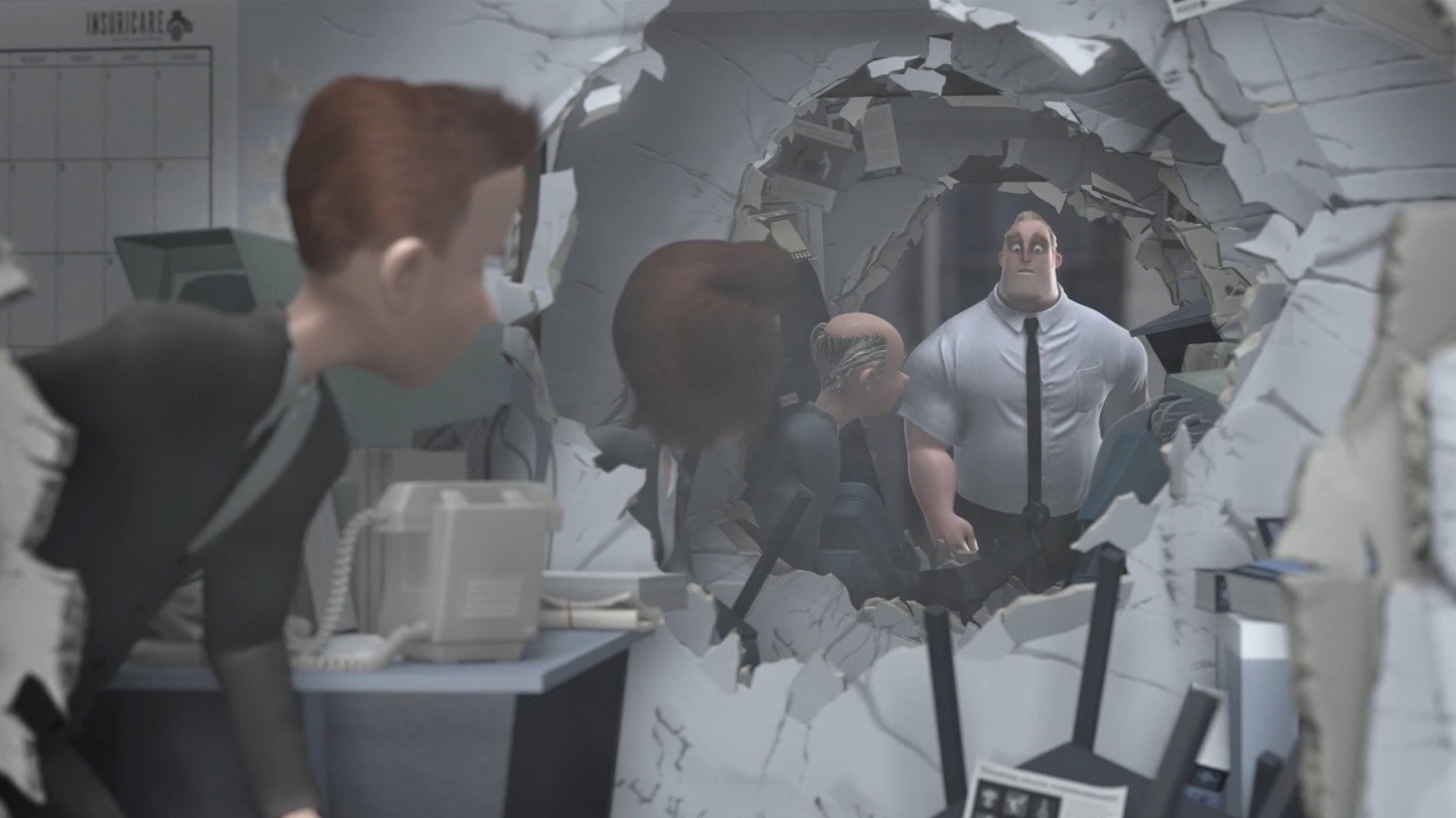
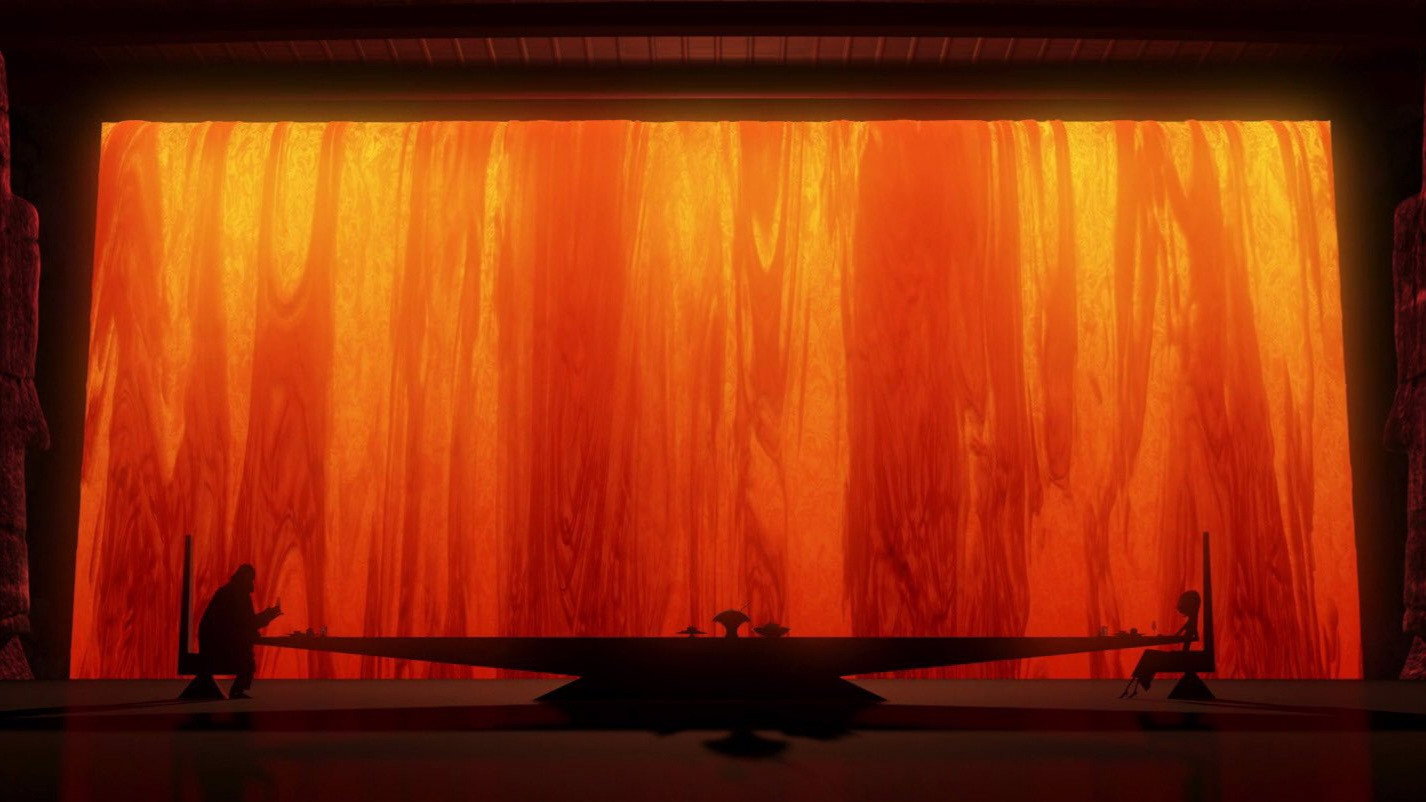
Janet Lucroy, Andrew Jimenez and Patrick Lin share the cinematography credit, and their work keeps exaggerated bodies readable in conversation as well as in action. We can enjoy the expressive faces without losing track of what is happening around them. Lou Romano’s production design gives the suburban scenes enough solidity that the science-fiction spy fantasy feels like a considerable disruption to an existing life. The settings are enjoyable to look at, but they do not keep asking us to stop and admire them.
Stephen Schaffer’s editing gives the family exchanges room for irritation to develop, then makes the action easy to follow without draining its speed. That clarity matters in an animated adventure, where movement can become busy long before it becomes exciting. Michael Giacchino’s music gives the action a playful confidence, helping the film keep its sense of fun when the family tensions become sharper. The jokes do not require the danger to become a joke as well.
We laughed at the question about where a super suit has gone. There is something familiar about a man treating his inability to find his own clothes as an emergency for somebody else. Bird also voices Edna Mode, whose comic authority makes a useful interruption to all the family grievances. The gag about villains talking too much is another pleasure. These jokes grow from superhero behaviour, delivered without the weary suggestion that liking this sort of thing is embarrassing.
At 115 minutes, the film does stretch a little, and some of the plot is easier to anticipate than the family responses. There is also a clumsiness in its insistence that exceptional ability must not be suppressed. We agree that talent deserves room, but Bird can make ordinary achievement sound like something people ought to apologise for. The affection shown to the family does more to persuade us than the complaints about mediocrity. The writing is more convincing when it stays with a particular grievance.
Within the superhero genre, its distinction is how much of the enjoyment survives when nobody is doing anything heroic. Domestic scenes are often where an adventure waits for permission to start again; here we are happy to remain with the people arguing. The action earns its place because we already care about those people, and the comedy does not make them disposable. Give it the whole family’s attention, with room afterwards for an argument about who was being unreasonable.