Film review

The Iron Giant

1999 · Directed by Brad Bird · 1h 26m · MPA PG

In a sentenceA small boy takes responsibility for an enormous robot while the grown-ups consider being frightened professionally

AnimationDramaFamilyScience Fiction

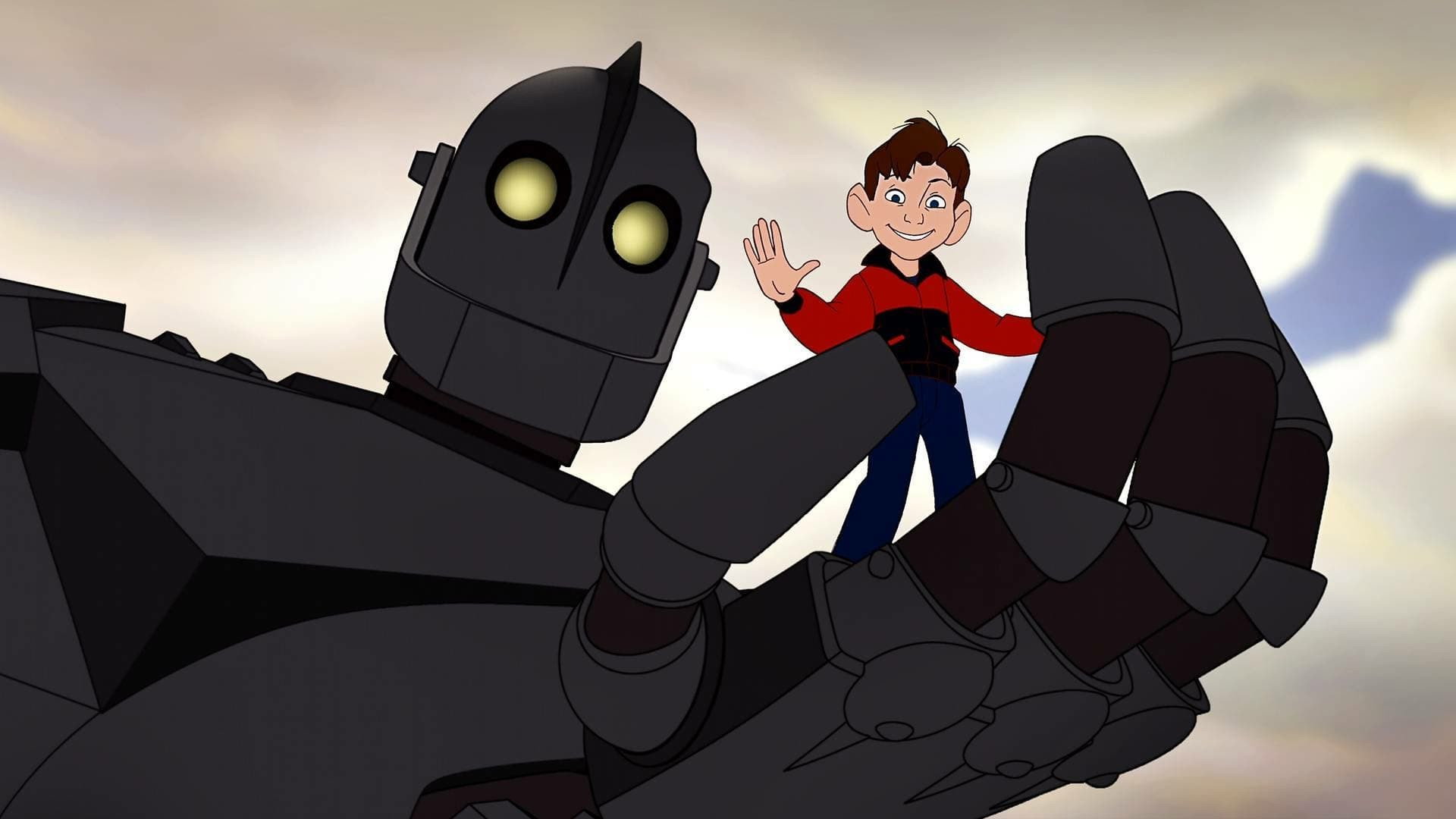
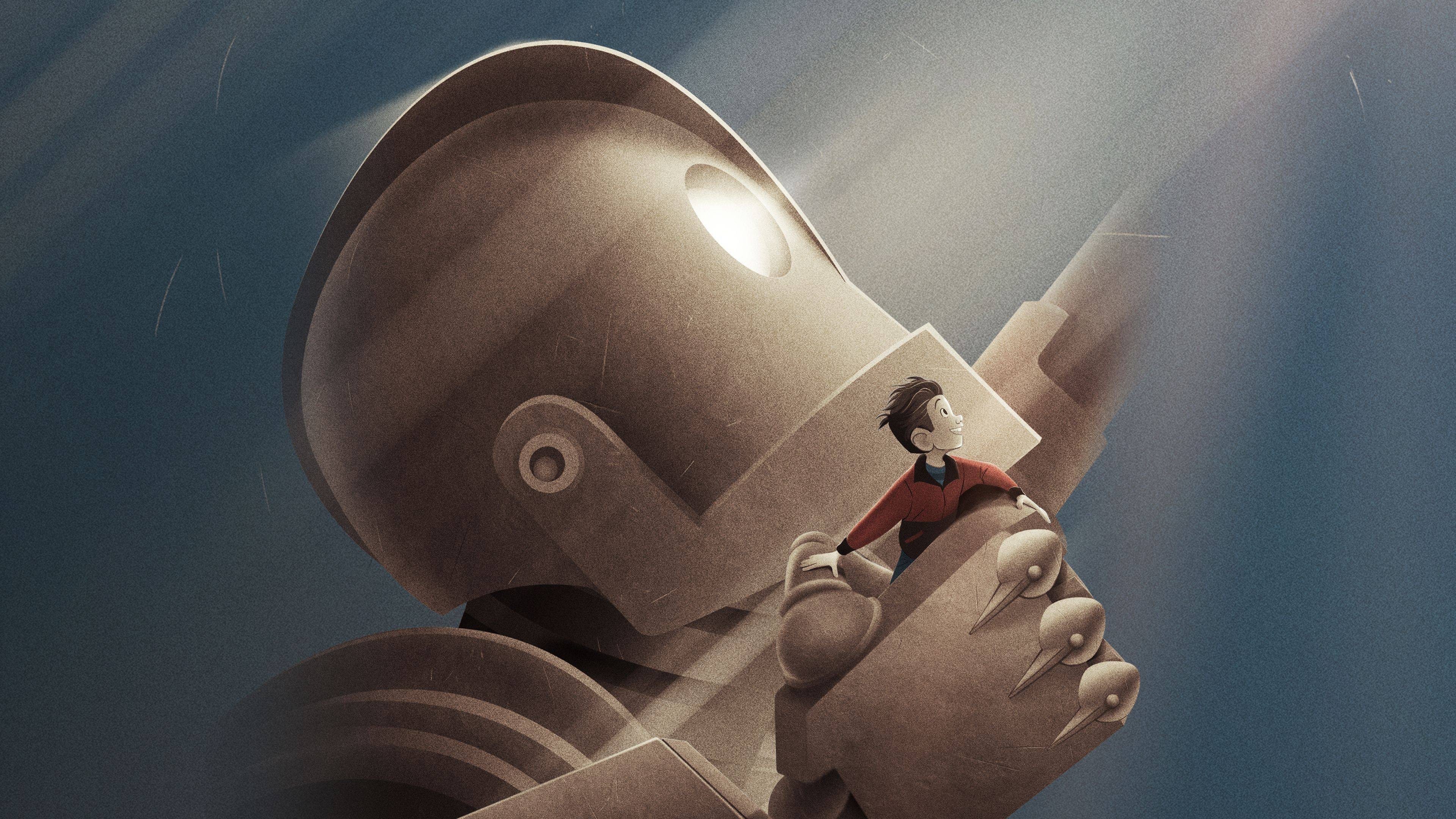
Hogarth Hughes (Eli Marienthal) is a boy in 1950s America who befriends a huge robot from space (Vin Diesel). The visitor is curious and childlike, leaving Hogarth to explain how people behave and help him understand the world he has entered. Their friendship develops amid Cold War suspicion, with unfamiliar things liable to be treated as threats. As the giant learns from the boy, the possibility of violence weighs on their encounters with the human world. Jennifer Aniston voices Annie Hughes, with Harry Connick Jr. as Dean McCoppin and Christopher McDonald as Kent Mansley.

Plays from YouTube when you press play; nothing loads from them until then.

Fi1m review

Brad Bird makes a funny, deeply moving animated film about friendship and the choice not to hurt people. The moral divisions are sometimes too tidy, but we believe in the boy and his giant throughout.

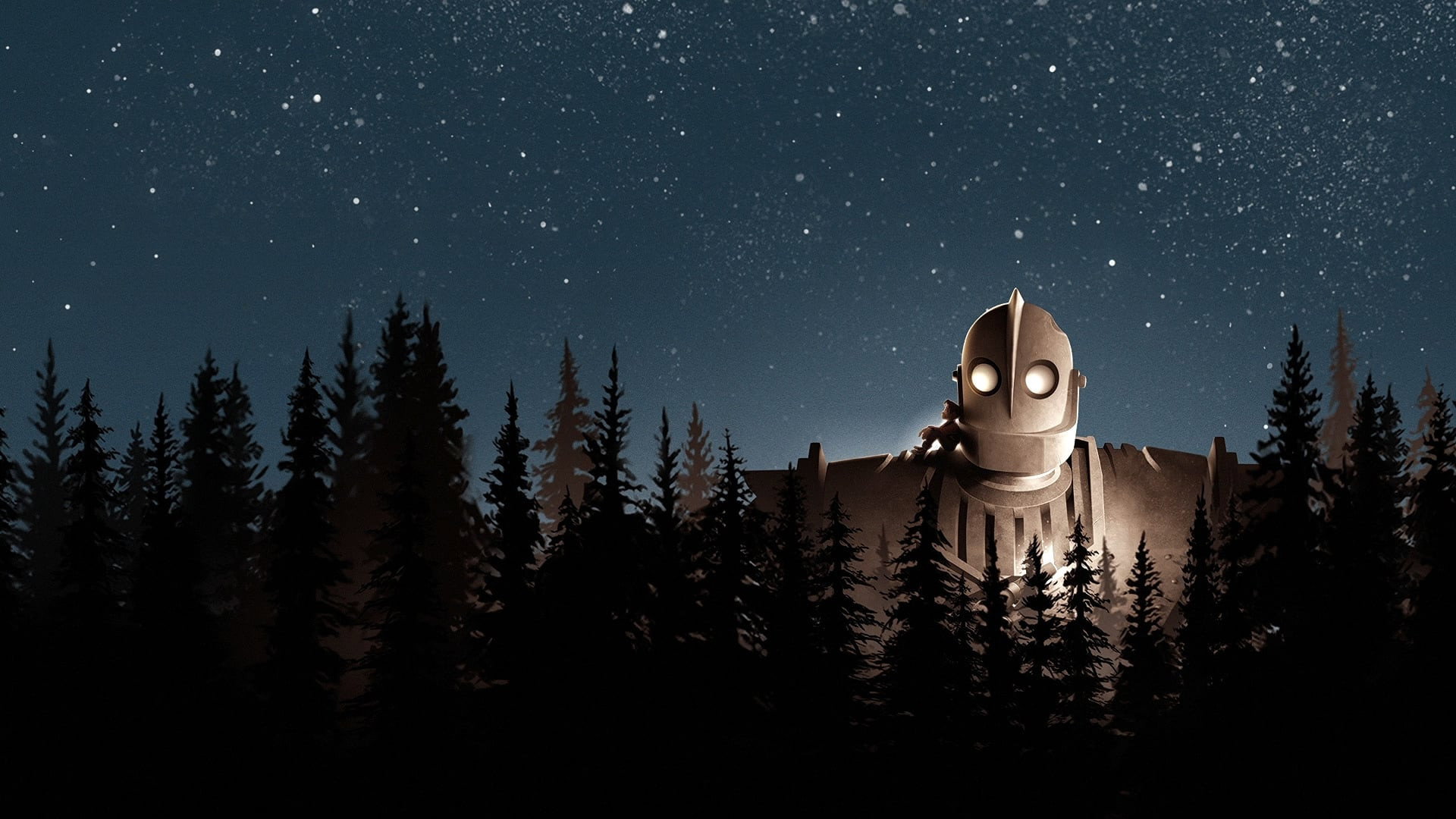
The Iron Giant trusts children with a question that plenty of adults would rather leave alone: what makes violence acceptable? Brad Bird builds his answer around a boy and a robot from space, and makes their friendship funny and moving enough to carry a lesson about refusing to hurt people. We recommend it warmly, including to households with no children to account for the choice. The friendship unfolds in an America shaped by Cold War suspicion.

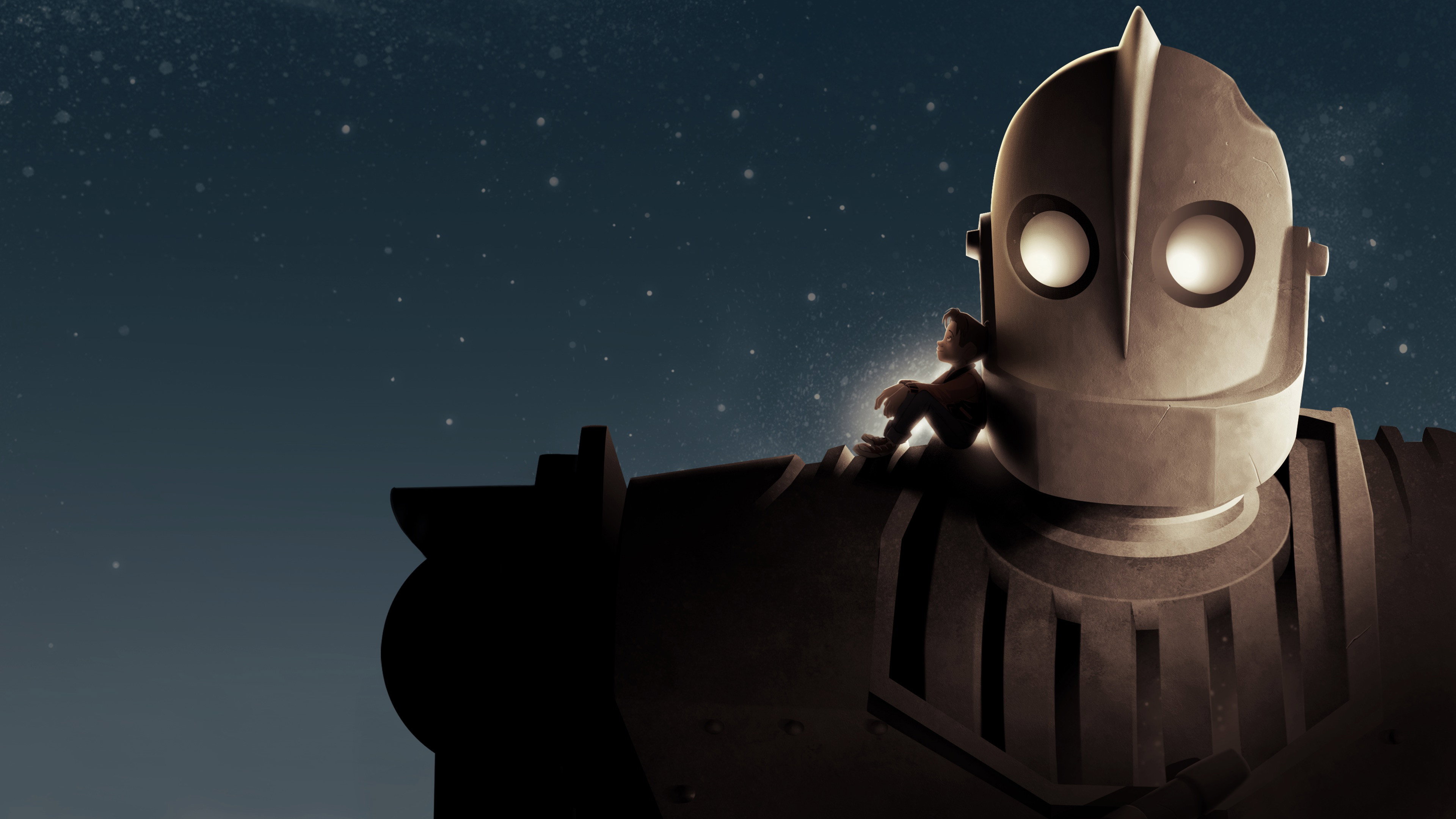
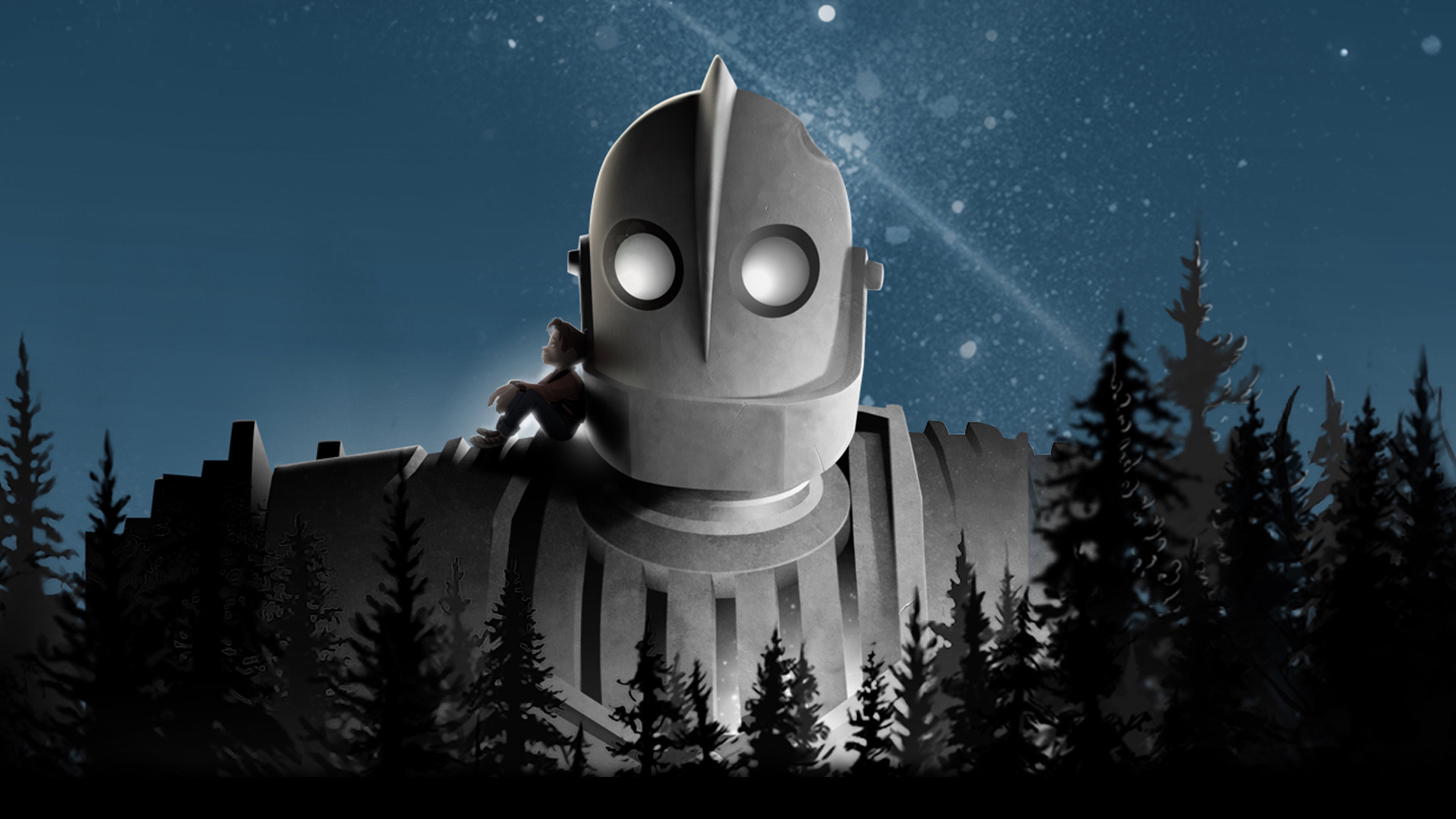
Hogarth Hughes, voiced by Eli Marienthal, has the smaller body and the greater responsibility in this friendship. Vin Diesel gives the giant a childlike quality that lets us believe he needs the boy, despite his size. We were moved by Hogarth taking on the patient work of teaching this enormous creature how to behave. The humour comes from a boy having to be the grown-up, and the tenderness comes from the giant’s willingness to learn. Bird allows that dependence to matter without treating the creature as a pet.

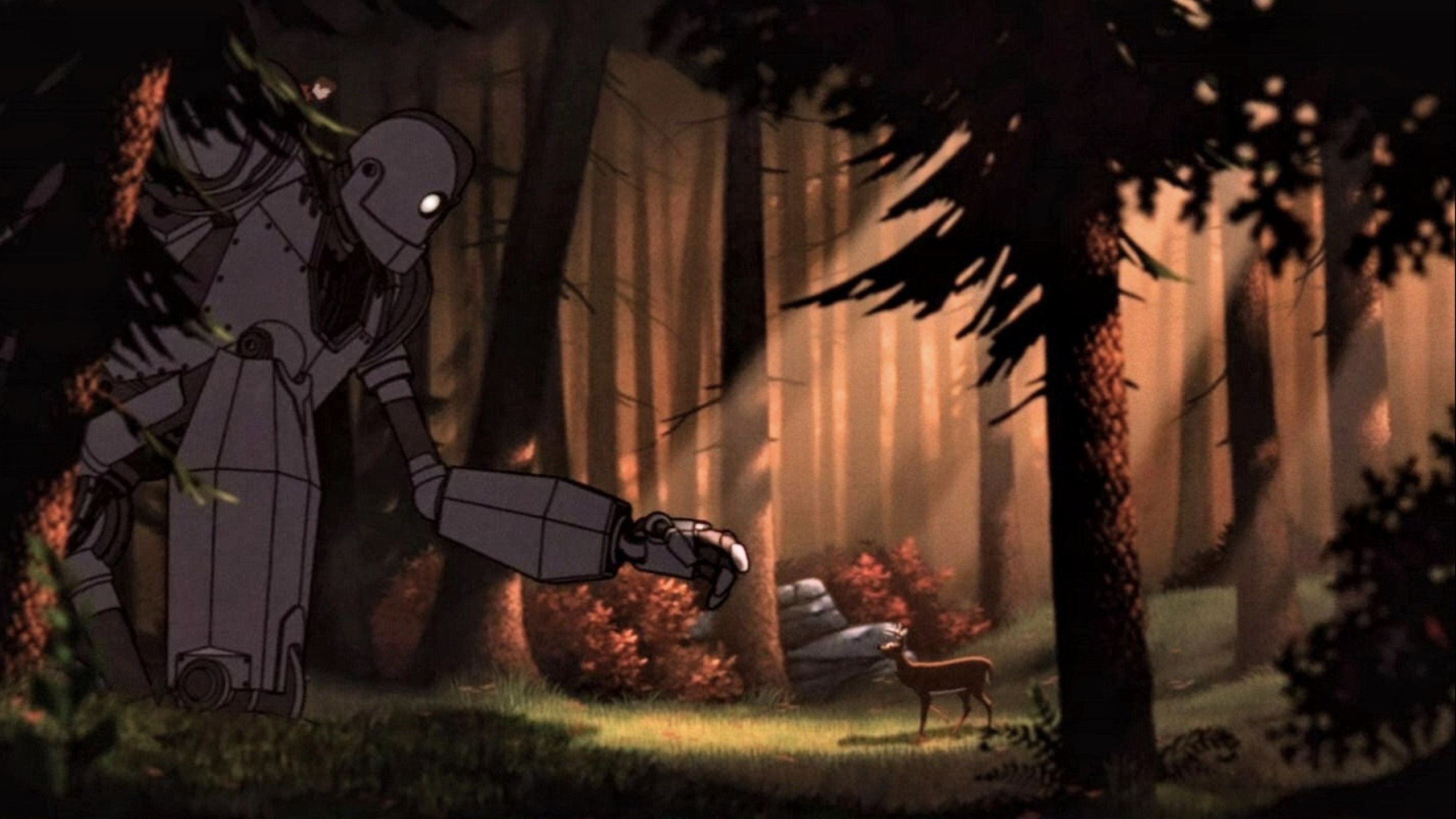
The animation takes much of its appeal from the clear shapes and direct storytelling of 1950s comic-book art. Steven Wilzbach’s cinematography and Mark Whiting’s production design make that America inviting, which makes its fear of the giant more unsettling. Drawn animation and computer effects for the giant sit comfortably together, with no distracting difference between the creature and his human companions. The pictures keep the difference in scale legible without making the smaller figures seem unimportant.

Darren T. Holmes’s editing keeps the action brisk without cutting short the pleasure of watching the boy and giant together. At 86 minutes, the film makes room for affection, comedy and danger without seeming anxious to get the quieter business over with. Michael Kamen’s spare score helps by letting us respond without continually insisting on a particular feeling. There are no musical numbers, and the friendship never seems to need one.

Tim McCanlies’s screenplay is less persuasive when it sorts the human world into attitudes towards the giant. The divisions between curiosity and fear can feel too tidy, and a little more uncertainty would have made the adults more interesting. Christopher McDonald’s Kent Mansley fits that broad approach; the performance supplies comic energy, though we would have welcomed more of a person underneath it. This is a modest reservation, but it matters in a film asking us to judge people by their choices.

Within family science fiction, Bird’s film stands out for taking non-violence seriously enough to make it difficult. The giant’s innocence does not make everyone around him innocent, and the film recognises how quickly being frightened can become permission to be cruel. It also avoids the reassuring idea that adults necessarily know what they are doing. Children are allowed to question authority here, and the jokes help that questioning feel like something a child might actually do.

We would choose this for a family evening, with some care for children who find the threat of violence upsetting. The U certificate is worth knowing, but it should not be mistaken for a promise that nobody will worry. Bird gives the friendship enough weight for danger to feel personal. Allow time afterwards for questions about the adults.

Critical consensus AI synthesised

85
Positive
9
Mixed
0
Negative
0

The consensus is strongly positive, with praise centred on the friendship between the boy and the giant, the animation’s 1950s influences and the film’s handling of non-violence. Most critics find the robot a persuasive, childlike character whose warmth makes the moral questions accessible to children without simplifying them for adults. The reviews repeatedly admire the balance of humour and feeling. Several also welcome the departure from familiar studio animation formulas, particularly the absence of musical numbers.

There is little substantive dissent in the supplied reviews, and no recurring complaint about pacing, sentiment or storytelling. The differences concern enthusiasm and emphasis rather than clear objections. The New York Times is more restrained, praising the film’s polish and examination of Cold War conformity rather than stressing its emotional force. Elsewhere, critics give greater weight to the giant’s capacity to choose, the anti-authoritarian humour and the relationship’s tenderness.

RogerEbert.com
6 August 1999 · ★★★★/4 · Roger Ebert
100

The critic praises the film as an enchanting animated feature with an E.T.-like story of a boy befriending a towering robot from space, delivering a Cold War parable about choice and identity without cute animals or musical numbers. He highlights its compelling story, likable giant, and sophisticated animation style reminiscent of Miyazaki.

Read the full review →
Slant Magazine
20 December 2010 · Joseph Jon Lanthier
90*

The critic lauds the film’s subtlety and emotional intelligence in delivering lessons on ethics and non-violence through an Americana fairy tale set in a gently appropriated 1950s. It singles out the script’s loose yet impressive structure, the giant’s struggle for agency, and the triumphant final sacrifice as the inverse of Dr. Strangelove’s cynicism.

Read the full review →
The AV Club
2 April 2009 · Scott Tobias
85*

The review positions The Iron Giant as a singular, personal vision that resists studio animation formulas with its retro style, austere score, and earnest take on Eisenhower-era America. It praises the film’s core as an E.T. in reverse focused on themes of peace, friendship, and an anti-authoritarian streak, with the giant as a childlike innocent whose defensive nature reflects humanity’s violent impulses.

Read the full review →
Total Film
17 December 1999
85*

The Iron Giant is a touching and hilarious film that successfully recreates the story in 1950s America as the tale of a lonely boy's dreams. It highlights the effective animation, well-paced action, laughs, tears and food for thought in a picture aimed at kids.

Read the full review →
Empire
1 January 2000 · Kim Newman
80*

The film is a delightful surprise and refreshing animated feature with a sophisticated 1950s setting and an unfashionable commitment to pacifism. It praises the fully-realised iron giant character and the subversive tone of Brad Bird's direction.

Read the full review →
Radio Times
★★★★ · Alan Jones
80

This is a first-class achievement in cartoon virtuosity that borrows from 1950s comic-book art and science-fiction movies to stunning effect. It delivers political allegory and nostalgia for adults alongside dazzling visuals and excitement for children in a poignant fairy tale.

Read the full review →

Cast

Stills

Awards

BAFTA Film Awards, 2000

Won
BAFTA's Children & Young People Award - Feature Film

Annie Award for Best Animated Feature, 1999

Won
Annie Award for Best Animated Feature

If you liked this, try…

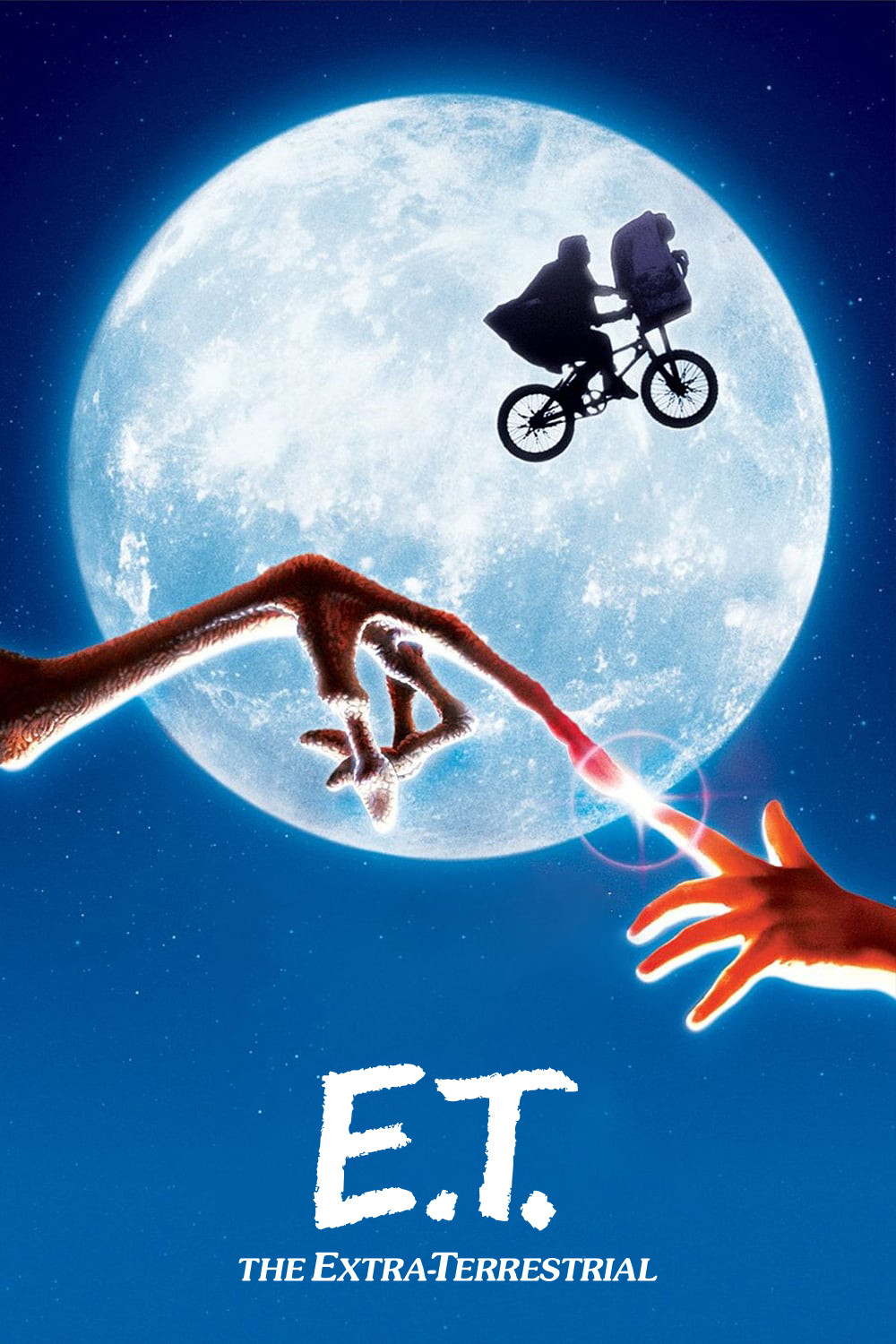
E.T. the Extra-Terrestrial poster91

E.T. the Extra-Terrestrial

1982 · Another child protects a visitor from adults whose caution looks suspiciously like cruelty.

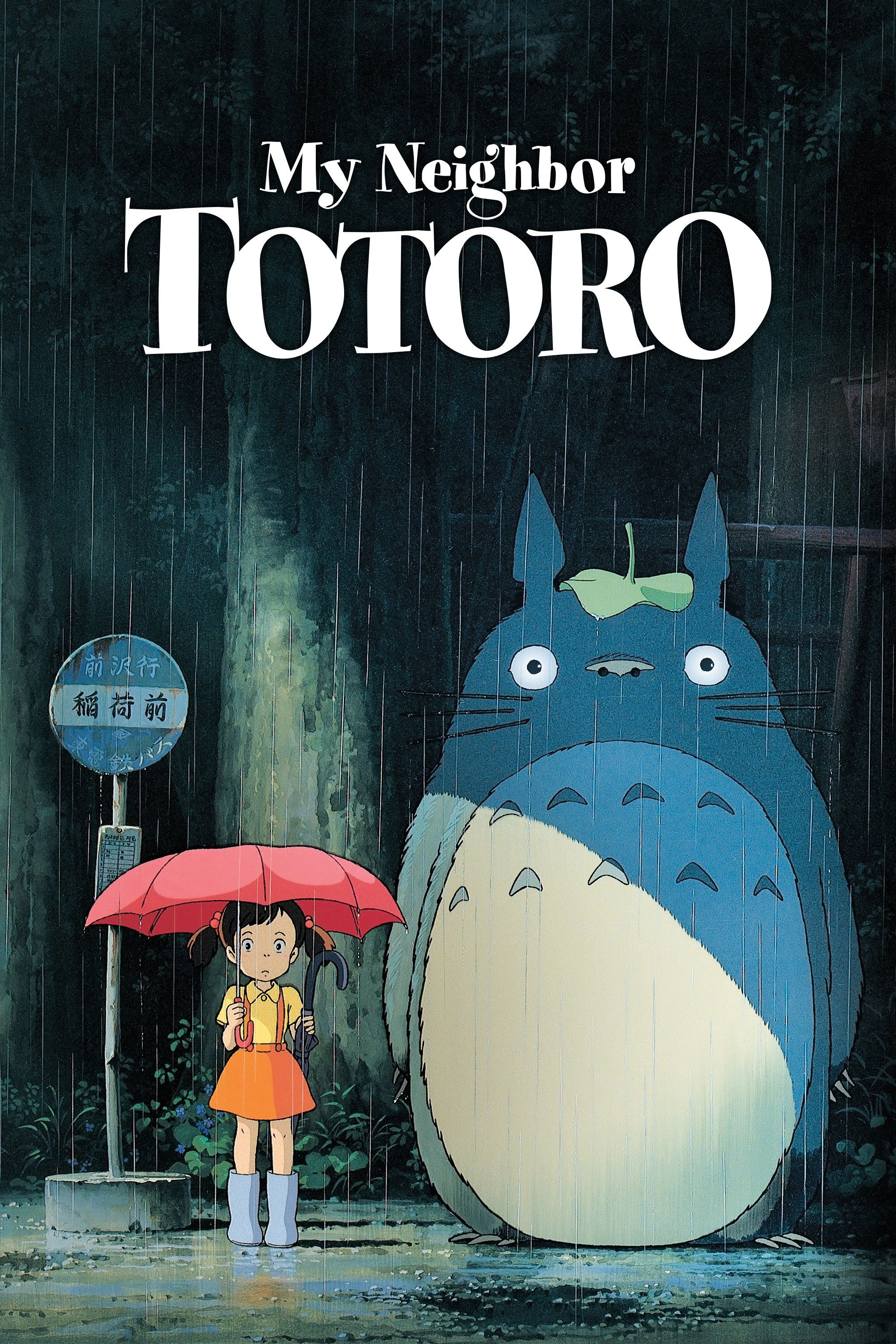
My Neighbour Totoro poster

My Neighbour Totoro

1988 · Children meet a huge, gentle stranger, with more wonder and less military interference.

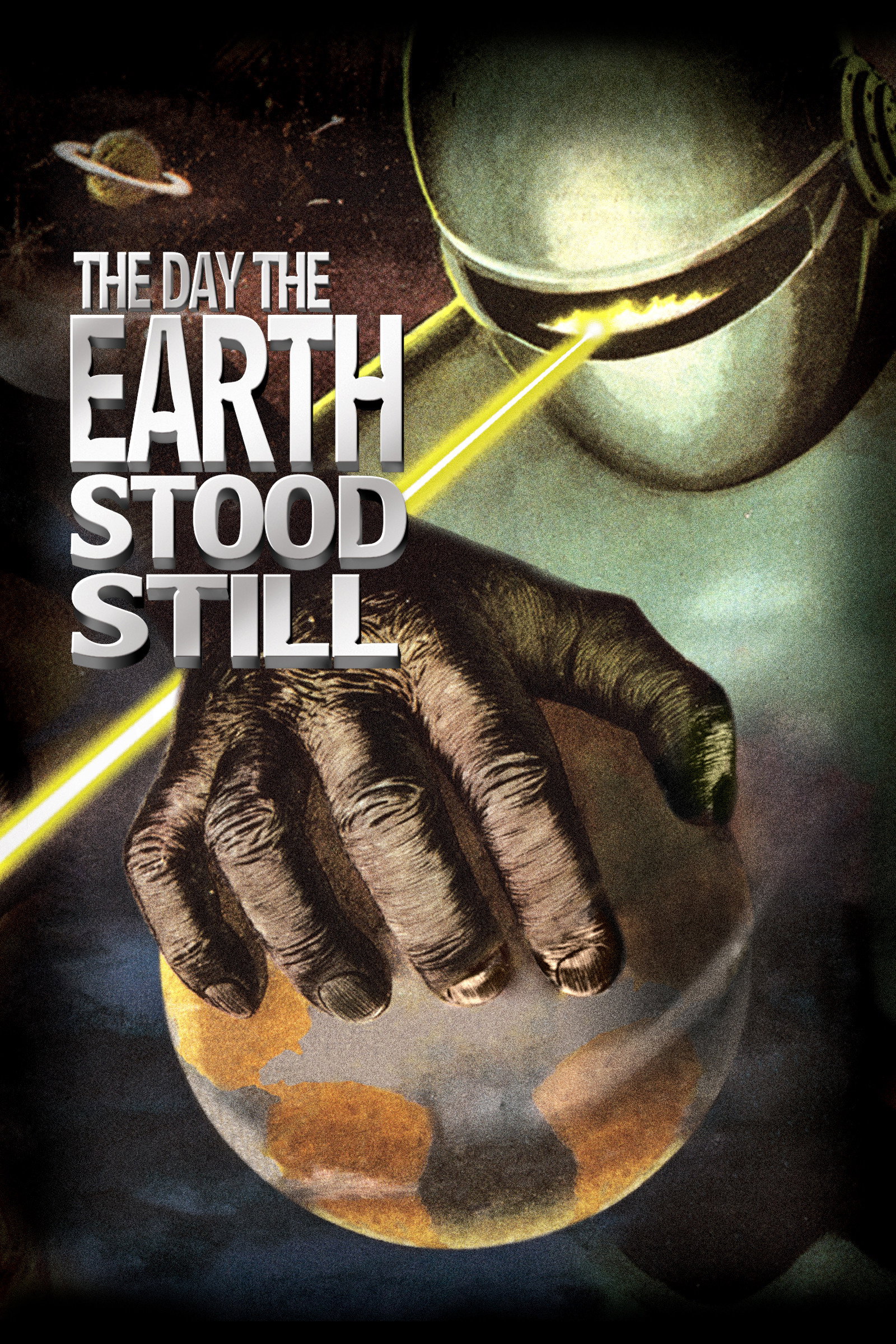
The Day the Earth Stood Still poster

The Day the Earth Stood Still

1951 · A sterner encounter with visitors from space and humanity’s enthusiasm for armed reassurance.

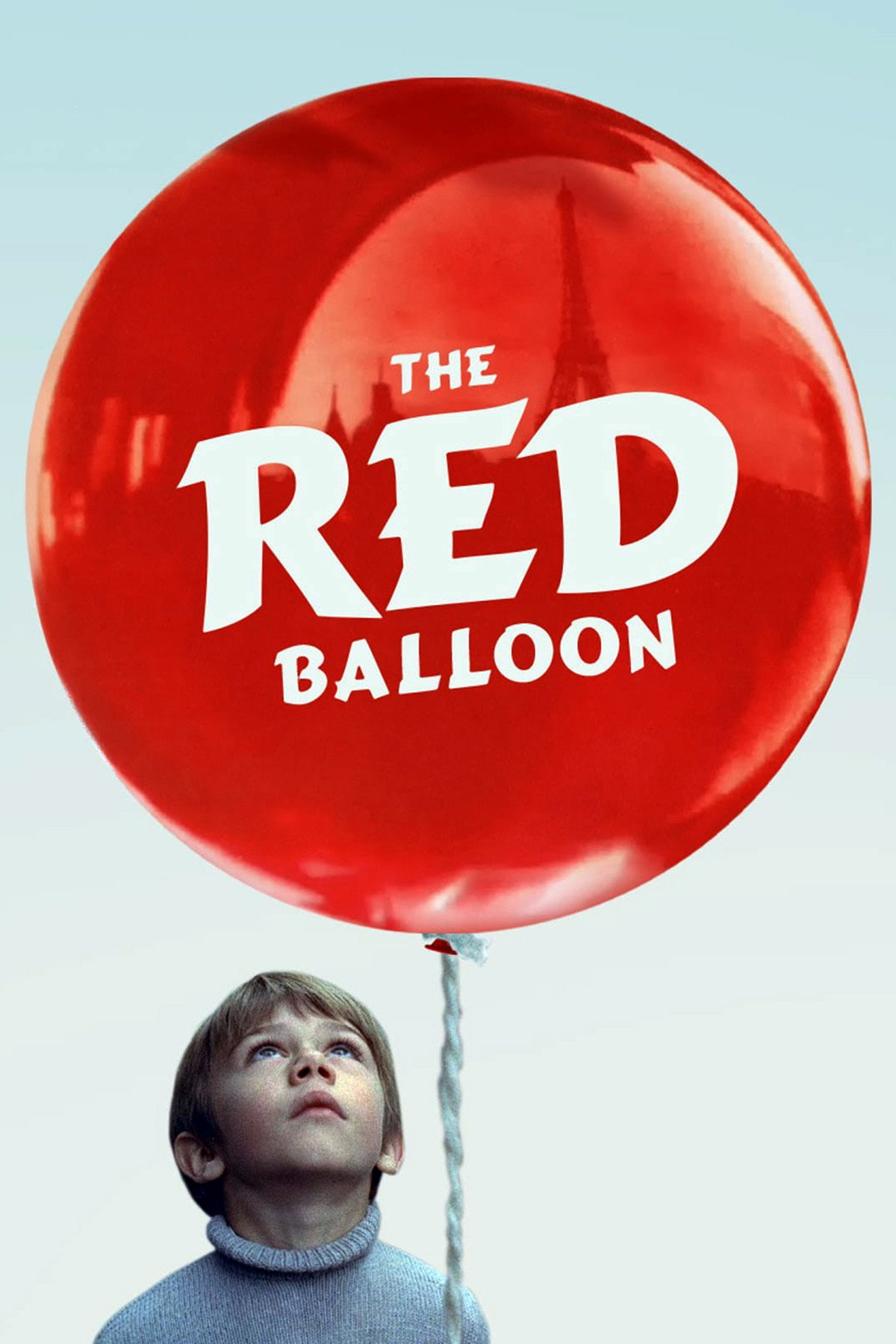
The Red Balloon poster

The Red Balloon

1956 · A child’s unlikely friendship told through movement, colour and the dangers of a city.

Wolfwalkers poster

Wolfwalkers

2020 · Hand-drawn animation gives a young friendship room to challenge frightened, destructive adult authority.