Film review

Seven Samurai

1954 · Directed by Akira Kurosawa · 3h 27m · PG

In a sentenceSeven men work for nothing and make most action heroes look overpaid

ActionDrama

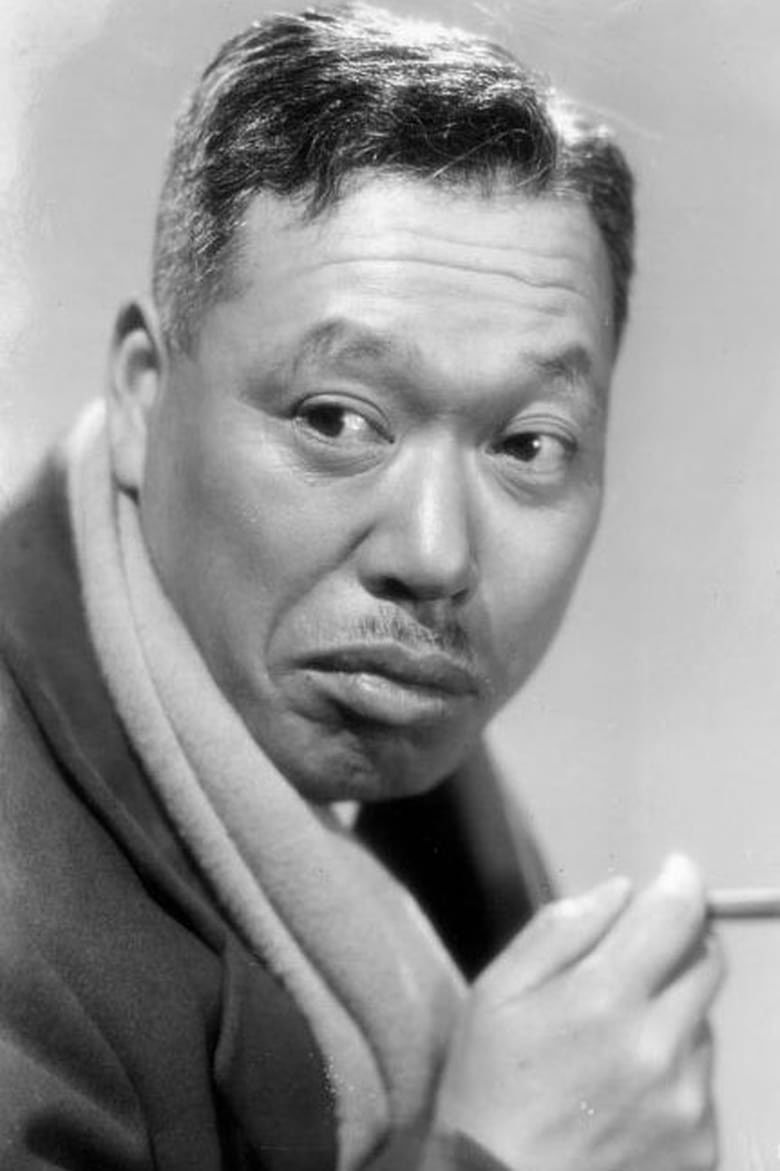
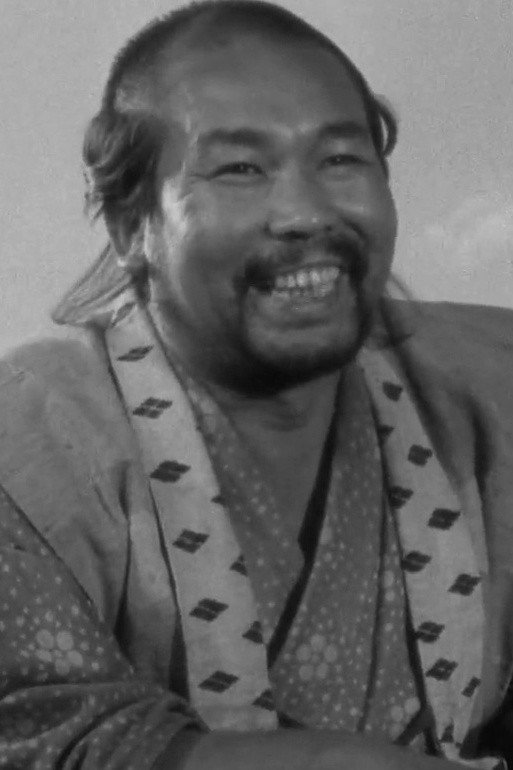
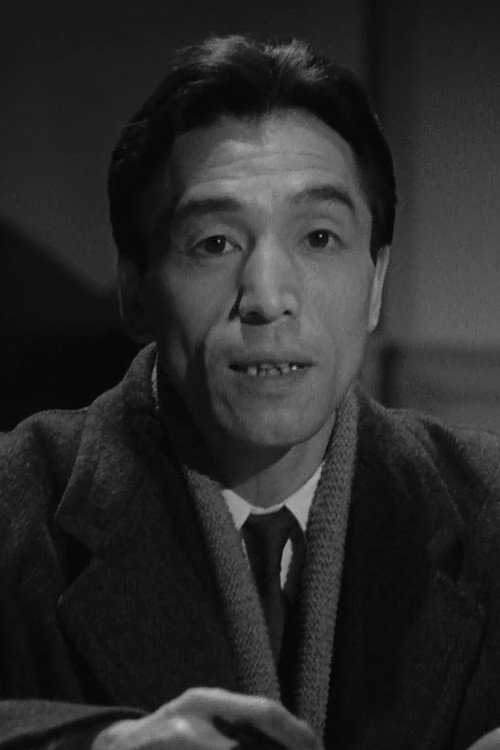
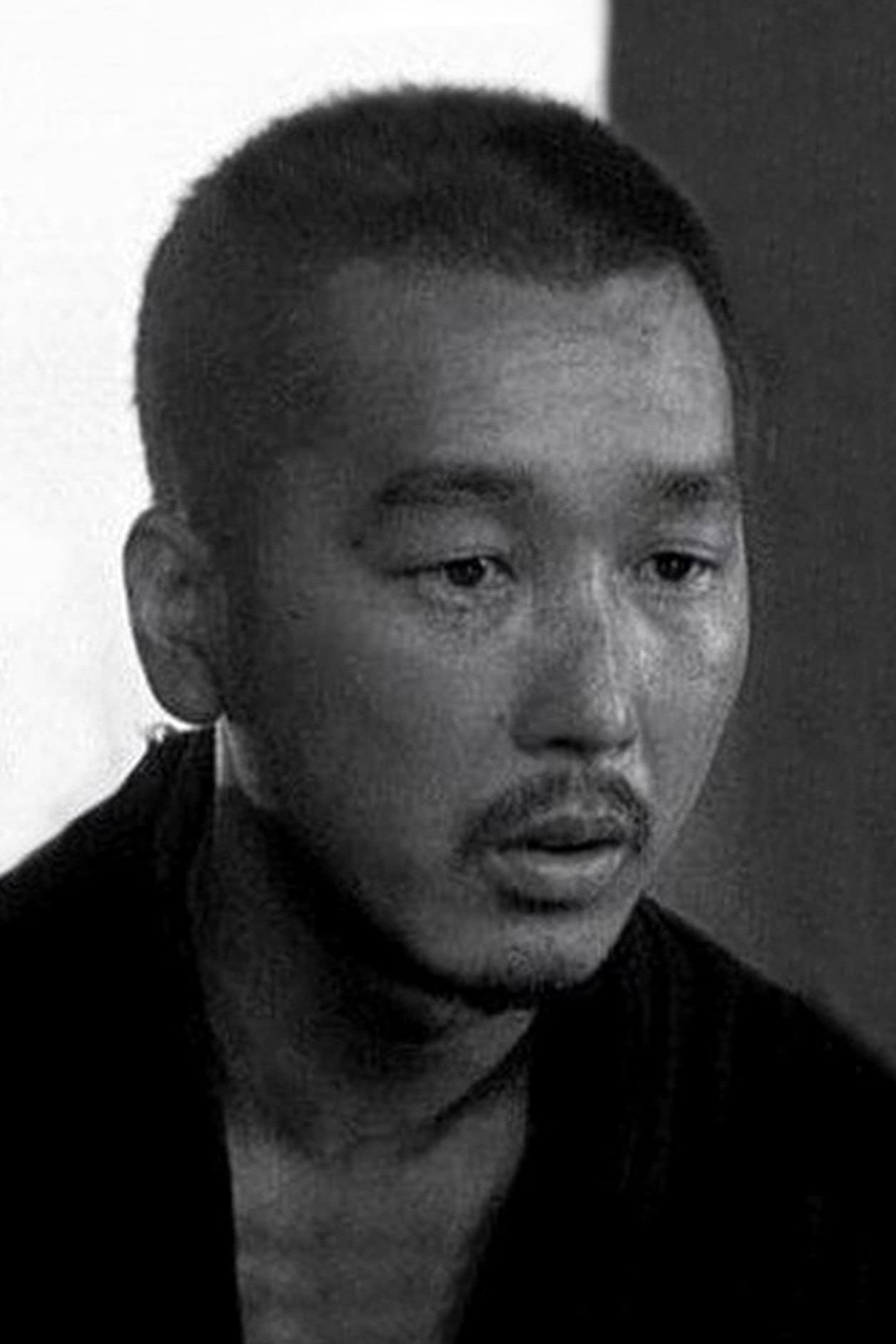
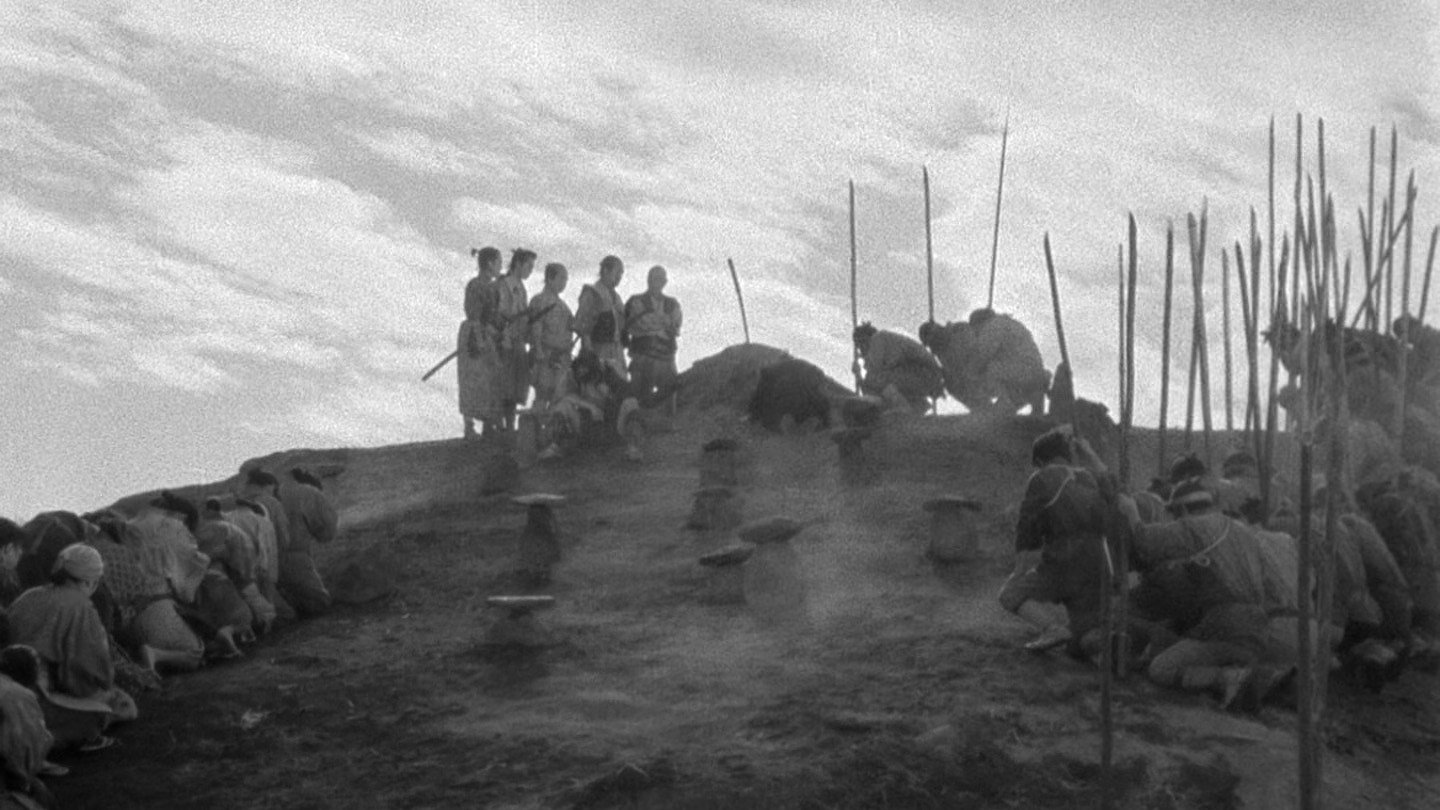
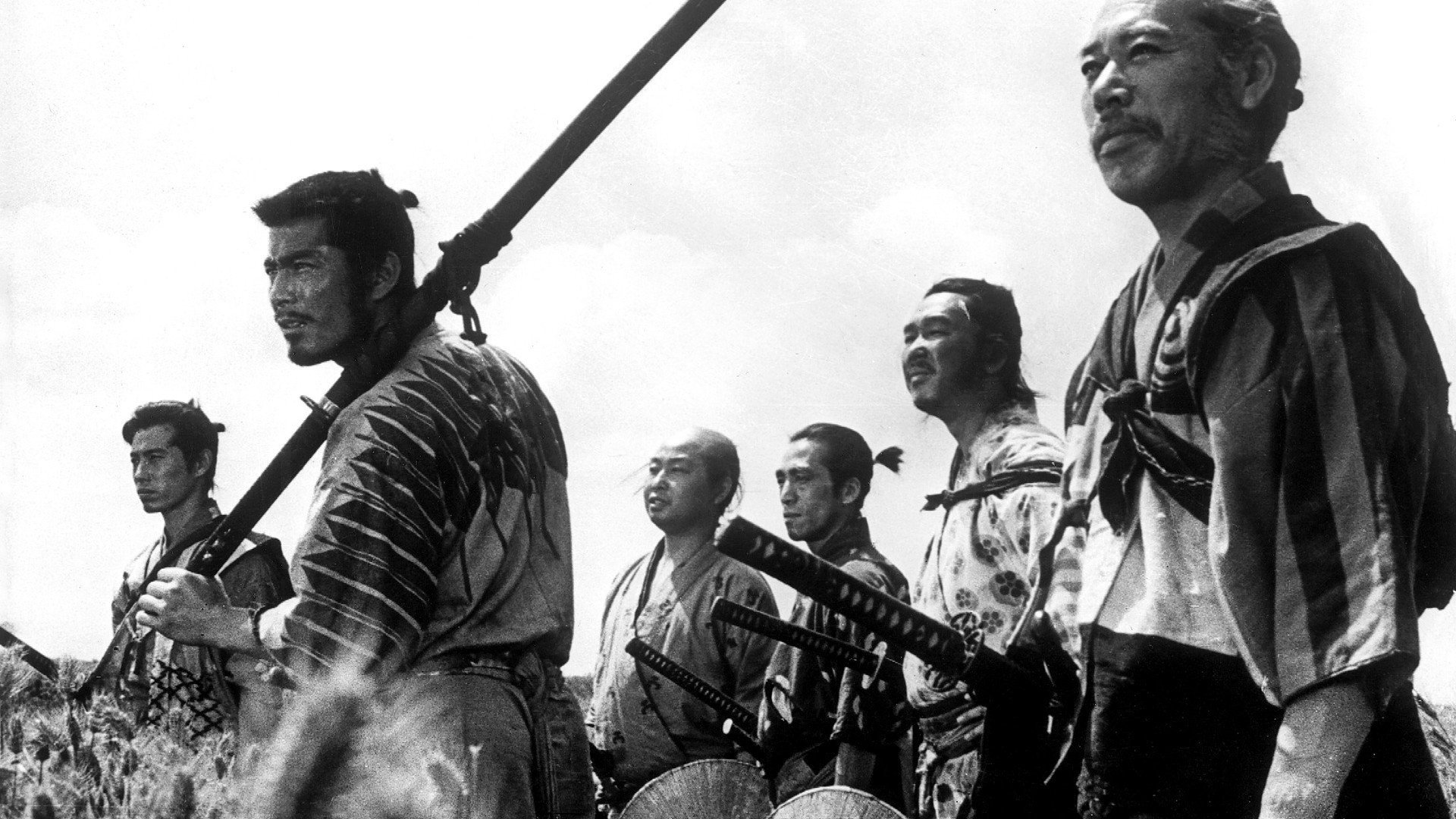
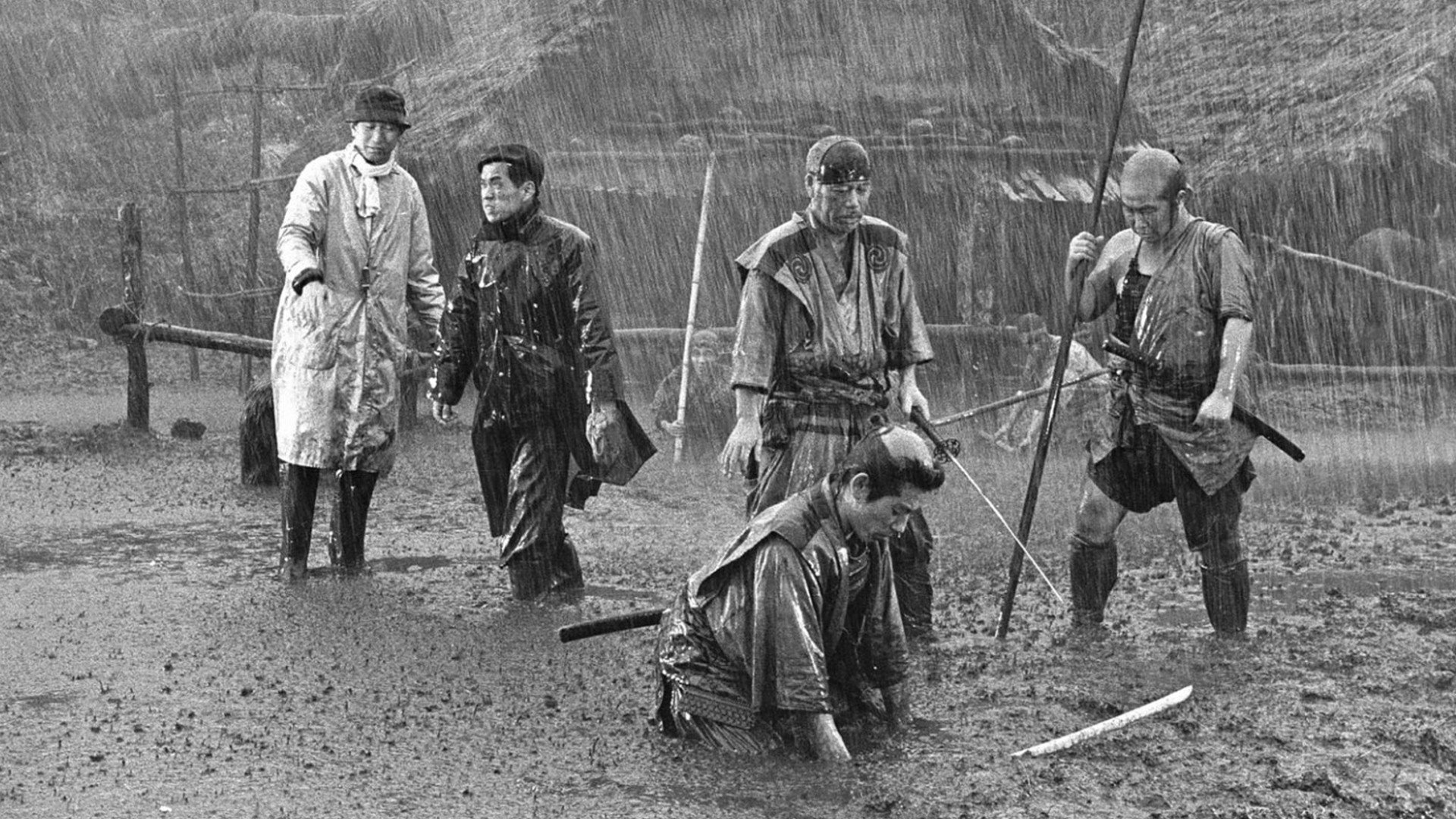
A village threatened by bandits seeks protection from samurai who have no master. Kambei Shimada (Takashi Shimura) leads the effort to bring seven warriors together, with Kikuchiyo (Toshirō Mifune) among the men drawn into the undertaking. The company also includes Gorobei Katayama (Yoshio Inaba) and Kyuzo (Seiji Miyaguchi). For the villagers, the arrangement means entrusting their safety to men from a different class; for the warriors, it means taking on a fight without pay. Akira Kurosawa directs this story of recruitment, honour and a community seeking help against armed attackers.

Plays from YouTube when you press play; nothing loads from them until then.

Fi1m review

Akira Kurosawa’s Seven Samurai earns its 207 minutes by making the recruitment as absorbing as the fighting. Mifune can be overemphatic, but we would recommend this humane, exciting adventure to almost anyone.

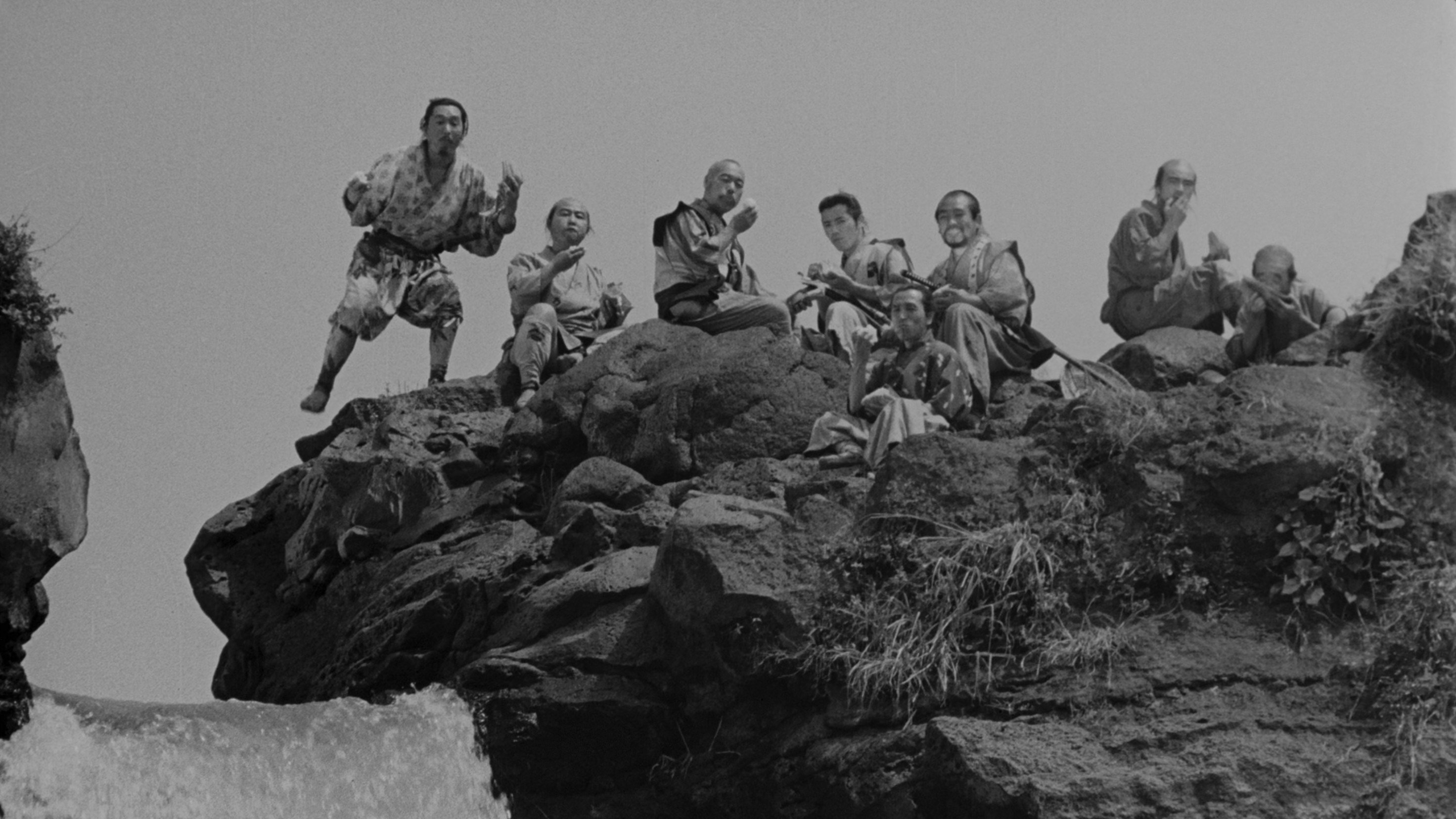
An action film can spend a long time putting a team together and still leave us unable to tell its members apart. Seven Samurai gives the job the attention it deserves. Akira Kurosawa makes the recruitment of warriors to protect a village from bandits a pleasure in itself, with each addition changing our sense of the company. We would recommend it even to people who usually find sword fights a reason to look elsewhere. At 207 minutes, it asks for an evening and makes good use of it.

The screenplay, by Kurosawa, Shinobu Hashimoto and Hideo Oguni, takes the villagers’ need seriously. These masterless samurai agree to fight without pay, and the question of what makes that worth doing gives the gathering of the men its interest. The film gives us time to think about why each man might agree to help. Class matters, too, because the people seeking protection and the people providing it do not begin as equals.

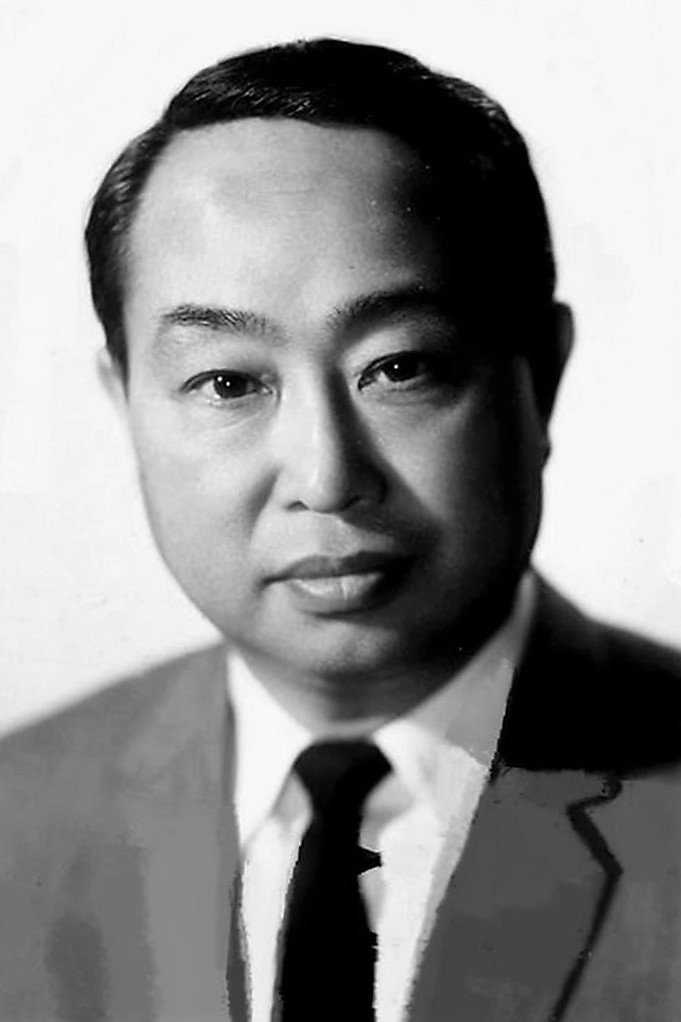
Takashi Shimura’s Kambei Shimada makes leadership look like something that requires thought. His steadiness gives us someone to trust while the group is taking shape, and he makes authority seem possible without constant displays of force. We were moved by the seriousness he brings to the villagers’ need for help. The care he gives to assembling the company makes their predicament feel urgent without requiring him to play every moment as an emergency.

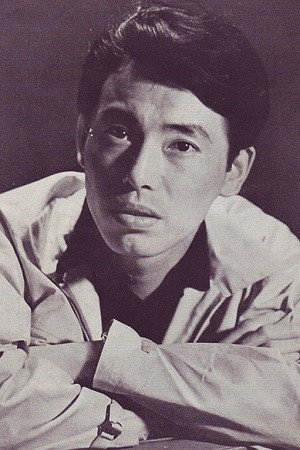
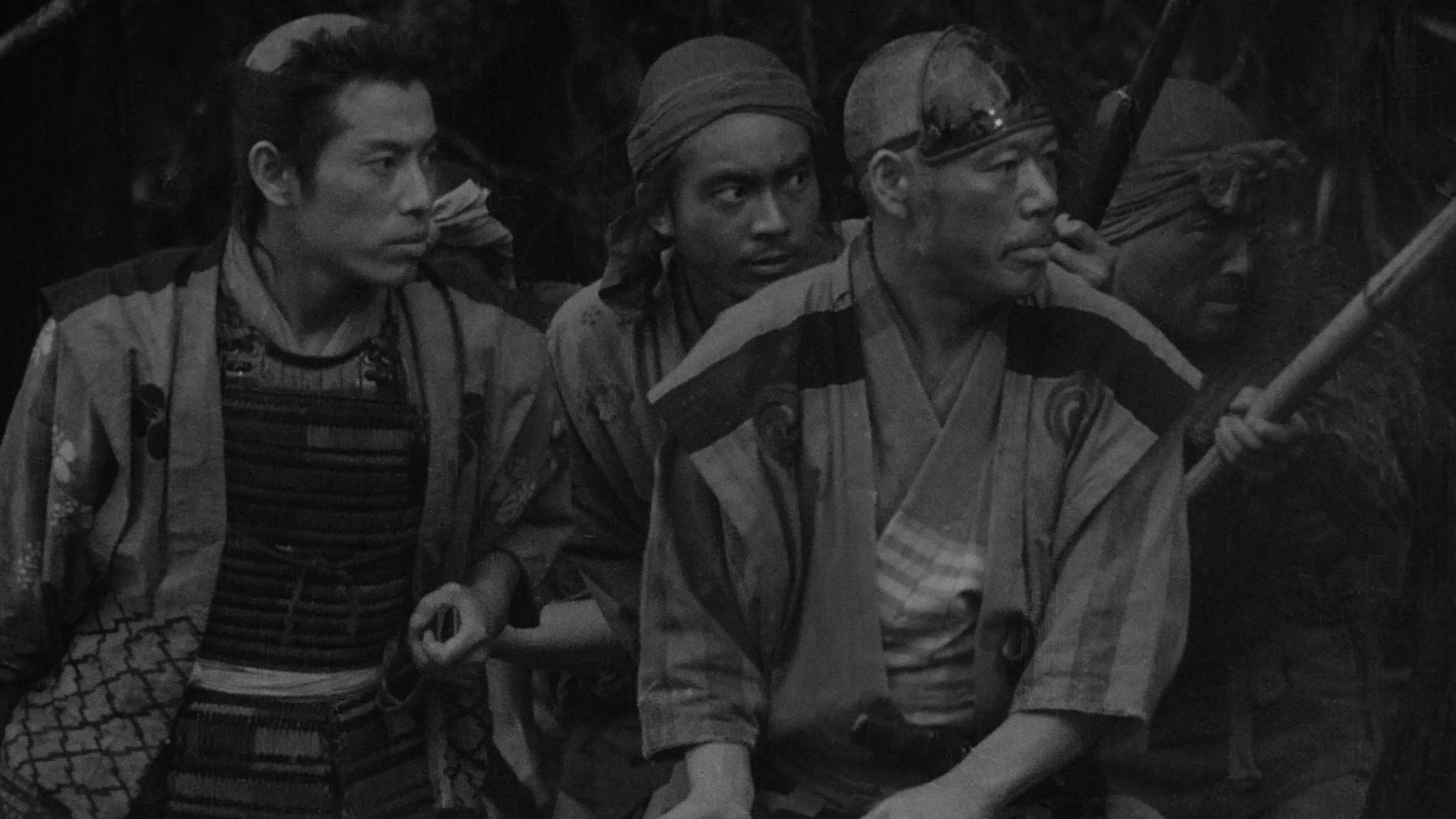
Toshirō Mifune’s Kikuchiyo supplies a different sort of energy, vigorous enough to threaten to take over the picture. The performance is large, theatrical and often funny, and Mifune makes the company feel less settled whenever he is its centre. Some of this is too emphatic for our taste. Kurosawa occasionally lets a performance keep insisting on a point we have already understood, and the extra emphasis can be tiring. Even then, the individual men remain recognisable; nobody disappears into the general category of useful swordsman.

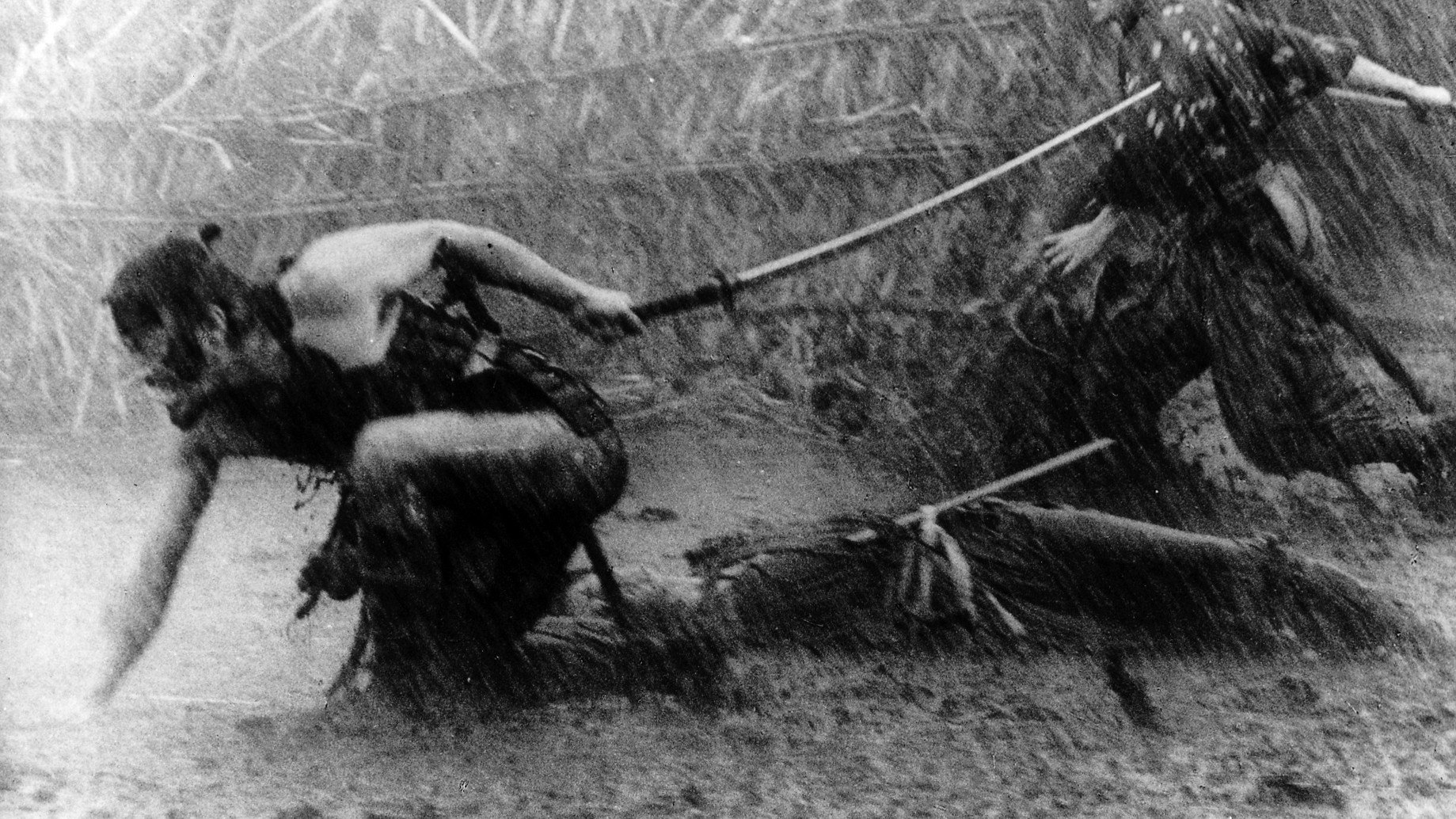
Asakazu Nakai’s photography gives the action a clarity that makes the size of a battle count. We can attend to an individual fighter without losing the sense of other people fighting around him, so the fighting remains legible even with many bodies in motion. Kurosawa also edits, and his cutting allows the sword duels and the mass battles to demand different kinds of attention. The close contest needs us alert to each decision; the larger fight needs us aware that no one man can control all of it. Fumio Hayasaka’s score adds to the excitement of the fighting, though Nakai’s photography and Kurosawa’s cutting do more to keep us alert.

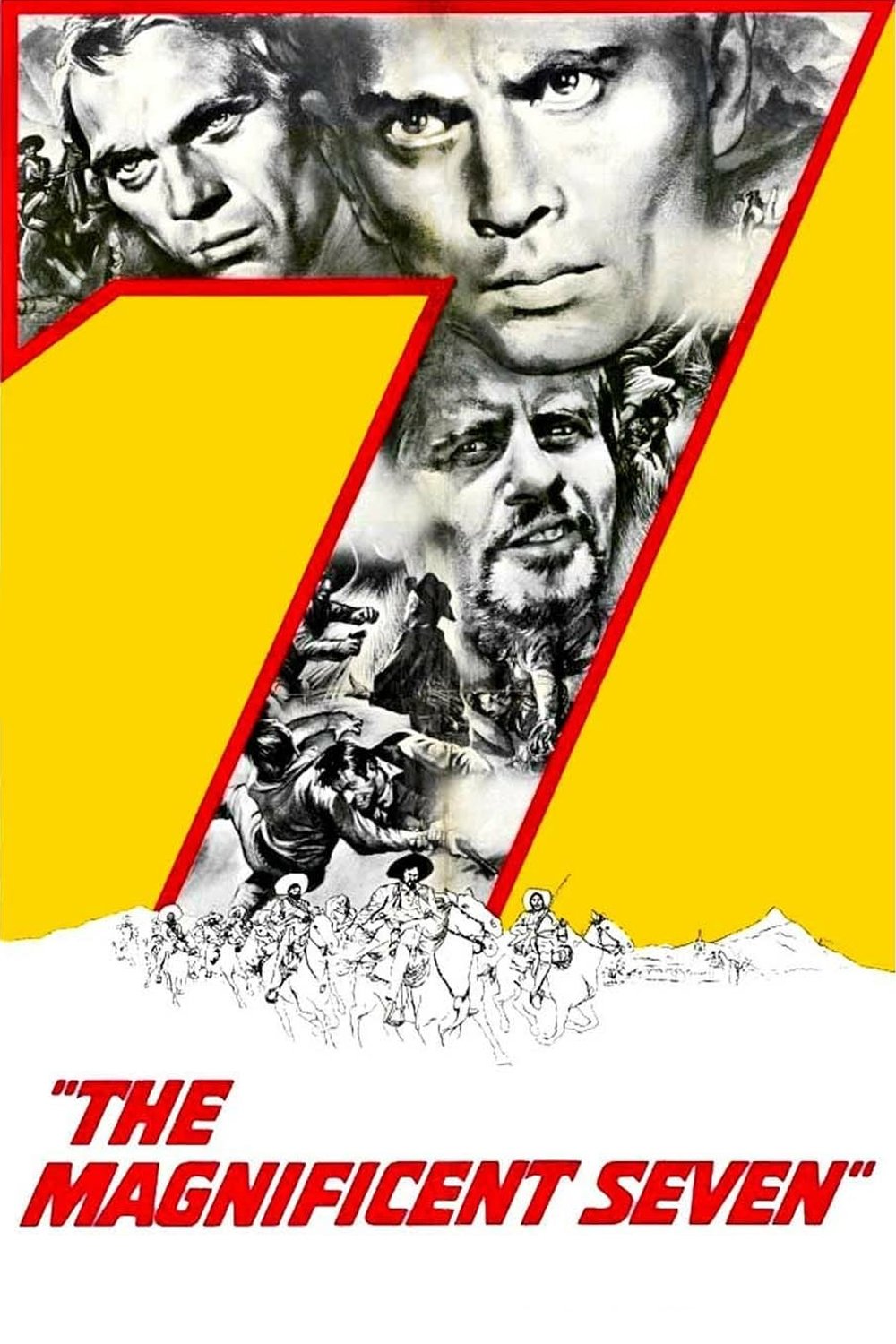
Its team-building story has been borrowed often, and The Magnificent Seven remakes it outright. Familiarity with that sort of plot need not blunt the pleasure of seeing men considered for a dangerous job, because Kurosawa makes us interested in the choices. The patience distinguishes it from action films that hurry through the introductions to get to the fighting. Give it an uninterrupted evening, even if swordsmen are not usually your choice of company.
Critical consensus AI synthesised

3 of 6
Positive
3
Mixed
0
Negative
0
Time Out
23 September 2024 · ★★★★★ · RM
100

Kurosawa's masterpiece, influenced by John Ford and remade as The Magnificent Seven, follows masterless samurai protecting a village from bandits for no pay. The individual characterisations are precise and memorable, especially Takashi Shimura as the sage leader, and the epic action scenes remain without peer.

Read the full review →
Empire
1 January 2011 · Kim Newman
95*

The critic calls it a true masterpiece that invented the team-assembly device now common in action films and features perhaps the greatest battle in cinema. Kurosawa's direction of sword duels and mass battles changed how action scenes are shot, with rich characterisation for each of the seven samurai.

Read the full review →
The Guardian
27 October 2021 · Peter Bradshaw

The critic calls Kurosawa’s film an enduring epic primal myth of mercenaries hired to defend a village, one that has influenced countless later movies while retaining its own power and magic. They single out the vigorous, theatrical energy and flair of the action sequences and performances, especially those of Takashi Shimura and Toshiro Mifune.

Read the full review →
Variety
31 December 1953 · festival review · Variety Staff

The review praises the film as a solid, exciting adventure about seven samurai defending a village from bandits, with strong characterization, deft assembly of the warriors, and well-handled battles. It singles out Kurosawa’s virile direction, Mifune’s dominant performance as the bold warrior, excellent lensing and editing of the action sequences, and effective music.

Read the full review →
HeyUGuys
15 May 2020 · ★★★★★ · Euan Franklin
100

The critic calls the film an immersive medieval parable from cinema's most influential filmmaker and a fulfilling epic that drives themes of honour, morality, and class division. They single out the final battle sequence for its intense, multi-camera action in the rain and Toshiro Mifune's vivid, emotional performance as Kikuchiyo.

Read the full review →

Cast

Stills

Awards

Academy Awards, 1957

Nominated
Best Art Direction, Black and White
Nominated
Best Costume Design, Black-and-White

If you liked this, try…

The Magnificent Seven poster

The Magnificent Seven

1960 · The village-defence story moves west, with a different balance of personalities.

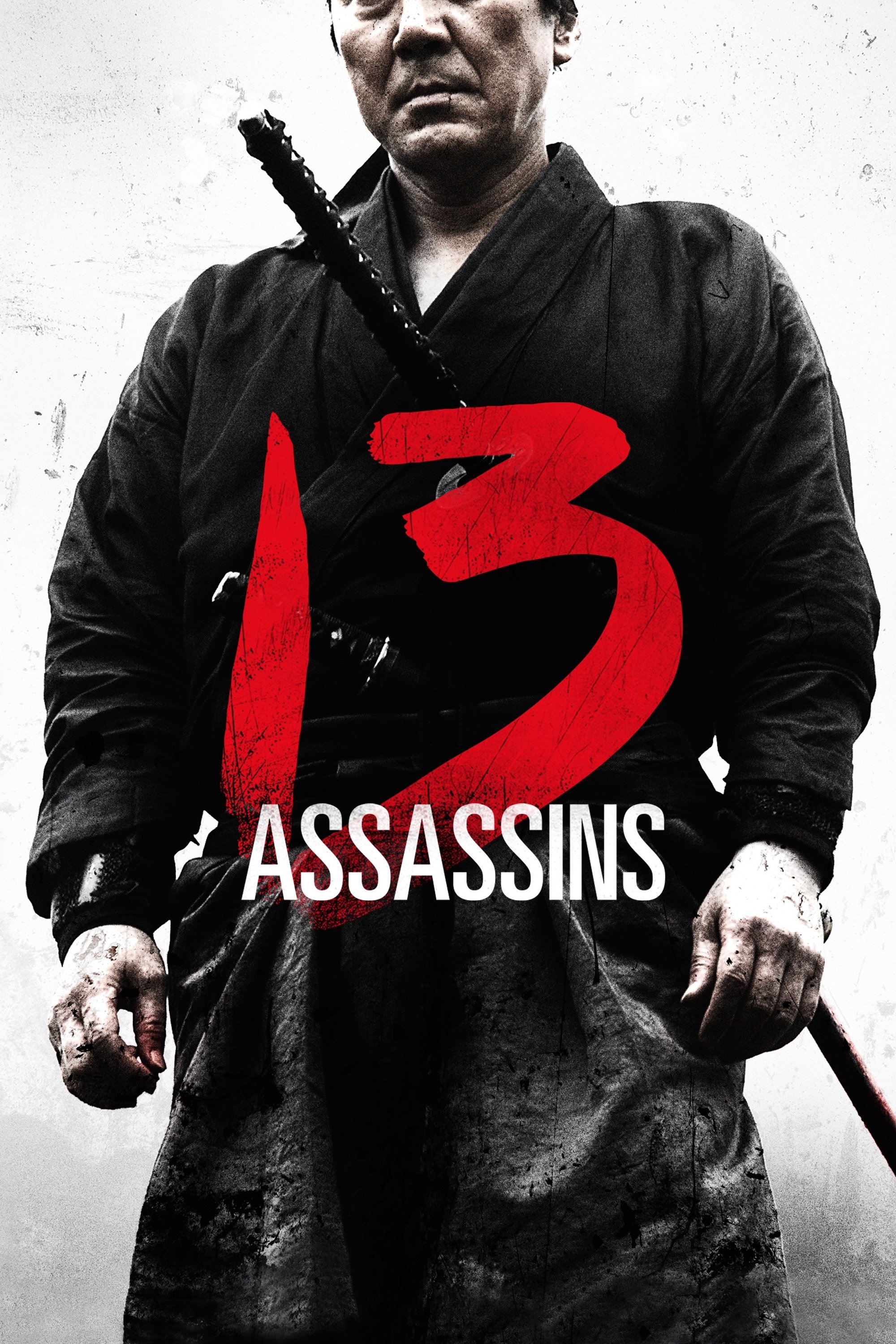
13 Assassins poster

13 Assassins

2010 · Another band of swordsmen, with patient preparation and a much harsher temper.

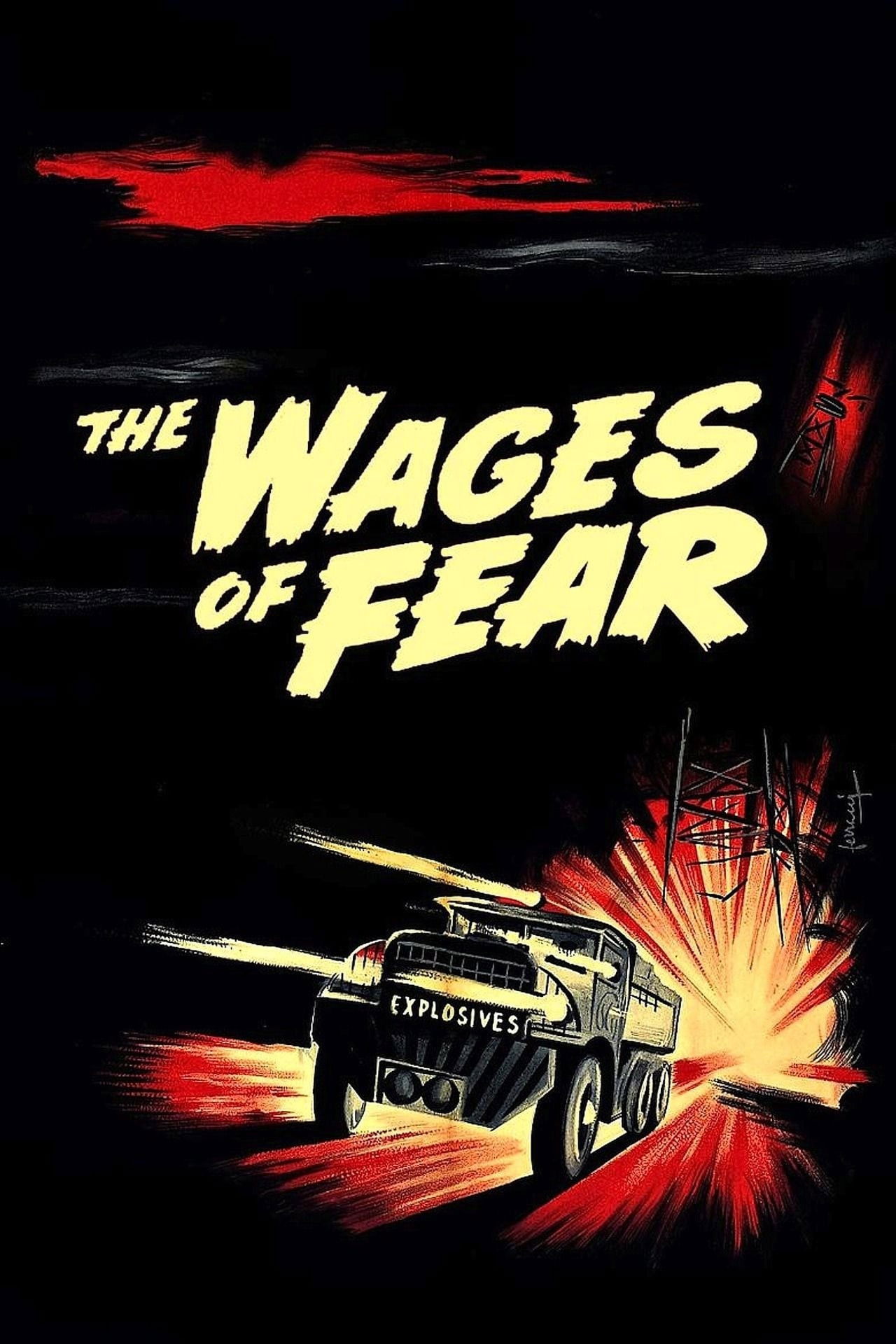
The Wages of Fear poster

The Wages of Fear

1953 · Dangerous work makes strangers depend on one another, with little room for vanity.

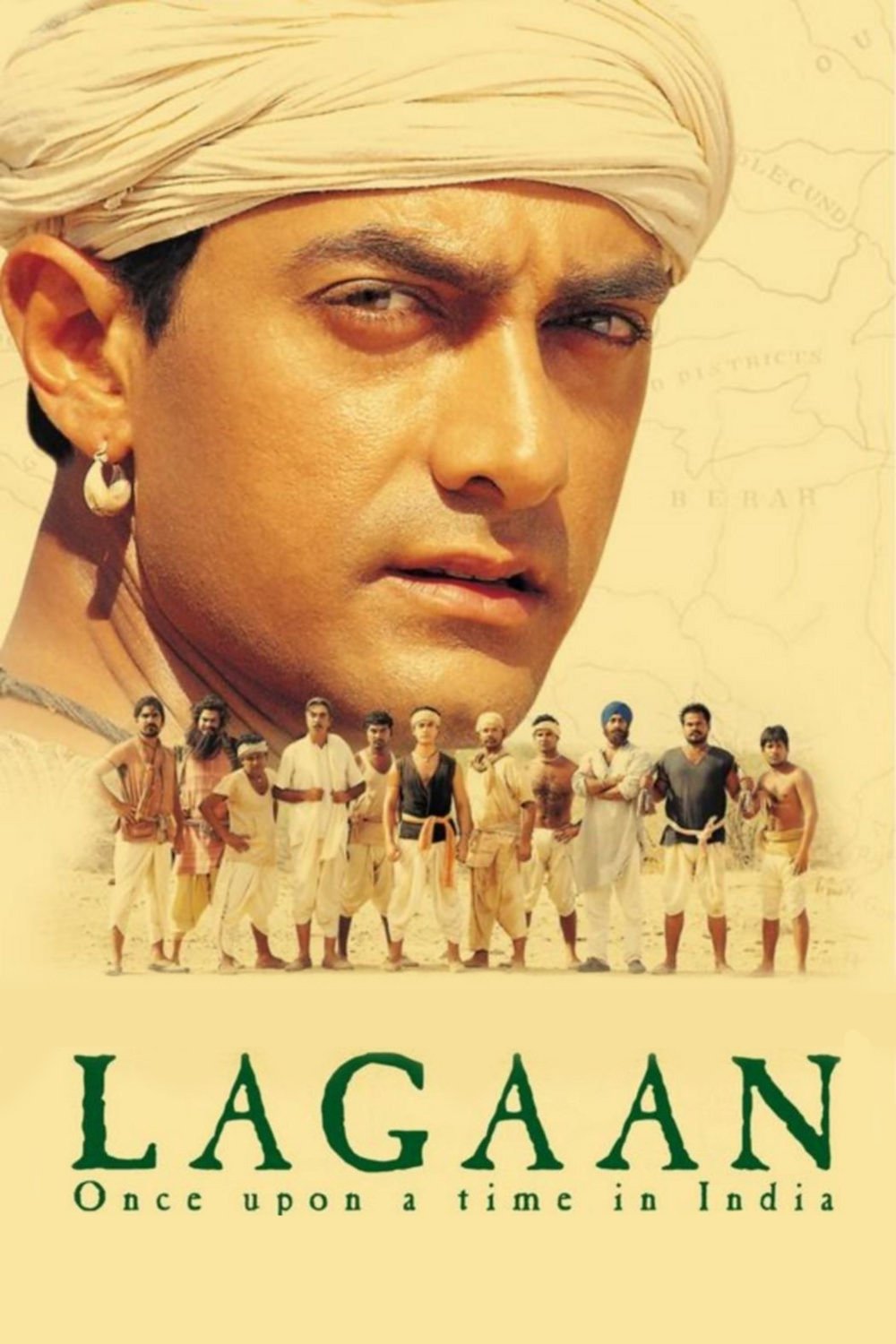
Lagaan poster

Lagaan

2001 · A threatened village assembles a team, and cricket becomes a matter of survival.

A Bug's Life poster

A Bug's Life

1998 · A community hires protection and gets rather less expertise than it expected.