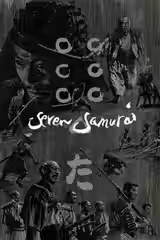
The reviews are unanimous, and have been since the film first opened: twelve notices, all positive, none below the mid-eighties. Most critics praise the same three things. Kurosawa’s handling of the action, above all the final battle in the rain, is repeatedly said to have changed how fights are filmed. The characterisation of each of the seven is singled out as unusually precise for a film this large, with Toshiro Mifune’s Kikuchiyo the performance named most often and Takashi Shimura’s leader close behind.
Disagreement is hard to find. Nobody raises a structural complaint; the runtime, over three hours, is mentioned mostly to note that it passes quickly. What separates the reviews is tone rather than verdict: Variety in 1953 treats it as a solid adventure film, while later critics write about a foundational text. The Financial Times, in a broader piece on Kurosawa, is the most restrained, and even that is warm.
T
Time Out
23 September 2024 · ★★★★★ · RM
100
Kurosawa's masterpiece, influenced by John Ford and remade as The Magnificent Seven, follows masterless samurai protecting a village from bandits for no pay. The individual characterisations are precise and memorable, especially Takashi Shimura as the sage leader, and the epic action scenes remain without peer.
Read the full review →E
Empire
1 January 2011 · Kim Newman
95*
The critic calls it a true masterpiece that invented the team-assembly device now common in action films and features perhaps the greatest battle in cinema. Kurosawa's direction of sword duels and mass battles changed how action scenes are shot, with rich characterisation for each of the seven samurai.
Read the full review →R
RogerEbert.com
19 August 2001 · Roger Ebert
95*
Ebert calls it a great film in its own right and the source of an entire genre of team-assemble mission movies. He singles out Kurosawa’s clear storytelling, sharply defined characters, and thrilling action sequences with sweeping camera work as standout elements.
Read the full review →L
Los Angeles Times
3 September 2006 · Susan King
90*
Kurosawa’s telling of the tale is masterly, with all elements aligning to make it a flawless piece of cinema. The direction, screenplay, performances, music, cinematography and production design are beyond reproach, and the epic moves at a breakneck pace even at over three hours.
Read the full review →S
Slant Magazine
14 November 2024 · Chuck Bowen
90*
The critic hails the film as a transcendent masterpiece of popular art and a Rosetta stone of modern action cinema that remains viscerally alive and timeless decades later. They single out Toshiro Mifune’s layered, explosive performance as Kikuchiyo and Kurosawa’s masterful balance of kinetic set pieces, character depth, and humanistic wisdom.
Read the full review →G
The Guardian
27 October 2021 · Peter Bradshaw
90*
The critic calls Kurosawa’s film an enduring epic primal myth of mercenaries hired to defend a village, one that has influenced countless later movies while retaining its own power and magic. They single out the vigorous, theatrical energy and flair of the action sequences and performances, especially those of Takashi Shimura and Toshiro Mifune.
Read the full review →I
The Independent
3 July 2024 · Jake Coyle
90*
The critic celebrates the film's 70th anniversary and new restoration, praising its enduring breathtaking vitality and fleet-footed movement that sweeps the viewer along through rice fields and battle. They single out its choreographed action sequences, rain-soaked climax, and timeless themes of sacrifice and class tension for particular admiration.
Read the full review →N
The New York Times
20 November 1956 · Bosley Crowther
90*
Crowther praises the film (released in the US as The Magnificent Seven) as an extraordinary, brilliantly detailed samurai epic with rich character illumination, exciting physical incidents, and graphic hard-edged realism. He highlights Kurosawa’s command of photography and Toshiro Mifune’s standout performance.
Read the full review →V
Variety
31 December 1953 · festival review · Variety Staff
90*
The review praises the film as a solid, exciting adventure about seven samurai defending a village from bandits, with strong characterization, deft assembly of the warriors, and well-handled battles. It singles out Kurosawa’s virile direction, Mifune’s dominant performance as the bold warrior, excellent lensing and editing of the action sequences, and effective music.
Read the full review →F
Financial Times
30 December 2022 · Nigel Andrews
85*
In a piece on a BFI Kurosawa season, the critic highlights Seven Samurai as the film that keeps the director's name burnished, noting its subtle magical extended shots and graphic storytelling power. They praise its headlong action brio, character complexity, and epic momentum as superior to its Hollywood remake.
Read the full review →H
HeyUGuys
15 May 2020 · ★★★★★ · Euan Franklin
100
The critic calls the film an immersive medieval parable from cinema's most influential filmmaker and a fulfilling epic that drives themes of honour, morality, and class division. They single out the final battle sequence for its intense, multi-camera action in the rain and Toshiro Mifune's vivid, emotional performance as Kikuchiyo.
Read the full review →C
Collider
21 October 2010 · Andre Dellamorte
90*
The critic hails Seven Samurai as a masterful epic and one of the finest achievements in cinema history, praising its intricate structure, character development, innovative action sequences, and enduring influence on the genre. The long runtime is celebrated for allowing the story and characters to breathe while building to a powerful, bittersweet conclusion.
Read the full review →Ordered by the weight we give each publication, then by score. Scores are normalised to 100; * means inferred from an unrated review. Summaries are ours, not quotations; follow the links for the reviews themselves. How we rate