Miyazaki’s flying-island adventure is the plainest story he has told and one of the best-built. The villain is cardboard and the middle hour sags aboard a pirate airship, but the flying, the machines and the sky have not dated at all.
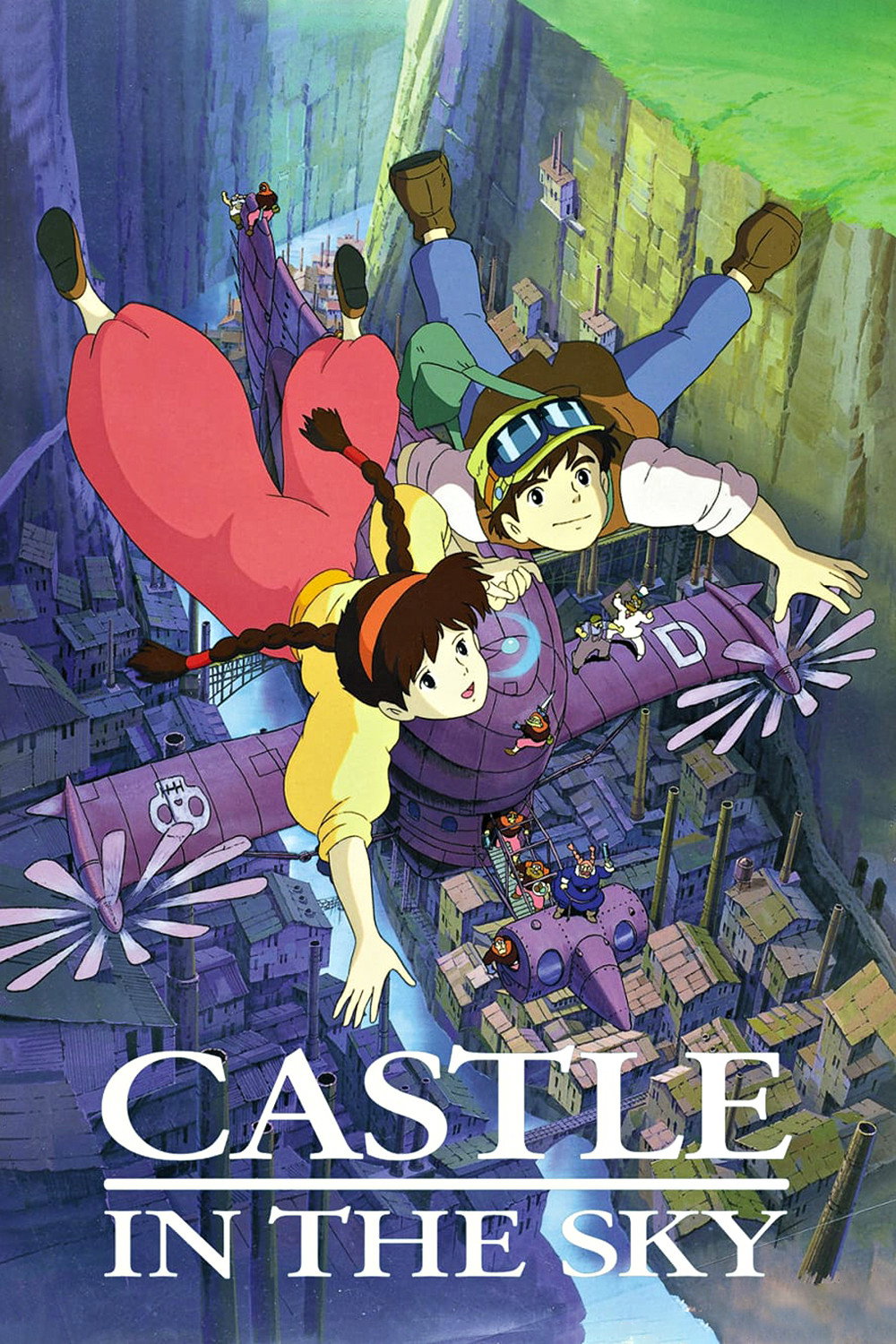
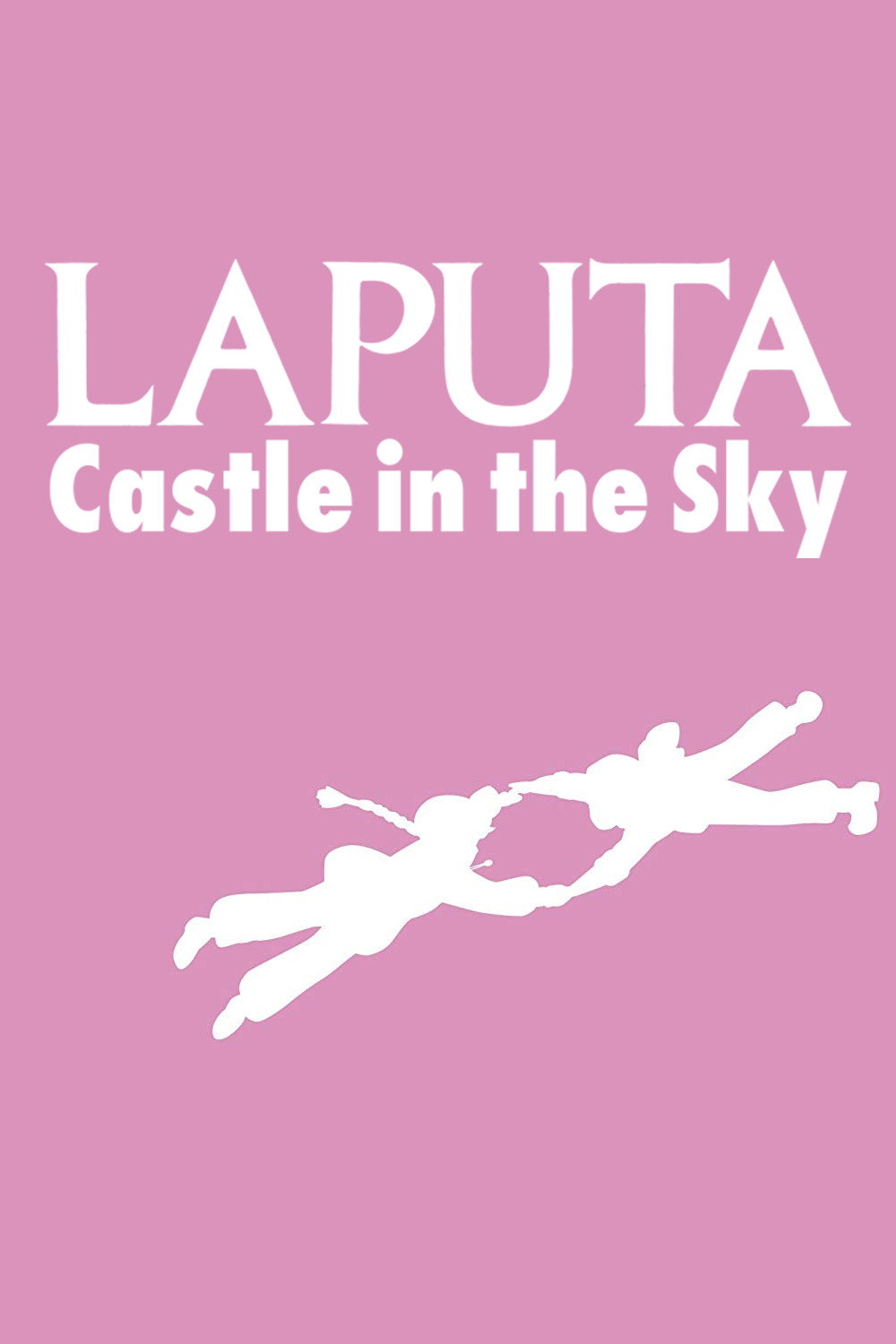
Castle in the Sky is the first film made under the Studio Ghibli name, and Hayao Miyazaki, writing and directing, opens with the simplest thing he knows how to do: a boy, a girl, a stolen jewel and a lost city in the clouds. He plays it straight. There are air pirates, an army with a flying fortress, a villain in a suit, and a mining town of brick chimneys and iron bridges that looks like a Welsh valley someone has taught to fly. It is the plainest story Miyazaki has told and one of the best-built.
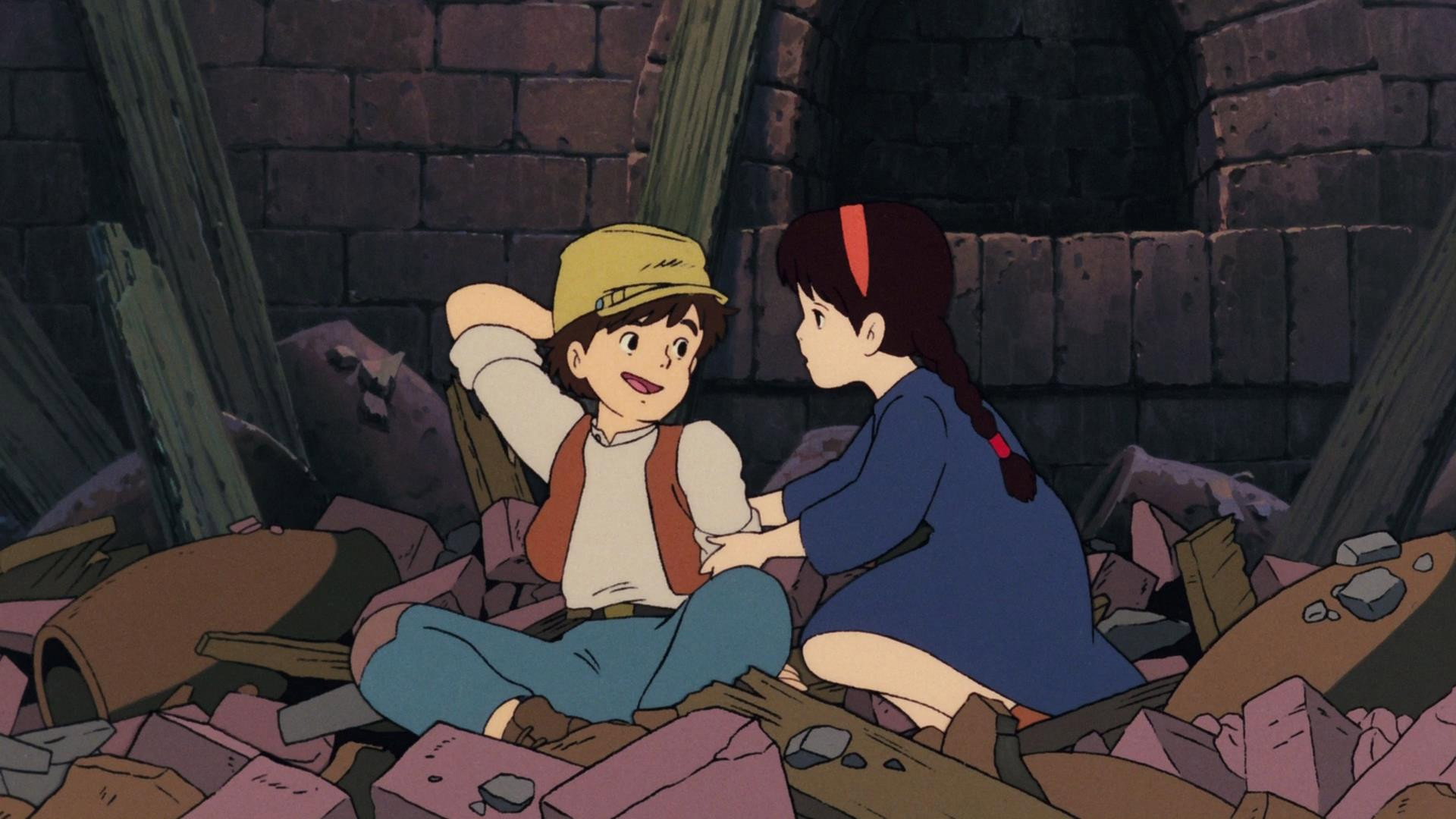
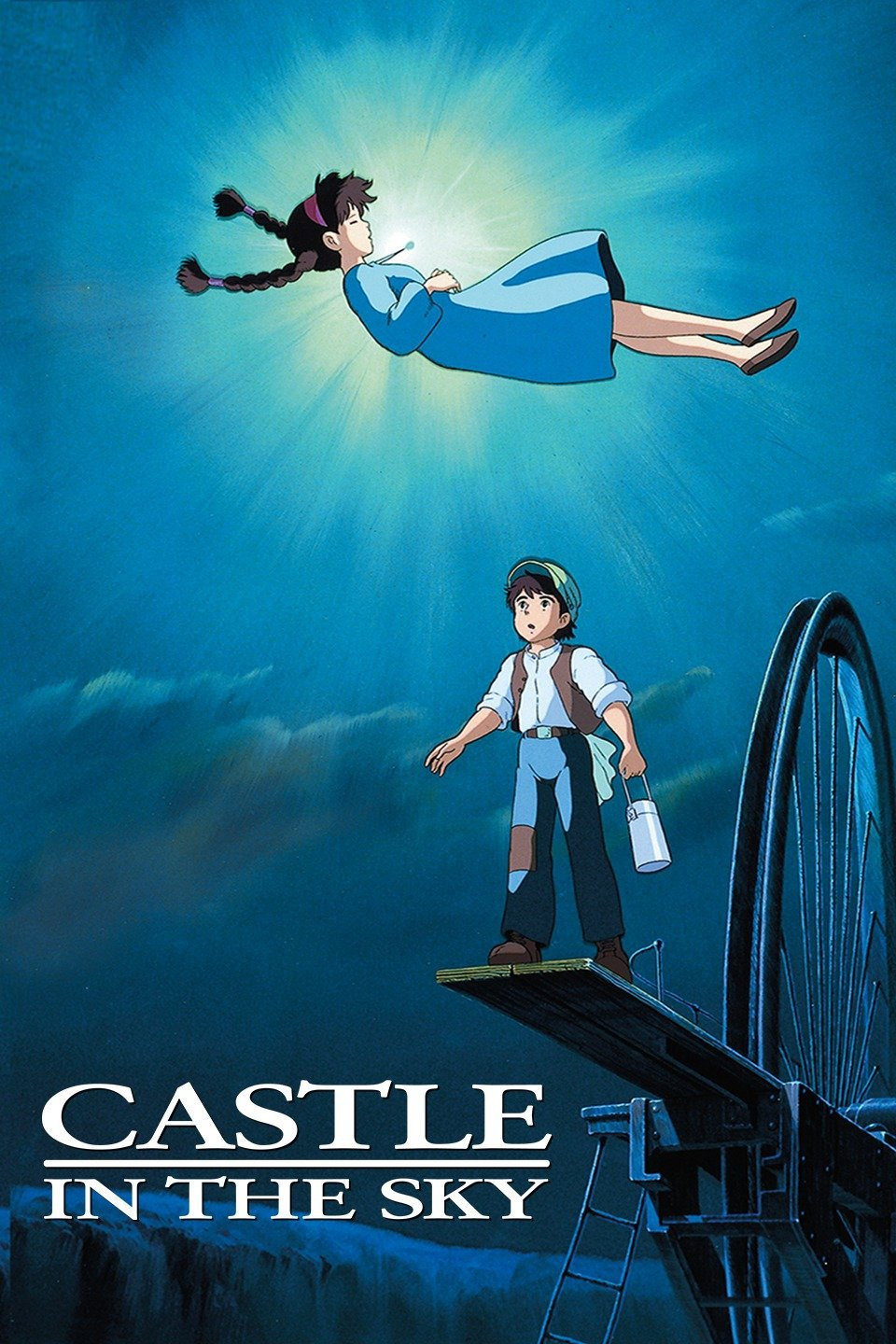
The opening is as good as anything he has done. A girl slips out of an airship window at night, and falls. Then the falling stops. Sheeta (Keiko Yokozawa) drifts down through cloud, unconscious, lit from below by the stone at her throat, and Hirokata Takahashi’s camera holds her small and pale in the centre of the frame while the dark rushes past. Pazu (Mayumi Tanaka), a boy apprentice at the mine, sees her coming and catches her, and finds she weighs nothing until the light goes out. We have seen this scene many times and we still held our breath. It says everything the film has to say about flying without a line of dialogue.
The town is the best-drawn place in the film. Miners come off shift black to the eyes, Pazu’s boss Oyakata (Hiroshi Ito) settles arguments with his fists, and the railway runs on trestles over a gorge with no railing anyone would trust. When Dola (Kotoe Hatsui) and her sons arrive for the stone, and the army arrives behind them, Miyazaki stages a chase along those tracks that Yoshihiro Kasahara cuts fast and clean, one thing going wrong at a time, so that we always know where the train is and where the drop is. Dola herself, a pink-plaited grandmother in goggles who calls her enormous sons idiots, is the film’s great comic creation.
Joe Hisaishi’s score is the other reason the flying works. He gives the sky a rising theme on strings and something close to a music box for the girl, and he lets the machines have the brass. The sky itself, layers of cloud with light coming through them, is painted, and Takahashi photographs it so that the aircraft, small and shabby and covered in rivets, look properly small against it. The army’s flying fortress is a slab of iron with too many guns, and the film’s dislike of it is plain from the first shot.
Muska is the trouble. Minori Terada voices him well enough, soft and reasonable until he shouts, but the character wants the lost city because there is a weapon in it, and there is nothing more to him. Miyazaki’s later villains are people with reasons; this one has a suit and a plan. The middle hour, aboard Dola’s airship while Sheeta cooks and Pazu keeps watch, is warm and funny and too long, and at 125 minutes the film asks a lot of a child’s patience. We noticed the time once, at about ninety minutes, and then the last act arrived and we forgot it.
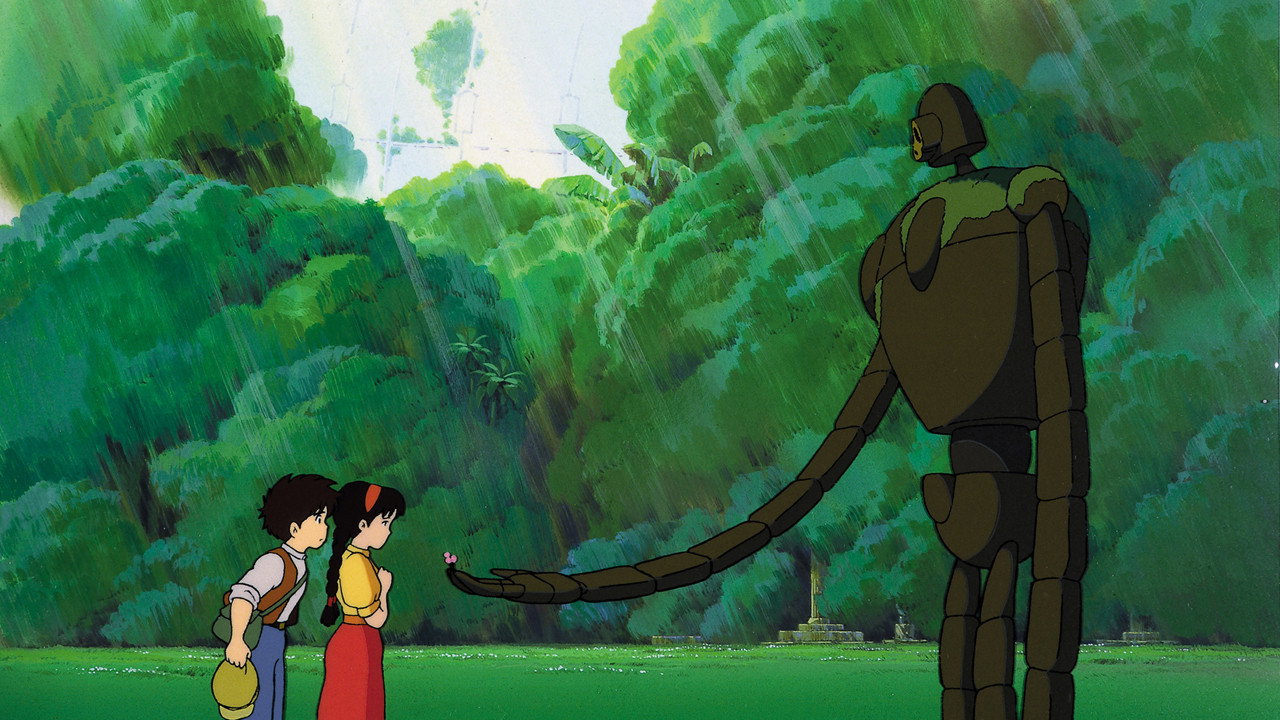
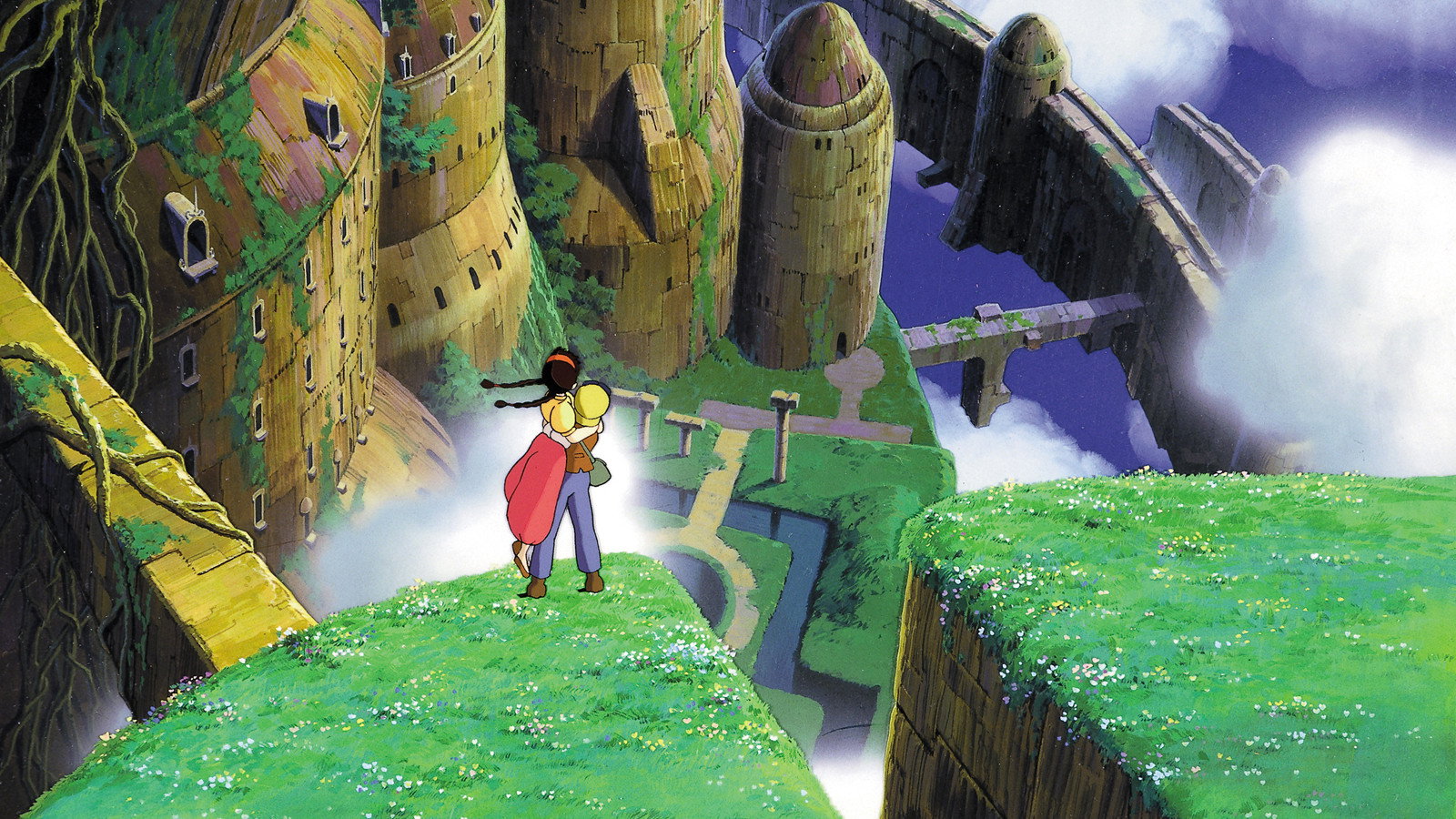
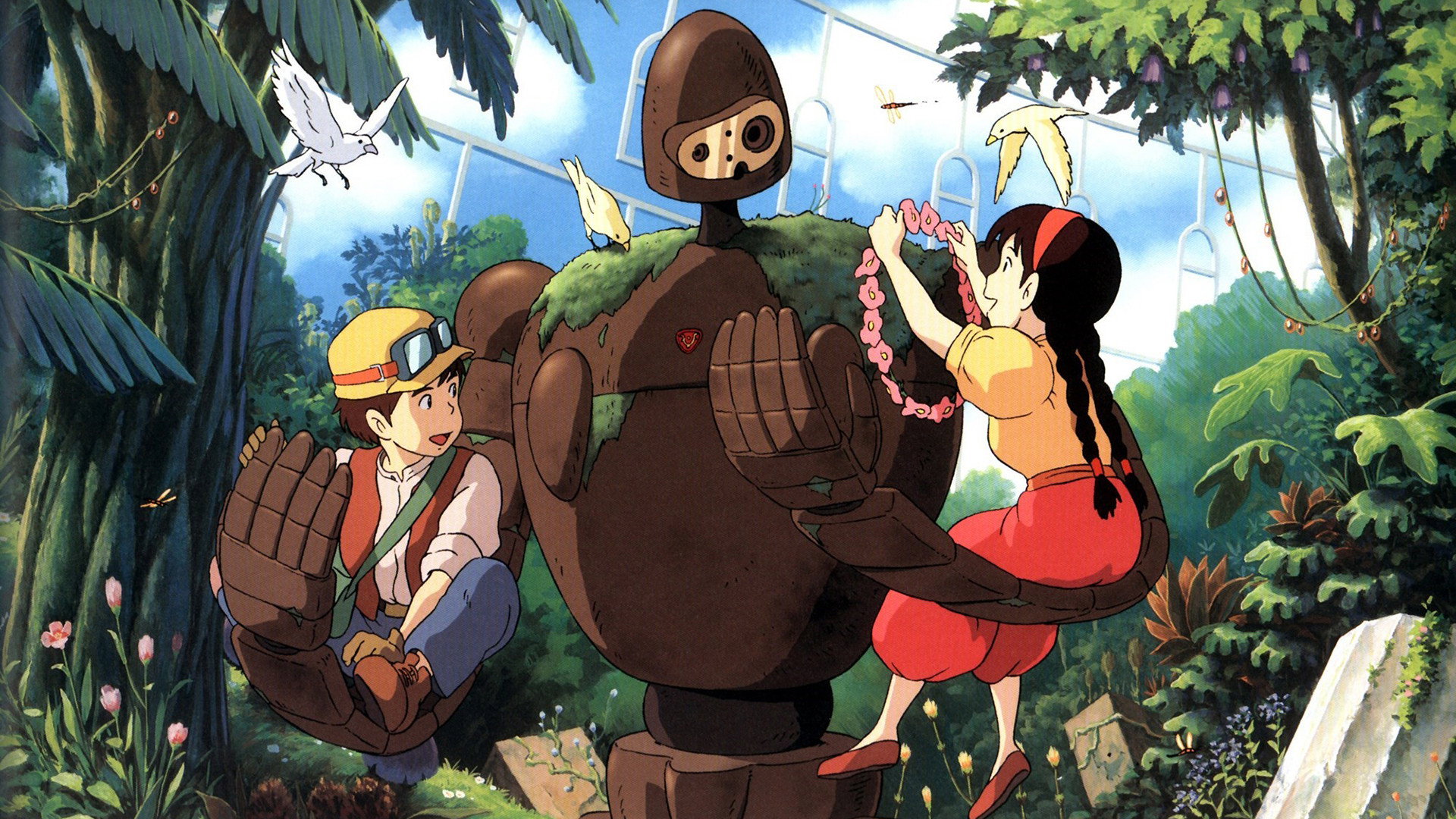
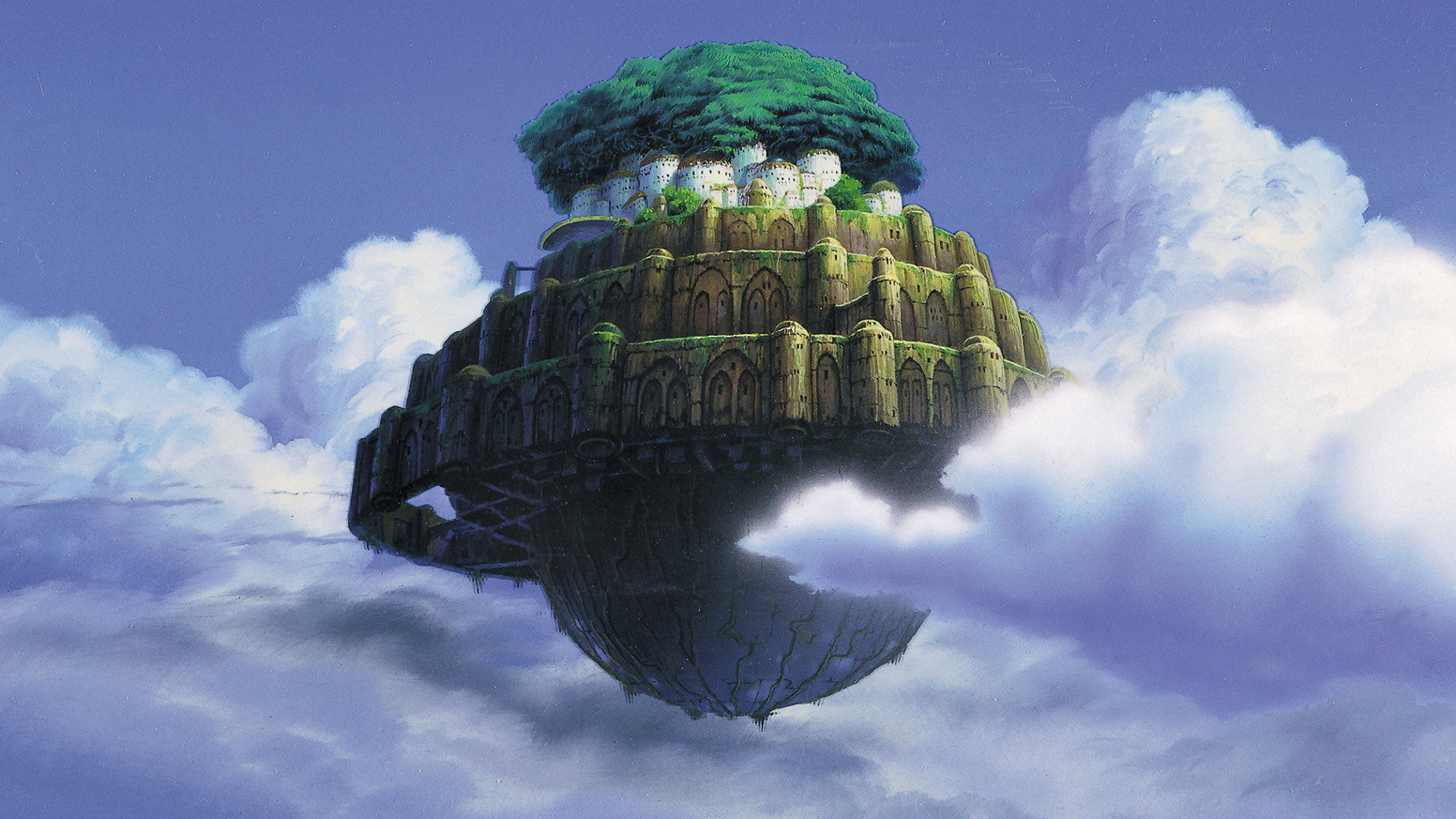
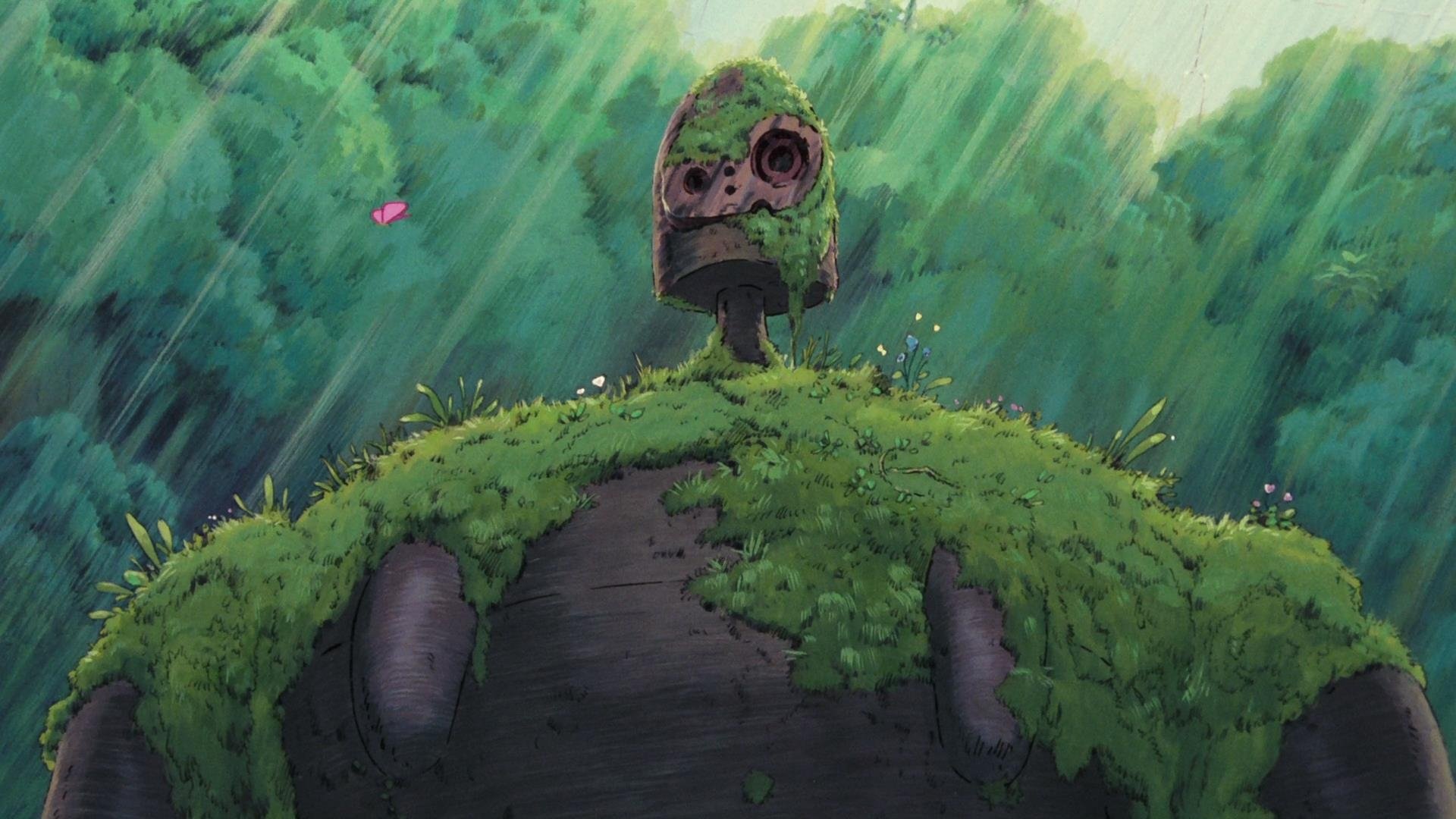
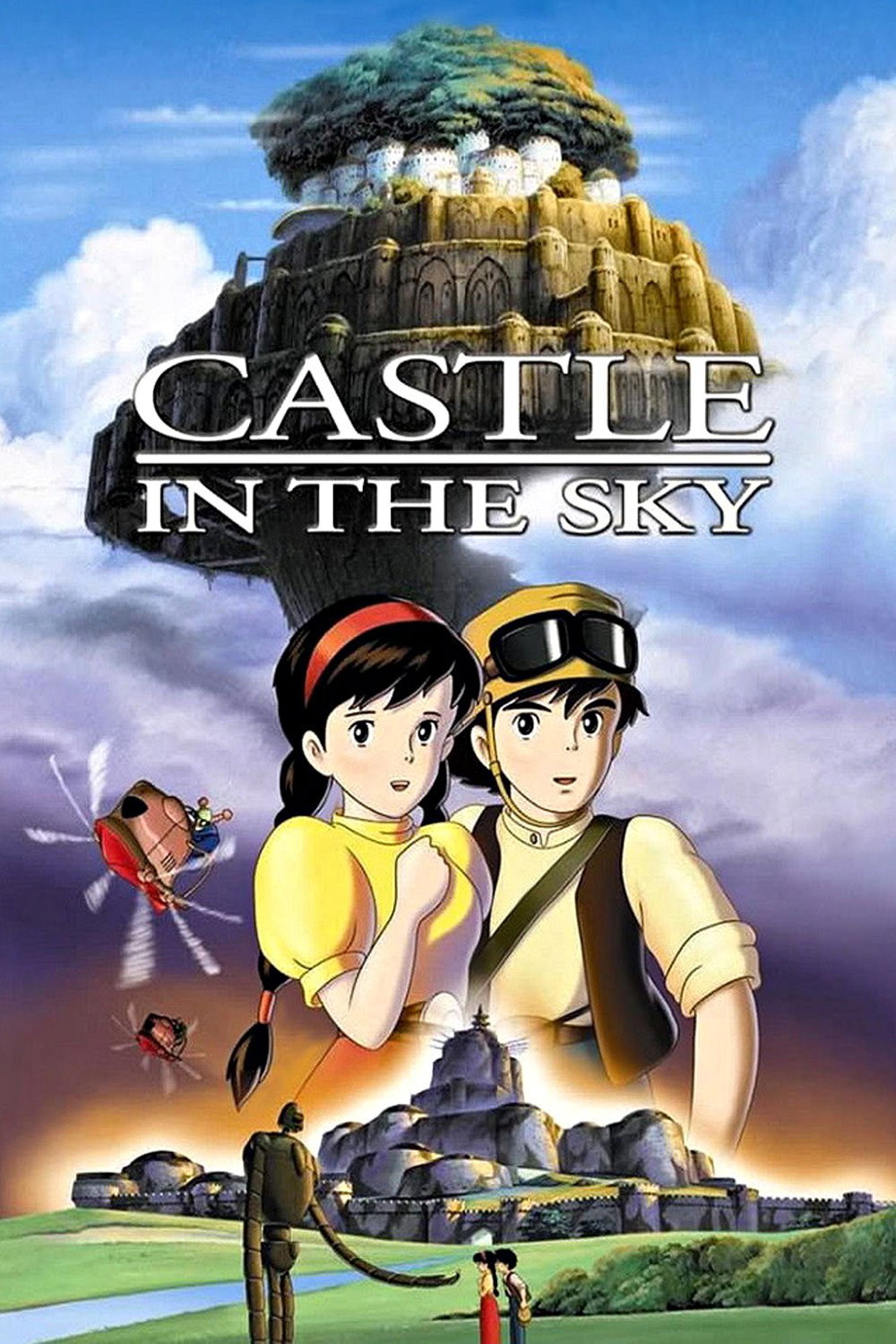
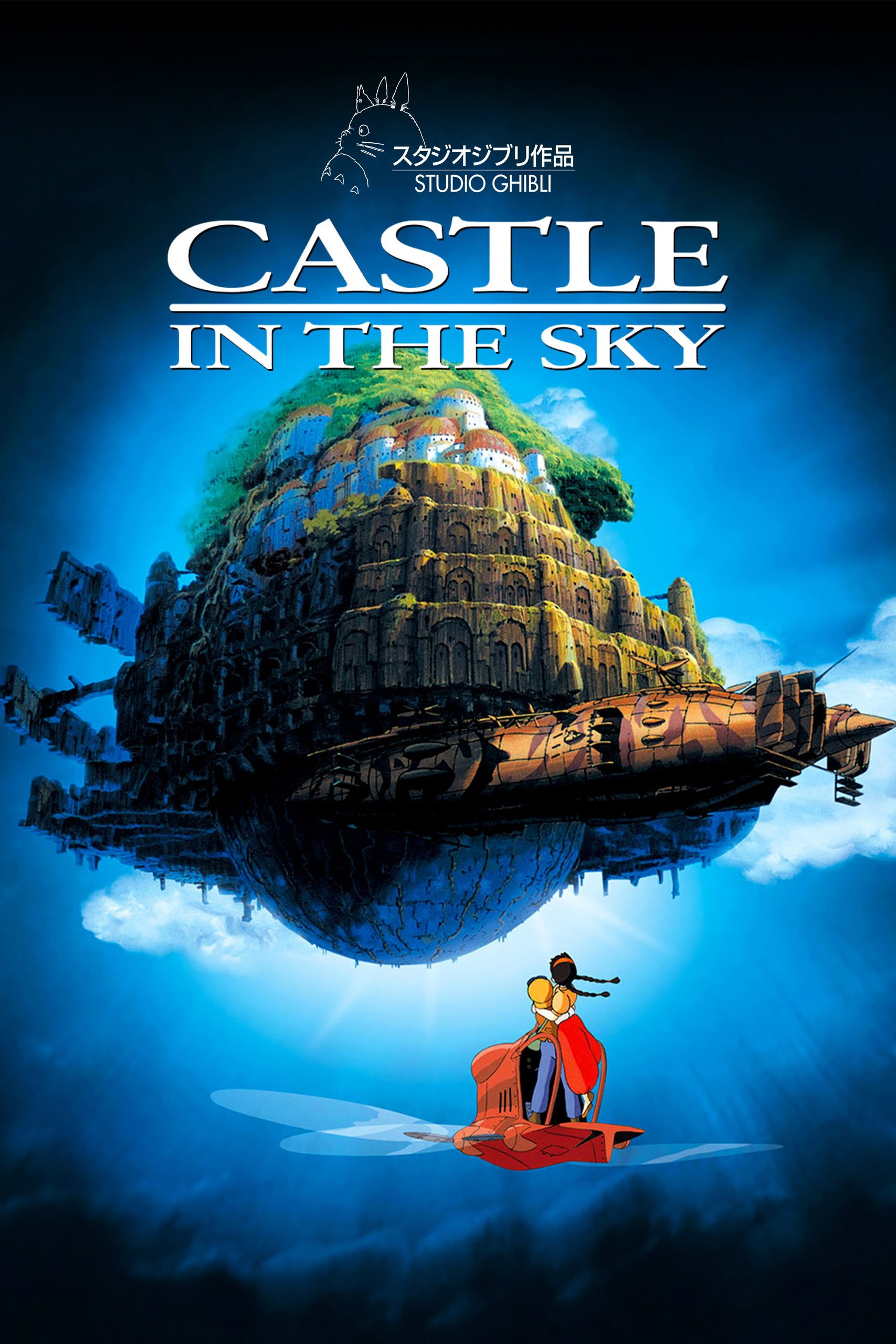
We will not describe that last act, except to say that the city of Laputa is one of the sights of animation: a garden under a dome, a black tower, and something metal walking slowly through the grass. It is on every poster and it still surprised us. The film’s best idea is that the thing everybody has been fighting over is mostly moss and birds’ nests.
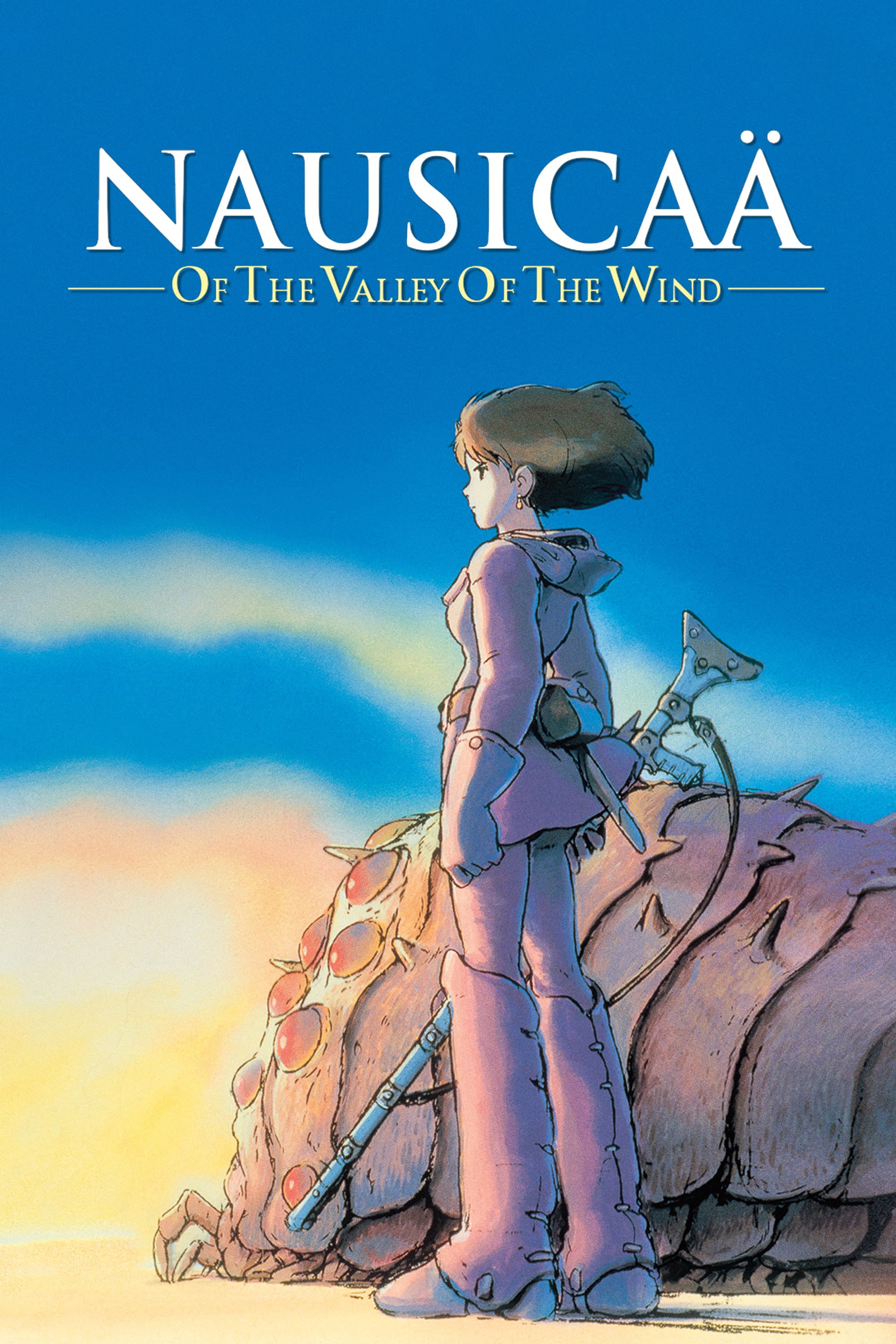
Set beside Nausicaä of the Valley of the Wind, this has fewer ideas and a much better shape. Adventure films are supposed to move, and this one does; it has a chase in the first twenty minutes and a bigger one in the last twenty, and it knows where everyone is standing in between.
It is a PG, and fairly: people are shot at, and a good many of them fall a long way. Show it to a child of about nine who thinks cartoons are for younger children, and watch them during the fall.