Critics’ reviews

Castle in the Sky (1986)

9 reviews from 9 publications. Critics’ score 75: 8 positive, 0 mixed, 1 negative.

Back to our review of Castle in the Sky

75
Positive
8
Mixed
0
Negative
1

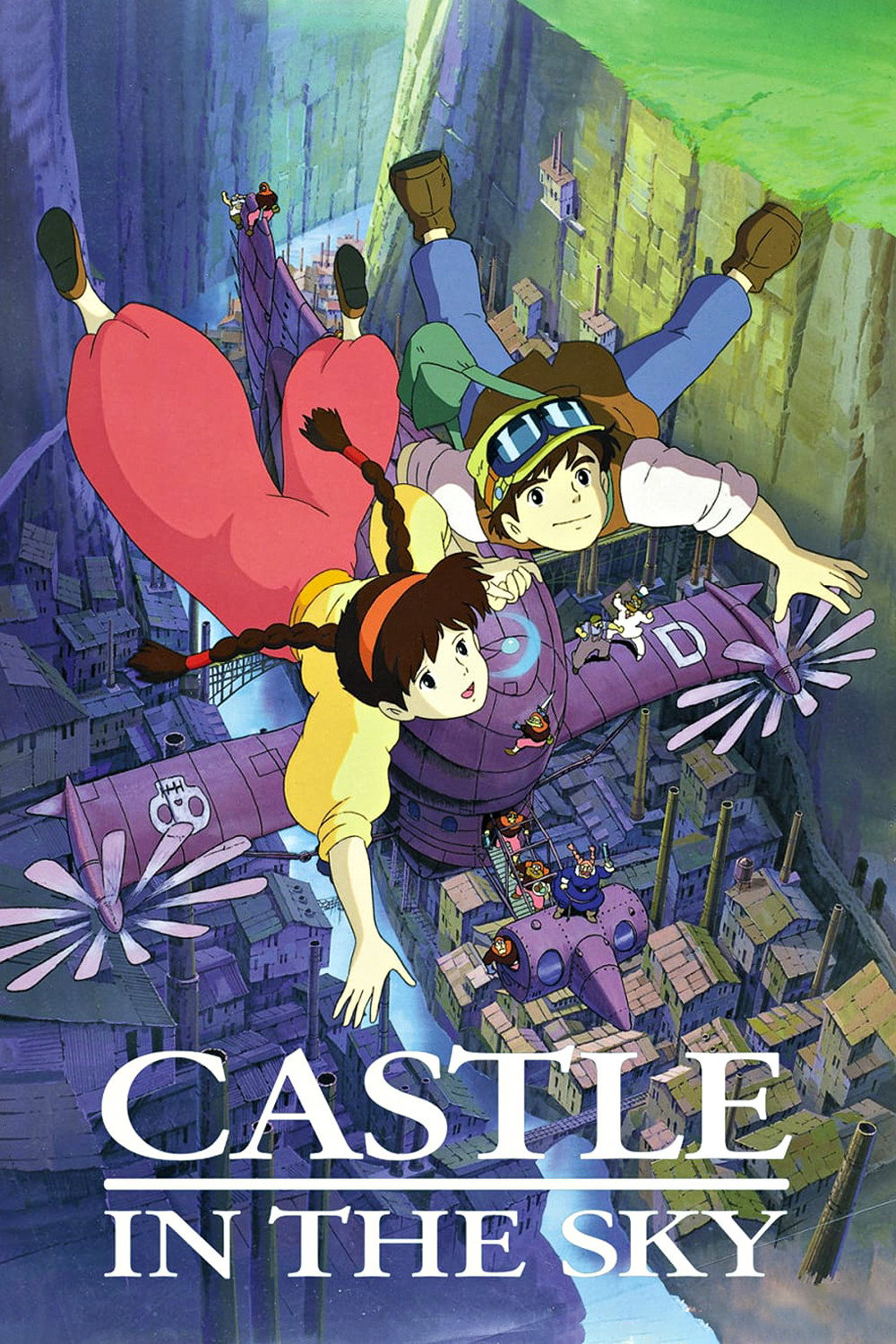
Most critics like Castle in the Sky, and the praise gathers around the same things: the flying sequences, the faux-Victorian machinery and steam-driven contraptions, the droll air pirates, and a first act that several reviewers admire for how briskly it gets the story moving. Many treat it as early Miyazaki, a film whose invention points towards what he would do later. Several call it his most straightforwardly enjoyable adventure, and its balance of action and quieter passages comes up more than once.

The reservations are mild and consistent. A few reviewers find it more formulaic and less thematically rich than the later Ghibli films, and Colonel Muska is noted as an unusually conventional villain for this director. The New York Times worries that two hours may test both adults’ patience and children’s attention. The spread is narrow but for one outlier: the Los Angeles Times, reviewing in 1987, dismisses it as a generic anime adventure with sleepy pacing and clumsy dialogue, a view no later critic shares.

Film Comment
90*

The critic calls Laputa: Castle in the Sky Miyazaki’s most purely enjoyable movie, highlighting its faux-Victorian details, droll air pirates, and exhilarating flying scenes in a broad retrospective of his work.

Read the full review →
Slant Magazine
4 March 2010 · Chuck Bowen
80*

The review praises this early Miyazaki adventure as an exciting and poignant picture whose dreamy brilliance and swift invention already foreshadow his later work, while noting it remains more beholden to formula. It singles out the beautiful economy of the first act and the lingering, chilling details of the world that give the film its texture and originality.

Read the full review →
The New York Times
18 August 1989 · Caryn James
70*

The critic praises the film's detailed fantasy world and dazzling colors as a joy to watch, highlighting its blend of science fiction and fable with strong animation quality. However, the two-hour story about a lost princess and flying island may strain adults' patience and children's attention spans.

Read the full review →
Los Angeles Times
14 July 1987 · festival review · Charles Solomon
30*

The review describes the film as a generic science-fiction adventure that slavishly follows Japanese anime conventions with clichéd elements like oversized eyes, steam-powered machinery, and inept dialogue. It criticizes the somnambulant pacing and threadbare storyline, suggesting it will bore average viewers despite appeal to hardcore fans.

Read the full review →
Den of Geek
27 April 2011 · Ryan Lambie
90*

The critic praises Castle in the Sky as Studio Ghibli’s undying classic and the most finely honed piece of storytelling in Miyazaki’s history, singling out its balance of action, introspection, and moving moments in a Blu-ray retrospective.

Read the full review →
HeyUGuys
28 April 2011 · ★★★★½ · Jon Lyus
90

The critic praises it as a stirring adventure full of imagination and visual invention, highlighting its exciting set pieces and influence, though noting it's less charming than some later Ghibli films.

Read the full review →
Collider
15 June 2012 · Andre Dellamorte
85*

The review praises Castle in the Sky as one of Miyazaki’s best films and a masterwork, highlighting its adventure, excitement, beautiful designs, and strong storytelling that builds stakes effectively.

Read the full review →
Eye for Film
17 May 2011 · Scott Macdonald
80*

It's a charming and effective adventure with breezy execution and inventive set-pieces, though lacking the thematic depth of later works; praised for its whimsical adventure and entertainment value.

Read the full review →
Polygon
25 May 2020 · Tasha Robinson
75*

The piece examines how Castle in the Sky stands out in Miyazaki’s work for its traditional villain in Colonel Muska, while noting the film’s unique focus on military themes and flight alongside Ghibli’s evolving approach to antagonists.

Read the full review →

Ordered by the weight we give each publication, then by score. Scores are normalised to 100; * means inferred from an unrated review. Summaries are ours, not quotations; follow the links for the reviews themselves. How we rate