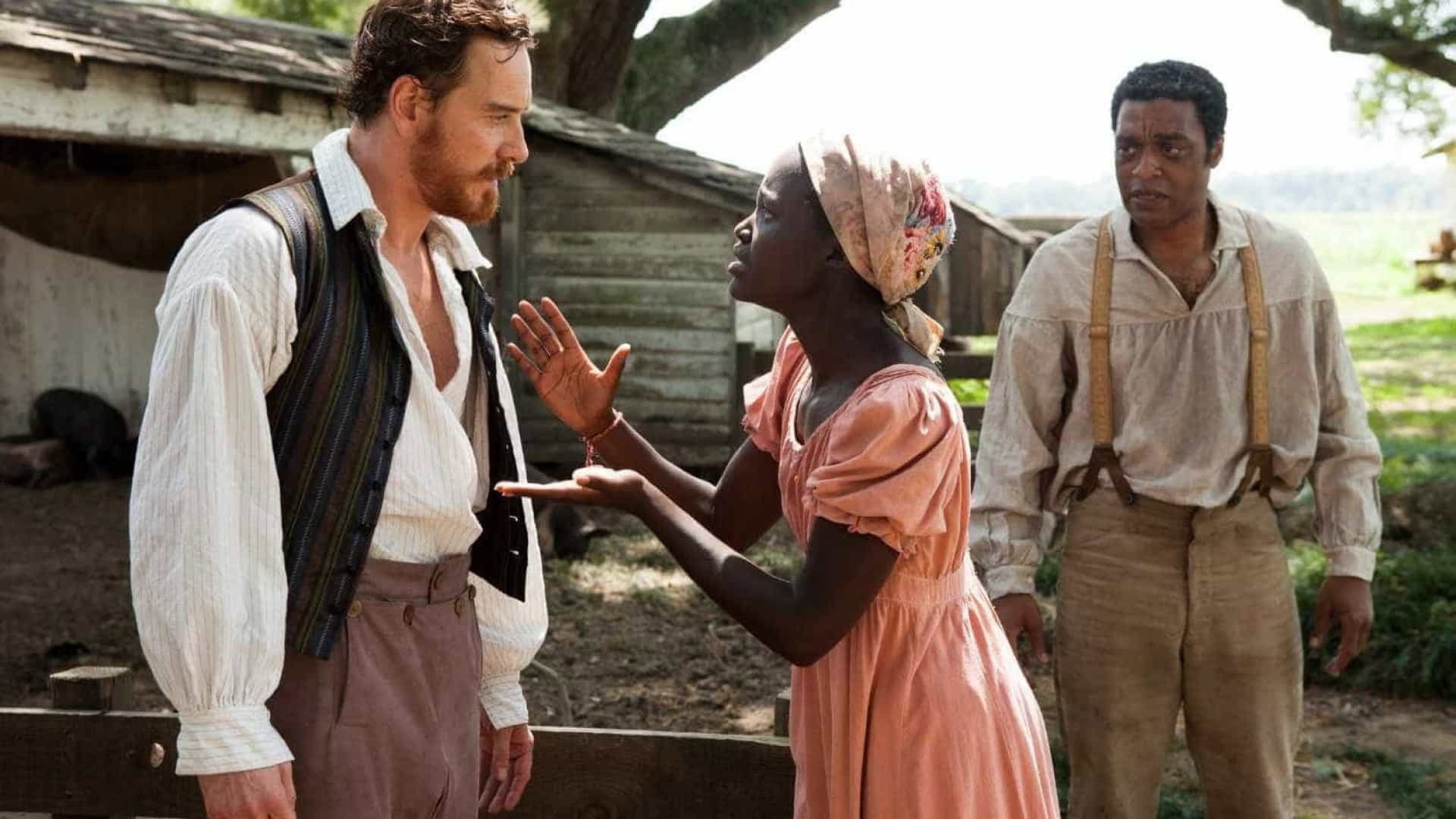
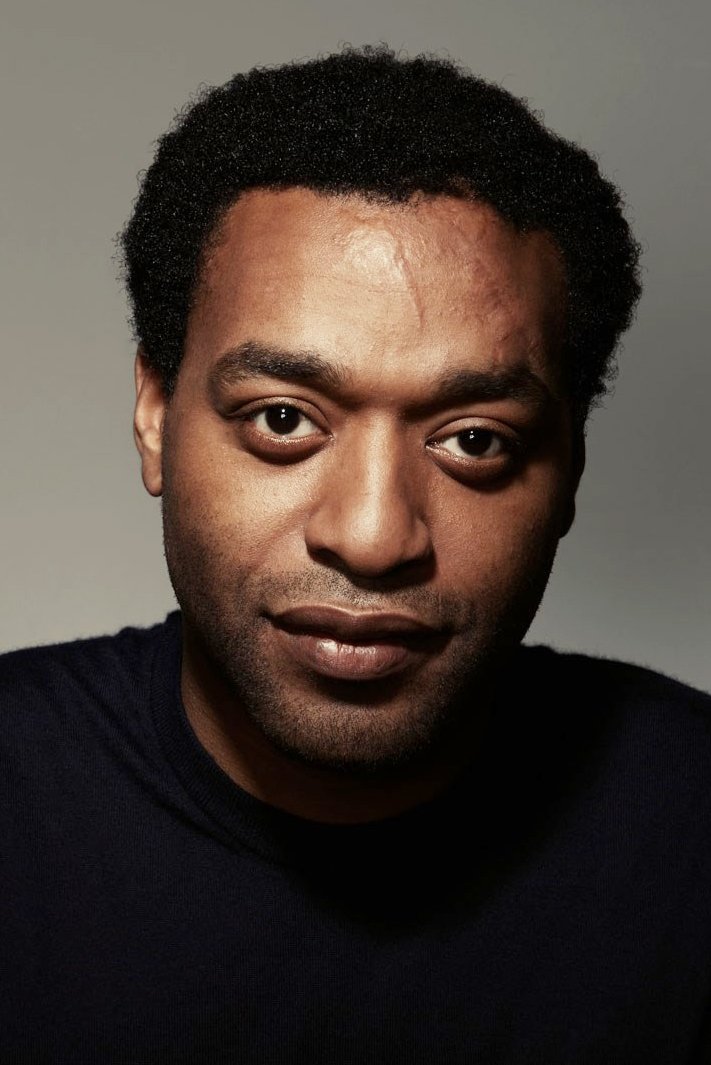
Steve McQueen’s account of Solomon Northup’s enslavement is a film we would urge anyone prepared for its violence to see. Chiwetel Ejiofor makes the suffering personal, even when the music presses harder than it needs to.
Steve McQueen’s 12 Years a Slave is difficult to watch for reasons that have little to do with suspense. We know that people can do these things to one another; what the film makes hard to bear is how routinely they can do them. It is an exceptional historical drama, and we recommend it without pretending that an evening spent with it will be easy. McQueen concentrates on what enslavement does to a person’s body and behaviour, leaving Chiwetel Ejiofor’s Solomon Northup to make us feel the effort required to remain himself.
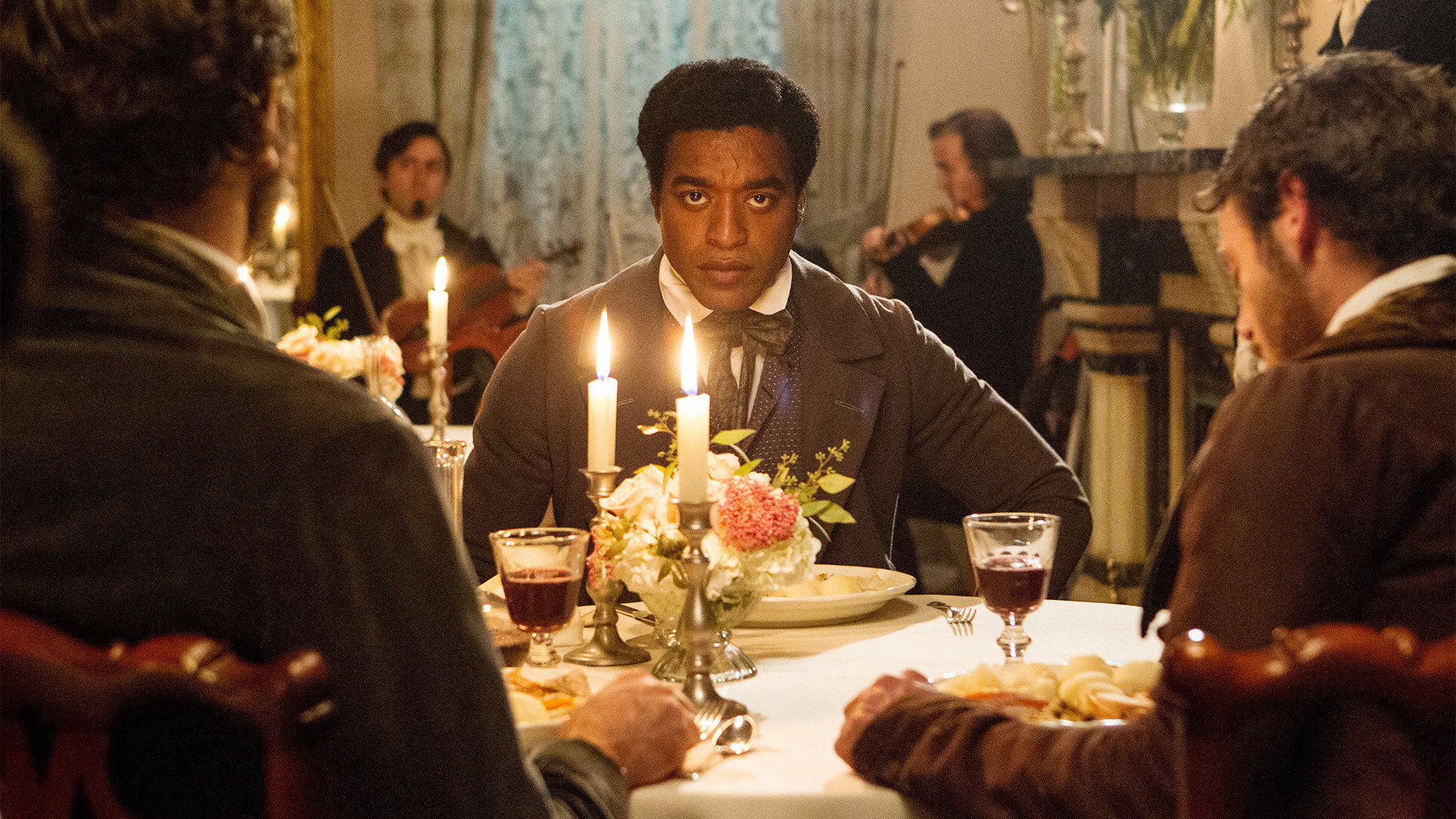
Ejiofor gives the film much of its emotional force through restraint. Small changes in his expression demand attention, and his stillness never suggests that there is nothing happening beneath it. Anger and calculation seem to arrive together: Northup has to judge how much of what he feels can safely show. It is an exact, attentive performance, and John Ridley’s screenplay is at its strongest when it gives him room to think without explaining the thought.
We were horrified by the beatings. What got to us was the time they took, with McQueen making us stay through blows that a quicker film might reduce to one strike and a cut away. Sean Bobbitt’s composed images and Joe Walker’s patient cutting give us time to register the person receiving the violence, and then more time than we want. That patience prevents us from treating an assault as another plot development before moving on.
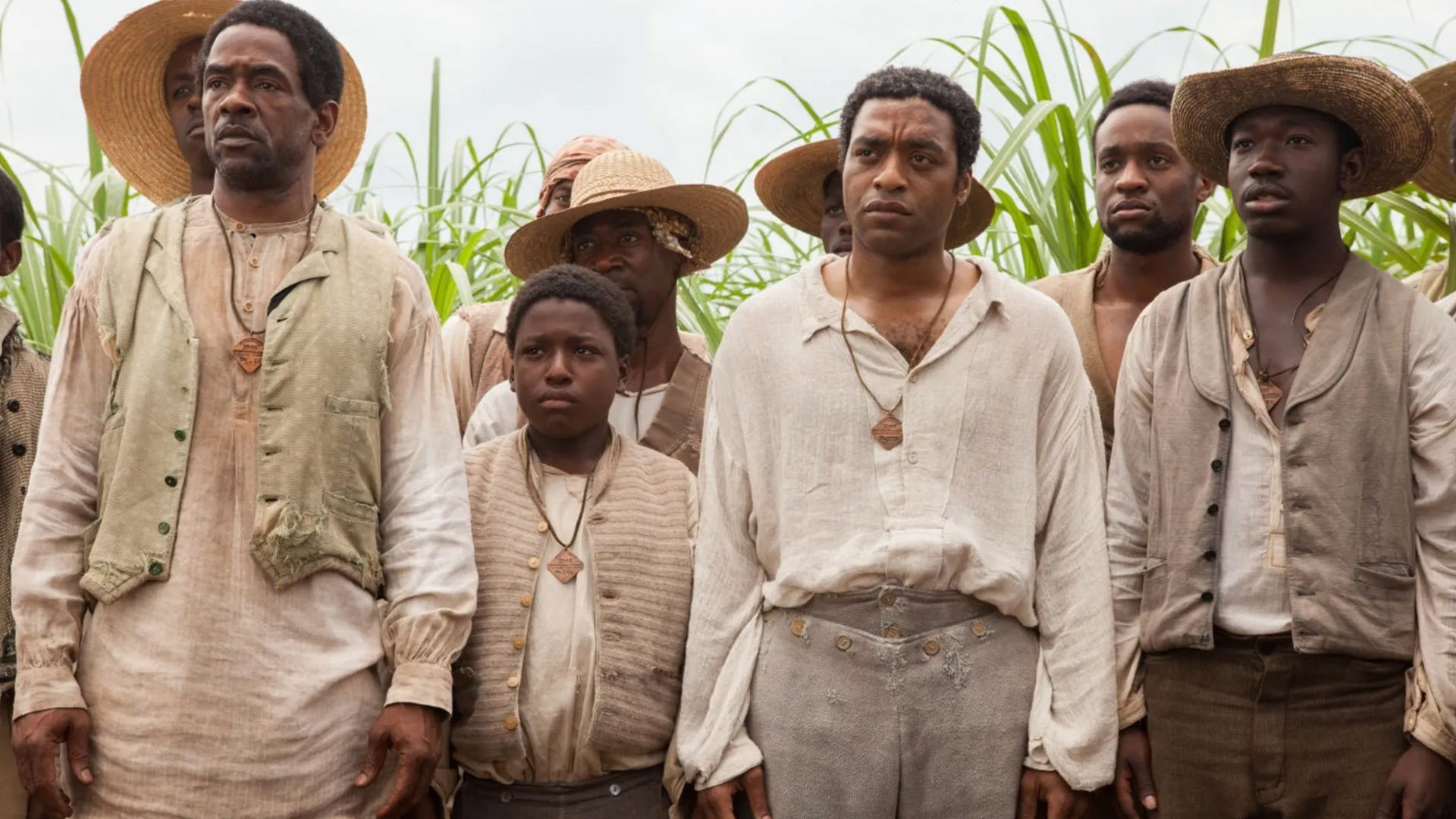
Adam Stockhausen’s production design makes the places of captivity feel built for daily use. That ordinary quality matters: the violence belongs to a working society, and the surroundings offer no suggestion that its business has been interrupted. McQueen is attentive to the ease with which people accept the suffering in front of them, a point that needs no explanatory speech. We found that indifference almost as distressing as the assaults themselves.
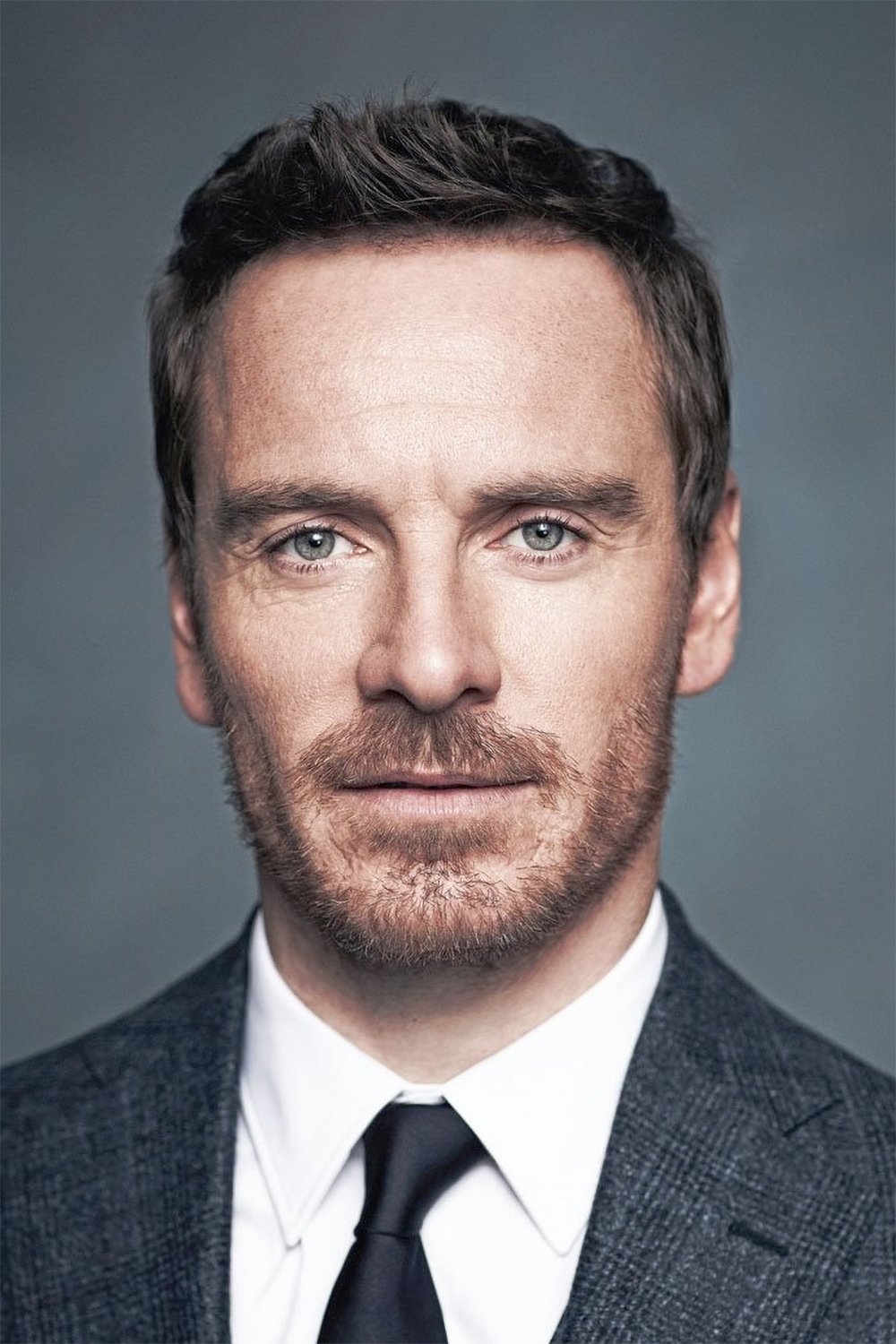
Lupita Nyong’o’s Patsey deserves the same attention as Northup, and Nyong’o gives her a presence that survives the film’s concentration on his experience. Michael Fassbender, as Edwin Epps, is frightening, although his volatility sometimes announces itself too loudly beside Ejiofor’s control. Sarah Paulson’s Mary Epps is effective with less outward exertion. These performances make cruelty feel like something people repeatedly choose, with little inclination to examine themselves afterwards.
The principal weakness is Hans Zimmer’s score, which sometimes pushes the sorrow too insistently. The music supplies an emotional instruction that the performances have made unnecessary. Those passages lose force because of the extra prompting. Ridley’s writing is generally more disciplined about keeping Northup’s experience central, and the succession of encounters allows different forms of cruelty to accumulate without requiring every character to deliver a statement about slavery.
Historical dramas can turn an individual life into a reassuring lesson about how far we have travelled. McQueen offers little room for that comfortable distance, and Ejiofor keeps our attention on a particular person whose thoughts and feelings matter beyond what his experience can teach us. At 134 minutes, the film asks for sustained attention and earns it. Give it that attention, and leave some quiet afterwards.