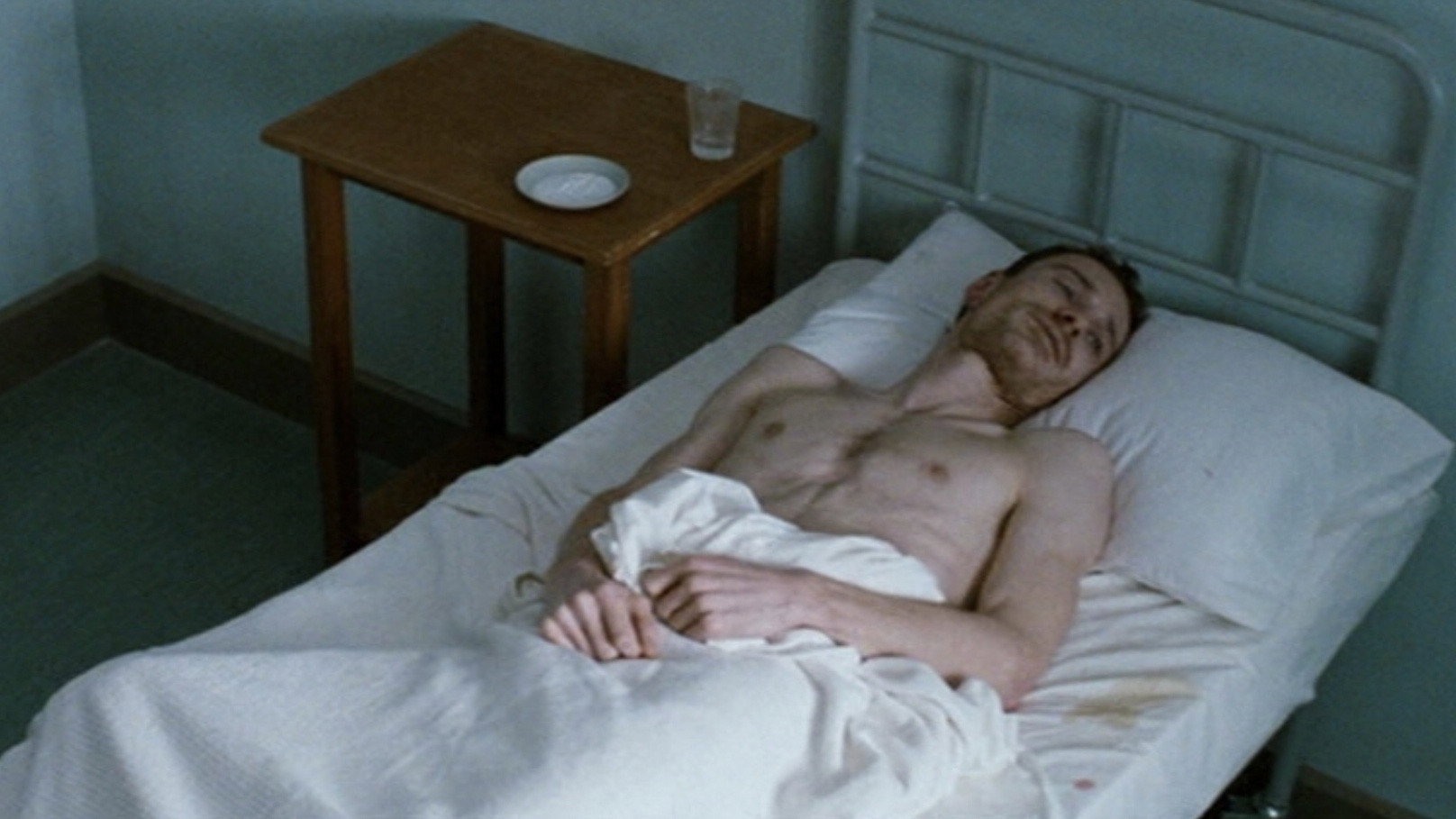
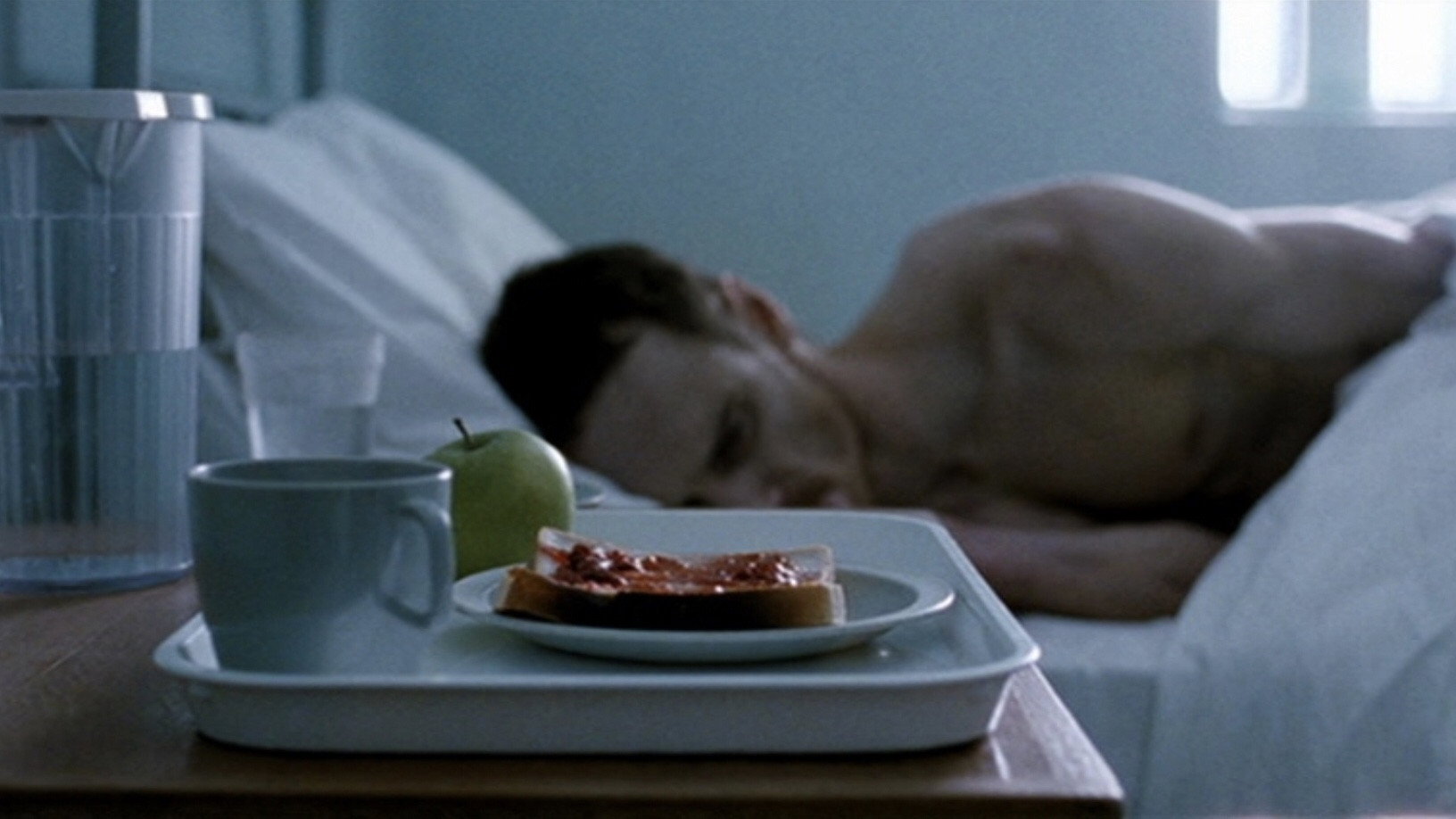
Steve McQueen’s Hunger is a harrowing, superbly acted prison drama, with Michael Fassbender holding our attention as Bobby Sands. We recommend it strongly, with a warning about its violence and the scant political context surrounding the suffering.
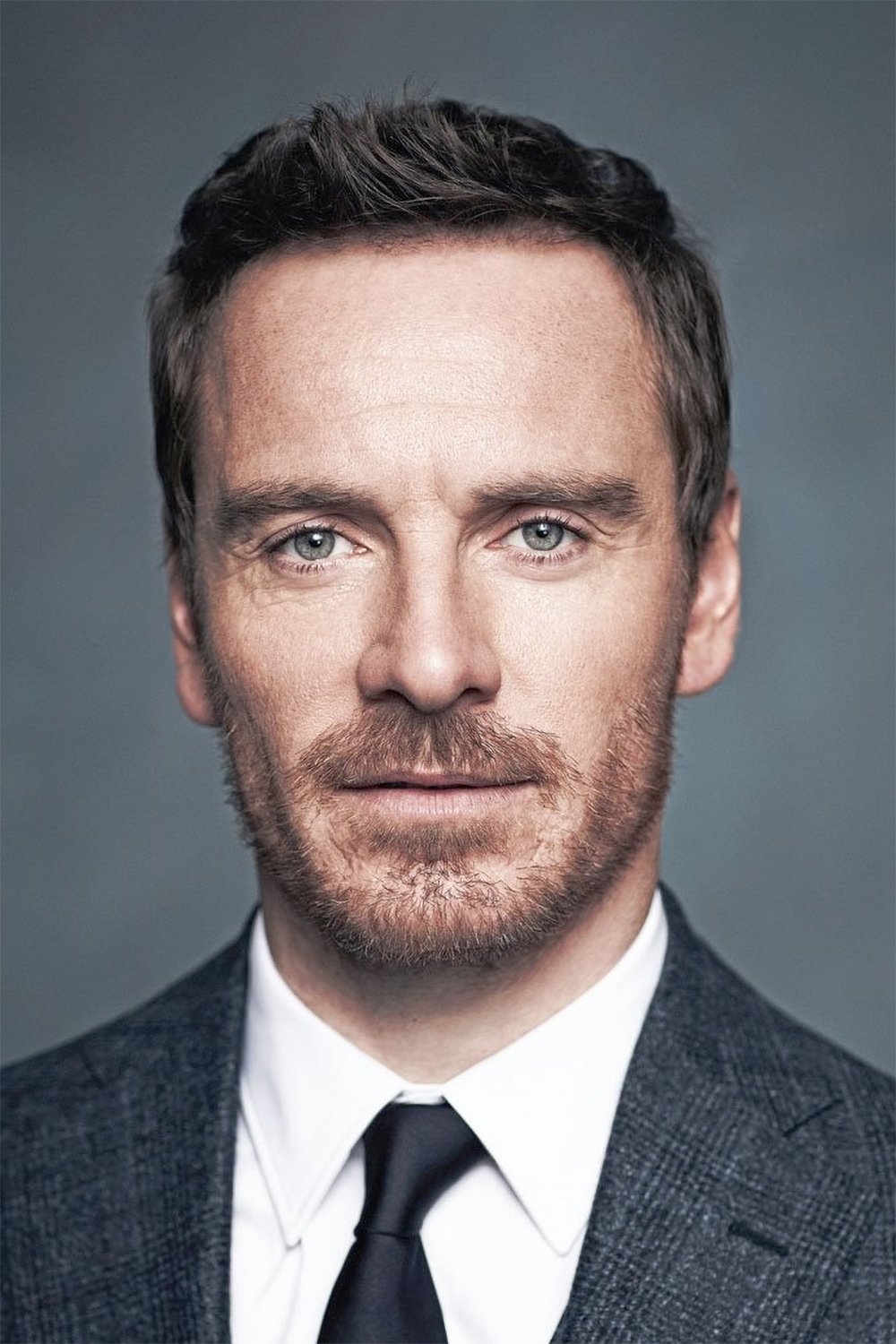
Steve McQueen’s Hunger is a prison film that gives the routines of confinement as much attention as the protest. Set in the Maze Prison around the 1981 hunger strike, it takes time to reach Bobby Sands, played by Michael Fassbender. There is a guard’s working life to consider, and prisoners refusing uniforms in cells made filthy by protest. We think it is an exceptionally assured film, with a serious limit to how much political history it supplies.
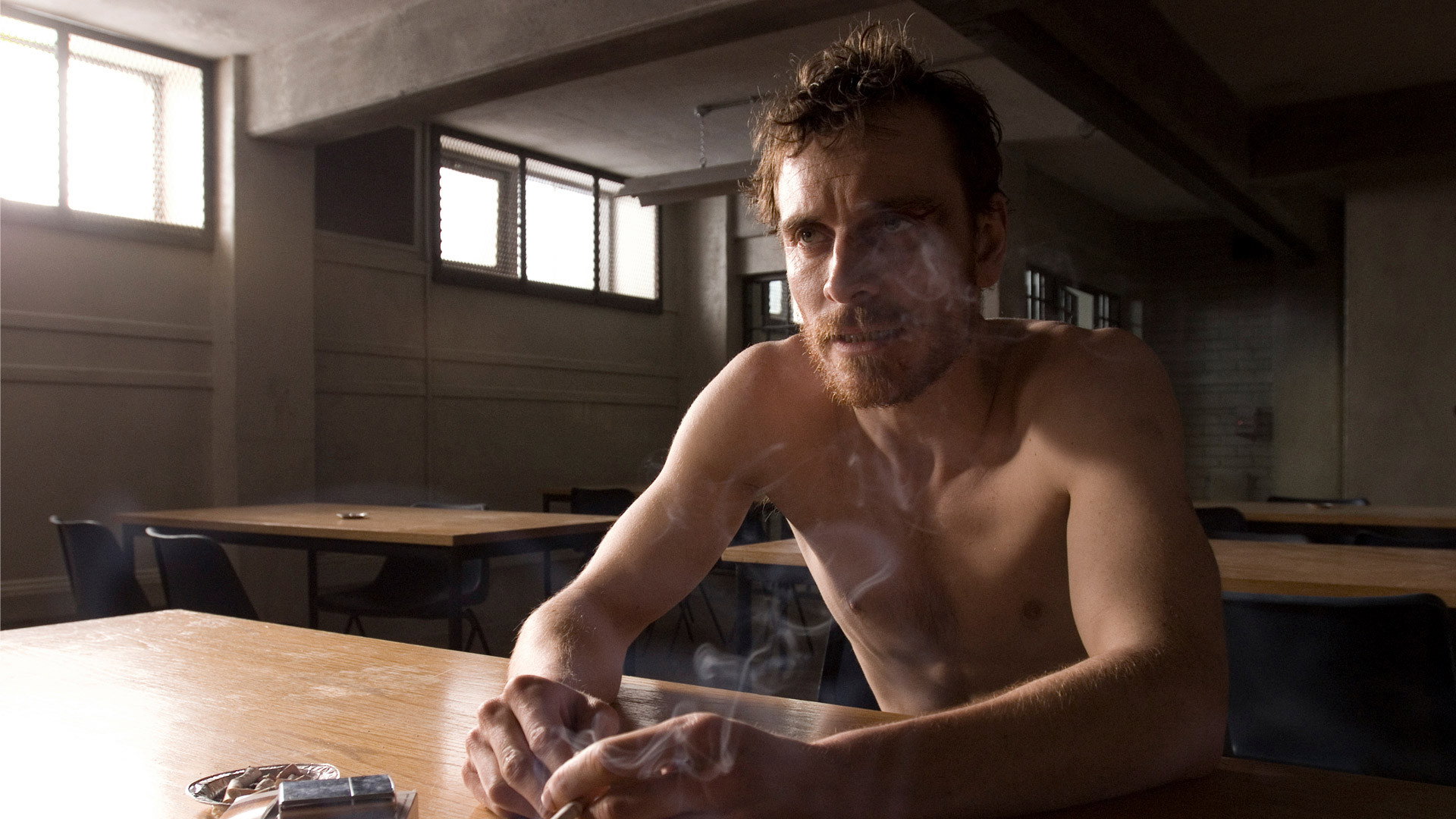
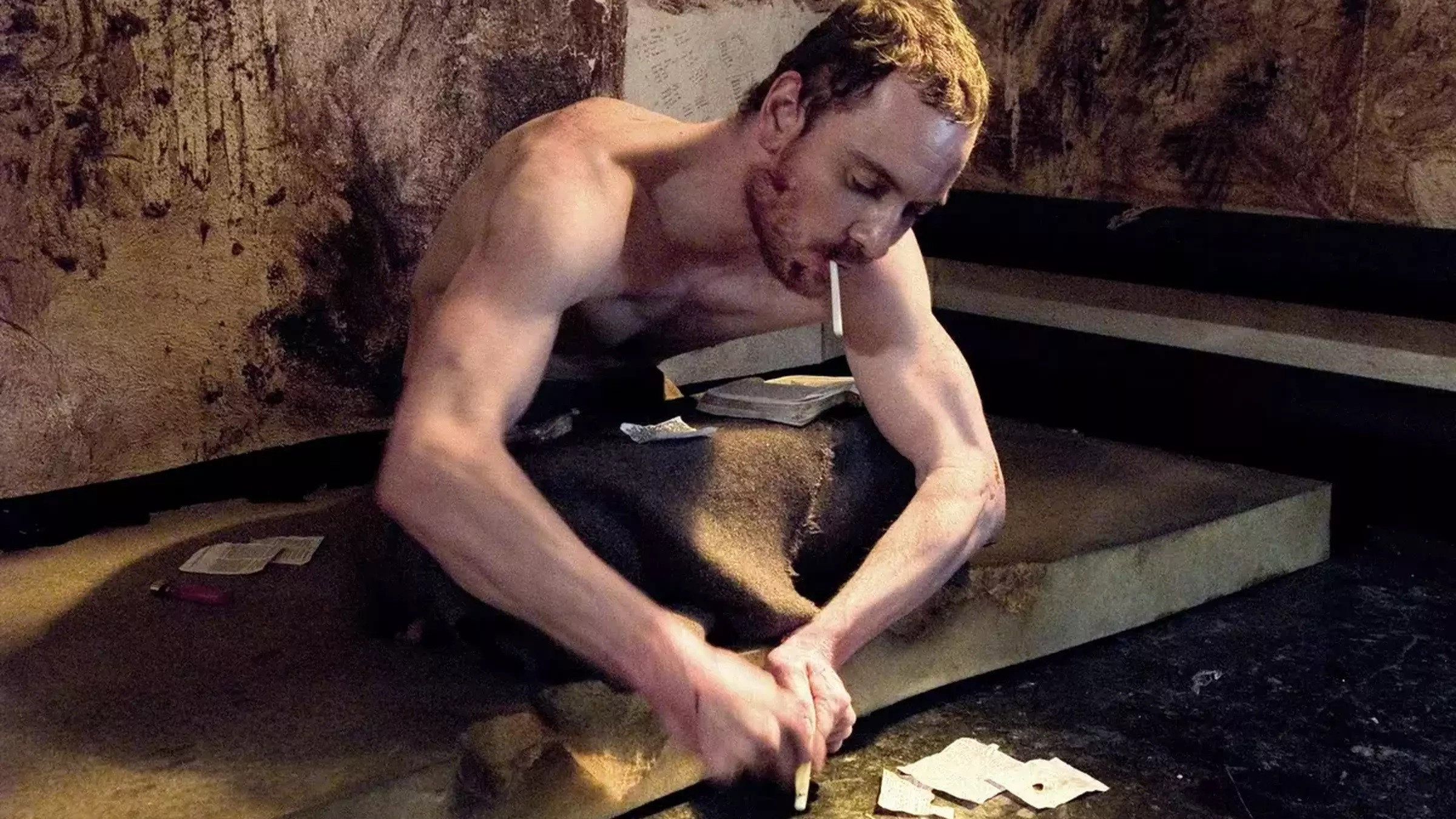
The early passages contain little dialogue, and McQueen lets bodily discomfort accumulate without somebody explaining what it means. We were horrified by the filthy cells and the violence inflicted on the prisoners; the stretches of routine around them made that brutality feel established and ordinary. Sean Bobbitt’s cinematography gives us time to inspect what we might prefer to glance at. His carefully composed frames can make us conscious of the skill involved, but their steadiness mostly prevents the violence becoming a blur.
Production designer Tom McCullagh gives the cells a cramped, filthy solidity that makes the blanket protest comprehensible as a daily ordeal. There is little sense of a set cleared for the actors to perform in, and the confinement is oppressive even without violence. Stuart Graham, as Ray Lohan, helps the film attend to life beyond its central prisoner. McQueen’s willingness to look at guards as well as inmates matters: the violence does not require everyone involved to be presented as a monster.
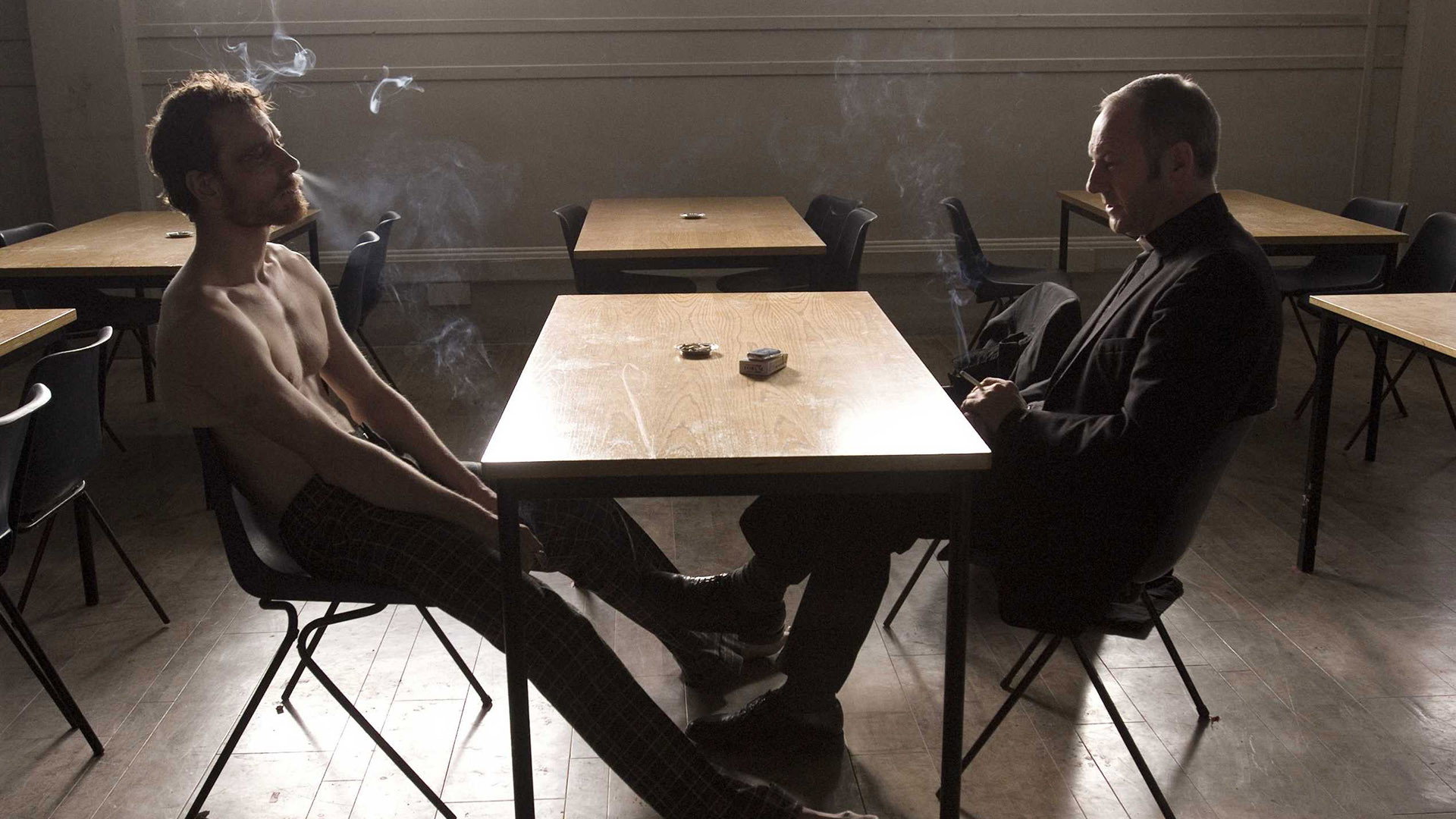
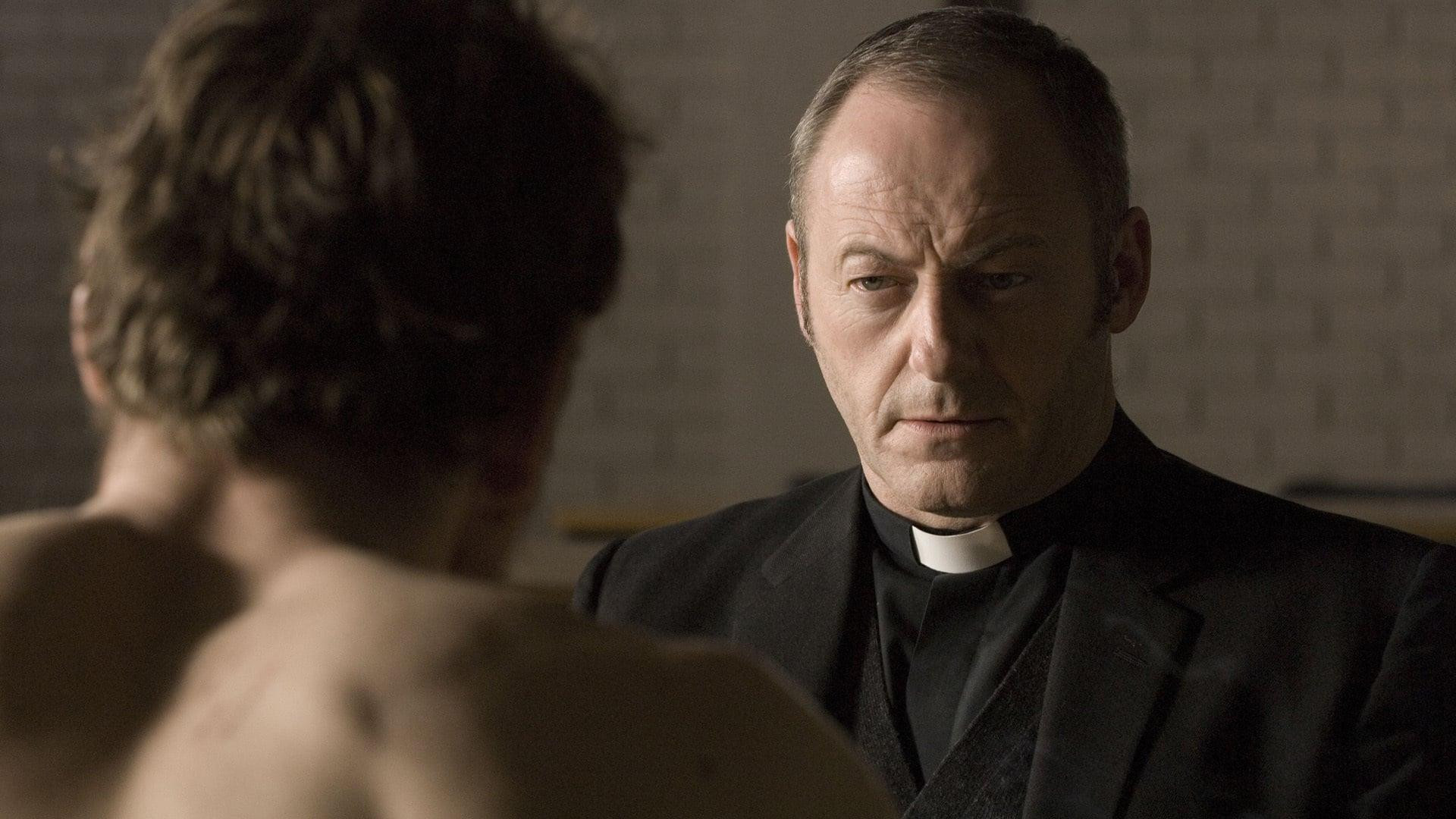
Editor Joe Walker makes the extended conversation between Sands and a priest feel like a necessary interruption. After so much near-wordless physical punishment, the arrival of sustained speech is a relief, although the relief soon passes. Walker allows the exchange to continue without the usual reassuring changes of shot, leaving us to listen to two people rather than wait for the next piece of action. The duration earns its place because we have time to consider what each man says.
The writing, by McQueen and Enda Walsh, gives Liam Cunningham’s priest enough weight to make the discussion more than an invitation to admire Sands. Cunningham is a substantial presence, and Fassbender does not soften Sands’s determination to make him easier company. We found the exchange more disturbing than we expected because neither performance lets us treat the decision as settled merely because it has been made. Fassbender makes certainty uncomfortable to sit beside, without resorting to a display of menace.
David Holmes and Leo Abrahams’s music adds to the unease without supplying a ready-made response, while the wider sound work makes the prison oppressive even in quieter passages. McQueen is less persuasive when the compositions ask to be admired for their own sake. Those moments are occasional; the shortage of political explanation matters more. Viewers unfamiliar with the conflict receive little help in understanding the wider struggle, and the intense scrutiny of prison life cannot supply all of that missing history.
The long takes will frustrate anyone who expects a prison drama to keep finding a new incident. We think their patience is justified: resistance here has to be sustained through days whose routines barely change. At 96 minutes, the film still asks for considerable stamina, particularly from anyone sensitive to violence. Choose an evening when there is time afterwards to talk.