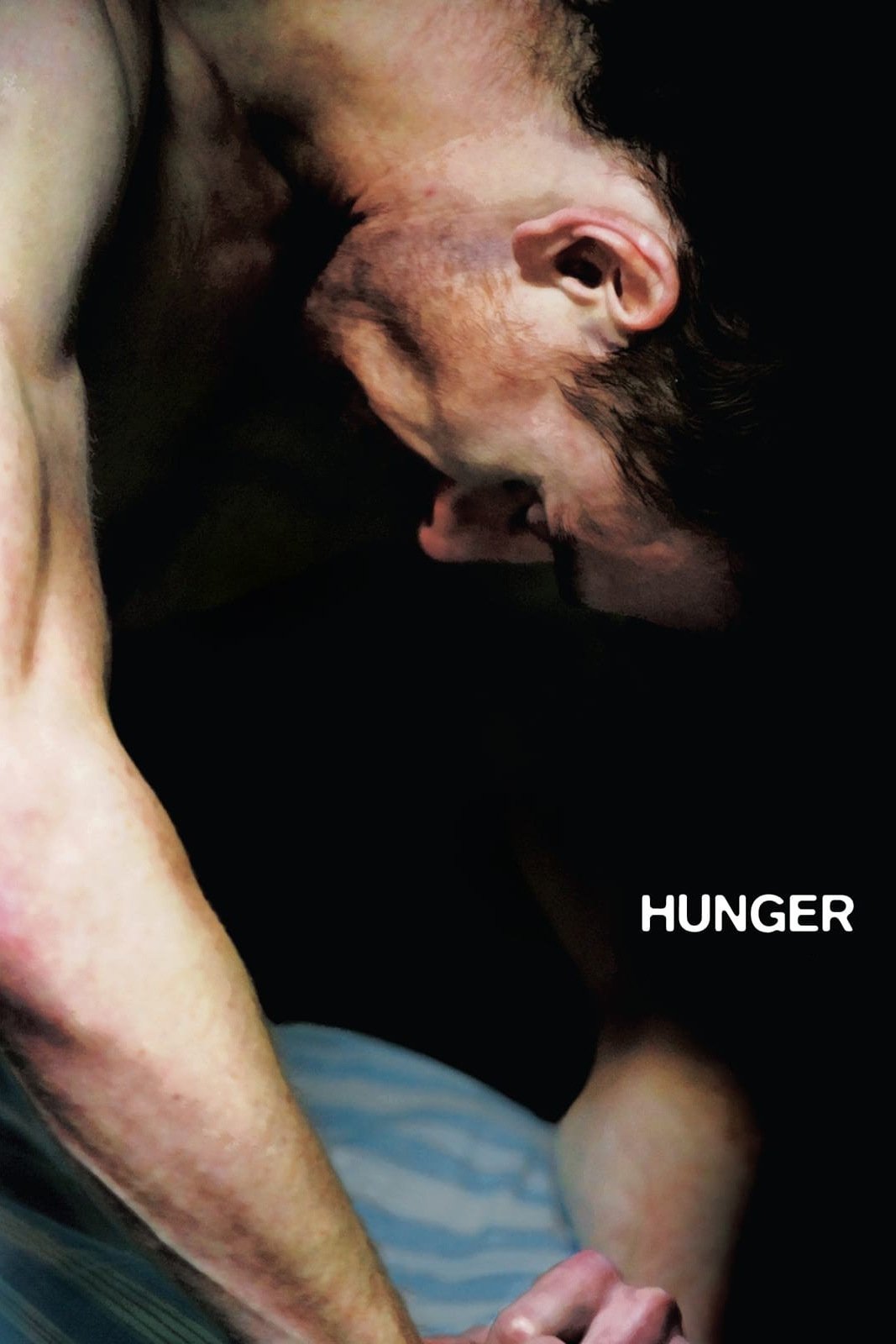
Most critics respond strongly to Hunger, praising Steve McQueen’s controlled direction and the force of its depiction of prison protest and physical suffering. The praise centres on the precise compositions, the use of sound and silence, and Michael Fassbender’s physically demanding performance as Bobby Sands. The extended conversation between Sands and a priest is repeatedly singled out for giving sustained attention to the moral questions surrounding the protest, while several reviews value the film’s resistance to simple heroes and villains.
Reservations concern the deliberate pace, an occasionally overdetermined structure and symbolism that some find too self-conscious. The spread is wide despite the strongly positive consensus: The Hollywood Reporter stands apart in finding the film trite, politically unilluminating and uneven, though it acknowledges Fassbender’s commitment. Elsewhere, such objections mostly qualify admiration for a gruelling film whose concentration on bodies and prison conditions carries more weight than conventional historical explanation.
S
Slant Magazine
1 October 2008 · ★★★★/4
100
The critic hails the film as a nuanced masterpiece for its assured integration of visuals, sound design and script in depicting the daily intricacies of prison protest and revolution, singling out the powerful 22-minute dialogue scene and poetic imagery for particular praise.
An extraordinary, convention-defying study of Maze Prison life and the 1981 hunger strikes that moves from communal brutality to personal focus on Bobby Sands. McQueen balances perspectives with a masterful structure of life, debate and death, creating an invigorating if difficult watch anchored by Fassbender's committed performance.
The critic describes the film as an icily brilliant and superbly acted portrait of the 1981 hunger strike that unflinchingly conveys the nauseous reality of the dirty protest and the tragic futility of the events. He singles out the austere long-take scene between Sands and the priest, Fassbender’s emaciated performance, and McQueen’s fierce concentration on stark imagery for particular praise.
With calm, deliberate attention the film explores physical extremity and political extremism in the Maze prison protests of 1981. Dignity is the real subject as it recreates the atmosphere of resistance with an uncanny balance of violence and quiet, emphasizing the prisoners' refusal of prison uniforms and the resulting conditions.
The critic highlights the visceral, dialogue-free immersion in the Maze Prison's brutal conditions and praises McQueen's visually stunning direction and Fassbender's remarkable performance, while noting the structure can feel overdetermined at times.
Hunger is a powerful, difficult piece that announces Steve McQueen as a singular talent and Michael Fassbender as an actor of note. It is a gruelling, compelling experience that offers no easy pleasures or simple analysis.
McQueen delivers a violent, ambitious biopic of IRA hunger striker Bobby Sands that uses the camera's lingering gaze and striking compositions to depict prison brutality and protest. The standout is a 20-minute single-take debate between Sands and a priest that elevates the film beyond historical drama while maintaining narrative drive.
Turner Prize-winning artist McQueen makes an impressive feature debut with assured command of the medium in his portrait of IRA hunger striker Bobby Sands. The film offers a history lesson with contemporary resonances, conveyed through forensic composure, striking compositions and strong performances including Fassbender's physical transformation.
The film is a desperate depiction of the 1981 IRA hunger strike led by Bobby Sands in Maze Prison, focusing on inhumane conditions, prisoner determination, and moral dilemmas without taking sides on the politics. It highlights three narrative strands including a guard's routine, blanket protests by inmates, and Sands' decline, with praise for the realistic style and extended dialogue scene between Sands and a priest.
The critic calls the film trite, grim and feebly provocative, faulting its clichéd art-installation style, lack of new insights into the political conflict, and uneven structure while acknowledging Fassbender's committed performance in the hunger-strike scenes.
It is a powerful, pertinent but not entirely perfect debut that demonstrates painterly composition and cinematic flair but stumbles with trite symbolism in the final reel. The film harrowingly recounts Sands' final months with strong performances, visual poetry, and atmospheric sound design, though its slow pace and long takes may test audiences.
The critic calls it a powerful and profound masterpiece that blends realism with abstract visuals in a brutal but worthwhile depiction of the 1981 IRA hunger strike. Fassbender's performance is singled out as Oscar-worthy for its psychological depth and physical transformation.
The critic praises McQueen for a multi-faceted and compelling retelling of the hunger strikes that avoids simplistic hero-villain narratives. They single out the raw depiction of prison degradation alongside moments of composed, terrifying beauty and the powerful central dialogue scene.
The critic calls the film intense, disquieting and lyrically shot, highlighting its focus on personal human suffering and limits of conviction over overt politics. They single out the astonishing uncut 22-minute dialogue scene between Sands and the priest as a standout.
The review highlights the novel focus on the physical body as victim and weapon, along with bodily fluids and religious martyrdom imagery. It praises the beautiful cinematography rooted in McQueen's artistic background while noting a sometimes self-conscious style in this remarkable debut.
The critic praises the film's meticulous and unflinching depiction of the 1981 Irish prison protests and its command of visual details in cramped, filthy cells. Michael Fassbender's physically demanding performance as Bobby Sands is highlighted for its intensity and the film's striking compositions.
Ordered by the weight we give each publication, then by score. Scores are normalised to 100; * means inferred from an unrated review. Summaries are ours, not quotations; follow the links for the reviews themselves. How we rate