Film review

The Imitation Game

2014 · Directed by Morten Tyldum · 1h 53m · MPA PG-13

In a sentenceBenedict Cumberbatch makes us care about a man who would much rather discuss his machine

HistoryDramaThrillerWar

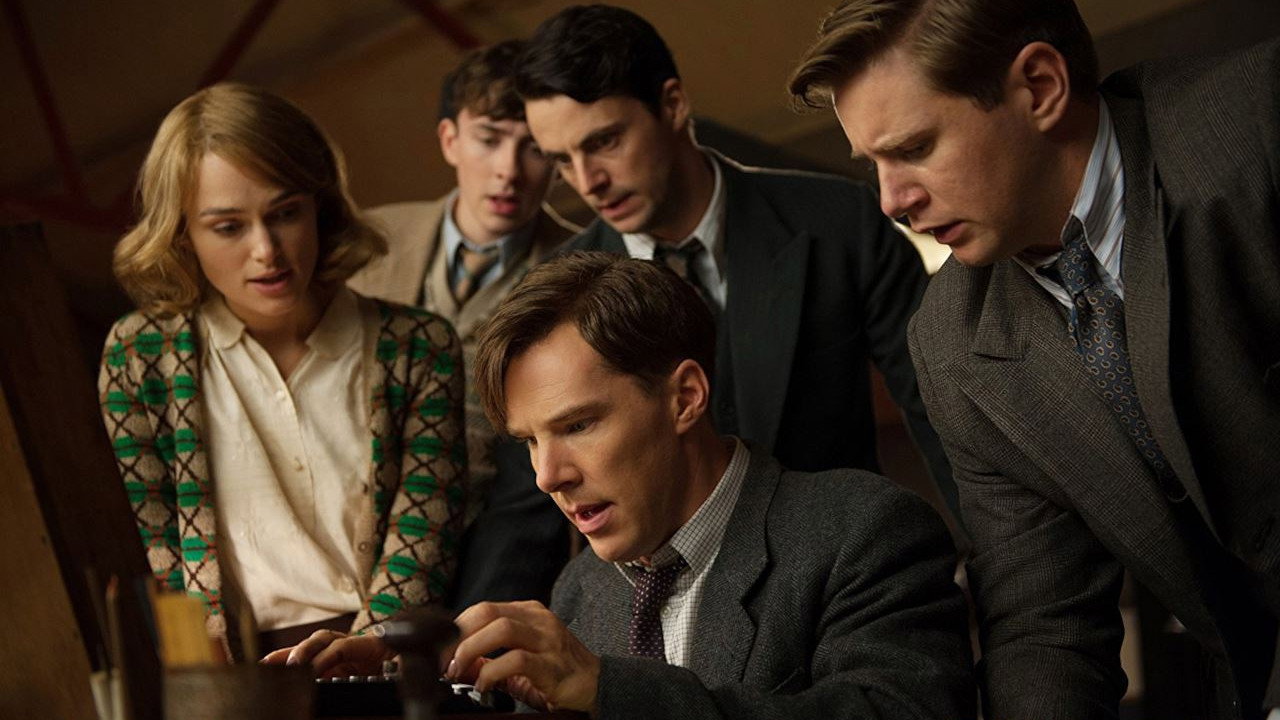
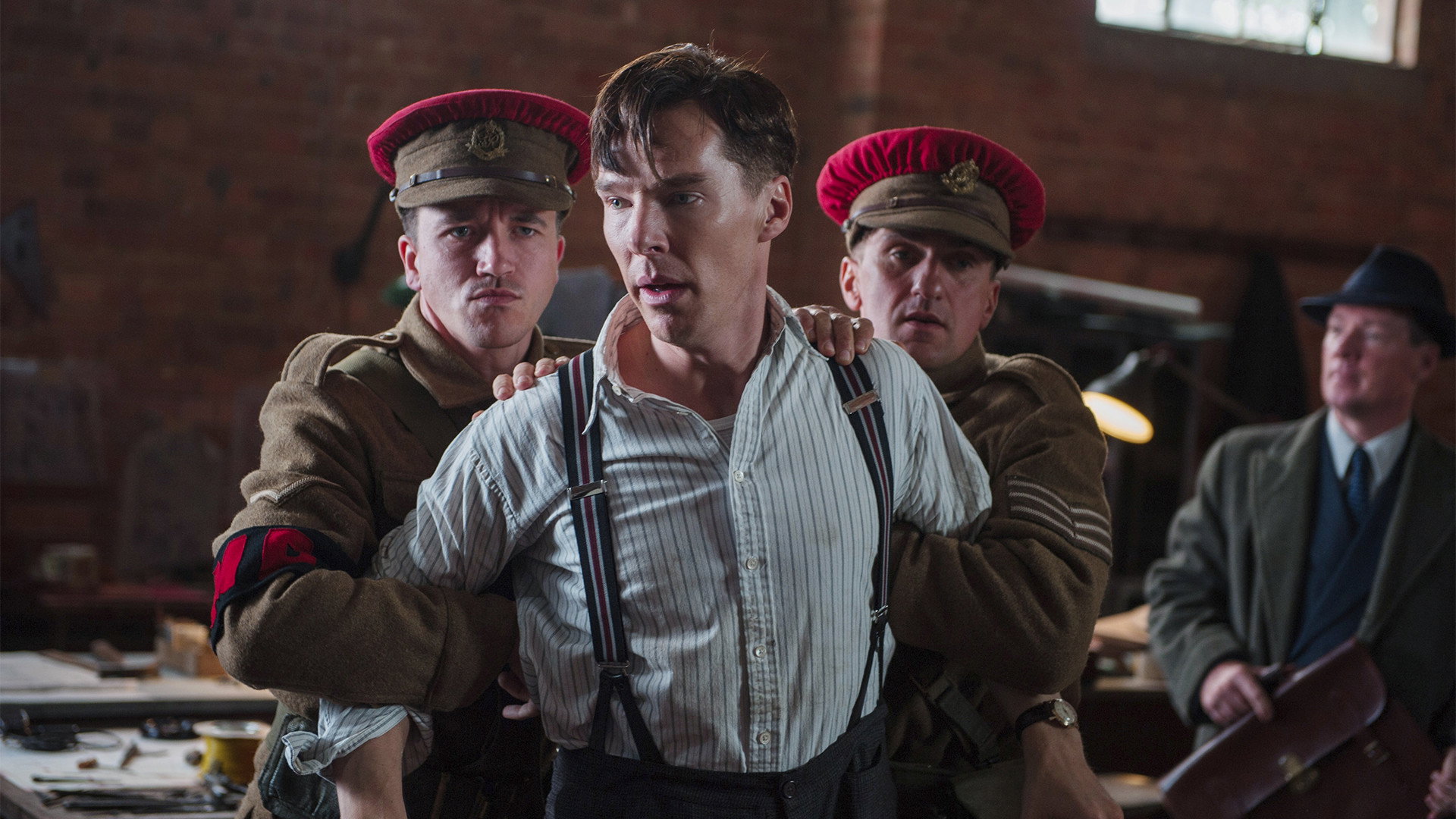
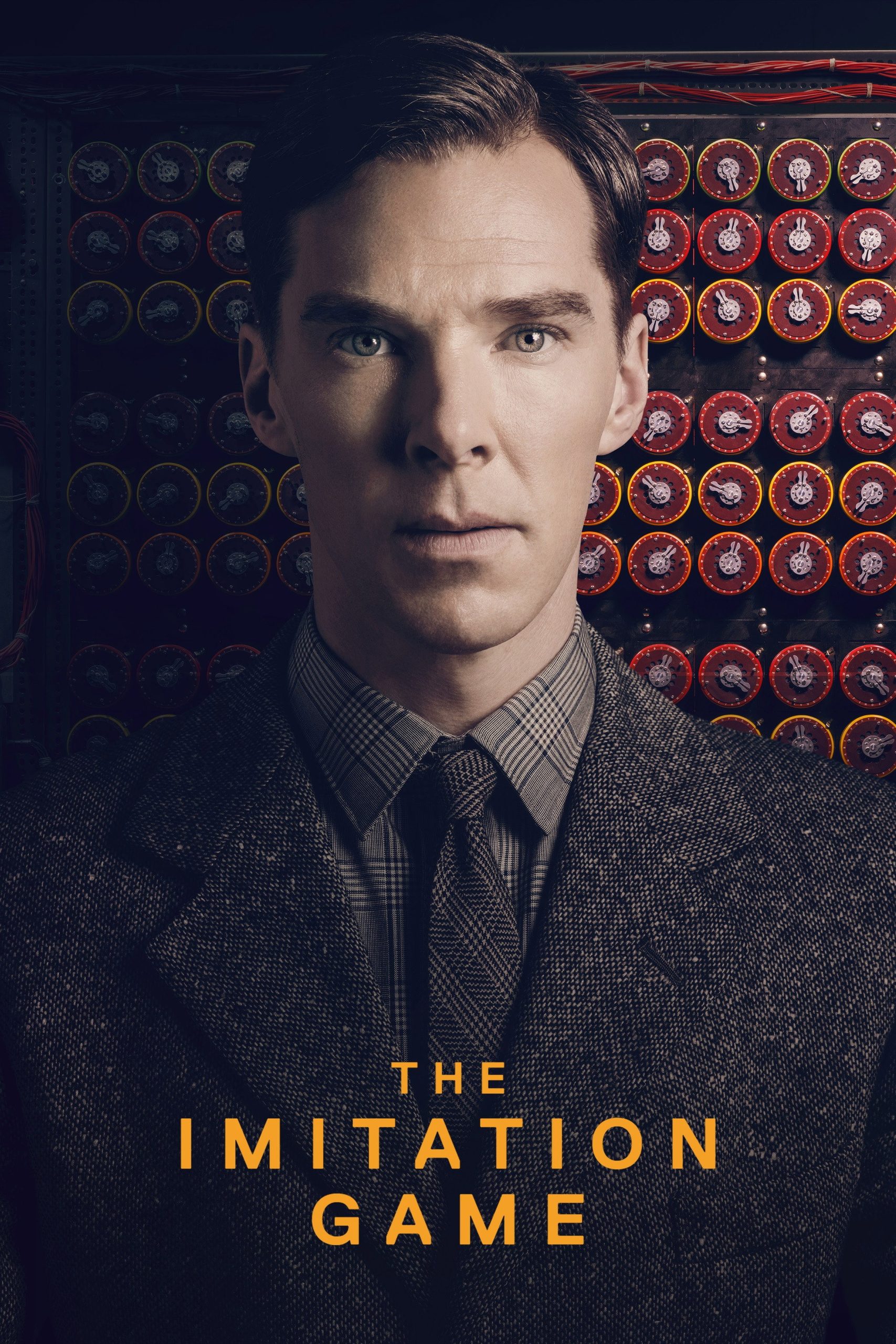
During the war, Alan Turing (Benedict Cumberbatch) works to break the Enigma code, absorbed by a machine that might do the job. He needs to solve a technical problem while negotiating working relationships that come less easily to him. Joan Clarke (Keira Knightley) brings warmth into that guarded life. The film also returns to Turing’s youth and follows a postwar police investigation involving Detective Robert Nock (Rory Kinnear). The code-breaking proceeds under pressure, while the shifts between periods begin to connect Turing’s work with the private life he keeps concealed.

Plays from YouTube when you press play; nothing loads from them until then.

Fi1m review

Benedict Cumberbatch makes this conventional wartime drama worth the evening. The code-breaking holds our attention, though the screenplay’s tidy explanations of Alan Turing leave too little room for a complicated man.

Morten Tyldum’s The Imitation Game is an absorbing wartime drama that makes Alan Turing a little too easy to explain. It wants the code-breaking to supply the suspense and the man doing it to give that suspense some feeling. For much of its 113 minutes, that works: the technical problem is clear enough to follow, and Benedict Cumberbatch makes concentration interesting to watch. We recommend it, with reservations about how neatly Graham Moore’s screenplay accounts for a difficult life.

The wartime work, the glimpses of Turing’s youth and the postwar police investigation give the film three ways into its subject. William Goldenberg’s editing keeps those strands legible, so moving between them seldom means having to work out where we are. The cost is a tendency to make one period explain another before we have had much chance to think. A biographical drama can leave a little more unresolved without becoming a cryptography examination.

Benedict Cumberbatch gives the film its most persuasive moments by letting Turing’s certainty about his work coexist with uncertainty around other people. The social awkwardness can be pushed too hard, especially when it becomes the chief way of telling us how exceptional he is. Yet the performance also allows hurt to register without making him agreeable. We were moved by the warmth Keira Knightley brings to Joan Clarke’s dealings with him; her patience makes his difficulty accepting company seem painful rather than merely eccentric.

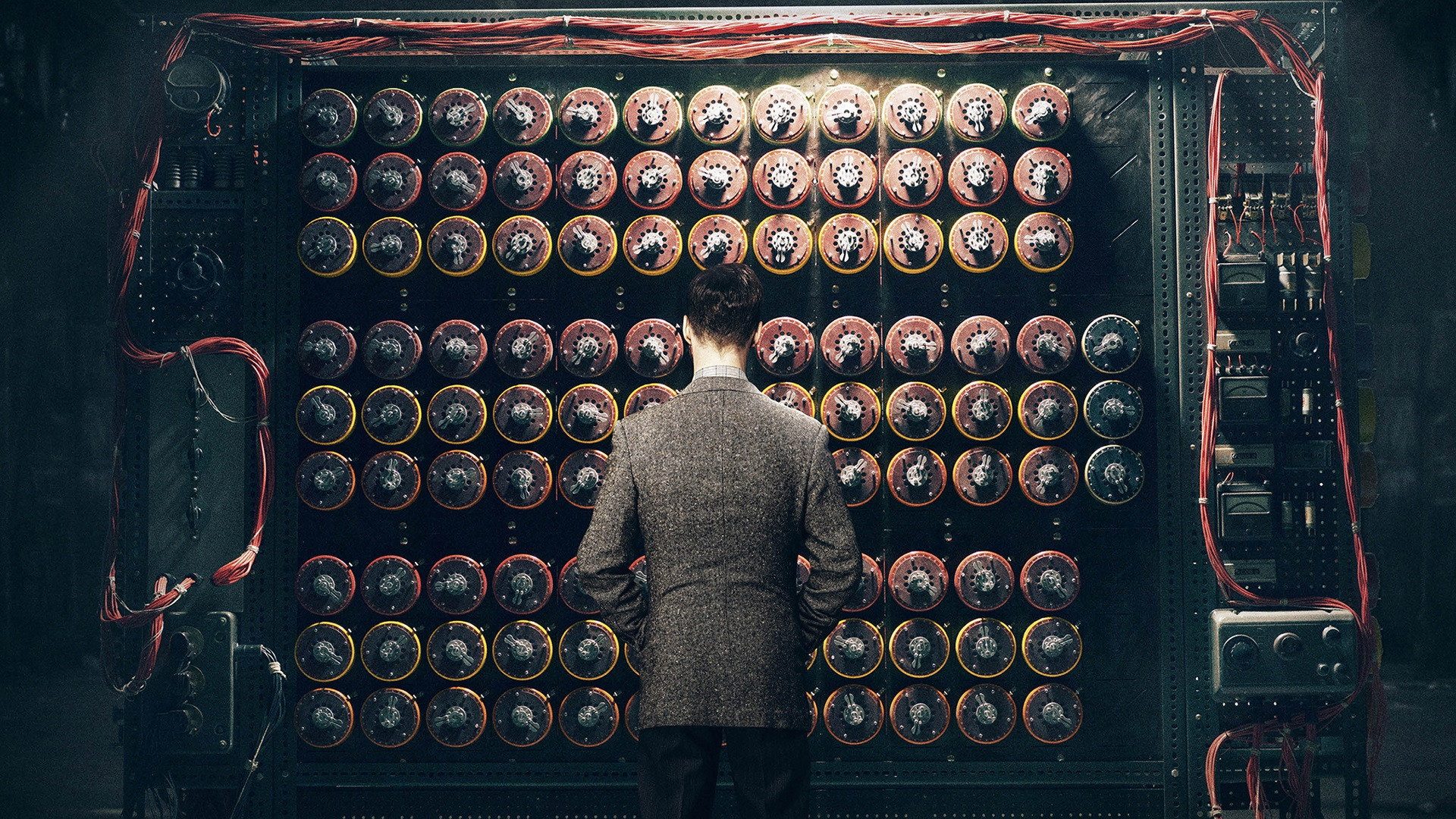
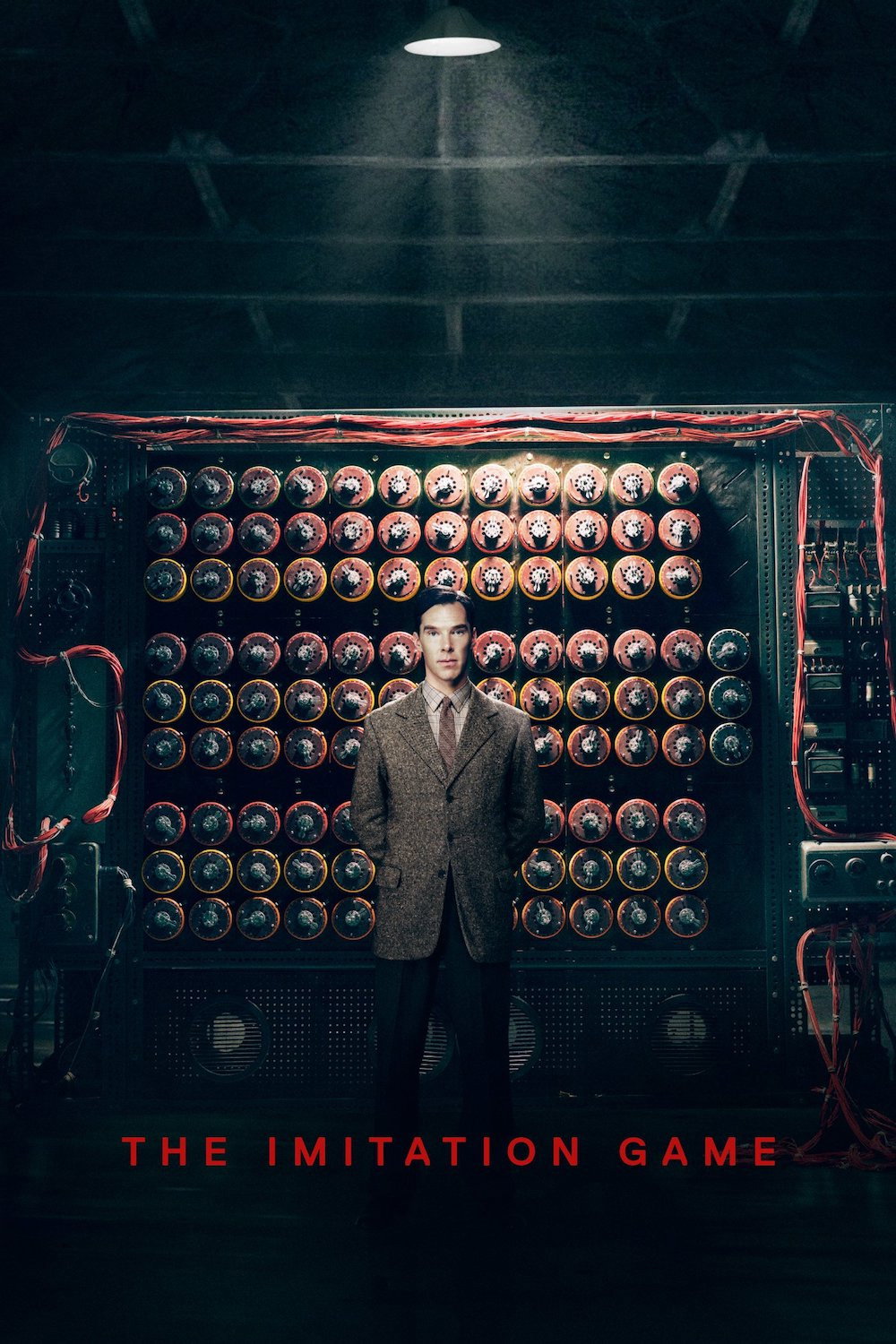
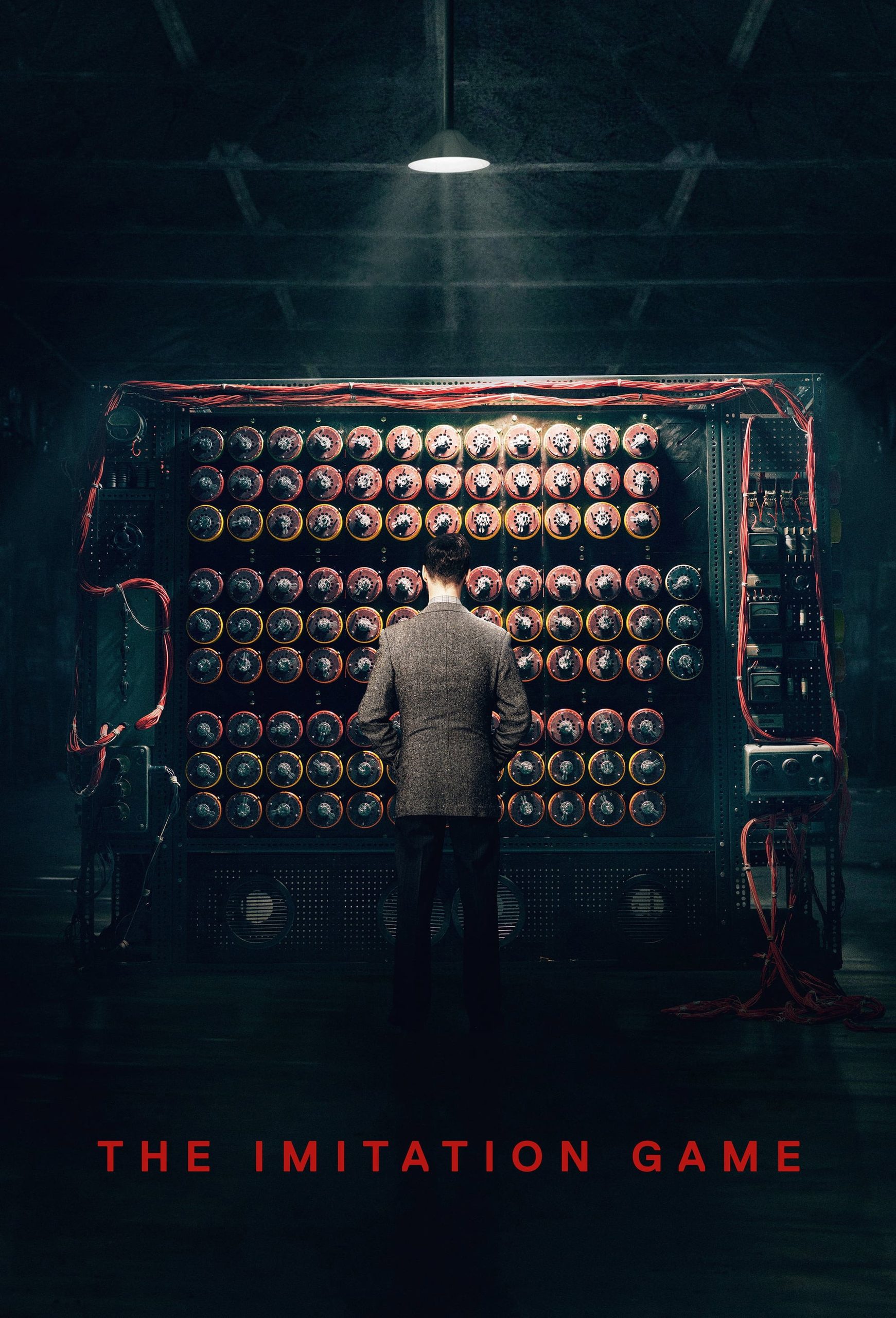
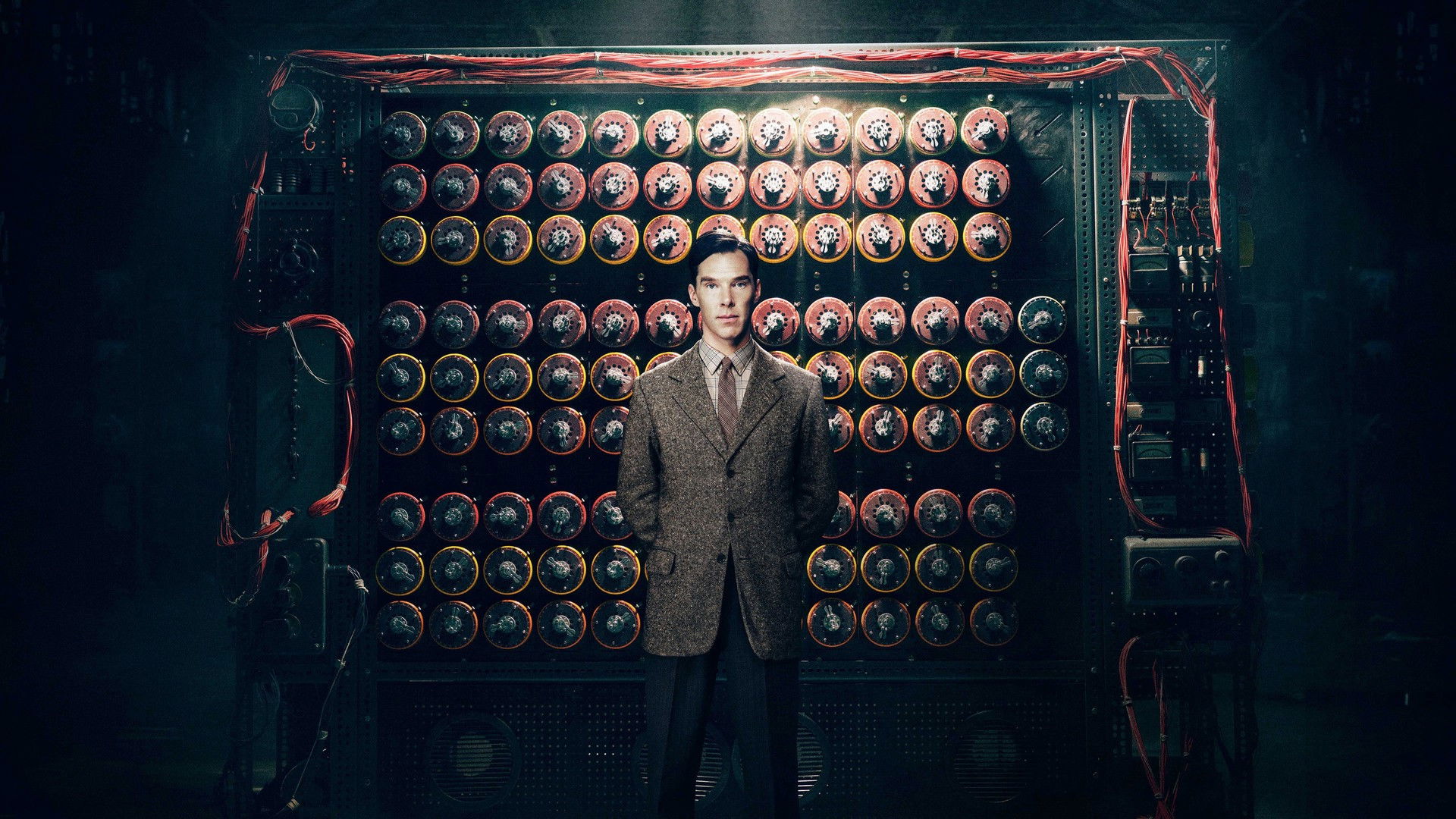
Óscar Faura’s cinematography gives the period setting a composed, careful finish, though there is little here to disturb the familiar look of a respectable historical drama. Maria Djurkovic’s production design is more satisfying in its attention to the machine, which becomes something we can invest in without understanding every part. We want the thing to work. That attachment helps the technical passages, where a more exhaustive explanation of the calculations would have served neither the pace nor the people.

Alexandre Desplat’s music helps maintain that urgency, although its emotional guidance can feel unnecessary beside the performances. The larger problem is Graham Moore’s insistence on making personality so readily understandable. Social difficulty, exceptional ability and private pain fit together with a convenience that makes the writing feel arranged for our benefit. The screenplay’s sympathy is welcome, but it could trust us to care about Turing without supplying so many explanations for his behaviour.

The film is also cautious about Turing’s sexuality, treating it chiefly as a secret and a source of suffering. That narrows the person we are being asked to understand, and leaves the code-breaking with more room to develop than his private life. This is a familiar weakness of the biopic about a gifted outsider: the injustice receives attention that might also have been given to ordinary pleasures and attachments. Keira Knightley’s warmth supplies some of that missing sense of an everyday life, though she cannot repair the omission.

Still, the suspense survives those limitations, and the cast gives this orderly film enough warmth to keep it from becoming a lesson. It is good at making specialised work matter to people who could not begin to do it themselves. Within the conventions of the historical thriller, its clarity and pace are considerable virtues. Choose it for an evening of code-breaking and human friction, then leave room for a less simplified account of Turing.

Critical consensus AI synthesised

72
Positive
17
Mixed
3
Negative
4

Most critics find The Imitation Game an absorbing, accessible historical drama, with praise centred on Benedict Cumberbatch’s performance as Alan Turing. The favourable reviews credit him with conveying sensitivity beneath the character’s awkwardness, while Keira Knightley’s warmth also earns notice. The code-breaking story generally works as suspense, and several critics admire the clarity and pace with which the film handles its separate timelines. Period detail and supporting performances add to the appeal.

The spread is wide, however, and even favourable notices describe a conventional biopic that sacrifices depth for tidy storytelling. Critics disagree over whether its simplifications make difficult material accessible or diminish Turing’s complexity. The New Yorker objects to the lack of mathematics and sexual candour, while The AV Club finds Cumberbatch’s social awkwardness overplayed. The sharpest reservations concern how little the film reveals about the man despite making his achievements engaging.

Empire
27 November 2013 · Dan Jolin
90*

The critic calls it a superb thriller and worthy biopic of a real hero, praising the tight, wiry plot with its gripping rhythm across multiple narrative strands and Benedict Cumberbatch's standout performance as Turing.

Read the full review →
Film Comment
26 November 2014 · Michael Sragow
90*

The critic finds the film a tremendously engaging work of historical fiction that melds fact and invention with lucidity and sweep. They single out the three-pronged structure and the performances of Benedict Cumberbatch and Alex Lawther as particularly brilliant in portraying Turing's complexity.

Read the full review →
Los Angeles Times
26 November 2014 · Kenneth Turan
90*

The smartly entertaining film gives Turing’s disturbing, complex story a crackerjack cinematic presentation that is pure pleasure. It impresses with intelligent storytelling and Cumberbatch’s rich, career-highlight performance.

Read the full review →
Total Film
10 November 2014 · James Mottram
90*

The critic describes it as a finely etched character study with Cumberbatch on towering form, noting the director's attention to period detail and the shift to a darker exploration of Turing's secrets and sexuality.

Read the full review →
Little White Lies
13 November 2014 · 3/4/3 · Sophie Monks Kaufman
80

The film has the trappings of a prestige biopic but amounts to less than it should, feeling ridiculous at times yet occasionally enjoyable and poignant. Benedict Cumberbatch delivers a pitch-perfect turn, supported by Keira Knightley's warmth.

Read the full review →
Radio Times
★★★★ · Victoria Luxford
80

Benedict Cumberbatch gives an outstanding performance as Alan Turing, and Morten Tyldum's direction makes the potentially dry subject matter absorbing. It is a thrilling piece of cinema that delves into the mind of a brilliant but unfairly treated war hero.

Read the full review →

Cast

Awards

Academy Awards, 2015

Nominated
Best Actor
Nominated
Best Director
Nominated
Best Film Editing
Nominated
Best Original Score
Nominated
Best Picture
Nominated
Best Production Design
Nominated
Best Supporting Actress
Won
Best Writing, Adapted Screenplay

European Film Award – People's Choice Award for Best European Film, 2015

Nominated
European Film Award – People's Choice Award for Best European Film

If you liked this, try…

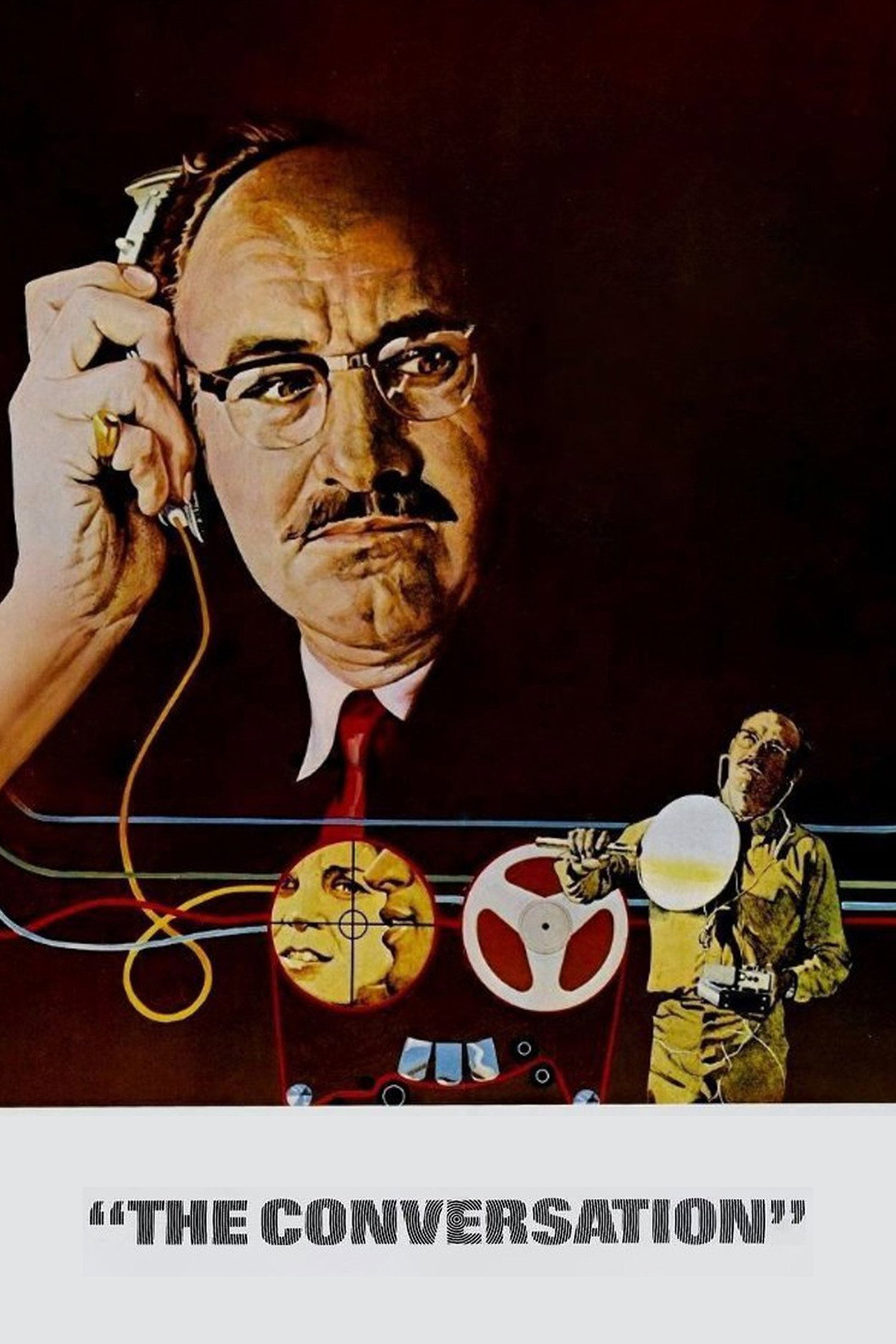
The Conversation poster92

The Conversation

1974 · Another specialist whose skill leaves him poorly equipped for human company.

The Lives of Others poster84

The Lives of Others

2006 · Secrecy and state cruelty, with more room for compromised private lives.

A Man Escaped poster

A Man Escaped

1956 · Patient practical work becomes suspense, with scarcely a moment wasted.

Hidden Figures poster80

Hidden Figures

2016 · Another account of gifted minds doing essential work while institutions obstruct them.

The Man Who Knew Infinity poster

The Man Who Knew Infinity

2015 · Mathematical talent meets institutional resistance, with friendship doing much of the emotional work.