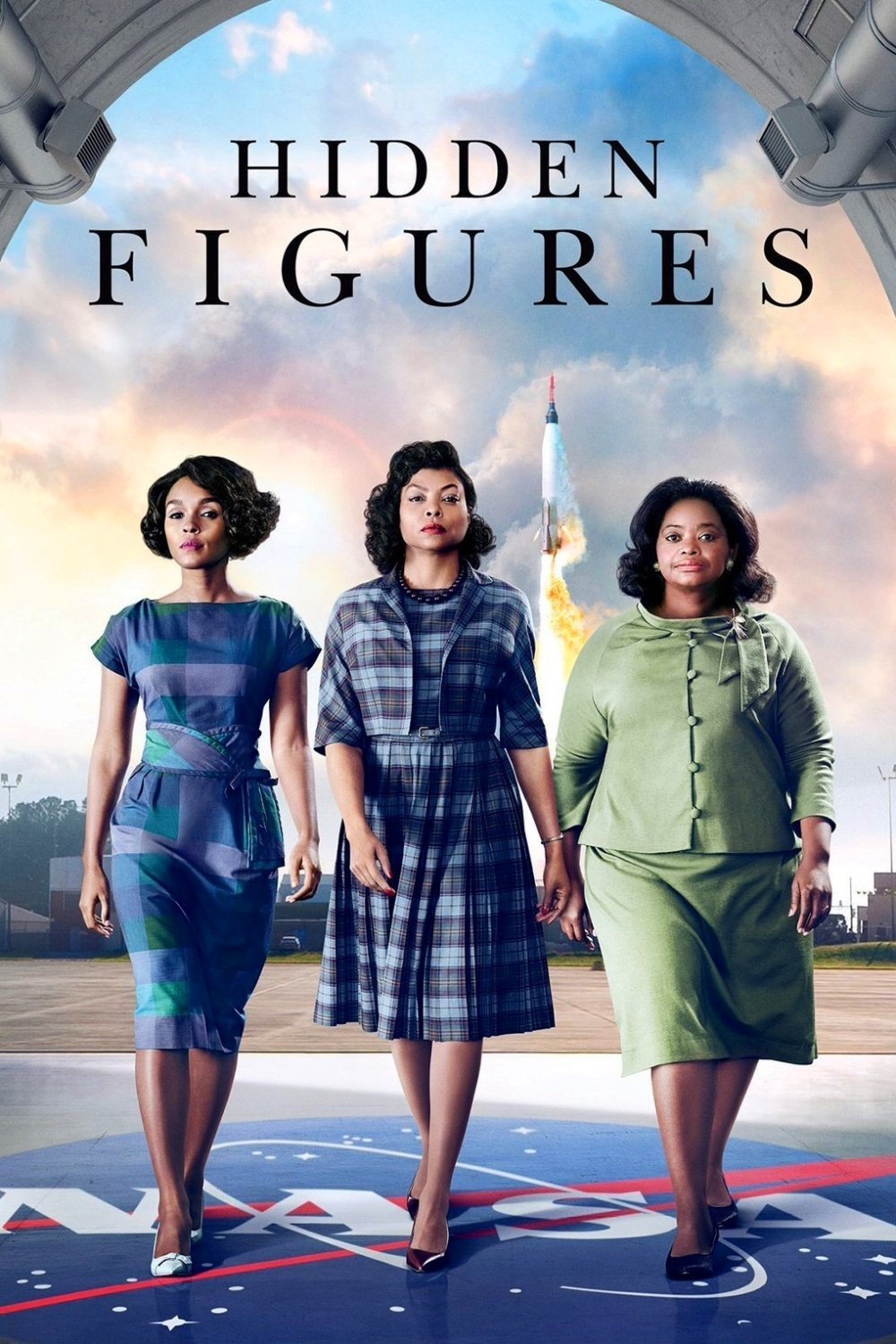
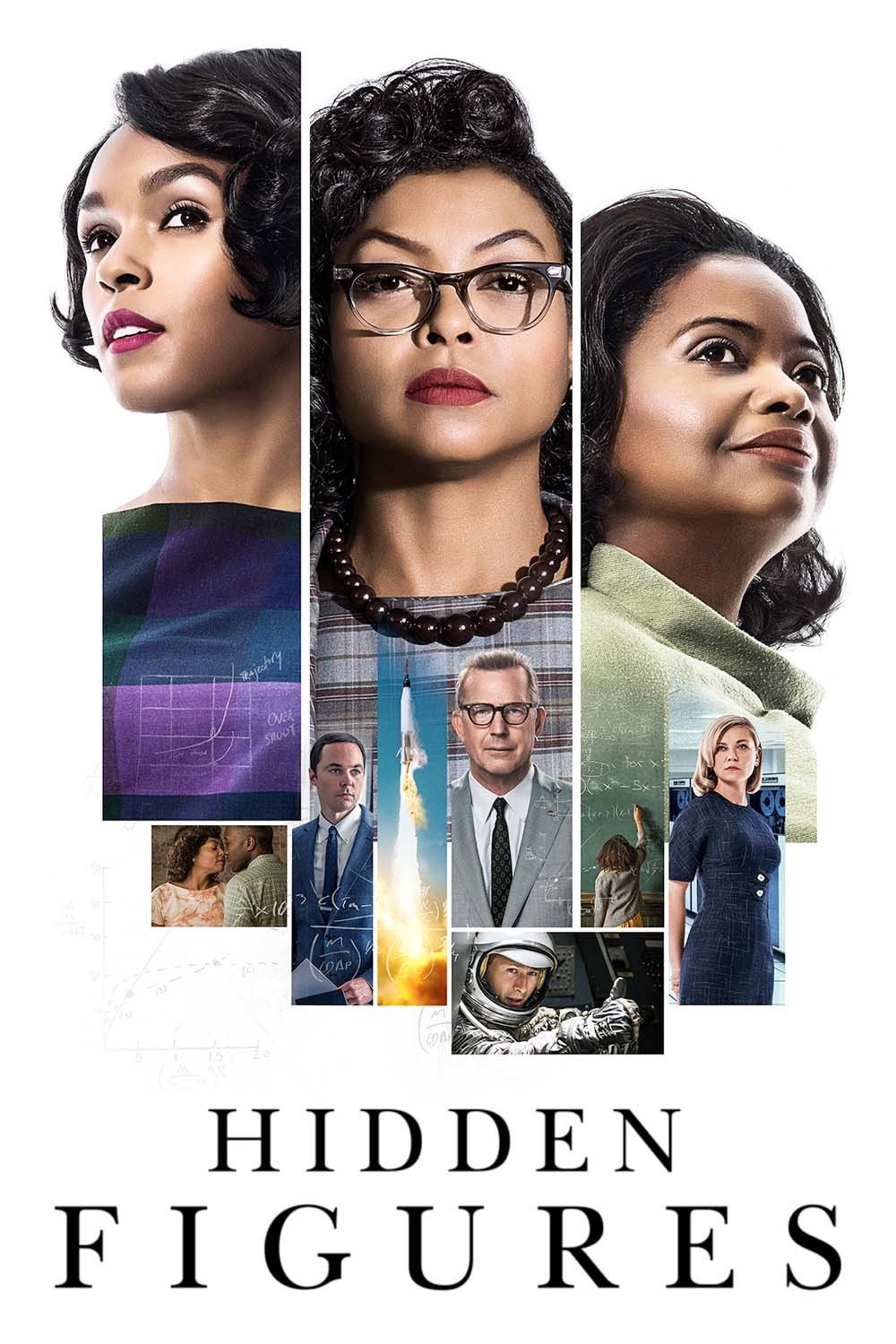
Theodore Melfi’s Hidden Figures makes satisfying popular drama from overlooked scientific work, helped enormously by its three leads. The history gets tidied up, but the performances give the uplift some weight.
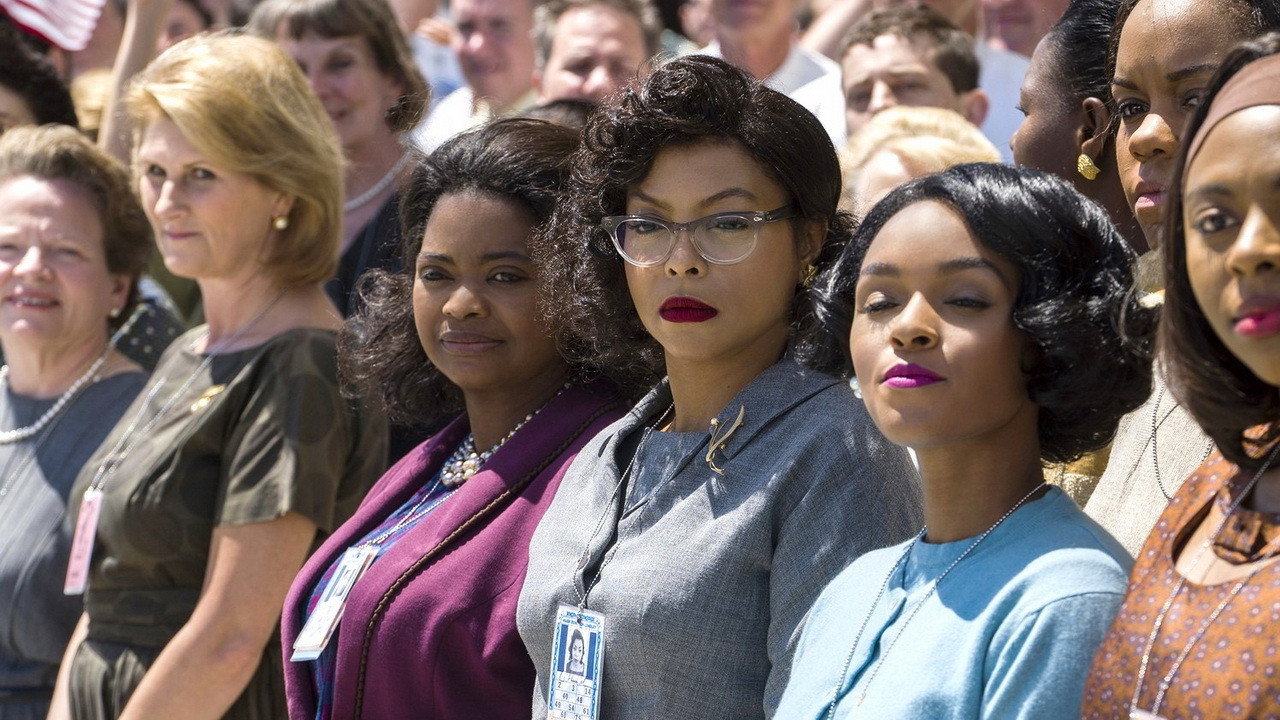
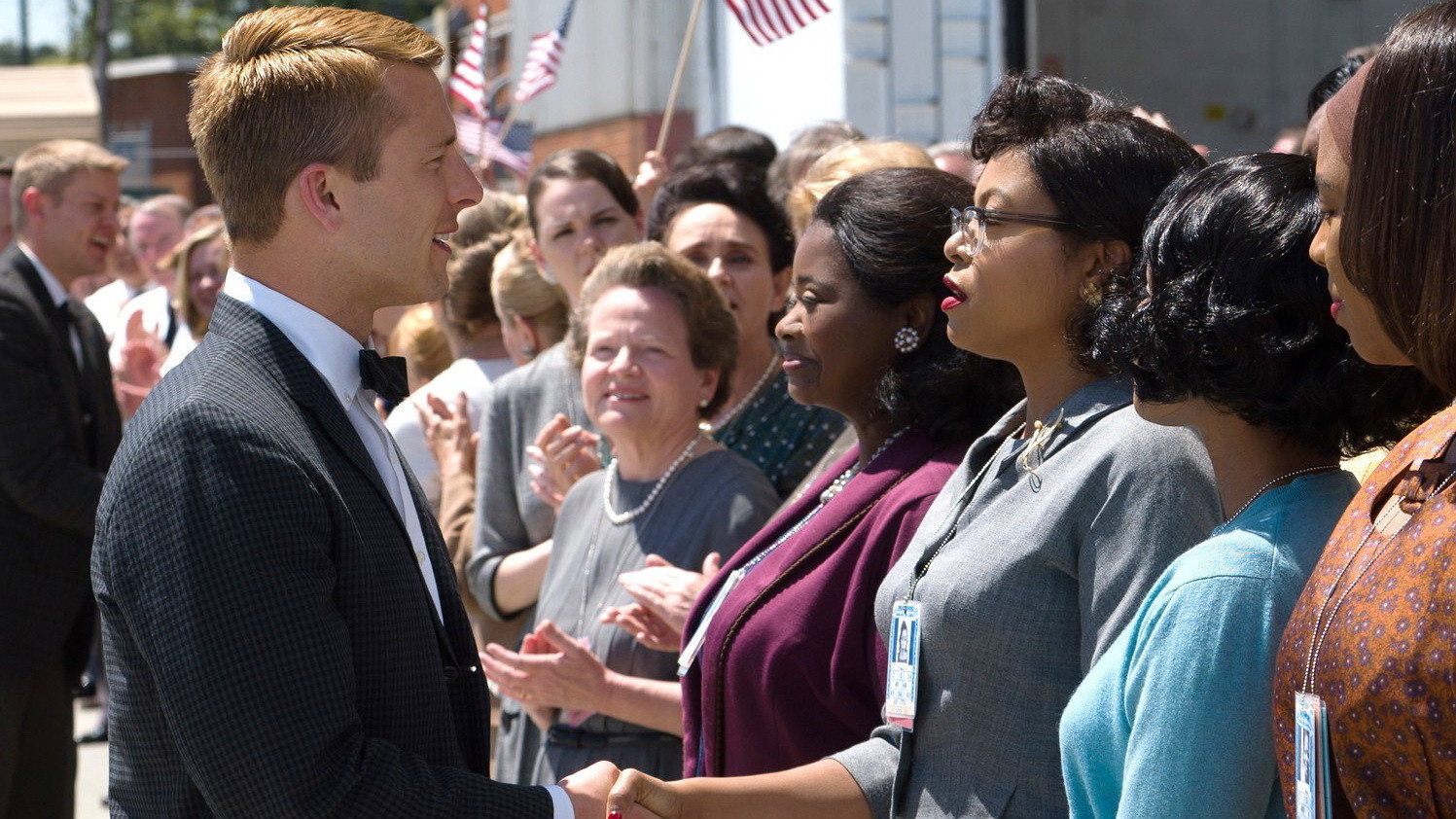
Hidden Figures is an engaging historical drama that understands the pleasure of watching someone do difficult work well. Theodore Melfi directs with an eye to a broad audience, and we recommend it with one substantial caveat: the struggle against discrimination becomes too tidy. The story concerns three black women whose mathematical work contributes to NASA’s space programme in the 1960s. They also have to contend with colleagues who see their race and sex before their professional ability.
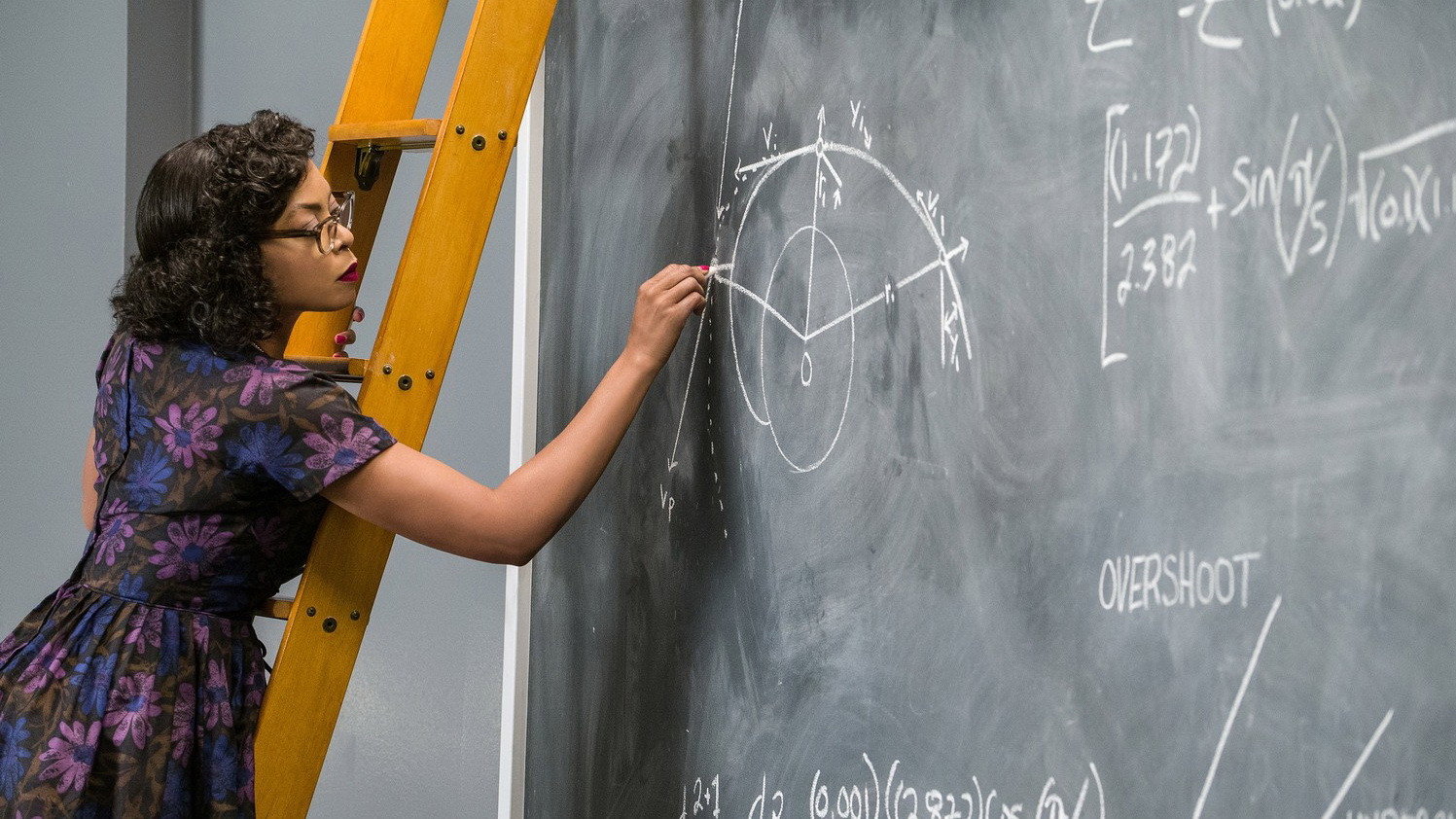
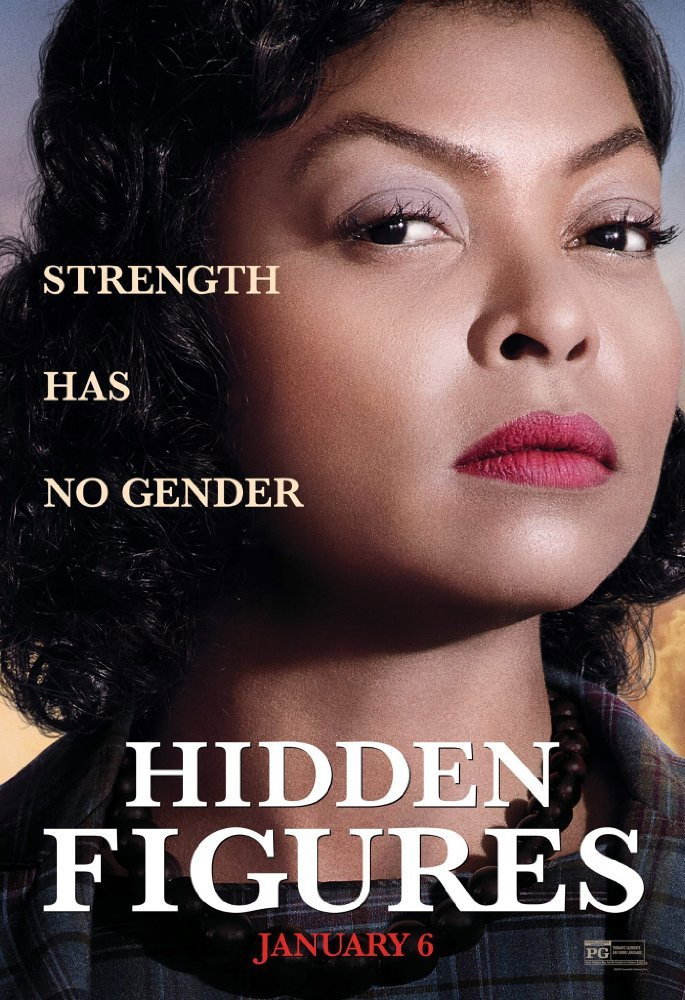
Taraji P. Henson plays Katherine G. Johnson with a reserve that makes each humiliation register without turning her into a collection of grievances. We were moved by the strain of her staying civil while her frustration builds. Her restraint gives the film’s more emphatic confrontations something to draw on, because we understand how much has gone unsaid. The dialogue can announce what a scene has already made plain, but she keeps the person speaking it from disappearing behind the lesson.
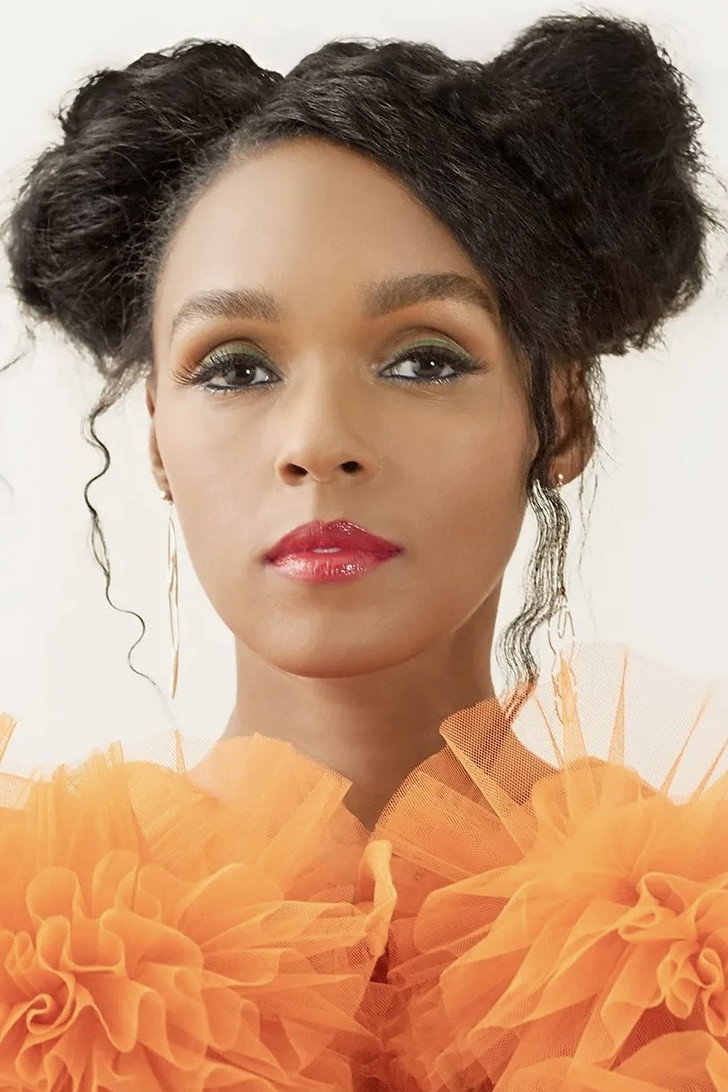
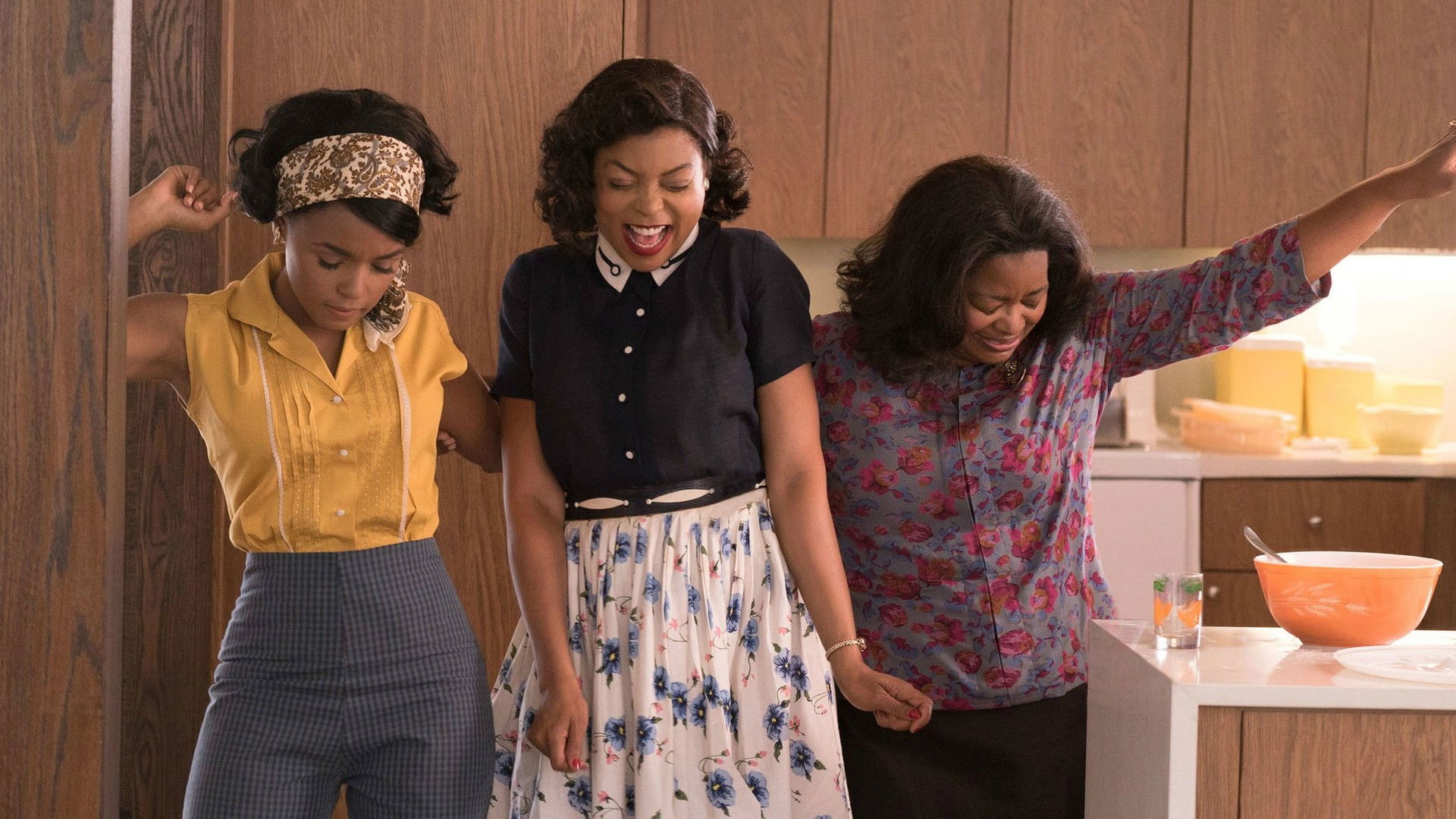
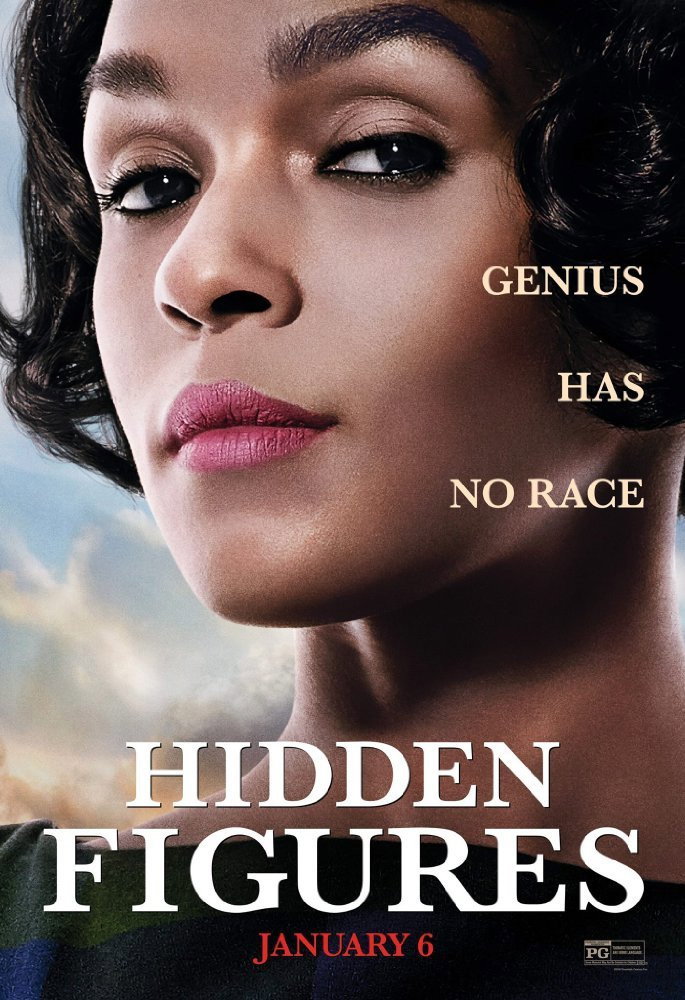
Octavia Spencer’s Dorothy Vaughan and Janelle Monáe’s Mary Jackson keep the film from becoming a single performance surrounded by worthy supporting roles. Octavia Spencer supplies a steadiness that makes the friendship convincing, while Janelle Monáe brings a welcome impatience to the exchanges. Their banter is funny because they sound like people who have spent enough time together to stop explaining themselves. Theodore Melfi gives the women space to enjoy one another’s company, and those passages make their professional struggles easier to care about.
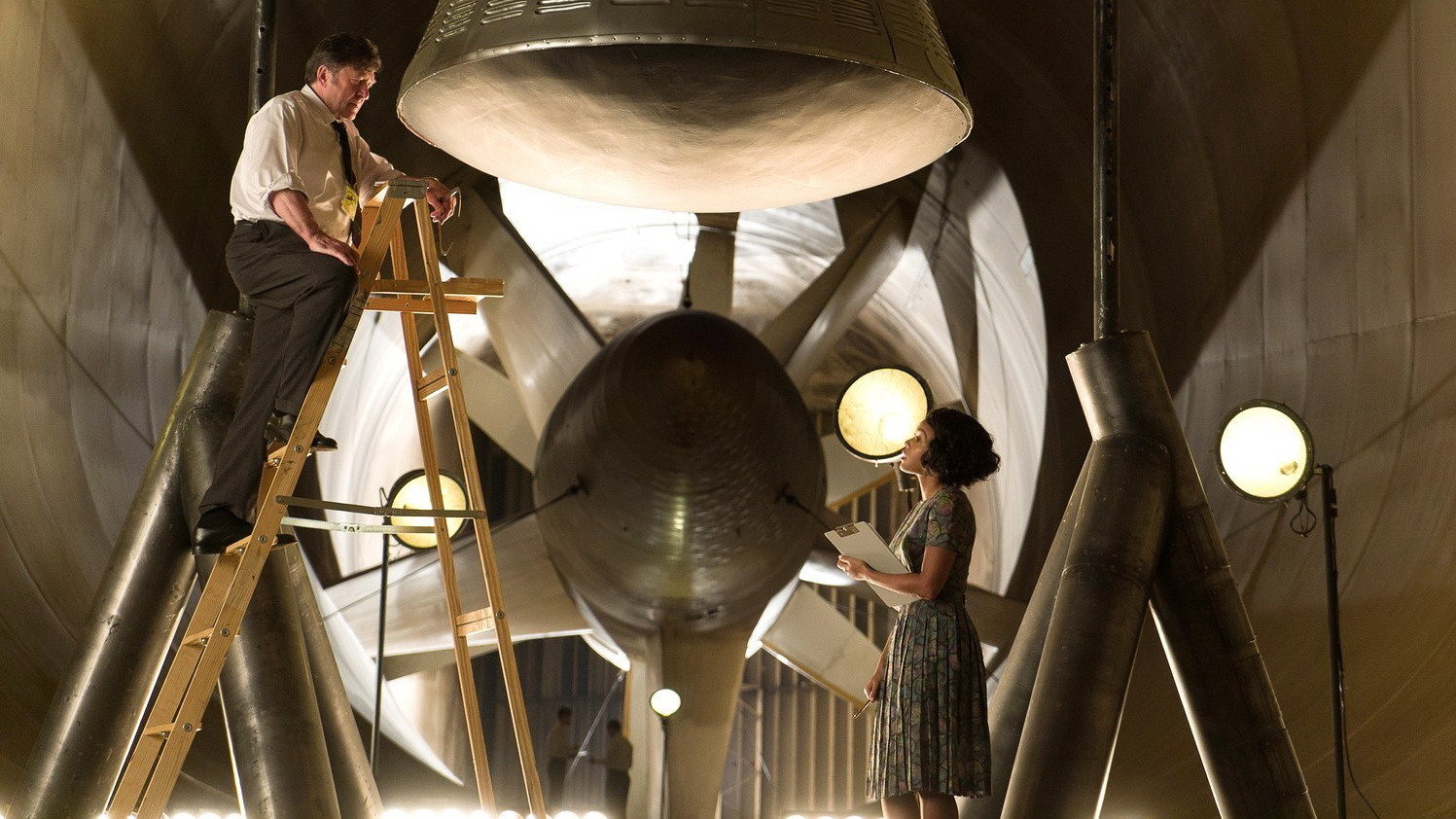
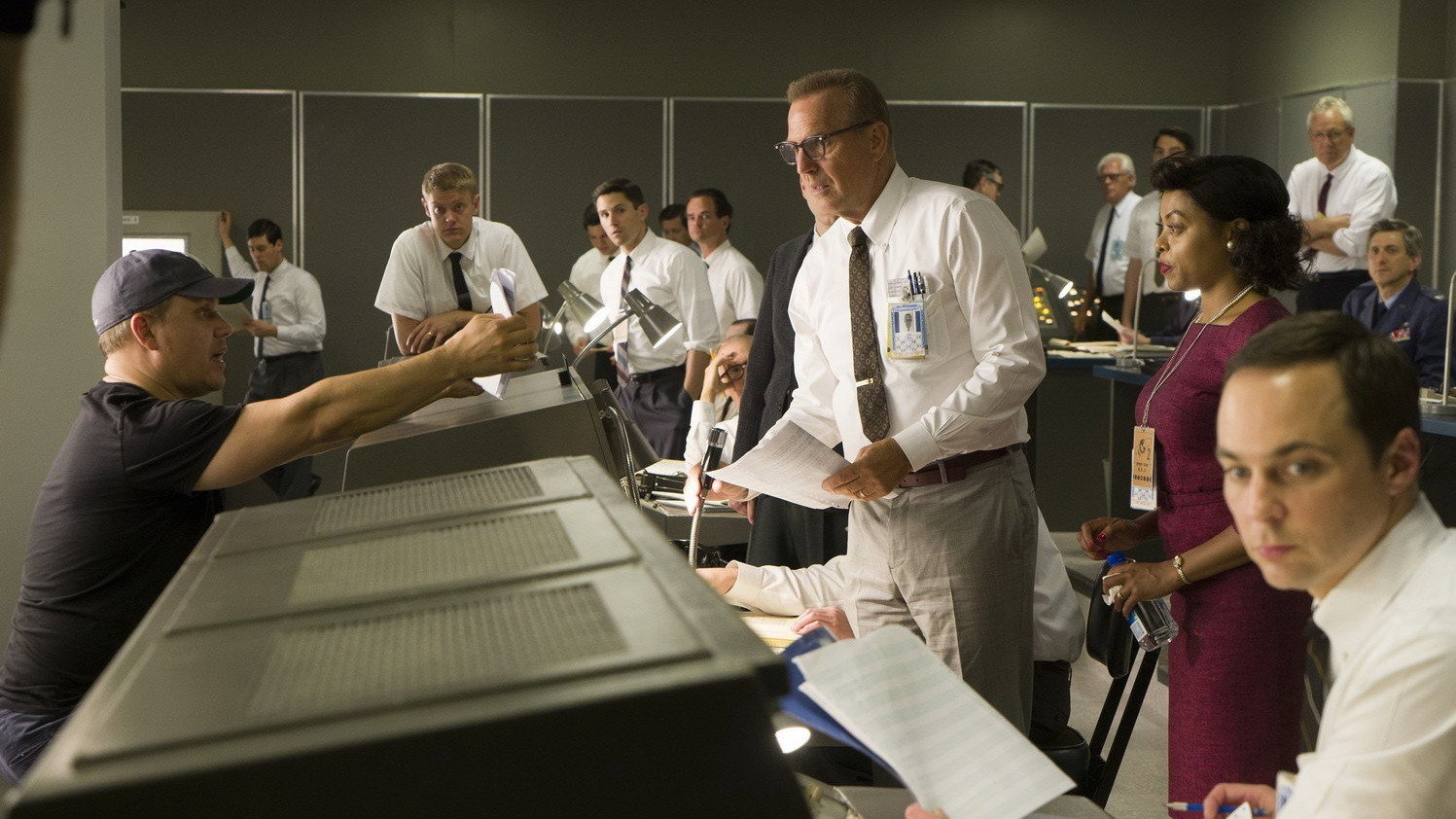
Mandy Walker’s bright cinematography helps the humour sit comfortably beside the workplace drama, rather than signalling that every exchange must be solemn. Wynn Thomas’s production design gives the professional setting an inviting polish, which makes the women’s wish to belong there readily understandable. The film allows us to enjoy the prospect of scientific work without forgetting who has to fight for a place in it. This is handsome, accessible filmmaking, and that is a reasonable choice for this story.
Peter Teschner’s editing keeps the three central performances in useful contact, preserving the sense that these women have a shared life as well as separate difficulties. The comic montages are less persuasive, pushing for easy momentum where the actors have already supplied it. The music credited to Pharrell Williams, Hans Zimmer and Benjamin Wallfisch fits the film’s buoyancy, even if it sometimes asks for an emotional response before the acting has earned one. The pace is generally brisk enough to carry these nudges without much damage.
The screenplay by Allison Schroeder and Theodore Melfi is strongest when professional intelligence meets everyday prejudice, and weakest when it makes that prejudice seem susceptible to a sufficiently forceful speech. The personal-life scenes are also more predictable than the workplace drama, with fewer opportunities for the performers to surprise us. Inspirational historical dramas often want the relief of overcoming injustice without lingering on how stubborn it is. This one shares that weakness, particularly in its treatment of institutional change.
There is nothing inherently suspect about making this story pleasurable, and its interest in women being good at mathematics is reason enough to welcome the approach. The friendship gives us something to enjoy beyond the satisfaction of seeing talent recognised. Choose it for the company of its three leads, with some patience for a screenplay that occasionally explains what they have already shown.