Penny Marshall’s baseball comedy is worth an evening for Geena Davis, Tom Hanks and the pleasure of watching a team take shape. The sentiment grows heavy, and several players deserve more space.
Penny Marshall’s A League of Their Own is a good baseball comedy with a habit of pressing its emotional points after they have already landed. Its most persuasive scenes make being part of a team look like a pleasure worth fighting for. Marshall takes women’s sporting ambitions seriously without requiring every exchange to explain their historical importance. We would recommend it for the company, with a warning that the sentiment gets heavier as it goes.
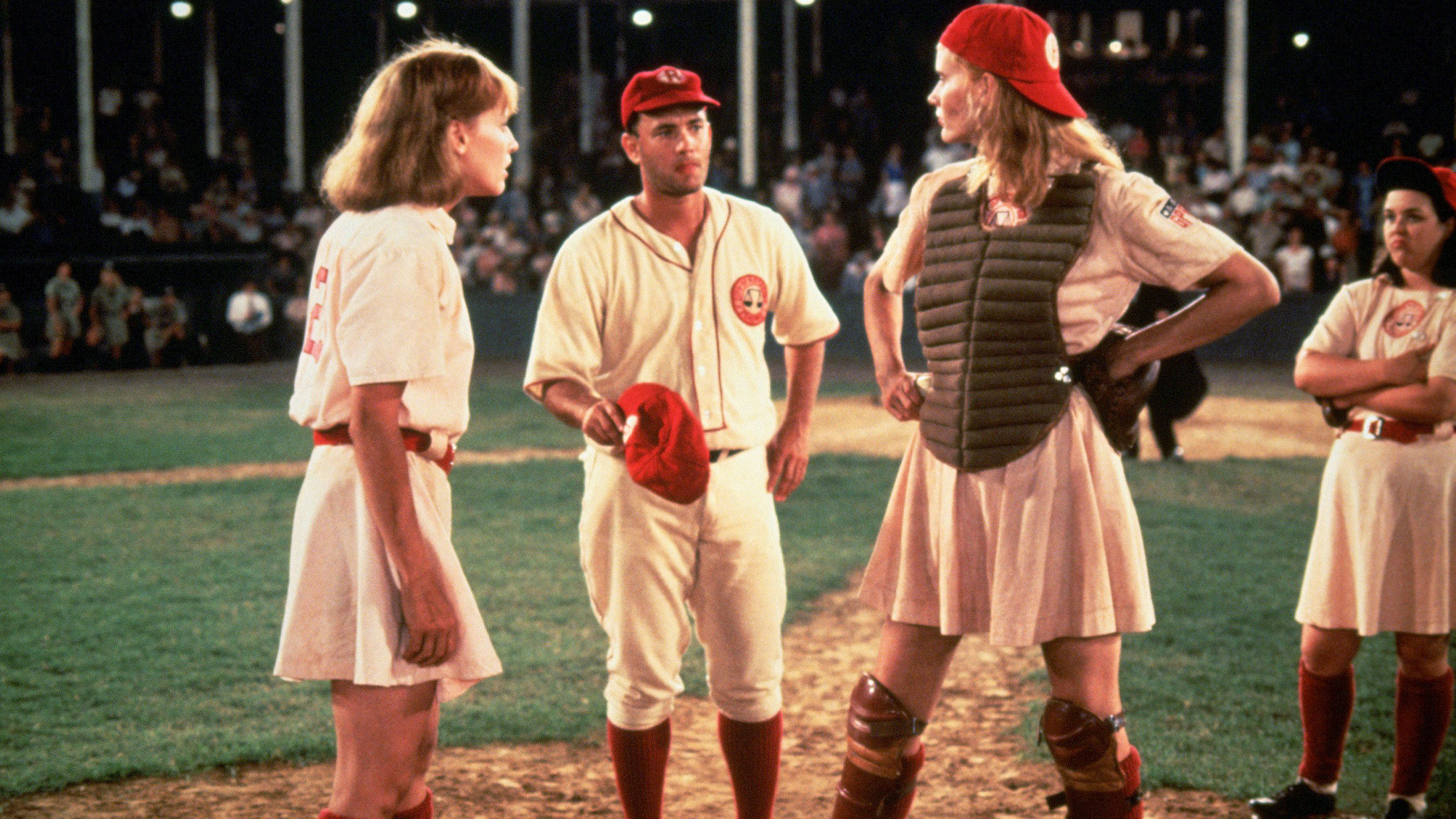
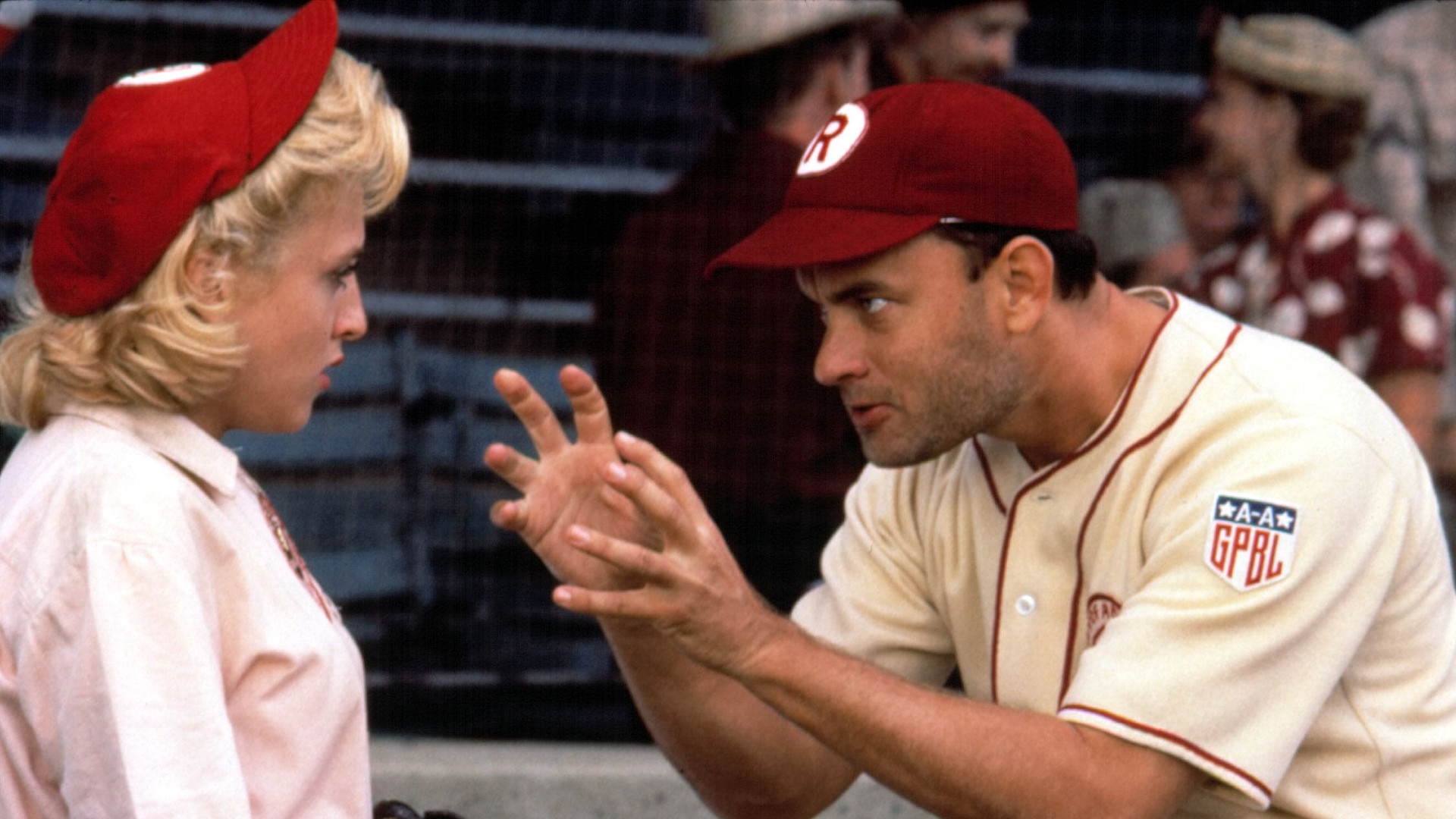
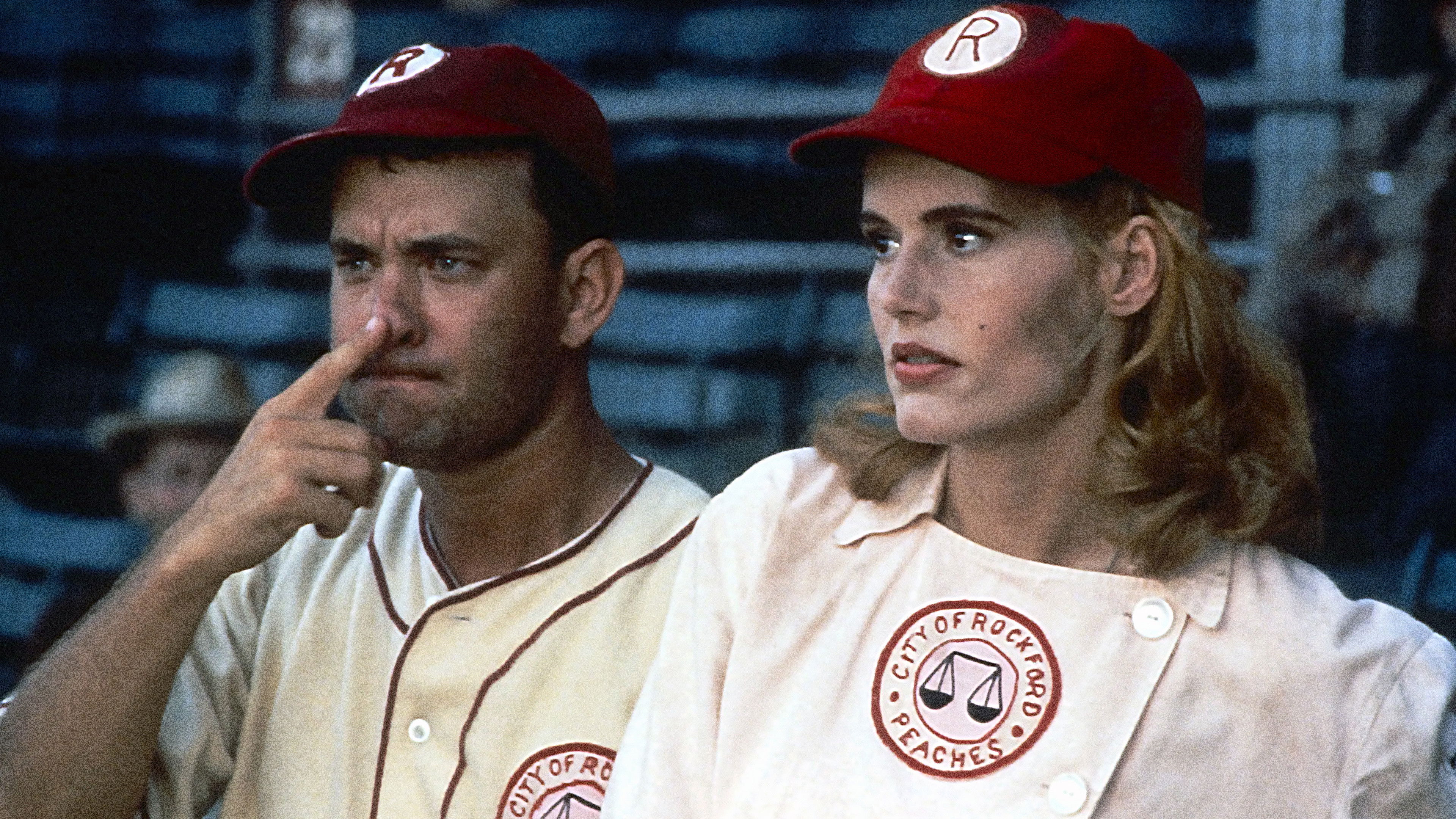
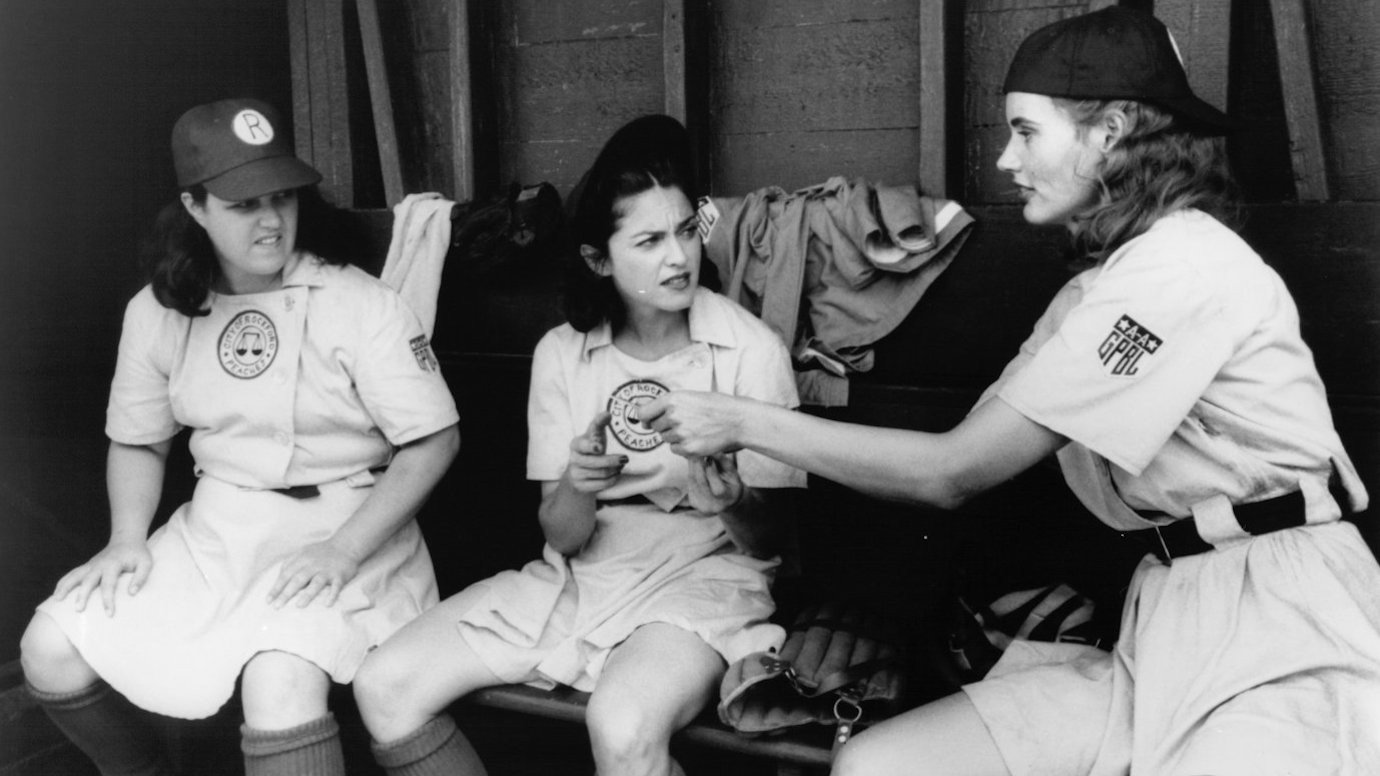
Geena Davis gives Dottie Hinson a calm authority that holds the film together when the comedy becomes broad. She is convincing as a catcher because she makes competence seem ordinary: there is no need to announce it with every gesture. Tom Hanks, as Jimmy Dugan, provides the noisier comic presence, and his willingness to look ridiculous is useful in a film that can become rather solemn about the women’s place in history. Their contrasting performances do much of the work.
The screenplay by Lowell Ganz and Babaloo Mandel is less generous with the other players. Lori Petty brings an abrasive urgency to Kit Keller, while Madonna’s Mae Mordabito and Rosie O’Donnell’s Doris Murphy help keep the team comedy lively. Yet the film gives too many of its women a memorable manner without enough room to become complicated people. At 128 minutes, it has time to give those players more to do.
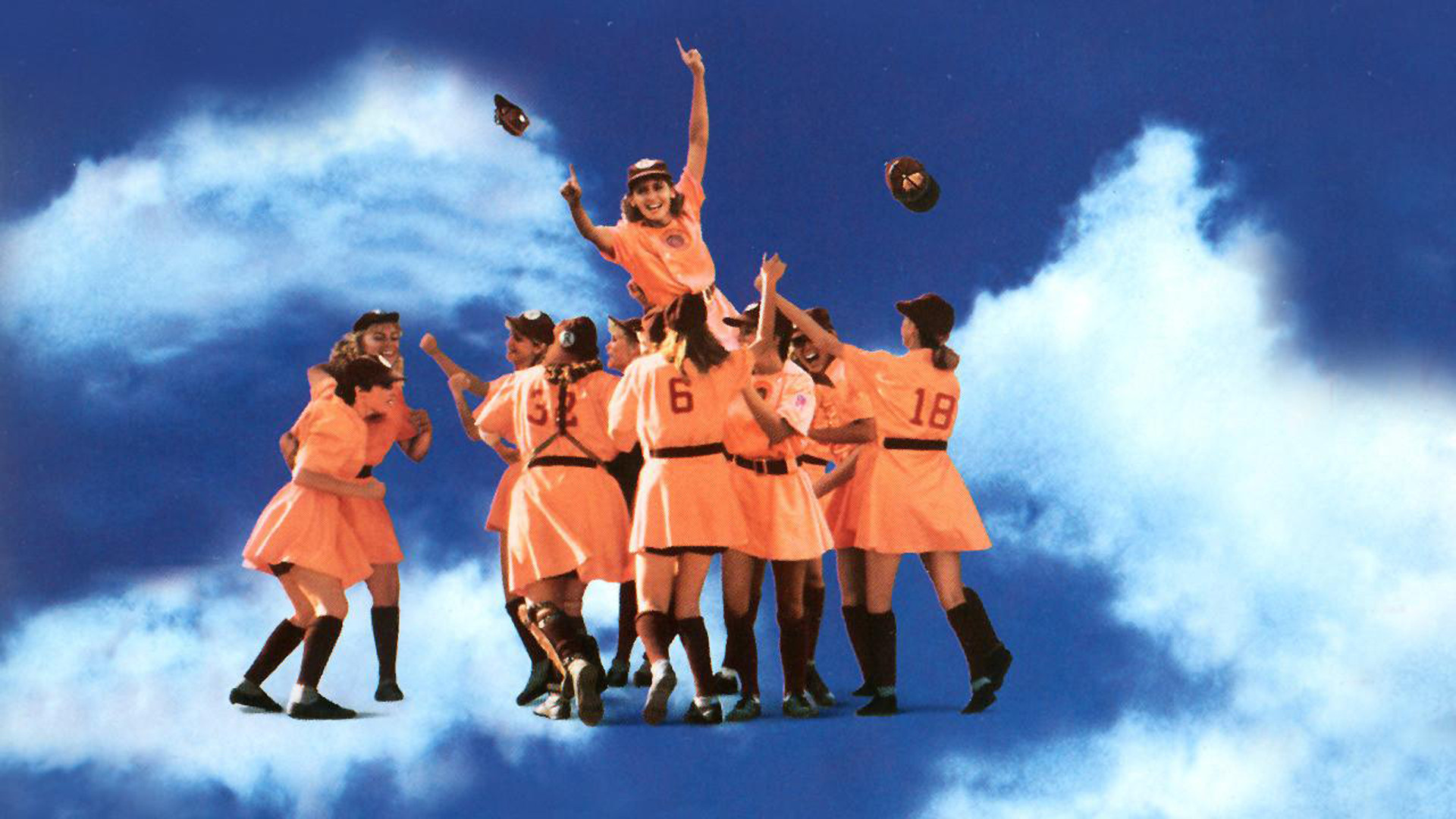
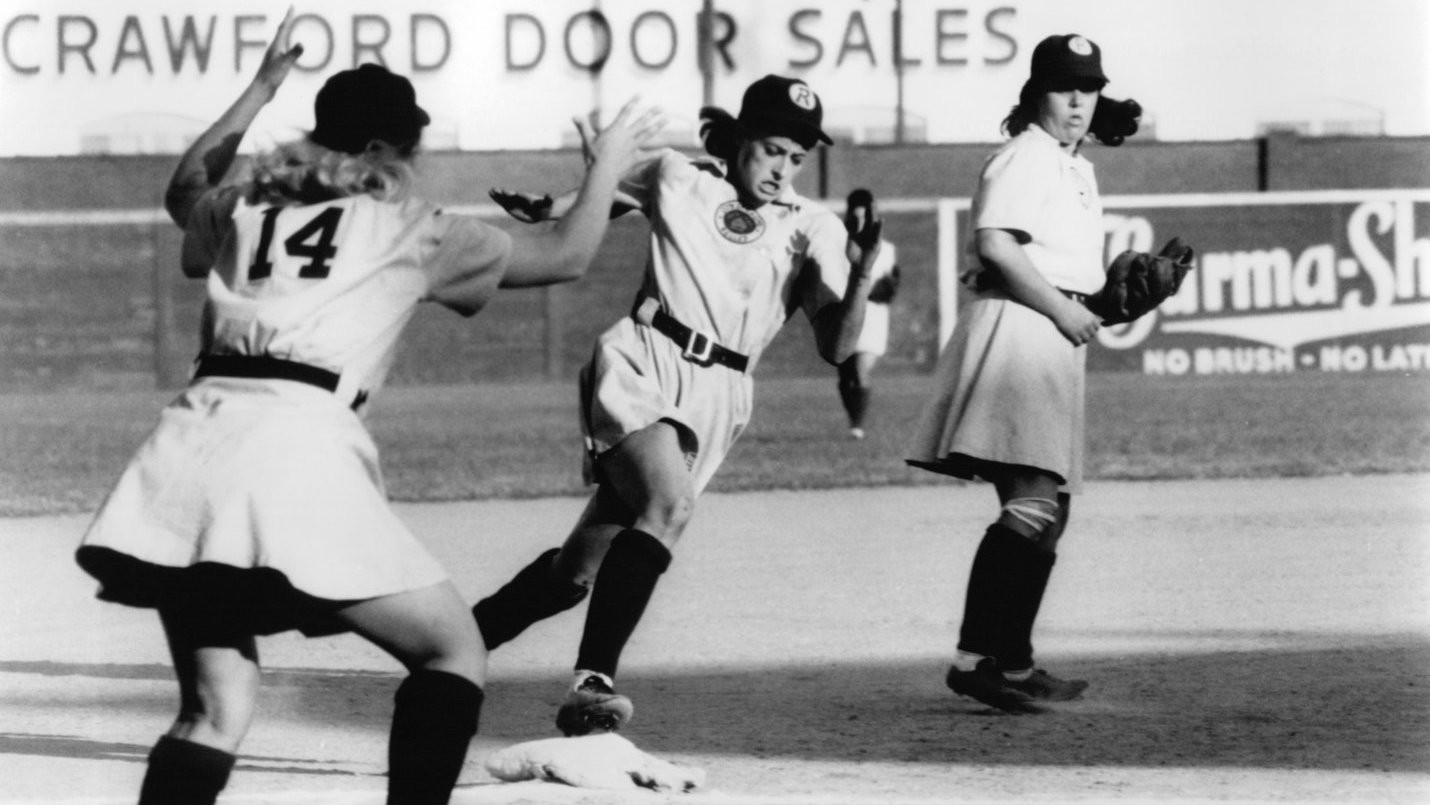
We were moved more than we expected by the passages of life on the road. Miroslav Ondříček’s cinematography gives these montages a relaxed appeal, letting us enjoy the players’ company without demanding that every moment mean something. Bill Groom’s production design makes the period surroundings pleasant to spend time in, with the actors still the main attraction. This is where the film’s affection for the team feels most convincing. Simply watching the women share time away from the games does more for their characters than some of the heavier dramatic scenes.
Editors George Bowers and Adam Bernardi give the team comedy room for a joke to settle before moving on. The pace becomes less helpful when the film pauses to dwell on how much all this means, particularly in the framing sequences. Hans Zimmer’s score adds encouragement where the performances have already done enough, and a quieter accompaniment would sometimes have served them better. None of this makes the emotion worthless. It does make it harder to respond freely when Marshall seems so anxious to secure the response.
The consensus is cooler than our verdict, chiefly over sentimentality and thin characterisation. Those faults are real, but we think the harsher reviews underestimate how much Davis and Hanks contribute to making the team worth caring about. By the standards of the sports comedy, the plotting is familiar and the group chemistry is more persuasive than the competition. Marshall gets enough pleasure from her cast to make the evening worthwhile, even when the script is busy telling us how to feel. Choose it for the players; some tolerance for sentimental framing will help.