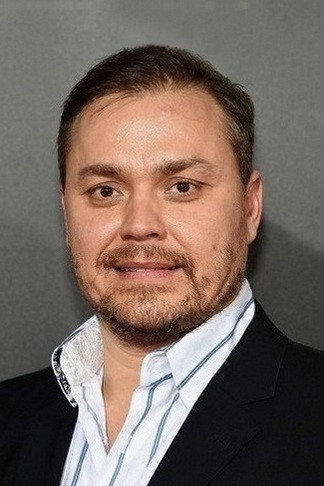
Theodore Melfi makes approachable dramas about people accustomed to being underestimated. We rate his patience with actors and his gift for making difficult work engaging; we are less persuaded when his scripts make injustice look easily settled.
Fi1m perspective
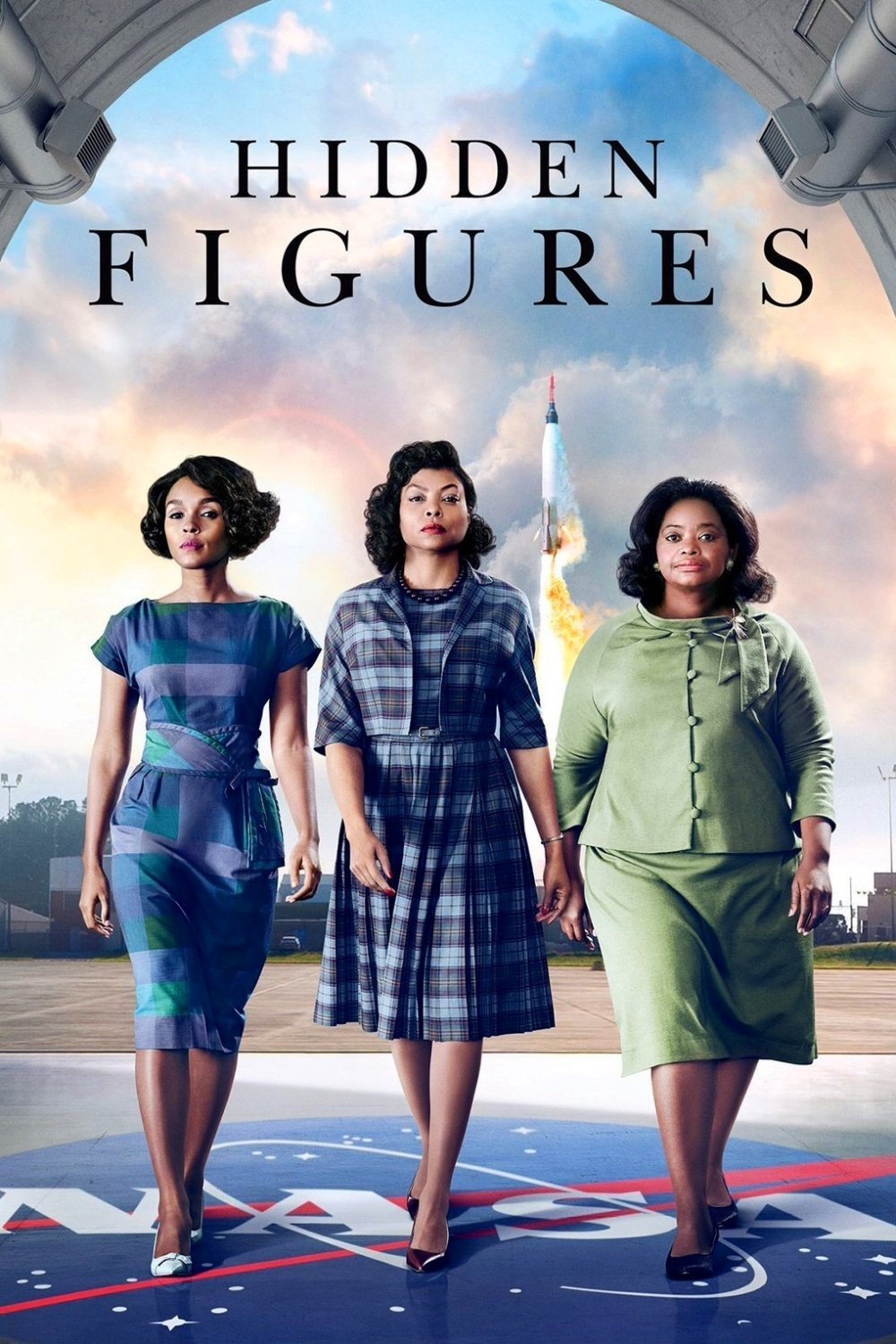
In Hidden Figures (2016), Octavia Spencer and Janelle Monáe let their characters tease one another without explaining the friendship to us. Melfi gives these exchanges time, and the women seem to have known each other long before the scene began. We laughed at their banter because Spencer’s steadiness and Monáe’s impatience make the affection convincing. This is where we trust Melfi most: with actors who can suggest more than the dialogue spells out. His popular drama works well when he lets people be funny and capable without insisting on their importance.
His move from early features and commercials to St. Vincent (2014) established him as a writer-director of character-led comedy-drama, with Bill Murray in the cast. Hidden Figures brought that approach to NASA’s space programme in the 1960s, keeping its attention on people whose abilities others fail to recognise. He later directed The Starling (2021), an intimate drama about grief that reunited him with Melissa McCarthy and Chris O’Dowd. Across that progression, his interest in people facing hardship is consistent; the question is how much reassurance he thinks their stories require.
Allison Schroeder and Melfi’s screenplay for Hidden Figures is strongest when mathematical intelligence runs into everyday prejudice. Spencer’s Dorothy Vaughan and Monáe’s Mary Jackson have distinct temperaments, and Melfi allows both to matter within the ensemble. The scenes of professional competence are satisfying in themselves, and he understands that watching somebody do difficult work well can hold an audience. The more predictable personal-life scenes offer the performers fewer chances to surprise us. We would have preferred more time at work.
The larger weakness is the ease with which the film makes prejudice yield to a forceful speech. Melfi and Schroeder give us the pleasure of progress without enough sense of how stubborn an institution can be, and the uplift becomes too comfortable. Start with Hidden Figures for the company of its three leads, and be prepared to forgive some tidying of the history.
Biography
Theodore Melfi is an American film director, screenwriter and producer. He directed and co-wrote the screenplay for Hidden Figures (2016) with Allison Schroeder.
His other directing credits include St. Vincent (2014). He wrote the screenplays for Going in Style (2017) and El Camino Christmas (2017). Melfi received Academy Award nominations for Best Picture and Best Adapted Screenplay for Hidden Figures. He is married to actress Kimberly Quinn.