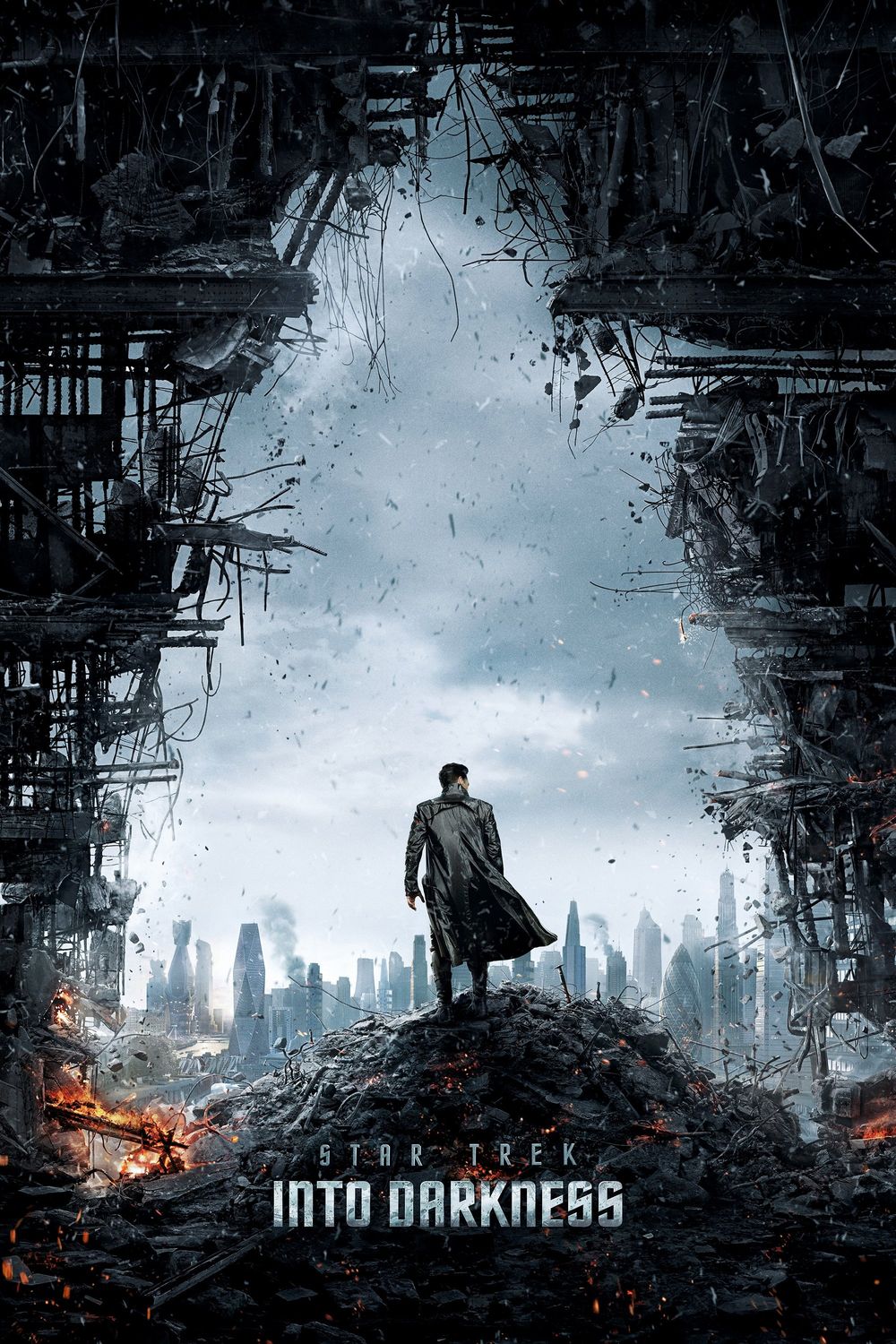
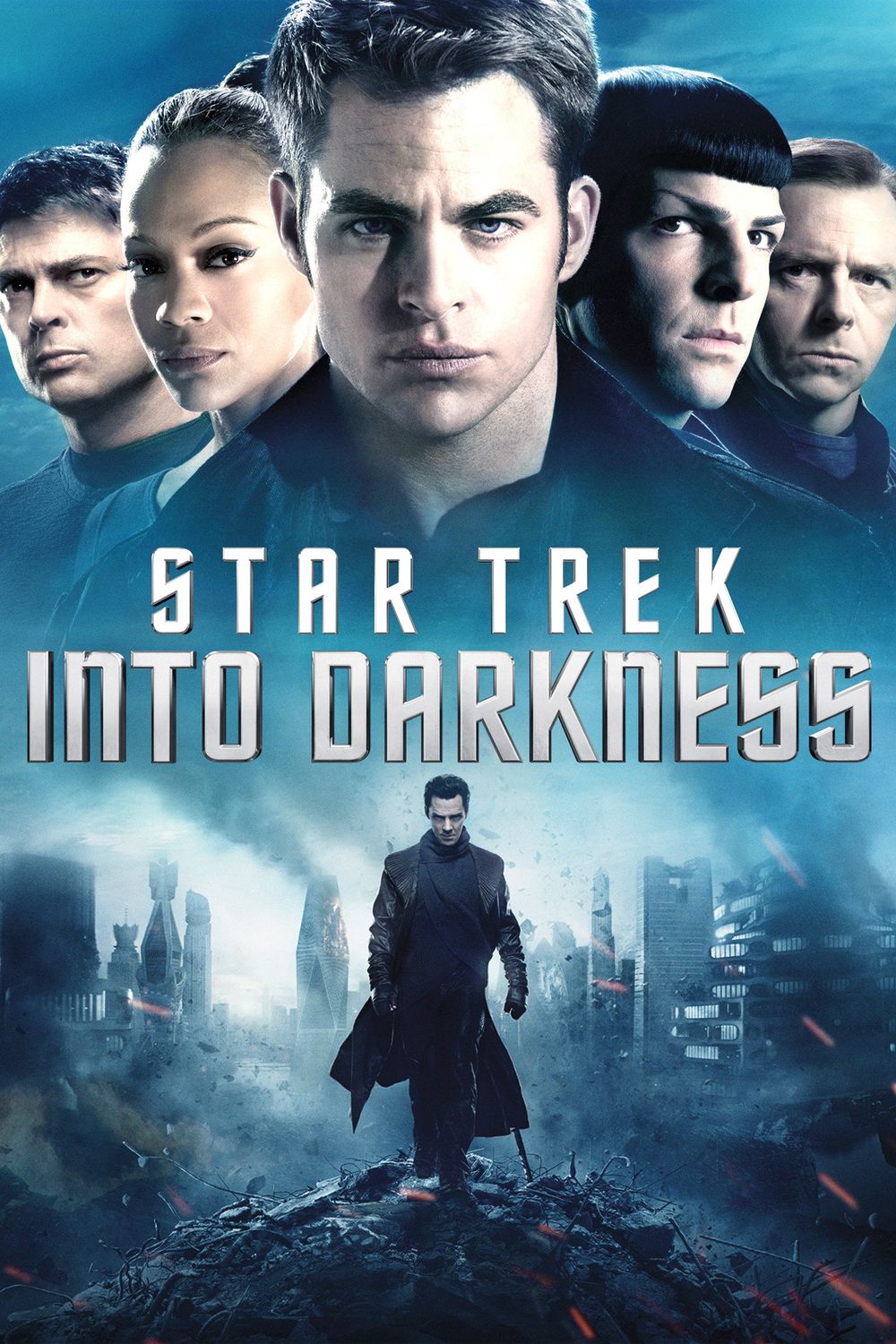
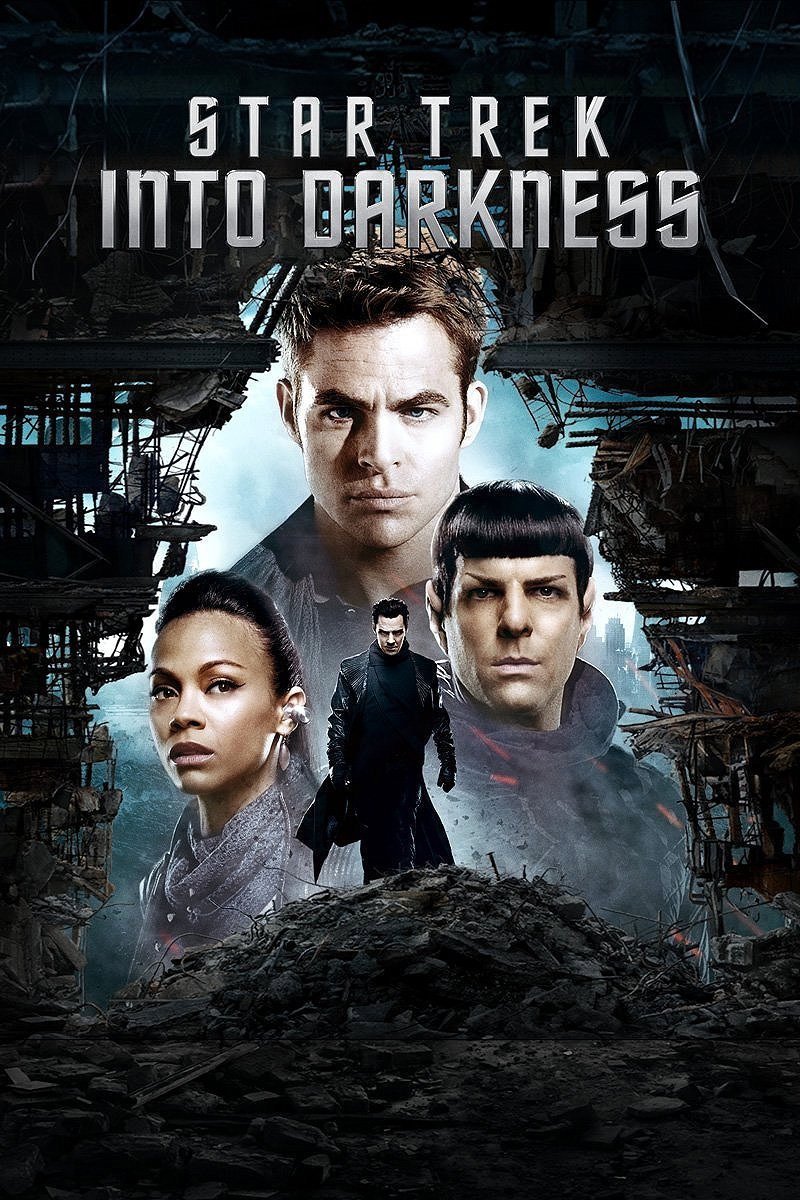
J.J. Abrams’s second Star Trek is fast, loud and easy to like, with a cast that has grown into its uniforms and a villain who barely needs to raise his voice. Then it runs out of its own ideas and starts borrowing, and the borrowing shows.
Four years after he got Star Trek back on its feet, J.J. Abrams has made a sequel that wants to be bigger, darker and quicker at once, and for an hour it manages two of the three. The film opens at a sprint across a planet of red trees and chalk-white natives, Kirk and McCoy fleeing a temple they have just robbed while Spock waits inside a volcano to freeze it before it erupts. We were grinning within two minutes. It is the whole film in one scene: a chase, a joke, a friend in danger and a cut before anyone can ask a question.
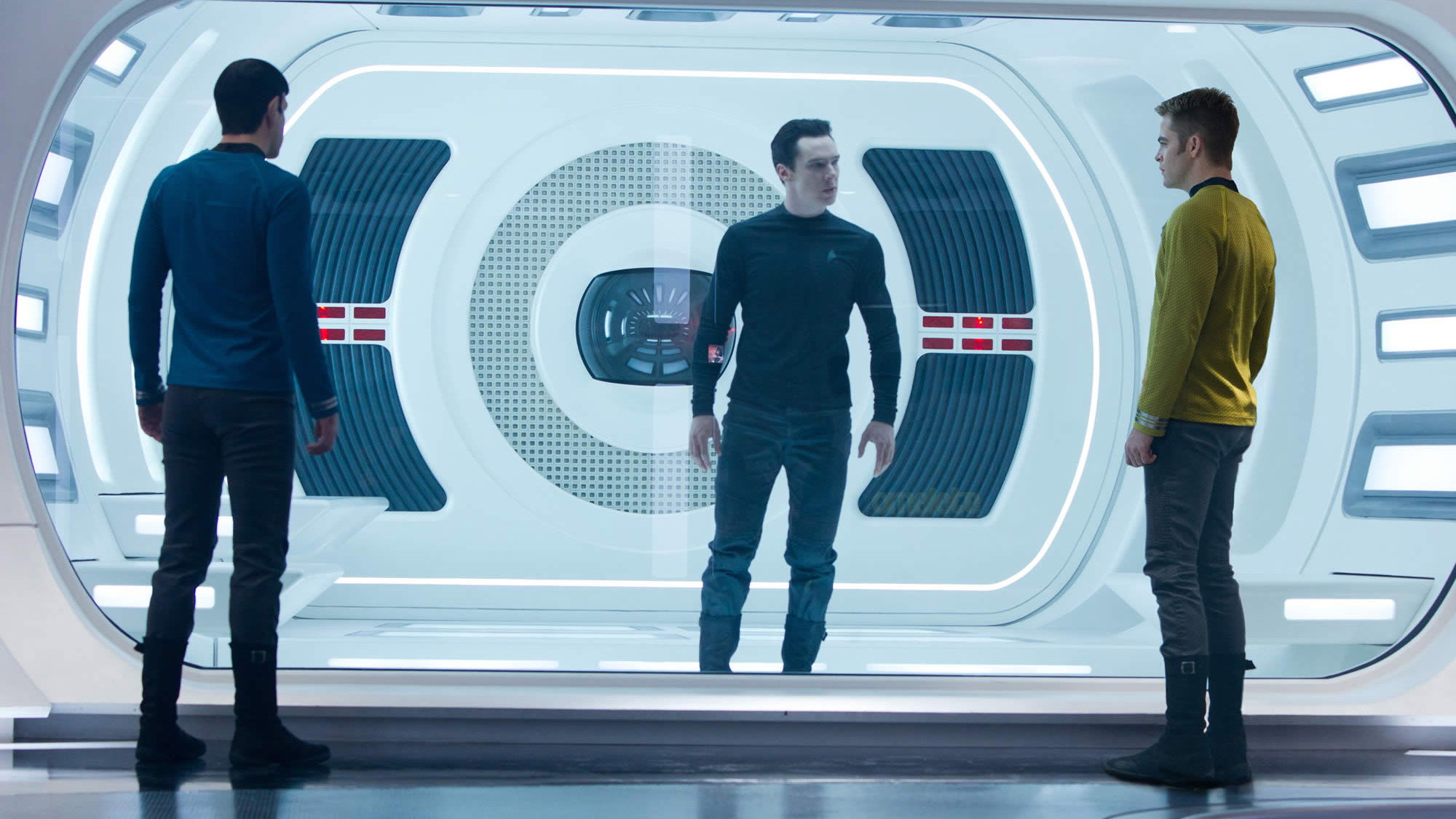
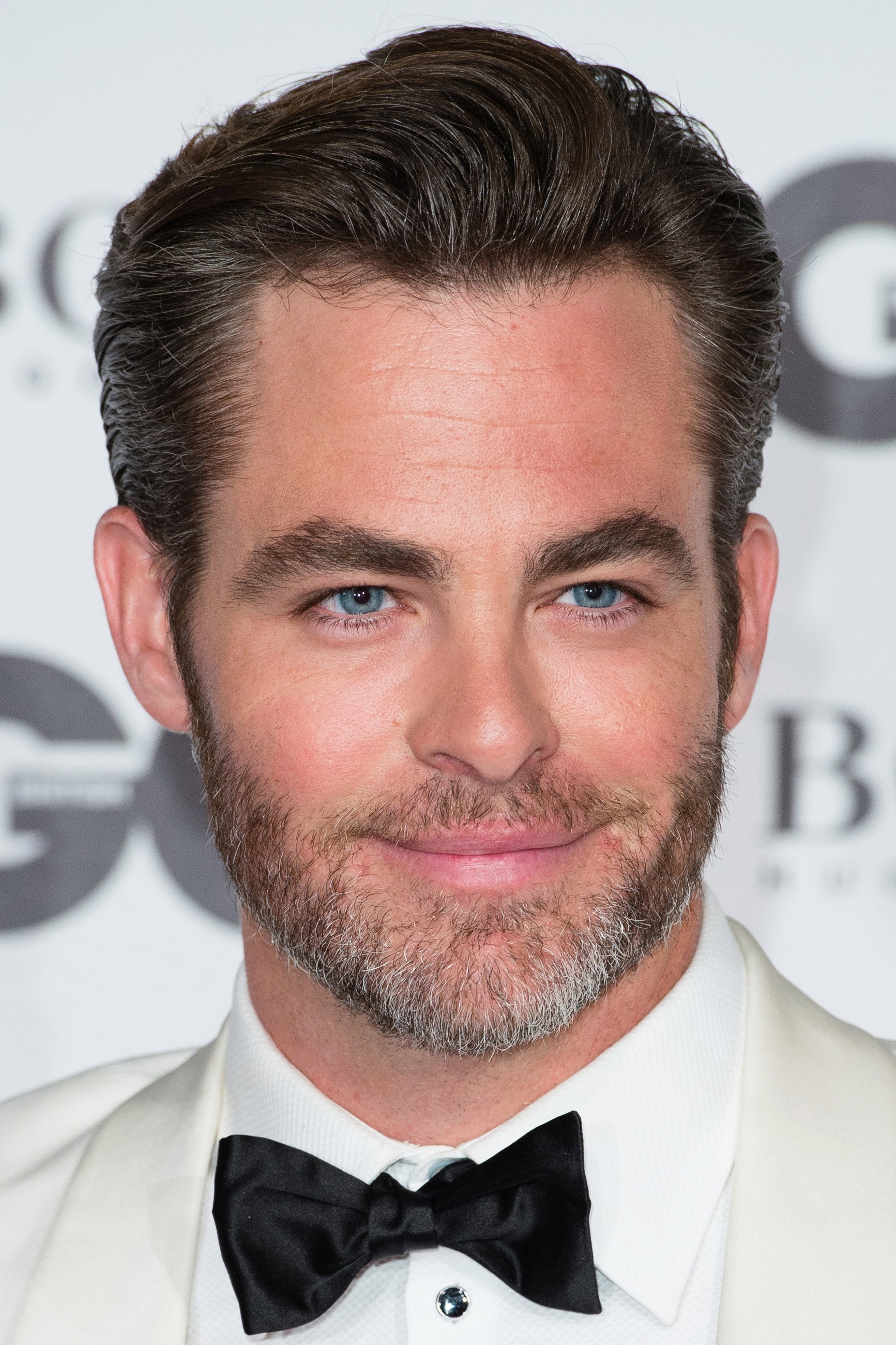
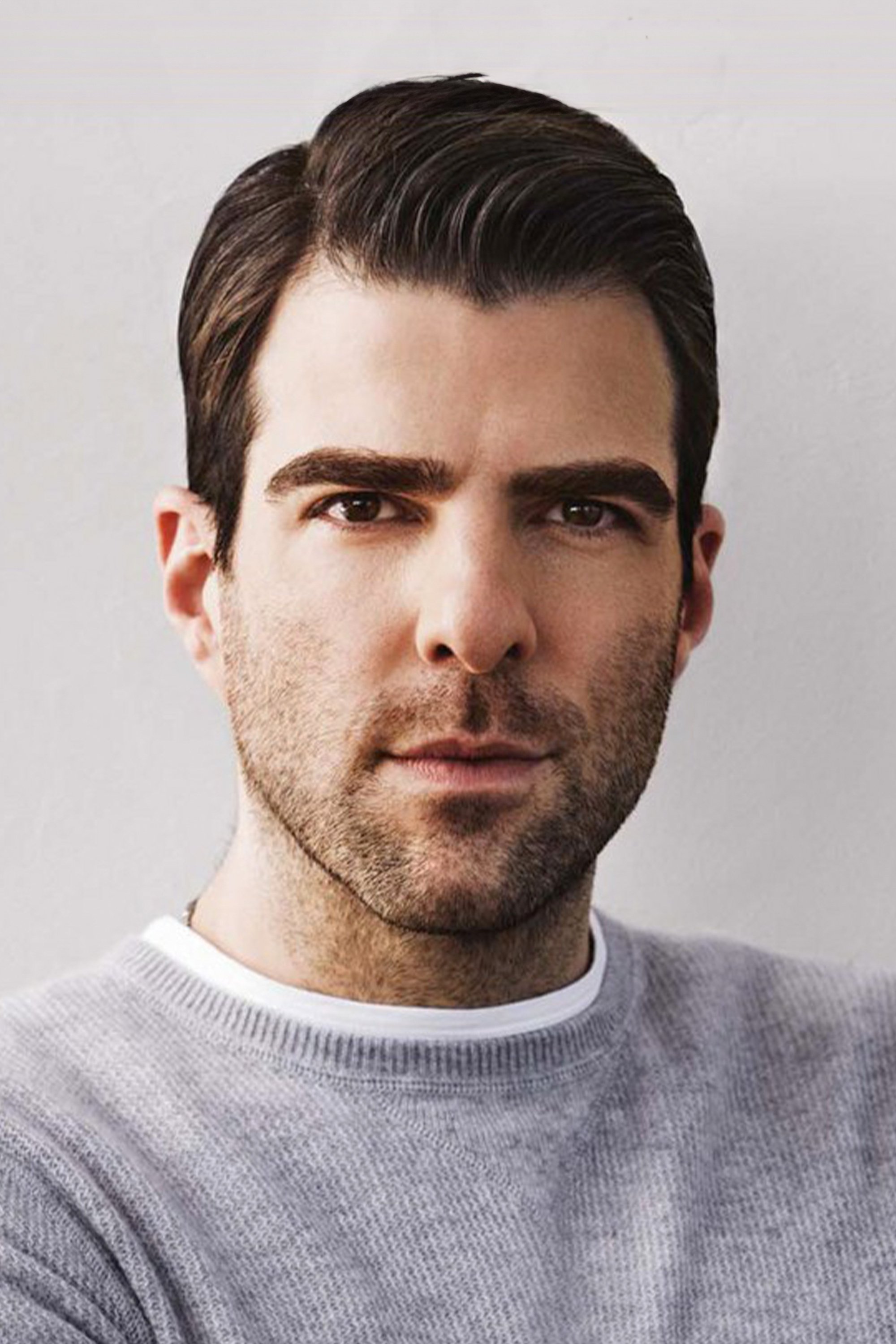
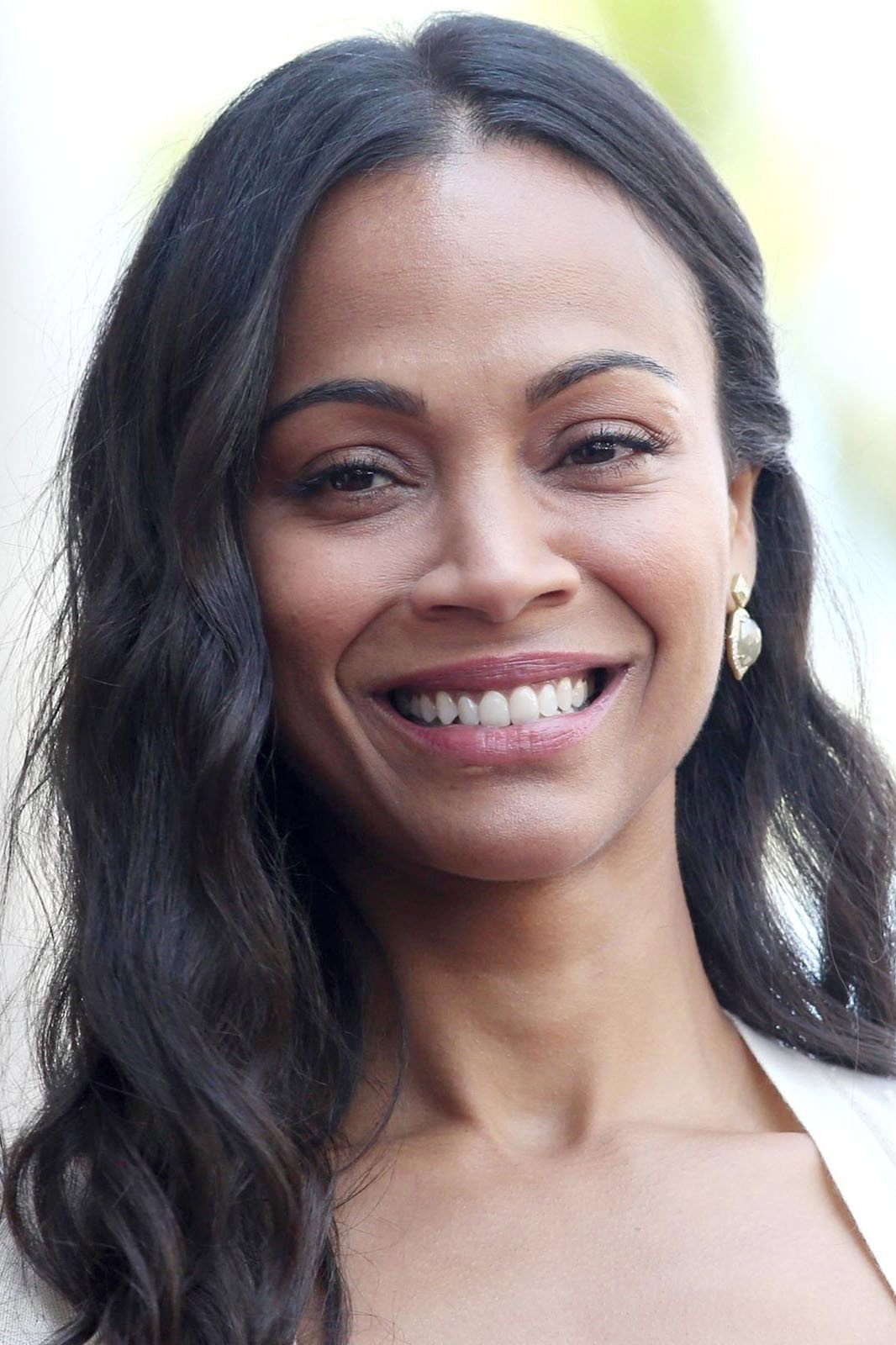
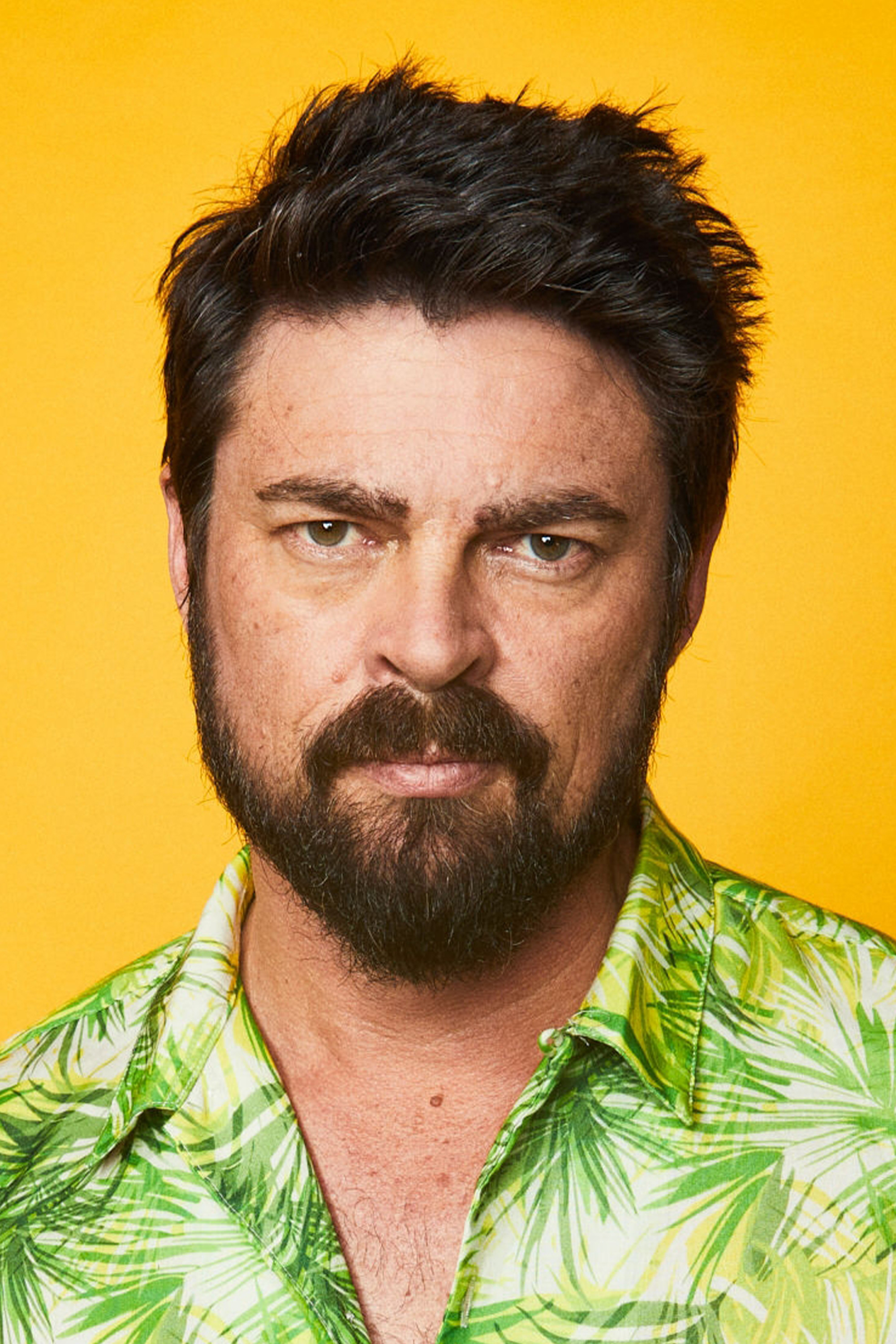
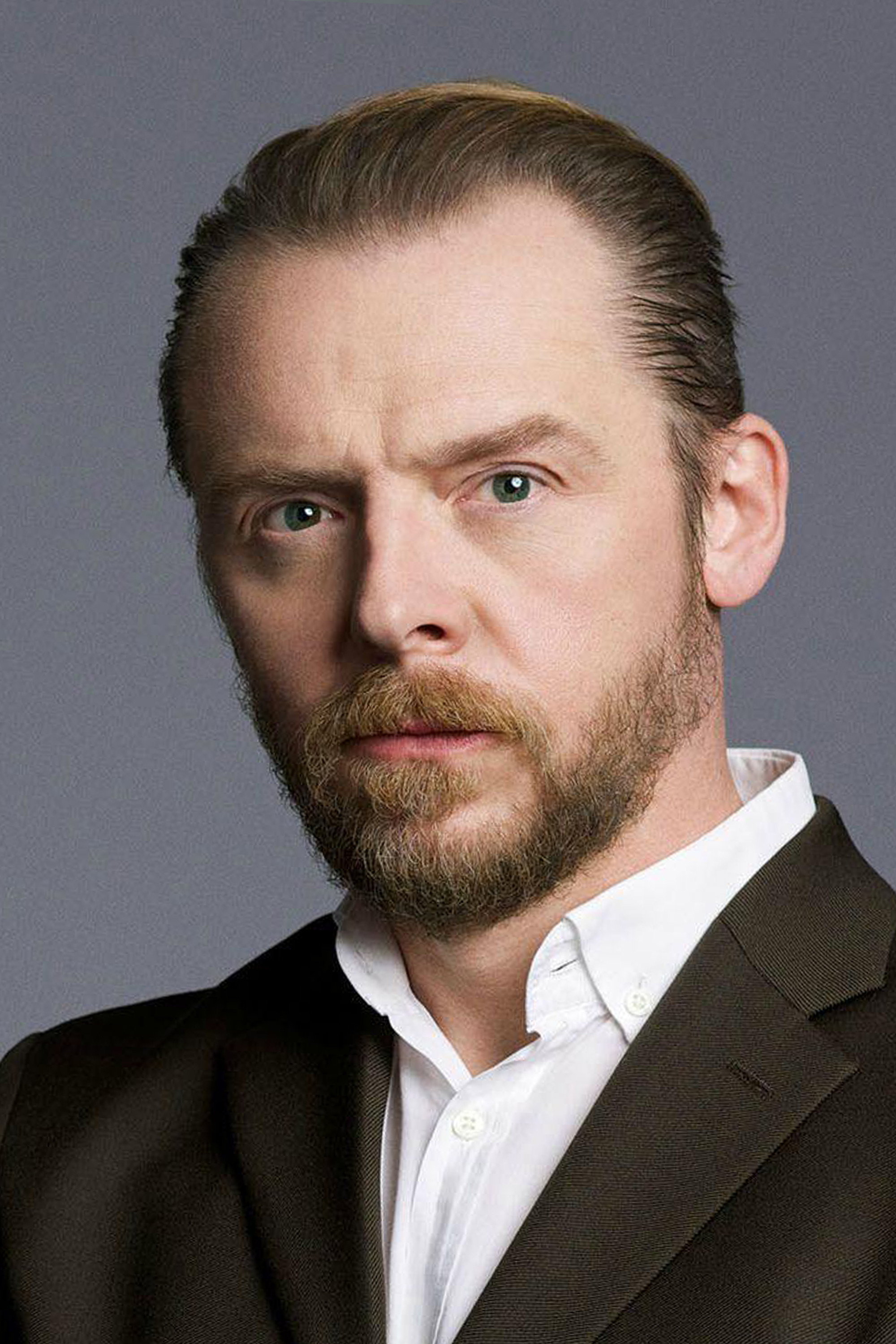
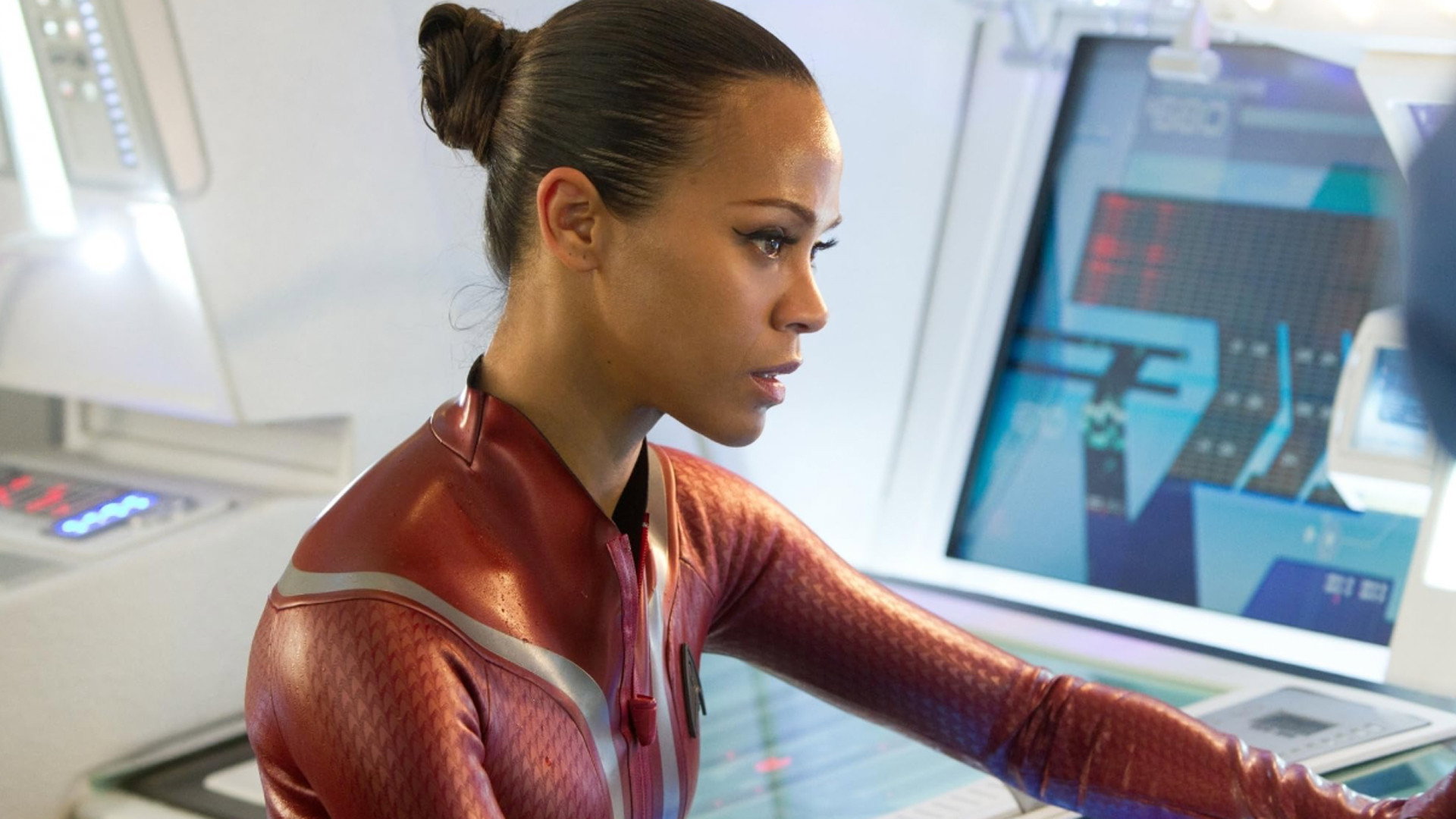
The crew is the reason to go. Chris Pine’s Kirk is still the boy who cheated on the exam, and the script by Damon Lindelof, Alex Kurtzman and Roberto Orci has the sense to let his superiors notice. Zachary Quinto’s Spock gets the best scene, an argument with Uhura (Zoe Saldaña) in a shuttle about why he was so calm about dying, and he plays it as a man who has been caught out. Karl Urban’s McCoy grumbles in metaphors until Kirk tells him to stop. Simon Pegg’s Scotty is given a conscience and a resignation, and Pegg plays both straight.
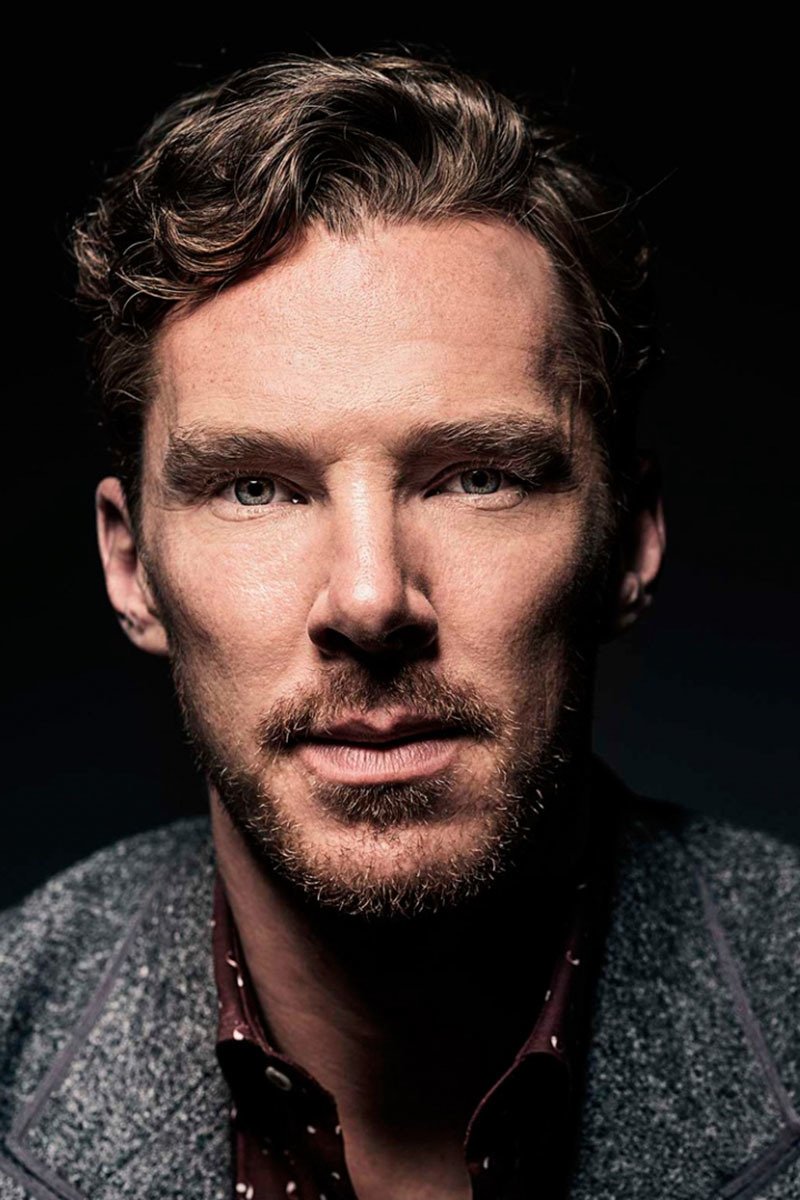
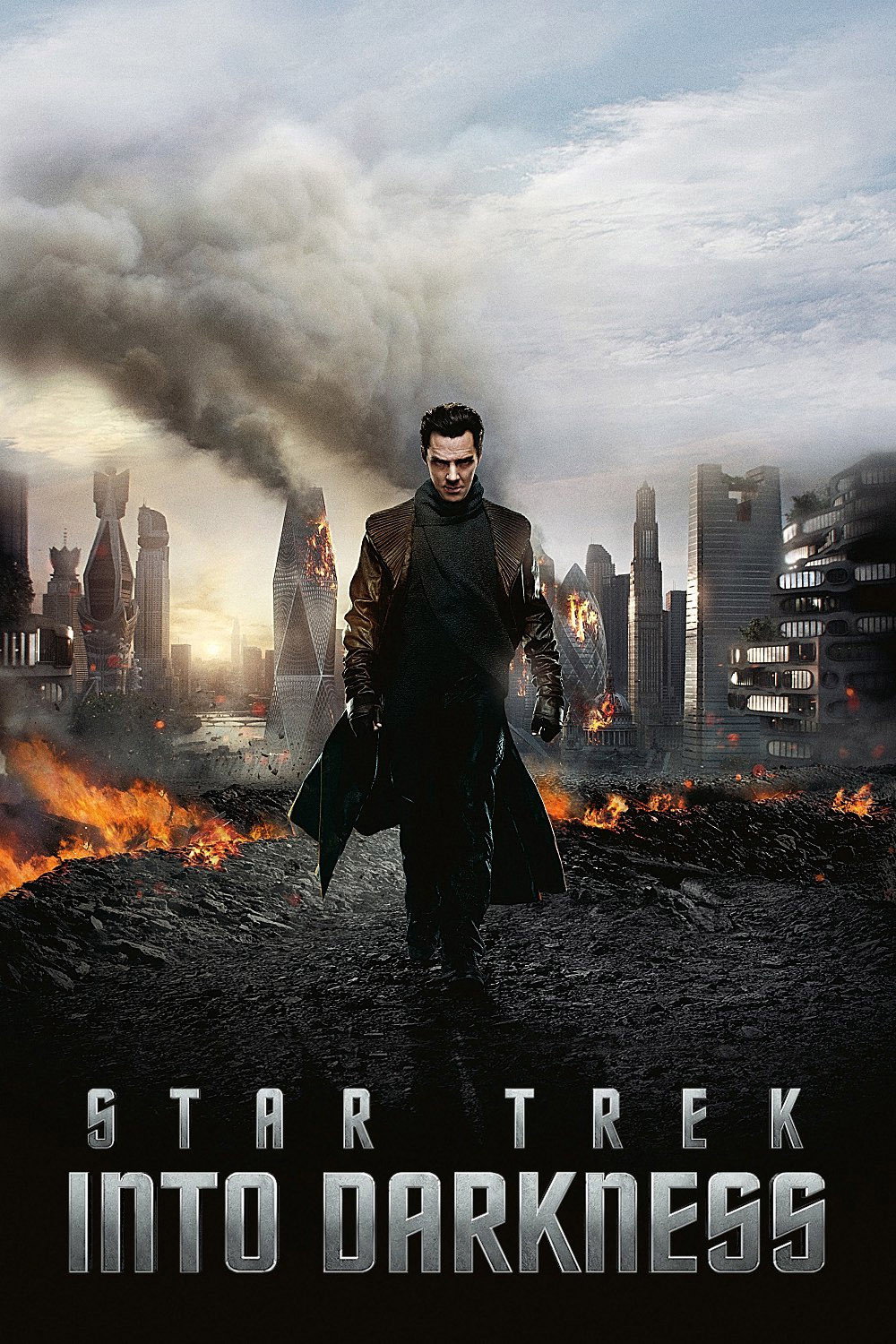
Benedict Cumberbatch’s John Harrison first appears in a London hospital, offering a desperate father a way to save his daughter, and it is the quietest scene in the film. He speaks low and slowly and hardly moves, so when he does move, taking a Klingon patrol apart single-handed in a ruined city while the Enterprise landing party stand and watch, the film has earned the shock. For its first half it knows what it has in him.
Dan Mindel shoots wide and bright, and his lens flares are back, streaking across every window and console until the white bridge seems lit from inside. Scott Chambliss builds a San Francisco of glass towers and a Klingon ruin of grey-green stone and standing water, the one place in the film that seems to have weather. Michael Kaplan puts the admirals in grey dress uniforms with peaked caps, which is meant to make us uneasy about Starfleet and does. Michael Giacchino’s brass theme swells on cue; his London music, strings over a low pulse, is the better work. Mary Jo Markey and Maryann Brandon cut the first hour so that nothing sits still for longer than a line.
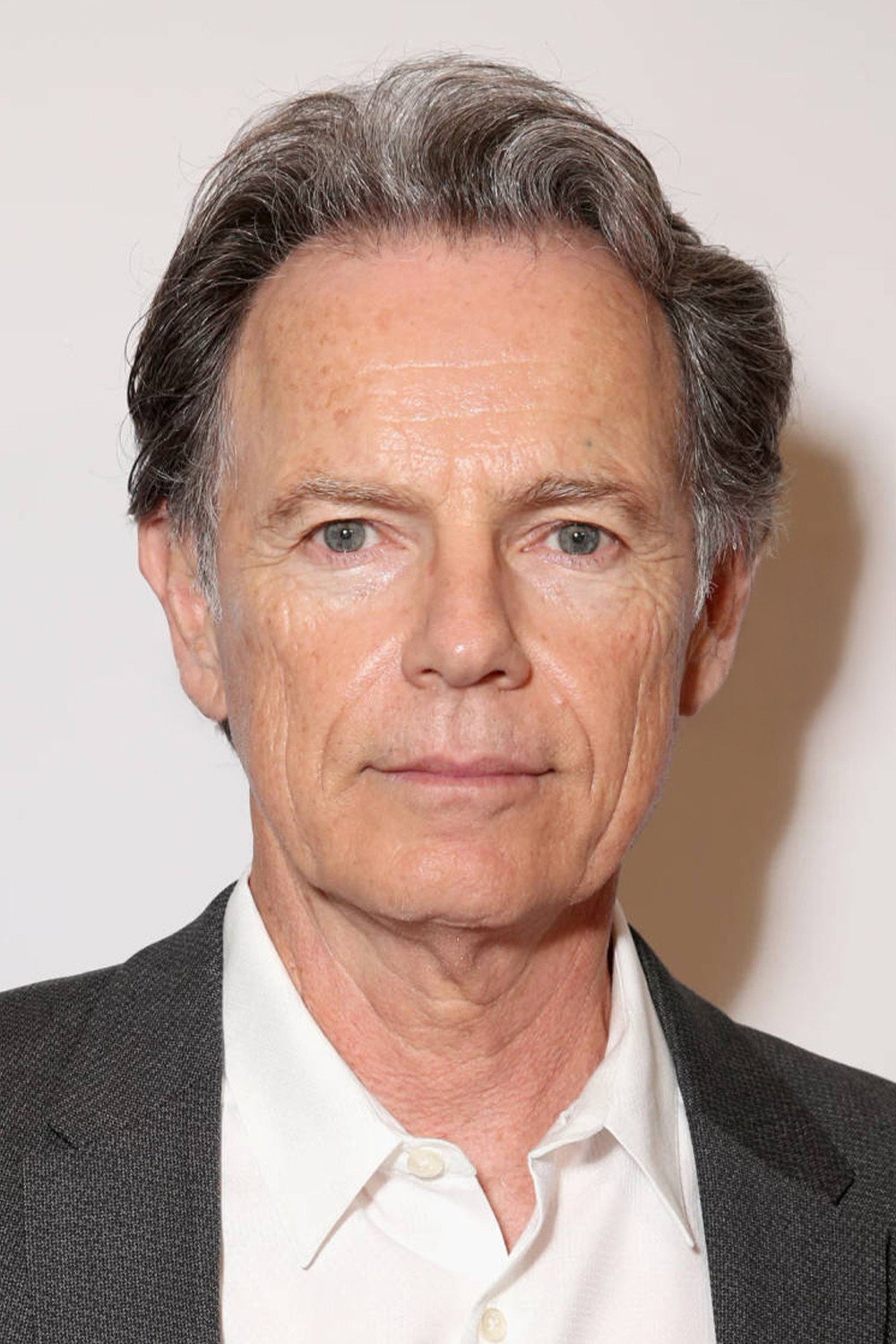
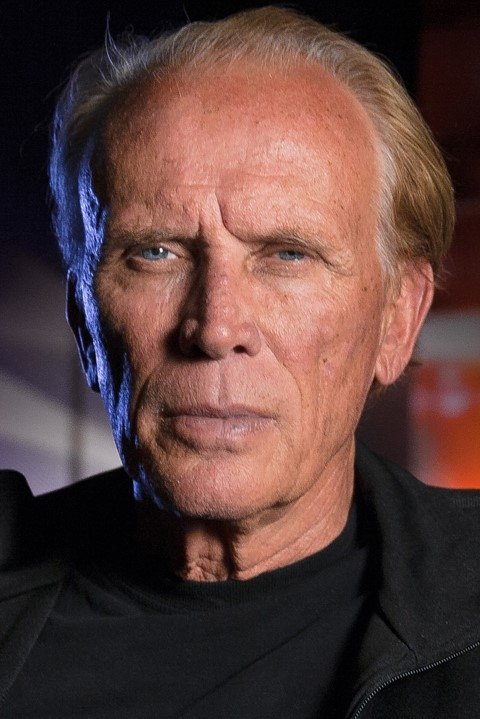
The trouble is the second hour. Having set up an argument worth having, an admiral (Peter Weller, growling) who wants an enemy killed from a distance without a trial and a first officer who will not allow it, the script drops it and starts quoting. Scenes, lines and a whole climactic situation are lifted from one of the original-cast films, and we will not say which; anyone who has seen it will know within seconds, and anyone who has not will wonder why the actors have gone so solemn. We sat there feeling embarrassed on the film’s behalf. The older film had earned those moments over two hours and a decade of television, and this one asks for the same tears on two films’ acquaintance. It does not get them.
There is also Alice Eve, cast as a science officer called Carol Marcus and then asked to strip to her underwear in a shuttle for no reason the film can offer. It lasts a few seconds and cost the film more of our goodwill than any hole in the plot. Anton Yelchin’s Chekov is sent to the engine room and largely forgotten. John Cho gets one good scene in the captain’s chair. Leonard Nimoy turns up to help the writers out of a corner.
The 2009 film worked because it was about nothing except how these people met, and it was quick about it. This one wants to be about drone strikes and the cost of revenge, raises both in dialogue and settles neither. The television programme all this descends from was slow and cheap and would stop the plot for ten minutes to have an argument. We would not want that back exactly, but we missed it.
See it for the crew and for Cumberbatch’s first hour, and go in knowing the second is a cover version. It runs 132 minutes and carries a 12A, which given the body count seems generous.