Nicholas Meyer takes a television cast, a small budget and a villain from an old episode, and makes the one Star Trek film about growing old. Ricardo Montalban rages, William Shatner listens, and the last reel earns every tear it asks for.
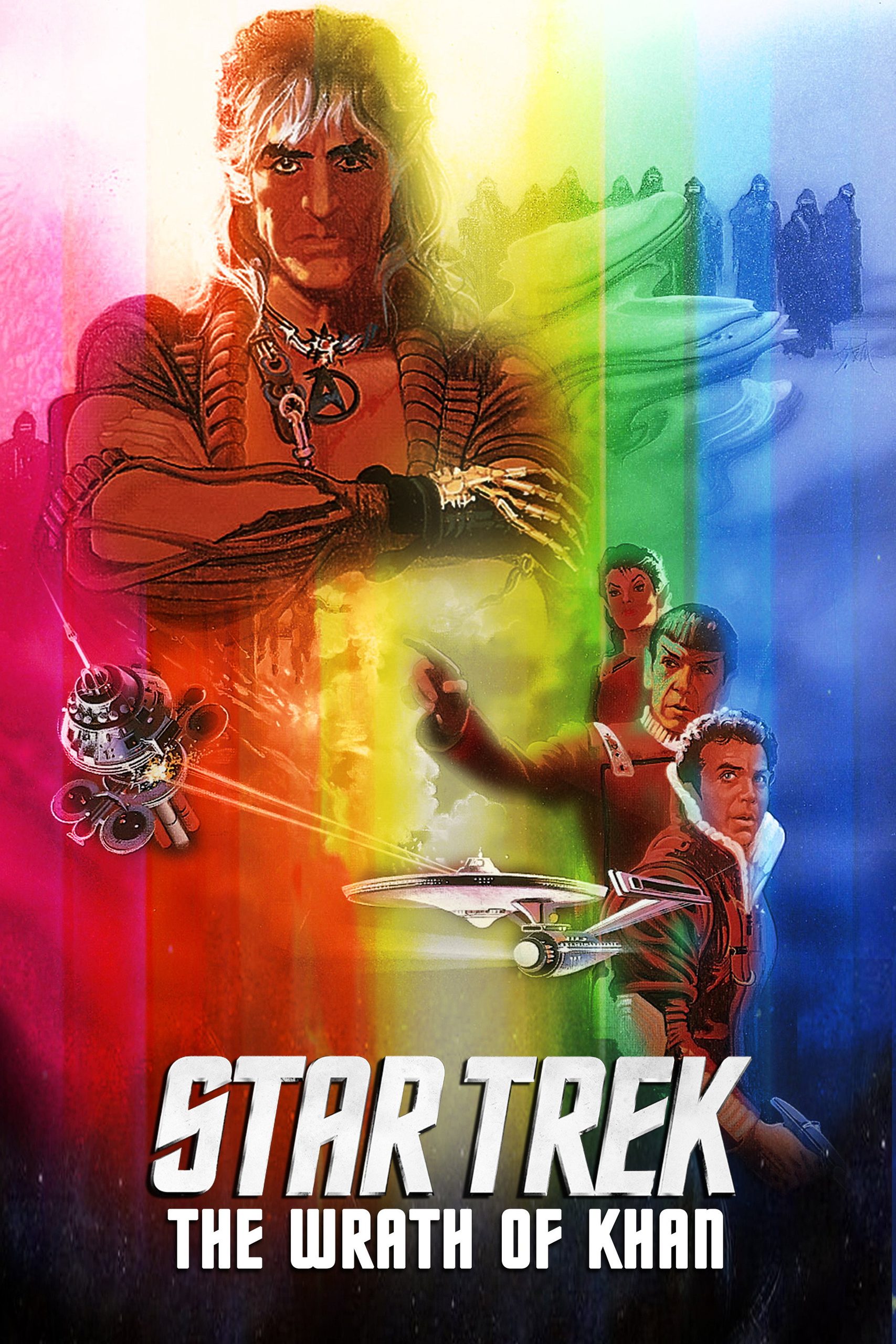
The first Star Trek film was long, slow and solemn, and The Wrath of Khan is Nicholas Meyer’s answer to it: a chase, a grudge and a crew who have noticed the grey in the mirror. Meyer had never seen the television series when he took the job, and it seems to have helped. He treats the Enterprise as a warship and Kirk as a man promoted past the work he was good at. The story, by Harve Bennett and Jack B. Sowards, brings back Khan, a villain from an old television episode, and lets the two men hunt each other for 113 minutes. It is the best of the Star Trek films and we would recommend it to people who have never watched a minute of the series.
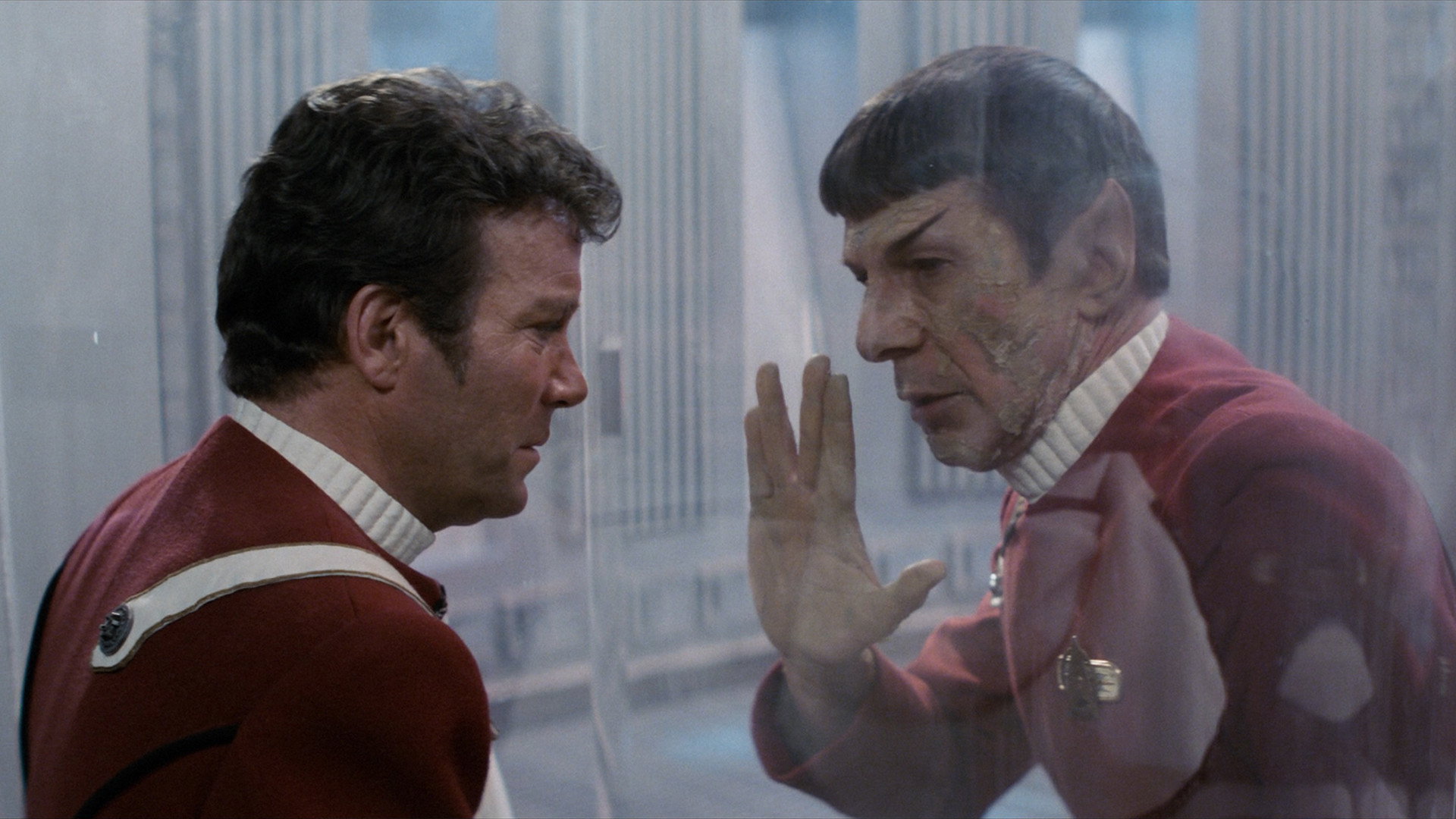
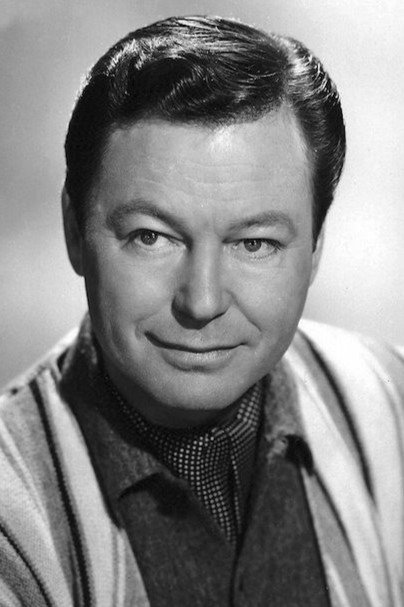
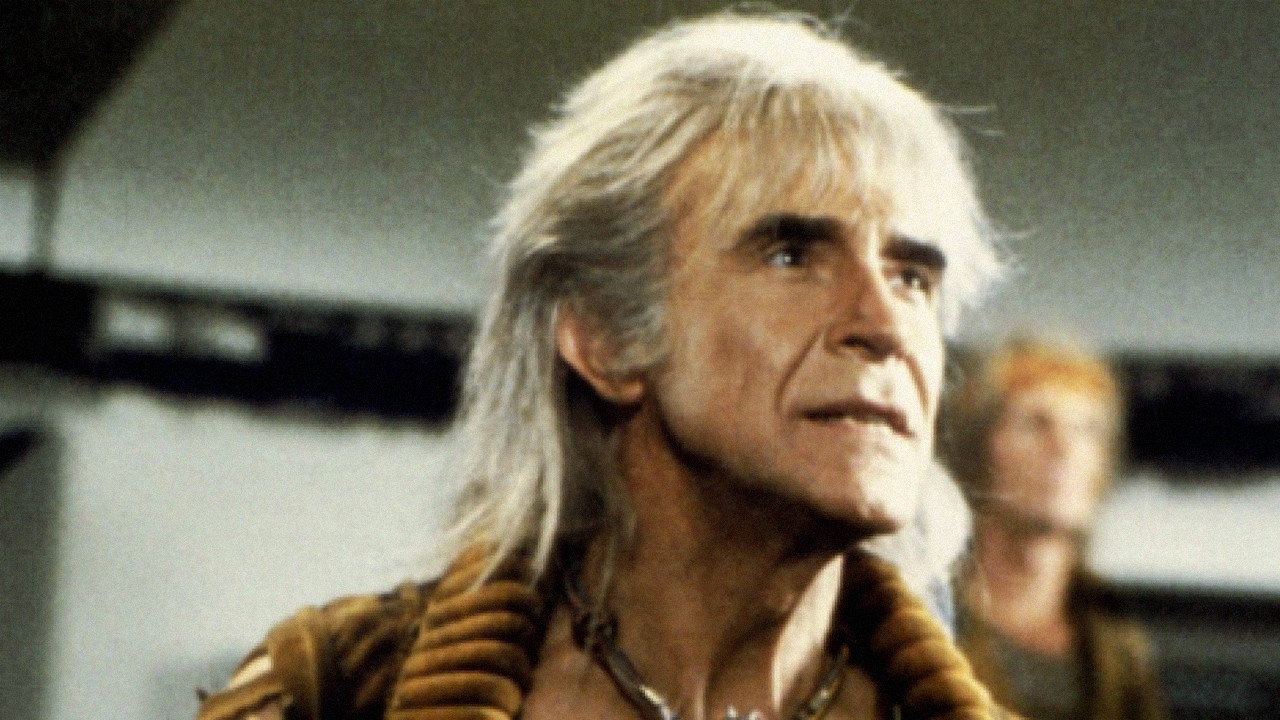
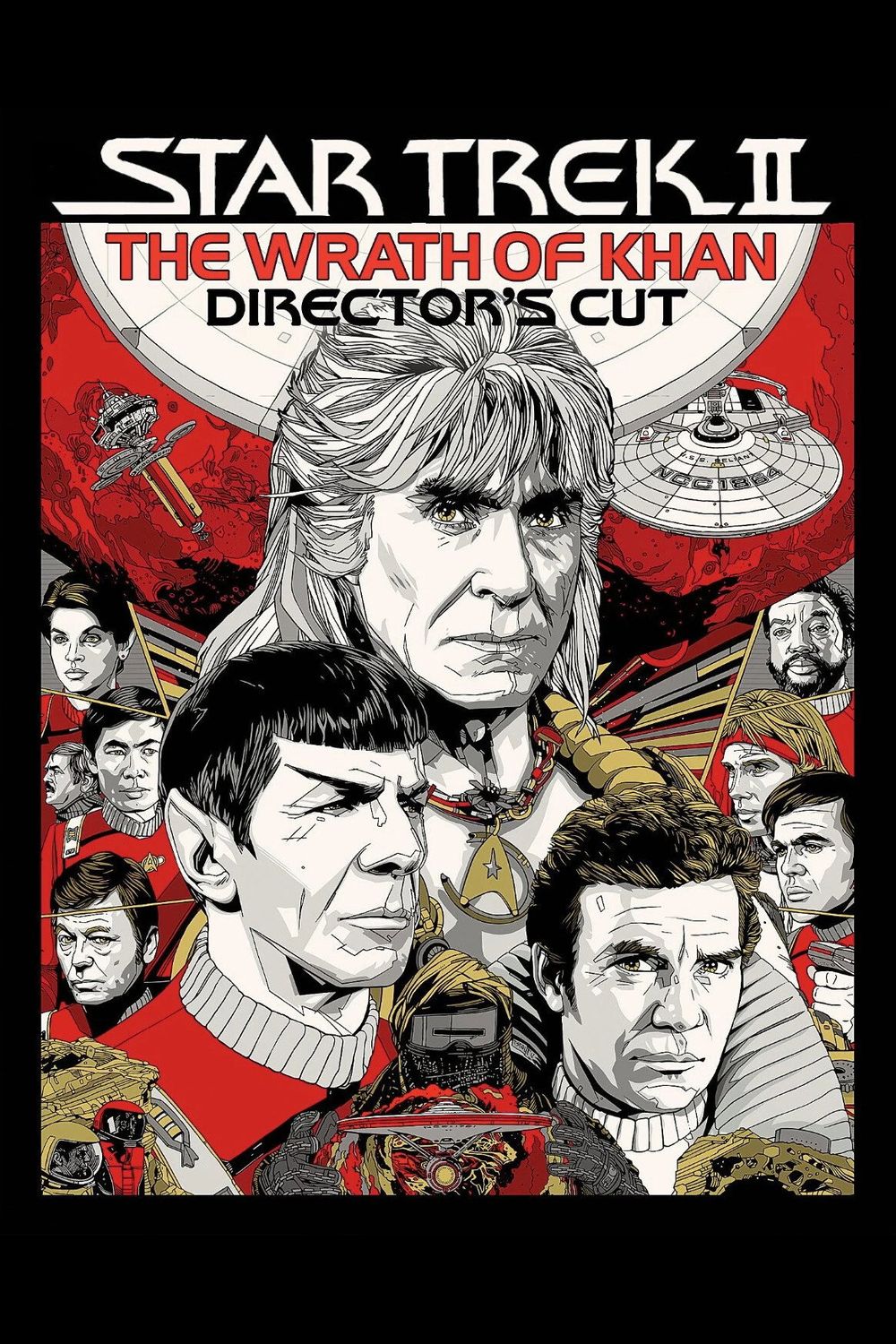
Ricardo Montalban is the reason it works. Khan quotes Melville, strokes his followers’ faces and delivers every line as if to a mirror he admires; Montalban plays him big and never plays him stupid. Meyer’s trick is that Kirk and Khan are never in the same room. They speak by viewscreen, so Montalban acts most of his part at a camera lens, which suits a man who has spent fifteen years talking to himself in a desert. Shatner does less than he has ever done and is better for it. He listens. Early on McCoy (DeForest Kelley) gives him a pair of reading glasses for his birthday and he looks at them as though they were a diagnosis. We did not expect to be touched by William Shatner’s eyesight, and we were.
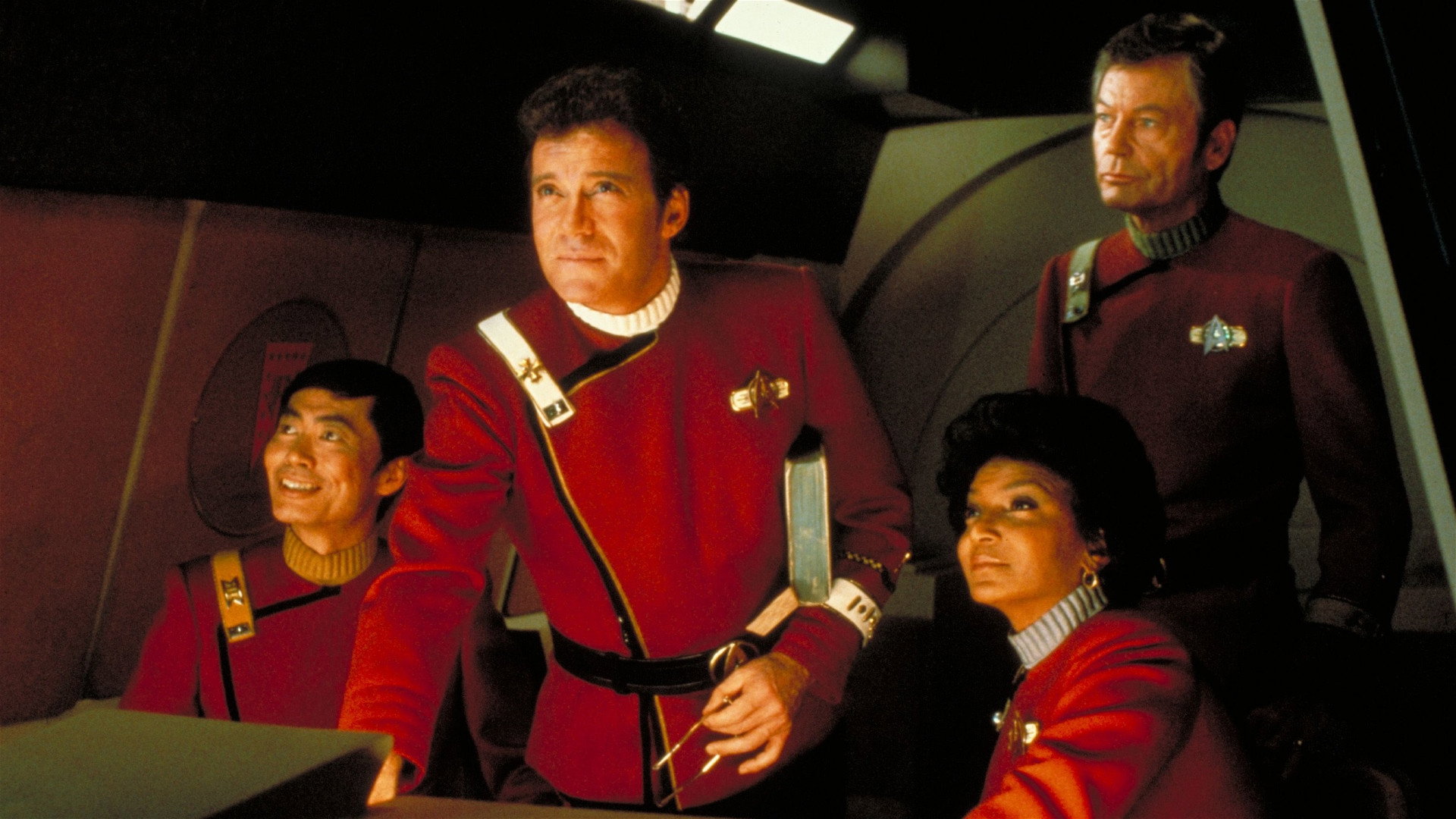
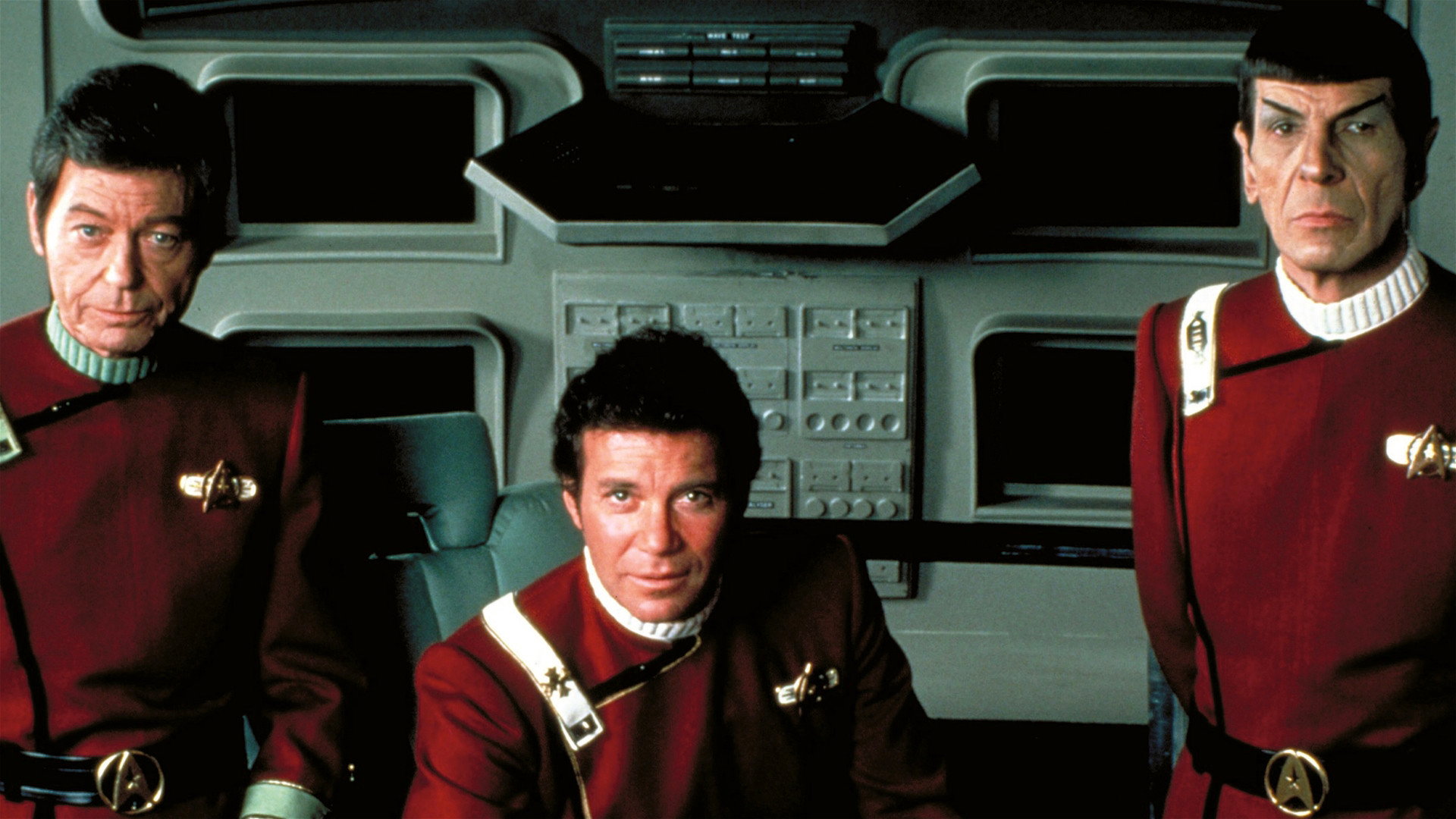
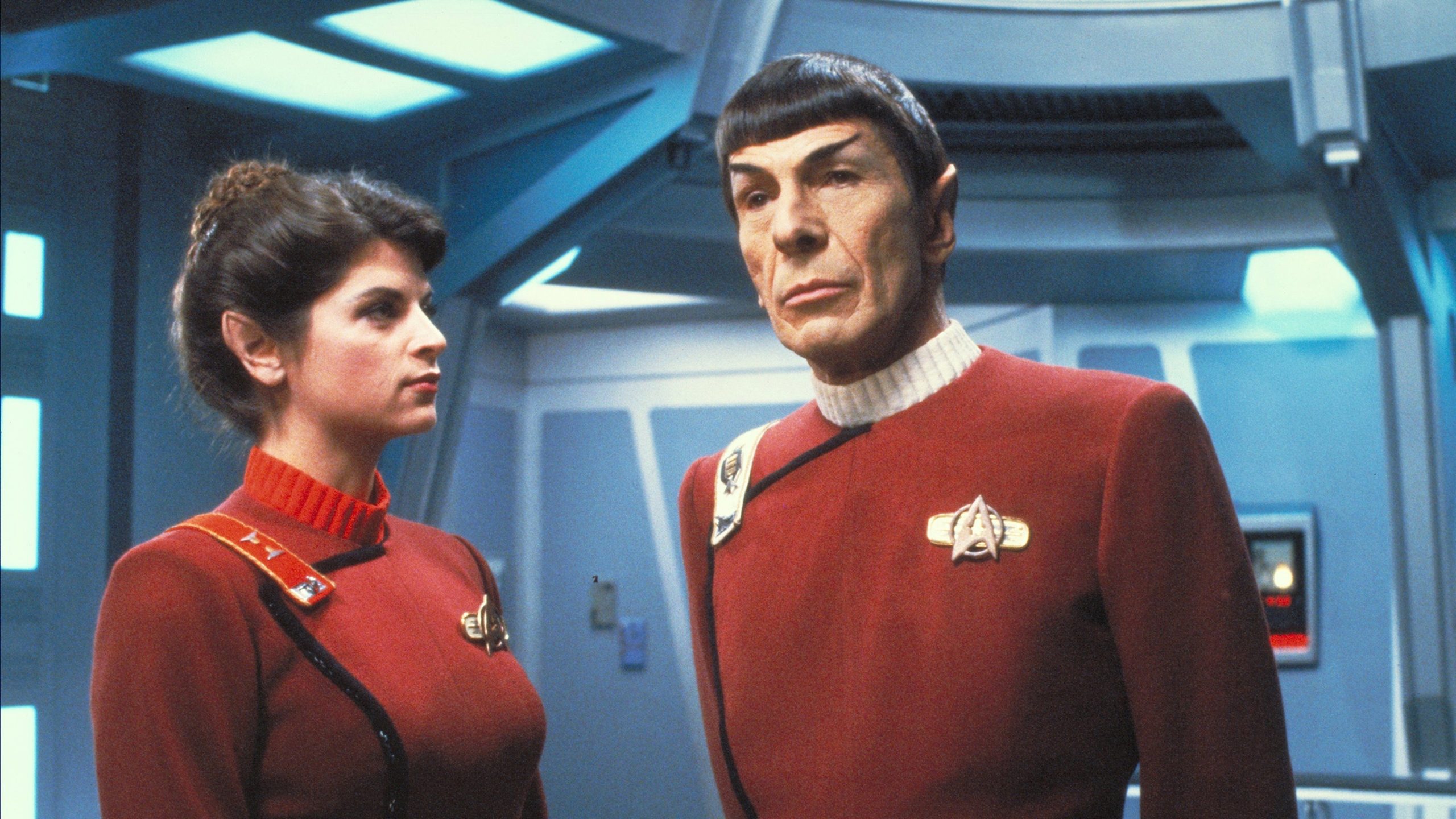
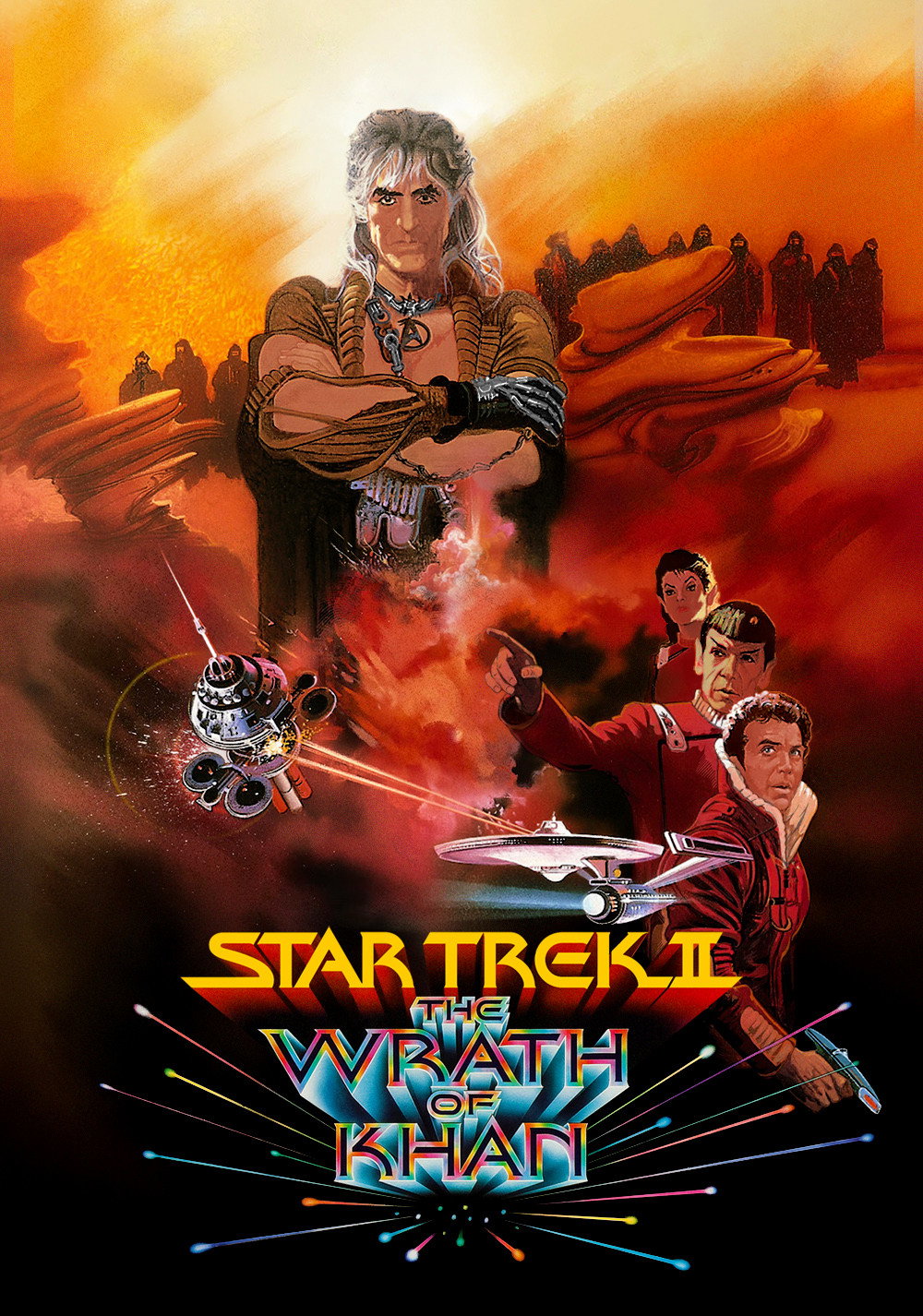
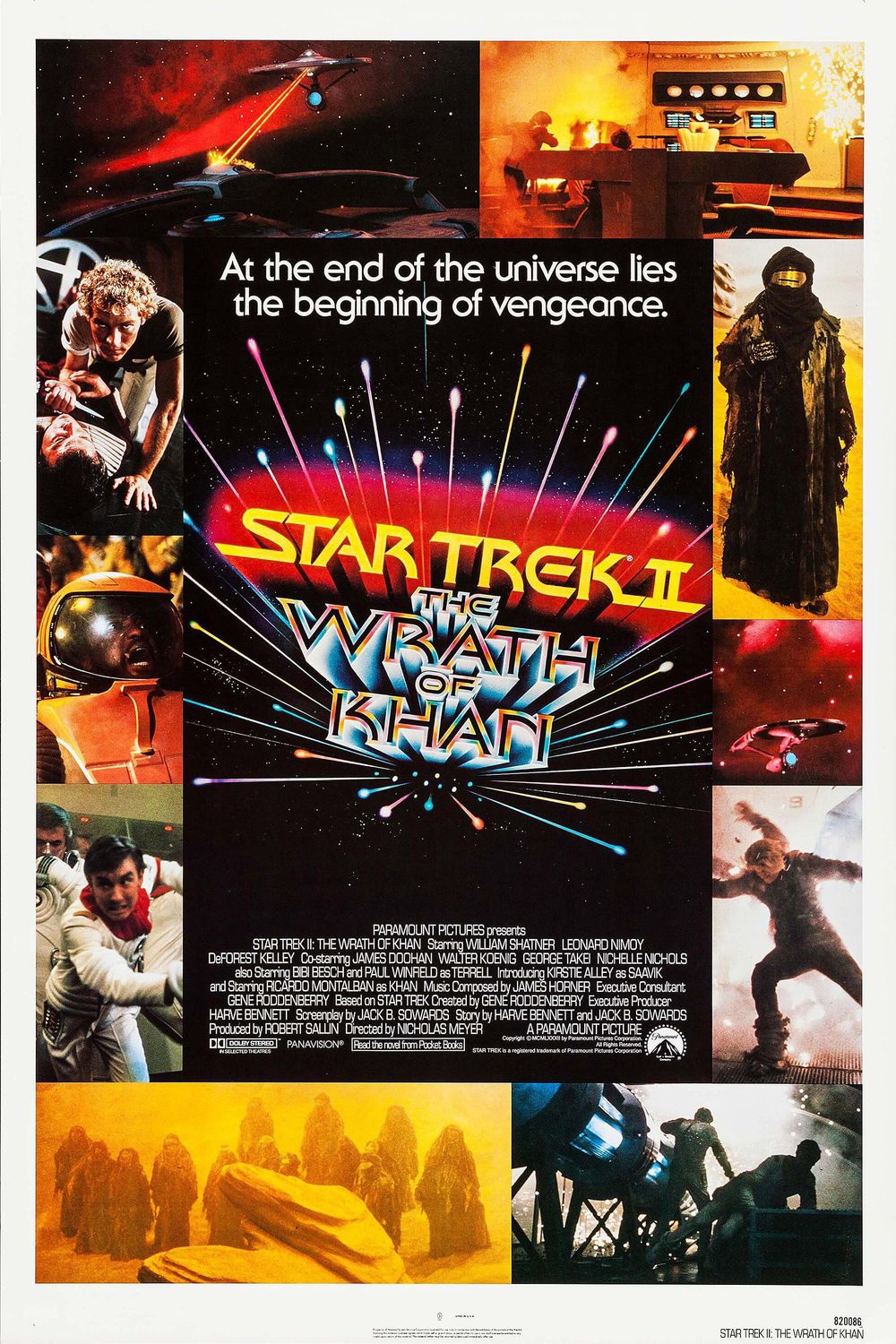
The film was made for a fraction of what the first one cost. Gayne Rescher lights the bridge in reds and ambers where the earlier film was grey and blue, so the ship looks lived in rather than hosed down. Robert Fletcher puts the crew in maroon wool jackets with white collars, and they stop looking like hotel staff and start looking like a navy; Khan’s people wear rags cut from the wreck they crawled out of. Joseph R. Jennings’s corridors are television corridors, but his torpedo bay full of cadets in hard hats and his orange desert on Ceti Alpha V do what is asked of them. James Horner’s score is the biggest thing in the film: sea horns for the Enterprise, low growling brass for Khan, and a main theme that sounds like a ship leaving harbour rather than a rocket leaving a pad.
William Paul Dornisch cuts the space battles like a submarine film: the enemy, the bridge, a man waiting to be told he is dead. The nastiest thing in the film is not a battle at all. It is a pair of small creatures Khan lifts from a tank and slides into two men’s ears, and the way Meyer holds on Paul Winfield’s face while it happens. It horrified us as children and it horrified us again, because Winfield plays what follows as a man who knows what has been done to him and cannot say so. The 12 certificate is fair.
Not everything holds. Kirstie Alley’s Saavik is written as a Vulcan and played as a head girl, and the script uses her mostly to have the rules explained. Merritt Butrick’s David Marcus is a sulk in a jumper, and Bibi Besch, warm and quick in her first scenes, is given less to do as the film goes on. The model shots wobble when the ships turn. Shatner, so restrained for an hour, is let off the leash mid-film for a shout that has kept impressionists in work ever since.
Against the series’ own standards it sits at the top. Against the space films of its decade it is smaller than The Empire Strikes Back or Alien and more interested in people. One dissenting review called it camp melodrama. It is, and the melodrama is what carries it. The second half takes a turn we will not describe. Watch it with someone who thinks they dislike Star Trek. It is about getting old, and it has the decency to be a thriller while it says so.