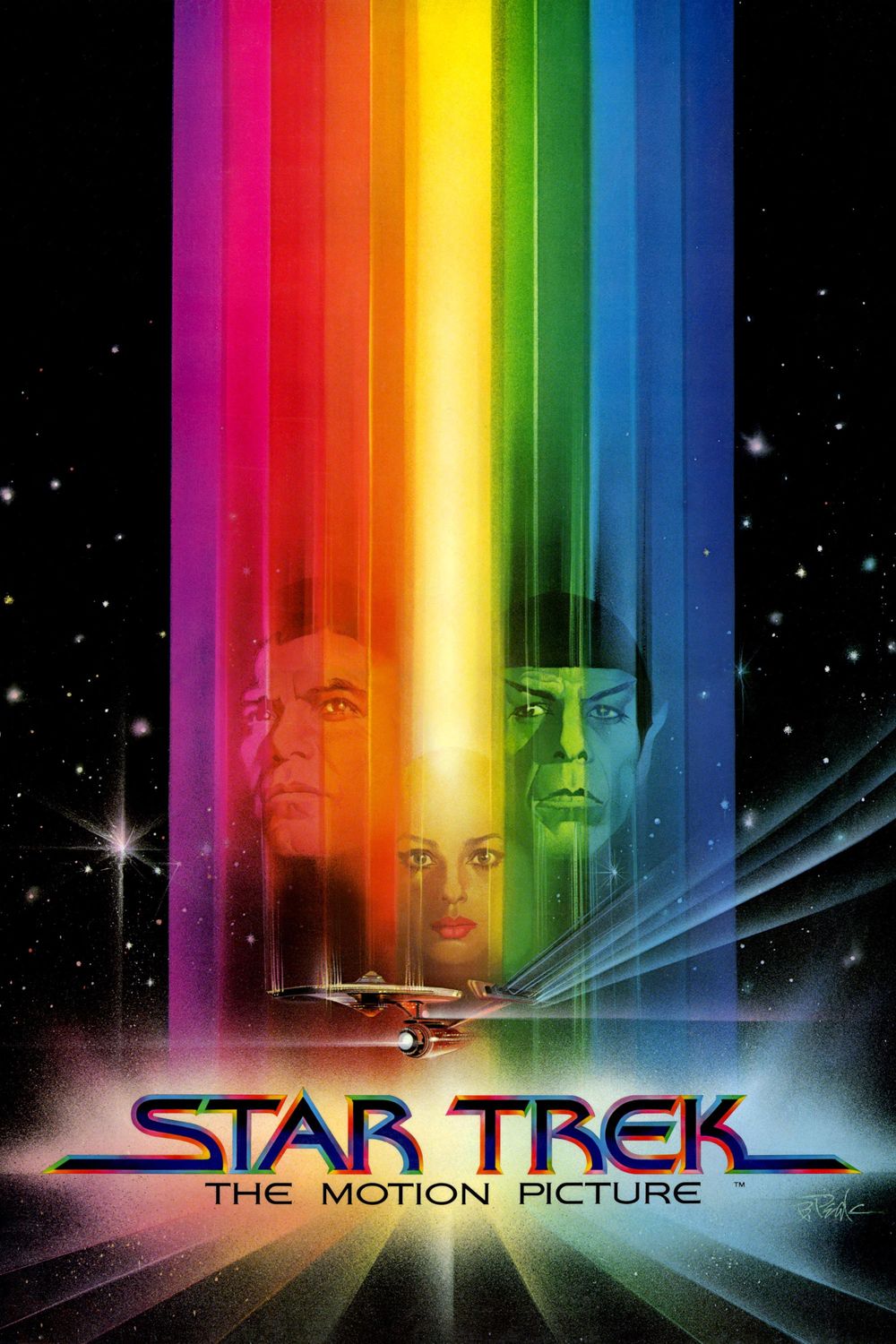
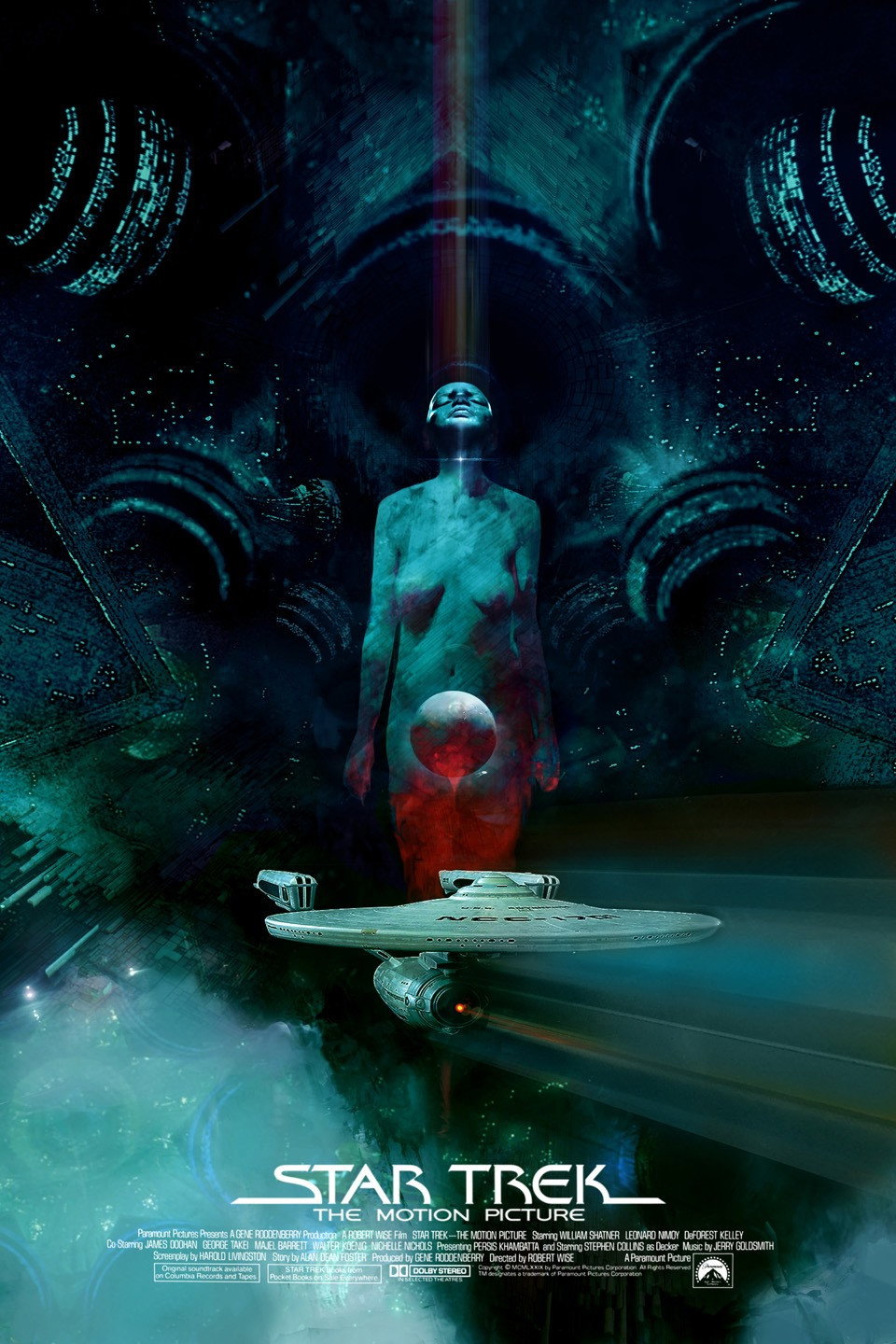
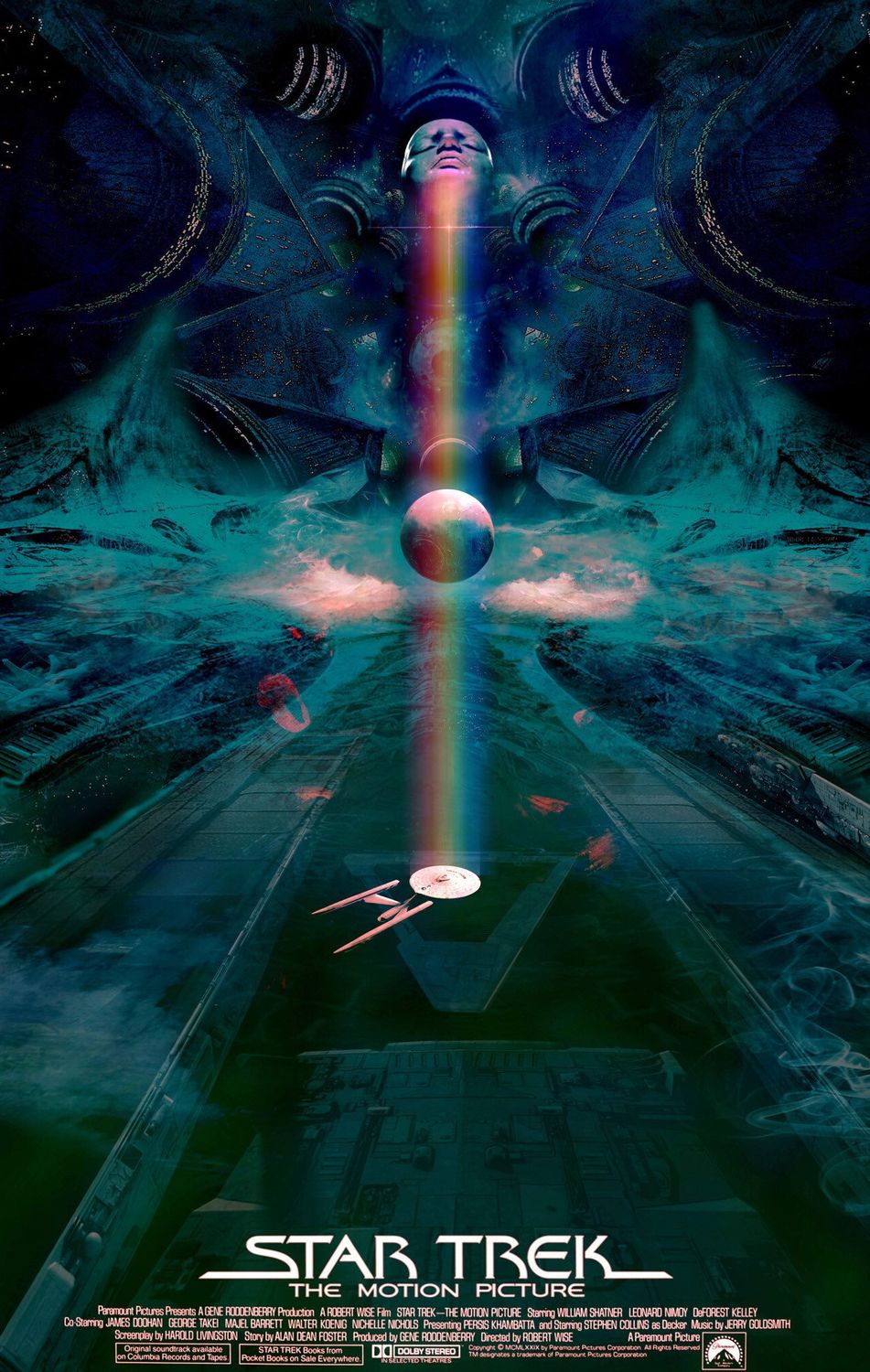
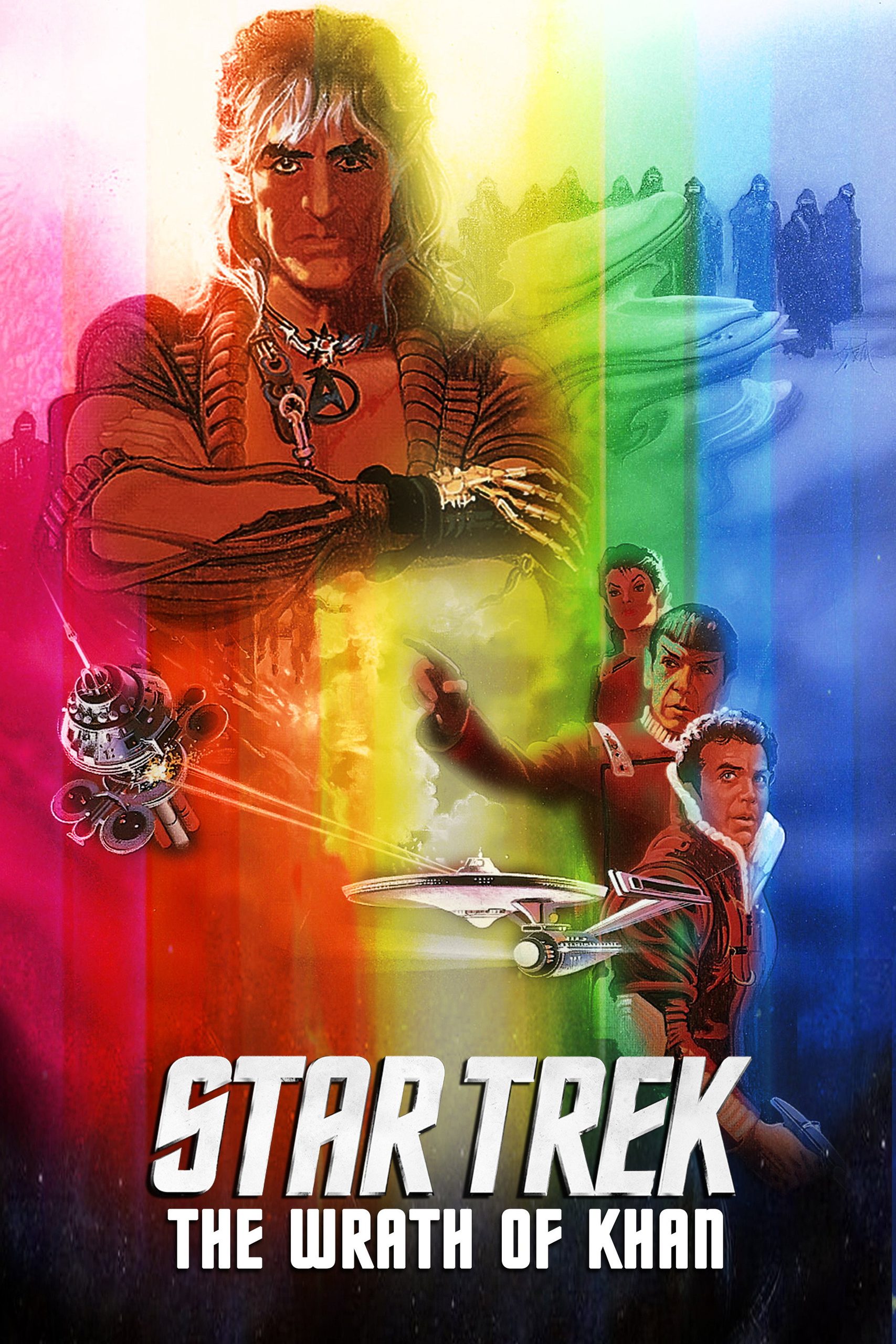
Robert Wise sends the Enterprise crew, a decade older, into a cloud and asks us to be patient. Jerry Goldsmith’s score and Harold Michelson’s ship reward the wait; Harold Livingston’s script mostly does not, and the middle hour is long.
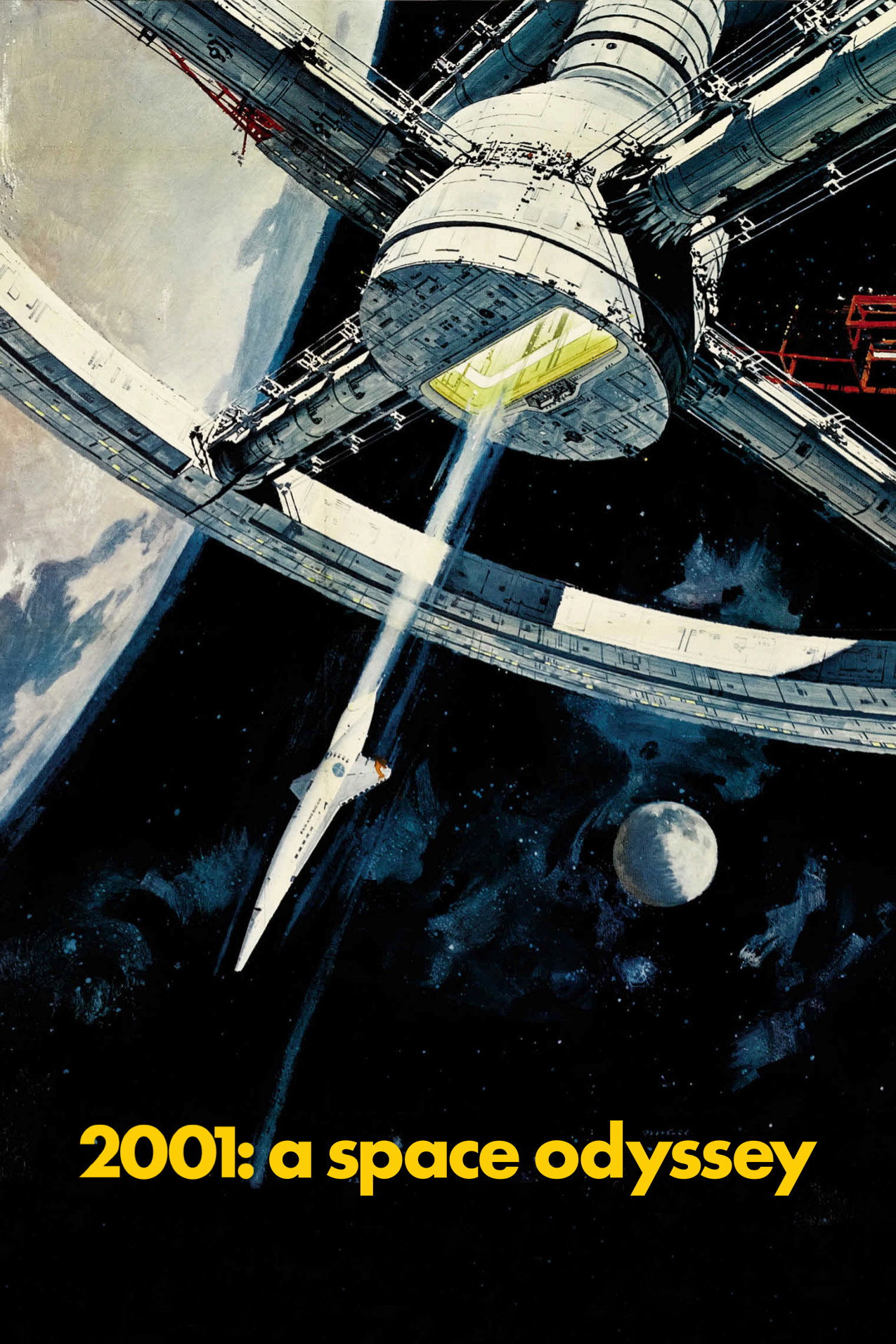
Gene Roddenberry got his television crew back, a budget to match, and Robert Wise to direct. What it is aiming at is plain from the first frame: 2001: A Space Odyssey (1968) with familiar faces, not Star Wars (1977) with pointed ears. A cloud is coming for Earth, the Enterprise is sent to meet it, and for 131 minutes the film asks us to be patient. It is handsome, sincere and slow, and the slowness is chosen. We felt every minute of it anyway.
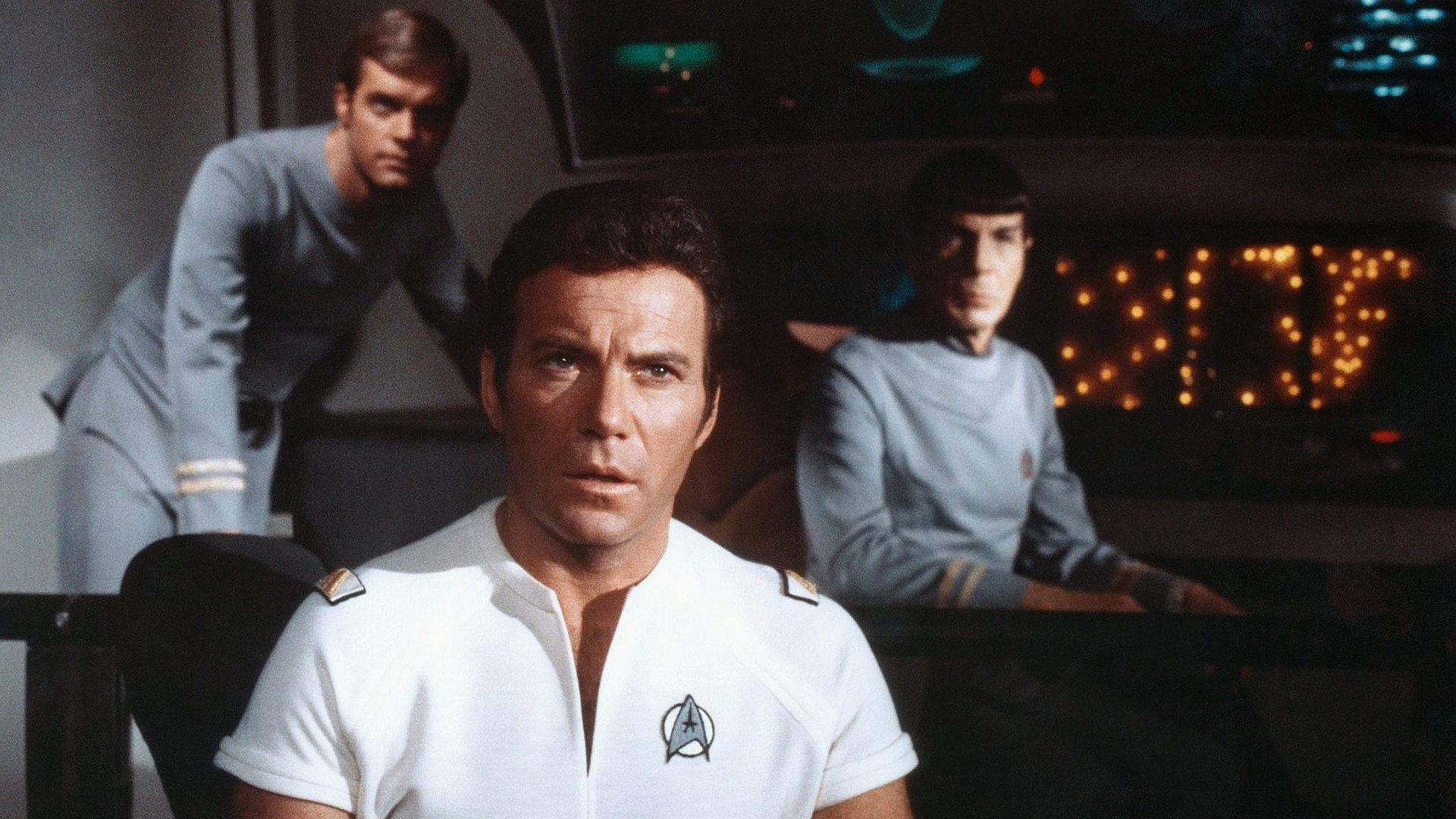
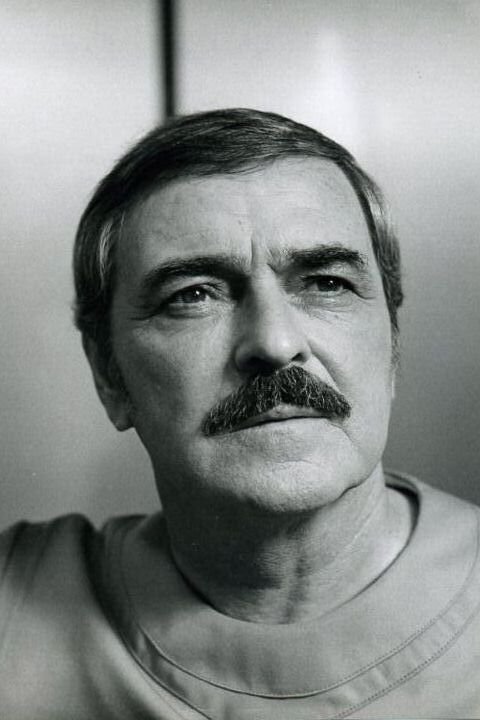
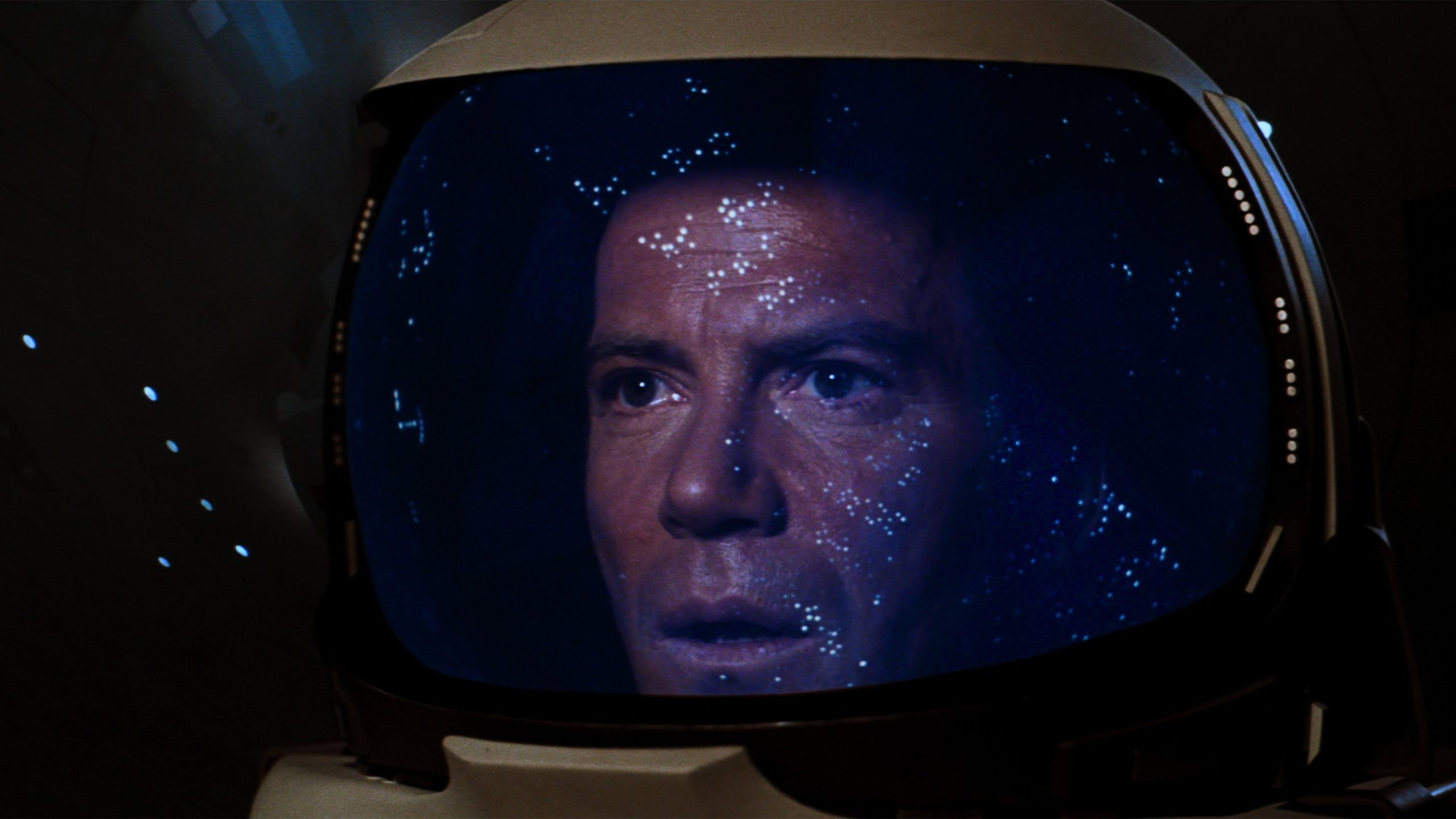
The best thing in it is Jerry Goldsmith. His main theme is a brass march that carries the ship out of dock as if it weighed nothing, and his Klingon cue does more to make them frightening than the make-up does. It earns its keep in the drydock sequence, in which Kirk (William Shatner) and Scotty (James Doohan) ride a pod round the refitted Enterprise while the music climbs. We were moved, because Shatner plays the whole thing in silence and what is on his face is a man looking at the one thing he gave up and wants back.
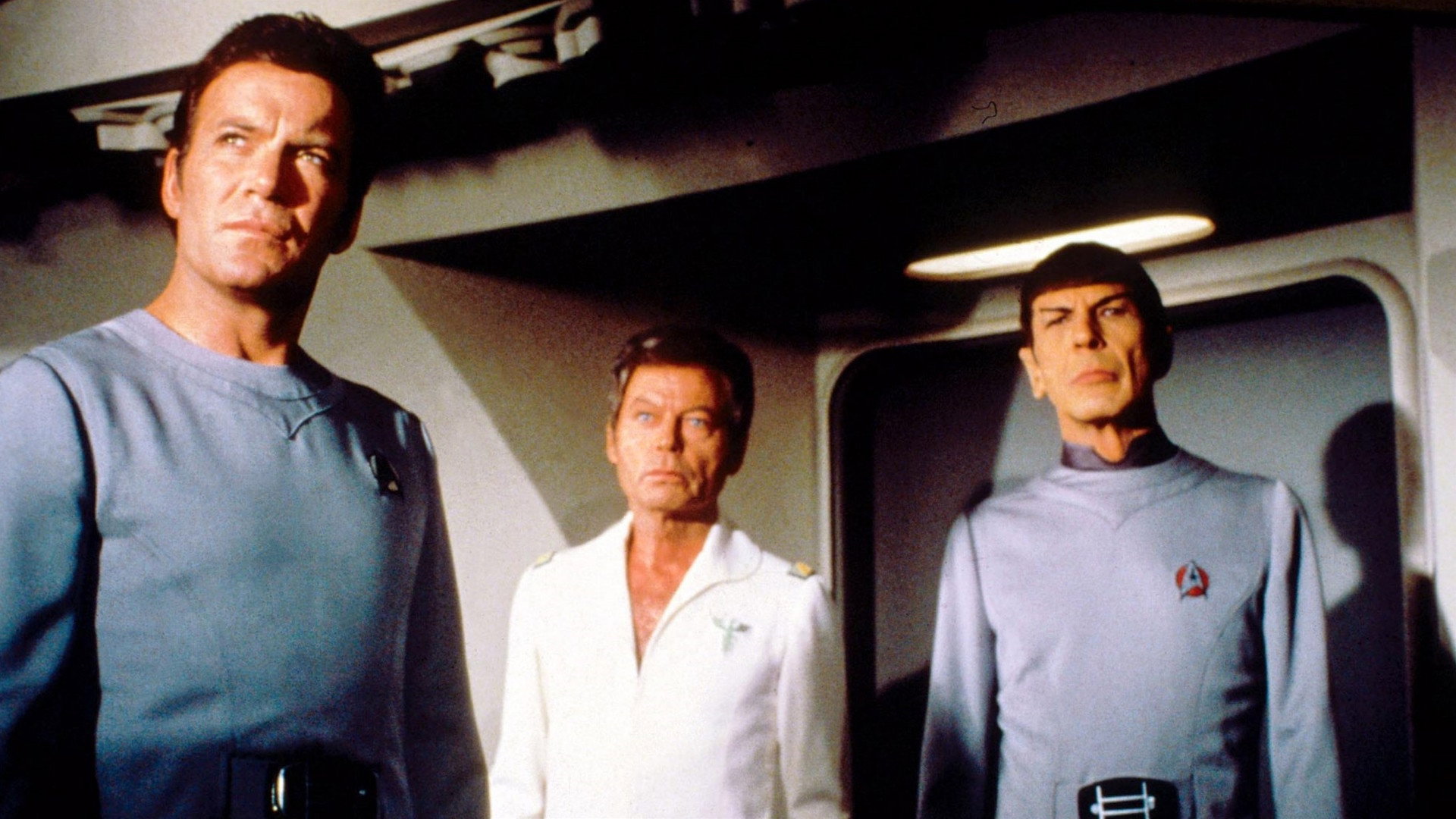
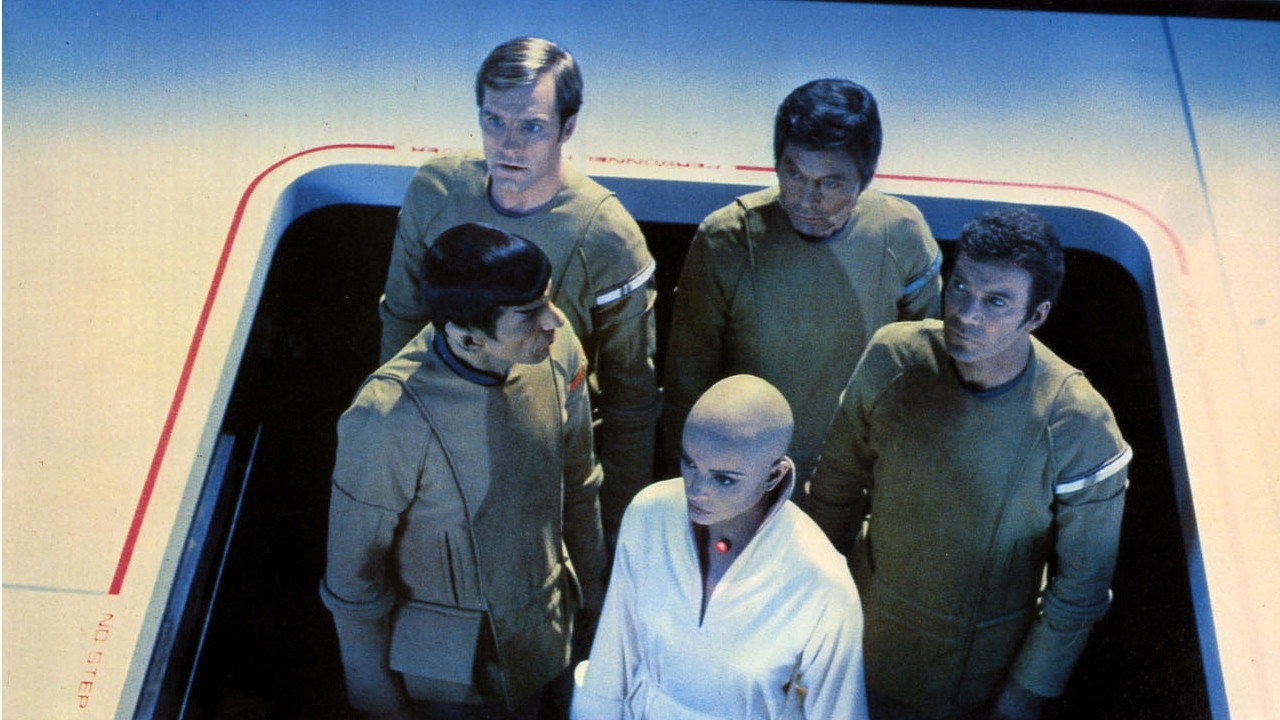
Harold Michelson has built a ship worth circling. The bridge is grey and cream with a sunken well; the recreation deck is the size of a school gymnasium; the engine room has a glowing shaft. Robert Fletcher dresses the crew in beige and pale blue two-pieces with a medical monitor set into the belt buckle, so that Starfleet looks like the staff of an expensive clinic. Richard H. Kline lights it flat and soft, so the corridors resemble an office at three in the afternoon while the space outside the windows has all the colour.
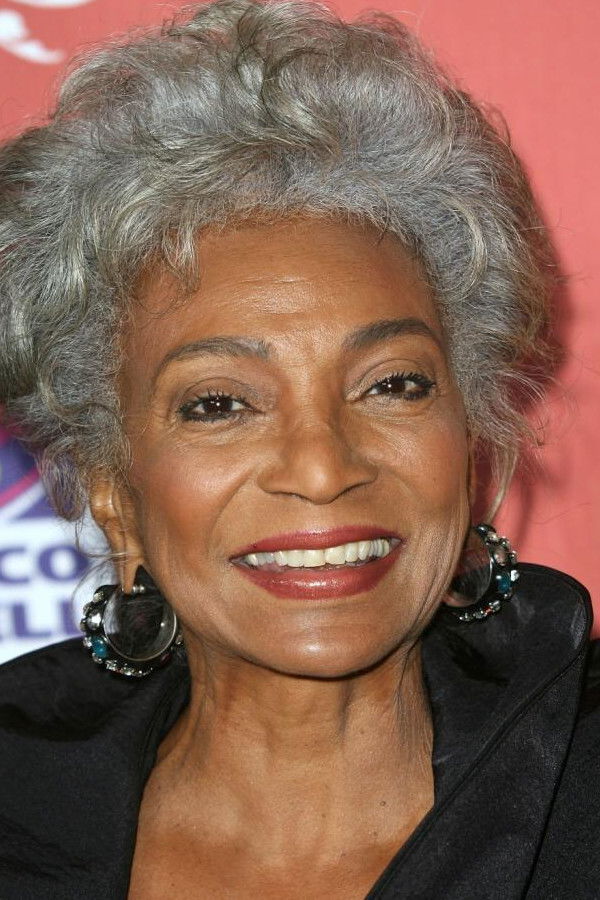
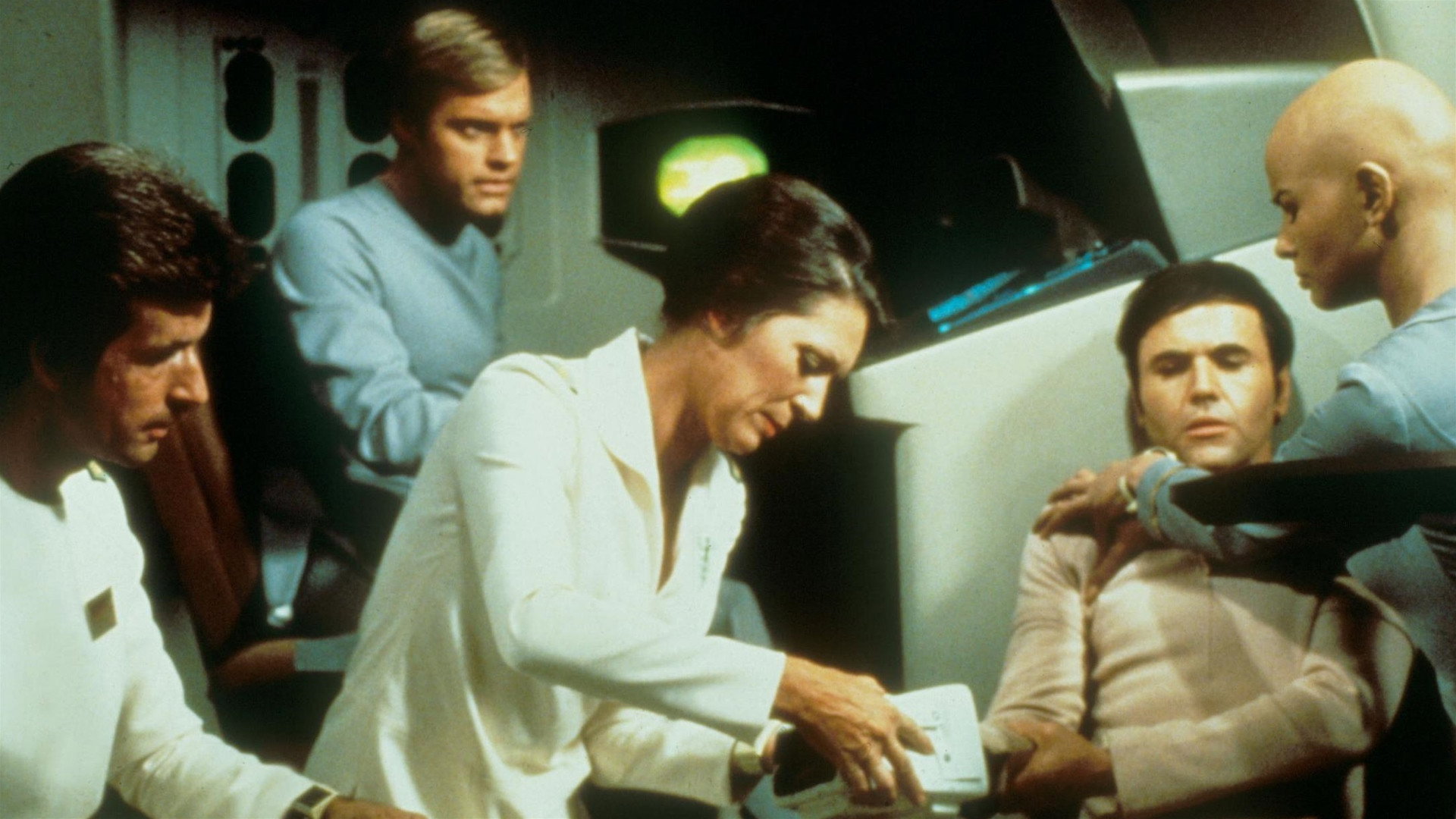
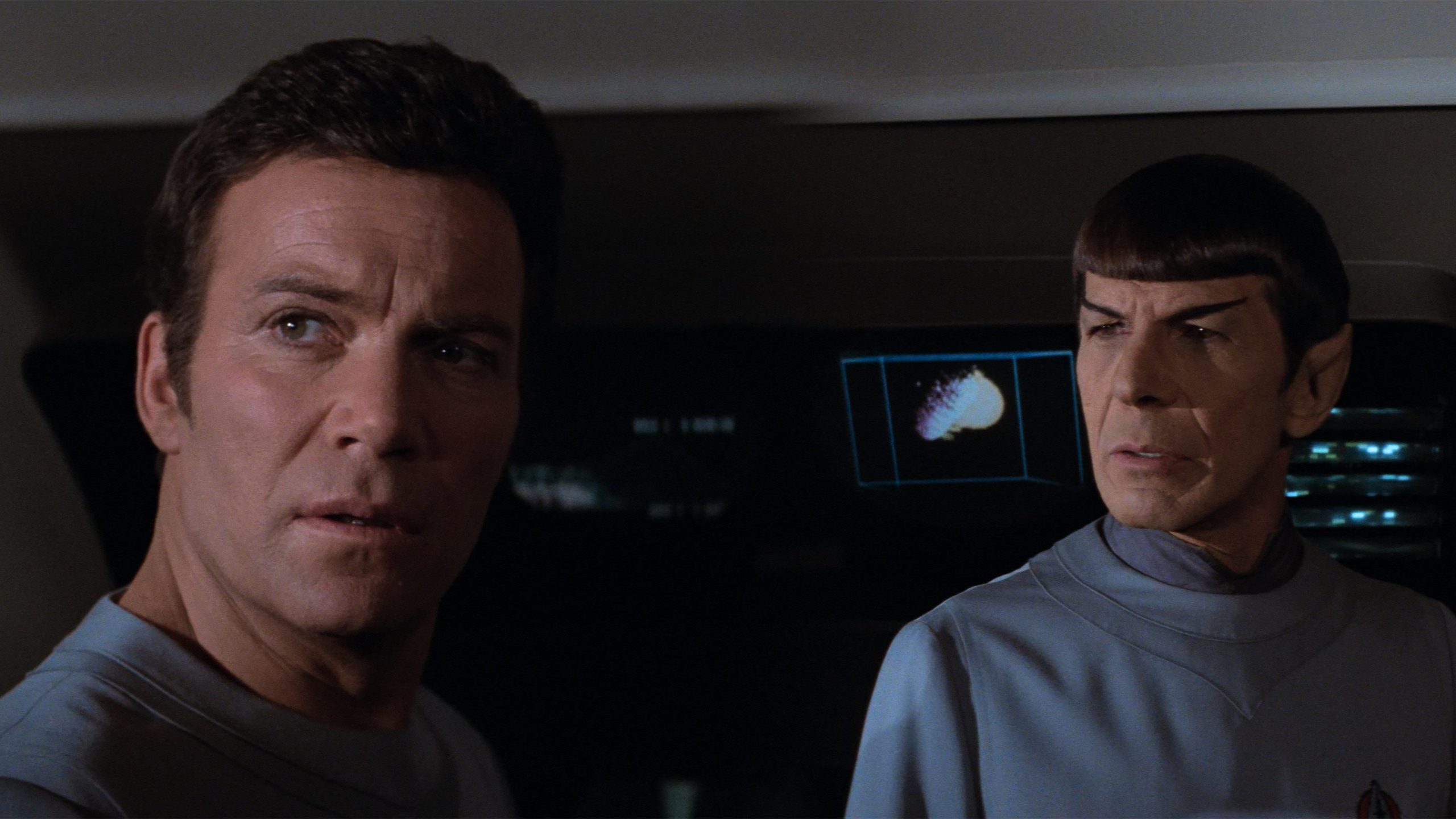
The trouble is Harold Livingston’s script, from a story by Alan Dean Foster, which has a good premise and almost no scenes. Once the ship arrives the pattern sets in: the crew look at the viewscreen, the film cuts to the effects, the crew look again. Todd Ramsay holds each shot of Uhura (Nichelle Nichols) or Sulu (George Takei) staring a beat longer than it can bear, and a reaction shot is not a scene. Chekov (Walter Koenig) is given a burned hand so that something happens. Somewhere inside the cloud we were bored, and then cross about being bored by something so plainly made with care.
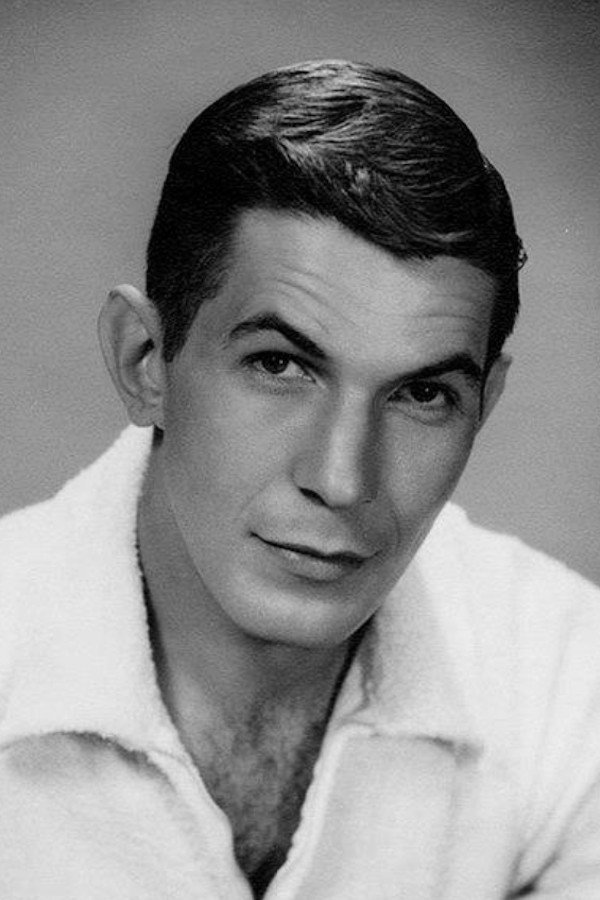
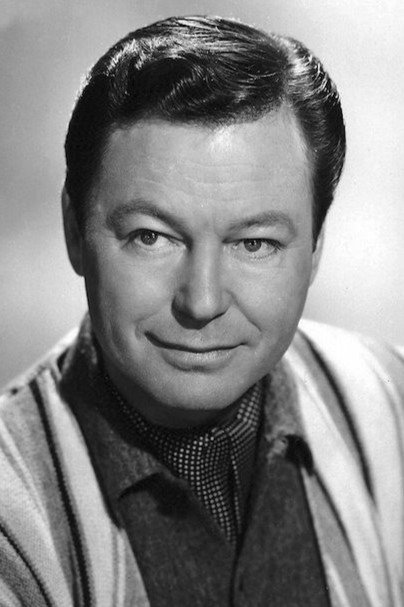
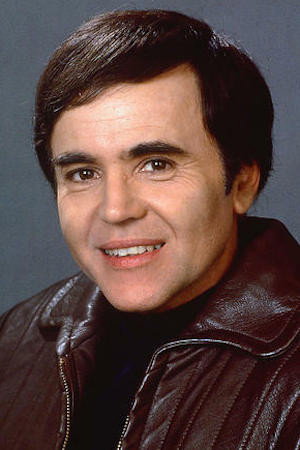
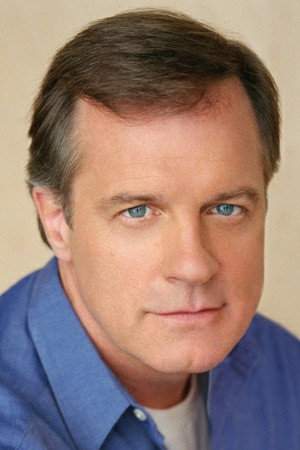
The people fare better than the plot. Shatner plays Kirk as a man who wants his ship back and does not much mind who he moves to get it. Stephen Collins’s Decker is the film’s most interesting human, a capable officer bumped aside by a legend, and he plays the grievance without whining. Persis Khambatta, with her head shaved, gives Ilia a stillness the second half puts to use. Leonard Nimoy arrives an hour in and the film improves at once; the scene in which Kirk and McCoy (DeForest Kelley) greet him at the airlock and get nothing back is the best acted in it. Kelley has the few laughs. Mark Lenard’s Klingon Captain is gone by the end of his one scene.
The second half arrives at an idea we will not describe. It is a better idea than most of the sequels bothered with, and it gives Collins and Khambatta something to play. Wise knows how to hold a frame, but the script has not told the people in it what they are thinking, so the frames stay empty.
Most critics have come round to it, and we half agree. See it if you already know these people; the film assumes you do, and that assumption carries it across the flat stretches. It is rated U. There is a good ninety-minute film in there, and Wise has left us to find it ourselves.