Film review

Star Trek III: The Search for Spock

1984 · Directed by Leonard Nimoy · 1h 45m · MPA PG

In a sentenceKirk steals his own starship to fetch a coffin, and Christopher Lloyd growls at a puppet dog in the corner

Science FictionActionAdventureThriller

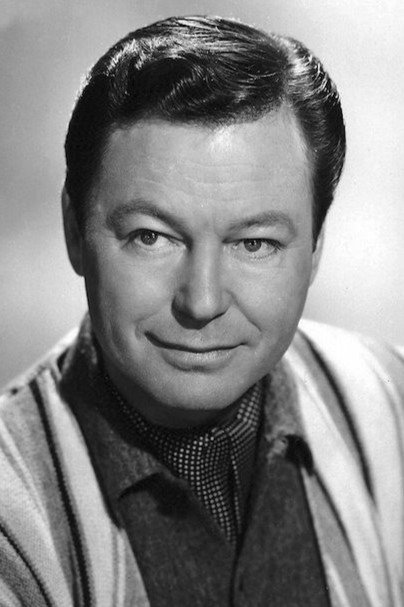
The Enterprise limps home to Earth after its battle with Khan, with Spock’s coffin left behind on the new-made Genesis planet. Dr Leonard ‘Bones’ McCoy (DeForest Kelley) is behaving strangely, slipping into a Vulcan cadence and asking to be taken to Genesis. Spock’s father, Ambassador Sarek (Mark Lenard), tells Admiral James T. Kirk (William Shatner) why: Spock’s living spirit is lodged in McCoy, and both must be brought to Vulcan. Starfleet refuses. Genesis is quarantined and the Enterprise is to be scrapped, so Kirk decides to steal his own ship. Meanwhile the Klingon commander Kruge (Christopher Lloyd) wants Genesis as a weapon, and on the planet itself Lt. Saavik (Robin Curtis) and Dr David Marcus (Merritt Butrick) find something alive in the snow.

Plays from YouTube when you press play; nothing loads from them until then.

Fi1m review

Leonard Nimoy’s first film as director undoes the ending of The Wrath of Khan with more grace than the job deserved. The cast has never looked more like a family, and the planet where it all happens has never looked more like a set.

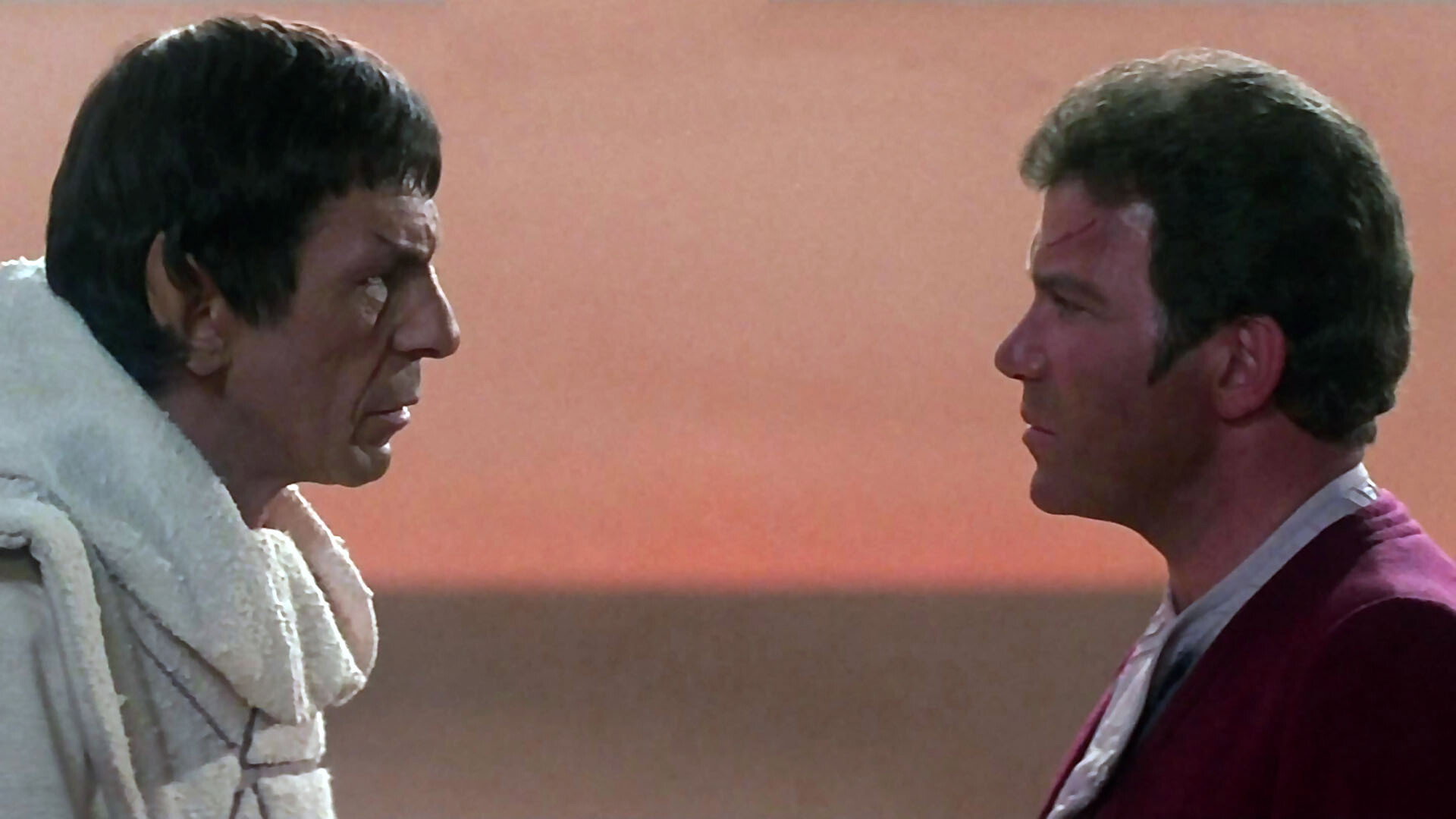
Star Trek II: The Wrath of Khan (1982) ended with Spock dead in a torpedo casing on a planet that had been made that afternoon. Two years on, Leonard Nimoy, who played him, directs for the first time and is handed the job the title describes. Bring the man back, but do not make his death worthless. Harve Bennett’s script solves it by moving the cost onto Kirk. Spock’s return is going to be paid for, and the film is really about the bill.

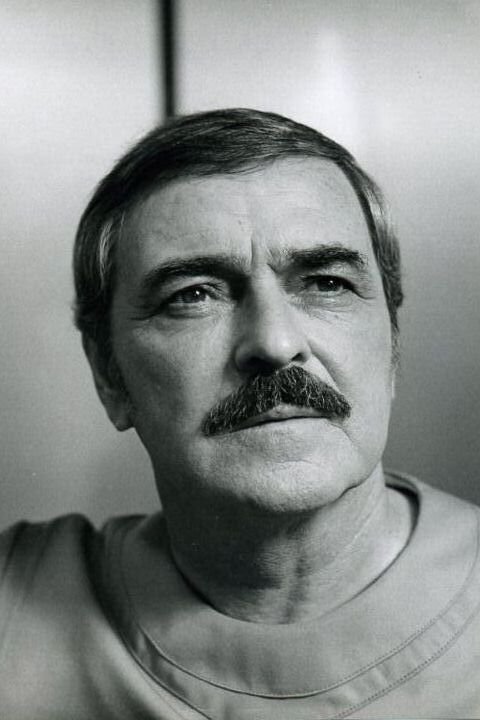
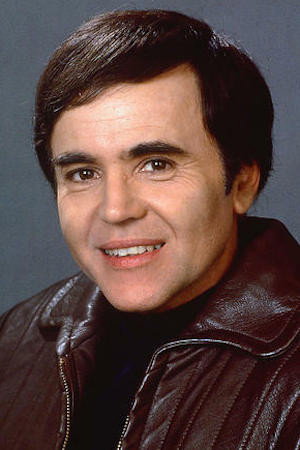
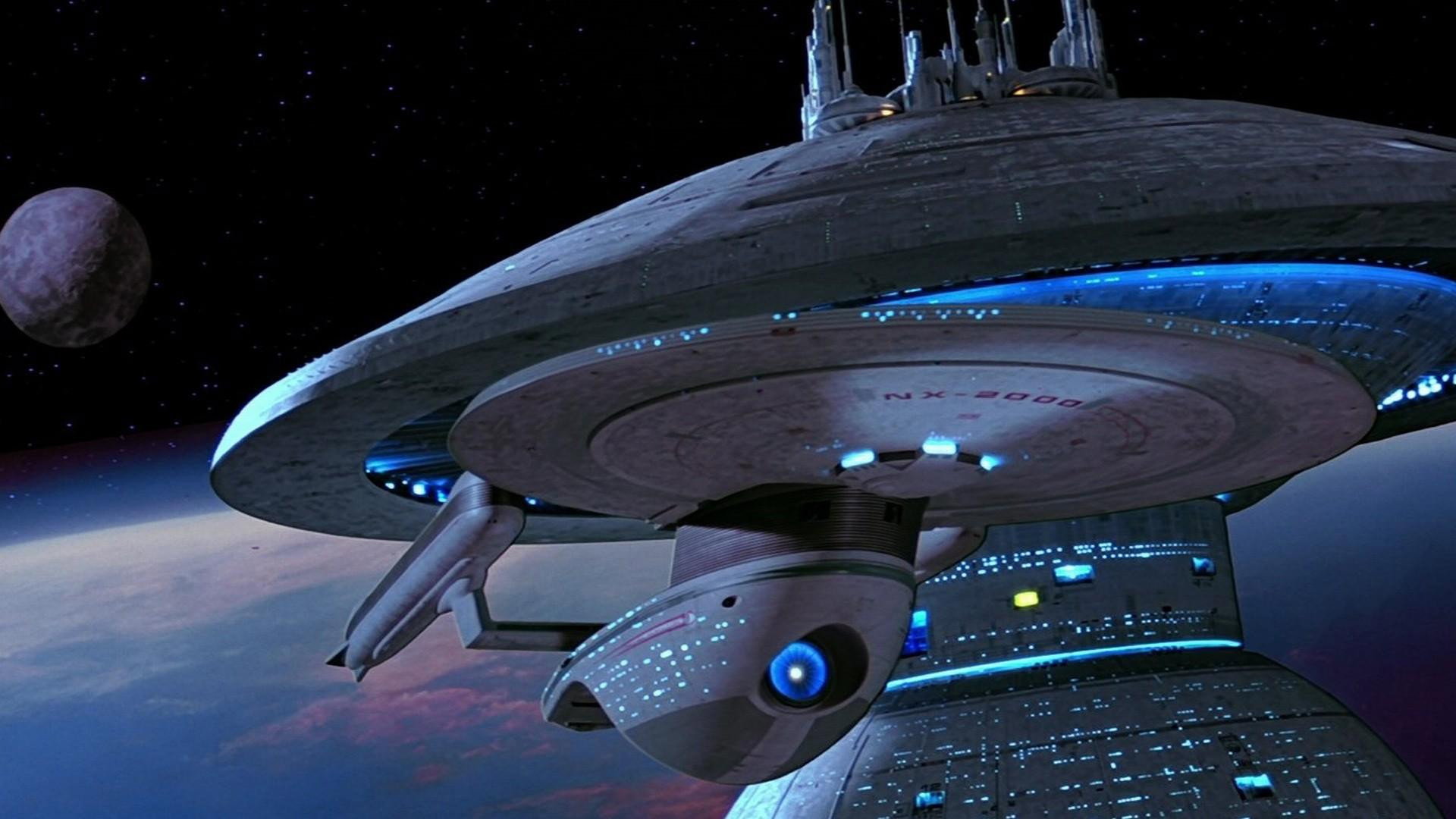
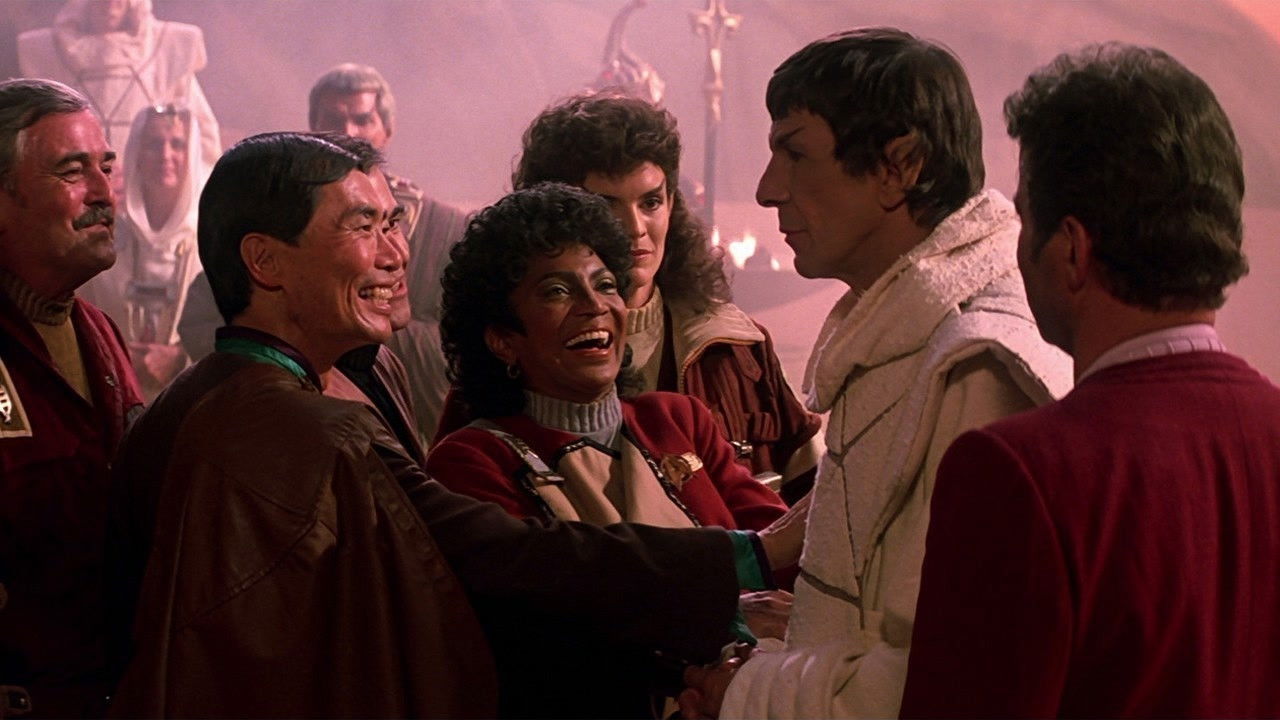
The first half hour is the best Nimoy has. The Enterprise limps home, McCoy (DeForest Kelley) starts speaking in Spock’s cadence, and Sarek (Mark Lenard) arrives to explain that his son left something in the doctor’s head. Starfleet quarantines Genesis and orders the ship scrapped, so Kirk and his officers steal her. Scotty (James Doohan) sabotages the new Excelsior, Uhura (Nichelle Nichols) holds a transporter room at gunpoint, Sulu (George Takei) throws a guard twice his size. Robert F. Shugrue cuts it as a heist, and James Horner turns the Enterprise theme into a march as she backs out of the dock. We felt a small, foolish thrill as she cleared the doors, and we will not apologise for it.

Christopher Lloyd’s Kruge is the other reason to watch. He plays the Klingon as a mid-ranking officer with a job to finish, and his contempt for his own crew is funnier than most of the film’s intended jokes. Robert Fletcher puts him in dark leather and studs, Charles Correll lights his bridge in red and steam, and he keeps a puppet monster as a pet and treats it more kindly than anyone with a pulse. His plan is thin, though. He wants Genesis as a weapon, arrives, and waits for Kirk so the plot can start.

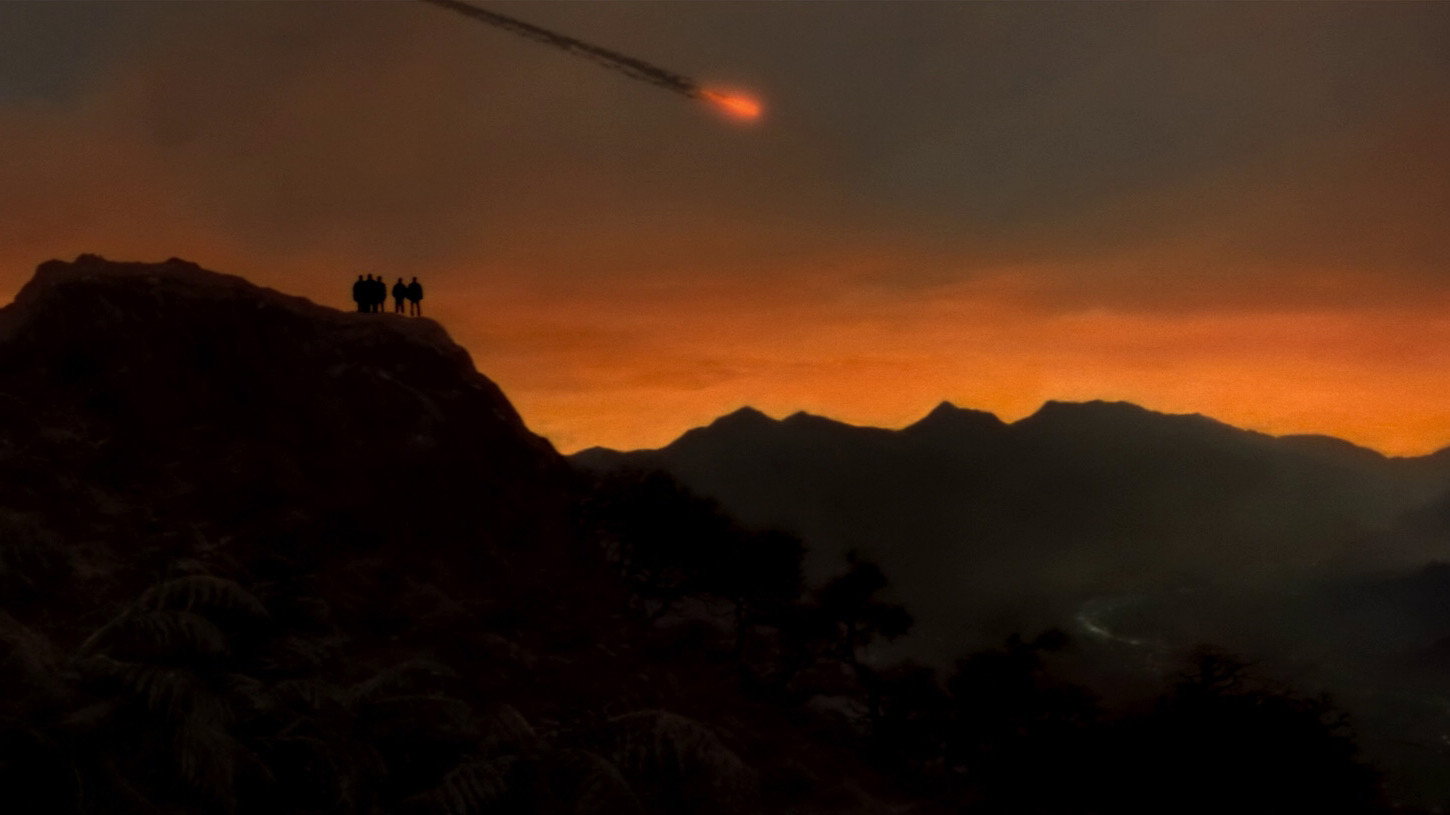
The planet is the problem. Correll shoots Genesis on a sound stage under orange and violet gels, plastic snow in one corner and a red-lit cactus in another, and we could see where the ground stopped. The scenes there belong to Saavik (Robin Curtis, new to the role) and David Marcus (Merritt Butrick), and neither is given much. Curtis plays Vulcan calm as an absence of anything, and Butrick mostly looks guilty at rocks. We were bored on Genesis, and we caught ourselves counting the minutes until Kirk arrived.

What holds it together is a cast that has been playing these people since the 1960s and knows what a scene needs. Kelley is the film’s quiet lead: McCoy is carrying a mind that is not his, and Kelley plays both men with no make-up, only a change in the shoulders and a flattening of the drawl, then a flare of temper when the doctor gets himself back. Lenard gives Sarek a grief held so tightly it hurts to watch. Shatner is uneven, but halfway through Kirk receives news we will not repeat, and Shatner plays it not with a speech but by losing his footing on his own bridge. It is the best thing he does in the picture, and it lasts about four seconds.

The rest is thinner than it should be. Bennett hands out one problem at a time and never lets two collide; the Klingons, Starfleet and the Vulcan business each wait politely for the others to finish. Nimoy directs conversation in flat two-shots, and there is far less wit here than in the previous film. The last stretch, on Vulcan, is a ceremony shot at ceremonial speed, with Judith Anderson in Fletcher’s enormous robes saying grave things slowly. Horner’s score, which reprises much of his work from the previous film, swells to tell us to feel something, and by then we mostly did.

It sits in the middle of the original-cast films, below The Wrath of Khan and well above the first. A film this fond of its own people is hard to dislike. But it exists to undo a good ending, and for all its care it never explains why that ending needed undoing. Watch it straight after The Wrath of Khan, as the second half of a long evening, and it plays as a coda. On its own it is a warm, competent, slightly cheap adventure that runs 105 minutes, carries a PG, and knows exactly who it was made for.

Critical consensus AI synthesised

72
Positive
9
Mixed
2
Negative
0

Most critics like it: nine of the eleven reviews are positive and none is negative. The praise clusters around Leonard Nimoy’s direction and his feel for the cast. Several reviews credit him with bringing back the small character moments of the television series and giving each crew member something to do, so the ship feels like a family again. William Shatner’s handling of Kirk’s losses is noted approvingly, as are Christopher Lloyd’s Klingon, Kruge, and DeForest Kelley’s McCoy.

They part over how much the film suffers from following The Wrath of Khan. Most agree it lacks the second film’s energy and does not quite justify undoing Spock’s death, though earnestness carries it a long way. The spread is fairly narrow, running from warm to lukewarm. The Los Angeles Times is the outlier at the top, finding real spirituality in it; Den of Geek and Paste sit at the bottom, pointing to a cheap-looking Genesis planet and to doubts over the effects and the plot.

Los Angeles Times
1 June 1984 · Kevin Thomas
90*

Nimoy's direction respects his colleagues and undercuts the corniness affectionately, delivering a splendid adventure that champions old-fashioned virtues of loyalty, bravery and sacrifice. The film has genuine spirituality and moves even non-Trekkies.

Read the full review →
Slant Magazine
16 June 2009 · Ed Howard
75*

The critic finds the film the most faithful and enjoyable of the original-cast Star Trek movies, crediting Nimoy's direction for infusing it with the essence of the TV series through small character moments. They single out the Klingon villain Kruge and the supporting crew highlights like Uhura and Sulu for praise while noting it does not withstand close scrutiny.

Read the full review →
Empire
1 January 2000 · William Thomas
70*

Not quite as good as the second or fourth voyages but light years ahead of the first, Nimoy's directorial debut follows the crew going AWOL to resurrect Spock in an atypically tragic story. The critic singles out the impressive visual invention by Nimoy and the reliability of the cast for keeping the franchise strong.

Read the full review →
The AV Club
20 August 2009 · B- · Zack Handlen
70

The critic finds the film fun and charmingly old-school despite being redundant and not justifying its existence by undoing Spock's death. They single out the strong sense of the crew as a family unit, with each member getting moments to shine, for praise.

Read the full review →
The Guardian
14 June 2024 · Peter Bradshaw
70*

The critic calls it a weighty but fun threequel that deals with themes of matter, death and eternal life. They single out the passionate bromance between Kirk and Spock, and the extraordinary sacrifices Kirk makes for his friend, as the film's core.

Read the full review →
The New York Times
1 June 1984 · Janet Maslin
70*

The film is helped by the cast, director and screenwriter's wholehearted belief in the saga, though Nimoy hasn't matched the playfulness and energy of the second film. It makes up for this in earnestness, which goes a long way toward making the material touching.

Read the full review →

Cast

If you liked this, try…

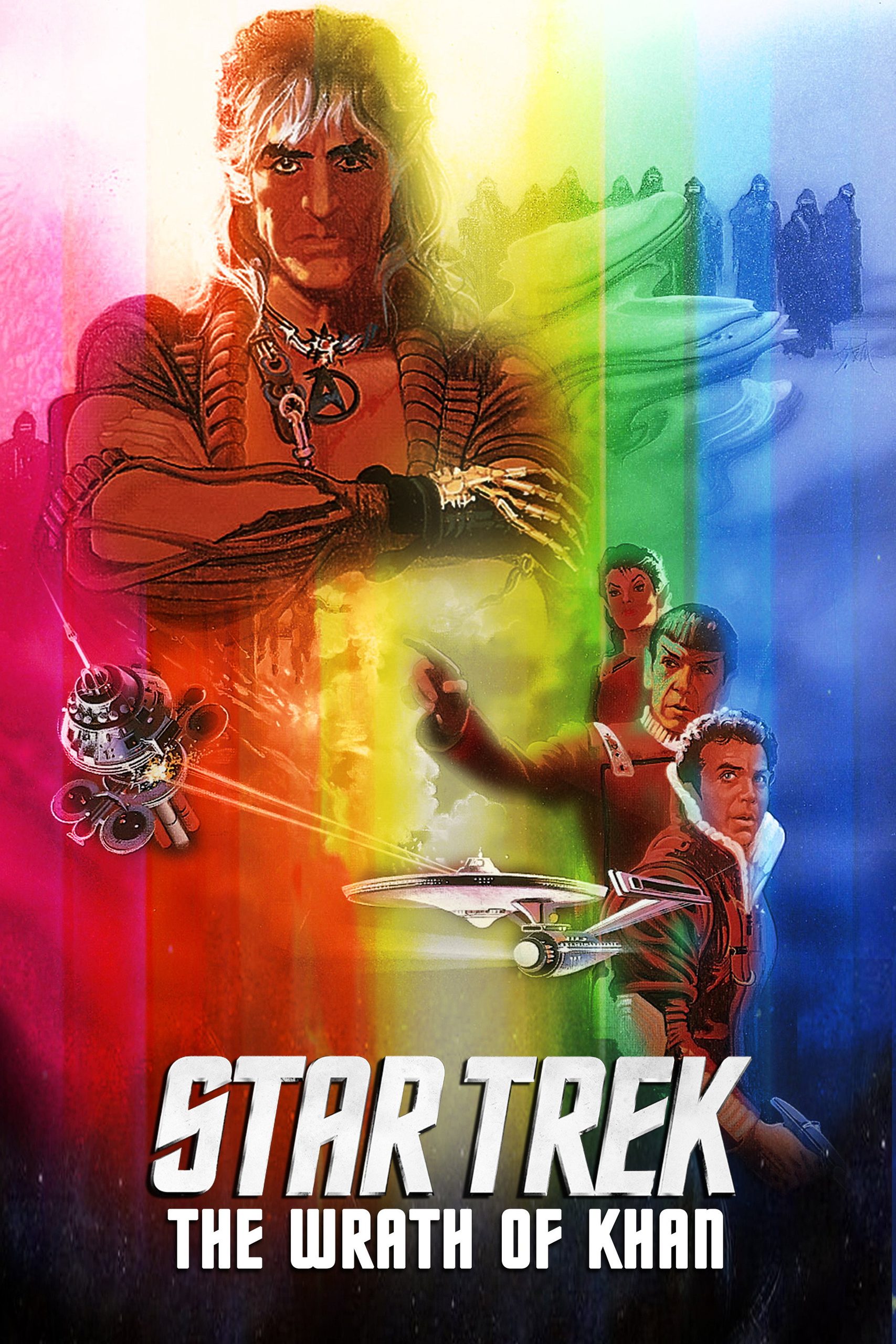
Star Trek II: The Wrath of Khan poster85

Star Trek II: The Wrath of Khan

1982 · The film this one is answering, and the sharper of the two.

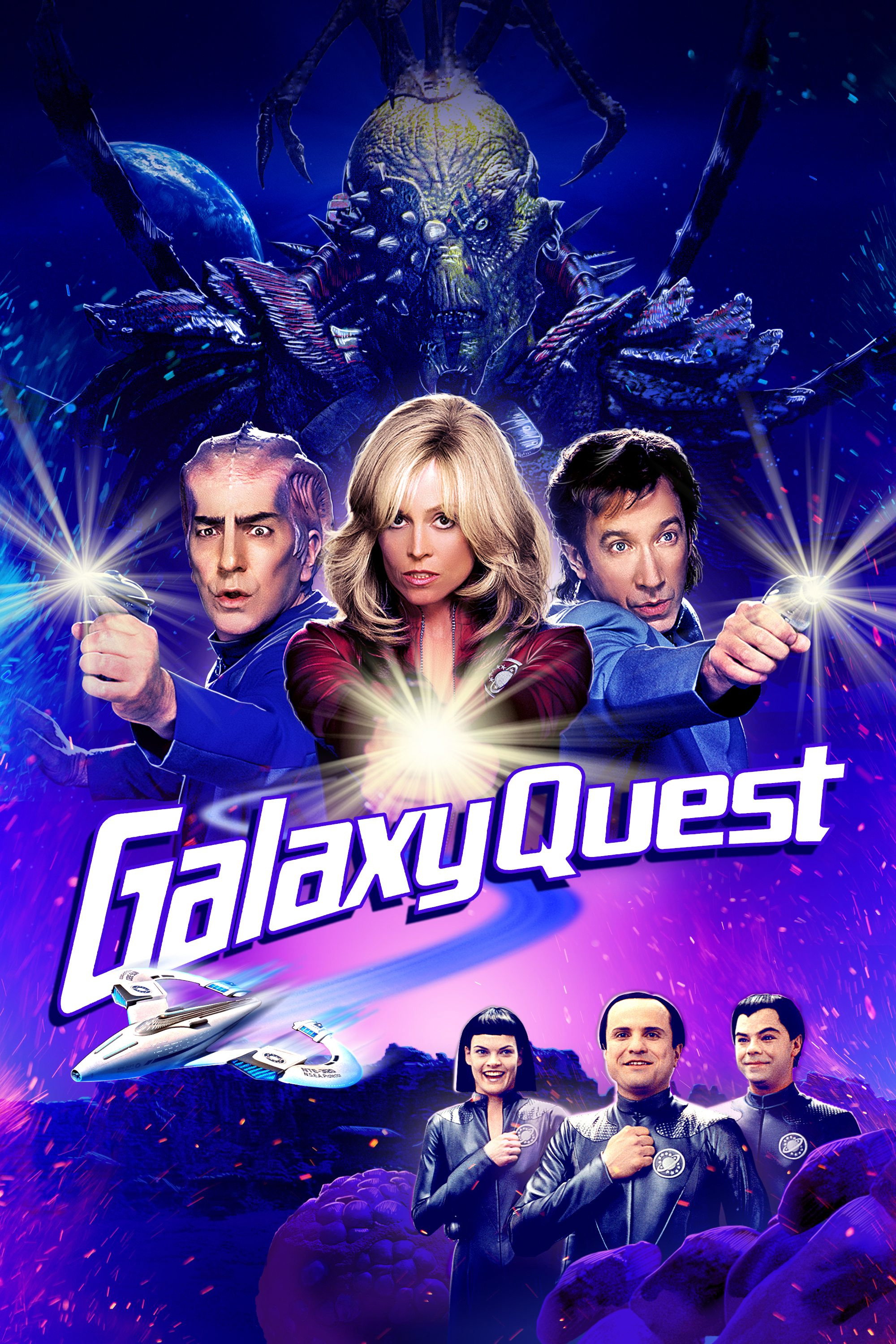
Galaxy Quest poster

Galaxy Quest

1999 · A parody so fond of its target that it becomes the real thing.

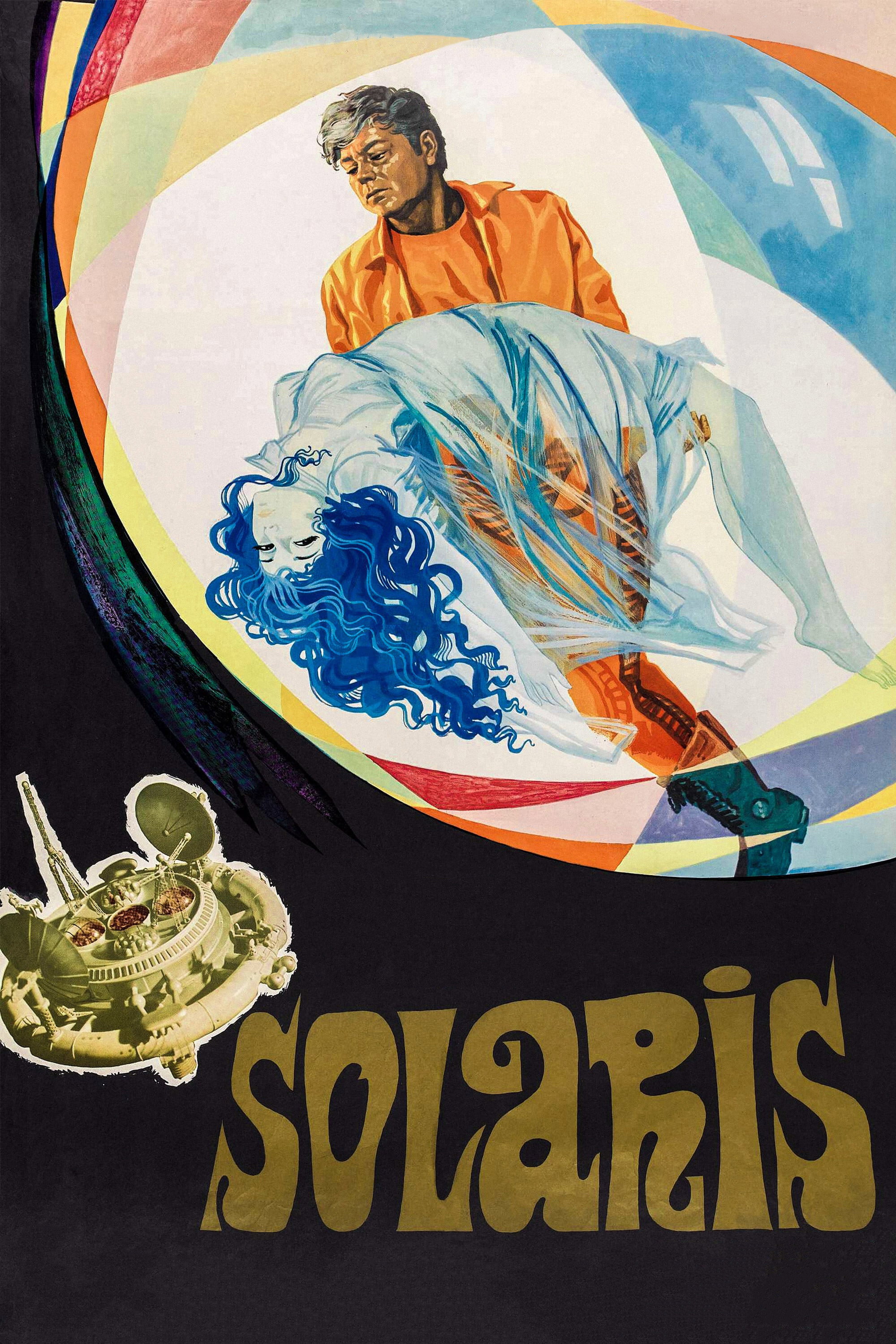
Solaris poster

Solaris

1972 · Tarkovsky on grief, memory and a planet that gives the dead back.

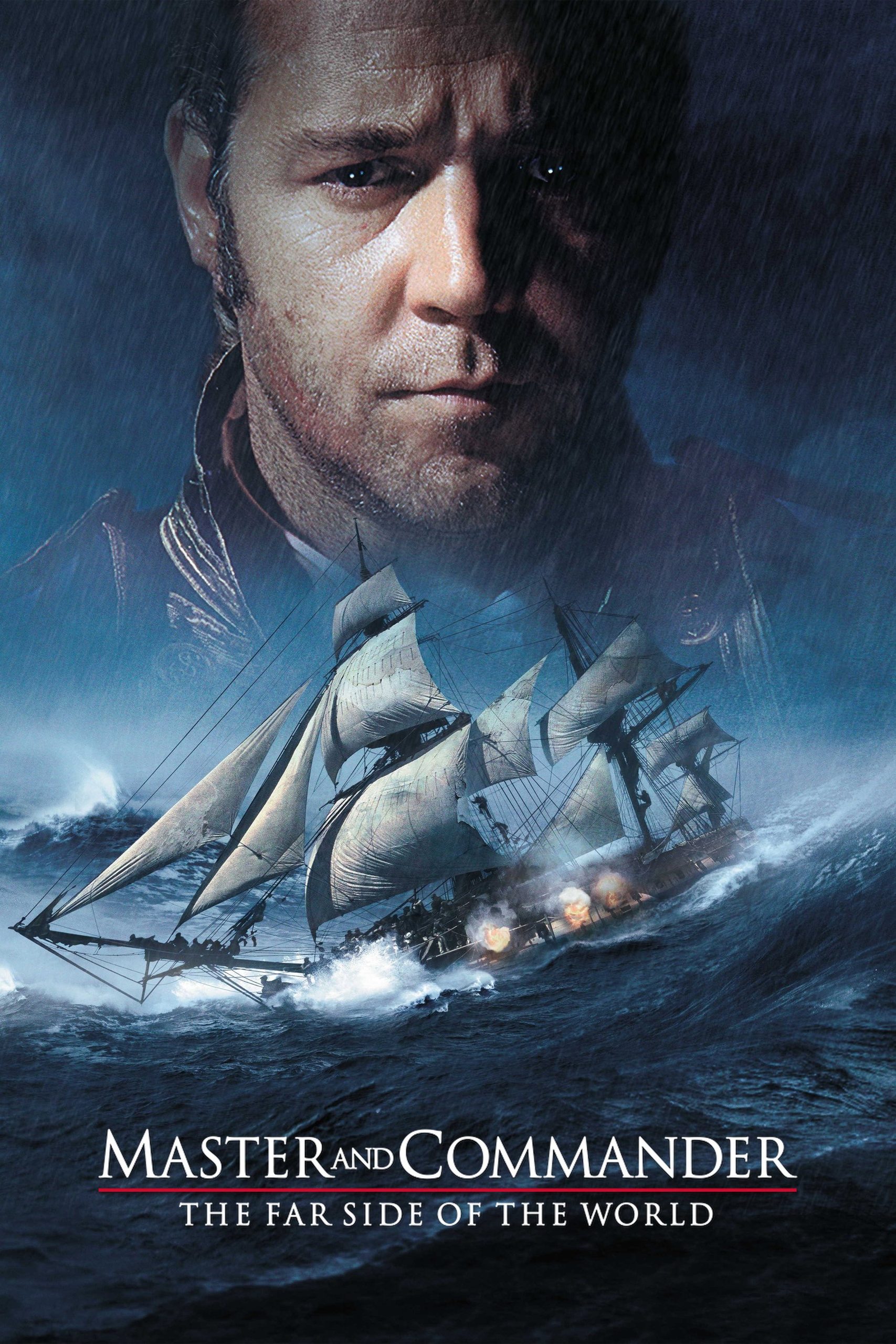
Master and Commander: The Far Side of the World poster86

Master and Commander: The Far Side of the World

2003 · A ship’s crew as family, with a captain who pays for his loyalties.

Silent Running poster

Silent Running

1972 · One man, a spaceship, some robots and a garden; sincere in the same way.