Jonathan Frakes’s second Star Trek film is a pleasant, sunlit episode stretched to 103 minutes. The crew are good company and Goldsmith’s music is lovely, but the moral argument at its centre is small and the film seems to know it.
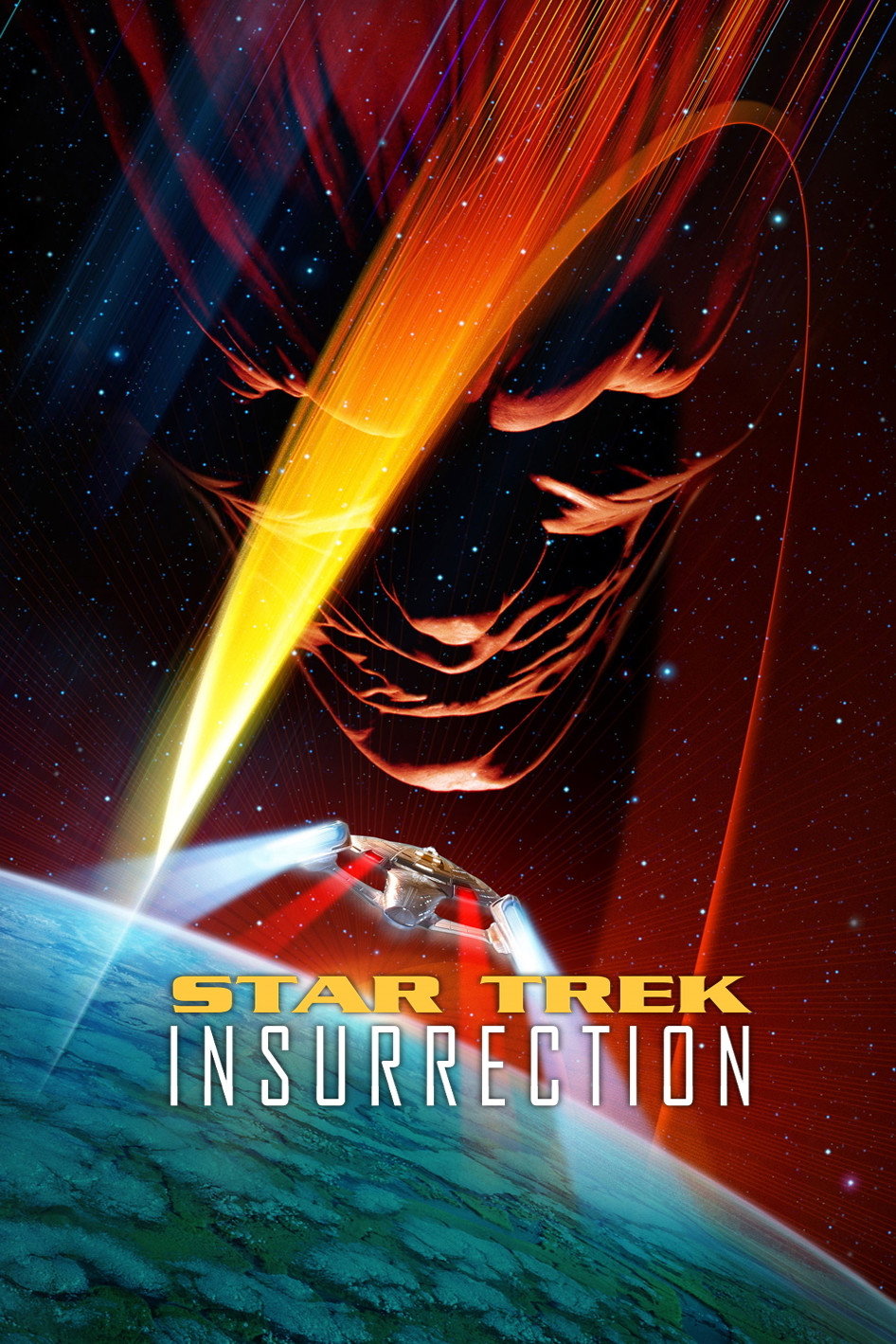
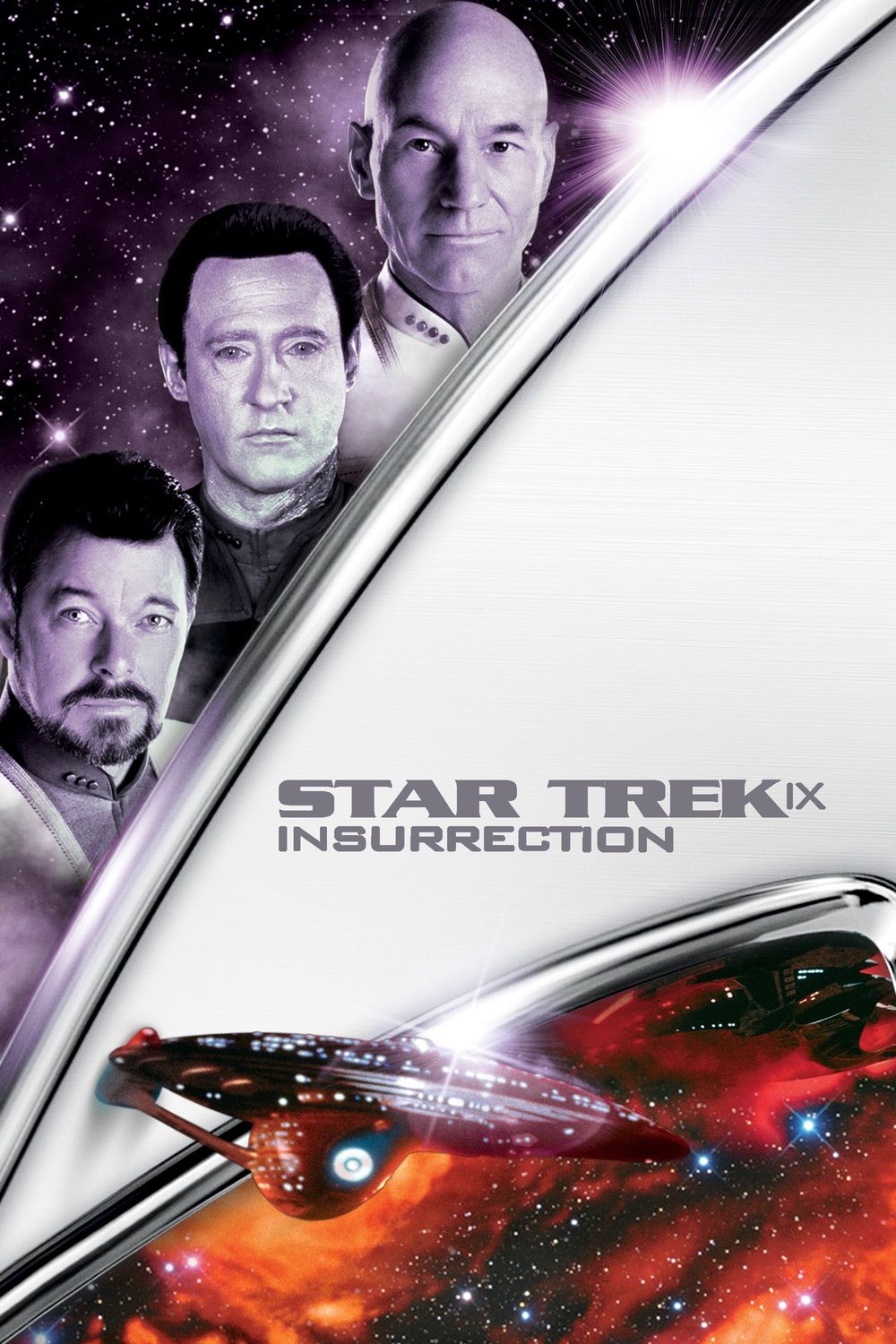
Jonathan Frakes directed Star Trek: First Contact (1996), a film with a monster in it and a ship to fight for. Star Trek: Insurrection, the ninth film in the series, is his smaller, sunnier follow-up. Michael Piller’s screenplay drops the crew into a valley of farmers who do not age, gives Captain Picard a principle to stand on and lets everyone have a nice time in the meadow. It is amiable, it is well made where the money went, and its argument is the size of a television episode. We enjoyed a fair amount of it and cannot quite tell you to go.
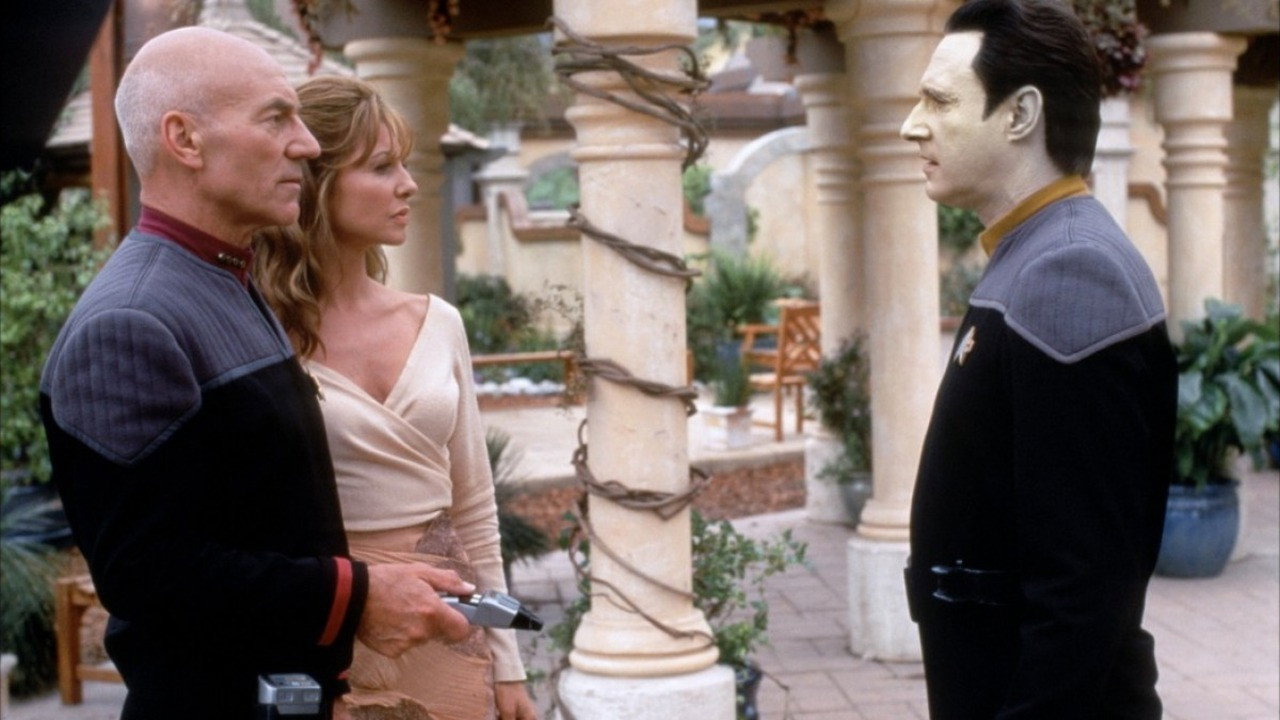
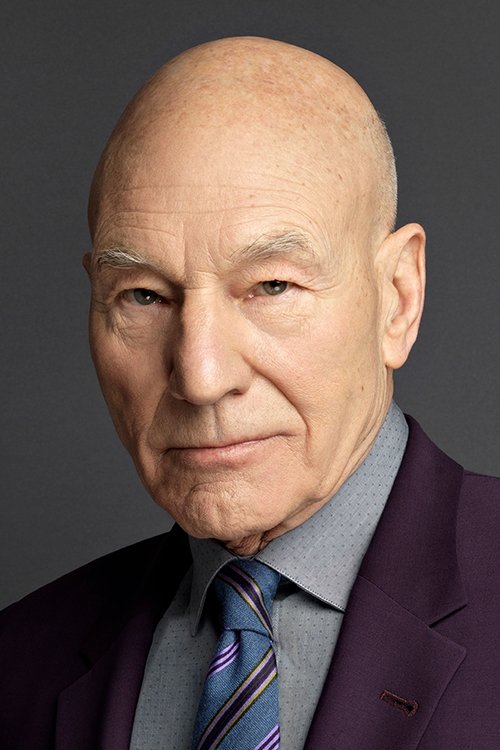
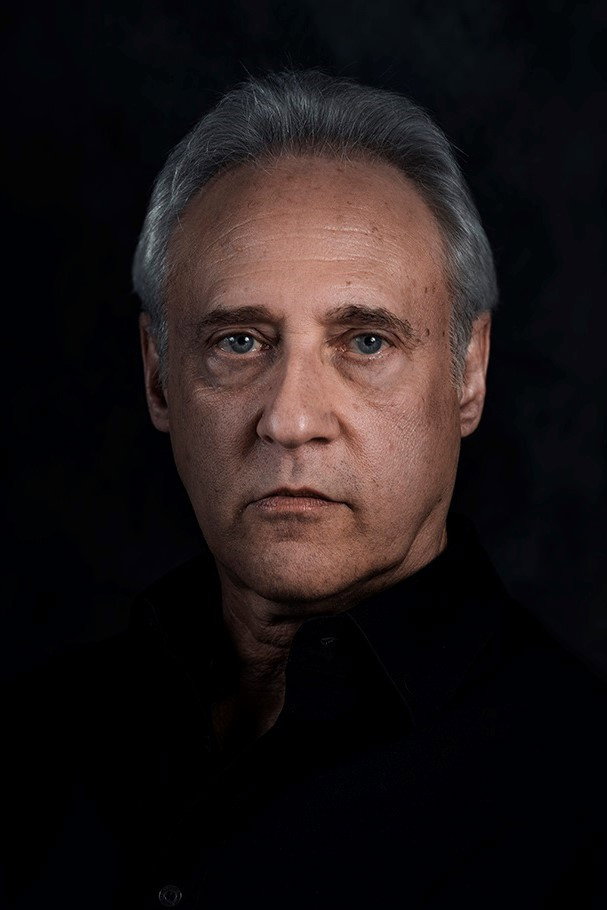
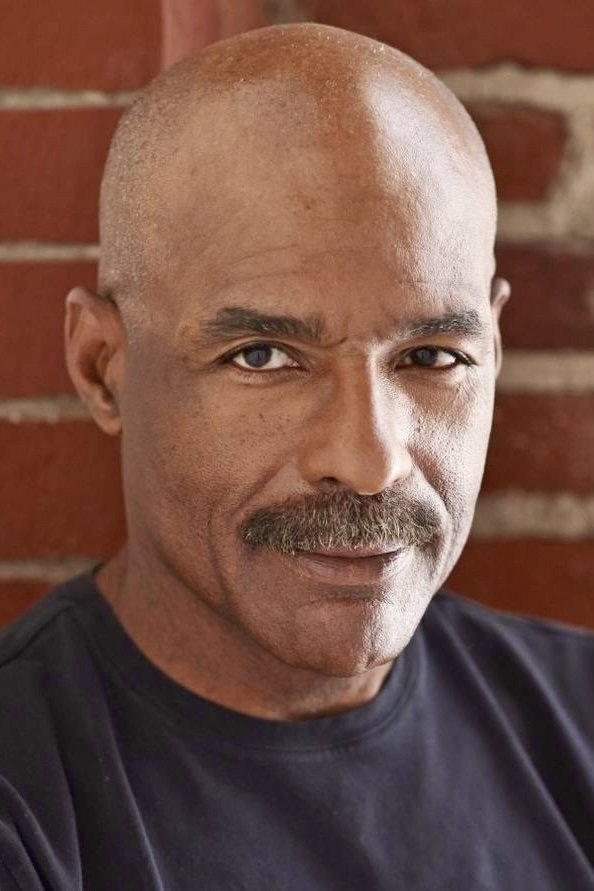
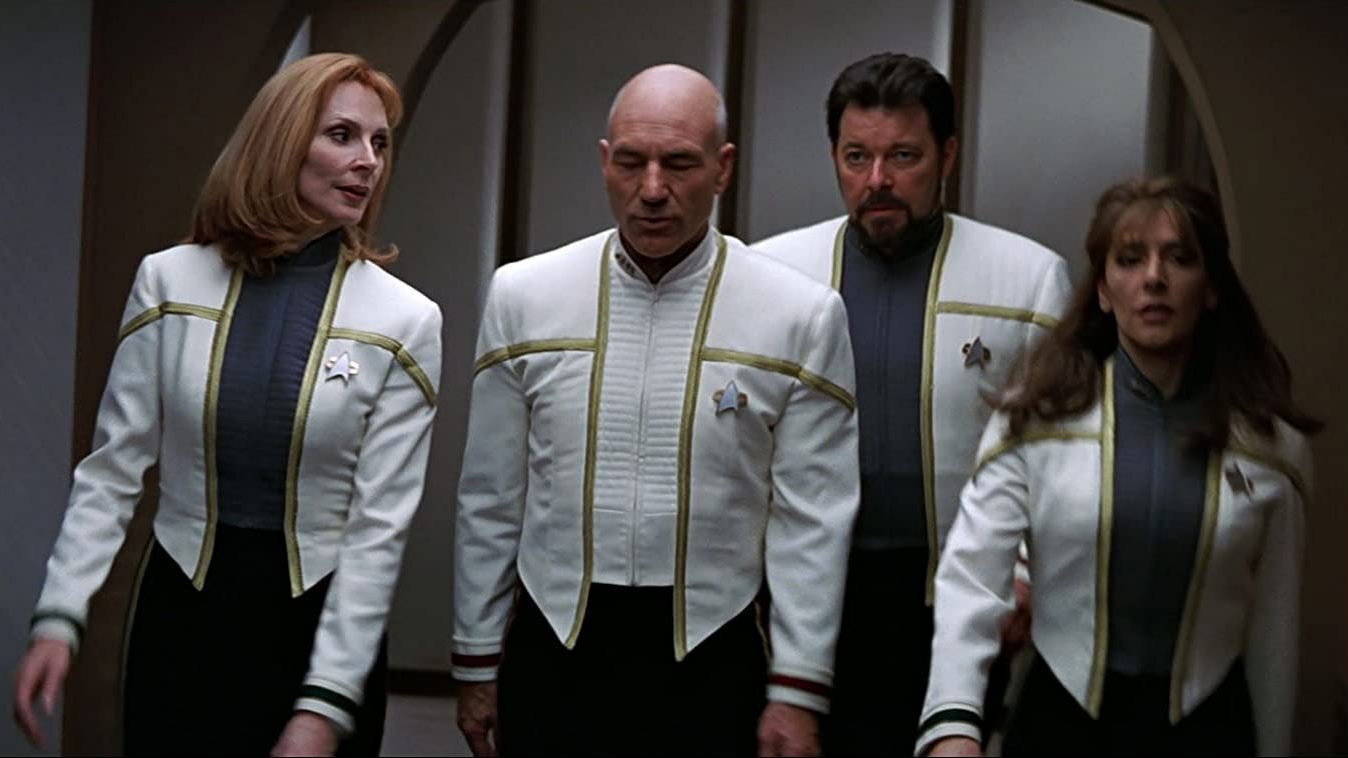
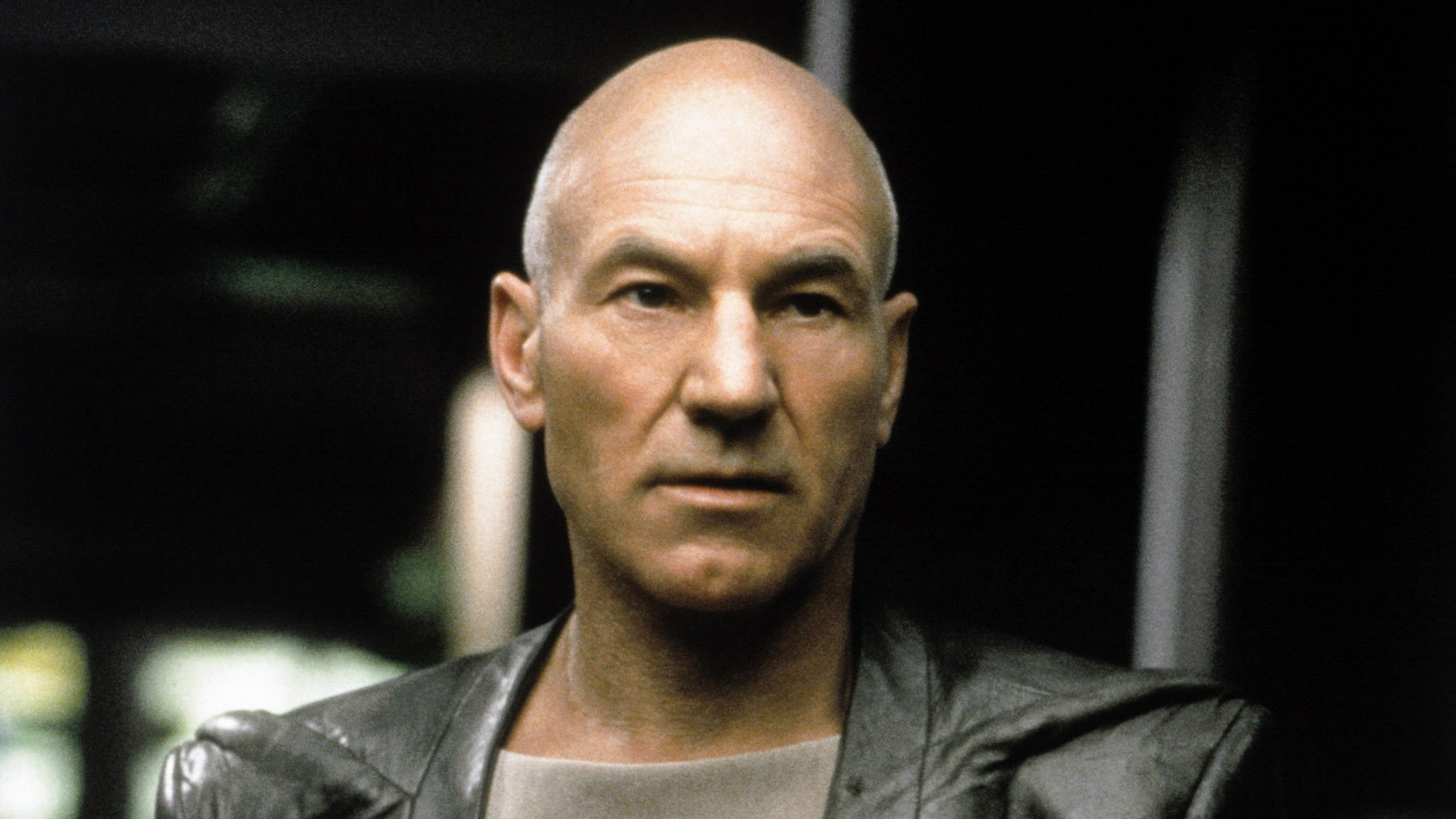
The good parts are the people. Frakes spent seven seasons on television with this cast and it shows in how easily he lets them be silly. Picard and Worf (Michael Dorn) sing Gilbert and Sullivan at a shuttle to distract a malfunctioning Data (Brent Spiner), and Patrick Stewart delivers HMS Pinafore with the same gravity he gives everything else. We laughed out loud, and it is the scene we remembered a week later. Riker (Frakes himself) shaves off his beard and Troi (Marina Sirtis) notices. Worf gets a spot. Data finds he has a flotation device. None of it is new and all of it is warm.
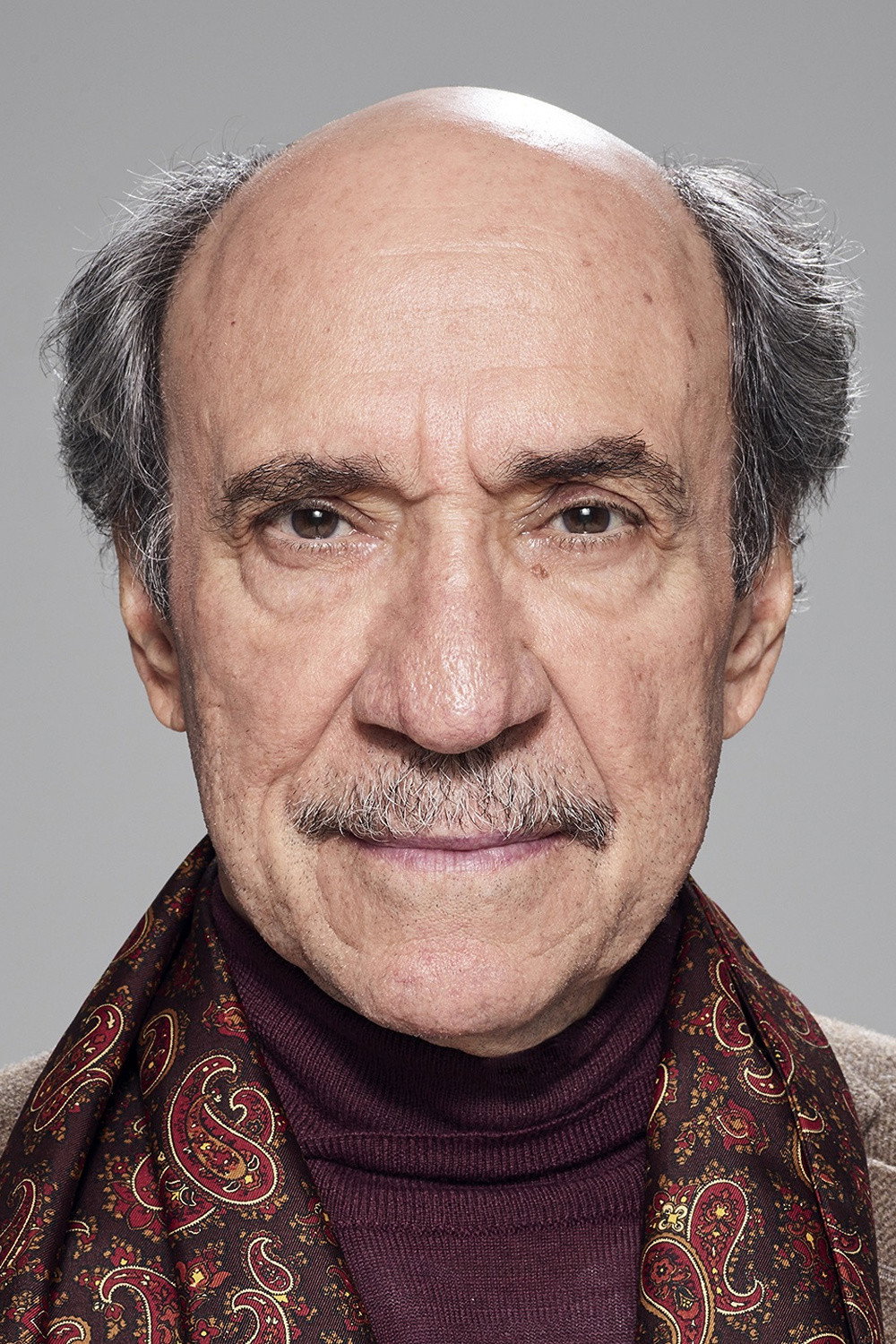
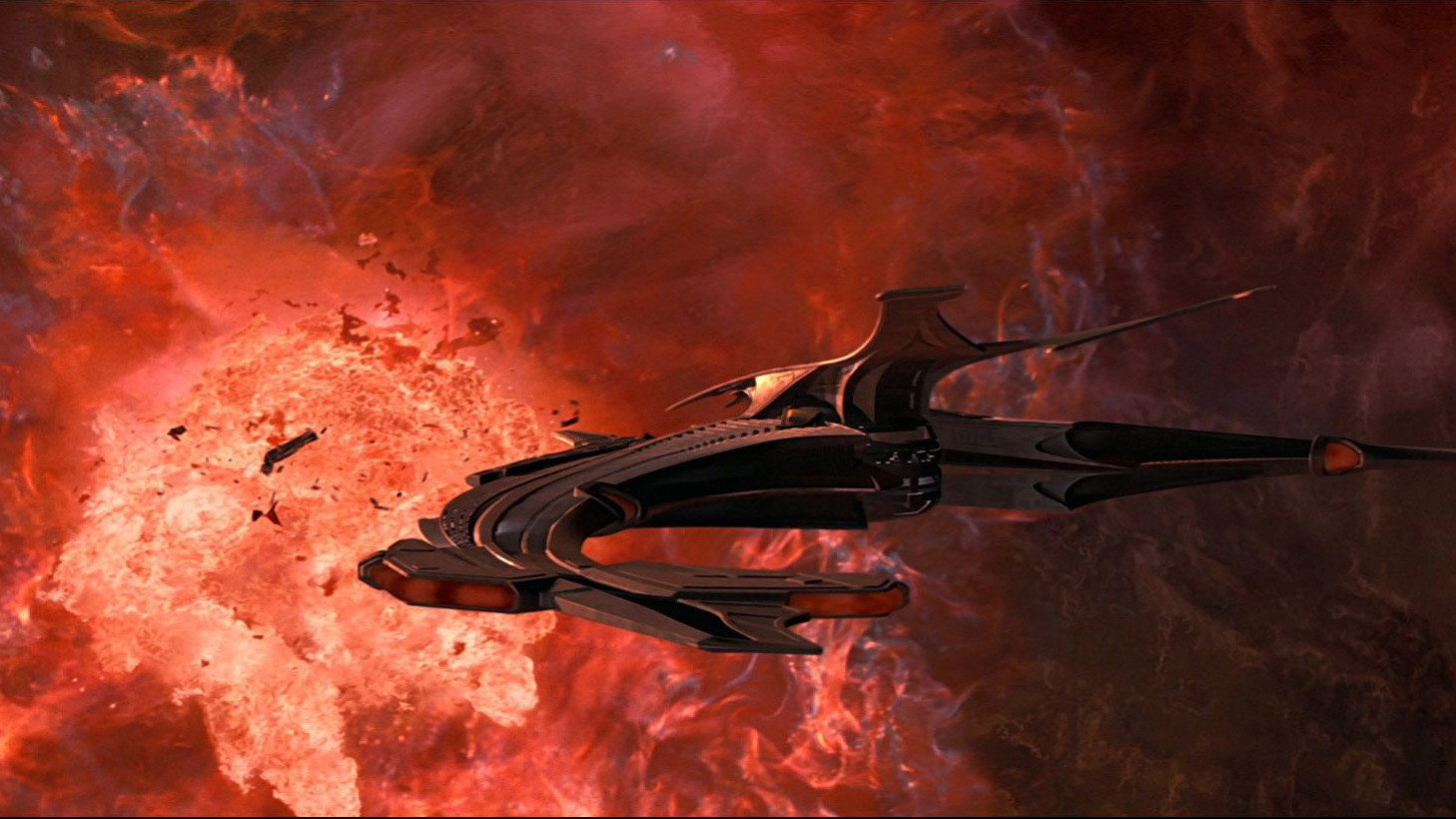
Matthew F. Leonetti shoots the Ba’ku valley in a warm haze, low sun through dust, long grass, water in the irrigation channels catching the light, and it is easy to see why people would refuse to leave. Herman F. Zimmerman builds the village from pale stone, timber and hand-turned pottery, and the Son’a ship as its opposite, a dim ochre interior where Ru’afo (F. Murray Abraham) lies on a table while attendants pull his face tight. The costumes by Sanja Milkovic Hays and Robert Blackman follow the same line: undyed linen for the farmers, gold quilting and gauze for the Son’a. Jerry Goldsmith’s score is his gentlest for the series, a pastoral theme for the valley on woodwind and strings, and it does more for the place than most of the dialogue.
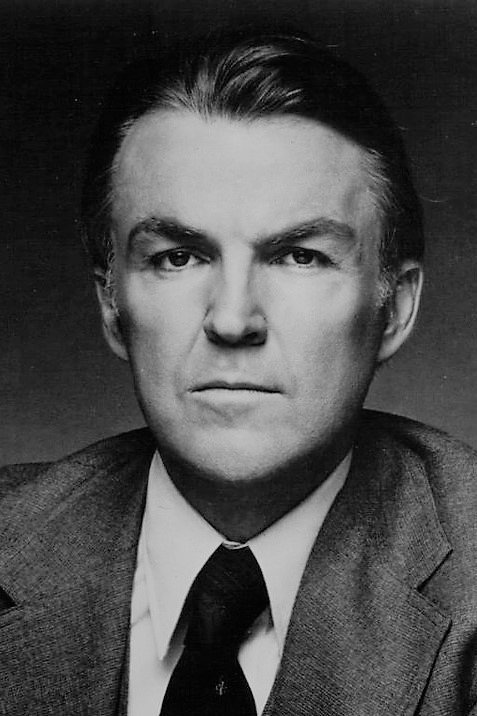
The trouble is the argument, and the film seems to know it, because Vice-Adm. Dougherty (Anthony Zerbe) makes the case against Picard better than Picard makes his own. There are six hundred people in the valley. Whatever keeps them young could help billions. Move them, without hurting anyone, and who has lost? Piller’s script asks this squarely and then, instead of answering, makes the Son’a nasty enough that the question can be dropped. We sat through Picard’s speech to Dougherty about how many people it takes before it becomes wrong and found we had no strong view either way. For a film about a man risking his career on a principle, that is the wrong thing to be feeling.
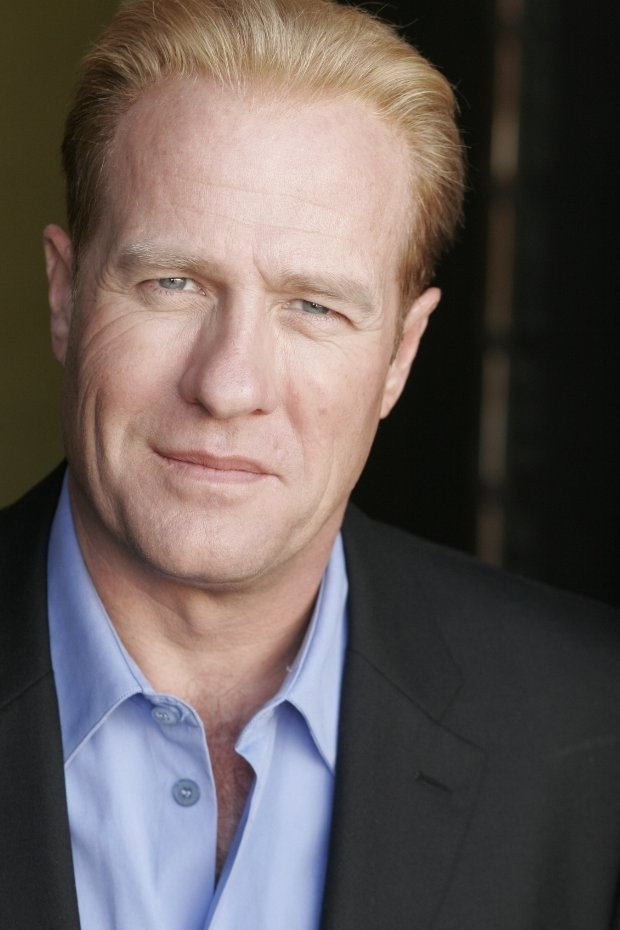
It does not help that the Ba’ku are hard to love. Anij (Donna Murphy) is serene, Sojef (Daniel Hugh Kelly) is serene, and everyone in the valley speaks in the calm, slightly pleased tone of people who have been right about everything for centuries. Murphy and Stewart are given a romance built around a slowed-down moment with a hummingbird; it is tasteful and it does not catch. Abraham, who can frighten with a raised eyebrow, spends the film shouting under latex, and Gregg Henry’s Gallatin, the more interesting face among the Son’a, is given almost nothing to do.
Peter E. Berger cuts it briskly and it runs 103 minutes, which is a mercy, since the story is thin and a longer version would have shown the bones.
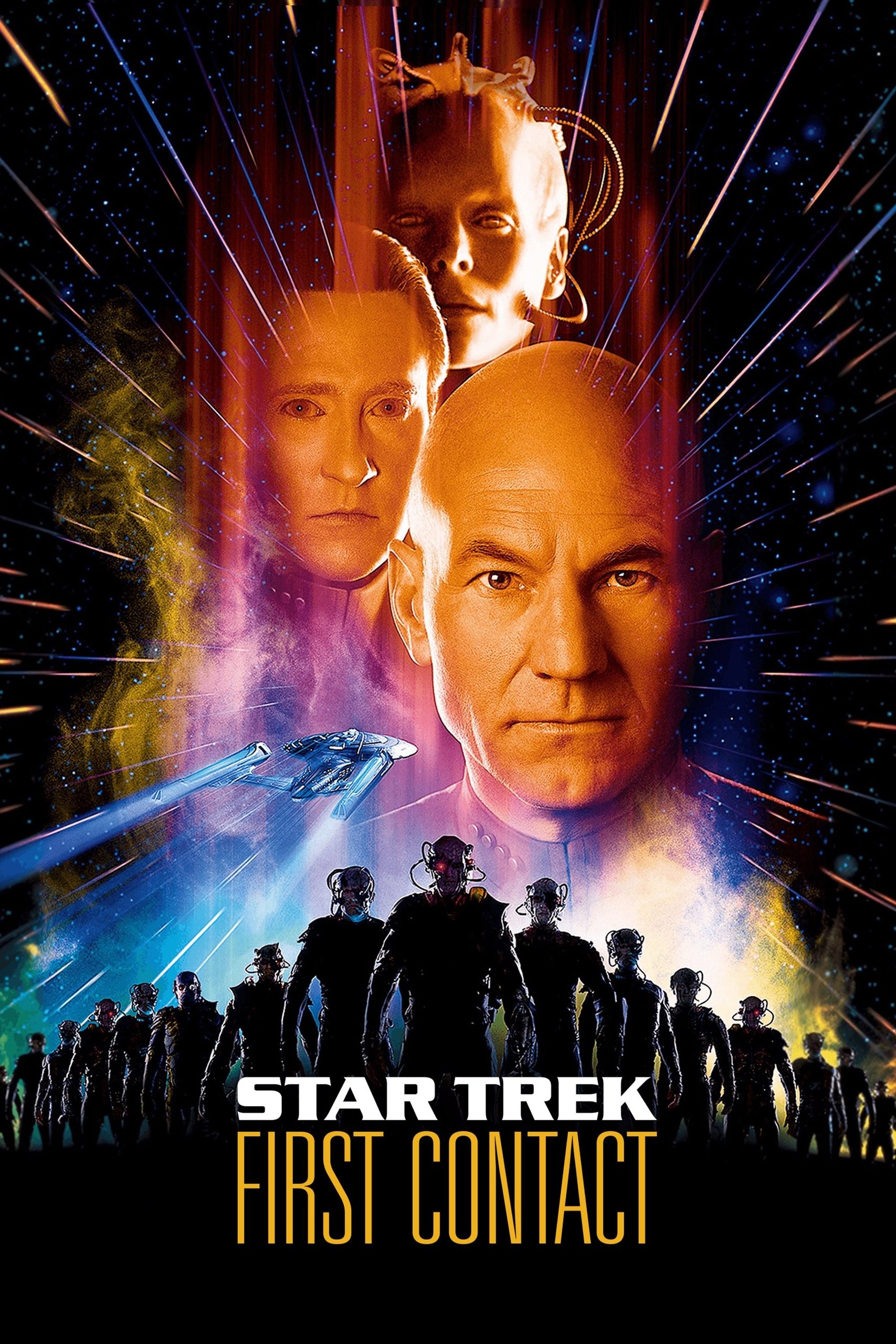
Against First Contact it is a clear step down; against the best of Star Trek: The Next Generation, which ran on television from 1987 to 1994, it is a middling week. If you love these people you will pass a pleasant Sunday afternoon with them, and Stewart singing is worth the price on its own. If you do not, this is not the one to change your mind. It carries a PG and earns it: nobody is ever in much danger, which may be the problem.