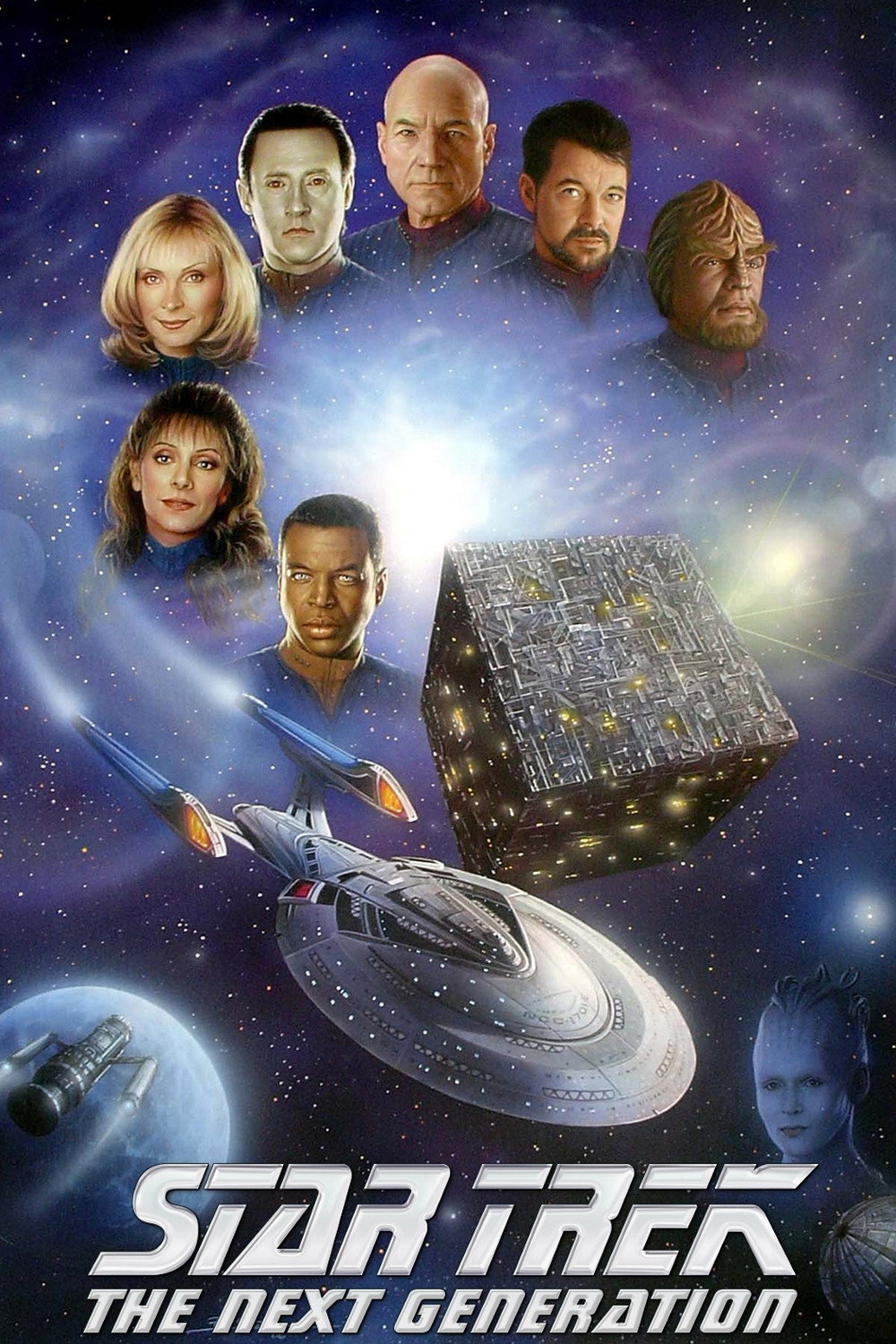
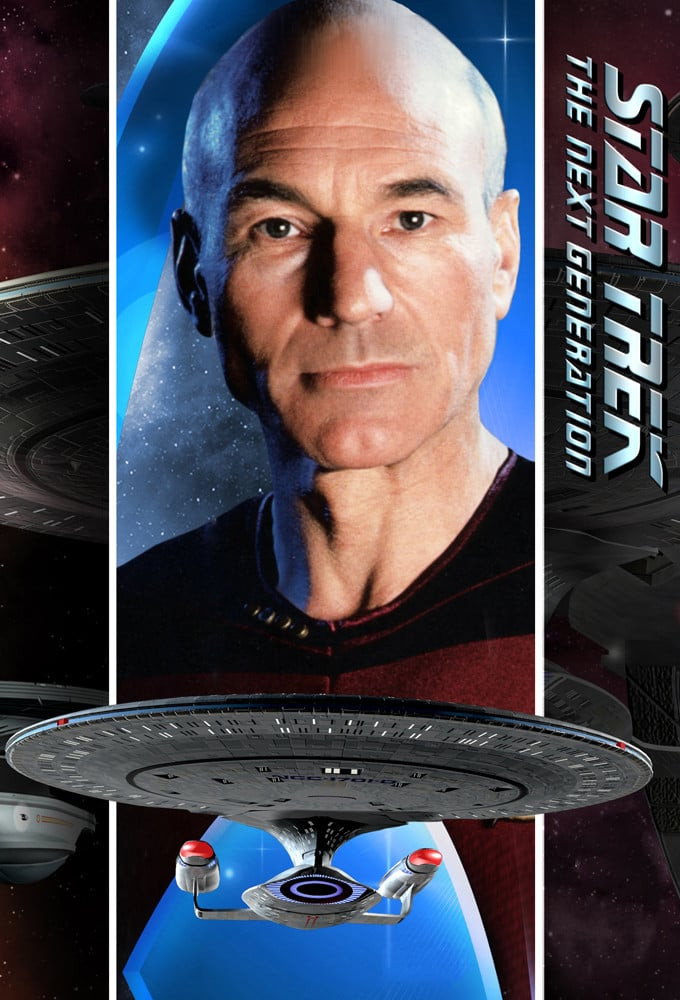
Roddenberry’s second Enterprise spends its first year stiff, preachy and lit like a shop floor, then grows into a series about decent people solving problems by talking, with Patrick Stewart at its centre. Skip most of season one and stay for six years.
Gene Roddenberry’s second Enterprise first aired on 28 September 1987, and it is a different sort of ship. The captain, Jean-Luc Picard (Patrick Stewart), does not throw punches; he sits, listens to his officers and decides. His first officer, William T. Riker (Jonathan Frakes), does the running about. For a series about exploring the galaxy, a surprising amount of it happens in a conference room. The first season is poor, the second is patchy, and from the third it is good and stays good for five years.
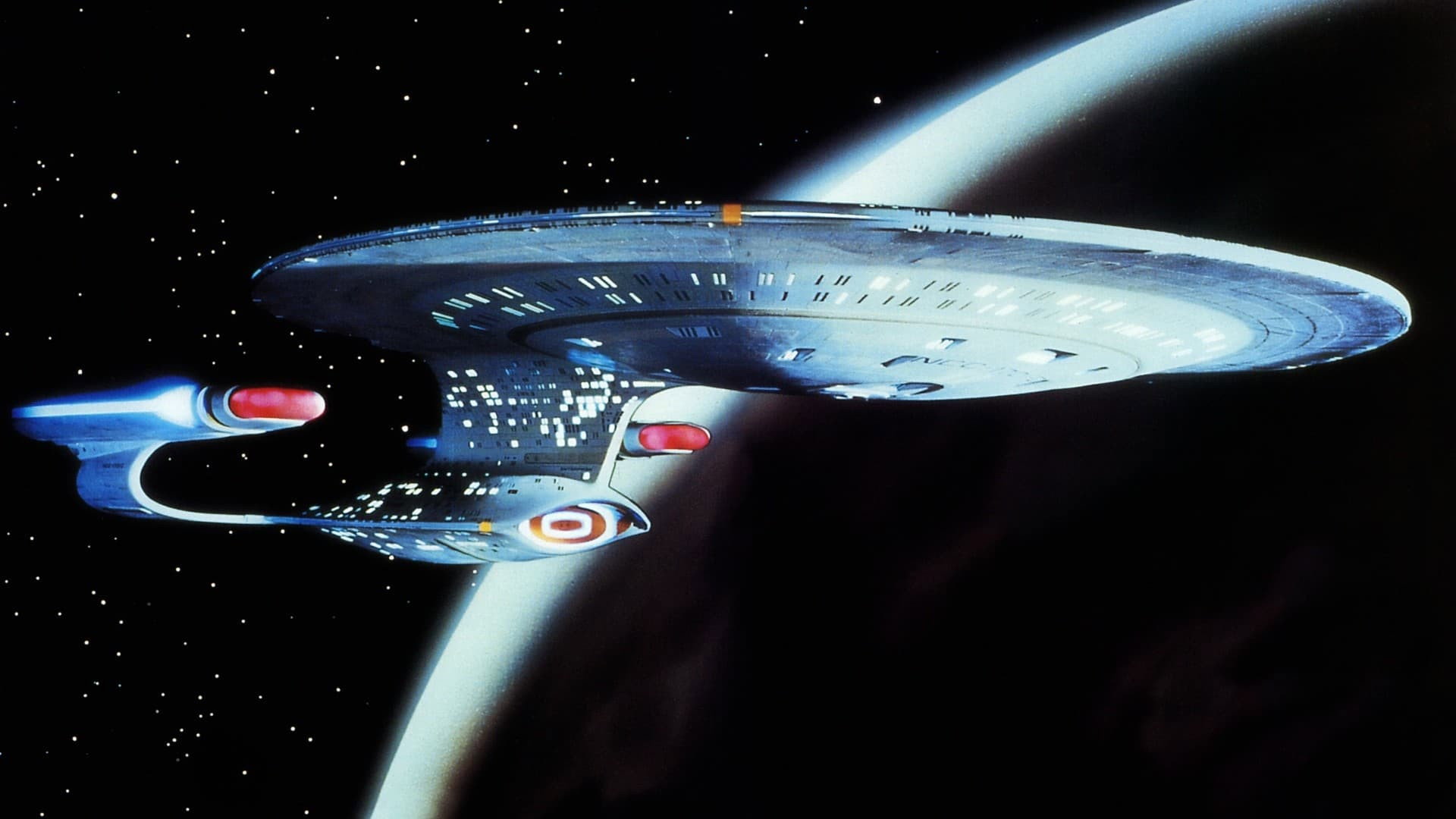
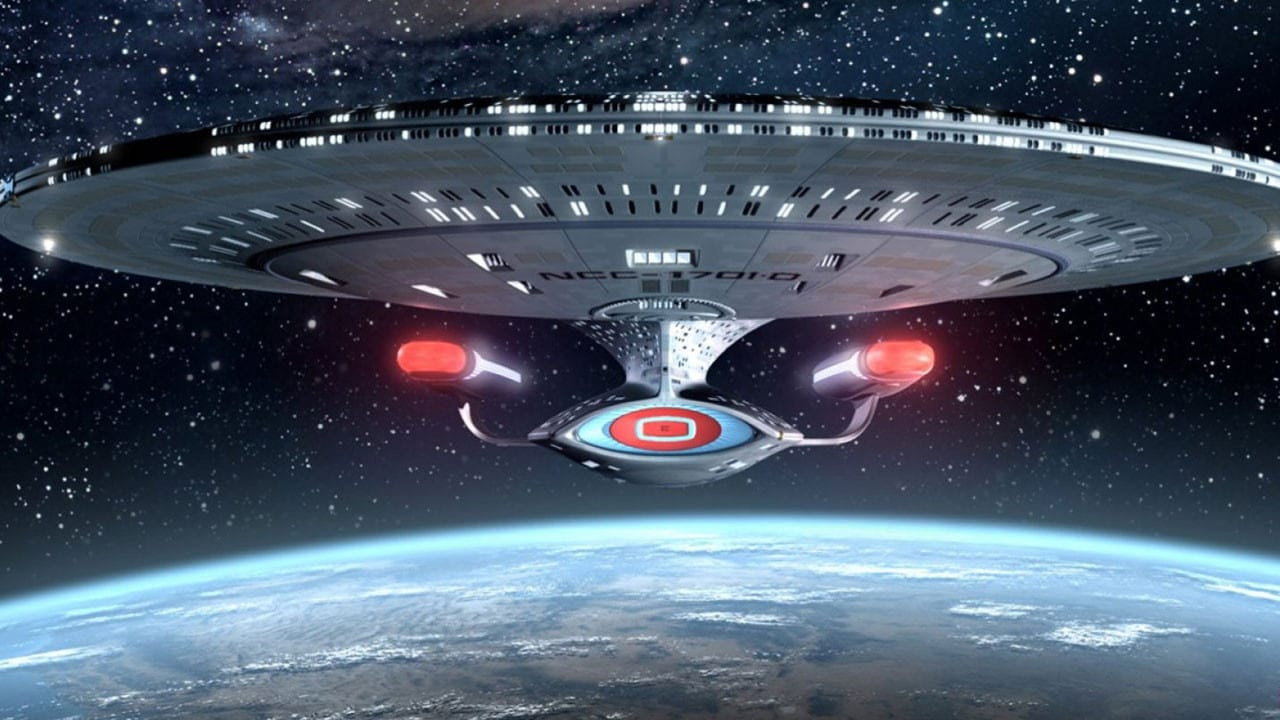
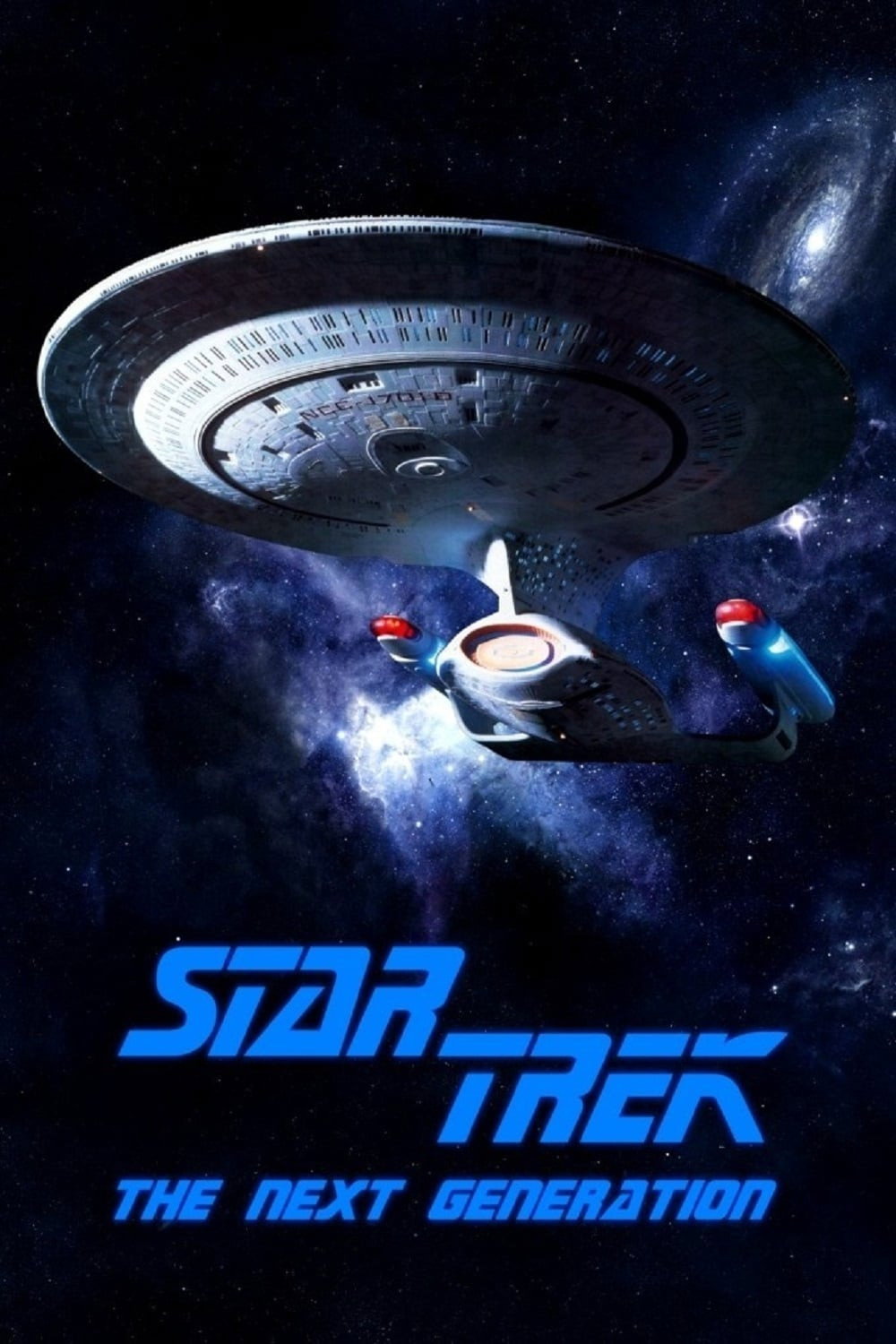
The ship looks like a good hotel. The bridge is carpeted, the chairs are upholstered and the corridors curve past doors that open with a sigh. In the first season Edward R. Brown lights all of it flat and bright, like a department store. In the later seasons, shot mostly by Marvin V. Rush, the bridge darkens and faces are lit from the consoles up. Ten Forward, the bar with the stars in its windows, arrives in season two along with Guinan (Whoopi Goldberg), who pours drinks and knows more than she says.
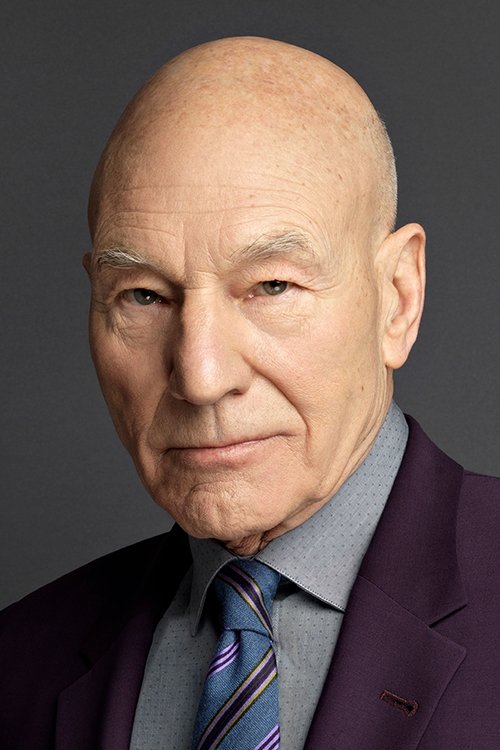
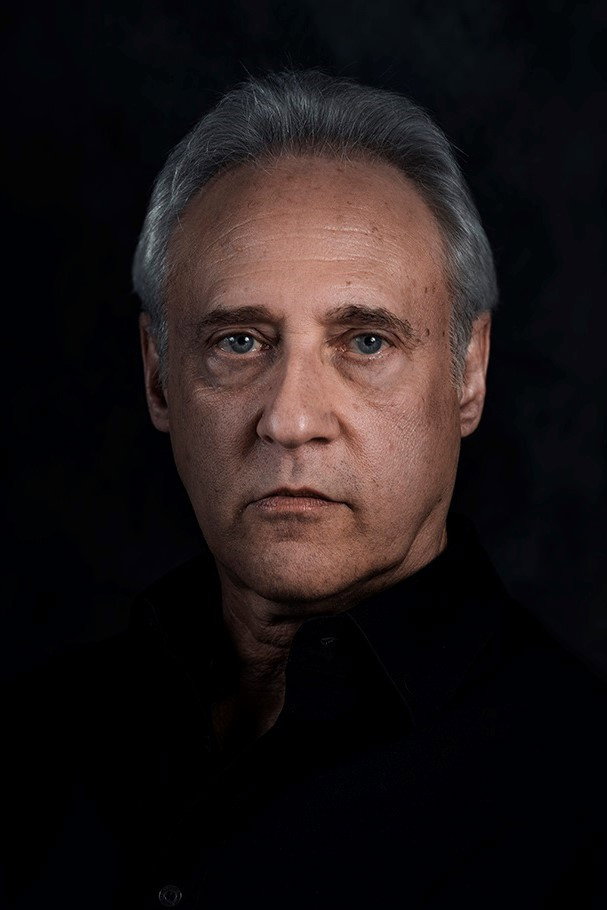
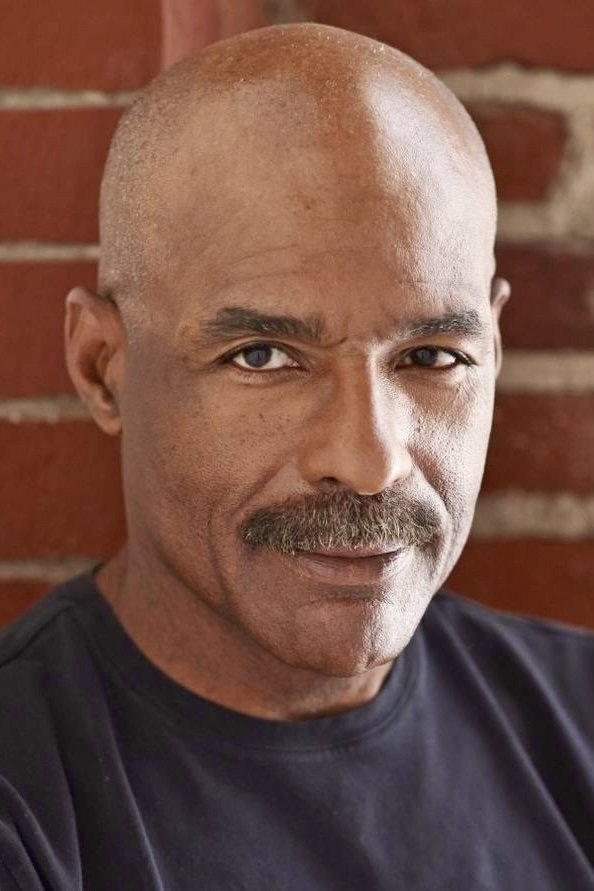
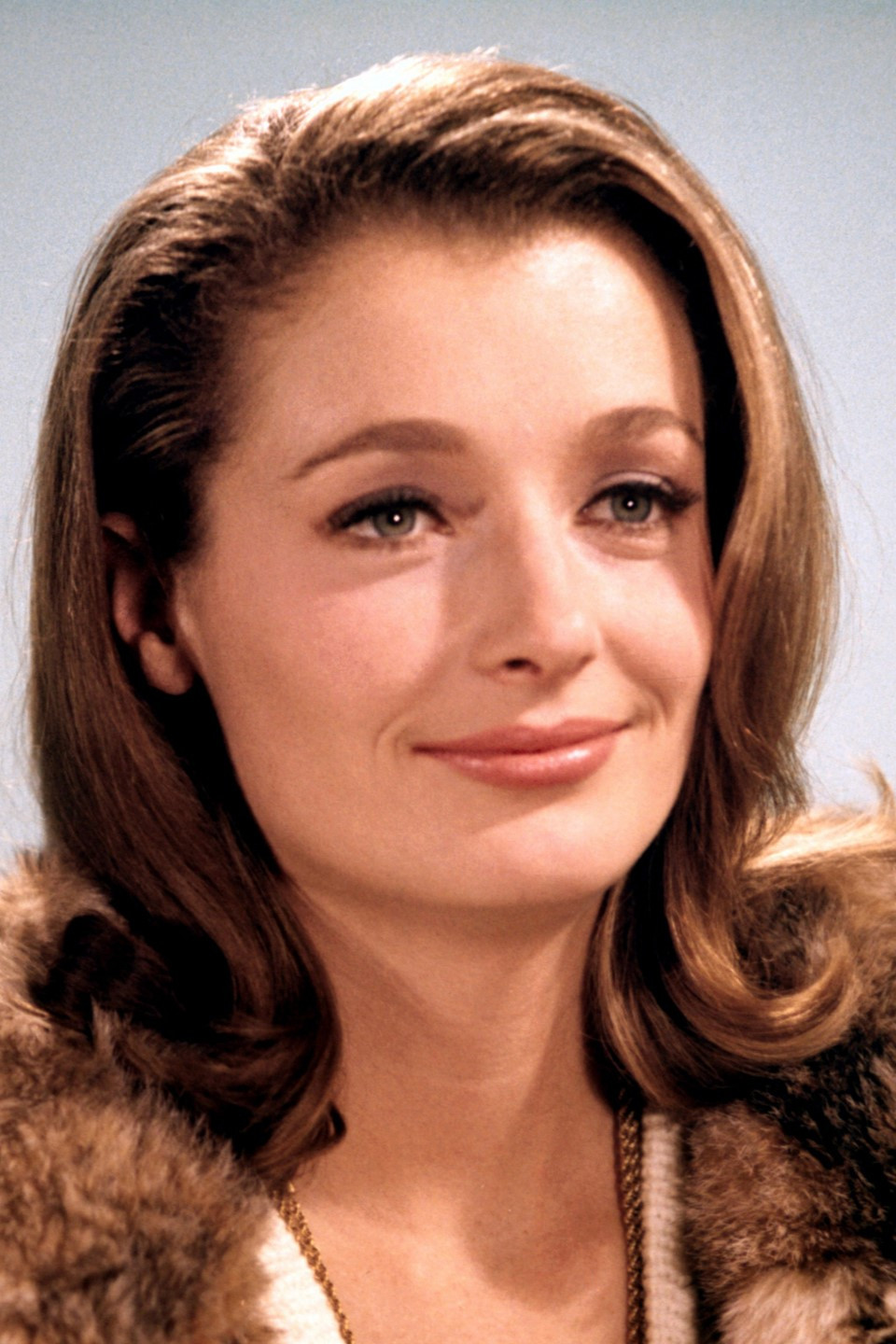
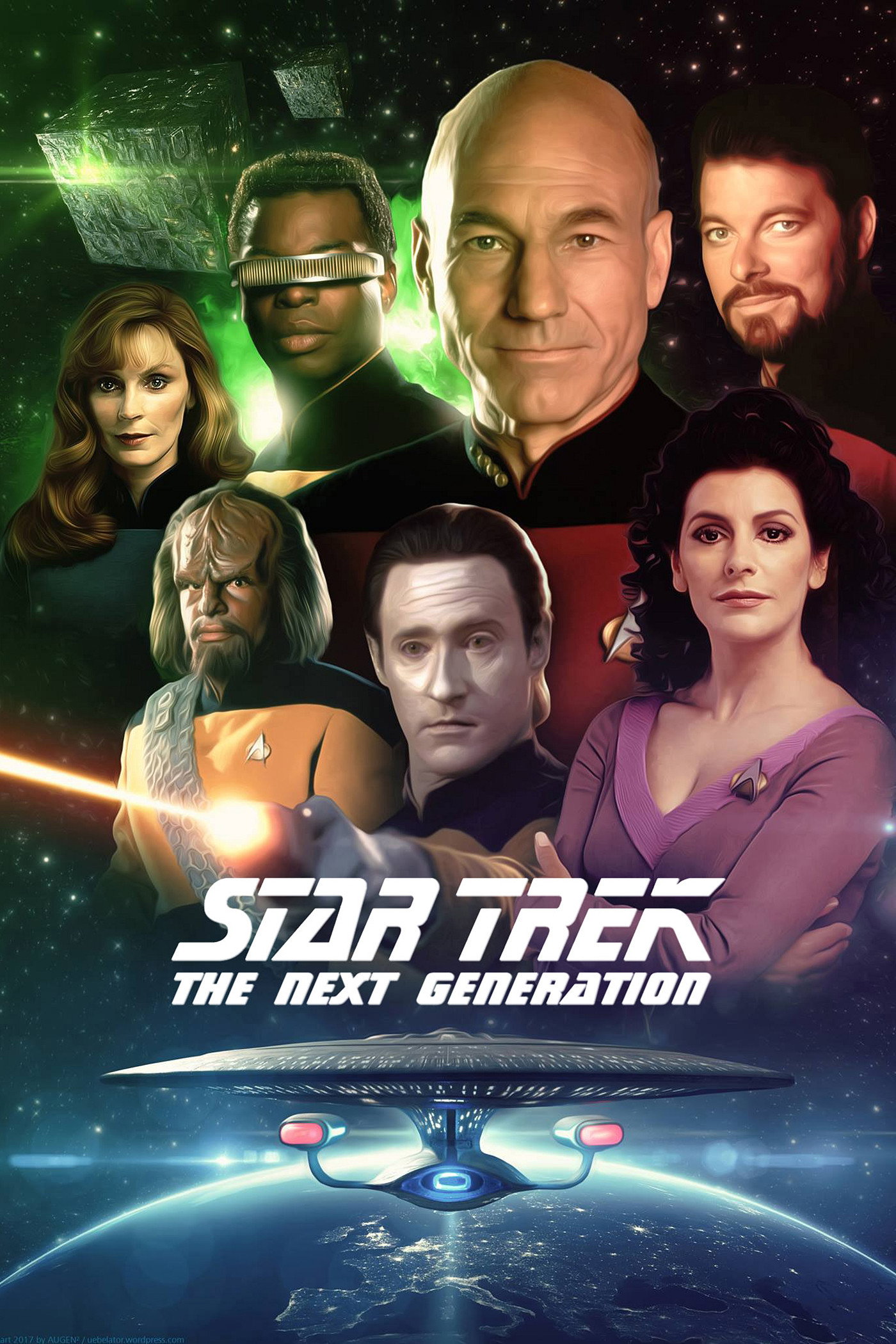
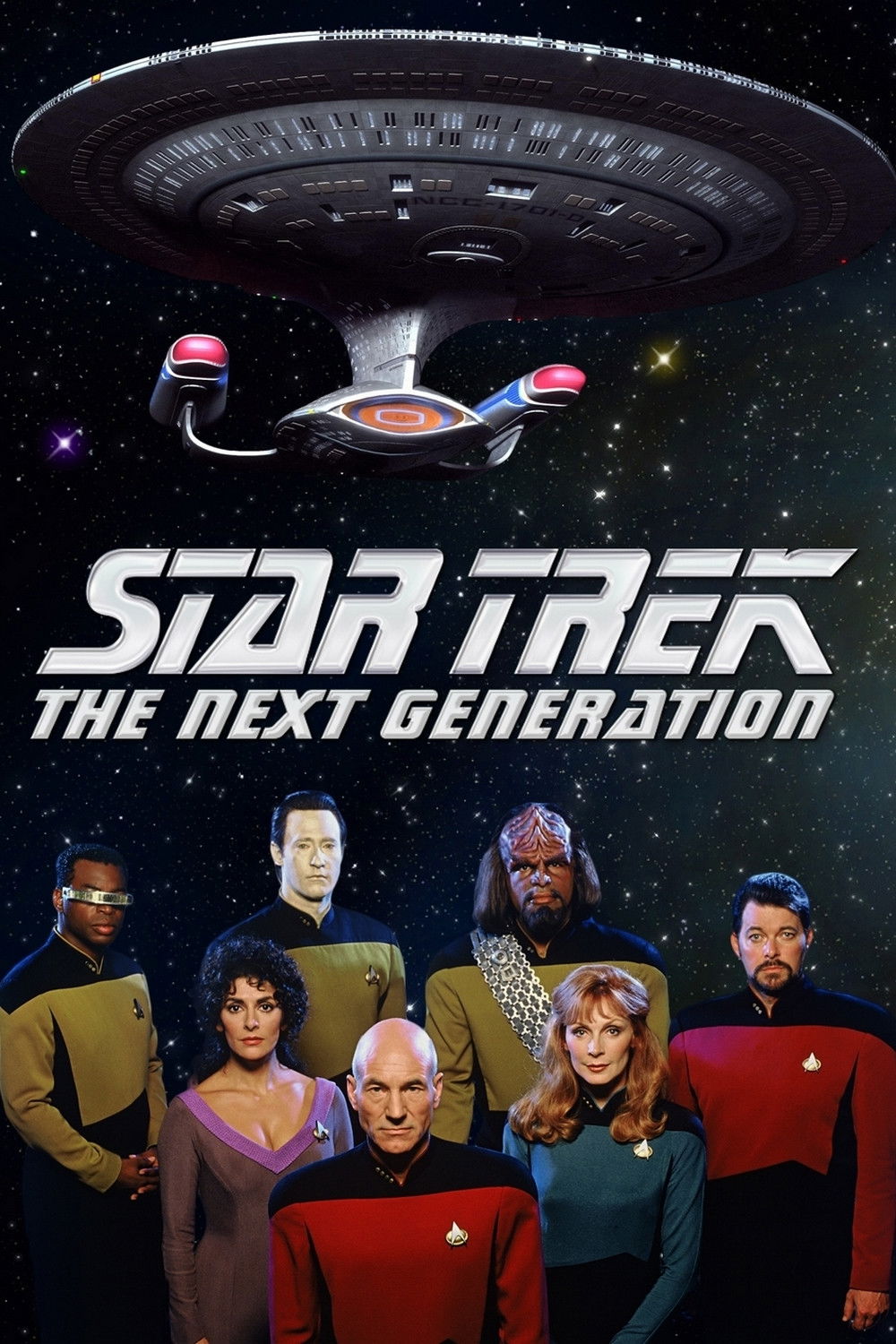
Stewart carries it. He plays Picard as a headmaster who has read everything and would rather talk than shoot, and he can make a speech about the rights of the accused sound like an order. Brent Spiner’s Data, an android who would like to be human, gets the jokes and the best scripts. Michael Dorn’s Worf is a Klingon in a Starfleet uniform who disapproves of most things. Marina Sirtis’s Deanna Troi senses feelings and reports them, which is about all the writers ever find for her to do. Gates McFadden’s Beverly Crusher, the ship’s doctor, is absent for season two, and Diana Muldaur’s Katherine Pulaski fills the chair.
The first year is Roddenberry’s problem. His rule that the crew should not quarrel leaves them nothing to do but agree with each other, and the aliens of the week exist mainly to be improved. One early episode, written by Katharyn Powers and Michael Baron and directed by Russ Mayberry, is embarrassing about race, and there is no defending it. We were bored through much of the season, and then irritated at being lectured by people who were plainly right. From the third season Michael Piller runs the writing staff and brings in Ronald D. Moore, Brannon Braga, René Echevarria and Jeri Taylor, and the stories start to be about the people on the ship rather than the planet below it.
The turn is visible in Melinda M. Snodgrass’s The Measure of a Man, from the second season, in which a hearing is convened to decide whether Data is a person or Starfleet property. It is forty-five minutes of people in a room, and it moved us more than we were ready for, because Stewart argues the case as if the answer were in doubt and Spiner sits through it without once asking for pity. Morgan Gendel’s The Inner Light, later on, we will not describe. It has no battle in it, and it is the hour we would show a sceptic.
The music is mixed. Alexander Courage’s fanfare opens every episode, and Ron Jones writes scores you notice, brass and drums and a low pulse for the Borg, a hive that would rather absorb you than kill you. Dennis McCarthy’s music is a wash under the dialogue, and there are later seasons of which we could not hum a note. The directing is steady. Cliff Bole, Winrich Kolbe and Les Landau shoot the bridge the same way every week, and Frakes, Stewart, LeVar Burton and McFadden all take turns behind the camera, and you cannot tell.
Set against the original it is slower, kinder and a great deal less randy. Kirk had a fist; Picard has a meeting. Q (John de Lancie), an omnipotent nuisance, drops in to mock them for being so well behaved. They are, and by the fourth season we had stopped minding.
Seven seasons, 176 episodes, 45 minutes each; nobody needs all of them. Start with the third, go back to the second once you are fond of the crew, and treat the first as a historical document. Certificate 12, and in seven years nobody once mentions the carpet.