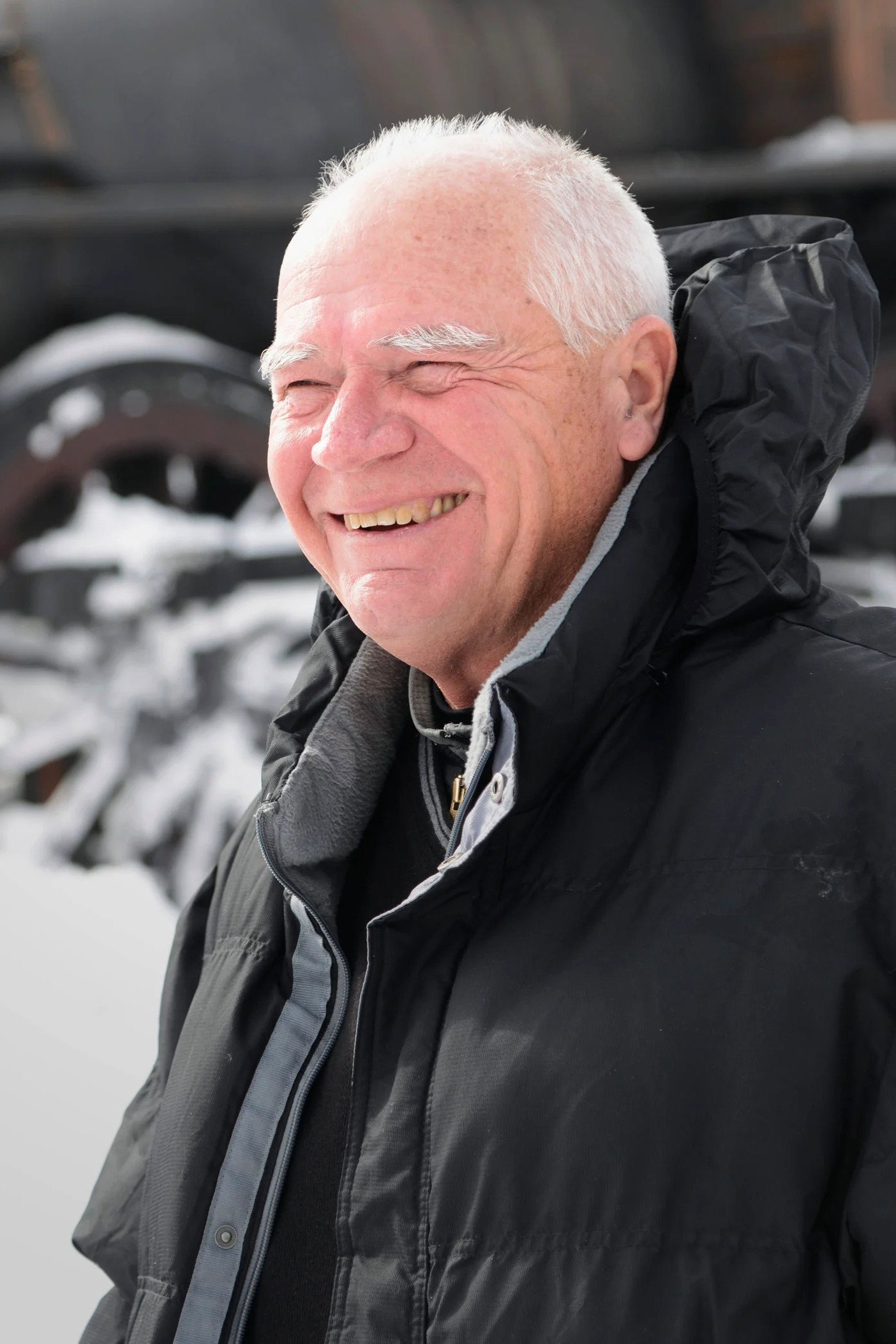
Marvin V. Rush is the man who turned the lights down on Star Trek. A cinematographer first and a director occasionally, he took a ship lit like a shop floor and made it a place where people looked as if they meant what they said.
Fi1m perspective
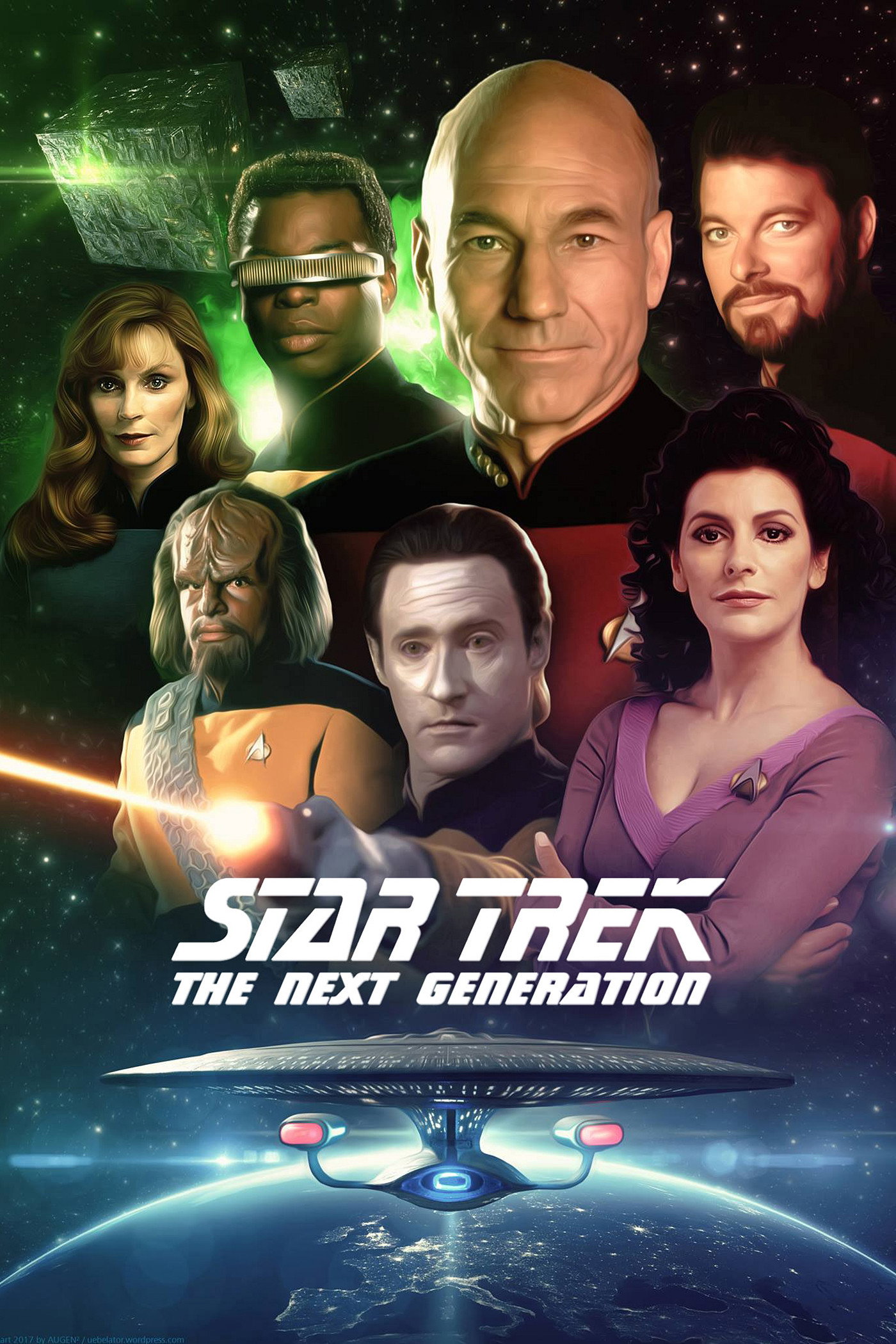
Watch the bridge of the Enterprise in the first season of Star Trek: The Next Generation (1987) and then in the fourth. In the early episodes Edward R. Brown lights everything flat and bright, and the carpet and the upholstery look like a furniture showroom. When Rush arrives as director of photography in season three, the bridge darkens, the walls fall back, and faces are lit from the consoles up, so that a captain leaning over a readout is lit by the thing he is reading. Nobody announces the change. The ship simply starts to look inhabited.
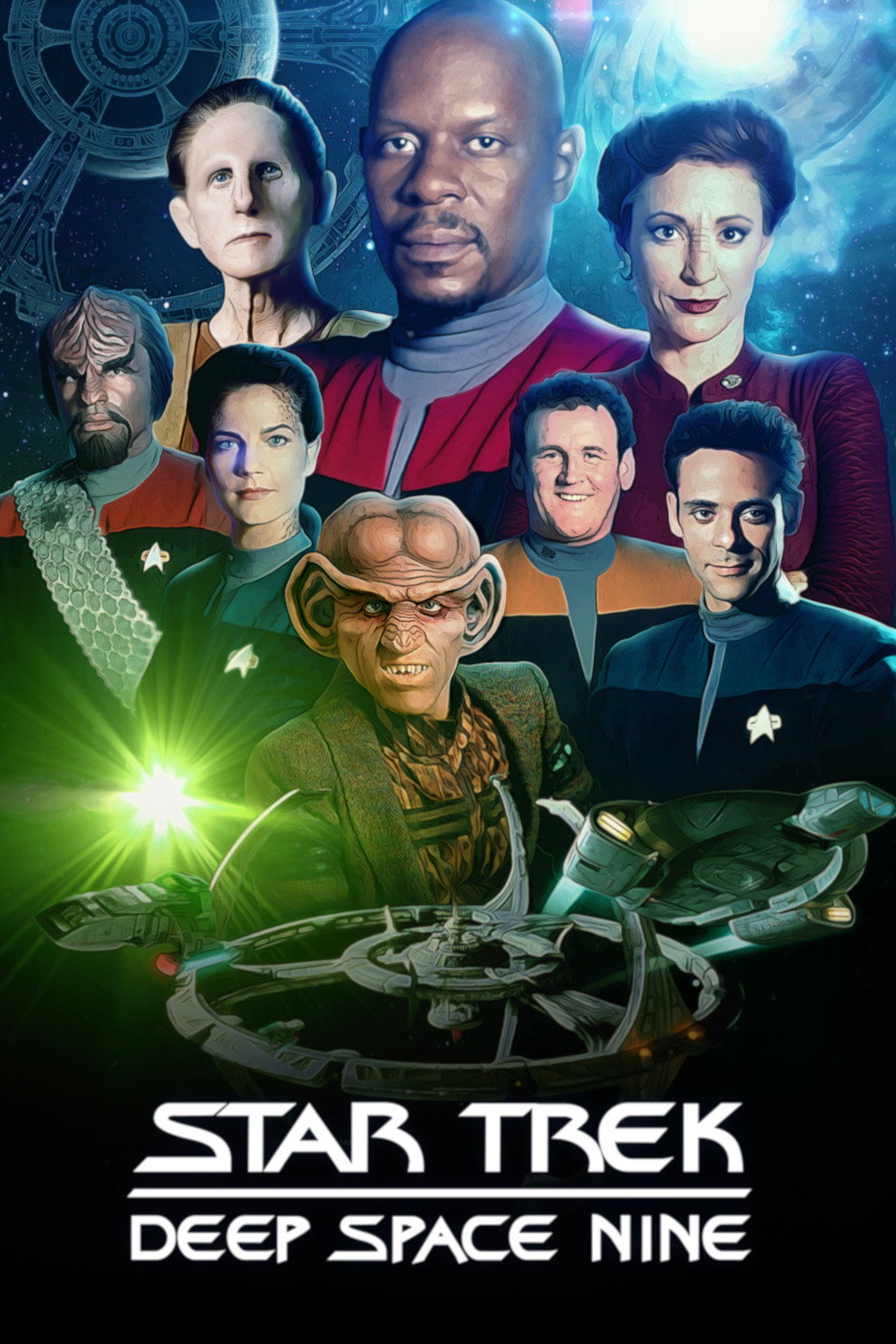
He came to it from the camera department, operating on sitcoms and features in the late 1970s and early 1980s before shooting Frank's Place, and the sitcom background is worth remembering. Multi-camera comedy is lit so that nothing can be missed; Rush spent the rest of his career deciding what could be. After three seasons on The Next Generation he shot Deep Space Nine in 1993 and 1994, and gave it a darker, harder look with more contrast, deliberately unlike the mother ship. He has said he thought of the two shows as Superman and Batman. He then photographed the whole of Voyager (1995 to 2001) and the whole of Enterprise (2001 to 2005), which is a stretch of one franchise few technicians can match.
We should be honest about how much this mattered to us. The Next Generation is a series about decent people solving problems by talking, and talk needs a room that takes it seriously. When the lighting changed we noticed that Picard's arguments about law and duty had begun to carry weight the first season's scripts had been asking for and not getting, and a good part of that weight was coming from the shadows behind Patrick Stewart's head. It is a small thing done every week for years, which is what television craft mostly is.
The directing is a smaller matter. Rush directed five episodes across the three series he shot, starting with The Host (1991) on The Next Generation, and including The Thaw (1996) on Voyager and In a Mirror, Darkly, Part II (2005) on Enterprise, stories that lean on the image rather than the speech. We have not reviewed them and will not pretend to. After Enterprise he moved to Hell on Wheels (2011 to 2016), shooting it and directing some episodes, and then to The Orville (2017 to 2019), a comedy built on the very ship he had spent a decade lighting.
Our page calls him a director. The credits, far more often, call him the man who decided where the light came from. Follow that credit rather than the other one, and start with the season the bridge went dark.
Biography
Marvin V. Rush A.S.C. is an American cinematographer, director of photography, television director and camera operator. He is best known for his work on the Star Trek franchise.
Rush served as director of photography on Star Trek: The Next Generation (1989–1993), Star Trek: Deep Space Nine (1993–1994), Star Trek: Voyager (1995–2001) and Star Trek: Enterprise (2001–2005). He also directed five episodes across the three later series, including "The Host" for The Next Generation. He received two Primetime Emmy Award nominations for cinematography: in 1991 for the The Next Generation episode "Family" and in 1995 for the Voyager episode "Heroes and Demons".
Rush has worked as cinematographer on series including Hell on Wheels (2011–2016) and directed episodes of TURN: Washington's Spies.