The Star Trek that stayed in one place is the one that grew up. Two slow seasons and some poor Ferengi comedy stand in the way, but once its neighbours start pressing in, this is the best drama the franchise has made.
Star Trek had always been about leaving. A ship arrives, a problem is solved, and the ship is gone before anyone has to live with the result. Michael Piller and Rick Berman’s series, which began on 3 January 1993, takes the ship away. Its people are posted to a battered space station above Bajor, a planet that has just seen off a long Cardassian occupation, and they have to stay. It is the slowest of the Star Trek series to get going and, once it does, the best drama the name has produced.
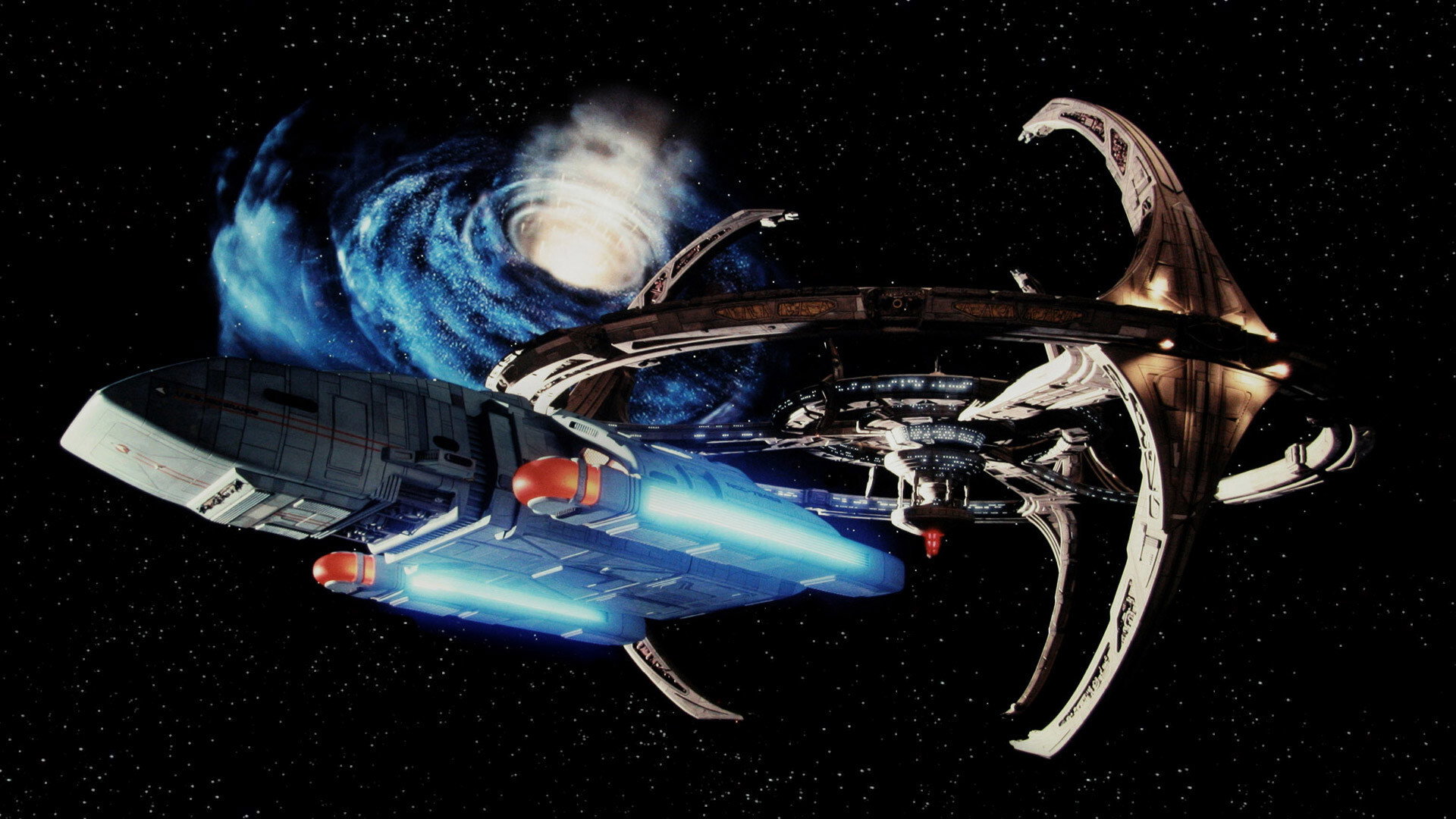
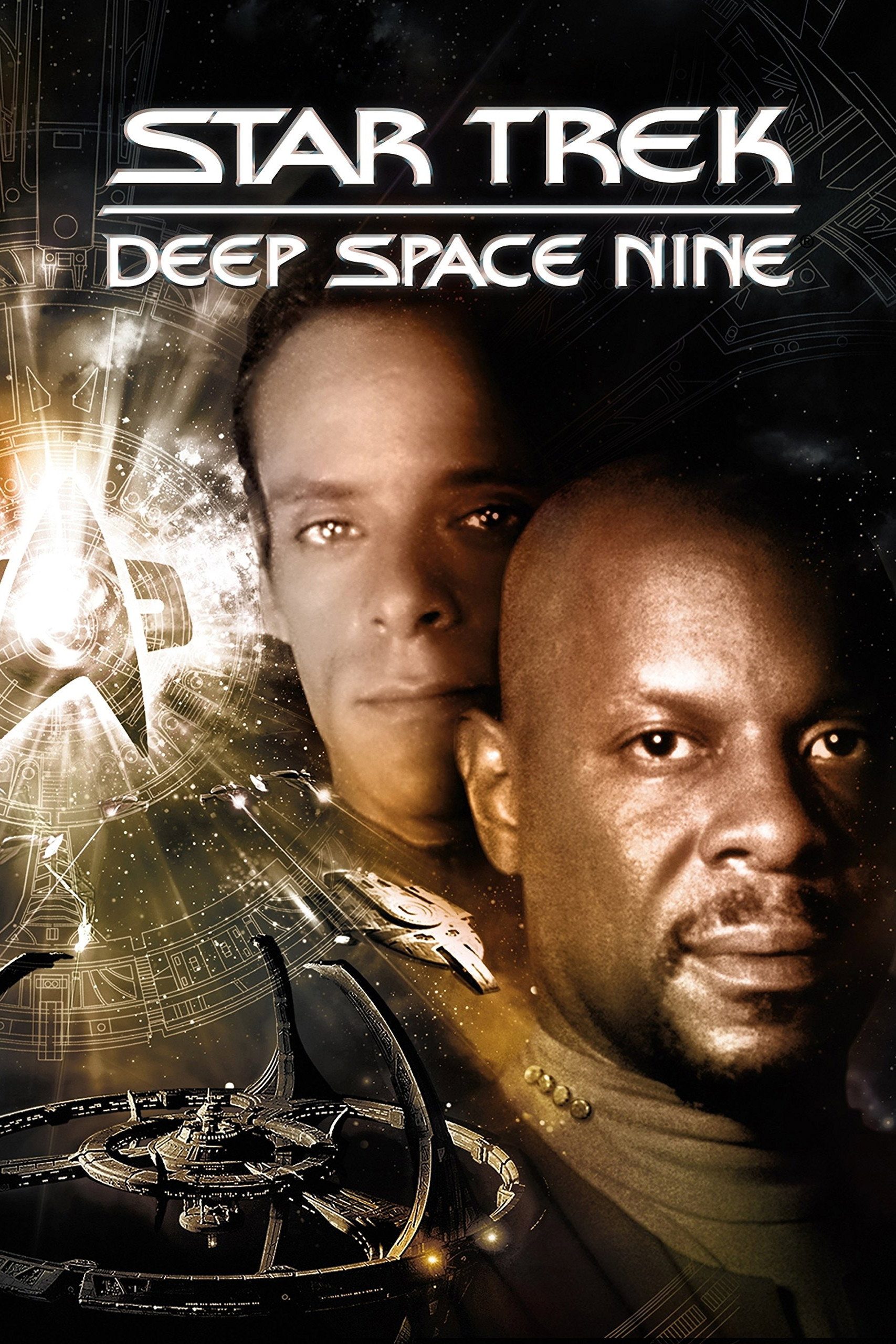
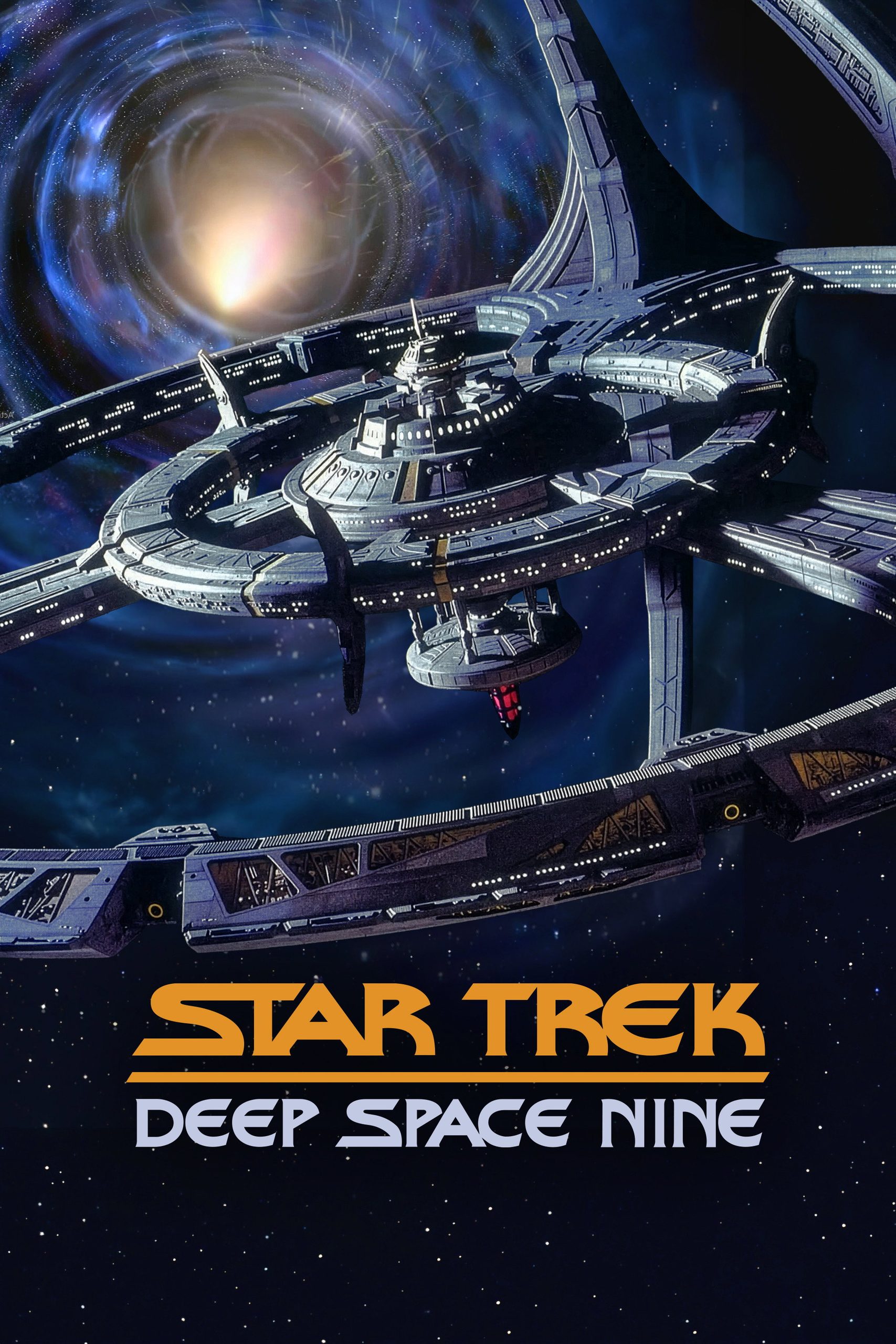
Herman F. Zimmerman’s station tells you the rules have changed before anyone speaks. The Cardassians built it, so nothing in it looks like the Federation: the corridors are dim and ribbed, the doors are ovals, and the control room is a pit with the commander’s office up a short flight of stairs. Marvin V. Rush, Jonathan West and Kris Krosskove light it in ambers and rust rather than flat white. Most of the arguing happens on the Promenade, a curved street of shops with a bar at one end and a temple at the other. Dennis McCarthy’s title music is a slow horn tune over a station turning in the dark, with no ship going anywhere. That is the series in ninety seconds.
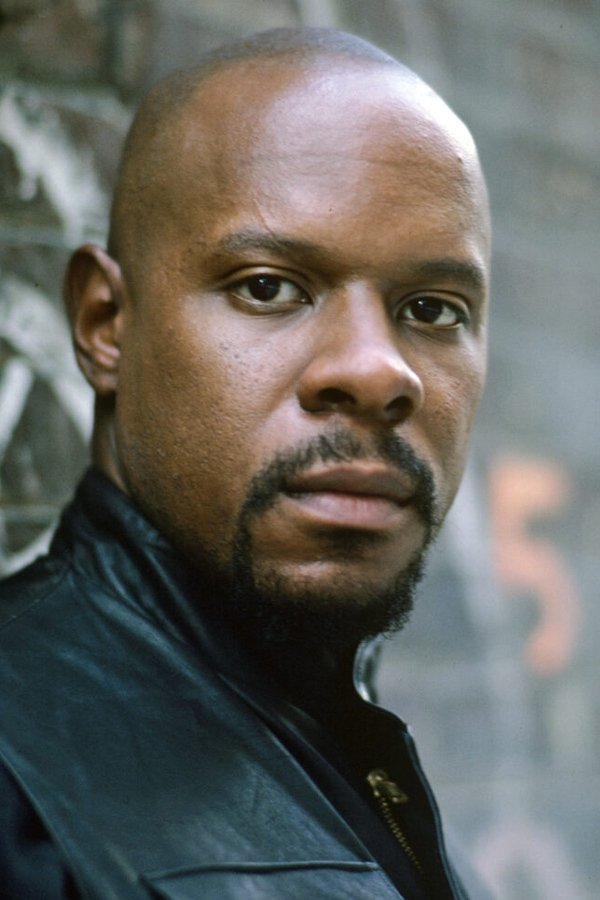
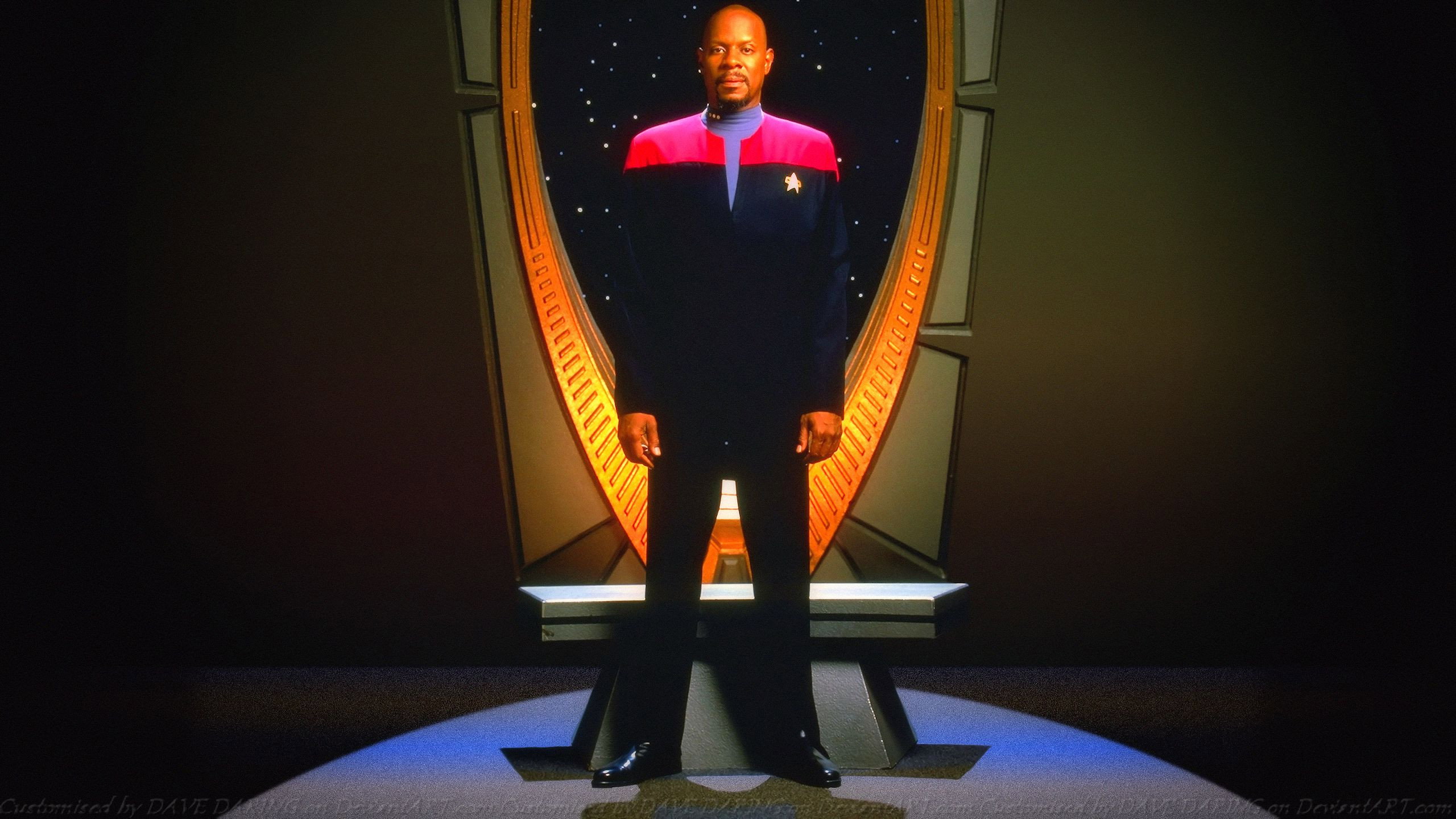
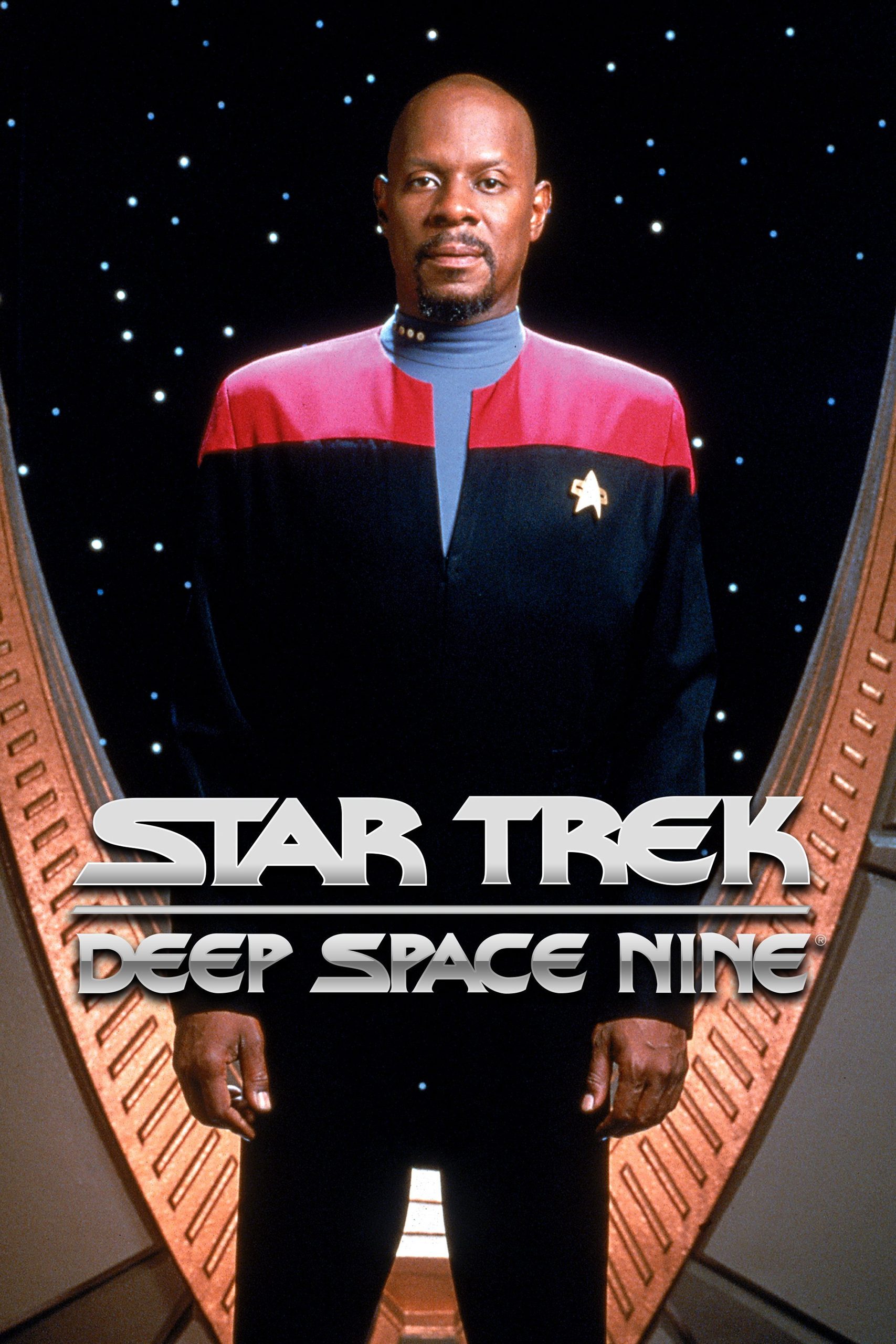
Avery Brooks plays Benjamin Sisko as a man who did not ask for the job. In the pilot he has lost his wife at Wolf 359, and when the beings inside the newly found wormhole take him apart they keep returning him to the burning corridor where she died, because he has never left it. Brooks plays it sitting on the floor, quietly, and it got to us far more than a pilot has any business doing: a widower being told, by things that do not understand time, that he is stuck. Brooks has a slow, formal way of speaking that sounds stiff in a staff meeting and immense in a crisis. The series learns to use both.
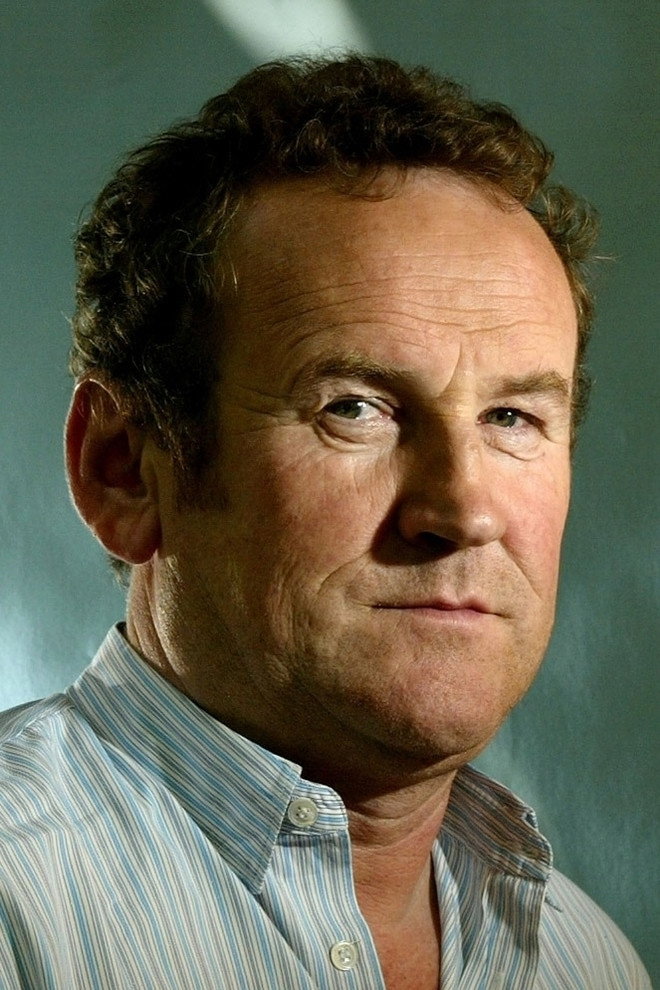
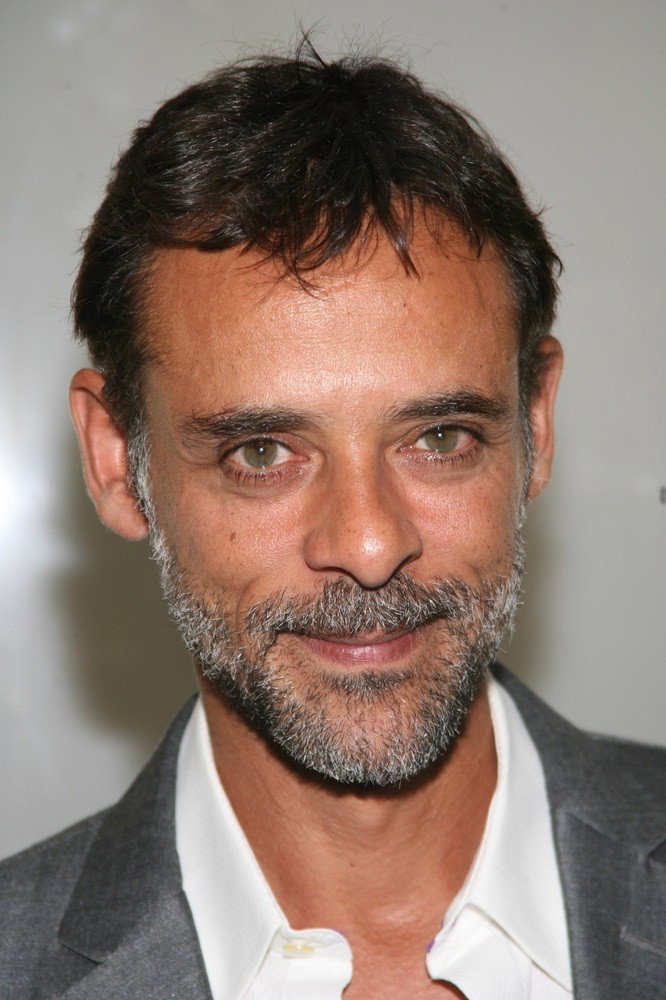
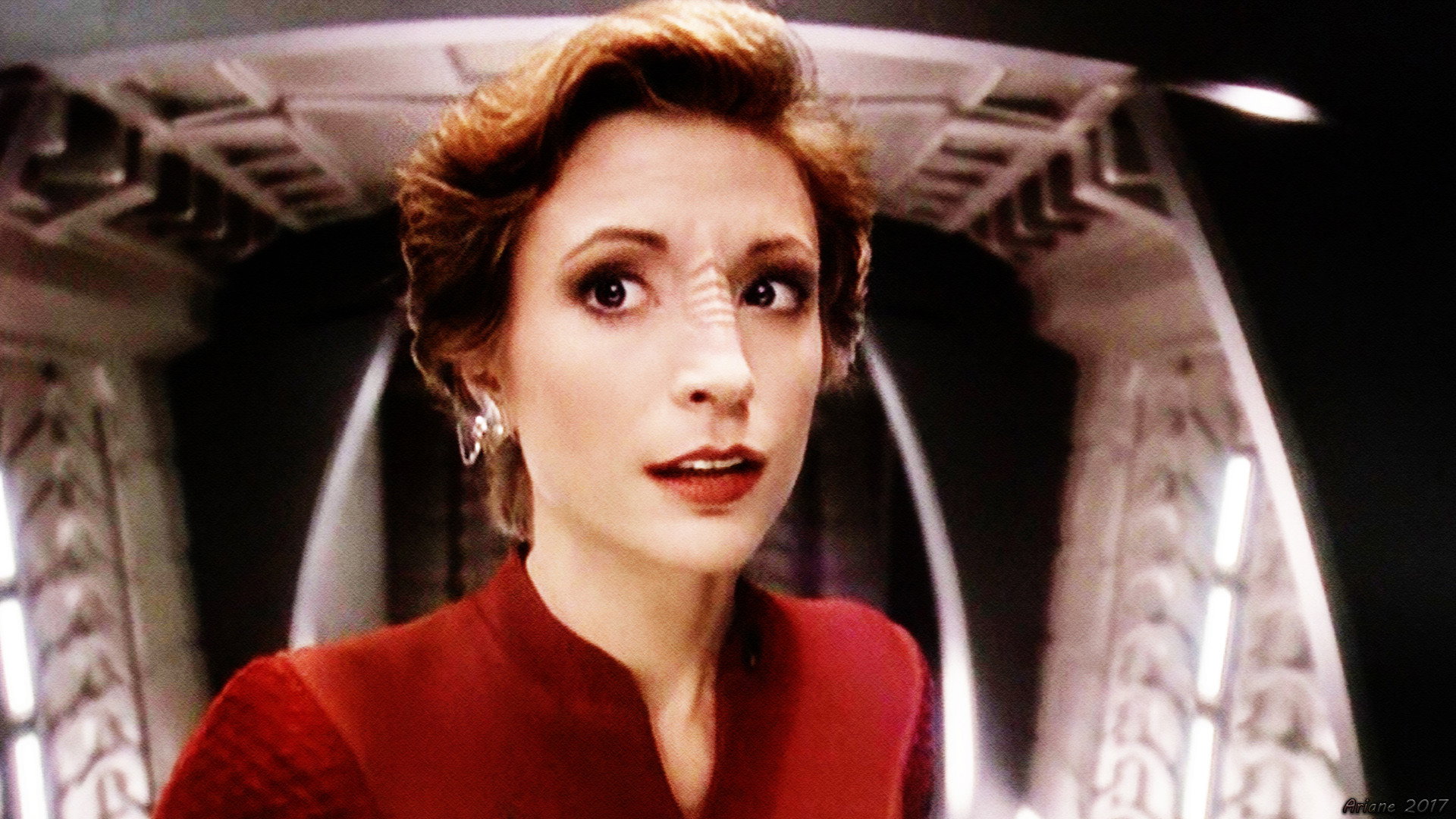
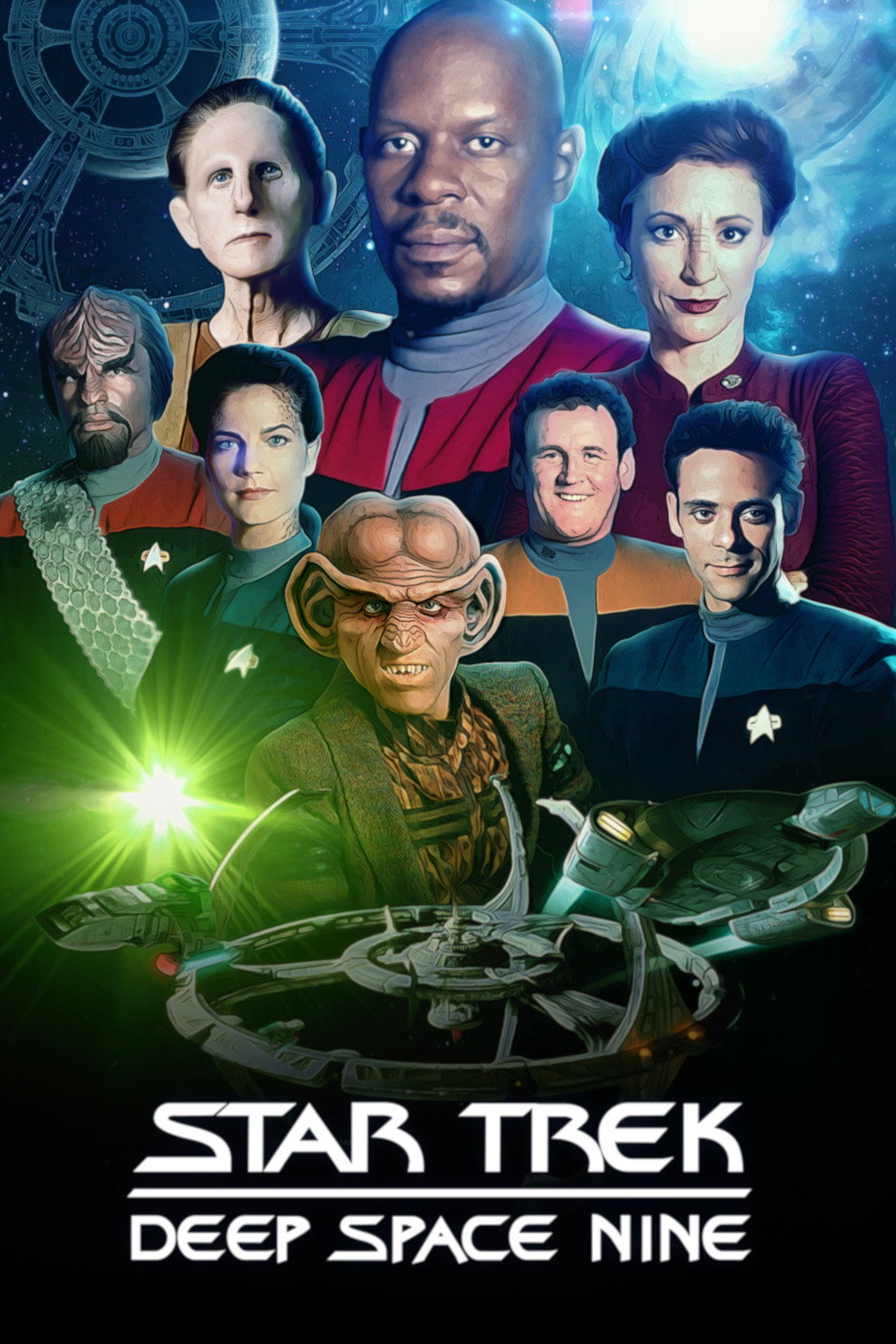
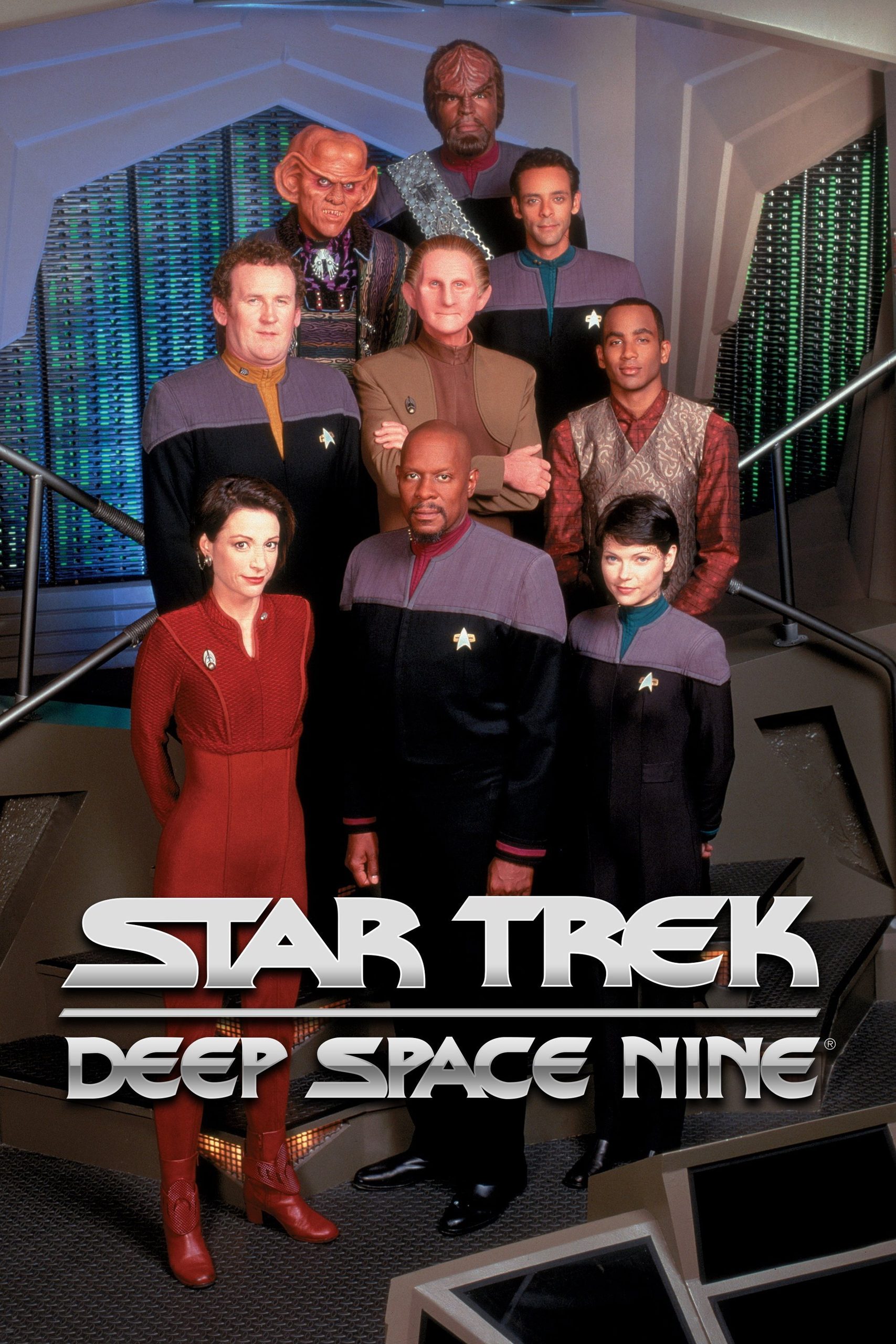
Nana Visitor’s Kira Nerys spent her youth in the Bajoran resistance and treats the Federation as a second occupier with better manners; Visitor never softens her, and the writers do not ask her to. René Auberjonois’s Odo, a shapeshifter who does not know where he comes from, and Armin Shimerman’s Quark, the Ferengi barkeeper he can never quite arrest, spend seven years needling each other across the Promenade, and theirs are the scenes we would keep if we could keep only a few. Colm Meaney’s O’Brien wants a quiet drink and Alexander Siddig’s Bashir wants to be admired, and their friendship takes years to arrive. Terry Farrell’s Jadzia Dax, carrying the memories of several previous lives, is the calmest person on the station and often the funniest.
The first two seasons are hard going. Twenty-six episodes a year is a lot to fill, and they were filled with visiting aliens, holosuite mishaps and Ferengi comedy that plays as if someone were being paid by the joke. The first reviews in 1993 complained that a station made everything slower than a starship, and for a year and a half they were right. We were bored, on and off, and then irritated, because the people were plainly interesting and the stories kept reaching for the old formula.
Then it changes. Ira Steven Behr, a producer and one of its most prolific writers, and a room that included Ronald D. Moore, Robert Hewitt Wolfe, René Echevarria and Hans Beimler let stories run across episodes and then across seasons. The neighbouring powers stop being scenery and start having interests. The Bajoran religion, which most series would have treated as local colour, becomes a force with its own politics, and Sisko’s unwanted place in it a real problem. In the later seasons the station goes to war, at length, in a run of episodes we will not describe except to say that Star Trek had never before let its heroes be this compromised and meant it. Brooks, Auberjonois and Siddig are among the cast who direct, and the look holds steady across dozens of directors.
It is not a small commitment: seven seasons, 173 episodes of about 45 minutes each, and the good ones are not at the front. Watch the pilot, skip freely through the first two years, and stop skipping the moment the Cardassians start talking rather than shooting. From there it earns every hour.