Jodie Foster gives Robert Zemeckis’s thoughtful science fiction a persuasive urgency. The discovery is exciting enough to justify a long evening, though the repeated speeches about science and belief could have been shorter.
Robert Zemeckis’s Contact is good, serious science fiction, made less satisfying by its determination to explain why it is serious. Adapting Carl Sagan’s novel, screenwriters James V. Hart and Michael Goldenberg treat the possibility of alien contact as something that might unsettle beliefs as well as enlarge scientific knowledge. That gives the film plenty to consider, and a good deal worth watching. The trouble is that it keeps turning those considerations into speeches long after we have understood the point.
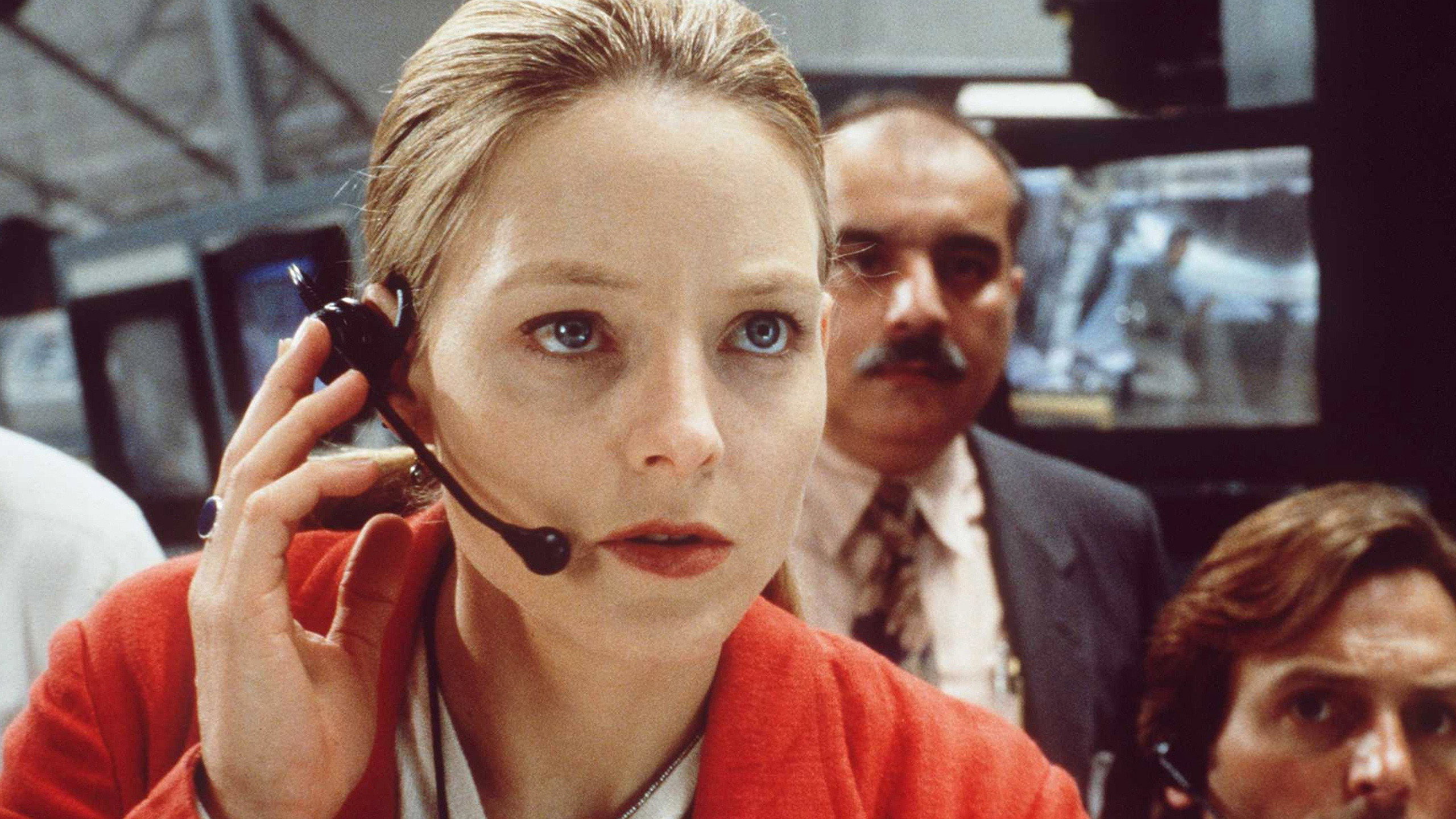
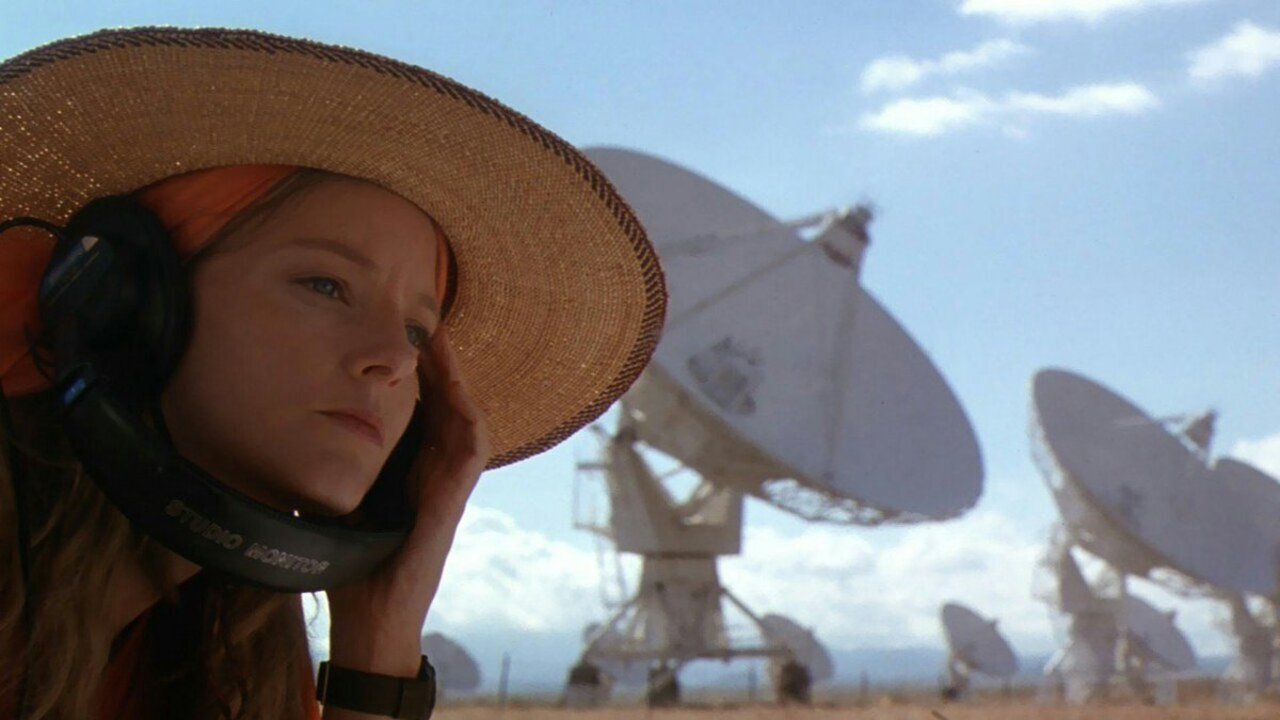
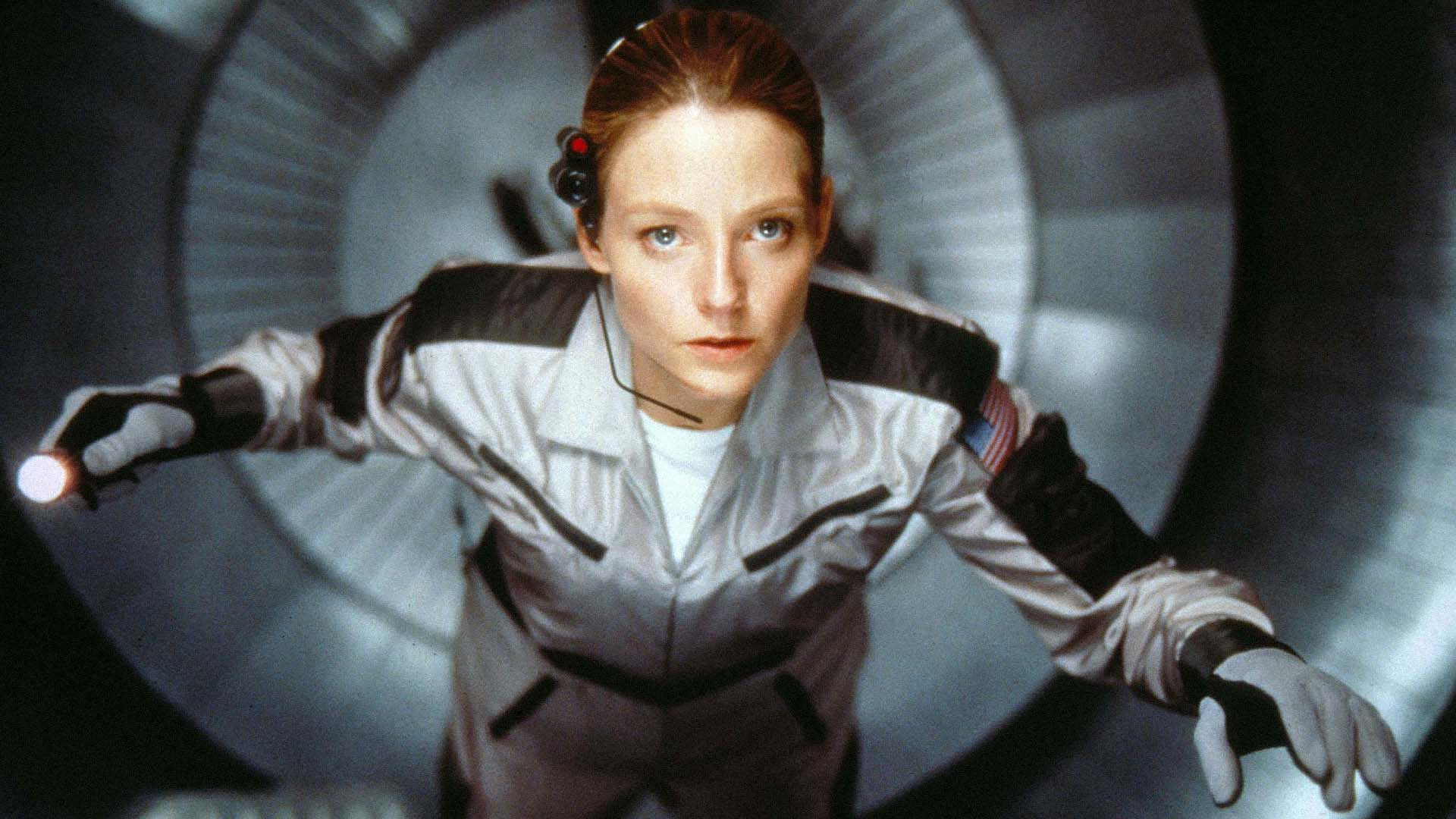
Jodie Foster, as Ellie Arroway, makes the enquiry matter before the screenplay has finished explaining its importance. Her concentration gives the search an urgency that does not depend on somebody reminding us how much is at stake. We were gripped by the detection of the alien signal, because Foster makes the act of listening feel physically demanding. There is excitement here in somebody paying close attention, and the film is at its most convincing when it lets that be enough.
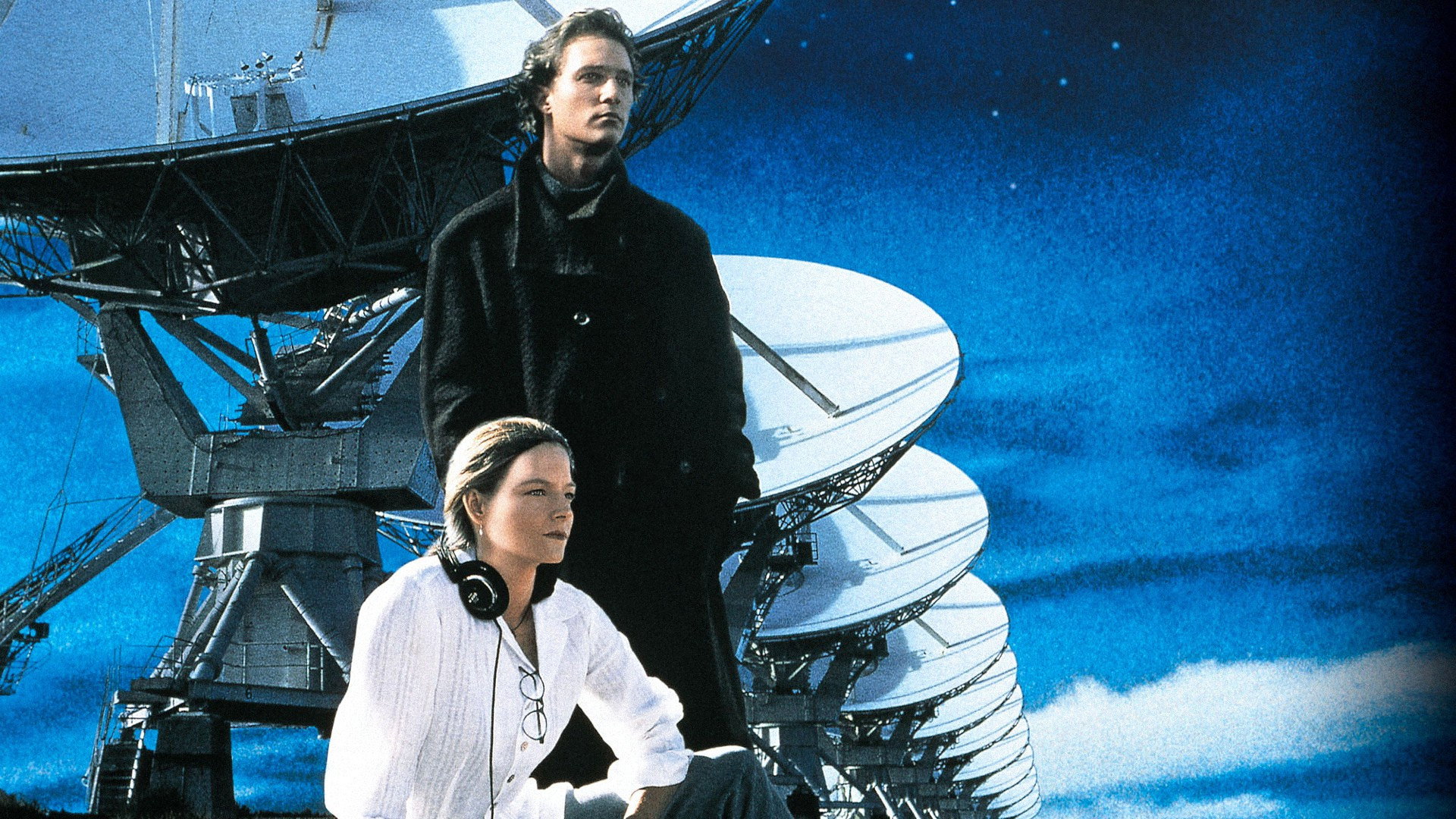
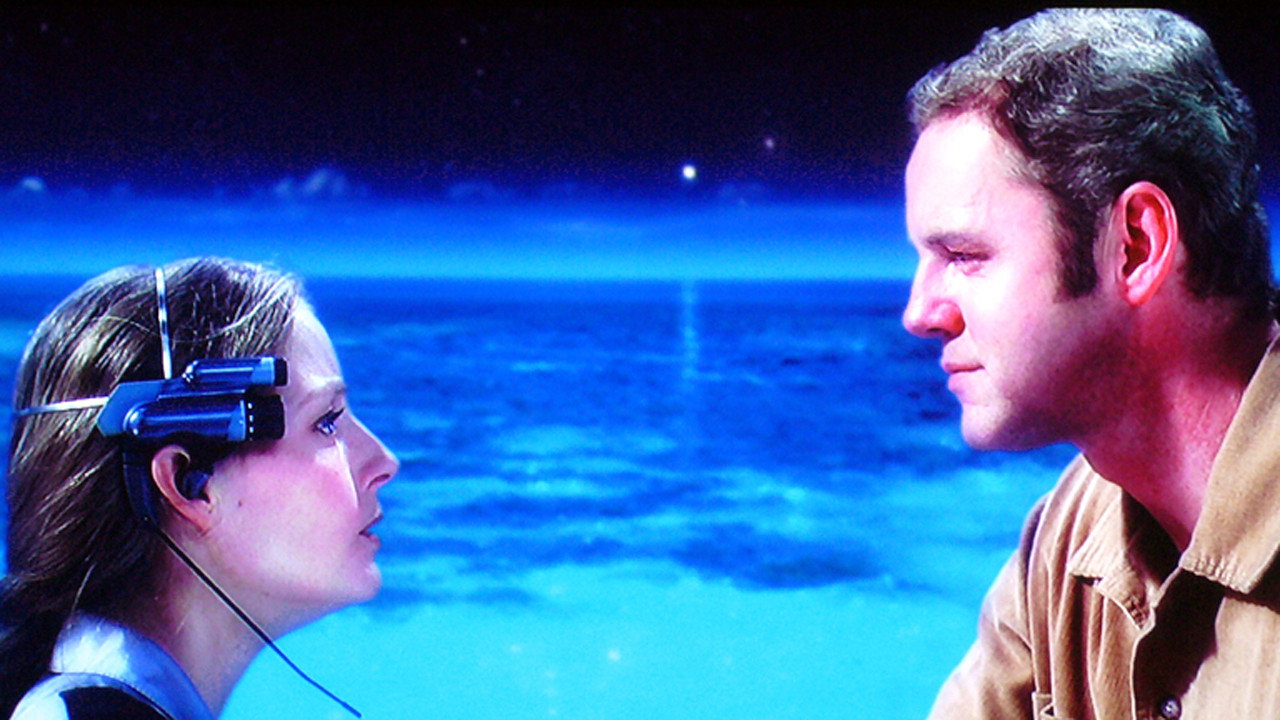
The opening earns its sense of wonder without immediately asking us to debate it. Don Burgess’s cinematography keeps images of enormous scale clear and readable, so we have time to look rather than merely register another effect. Ed Verreaux’s production design makes the scientific surroundings look practical and usable, helping us accept the more speculative material. Zemeckis allows these images time to hold our attention, and the effects remain convincing under that scrutiny.
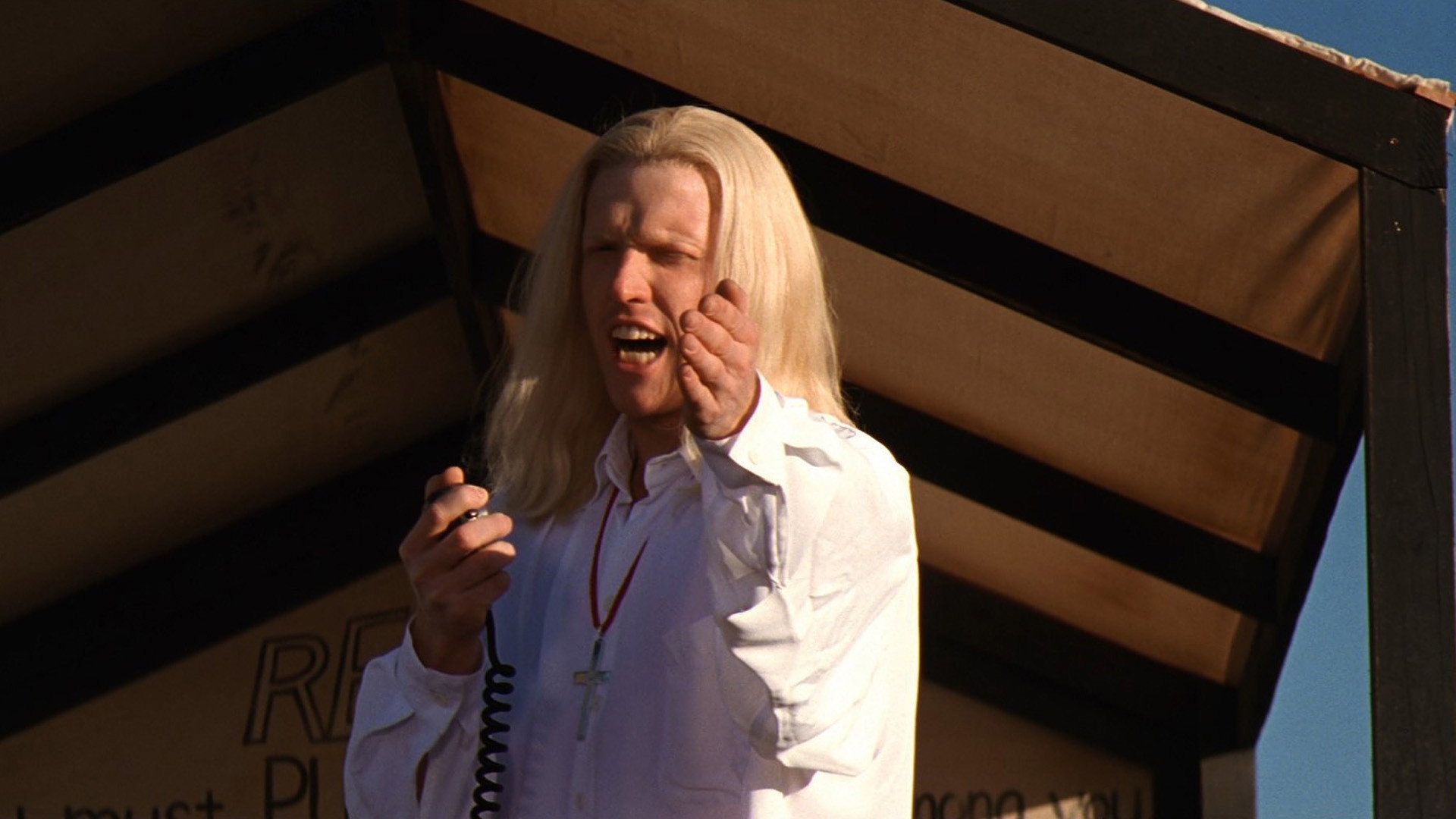
Hart and Goldenberg are less sure-footed when scientific enquiry and religious belief have to be discussed aloud. The questions are worth asking, but too many exchanges sound as though their conclusions were settled before the characters began speaking. Foster can make an idea feel like an urgent personal concern; elsewhere, the supporting characters too often seem to have been assigned a position and told to defend it. The earnestness is welcome, though it does not make every conversation interesting.
Arthur Schmidt’s editing finds a persuasive rhythm for the signal’s discovery, but cannot disguise how much of the surrounding film repeats itself. At 150 minutes, Contact asks for more patience than its conversations consistently earn, and the stretches between the visual set pieces can drag. Alan Silvestri’s score adds to that insistence when it urges us towards awe that the images have already prompted. Some restraint in the music would have left more space for our own response.
Still, we would not trade its curiosity for a brisker film that regarded alien contact as an excuse to start shooting. Contact is willing to spend time on the difficulty of accepting something unfamiliar, and it takes scientific enquiry seriously enough to make discovery exciting. Its willingness to entertain spiritual questions is not, in itself, a fault. We can consider those questions without being talked through every possible implication, which is where Zemeckis needs to trust his audience more.
For those who like their science fiction curious and unhurried, the flaws are worth accepting. The running time is a real caveat, particularly for anyone hoping the discovery will bring an end to the discussions. Choose it for an evening when listening to a mysterious signal sounds like entertainment, and nobody needs an early night.