Denis Villeneuve makes first contact tense, patient and unexpectedly moving, with Amy Adams giving the strange ideas a recognisable human response. The wider crisis is less convincing, but Arrival earns our attention whenever it lets her work.
Arrival is a thoughtful, unsettling science-fiction film that earns its emotion, even when its wider crisis becomes less persuasive. Denis Villeneuve builds it around the difficulty of speaking to somebody who shares none of our assumptions, then gives that difficulty the weight usually reserved for an imminent attack. The central activity is trying to understand a language. That might sound like a modest use of an alien visitation, but the film makes each attempt to communicate feel consequential.
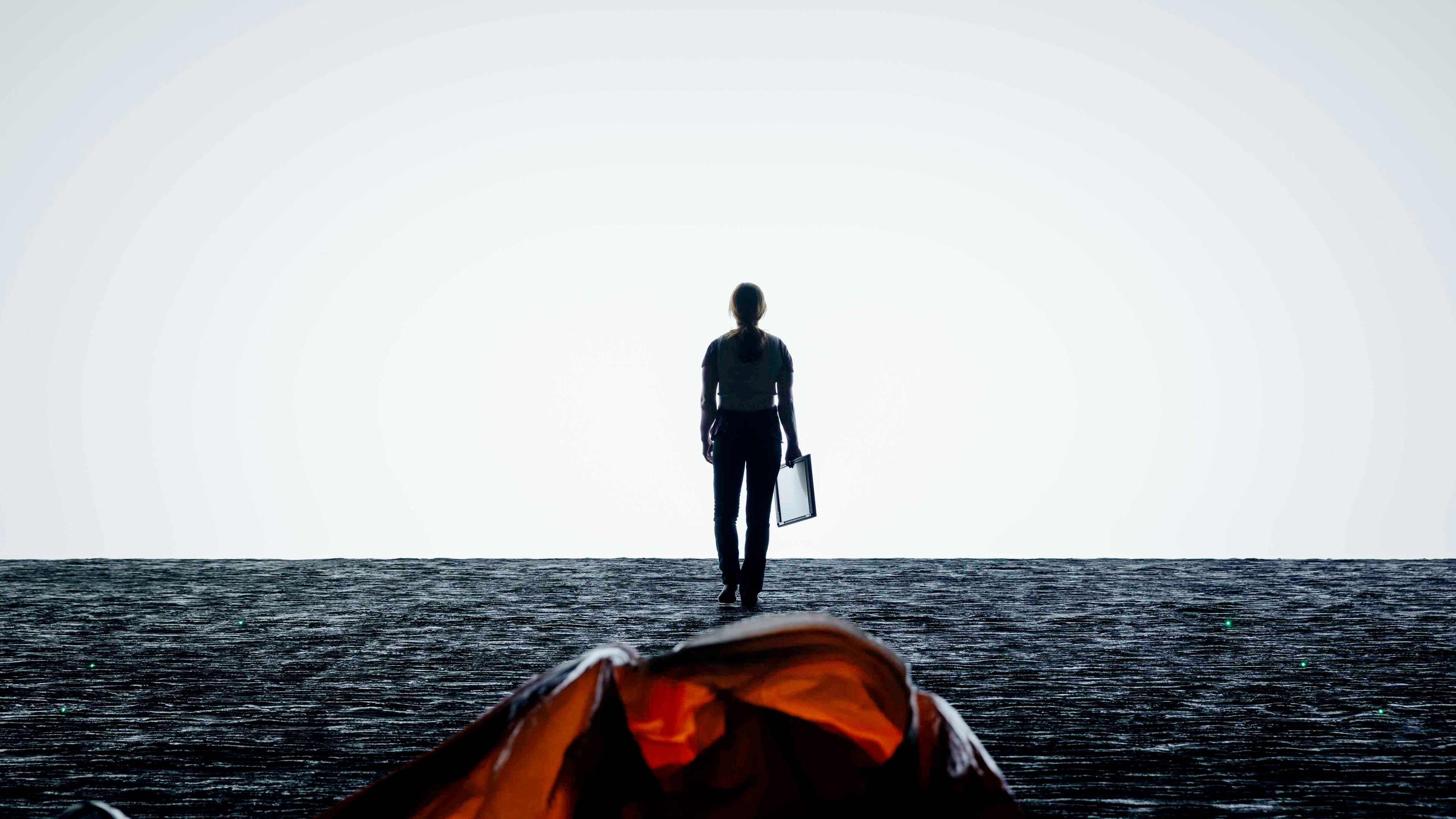
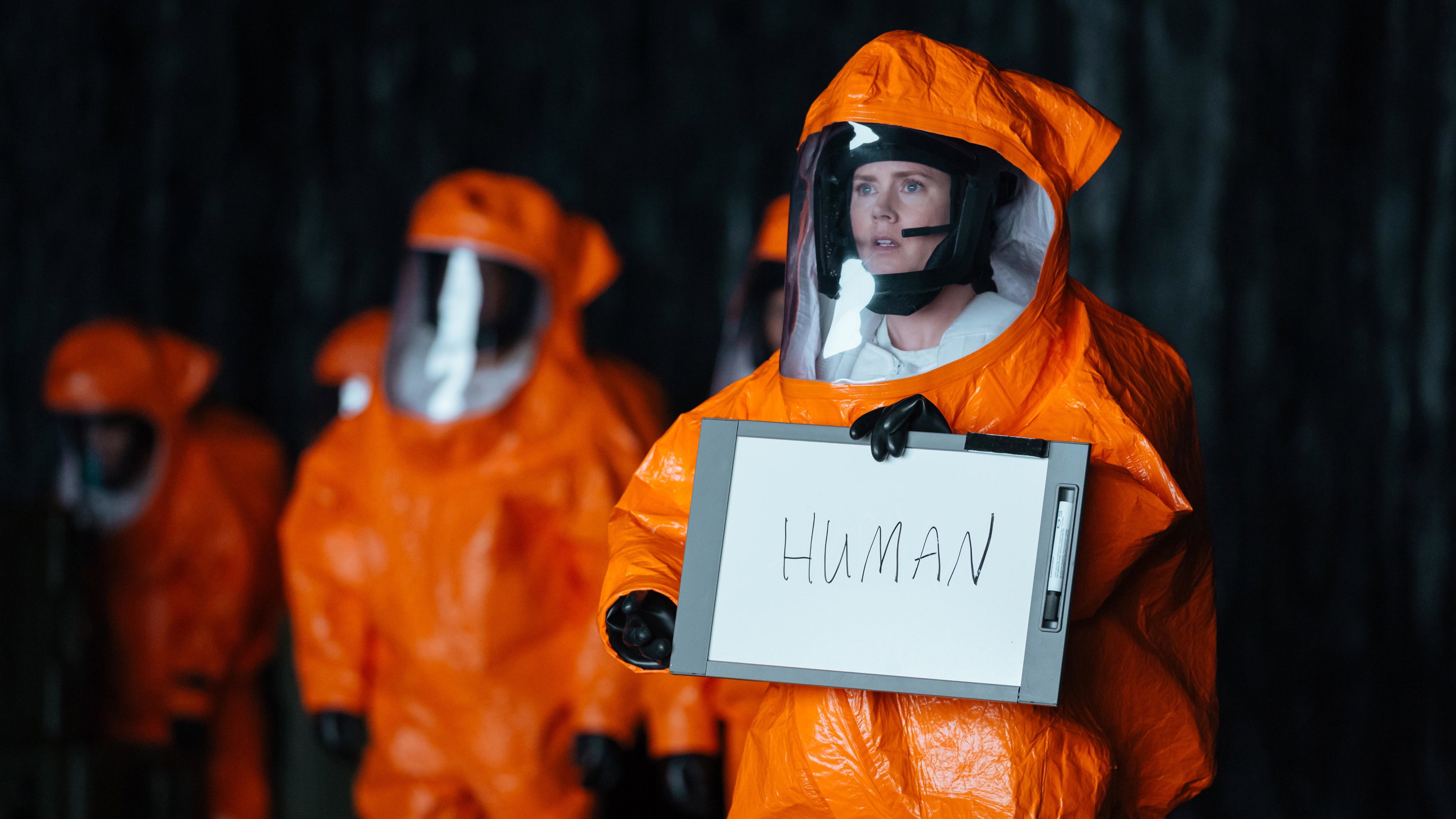
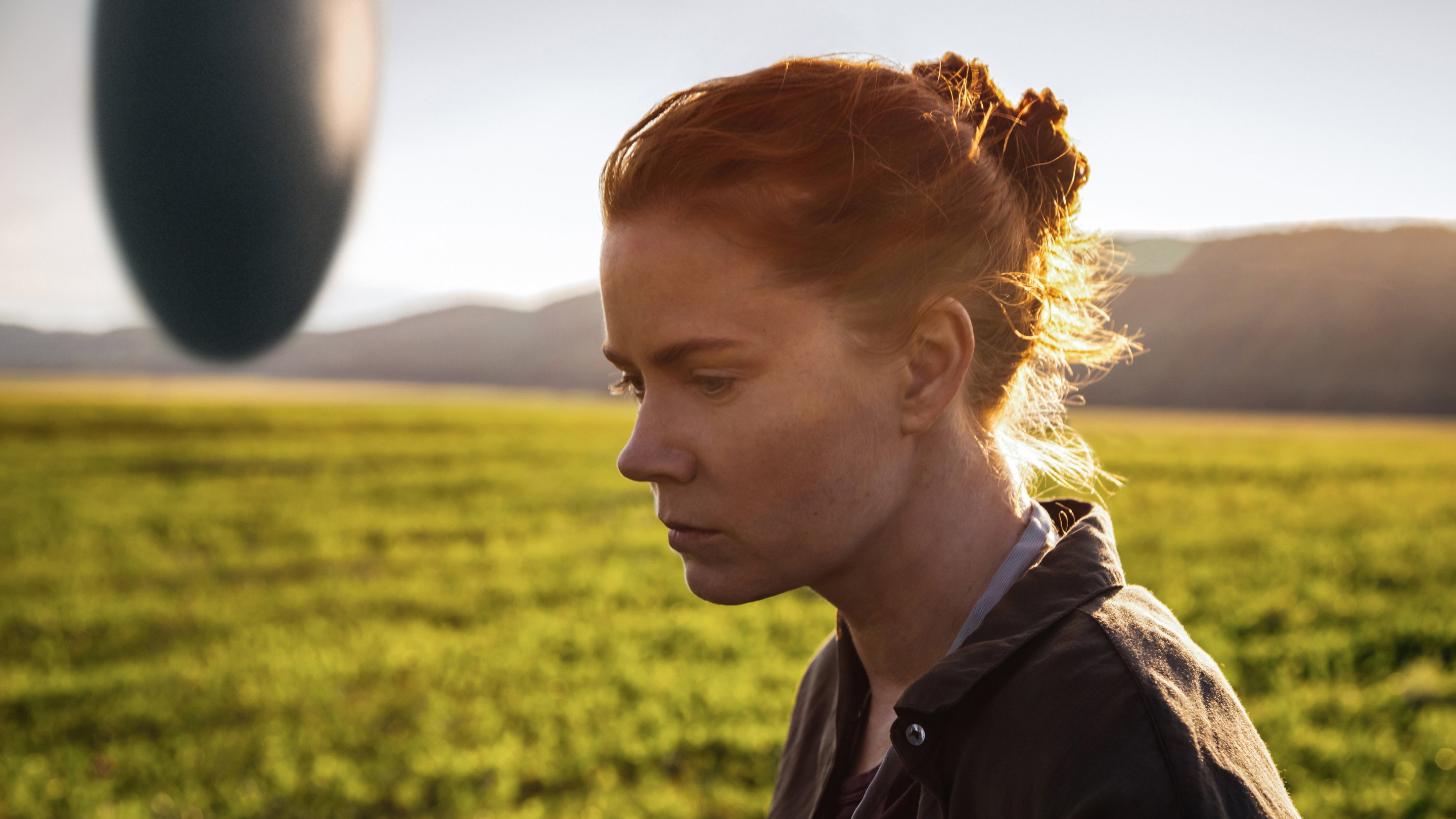
Amy Adams supplies much of the tension as Louise Banks, the linguist faced with the visitors. Her performance lets fear and curiosity coexist without making either seem like a pose; she can look daunted by what is in front of her and still want to get closer. We felt afraid with her during the first encounter, because her apprehension remains visible even as she concentrates on making contact. The film gives us time to watch that effort.
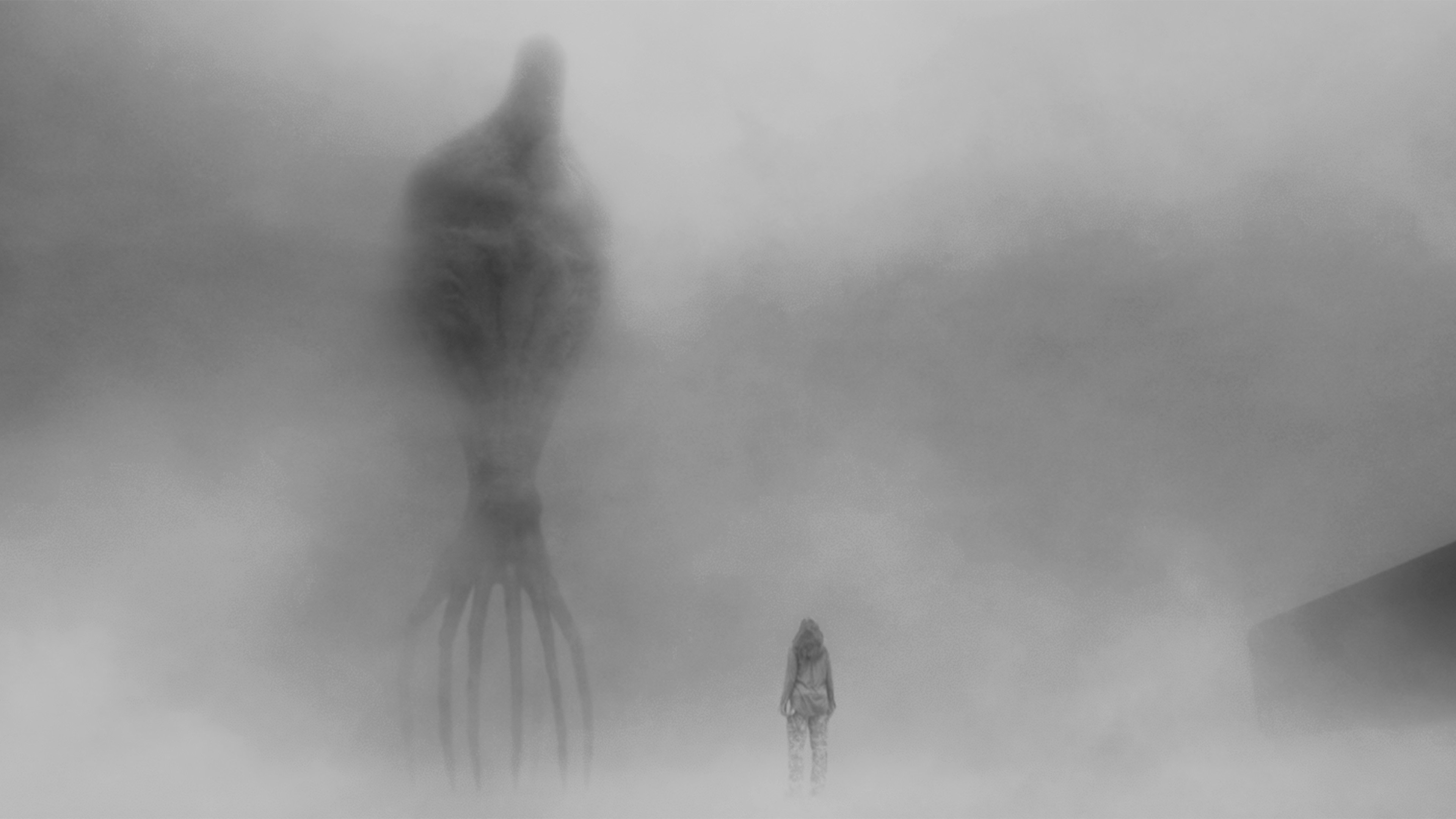
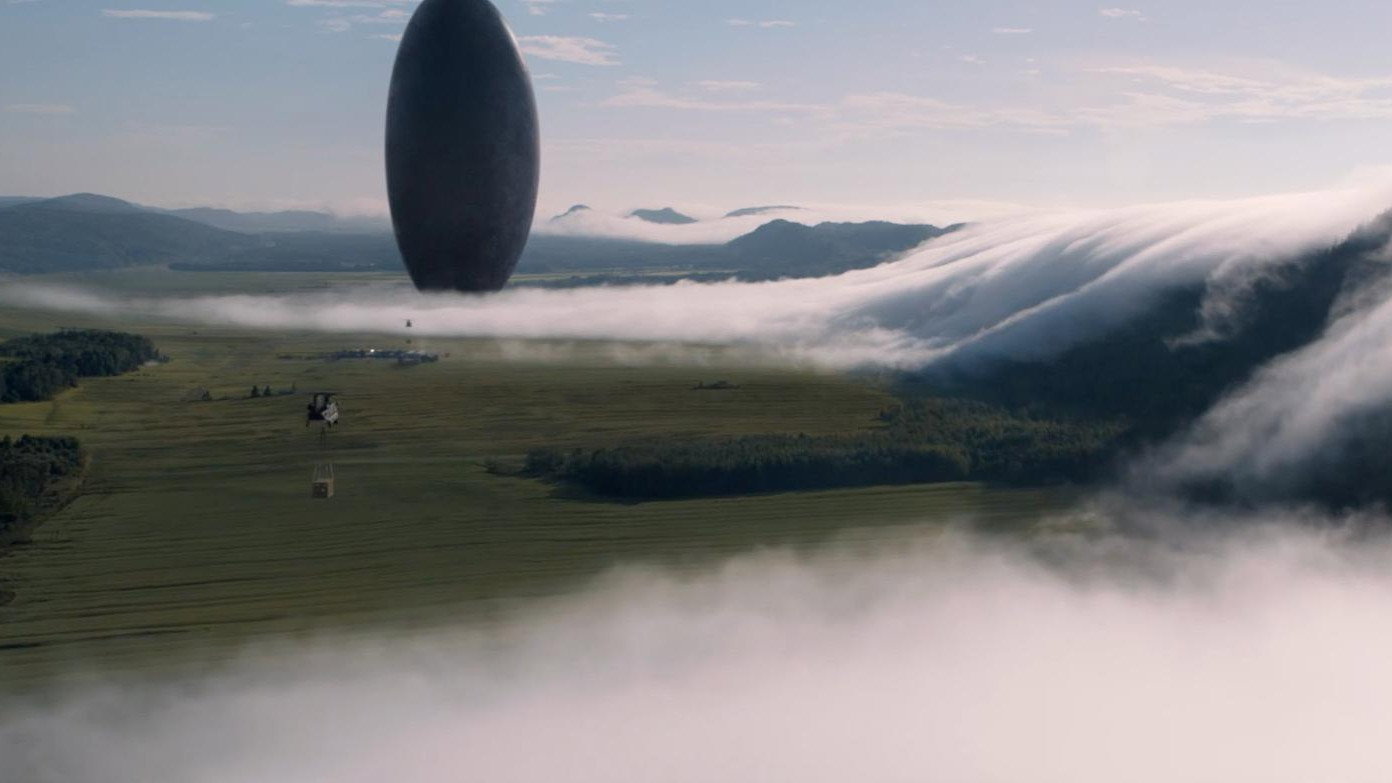
Bradford Young photographs the immense, egg-shaped vessels in muted tones, letting their size disturb us without making the image gaudy. Patrice Vermette’s production design gives those simple shapes enough force to sustain the wait for contact. Denis Villeneuve understands that the prospect of approaching something so unfamiliar can carry a sequence before anything happens. There is enough strangeness in the ships themselves to hold our attention without a running explanation of what everything does.
Joe Walker’s editing allows anticipation to accumulate around the encounters instead of hurrying to the next piece of information. The pace occasionally feels over-careful, as though a quicker transition might count as bad manners, but the waiting mostly pays off. Jóhann Jóhannsson’s score deepens the unease without treating the visitors as a straightforward threat. Together, the cutting and the music make the work of listening feel exposed and risky, which is precisely what this story needs.
Eric Heisserer’s screenplay is strongest when it stays with the practical problem of understanding another intelligence. It allows curiosity to carry a scene, and trusts Amy Adams to make thought visible without turning Louise Banks into somebody who has an answer for everything. The broader crisis is thinner: its urgency feels supplied by the requirements of the plot, and it makes the film less tense when it should make it more so. The close attention to Louise Banks has already set a higher standard.
The film’s place in science fiction comes from the seriousness with which it treats communication, and the ordinary vulnerability Amy Adams brings to it. An encounter with another intelligence ought to challenge more than our ability to defend ourselves, and Denis Villeneuve follows that thought with patience. Louise Banks remains someone whose reactions matter, even as the ideas around her become more demanding. Give it an evening without another screen competing for attention.