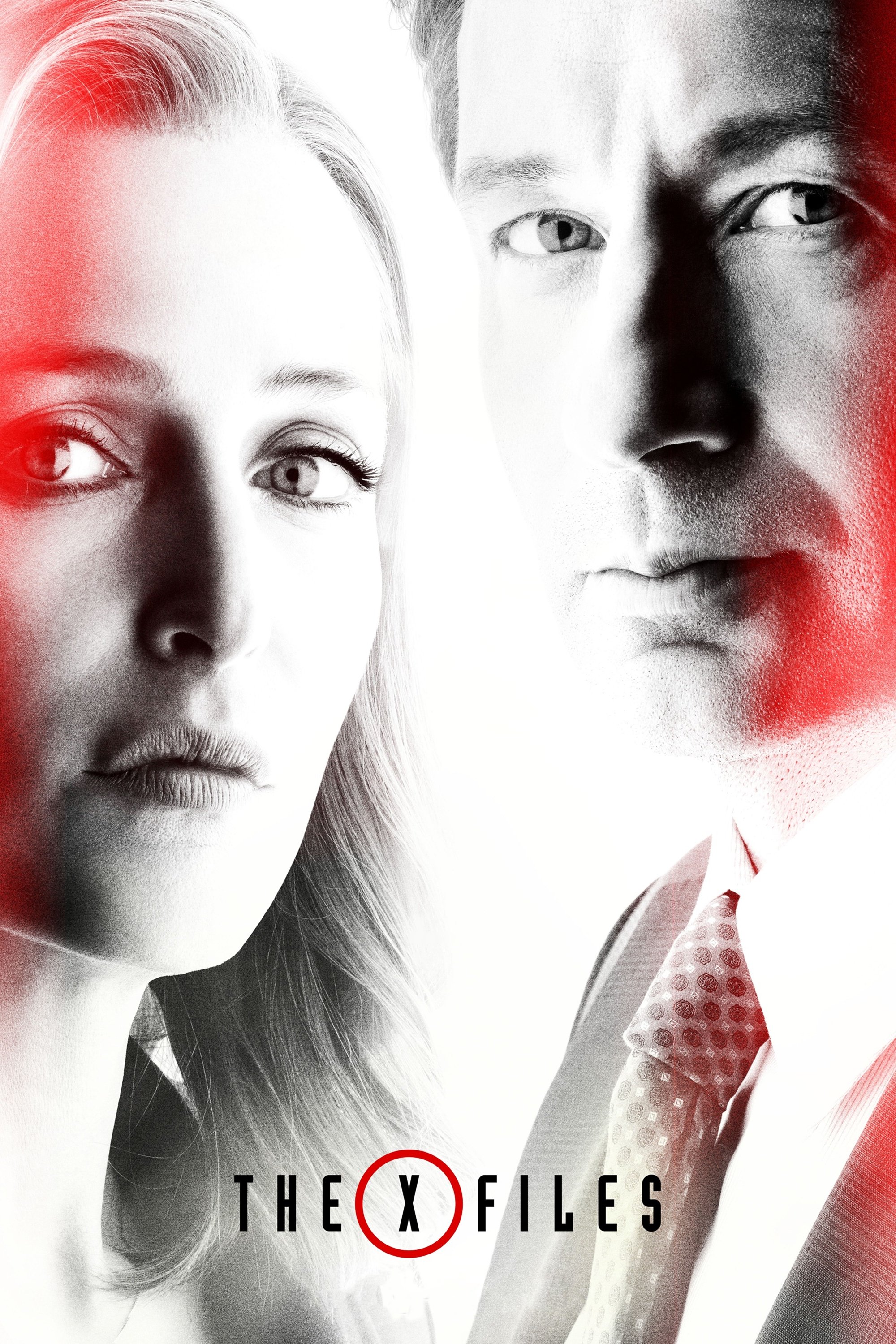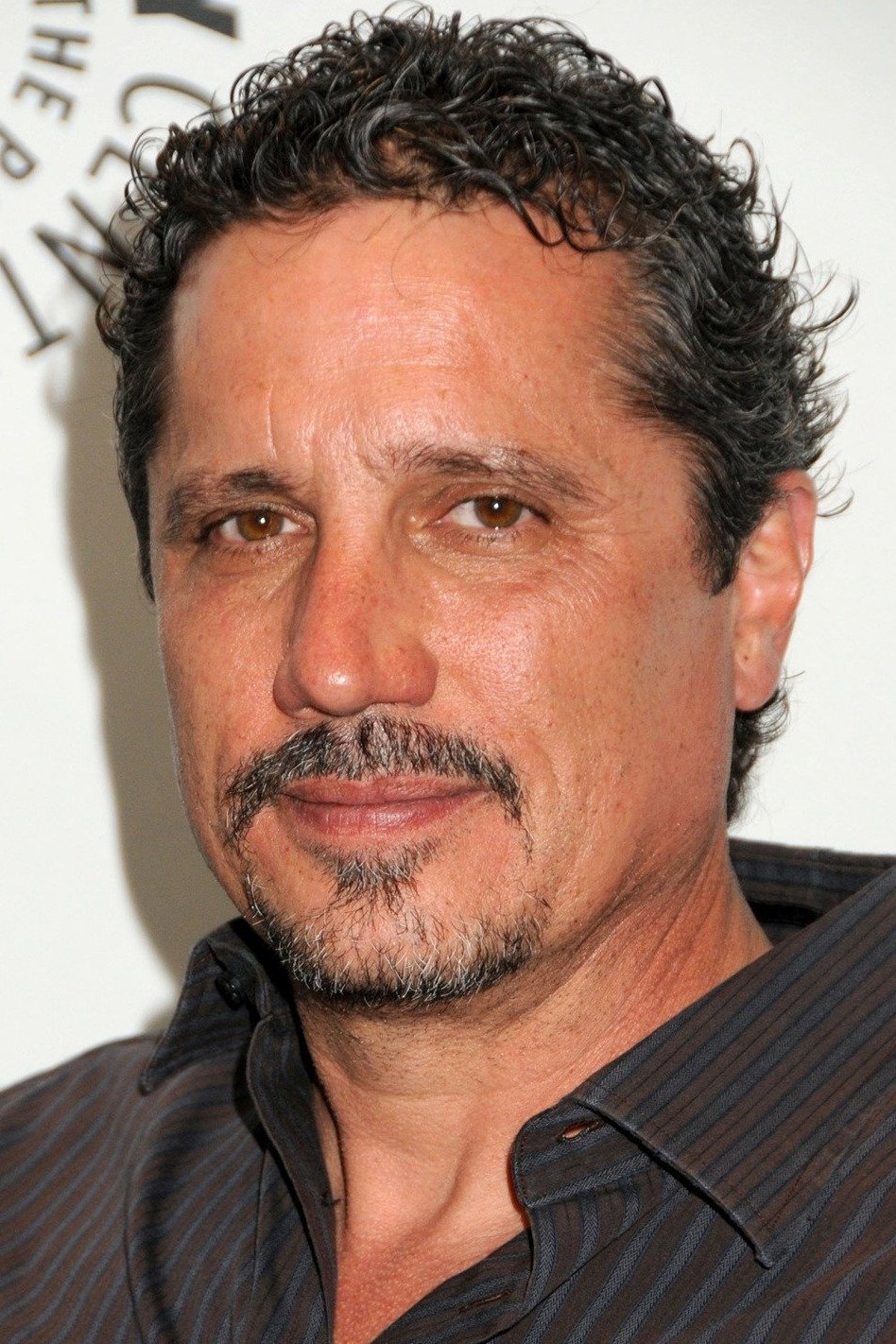
Rob Bowman makes television mysteries tense through sharp contrasts of light and dark and camera movements that help us follow the story. We recommend his work on The X-Files, with patience for the programme's evasions.
Fi1m perspective
Bowman often frames an actor in silhouette, using bright light and deep shadow to make a scene feel uncertain. His camera moves are deliberate, planned to help us follow what is happening. We recommend him most warmly for The X-Files (1993), where his lighting helps sustain the unease. He is good at making a television scene feel threatening while keeping our attention on the performances.
Directing 13 episodes of Star Trek: The Next Generation (1987–1990) meant handling visual effects alongside psychological and character-led stories. After his first feature, Airborne (1993), he joined The X-Files in 1994 and found a continuing use for his high-contrast lighting. He directed 33 episodes and became a producer, helping shape the programme's visual style. His direction of the feature adaptation, The X-Files (1998), grew out of that sustained involvement.
We enjoyed spending a long evening with The X-Files because David Duchovny and Gillian Anderson made its unexplained events absorbing. Bowman's care with lighting complements the performances, giving us something to watch without distracting us from the people. His collaborators include creator-producer Chris Carter and writer-producer Frank Spotnitz, and the programme's appeal cannot sensibly be credited to one director alone. Nor does our warm recommendation excuse its habit of keeping secrets until our patience begins to wear thin. No amount of careful lighting can make a secret interesting indefinitely.
Reign of Fire (2002) and Elektra (2005) followed, during a feature career that drew a more mixed critical response than his television work. His later stretch as director and executive producer on Castle (2009–2016) returned him to a continuing series. He directed its pilot and 29 episodes, giving him another sustained opportunity to shape how a programme looked. That seems a useful home for a director whose strengths include making expressive lighting serve stories and performances within television schedules. Start with The X-Files, and allow for a programme that is sometimes reluctant to get to the point.
Biography
Rob Bowman is an American television and film director and producer. Born on 15 May 1960 in Wichita Falls, Texas, he grew up around film and television production as the son of director Chuck Bowman and studied at the University of Utah.
Bowman began directing for television in the 1980s, with credits including episodes of Star Trek: The Next Generation. He directed numerous episodes of The X-Files (1993) and served as a producer on the series, receiving four consecutive Emmy nominations for Outstanding Drama Series. He later directed and executive-produced episodes of Castle (2009).
His feature film directing credits include Airborne (1993), The X-Files (1998), Reign of Fire (2002) and Elektra (2005).