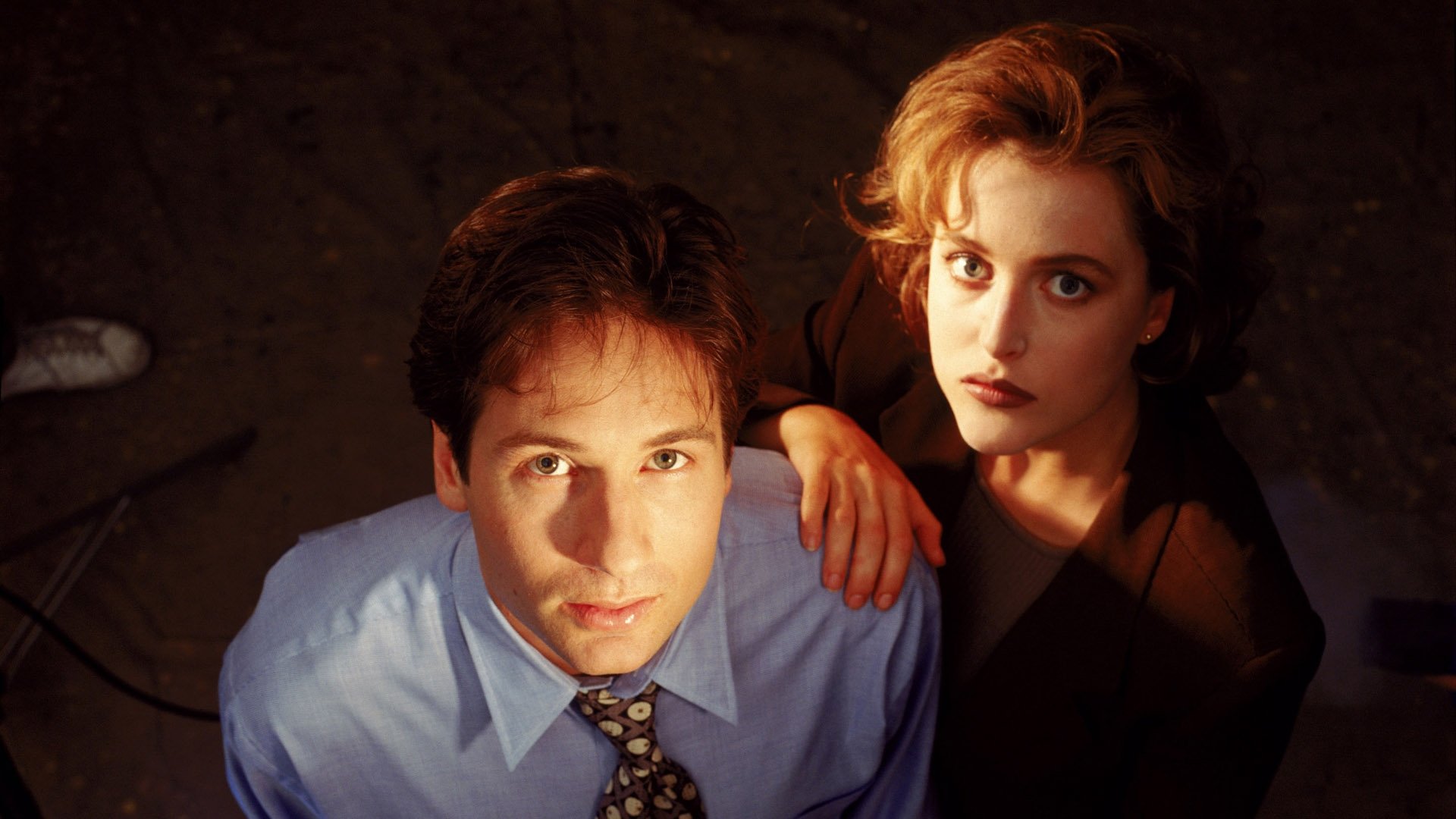
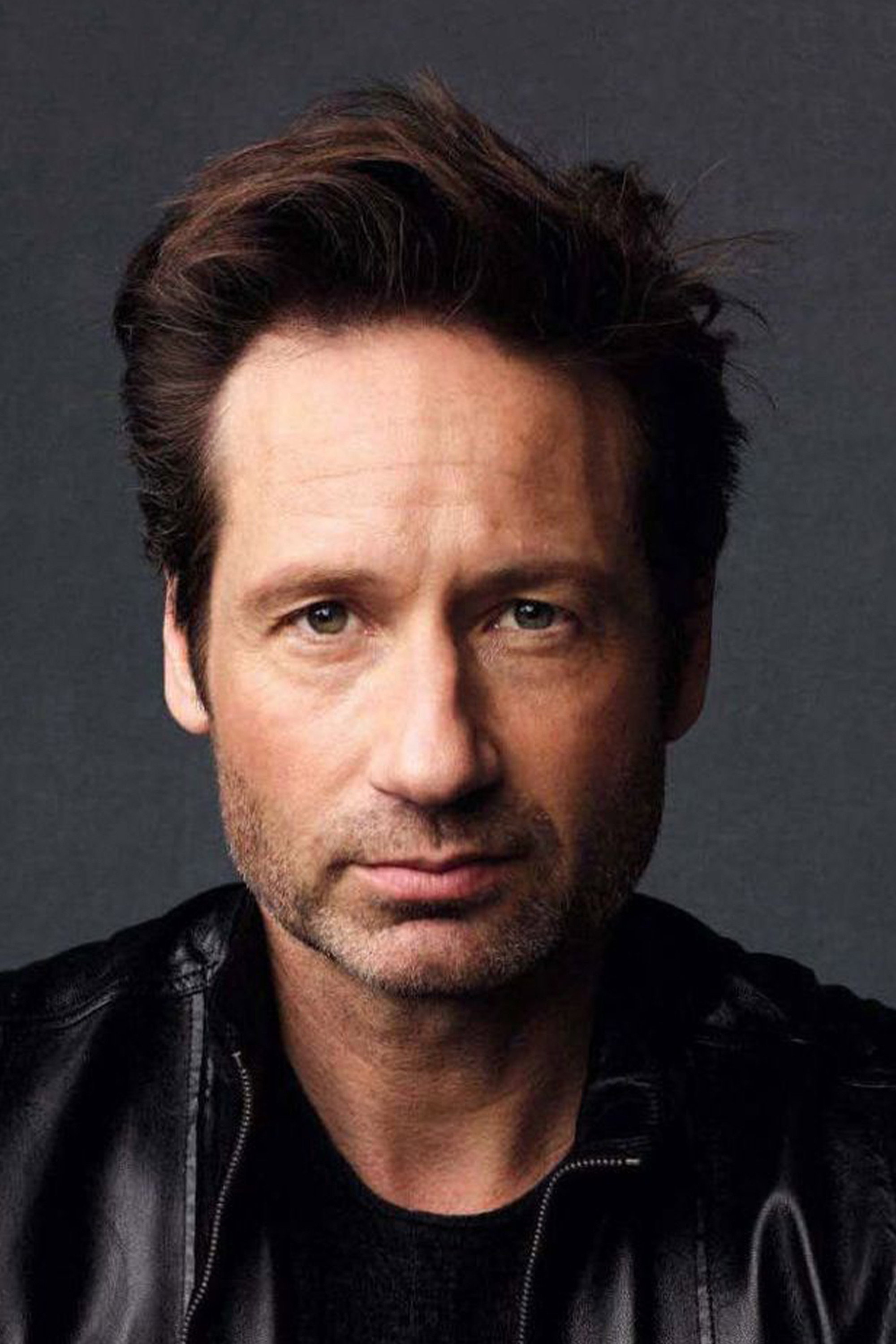
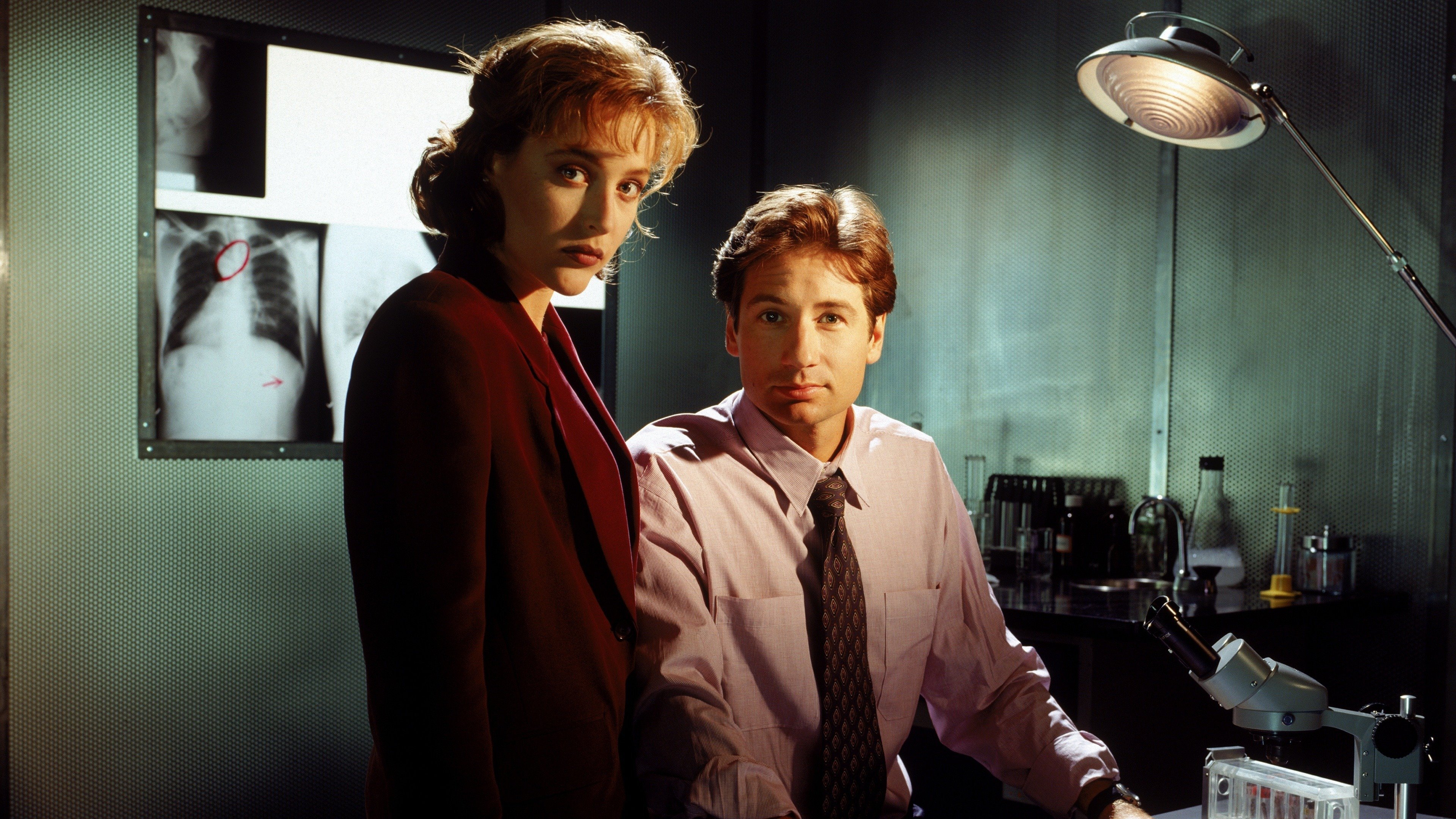
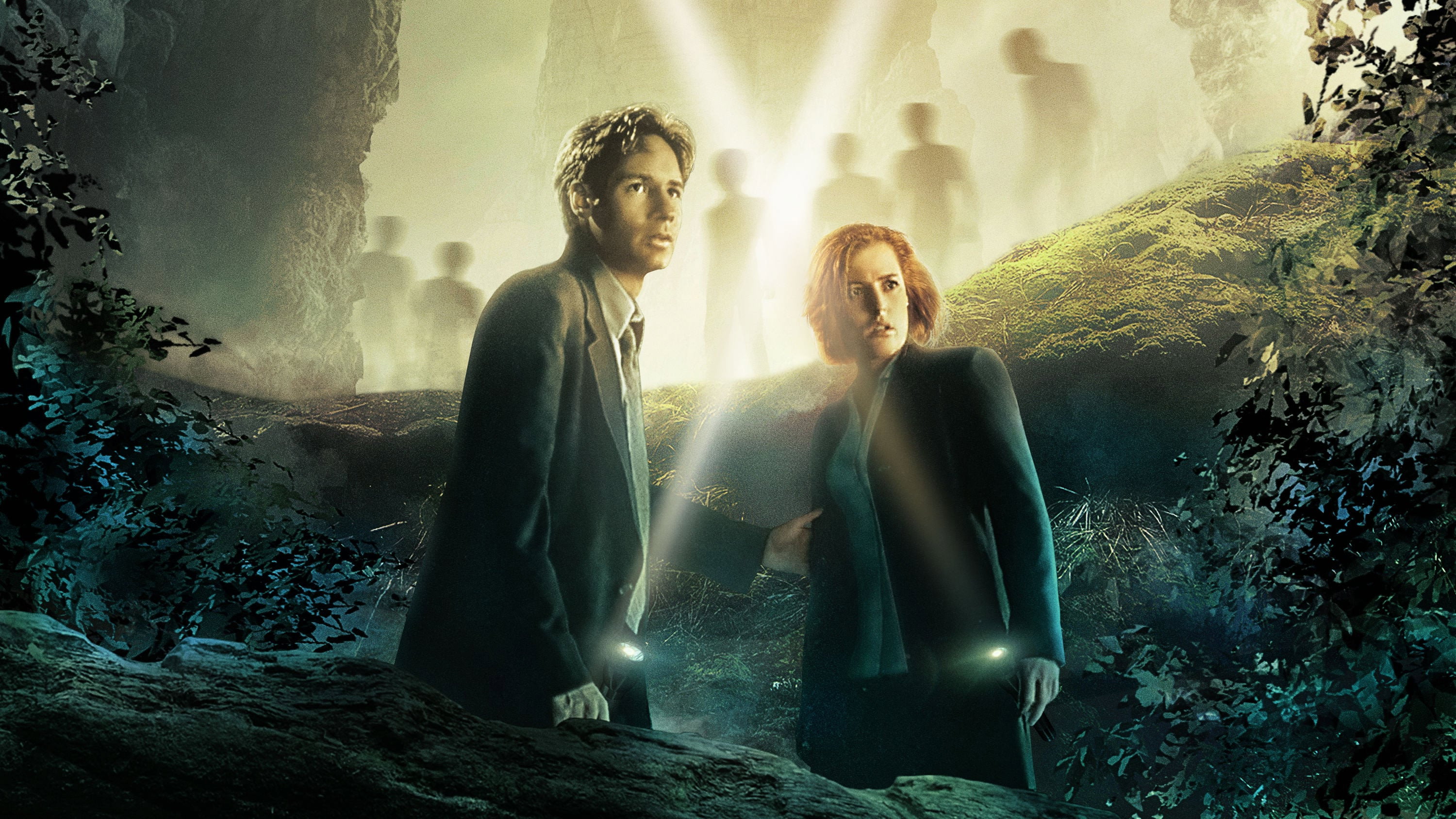
David Duchovny and Gillian Anderson make The X-Files an absorbing companion for a long evening of unexplained events. We recommend it warmly, with a warning that its fondness for secrecy sometimes tries the patience.
The X-Files is a rewarding mystery series with a habit of testing our patience over answers. Its opening takes unexplained occurrences, possible alien activity and the suspicion of a cover-up seriously enough to make an investigation inviting. The questions matter, but there is also pleasure in watching two people work through them together, without requiring each exchange to bring a revelation. David Duchovny plays Fox Mulder; Gillian Anderson plays Dana Scully.
Duchovny makes Mulder’s persistence engaging, with enough ease in the performance to prevent the enquiry from becoming a lecture. Anderson gives Scully’s responses equal importance, so that listening becomes something worth watching rather than the wait before the next speech. Their chemistry depends on attention, and neither performer needs to make a great display of it. We believe that these people find each other interesting, which helps when the details of a case threaten to become laborious.
The pilot establishes this relationship while leaving room for doubt about what is being investigated. We were unsettled by its hints of a cover-up. The possibility that somebody already has an explanation, and is choosing to conceal it, makes the investigators’ uncertainty feel dangerous. Chris Carter’s writing is effective when it keeps that suspicion close to the immediate case, giving the characters something to question without asking them to explain the entire premise to each other.
The cinematography of John S. Bartley and Joel Ransom encourages us to look carefully without making every image feel like a clue we ought to record. It is controlled work, well suited to a programme that needs its unexplained events to remain open to interpretation. Graeme Murray’s production design is convincing without constantly demanding to be noticed. The settings support the investigation instead of continually insisting on their own strangeness.
The editing team, including Jim Gross and Heather MacDougall, gives the questioning enough time to register. A response can matter as much as a discovery, and the pace generally lets us consider both without losing the case. Mark Snow’s music is effective at making uncertainty uncomfortable, though it can press harder than a scene needs. The score sometimes tells us to be alarmed when the exchange between the actors has already done enough.
The larger weakness is the writing’s fondness for keeping something back. Carter can make the possibility of another secret seem important for longer than the actual question deserves, and suspense begins to feel like delay. Repeating the suggestion of concealment does not always give the investigators something fresh to do. With eleven series, this is a programme to approach without a completionist’s sense of duty.
The mixture of crime enquiry and science fiction suits television because a new case can renew our interest without replacing the investigators. Duchovny and Anderson give that continuing relationship enough warmth to make the uncertainty bearable. Those looking for tidy solutions will need more patience than those who enjoy the enquiry. Watch it with someone who likes disputing an explanation, and leave time afterwards for the dispute.