Series review

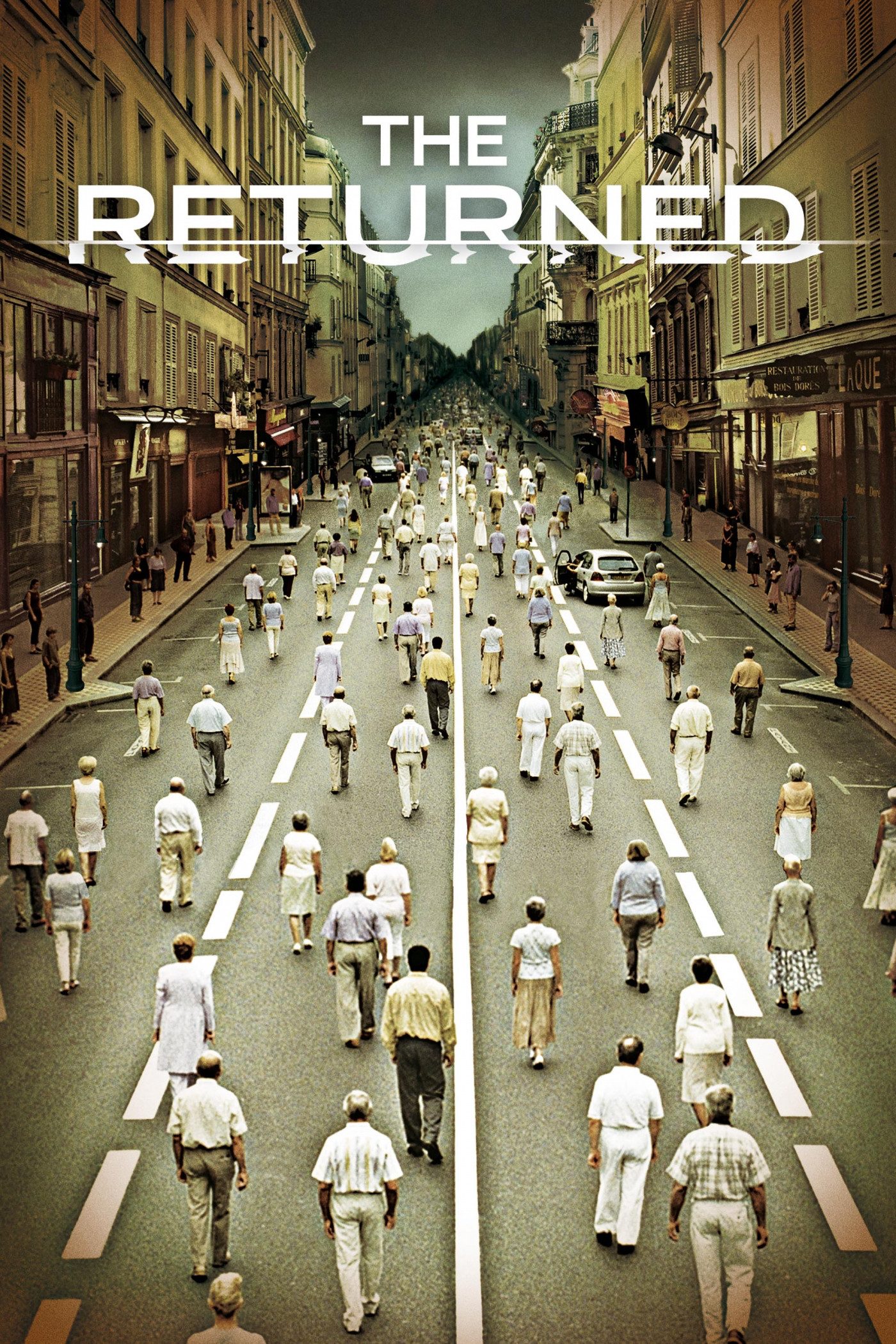
The Returned

2012 · Created by Fabrice Gobert · Series · 55m · MPA TV-MA

In a sentenceDead for years, and the first thing she does is empty the fridge

MysterySci-Fi & FantasyDrama

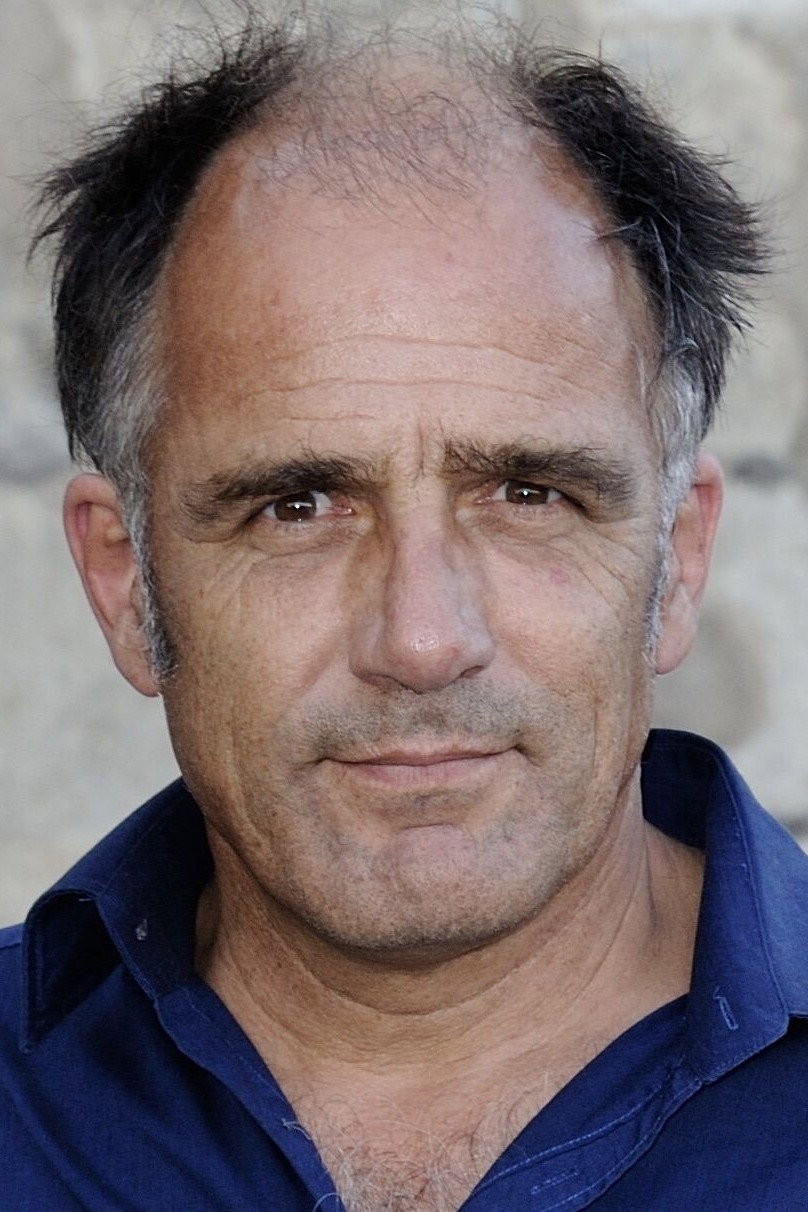
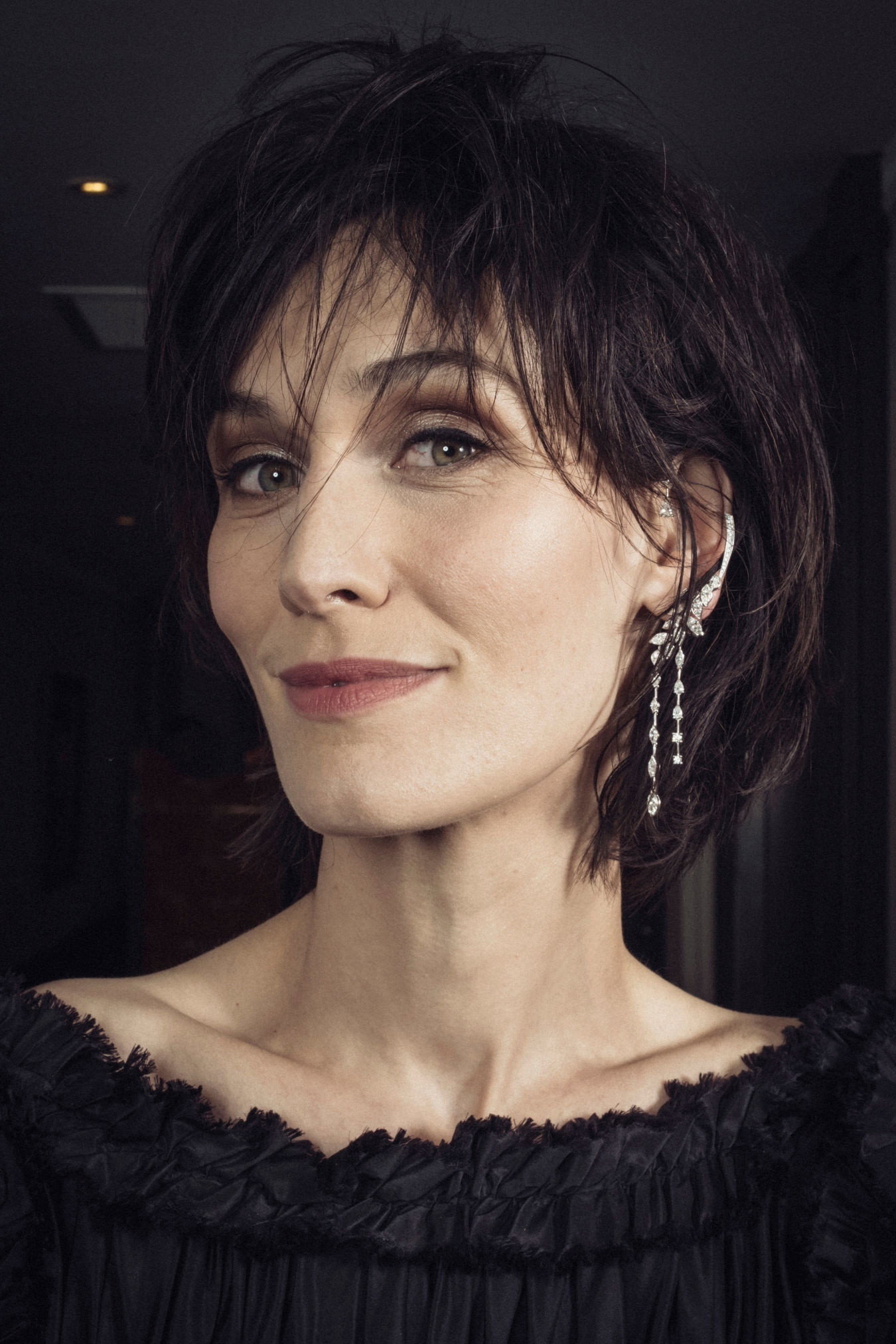
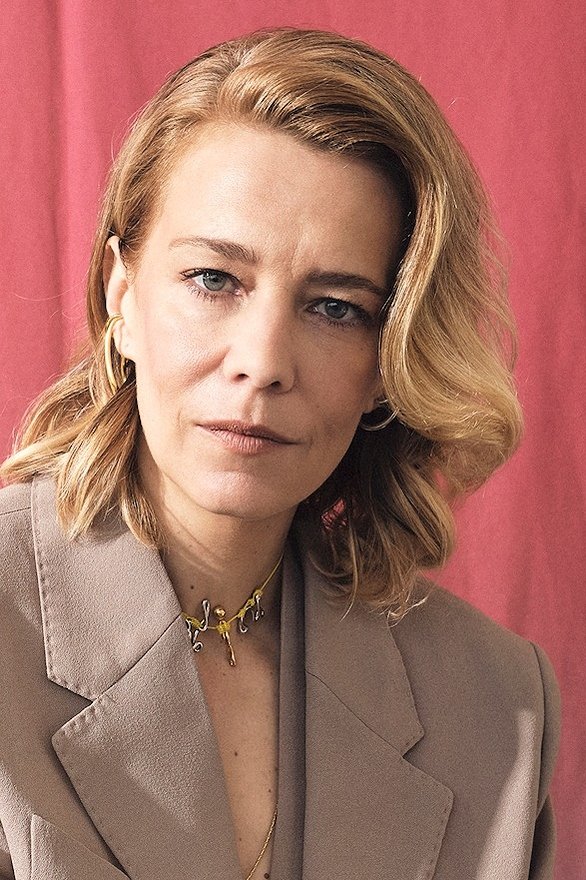
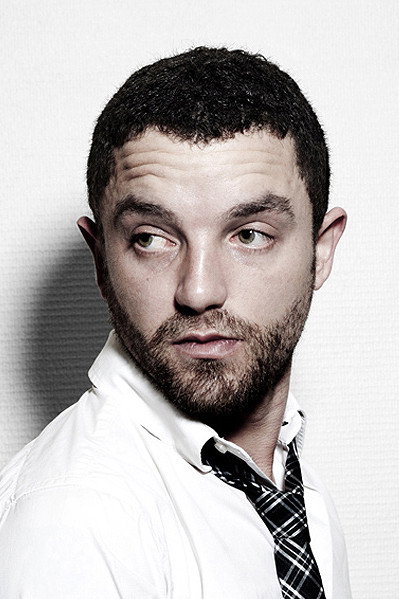
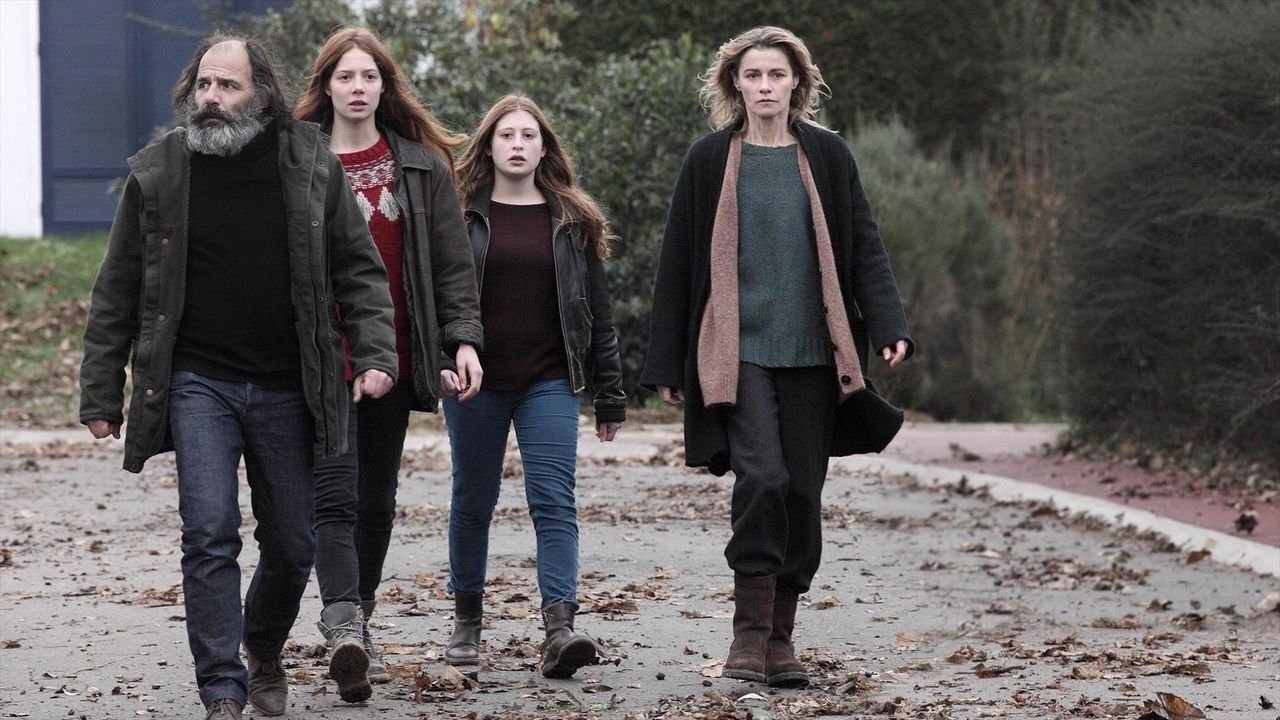
A small French mountain town. The dead begin walking home, with no memory of dying and no sense that any time has passed. Camille (Yara Pilartz), a schoolgirl, lets herself into the family house and heads for the fridge, where her mother Claire (Anne Consigny) finds her. Her father Jérôme (Frédéric Pierrot) has moved out; her sister Lena (Jenna Thiam) does not know how to look at her. Across town, Simon (Pierre Perrier) turns up at the door of Adèle (Clotilde Hesme), who long ago made a life without him. Julie (Céline Sallette), who lives alone behind a bolted door, discovers she is no longer alone. And Serge (Guillaume Gouix) walks into the kitchen of his brother Toni (Grégory Gadebois).

Plays from YouTube when you press play; nothing loads from them until then.

Fi1m review

Fabrice Gobert’s series about the dead walking home to a French mountain town has almost no scares and a great deal of dread. The first eight episodes are as fine as television of this kind gets; the second run, three years later, is not.

The Returned is a series about the dead coming home, and Fabrice Gobert, who created it and directed it, has made the sensible decision to treat that as a family problem rather than a horror one. Nobody shambles. Nobody is bitten. The dead of a small French mountain town walk back in, unaged and hungry, and sit down at the table, and the living have to decide what to do with them. The first season, eight episodes of around 55 minutes, is the best thing of its kind we have seen on television; the second, three years later, is not.

Camille (Yara Pilartz) is the first to return. She died a schoolgirl and comes back one, with no idea any time has passed. Her mother Claire (Anne Consigny) has kept the bedroom as it was; her father Jérôme (Frédéric Pierrot) has left; her sister Lena (Jenna Thiam) has grown into someone Camille does not recognise. The scene that got us is a plain one. Camille stands at the open fridge eating cold food, and Claire watches her from the doorway, unable to move. We were frightened, and then we realised the fright was Claire’s and it was mostly joy, and that was worse. Consigny plays the whole run on that line, a woman who has been given exactly what she prayed for and knows enough to be afraid of it.

The town looks like a place that has already lost most of its people. The light is blue-grey at all hours and the streets are half-empty. Gobert shoots the estate, the bar and the hospital from a slight distance, so that the returned look ordinary and the ordinary looks strange. Mogwai’s score does a great deal of the work. It is mostly guitar and organ played slowly, with a pulse underneath that keeps starting and stopping, and it sits so low in the mix that you are often unaware it has been running until it lifts.

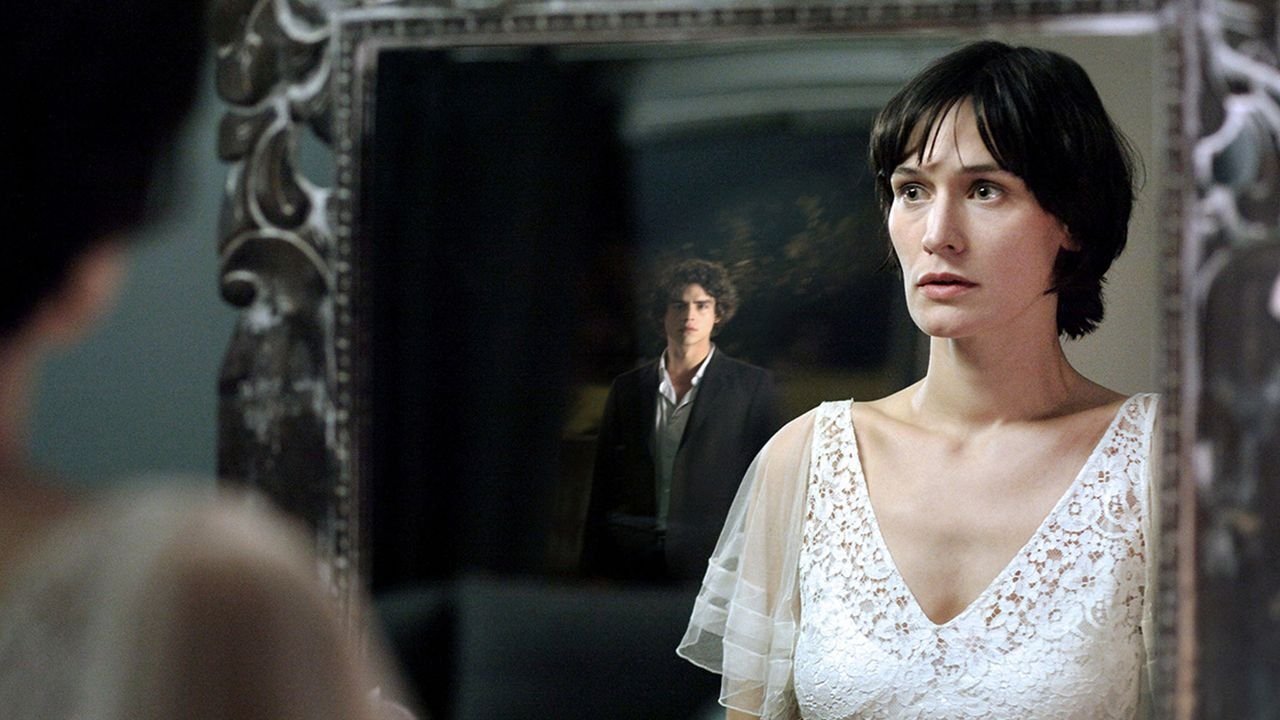
The other strands are handled with the same patience. Simon (Pierre Perrier) knocks on the door of Adèle (Clotilde Hesme), who long ago made a life without him, one that now includes Thomas (Samir Guesmi); Hesme plays a woman watching years of recovery come undone. Julie (Céline Sallette), who lives alone with her door bolted, finds she is no longer alone, and Sallette makes her kindness look like a risk. Then Serge (Guillaume Gouix) walks into the kitchen of his brother Toni (Grégory Gadebois), and Toni’s face tells us this is a different kind of homecoming. Fabien Adda’s scripts let these stories run in parallel for episodes before they touch, and the touching is done with a look or a photograph rather than a speech.

Not all of it holds. Pierre (Jean-François Sivadier), who takes a religious interest in the returned, is the one character who seems to have arrived from a more talkative programme. Laure (Alix Poisson) is asked to carry more plot than the writing gives her. And the series is better at asking its question than answering it; by the sixth episode the mysteries have piled up and we suspected nobody knew quite where this was going. The last episode of the first run is a good ending that is also plainly a pause. Season 2, in 2015, tries to explain, and explanation is not what this material wants. It is watchable, but the dread thins into procedure.

Gobert took the idea from Robin Campillo’s 2004 film of the same name, which treated the returned as a civic matter. The series narrows it to a handful of families and is the better for it. Set against the zombie television of the same years, all sprinting and shooting, it is almost defiantly quiet. The dead here want dinner and their old bedrooms, and the horror is that they can have them.

Watch the first season over a few nights rather than one; it rewards a sleep between episodes. Watch it with subtitles rather than dubbed; the performances are in the pauses. And treat the second season as a separate, lesser thing, and stop when you find yourself wanting a diagram.
Critical consensus AI synthesised

88
Positive
6
Mixed
0
Negative
0

The reviews are unanimous in their approval, and unusually so for a subtitled genre series. Most critics treat it less as a zombie story than as a drama about grief: the dead come back to a small French village with no memory of dying, and the horror lies in what their return does to the living. The praise clusters around mood and restraint. Gobert’s direction, the long silences, the imagery and Mogwai’s score are named again and again, and the natural performances are credited with keeping the strangeness credible.

There is almost nowhere for the critics to part. The spread runs from good to exceptional and nobody is lukewarm. The one hesitation concerns plotting: Variety finds some of the subplots gratuitous, though it still calls the series hypnotic. A couple of the British reviews also present it as a natural successor to the Scandinavian imports audiences here have taken to, which says something about how it is being pitched.

The AV Club
30 October 2013 · A · Emily St. James
95

The series succeeds tremendously as a horror metaphor for grief and loss, centering on returned corpses who retain no memory of death and the emotional upheaval they cause in a small village. It excels through mood, silence, haunting imagery, Mogwai's score, and a deep focus on motherhood and emotional bonds rather than plot-driven scares.

Read the full review →
The Guardian
10 June 2013
90*

The critic praises the French series as beautiful, naturally performed, artfully directed, understated and cool, noting it is not average zombie fare but a distinctive, bleak subtitled drama that could fill the gap left by quality Scandi imports.

Read the full review →
The Hollywood Reporter
28 October 2013 · Tim Goodman
90*

The review lauds the mesmerizing and creepy French series as an existential meditation on life and death, calling it one of the most intriguing and original offerings, with strong writing, casting, and unsettling atmosphere.

Read the full review →
Vulture
31 October 2013
85*

The French import is uncannily beautiful and dreamy, taking a unique, non-scary approach to the supernatural by exploring the Freudian uncanny through deceased residents returning unchanged to a changed world. It poignantly addresses grief, magical thinking, and the disorienting blend of joy and terror in an aesthetically and thematically rich way.

Read the full review →
Variety
25 October 2013 · Brian Lowry
80*

The critic praises the French series as a brainy, hypnotic drama about grief and loss rather than traditional zombies, highlighting its atmospheric storytelling and originality, while noting some subplots feel gratuitous.

Read the full review →
Den of Geek
5 June 2013 · Louisa Mellor
90*

The stylish, atmospheric eight-part French series poses a compelling supernatural question about loved ones returning from the dead and richly deserves attention for its emotional drama, mystery, and fantasy elements. Gobert's sublime direction, visual style blending Lynch and others, sparse dialogue, and Mogwai score create something very special that rewards viewers.

Read the full review →

Cast

If you liked this, try…

Les Revenants poster

Les Revenants

2004 · Robin Campillo’s original film: the dead return and the council holds meetings about it.

The Leftovers poster

The Leftovers

2014 · Two per cent of the world vanishes; the rest have to keep going to work.

Twin Peaks poster

Twin Peaks

1990 · A small town, a dead girl, and everybody behaving slightly wrong; the obvious ancestor.

Dark poster74

Dark

2017 · German town, missing children, a lot of rain; slower and stranger than it first looks.

The Kingdom poster

The Kingdom

1994 · Lars von Trier’s haunted hospital, funnier than this and every bit as damp.