Christopher Nolan’s Batman finale earns its long evening through strong performances and forceful action. There are too many characters and explanations, but Bale, Caine and Hathaway keep giving us reasons to care.
Christopher Nolan’s The Dark Knight Rises is a good Batman film made cumbersome by an excess of characters and explanations. It sets out to close a trilogy while making room for a cityful of people whose troubles matter even when Batman is absent. That is a worthwhile ambition for a superhero film, and Nolan gives the ordinary faces enough attention to suggest he means it. At 165 minutes, though, the film has time for considerably more plot than it can make interesting.
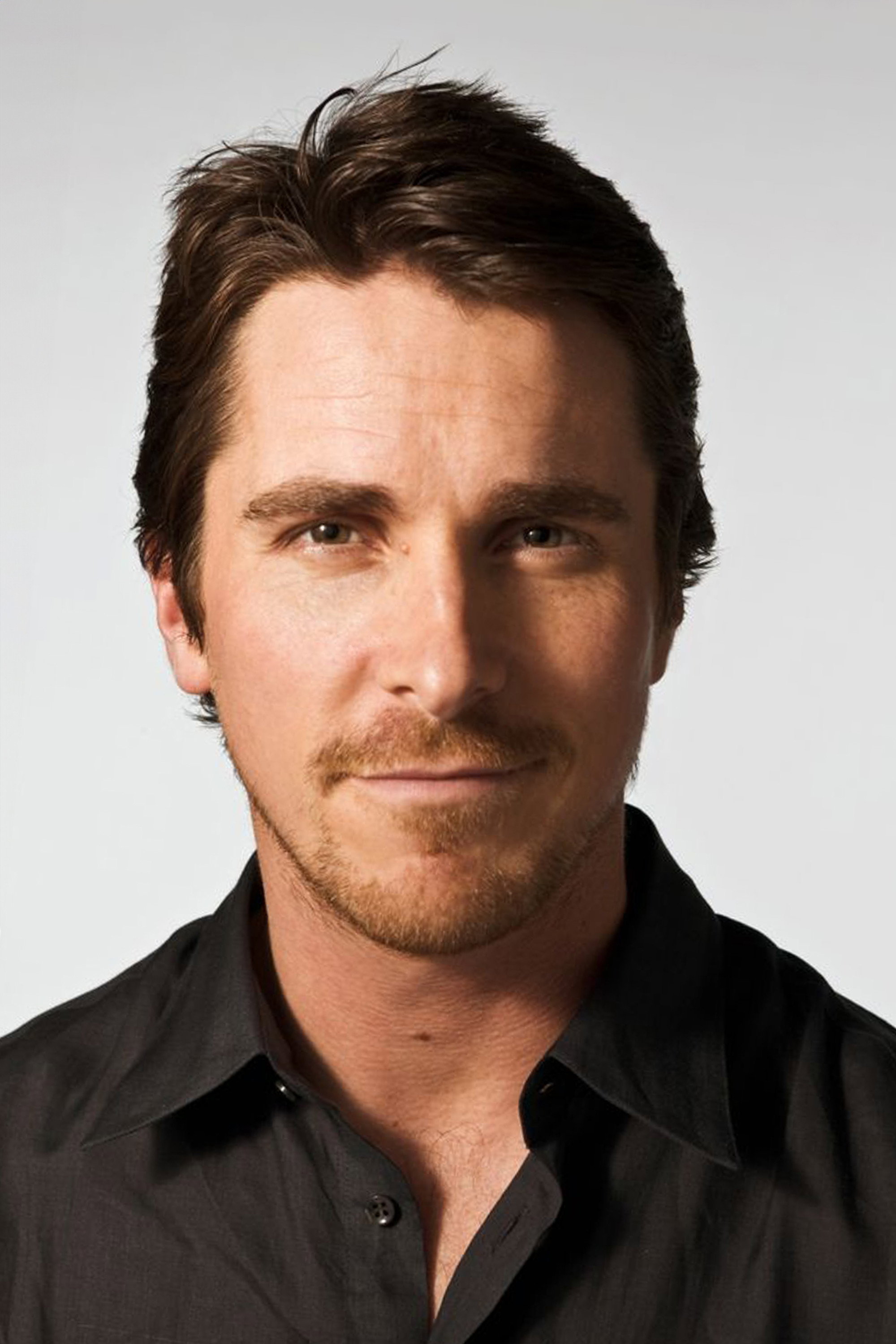
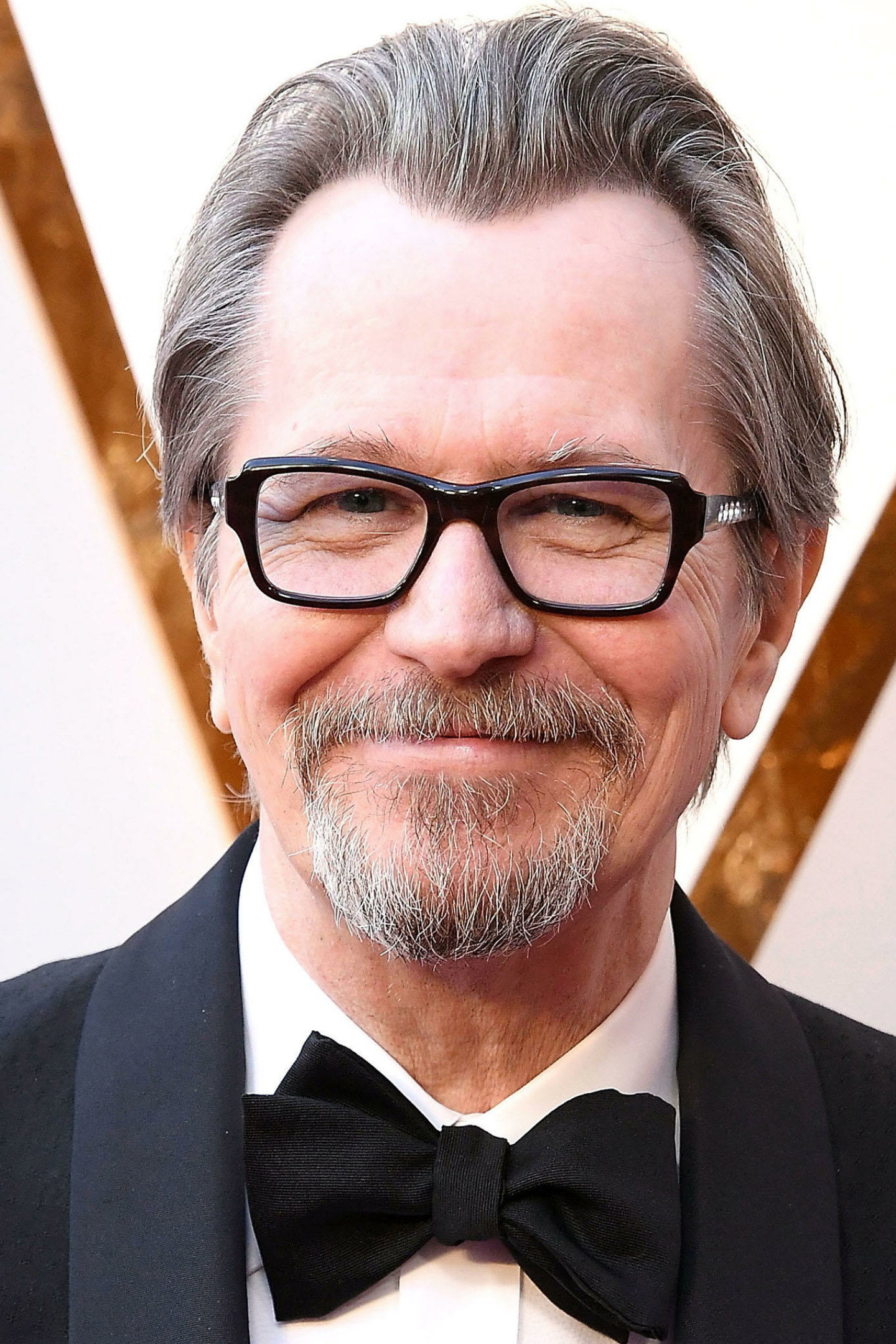
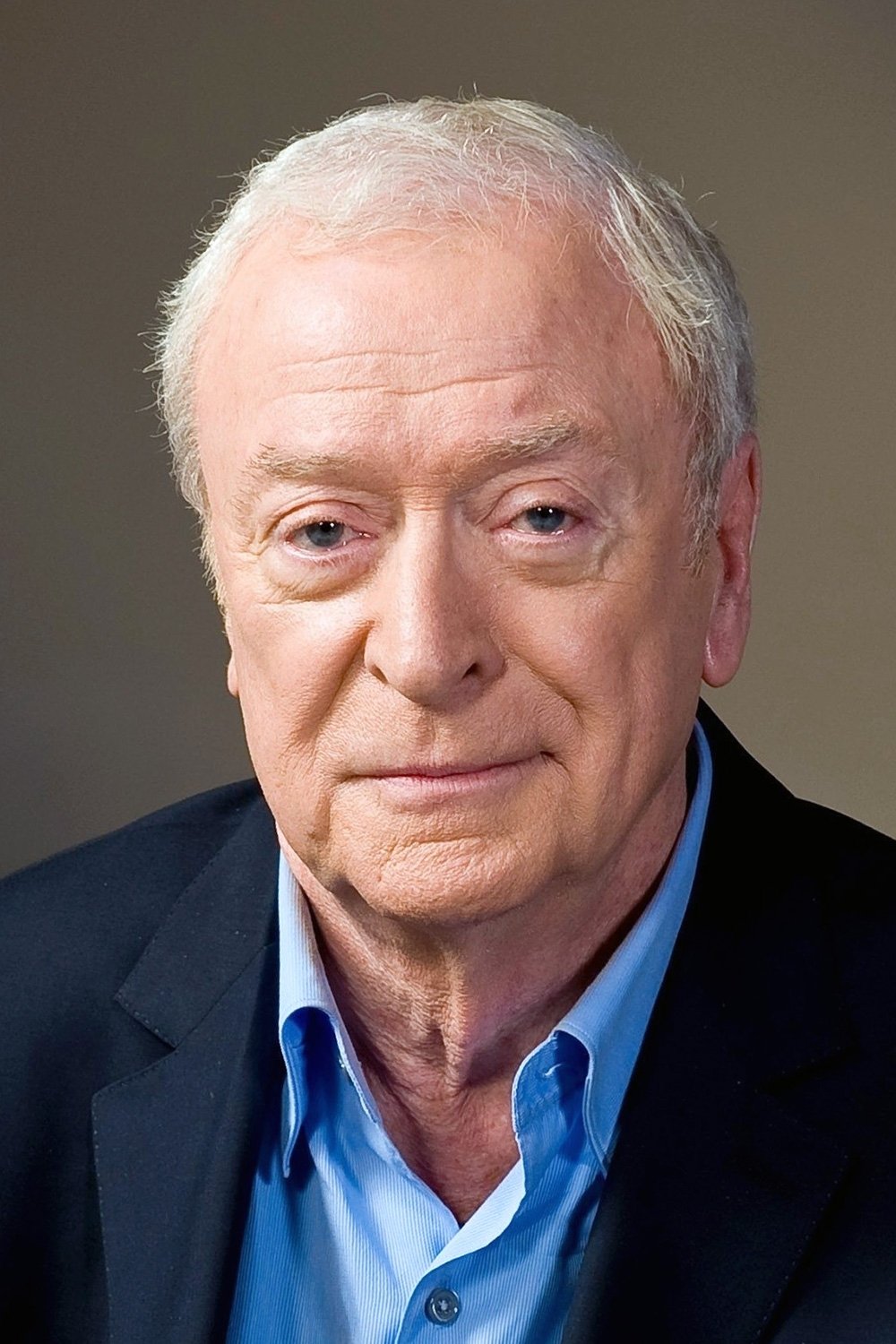
Christian Bale plays Bruce Wayne as a man for whom carrying on has become a physical effort. There is weariness in the performance, and it gives the solemn dialogue more weight than the writing always earns. Michael Caine’s Alfred makes the personal cost harder to ignore. We were moved by his concern for Bruce: Caine makes it feel like the fear of someone who has run out of ways to help. Their scenes give us a reason to care beyond the scale of the threat.
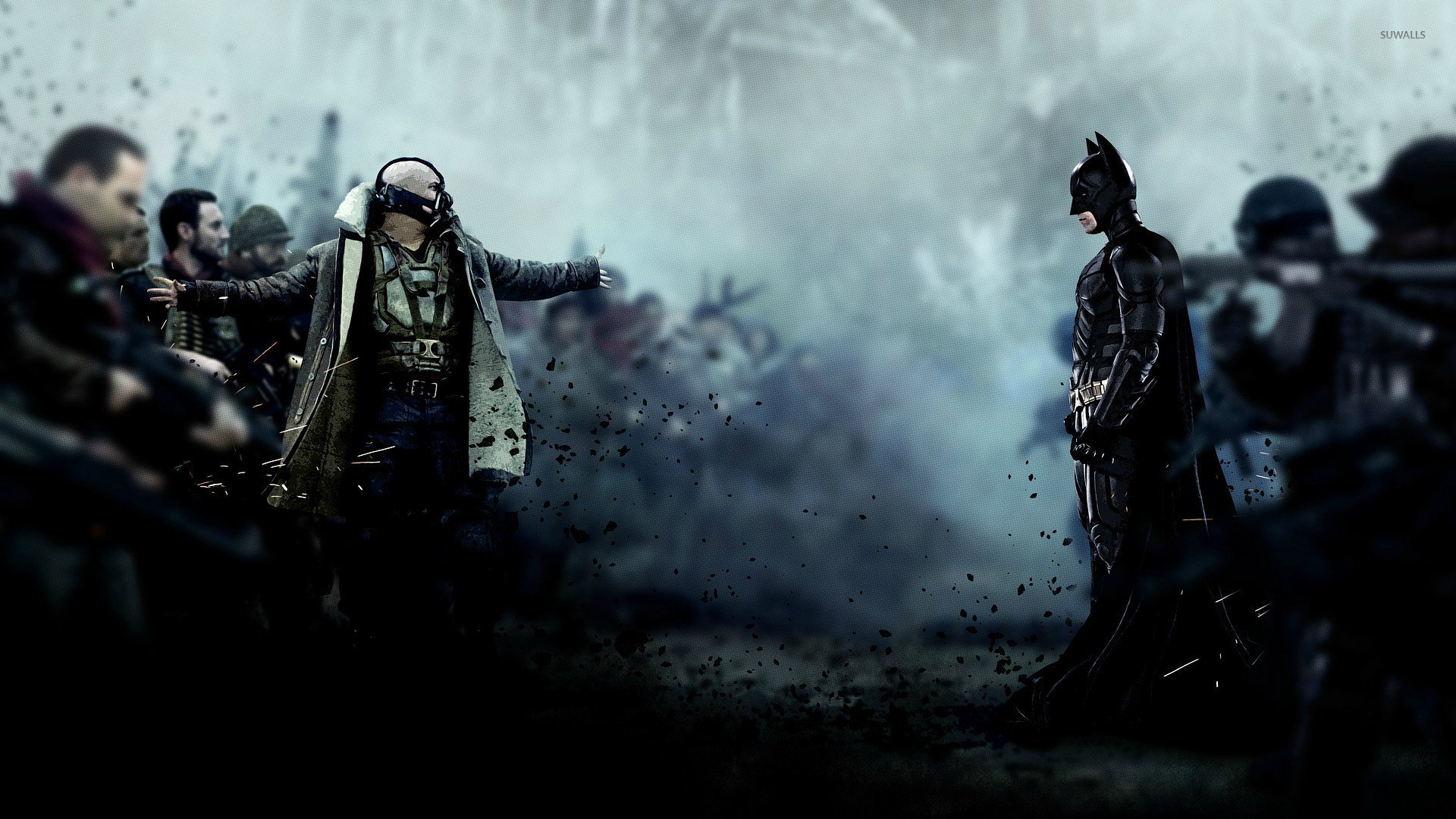
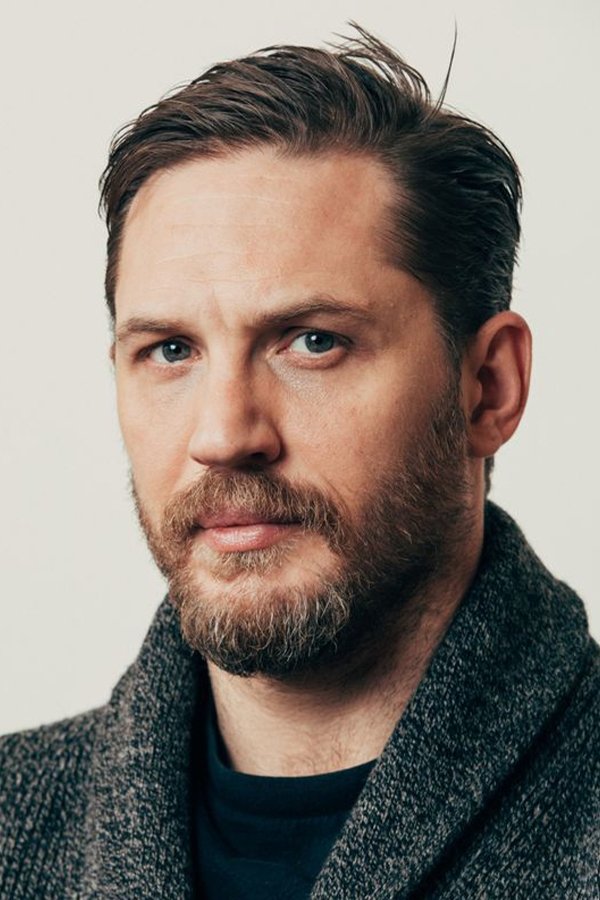
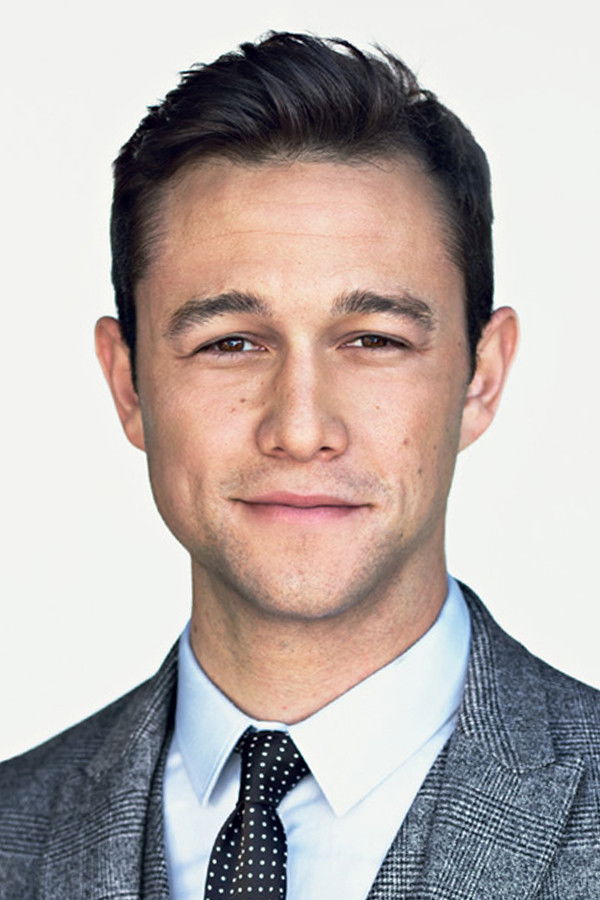
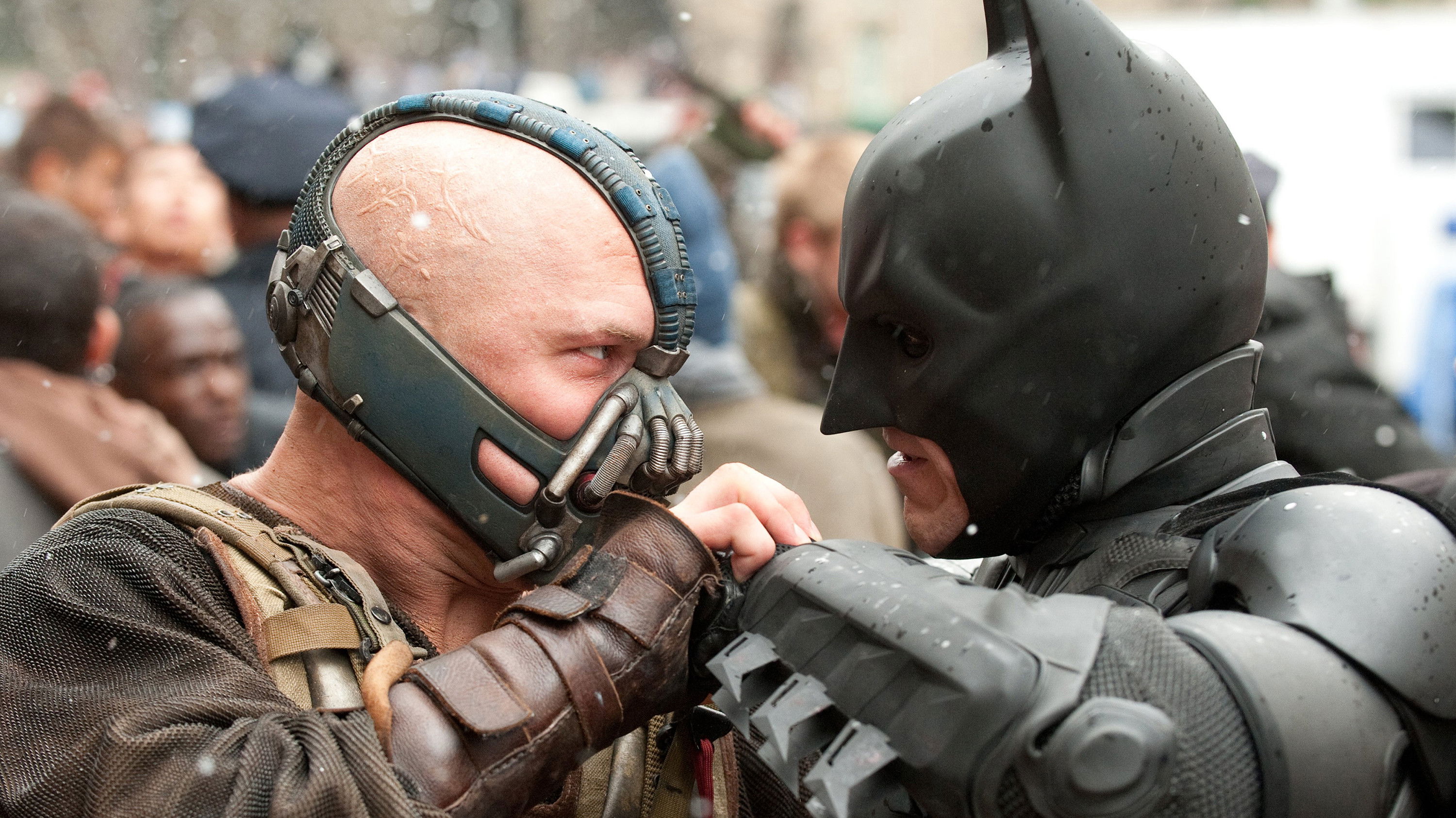
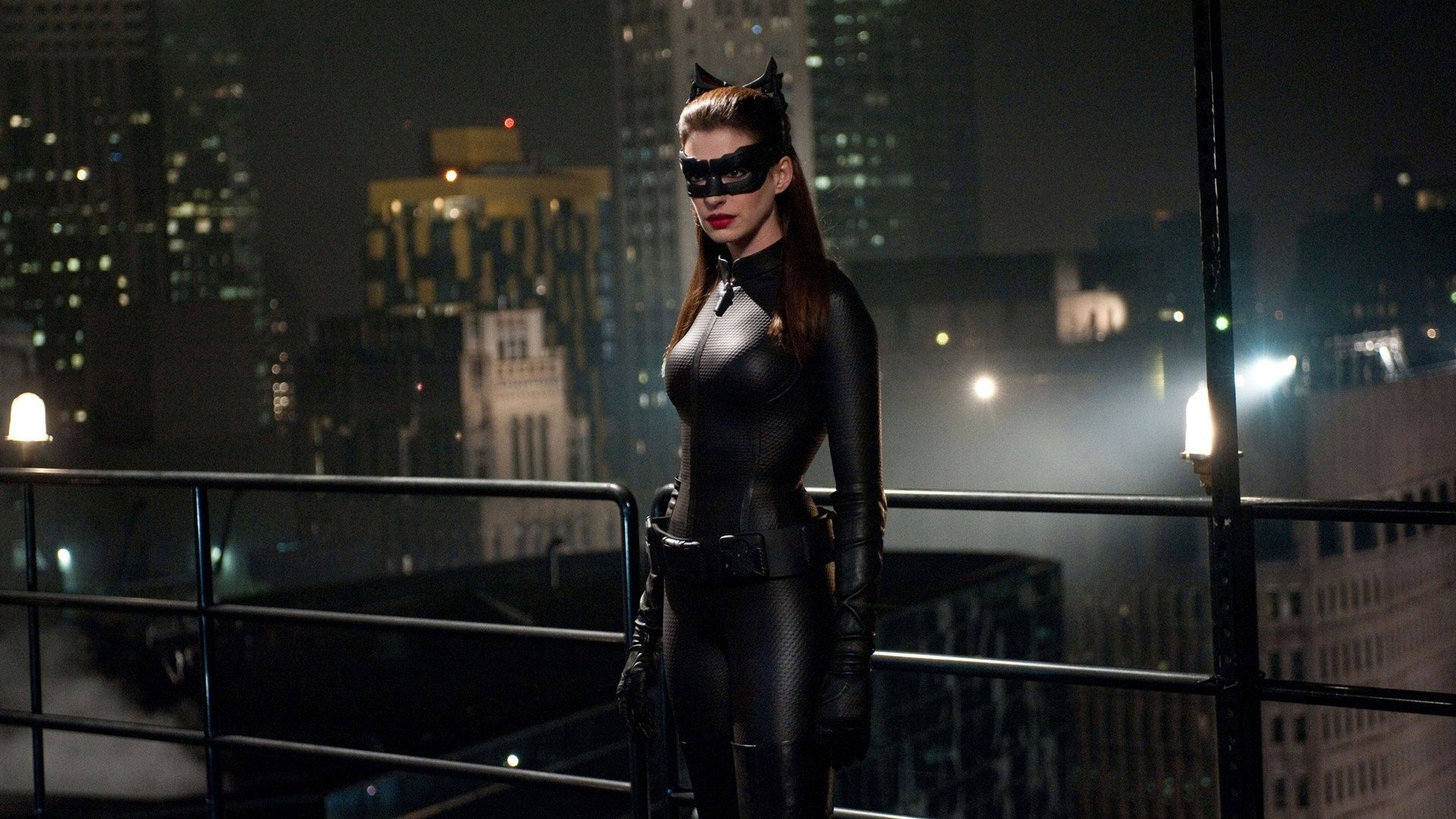
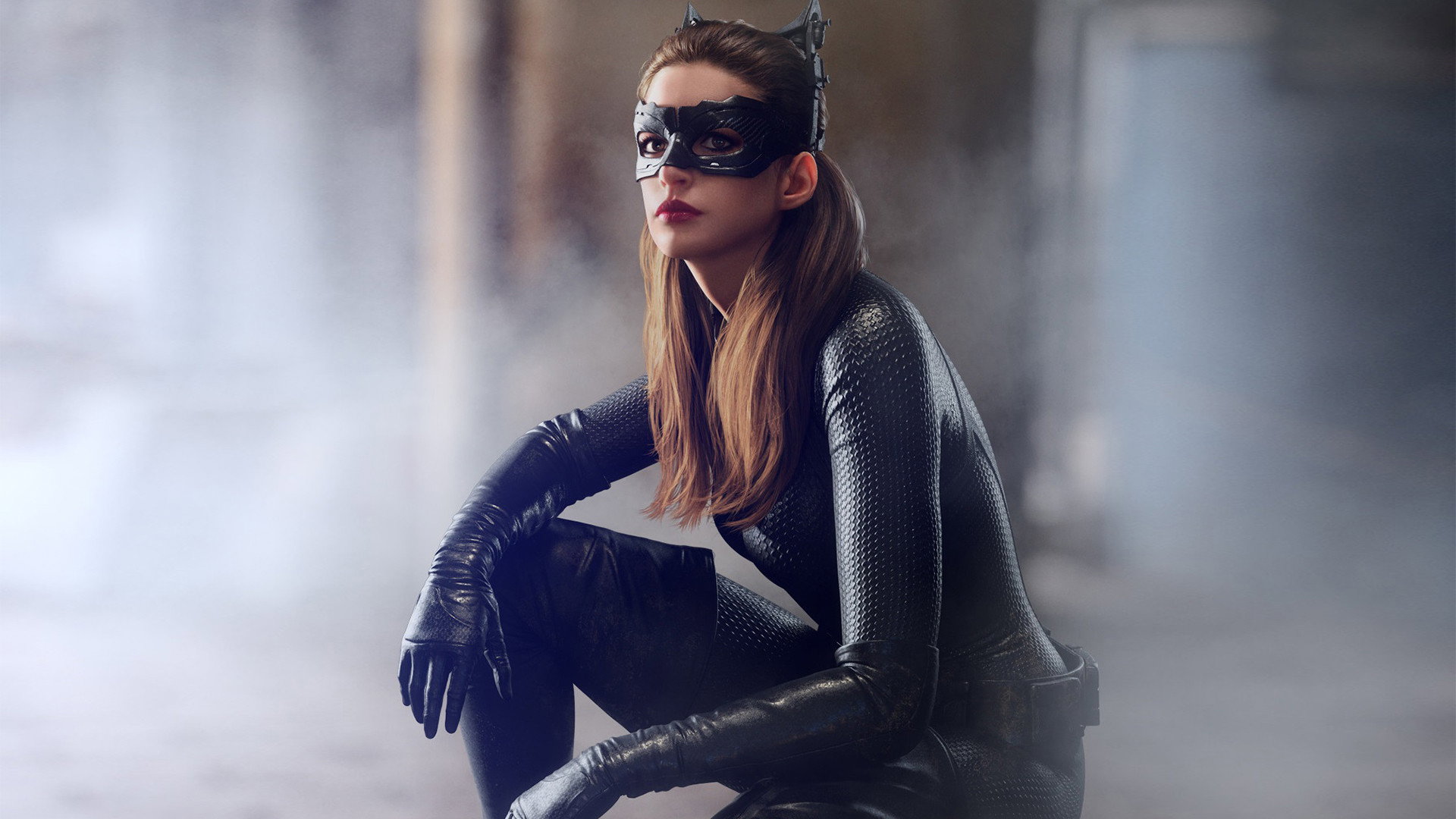
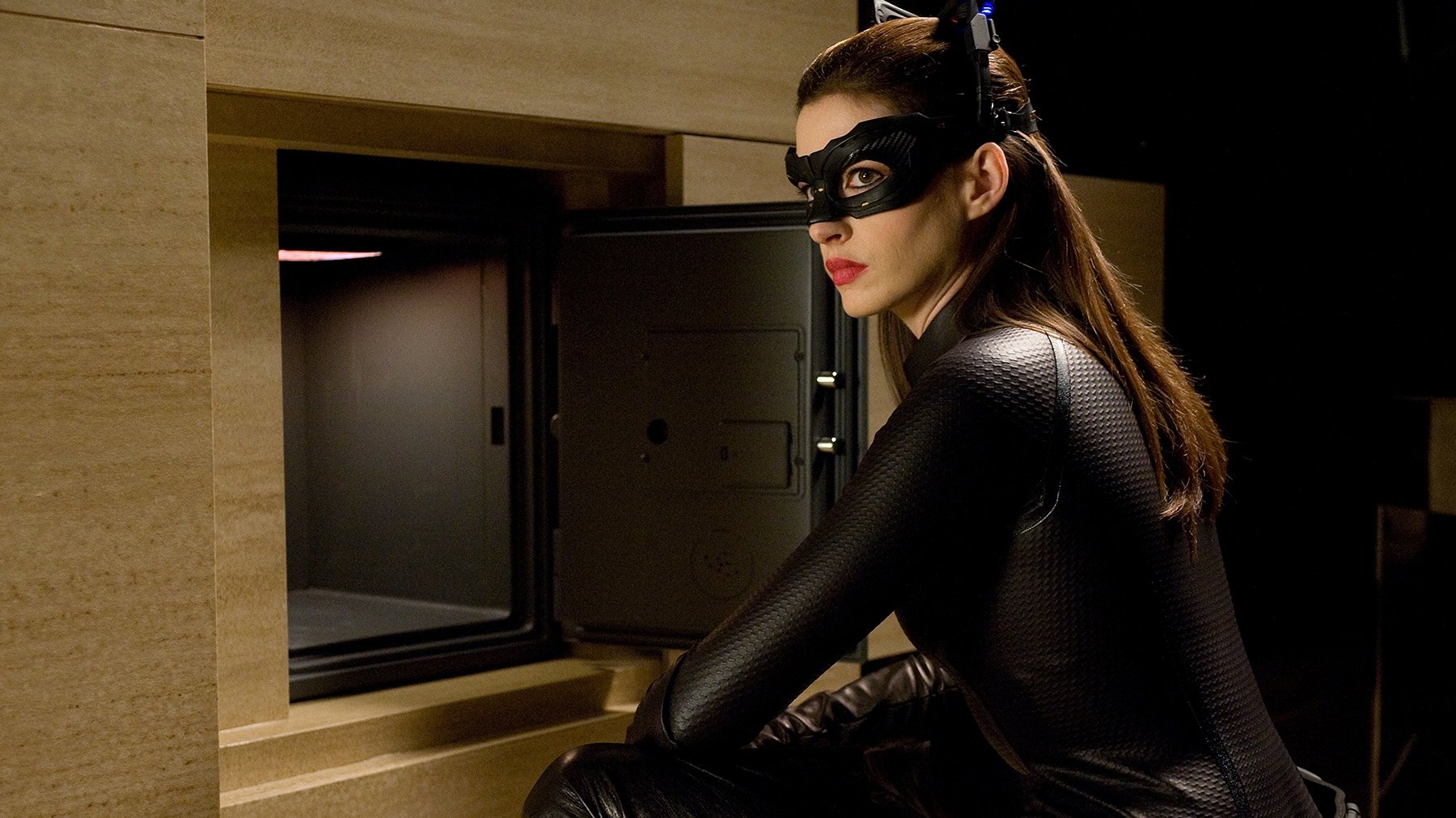
Anne Hathaway’s Selina is equally necessary, although for rather different reasons. Her wit and watchfulness suggest someone who can assess a dangerous situation without delivering a speech about it, and the film badly needs that change of pace. Joseph Gordon-Levitt gives Blake enough conviction to hold our attention when the story moves away from Bruce. Tom Hardy supplies Bane with physical menace, but his indistinct voice makes some of the dialogue unnecessarily hard to follow. The performance is imposing; the exchanges with Batman offer little of the pleasure of seeing two people test each other’s intelligence.
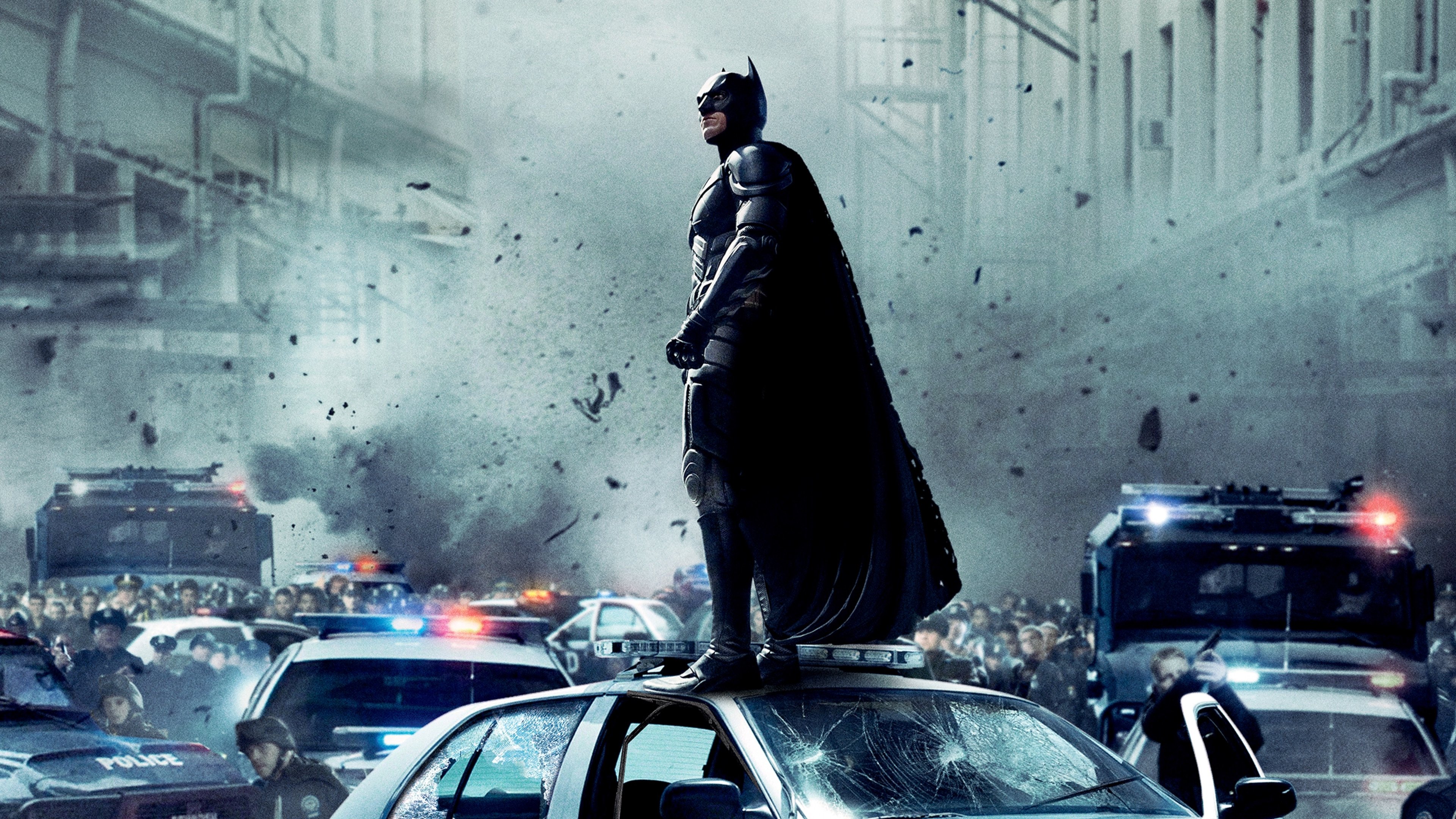
Wally Pfister’s cinematography gives the huge cityscapes weight, with crowds that make Gotham feel occupied rather than merely available for destruction. Production designers Nathan Crowley and Kevin Kavanaugh provide enough detail to make this a city we can believe people work in. The physical effects give the action a force that suits Bale’s worn-down hero. The action is most involving when we can see how exposed the people are within those spaces.
Lee Smith’s editing has a less grateful job, keeping all the competing storylines in motion without making their relationship consistently clear. Christopher and Jonathan Nolan’s screenplay keeps adding people and explanations, and the shifts between them repeatedly interrupt scenes we would rather stay with. Hans Zimmer’s pounding percussion provides momentum, but its insistence becomes tiring when the dialogue is already working so hard to announce the stakes. We do not need every conversation to arrive with the pressure of an emergency.
The film’s politics are also hazy. Nolan raises questions about power, public order and collective responsibility, then gives them less attention than the details of the plot. The movement away from a lone rescuer towards the wider city is welcome, but some supporting characters get enough screen time to slow the story without becoming people we care about. Against the superhero genre’s habit of treating everyone outside the costume as background, the attention is valuable. The overcrowding remains a problem.
This is not the place to come looking for a brisk, self-contained adventure. Nolan asks us to care about a whole city and a hero whose exhaustion is part of the attraction, and that will be easier if his Batman already matters to us. Give it the evening, but expect to spend some of that evening waiting for Selina to come back.