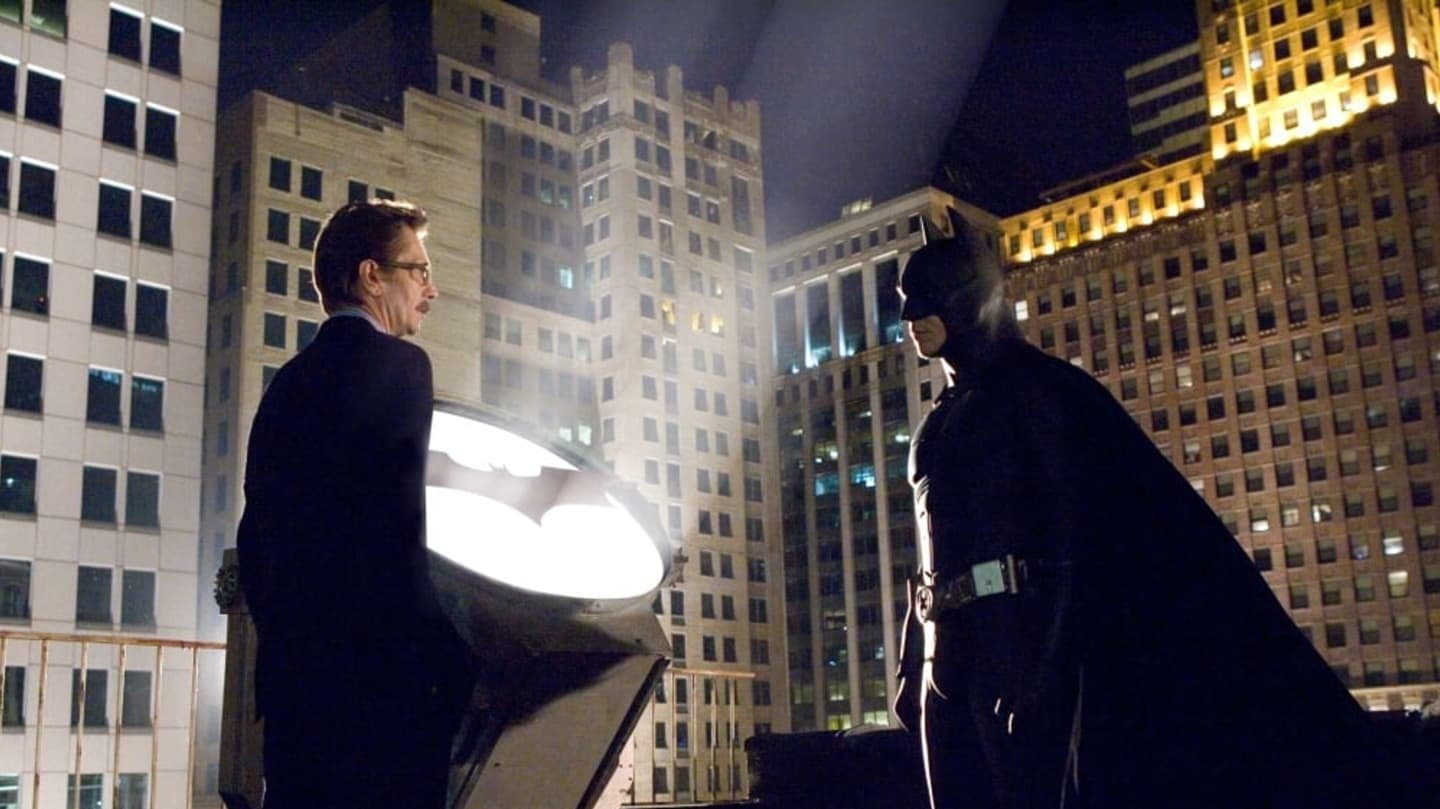
Christopher Nolan gives Bruce Wayne enough weight to make Batman convincing, with Christian Bale supplying the anger and restraint. The fights can be difficult to follow and the running time is generous, but this is a superhero film worth taking seriously.
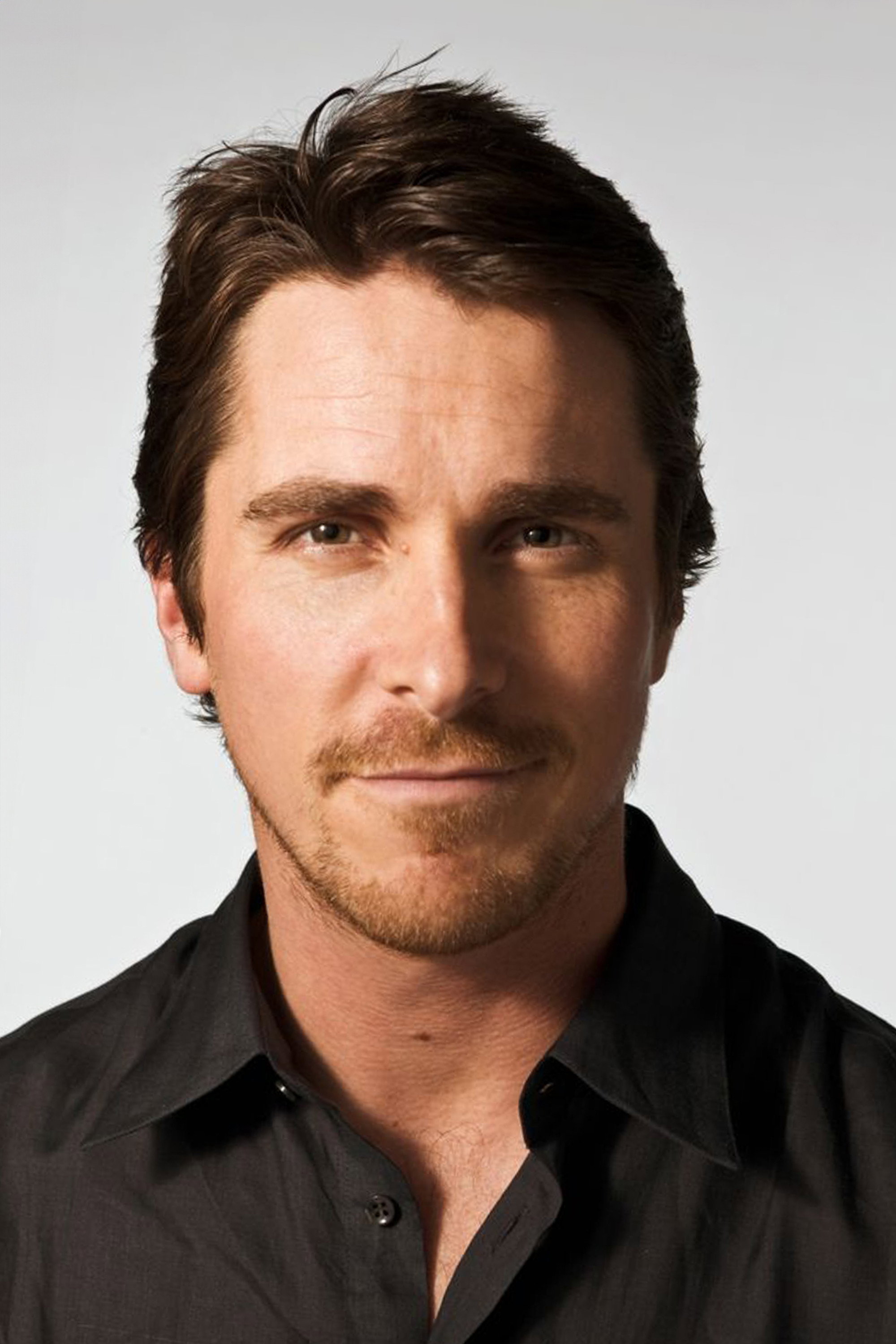
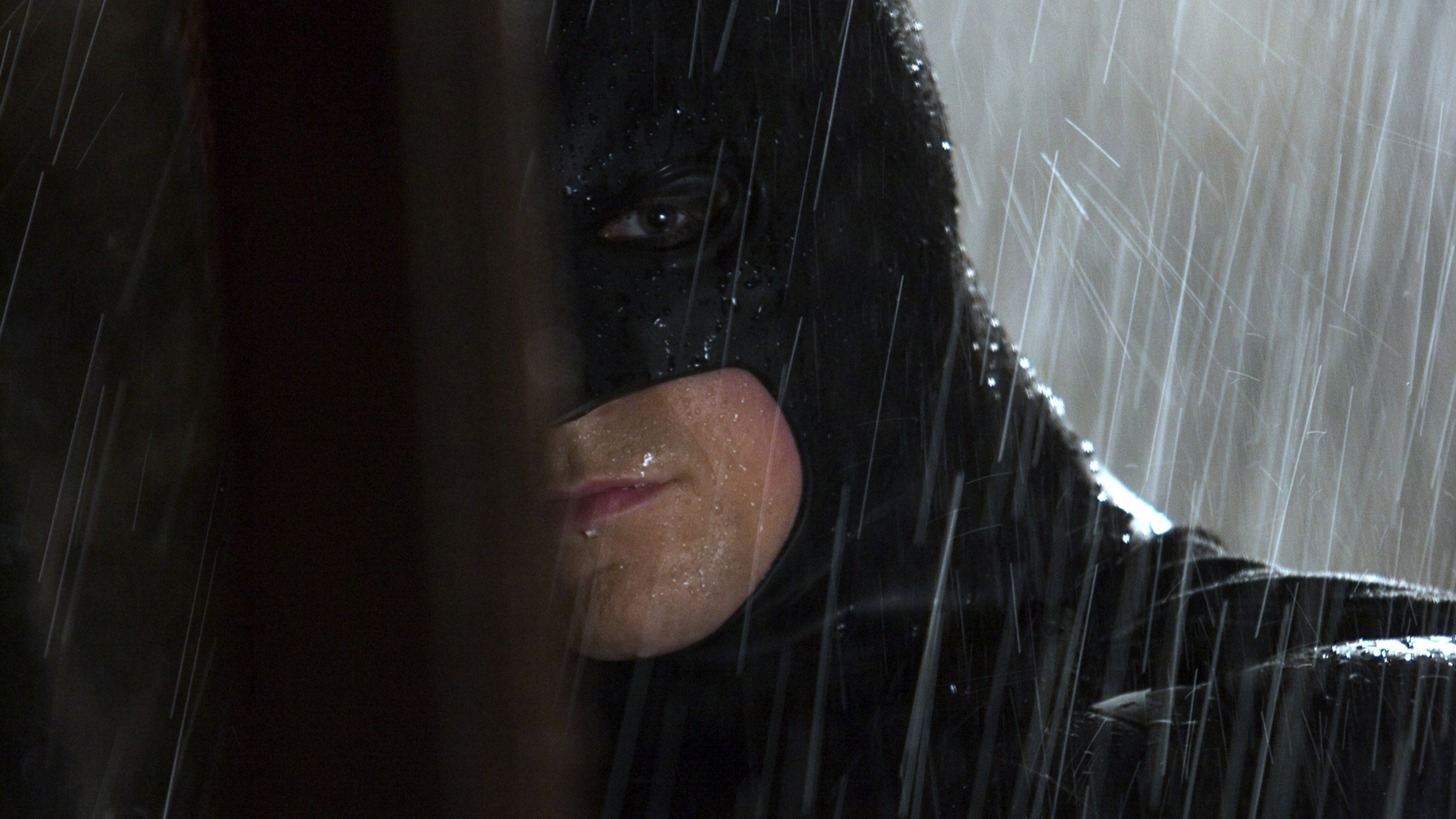
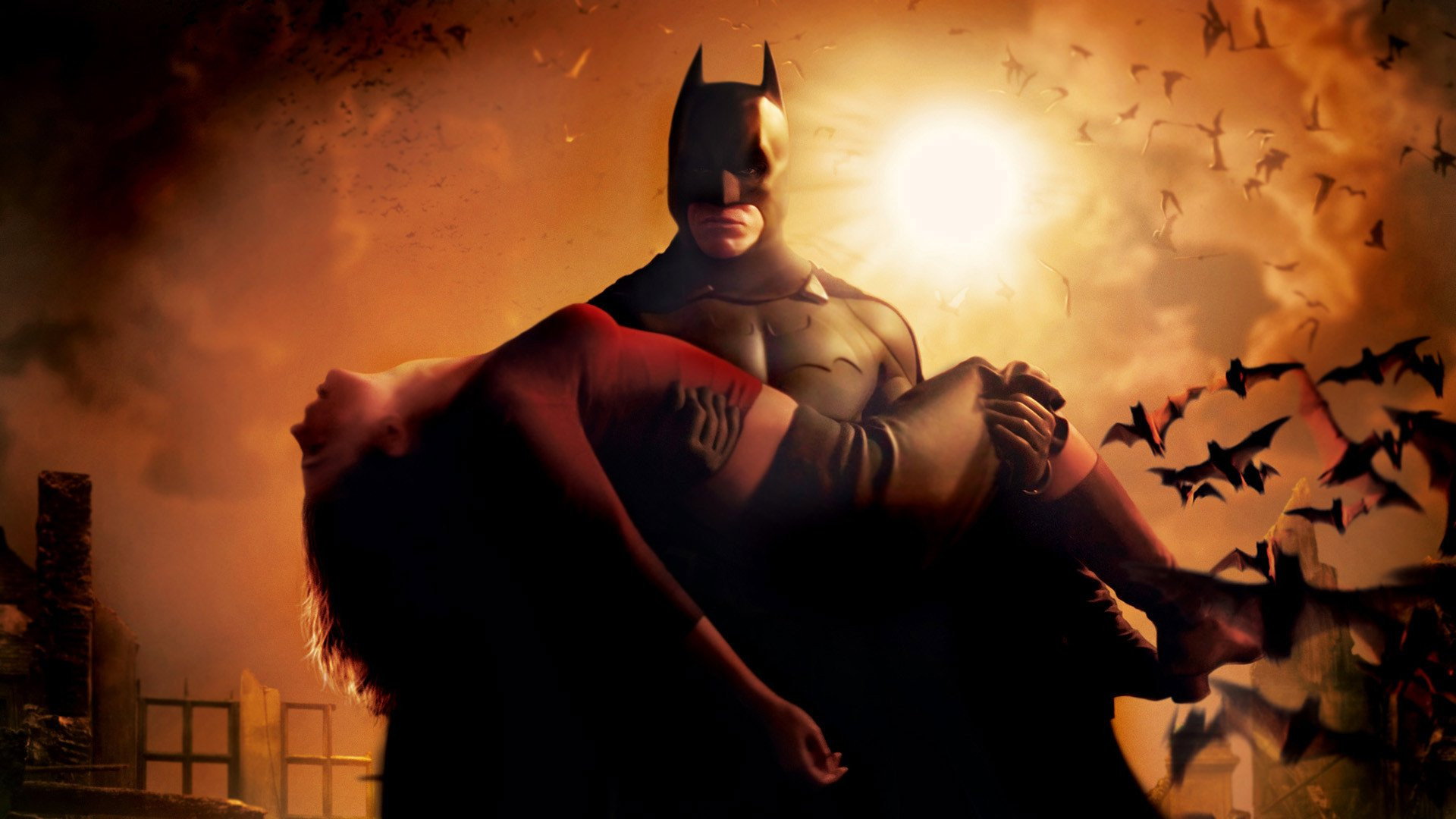
Christopher Nolan’s Batman Begins is a persuasive superhero origin story, and we recommend it with one substantial caveat: the fighting is sometimes harder to follow than the psychology. Nolan takes Bruce Wayne seriously enough to spend time making Batman seem like a plausible choice. The martial arts preparation and practical technology help, but neither would matter without a convincing man using them. Christian Bale supplies that man, giving Bruce enough suppressed anger to make the disguise feel necessary.
Bale’s inward performance is the film’s strongest reason to stay interested through its lengthy preparation. We can sense the effort Bruce puts into containing himself, and the menace comes from wondering how much longer he can manage it. Nolan and co-writer David S. Goyer give revenge and justice enough attention for the distinction to matter, though they can be laborious about it. Some of that explanation could go; Bale has already given us enough to understand.
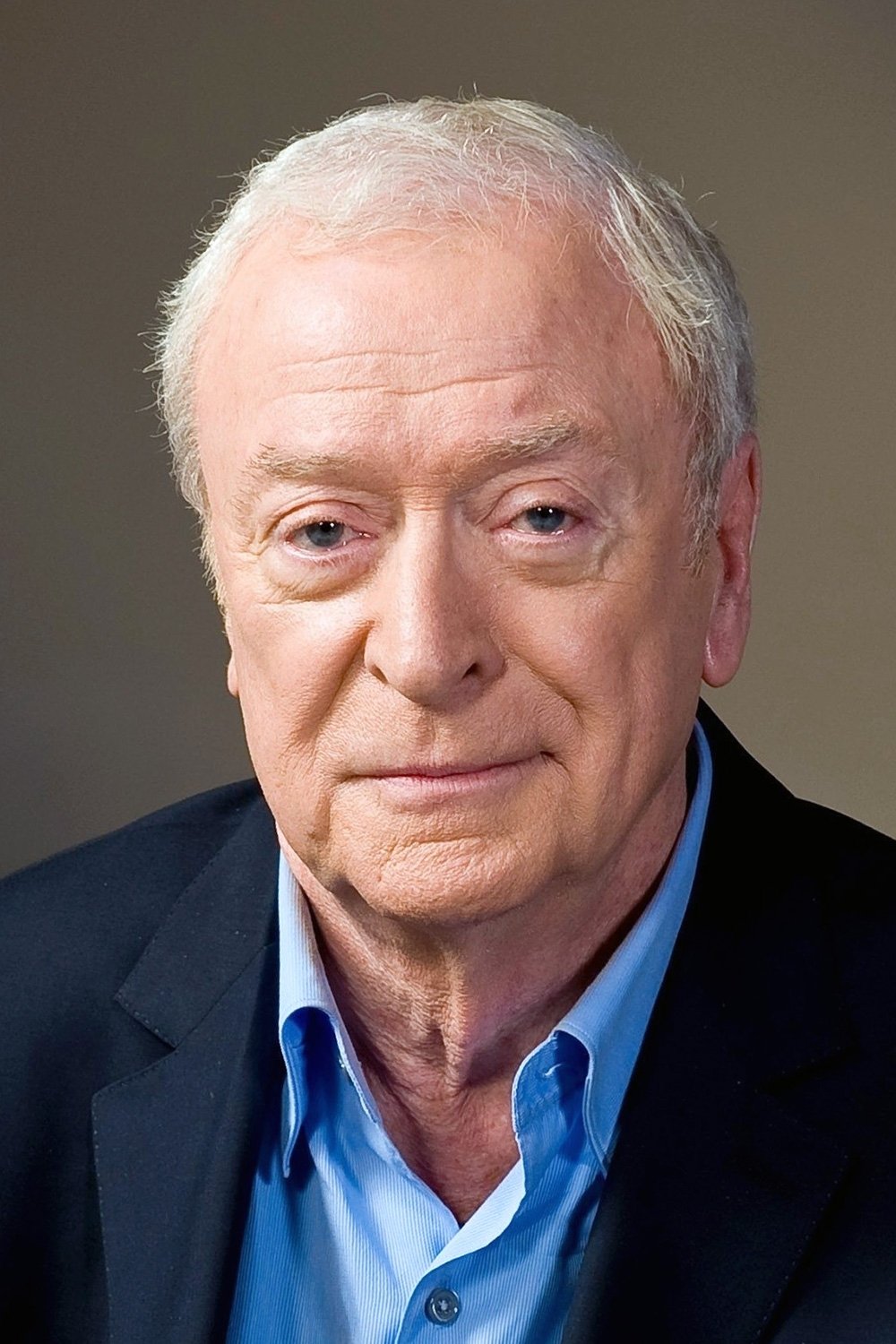
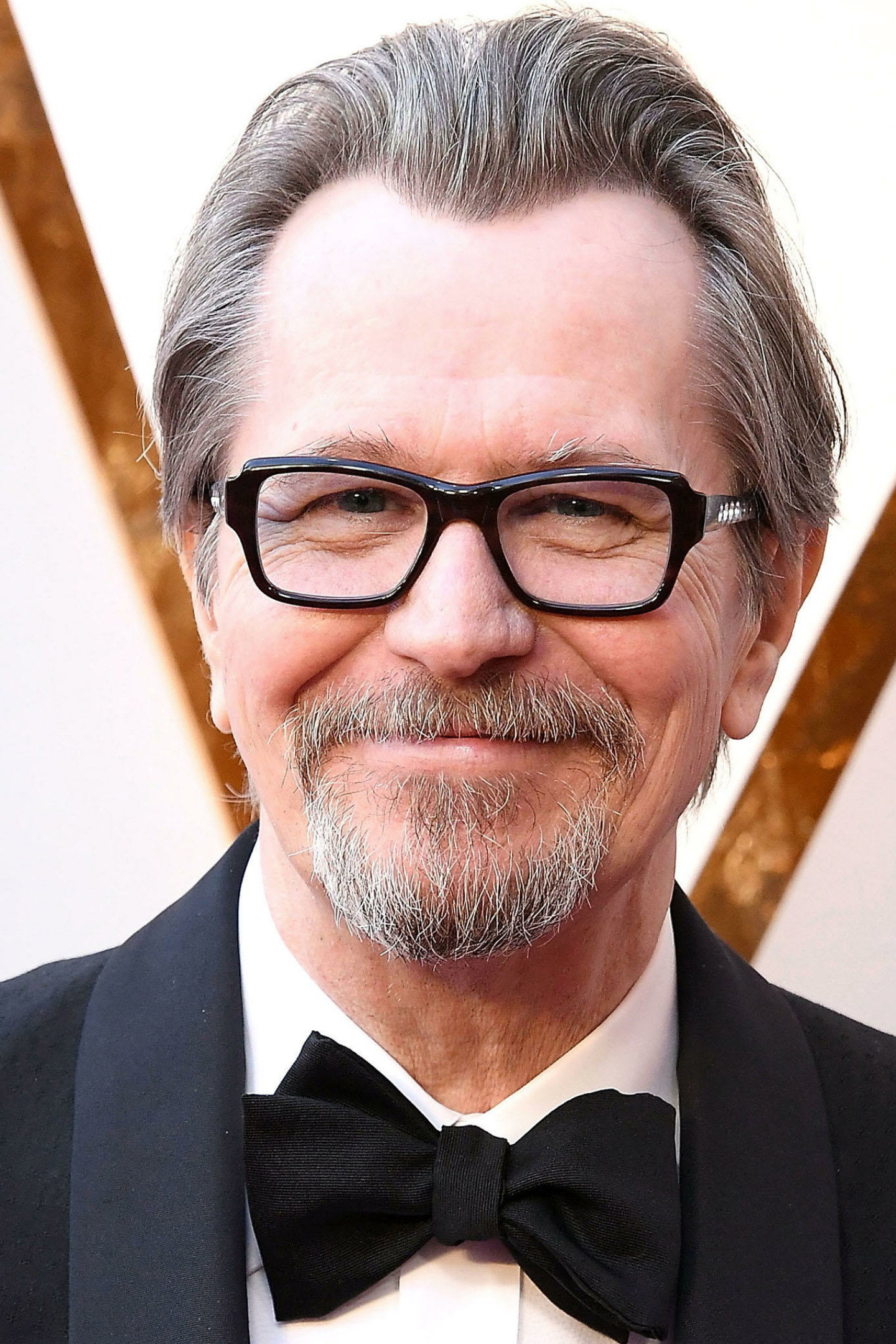
Michael Caine’s Alfred, Morgan Freeman’s Lucius Fox and Gary Oldman’s Jim Gordon help by treating the material without embarrassment. Their performances give us some relief from a lead whose intensity could otherwise become wearing. Caine and Freeman are particularly useful at keeping the seriousness from turning pompous, while Oldman makes decency worth watching. There is pleasure in a supporting cast that can establish character without demanding a separate display of importance, especially in a film already carrying so much explanation.
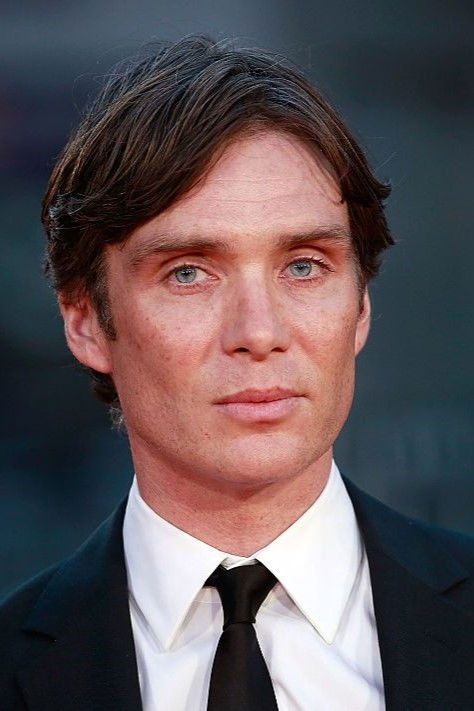
Wally Pfister’s cinematography gives the darkness enough weight to make Gotham oppressive, and Nathan Crowley’s production design makes it feel inhabited. The city is convincing without needing to be pleasant to look at. That helps Cillian Murphy’s Dr. Jonathan Crane seem to belong here, and his performance is one of the film’s sharpest supporting contributions. We were unsettled by Murphy’s composure, because it makes Crane’s hostility feel considered and deliberate.
The weakness is in how Nolan and editor Lee Smith handle close combat. The cutting too often makes it difficult to tell what a blow has done or where the next one comes from, which is a poor exchange for urgency. The larger action has force, but individual fights can leave us waiting for the confusion to clear. Hans Zimmer and James Newton Howard’s score adds pressure, occasionally pushing harder than the scene needs. When Bale is already making Bruce’s agitation plain, the music can afford to leave him alone.
At 140 minutes, the film also asks for more patience than all its explanations deserve. Nolan and Goyer have plenty to establish, but the competing strands do not always feel equally necessary, and the villains receive less care than Bruce. Even Murphy’s unsettling presence cannot make every threat as interesting as the troubled man facing it. The preparation mostly earns its place, although there are stretches when we are ready to move on.
There is room here to question Bruce’s thinking. That is welcome in a superhero film: the attention to revenge and justice gives us something to consider beyond how efficiently the hero can win a fight. Give it an evening when a slow build sounds appealing, and do not expect to follow every punch.