Film review

Batman

1989 · Directed by Tim Burton · 2h 06m · MPA PG-13

In a sentenceAn entire city built to accommodate Jack Nicholson’s refusal to use an indoor voice

FantasyActionCrime

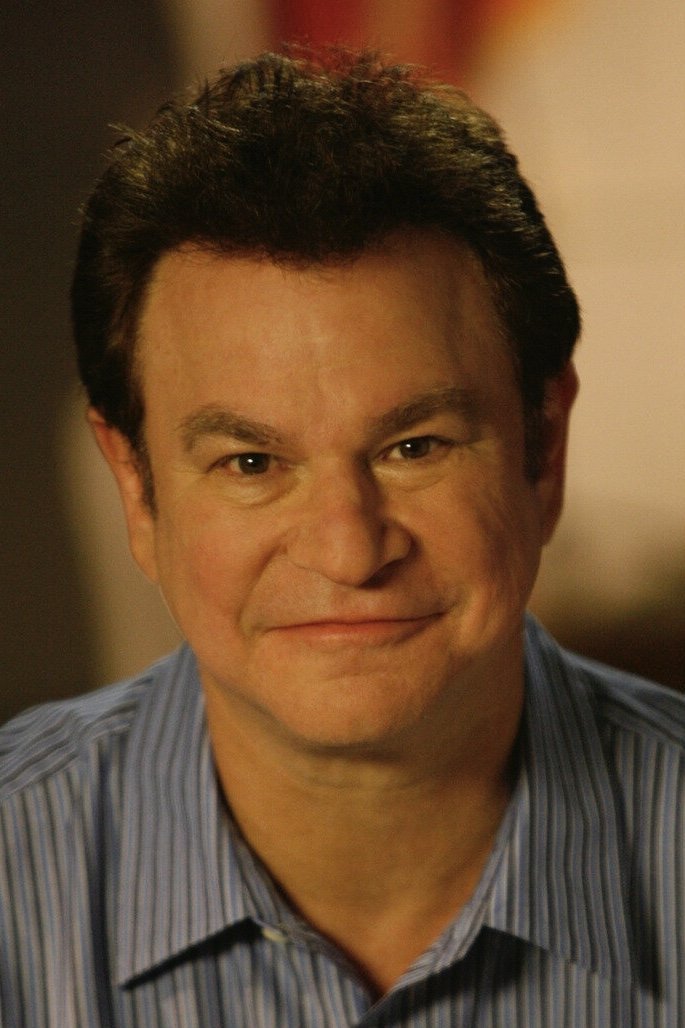
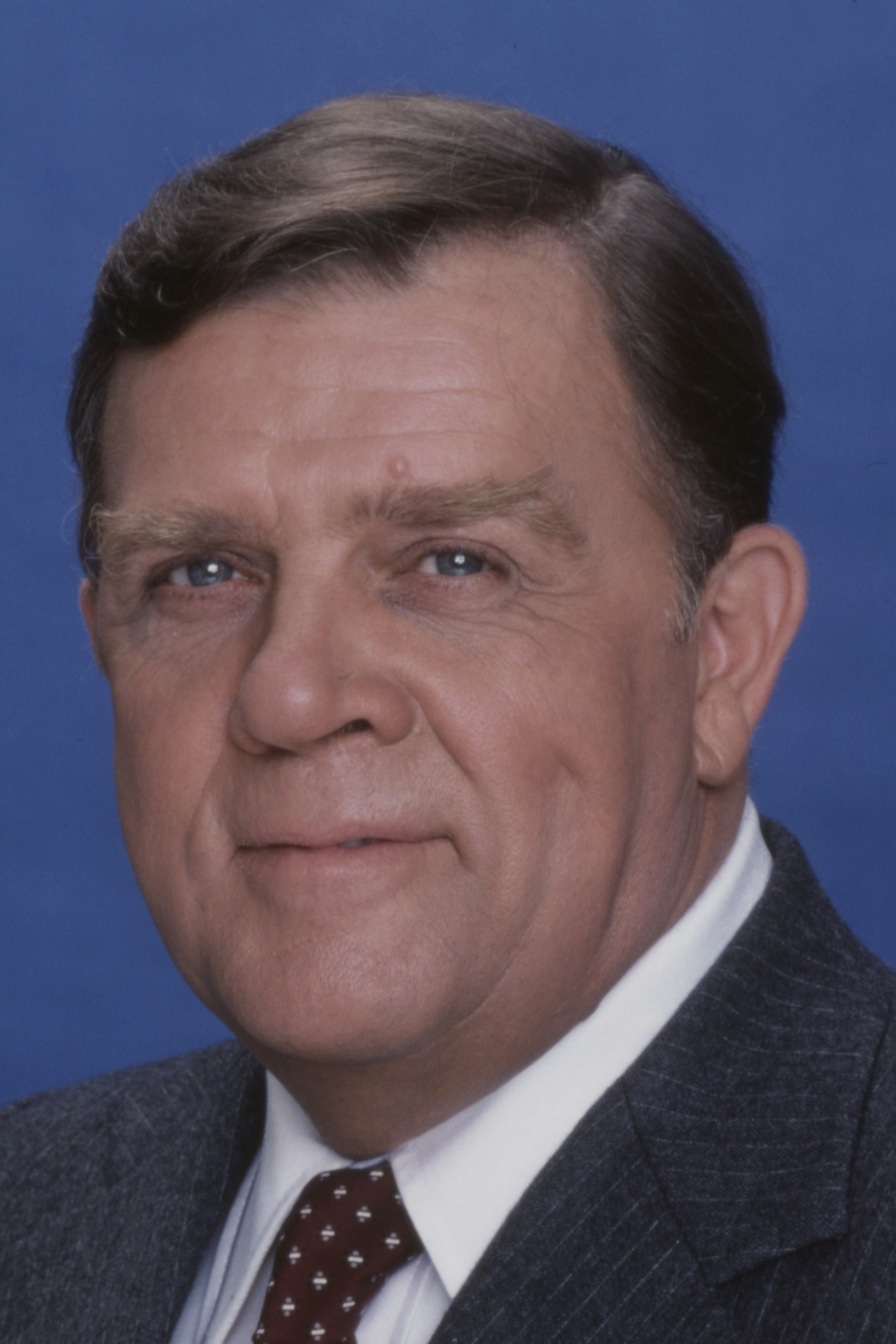
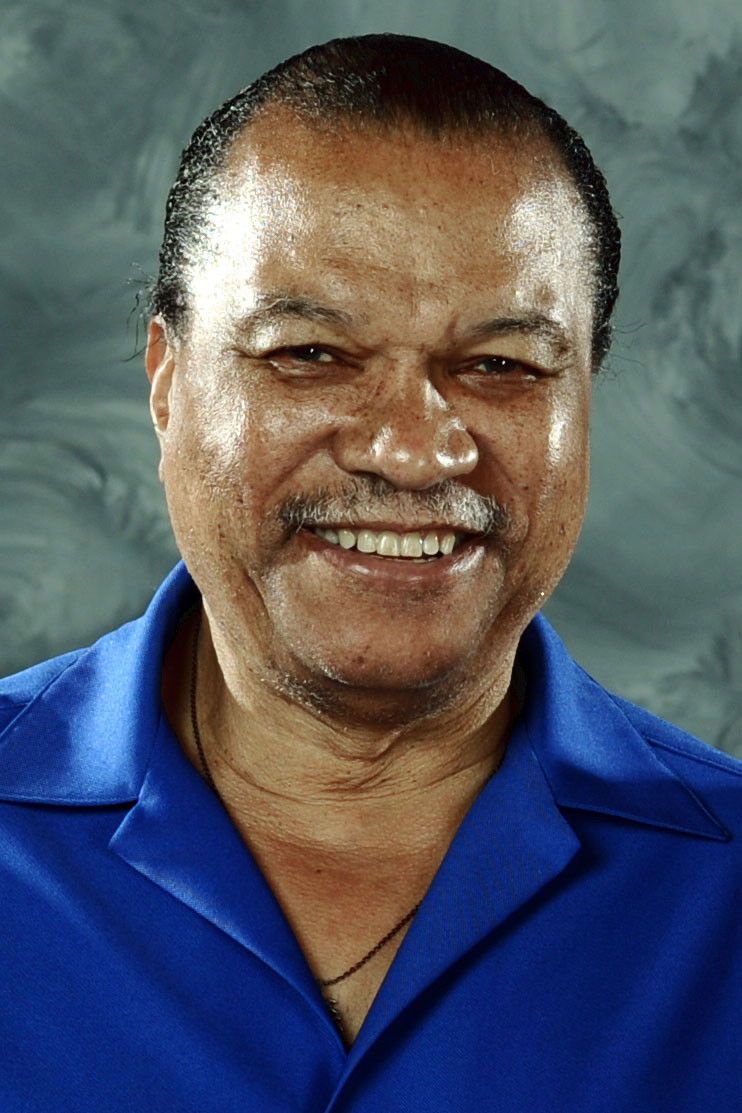
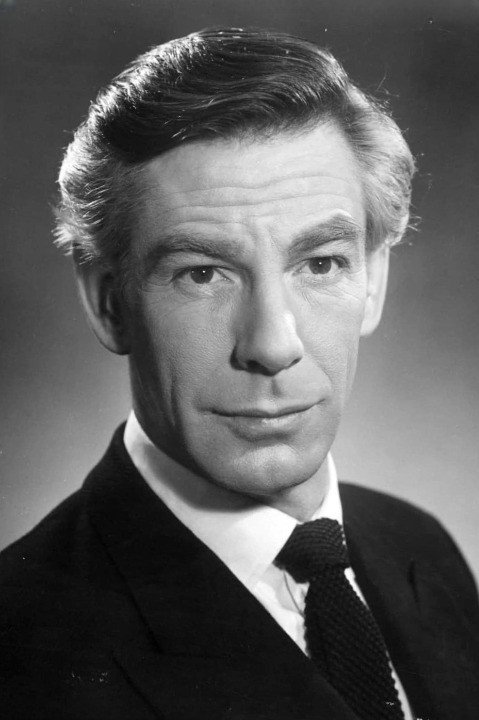
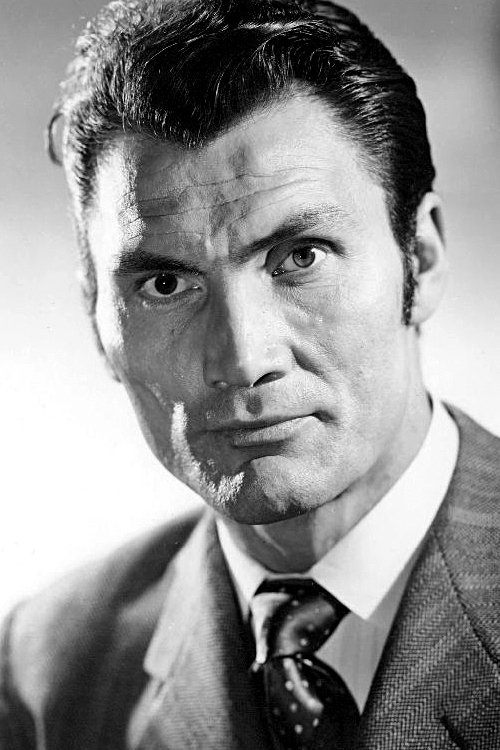
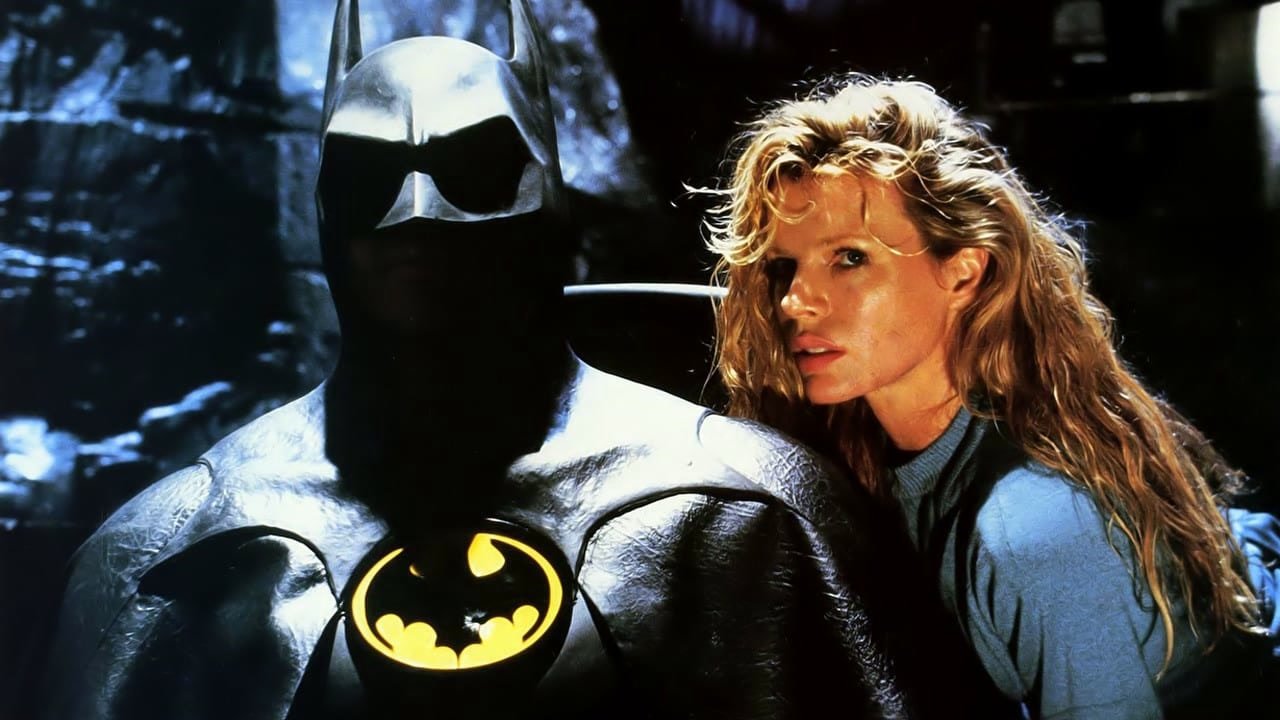
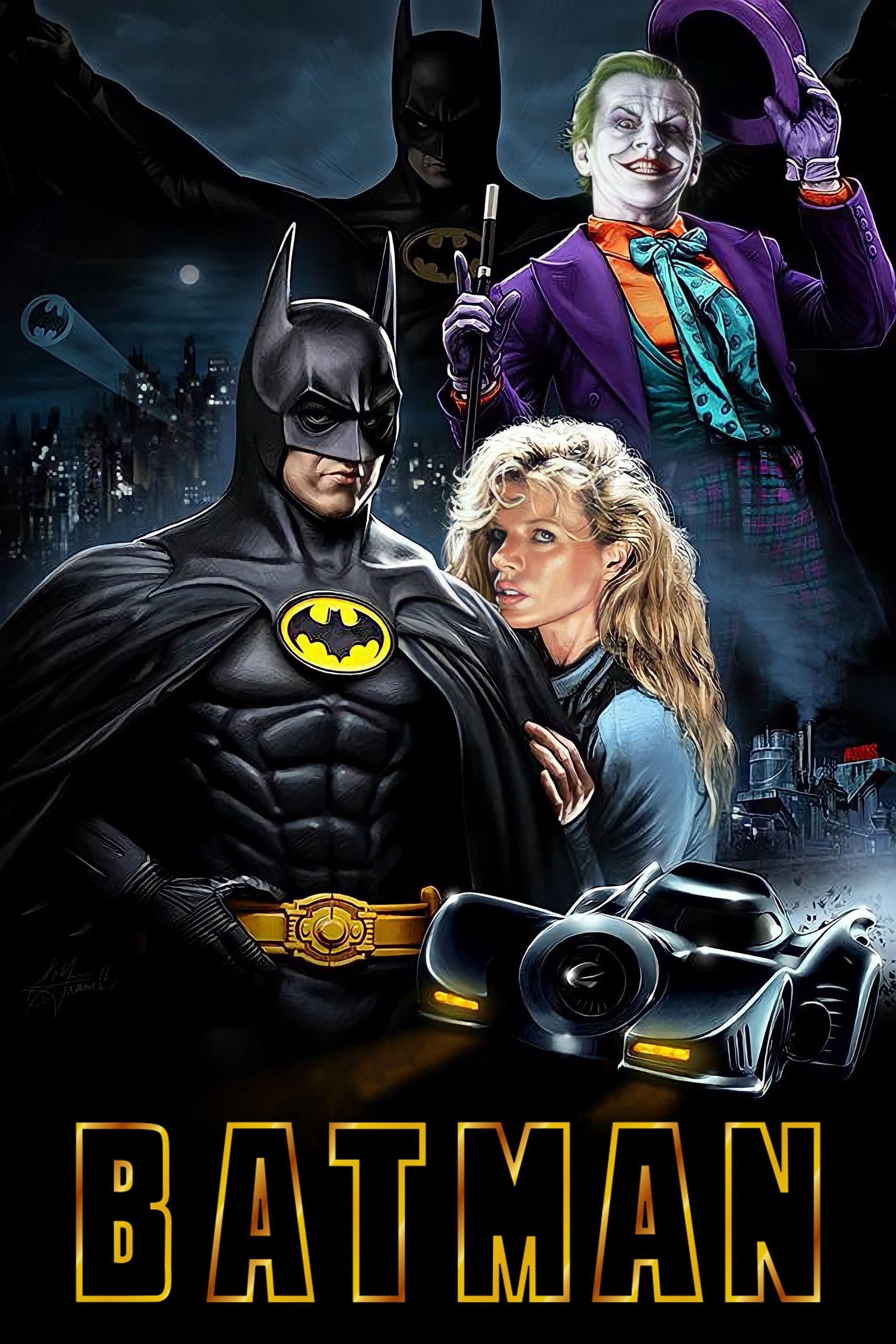
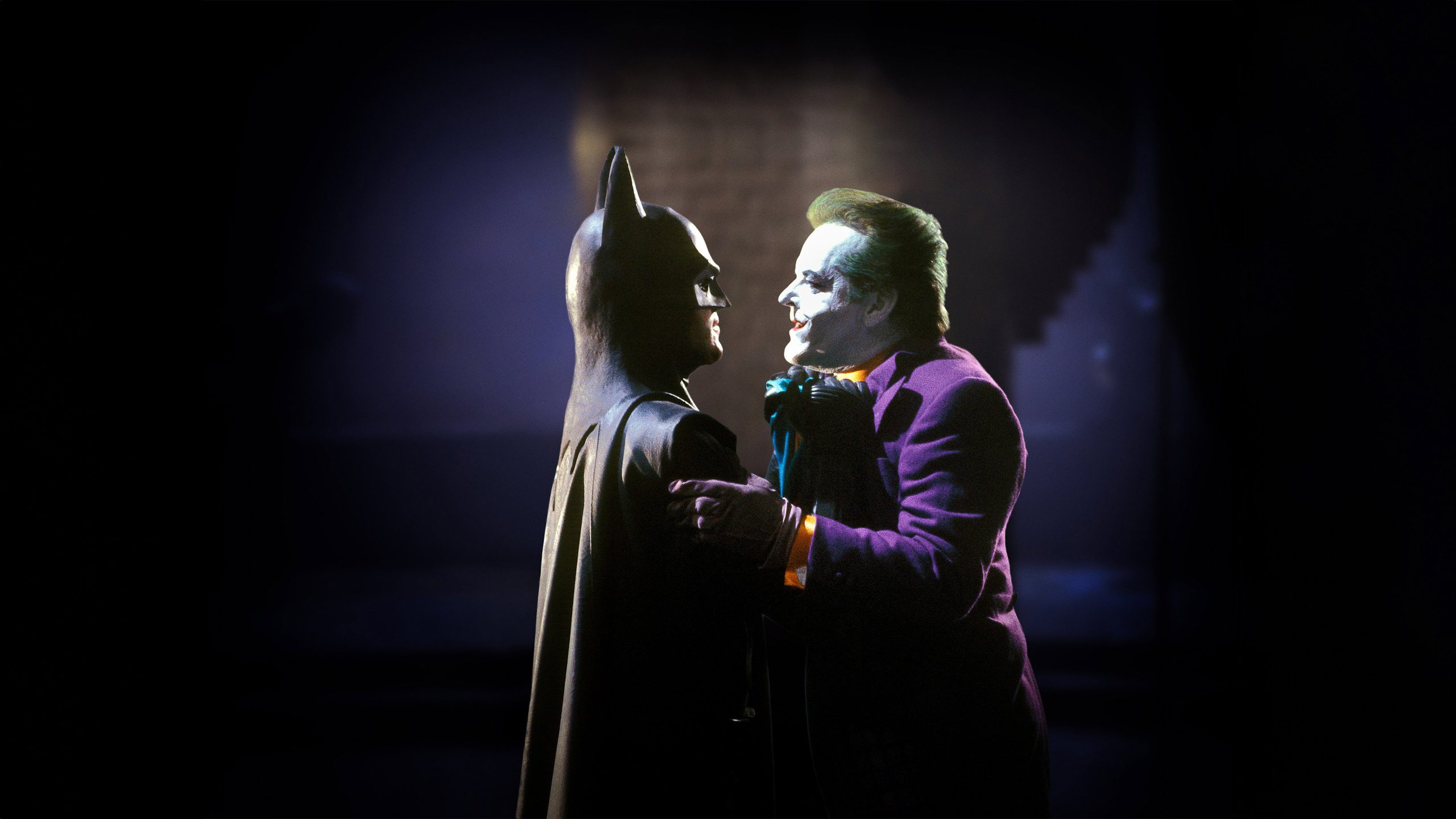
Bruce Wayne (Michael Keaton) leads another life as Batman, confronting crime in Gotham City. Opposing him is Jack Napier, the Joker (Jack Nicholson), whose flamboyant presence draws attention across the city. Their conflict unfolds alongside the stories of Vicki Vale (Kim Basinger), Alexander Knox (Robert Wuhl), Commissioner Gordon (Pat Hingle) and Harvey Dent (Billy Dee Williams). Michael Gough plays Alfred and Jack Palance plays Grissom. Directed by Tim Burton, this crime fantasy places its masked protagonist and theatrical adversary in a gothic city shaped by violence and the people who seek to control it.

Plays from YouTube when you press play; nothing loads from them until then.

Fi1m review

Tim Burton’s Batman is a good, uneven gothic crime fantasy, anchored by Michael Keaton’s troubled stillness. Jack Nicholson gets the louder moments, but the oppressive city and Danny Elfman’s music supply much of the pleasure.

Tim Burton takes the masked crime-fighter seriously without making his surroundings sensible. Batman is a good, uneven fantasy whose oppressive Gotham does a great deal of the storytelling, sometimes because the screenplay has left it little choice. The city looks capable of producing both Michael Keaton’s withdrawn Bruce Wayne and Jack Nicholson’s insistently theatrical Joker, which gives their opposition a conviction the plotting does not always earn. Burton builds much of the film around the contrast between Keaton’s watchfulness and Nicholson’s appetite for an audience.

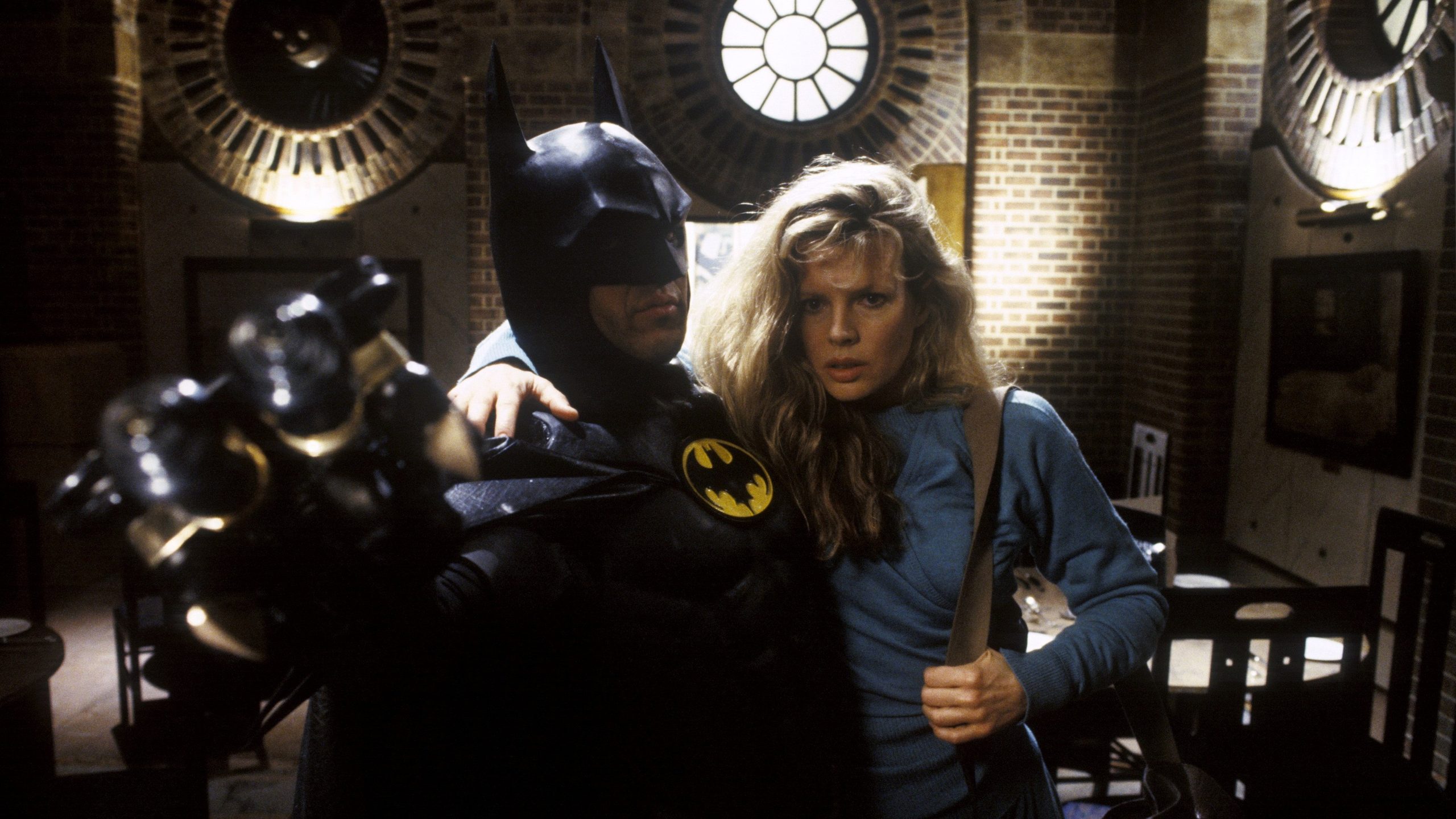
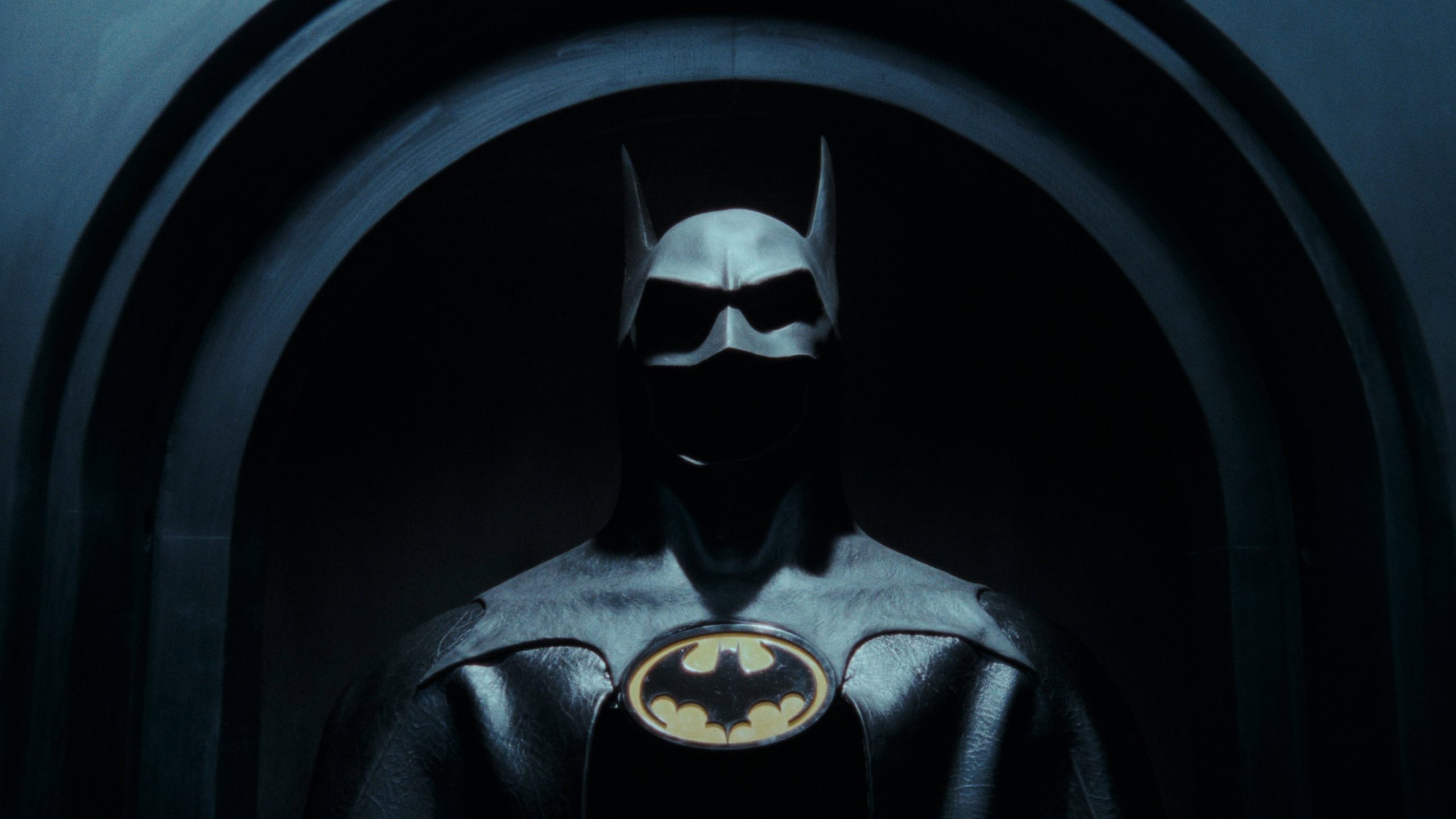
Anton Furst’s production design makes Gotham oppressive without making it anonymous: its gothic architecture gives the menace a definite shape. Roger Pratt’s cinematography keeps that architecture present in the darkness, allowing the city to remain threatening even when our attention is on the actors. We felt uneasy simply looking at it, because the buildings seem to leave so little room for ordinary life. The density of Furst’s city makes a convincing setting for the film’s violence, and Pratt preserves its strangeness rather than trying to make it look like somewhere familiar.

Keaton gives Wayne an awkwardness that is more interesting than conventional heroic assurance. His reserve suggests a man for whom becoming Batman is a private necessity, and he does not turn every pause into a request that we admire his pain. That makes him worth watching even when Sam Hamm and Warren Skaaren’s screenplay gives him too little to work with. The writing supplies too few opportunities for Wayne to become more than a troubled presence, leaving Keaton’s hesitations and watchfulness to suggest what the dialogue has not developed.

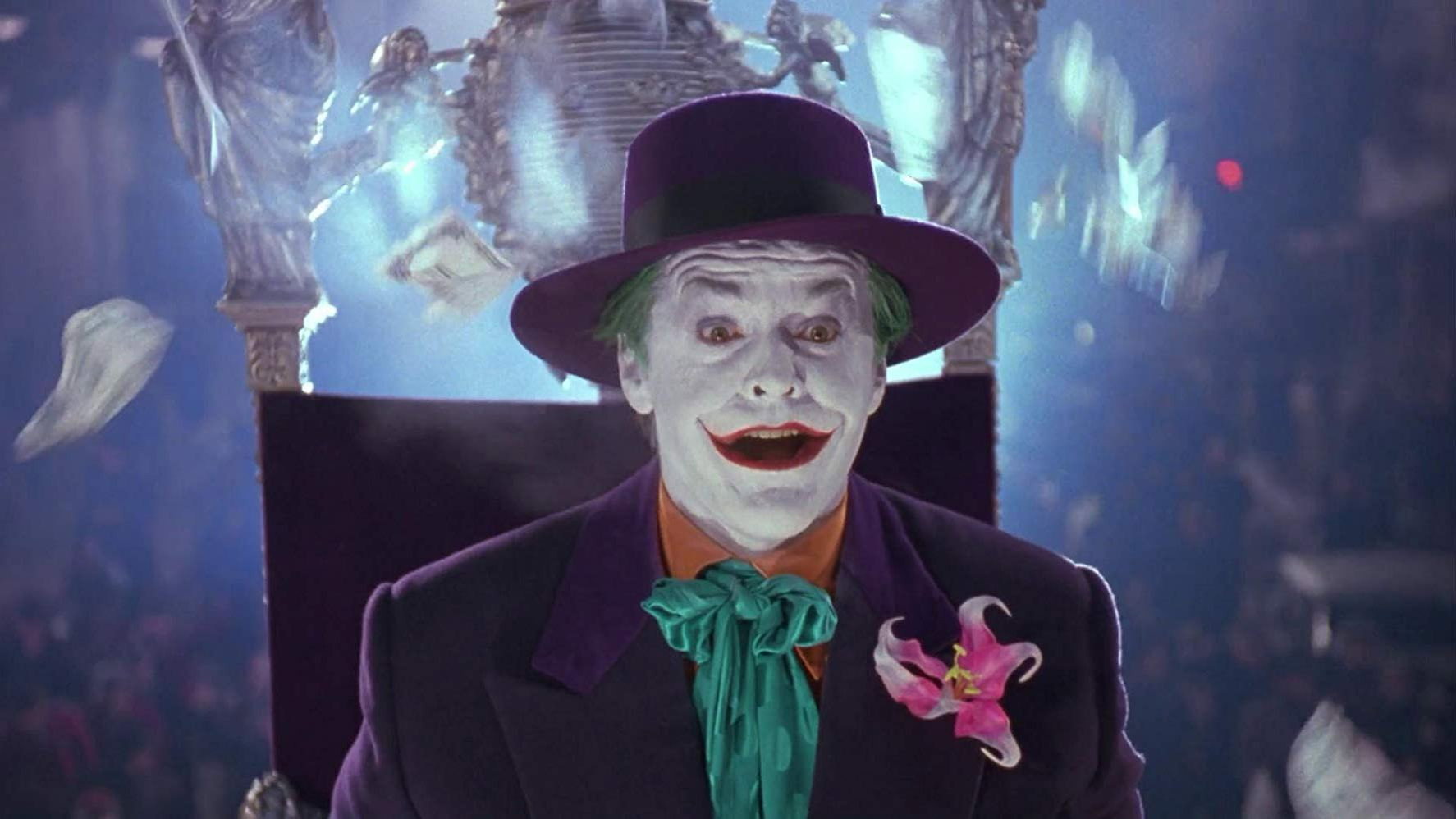
Nicholson has no such difficulty making himself the centre of attention, and Burton often lets him stay there longer than the story needs. His Joker’s broad comic manner is entertaining because it does not make the character seem safe; the pleasure he takes in performing becomes unpleasant if we look at it for long enough. Still, each extra flourish makes it harder for anyone else to establish a comparable presence. Kim Basinger’s Vicki Vale suffers particularly from a screenplay that gives her prominence without enough character to justify it.

Ray Lovejoy’s editing does not quite solve that imbalance, and the movement between brooding and performance can make the film feel longer than its 126 minutes. Individual passages have force, but the story sometimes seems to be waiting for its next striking image instead of developing the confrontation already under way. Danny Elfman’s score gives those images urgency, its operatic scale making the hero’s presence feel substantial without requiring Keaton to compete with Nicholson at full volume. The music is especially effective at keeping a sense of seriousness beneath the broad acting.

Within superhero films, Batman makes a persuasive case for allowing a director this much freedom to make the setting strange. Burton’s city does not invite us to check the engineering or the plausibility of every threat, and we are glad of that. The danger remains credible because the setting and the performances agree about how exaggerated everything should be. Even when Nicholson threatens to become the whole attraction, Keaton’s quieter presence gives us someone worth returning to. We recommend it, provided a tightly plotted crime thriller is not what the evening requires.

Critical consensus AI synthesised

69
Positive
8
Mixed
3
Negative
2

Most critics respond favourably to Tim Burton’s Batman, with praise clustering around its gothic Gotham City, imposing sets and dark comic-strip atmosphere. The reviews repeatedly credit Burton with giving the material a distinctive visual style, while several also admire the score and the use of sound and image to suggest character. Michael Keaton’s haunted restraint and Jack Nicholson’s expansive Joker draw substantial praise, though Nicholson’s dominance is not universally welcomed.

The spread is wide: admirers find the imagery and performances compelling despite script weaknesses, while detractors see an unfocused story with too little suspense or emotional depth. The Guardian argues that Nicholson overwhelms the film and pushes it towards parody; Time Out welcomes his humour but finds Keaton’s Batman underdeveloped. The central disagreement is how much the atmosphere compensates for the plotting, with even several sceptical reviews acknowledging the strength of Gotham’s design.

The New Yorker
3 July 1989 · Pauline Kael
85*

Burton has given the material a look, tone, and eerie intensity that goes beyond pulp into a powerfully glamorous spectacle with potent images and a poetic quality. The film captures the romantic flight of the Batman myth through its nightmarish Gotham City and strong visual stylization, despite some script shortcomings.

Read the full review →
Radio Times
★★★★ · John Ferguson
80

The critic praises Burton for taking Batman into dark comic-strip nightmare while weaving an arresting tale with Shakespearean irony, capturing Bob Kane's spirit in a sophisticated film noir with black humour and creepy images. Singles out the performances of Keaton and Nicholson placed in the same psychological bracket, and the impressive Gotham City set.

Read the full review →
The AV Club
9 February 2018 · Tom Breihan
80*

The critic highlights how the film stands out for its distinctive visual sensibility and personal directorial vision despite some pacing and plotting issues. Burton's gothic Gotham City design and the performances, particularly Jack Nicholson's Joker, are singled out for praise.

Read the full review →
The Times
13 August 1989
80*

The review calls the film the most intelligent adaptation ever made from a comic book, crediting Tim Burton with restoring the dark, serious tone of the original 1939 creation and dispelling the camp of the 1960s TV series.

Read the full review →
Variety
31 December 1988 · Variety Staff
80*

Burton effectively echoes the visual style of the original comics while conjuring a nightmarish world of his own, with strong visual stylization and film-noir influences. Keaton captures the haunted intensity of Batman, Nicholson steals scenes as the Joker in a masterpiece of sinister comic acting, and the film will appeal to purists.

Read the full review →
Slant Magazine
23 June 2014 · Kenji Fujishima
75*

The critic finds Burton's version compelling for its expressionistic use of sound and image to convey character and theme. The operatic score, surreal Gotham design, and broad acting style are noted as key elements that complement later interpretations like Nolan's.

Read the full review →

Cast

Awards

Academy Awards, 1990

Won
Best Production Design

Kids' Choice Award for Favorite Movie, 1990

Nominated
Kids' Choice Award for Favorite Movie

If you liked this, try…