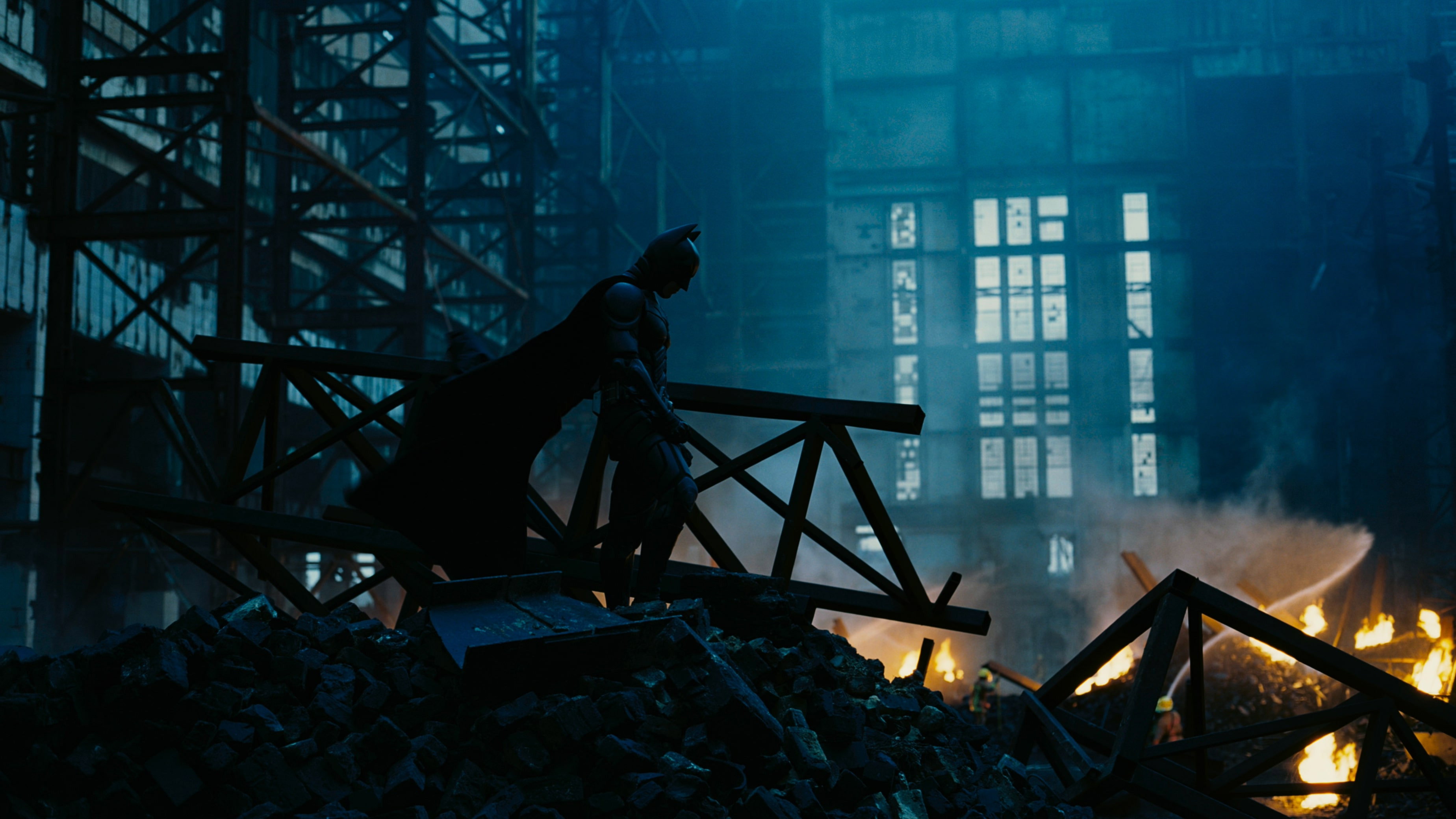
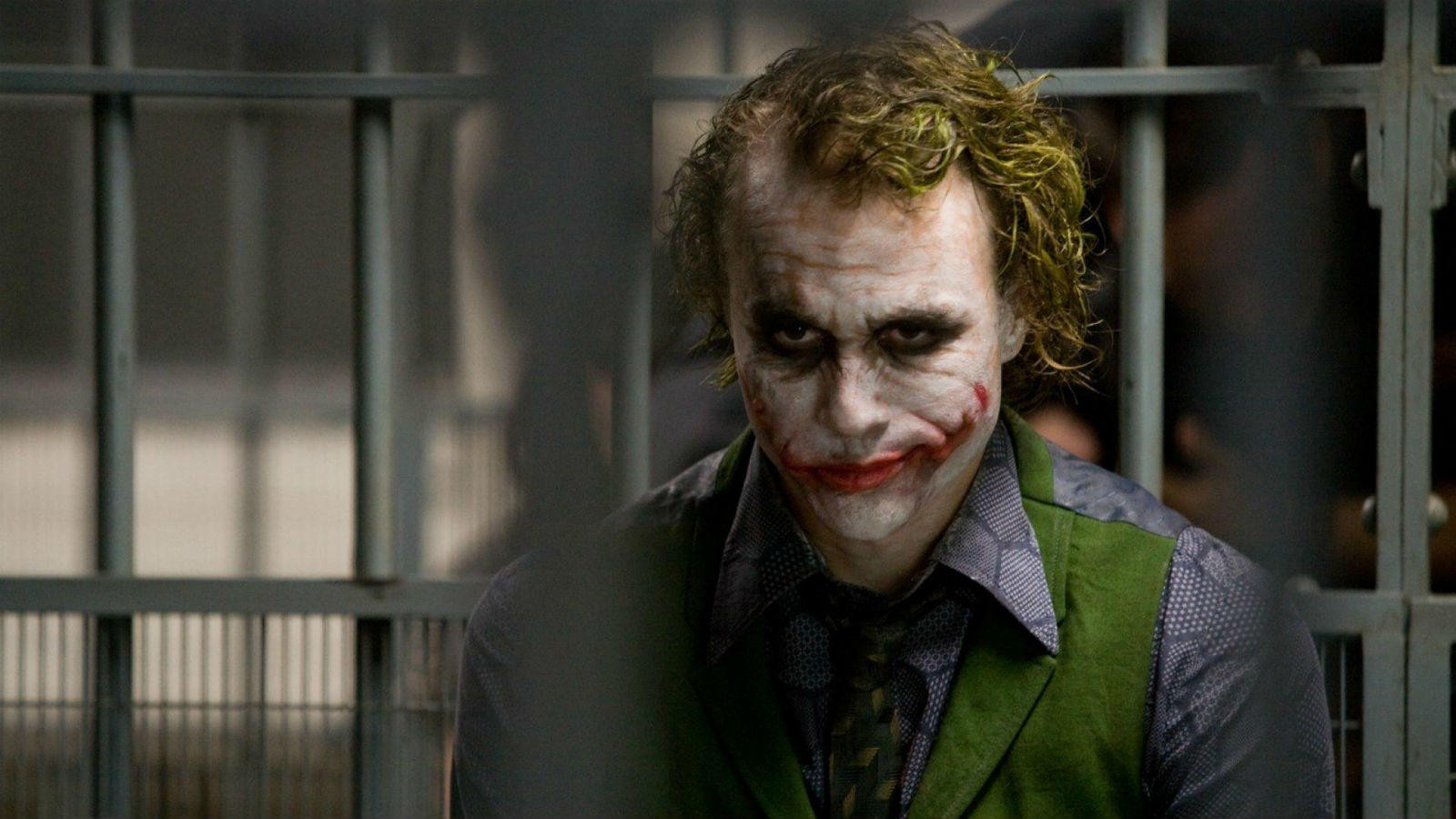
Christopher Nolan makes a gripping crime thriller, with Heath Ledger’s Joker giving its moral dilemmas a frightening urgency. The speeches can labour the point, but the suspense and performances justify the long evening.
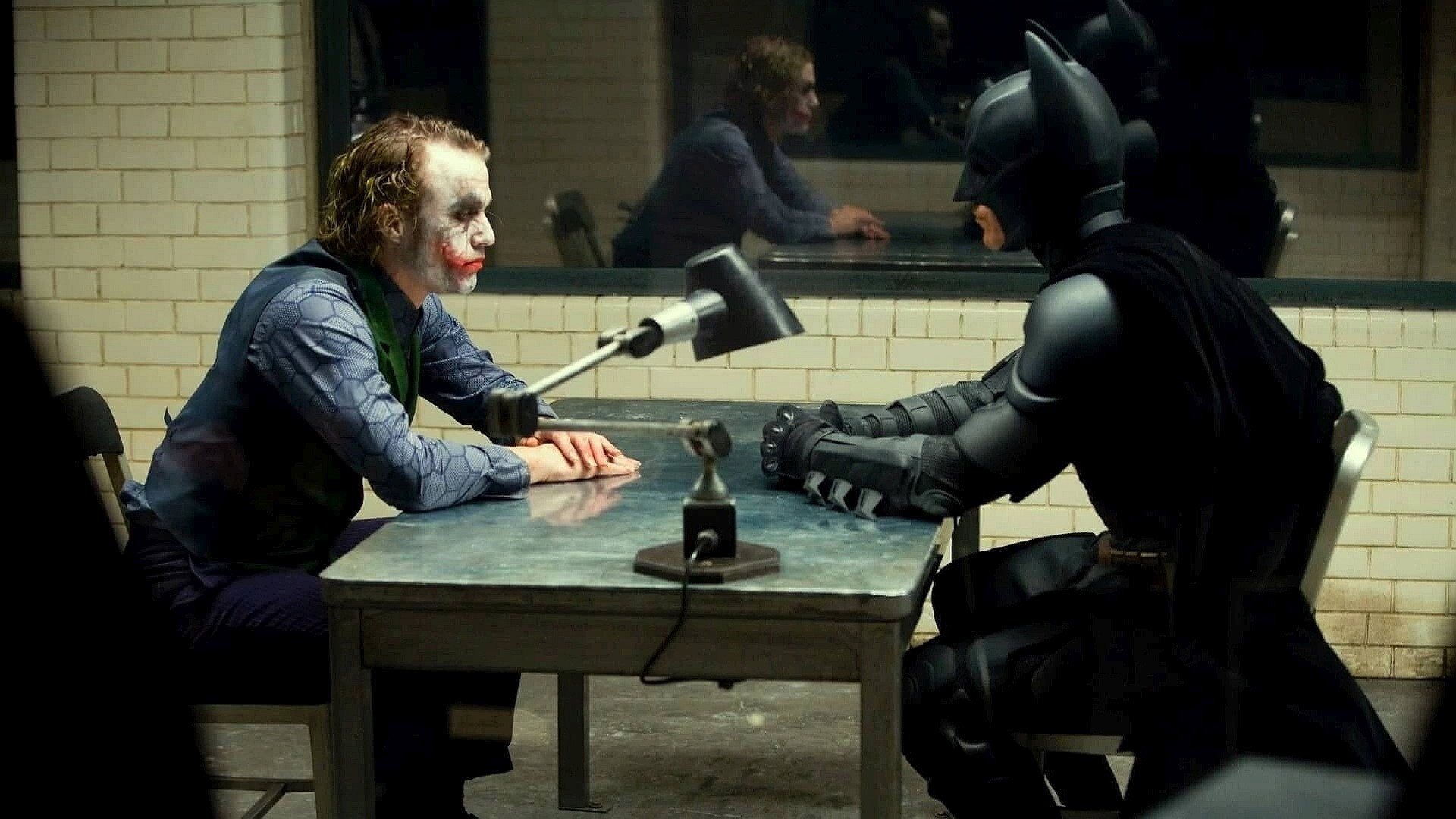
Christopher Nolan’s The Dark Knight is a gripping crime thriller that occasionally stops to tell us how serious it is. We recommend it for its suspense and the force of its performances. Nolan takes the responsibilities of a hero seriously enough to make them troublesome, then gives the villain the intelligence to exploit that trouble. The action matters because the people involved have something to lose besides the fight.
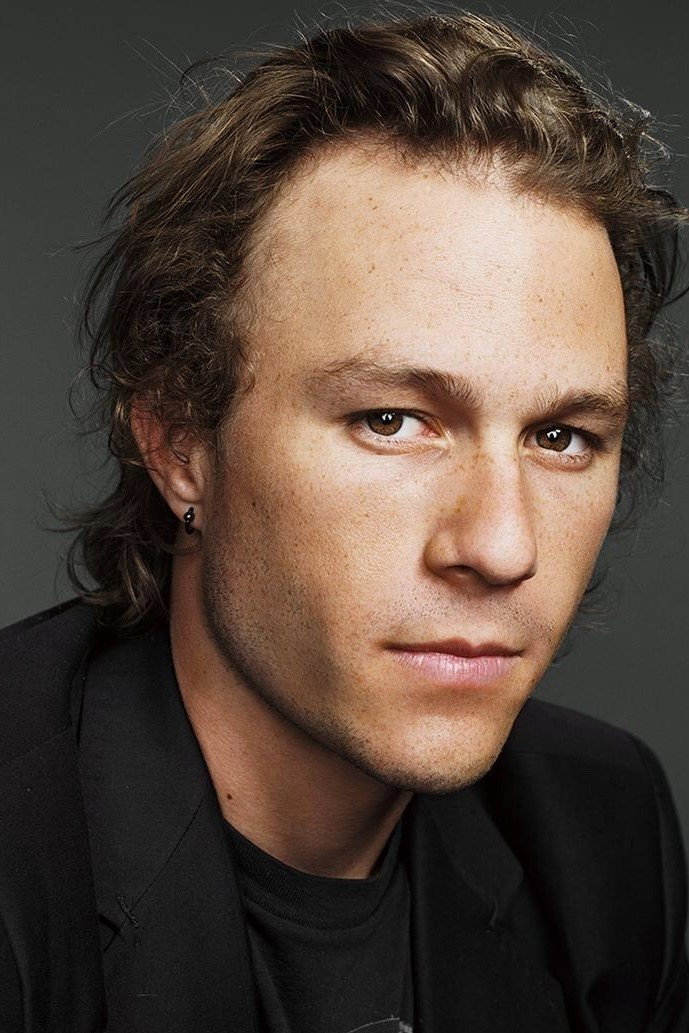
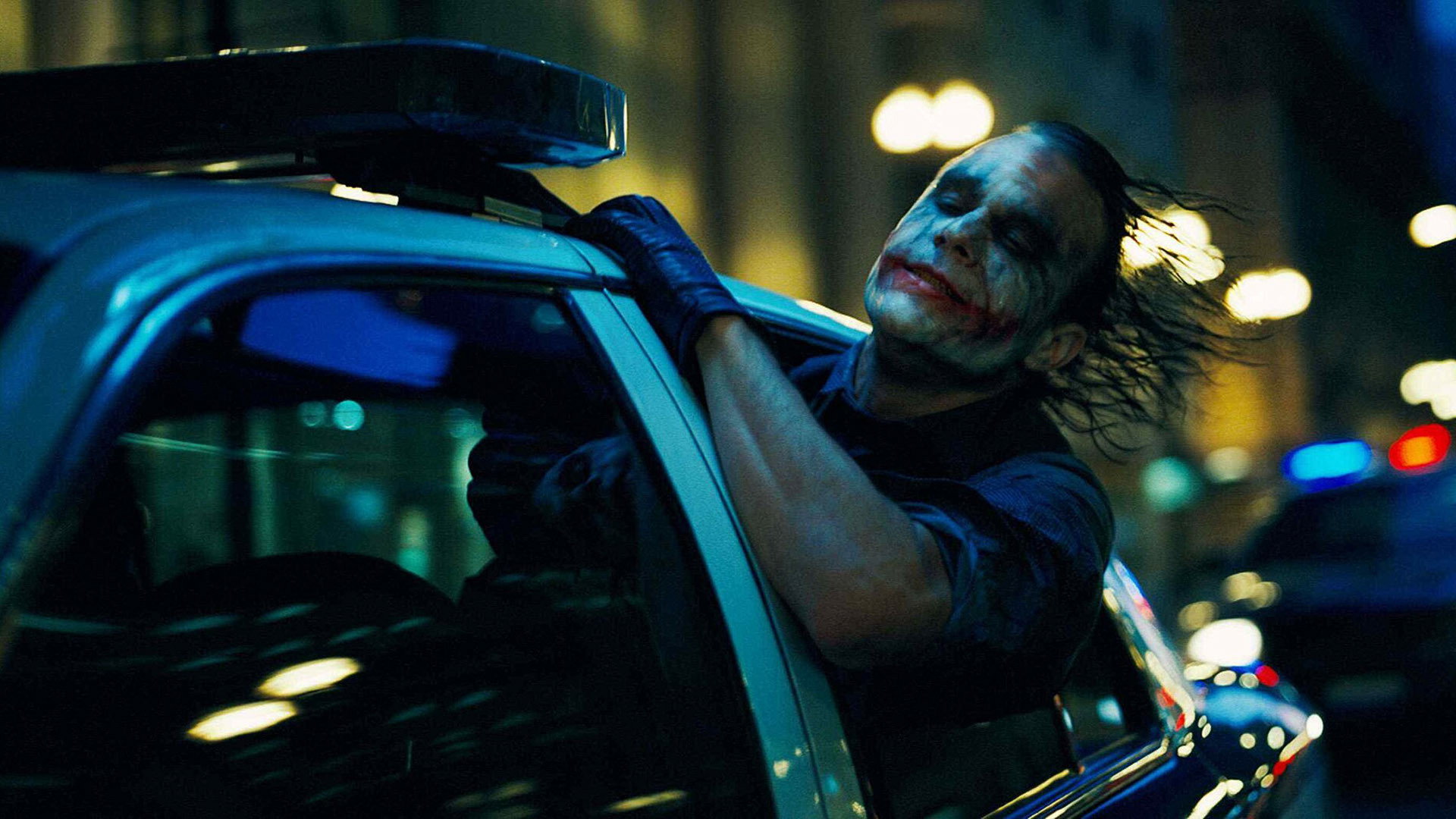
Heath Ledger’s Joker is the chief reason it works. We were frightened by him. Ledger makes the character’s lack of conscience feel casual, so that cruelty seems to require no more effort than conversation. There is enough intelligence in the performance to make the violence feel deliberate, without the reassuring sense that an intelligent opponent might eventually be reasonable. He earns the attention he takes from the rest of the cast, and the film becomes harder to predict whenever he appears.
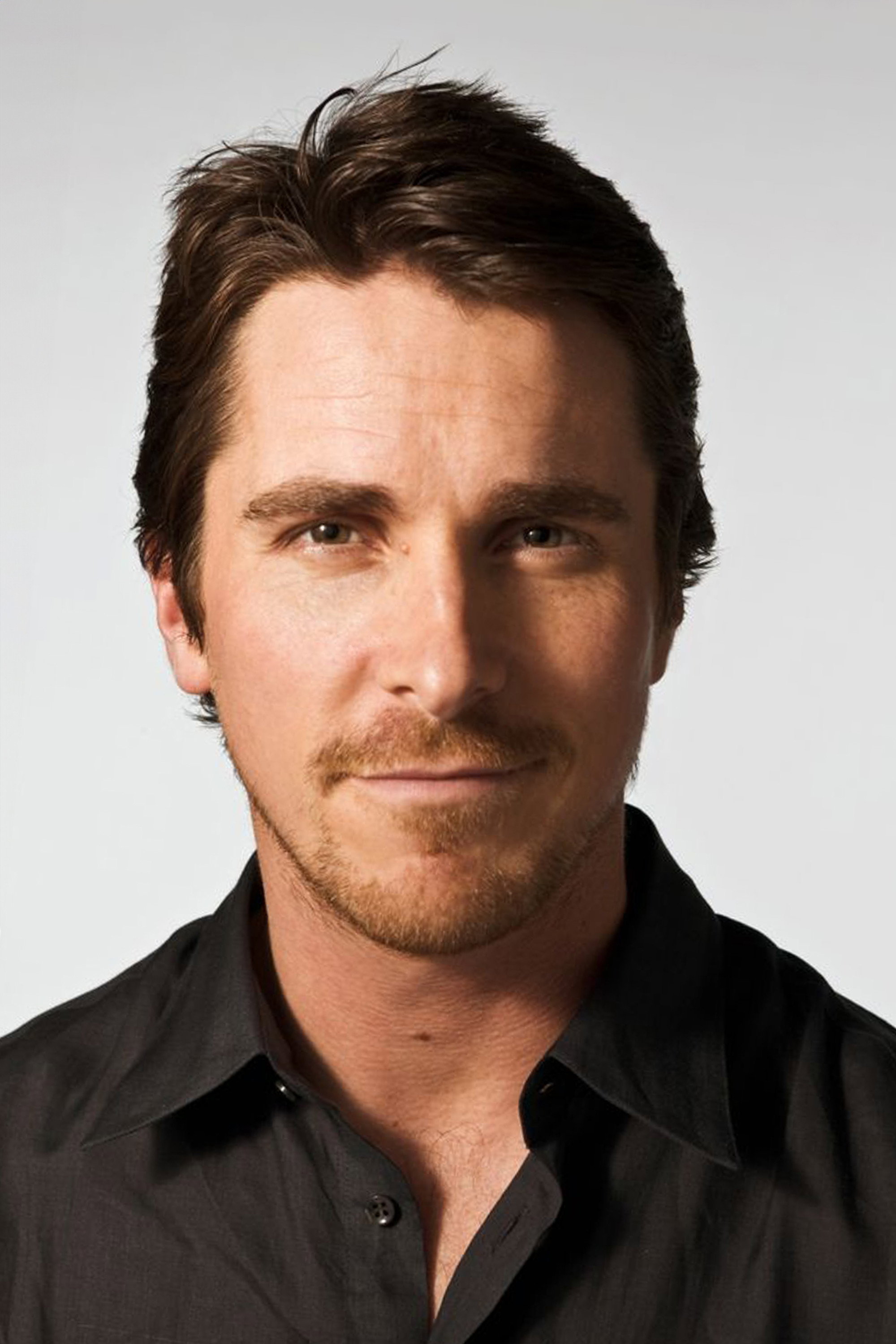
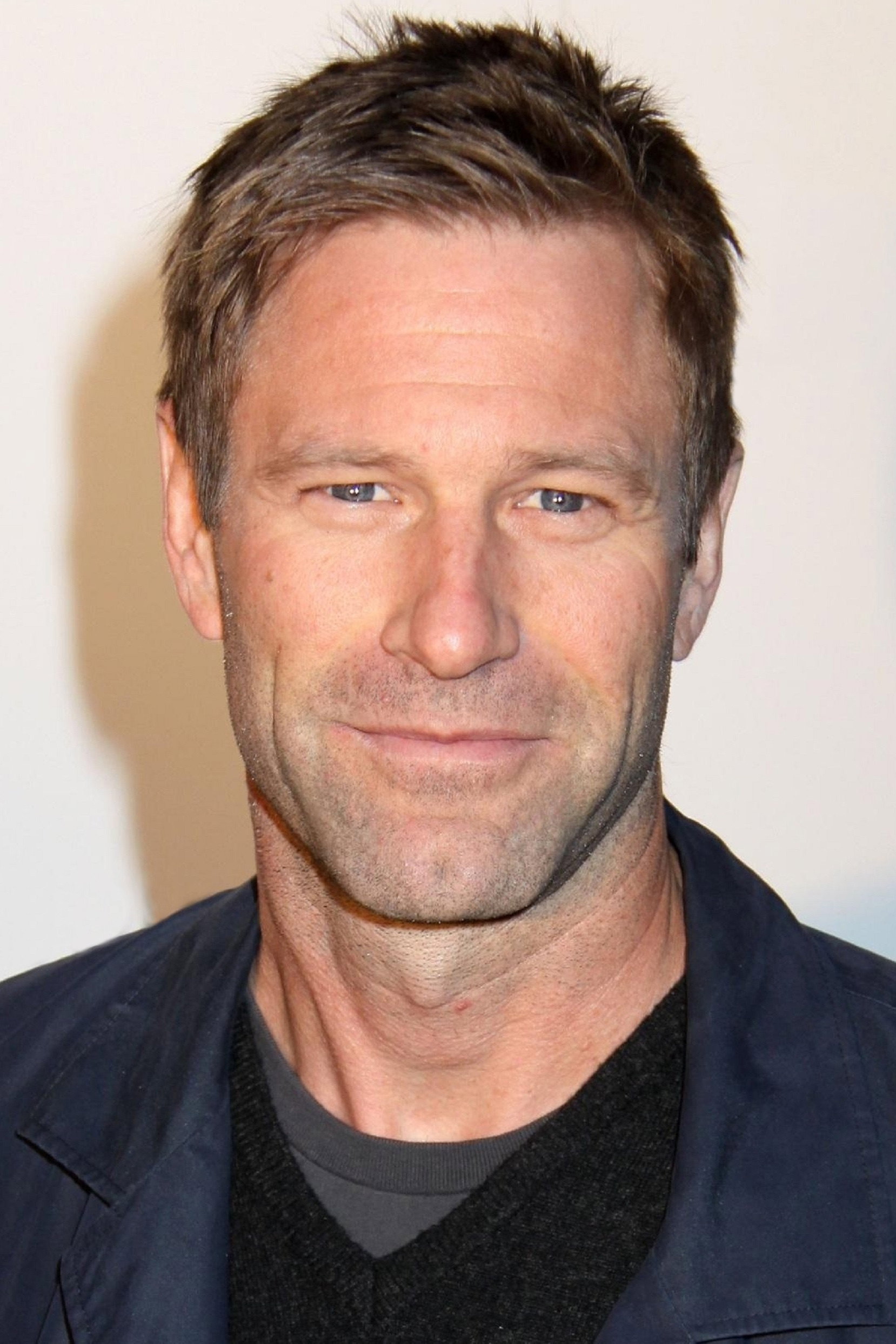
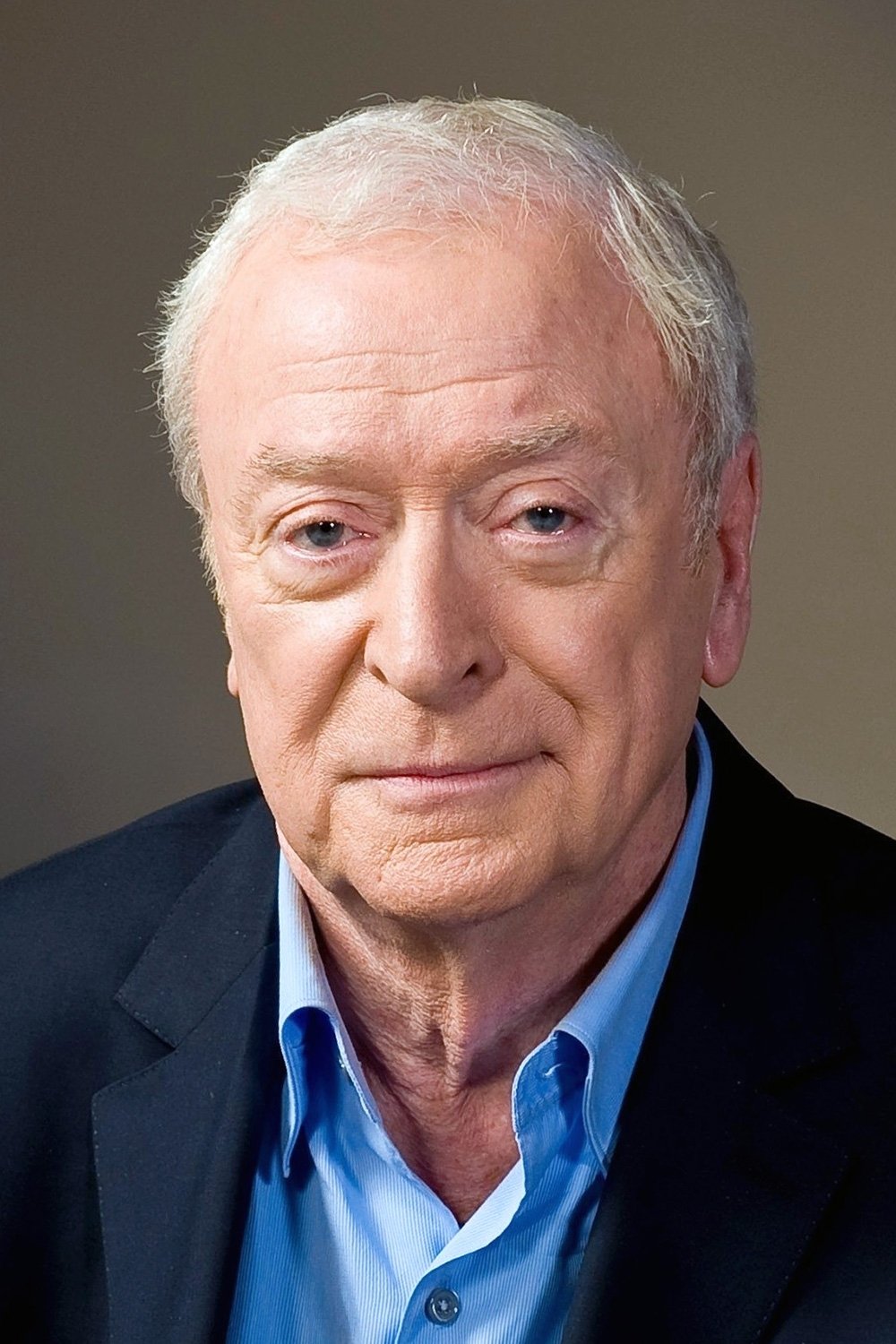
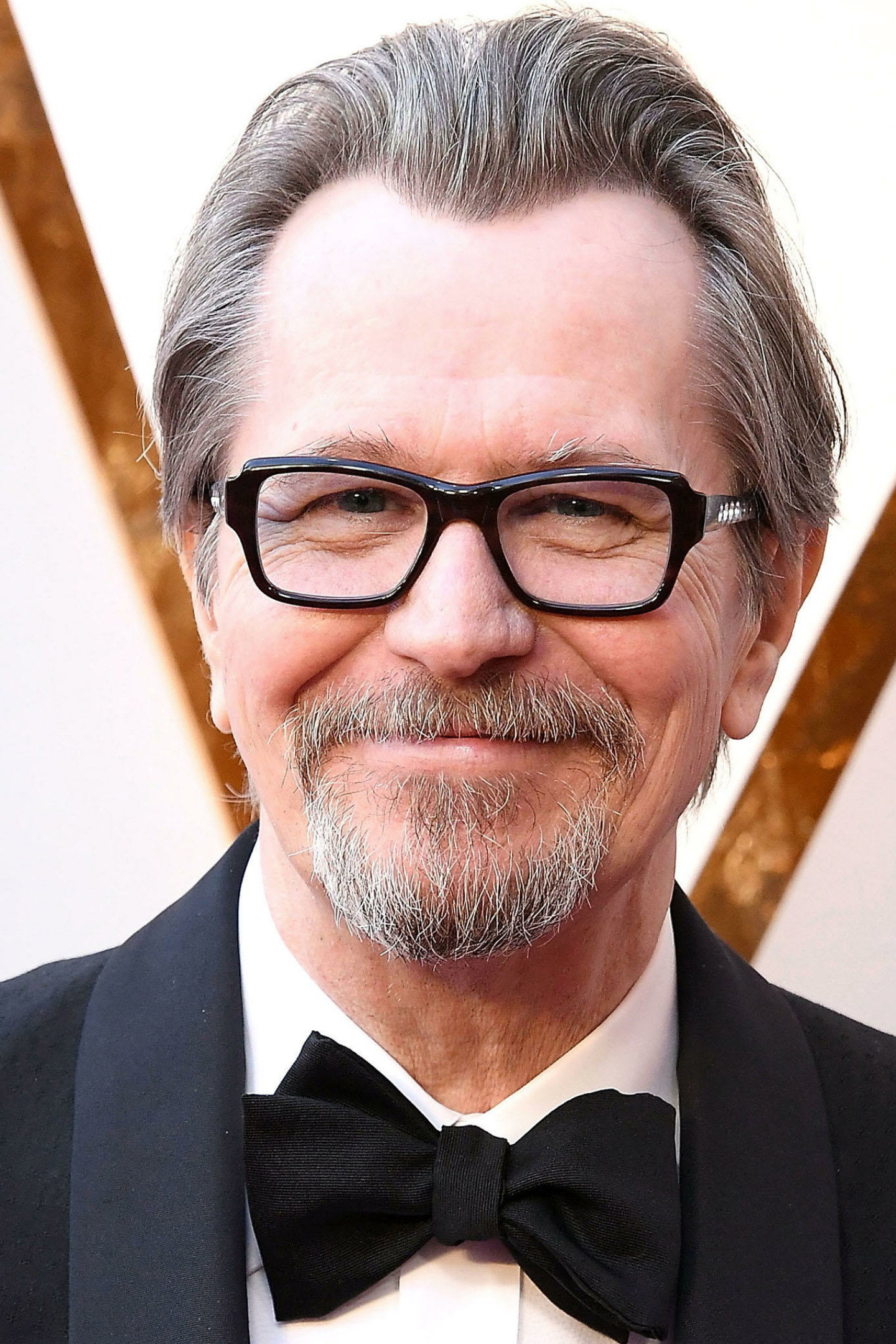
Christian Bale’s Bruce Wayne gives the film a necessary centre, and his intensity helps him hold his place opposite Ledger. Aaron Eckhart’s Harvey Dent has a conviction that feels distinct from Bale’s, helping to make the moral questions a disagreement between people we can believe in. Gary Oldman’s Gordon adds a welcome measure of restraint to a film in which seriousness can become a competitive activity. Maggie Gyllenhaal, as Rachel, has less room to work, and the writing does not give her an equally persuasive voice in those disagreements.
Wally Pfister’s cinematography gives the action weight, making the danger feel close even when the film is working on a large scale. Nathan Crowley’s production design helps the crime story feel credible; the setting seems capable of supporting a thriller without Batman in it. That solidity matters when the gadgetry begins to demand more attention than it deserves. The equipment can be a distraction, but it rarely overwhelms the people who have to use it.
Lee Smith’s editing keeps the action urgent without making the whole film feel like a single prolonged chase. The music by Hans Zimmer and James Newton Howard adds pressure effectively, although its insistence sometimes leaves too little room for a quieter response. Across 152 minutes, the pace does falter, and the pauses are not always where we would choose to take a breath. Even so, Nolan repeatedly gets the suspense going again, helped by characters whose decisions remain worth following.
The larger weakness is the screenplay, by Christopher Nolan and Jonathan Nolan, which too often explains a choice that the performances have already made clear. Characters can sound as though they are making sure we have followed the discussion. We admire the attempt to give a comic-book thriller difficult questions about violence and responsibility, but the answers need not all be spoken aloud. The actors have already done enough to let us make up our minds.
As a comic-book thriller, it makes an unusually strong case for taking the people beneath the costumes seriously. We would choose it for an evening of sustained tension, not for easy reassurance. Watch it in one sitting, so the suspense has a chance to build without having to compete with tomorrow’s errands.