We recommend this tense crime thriller for its precise editing and two leads who make deception look exhausting. The script’s parallels occasionally feel too tidy, but Andy Lau and Tony Leung Chiu-wai keep the danger personal.
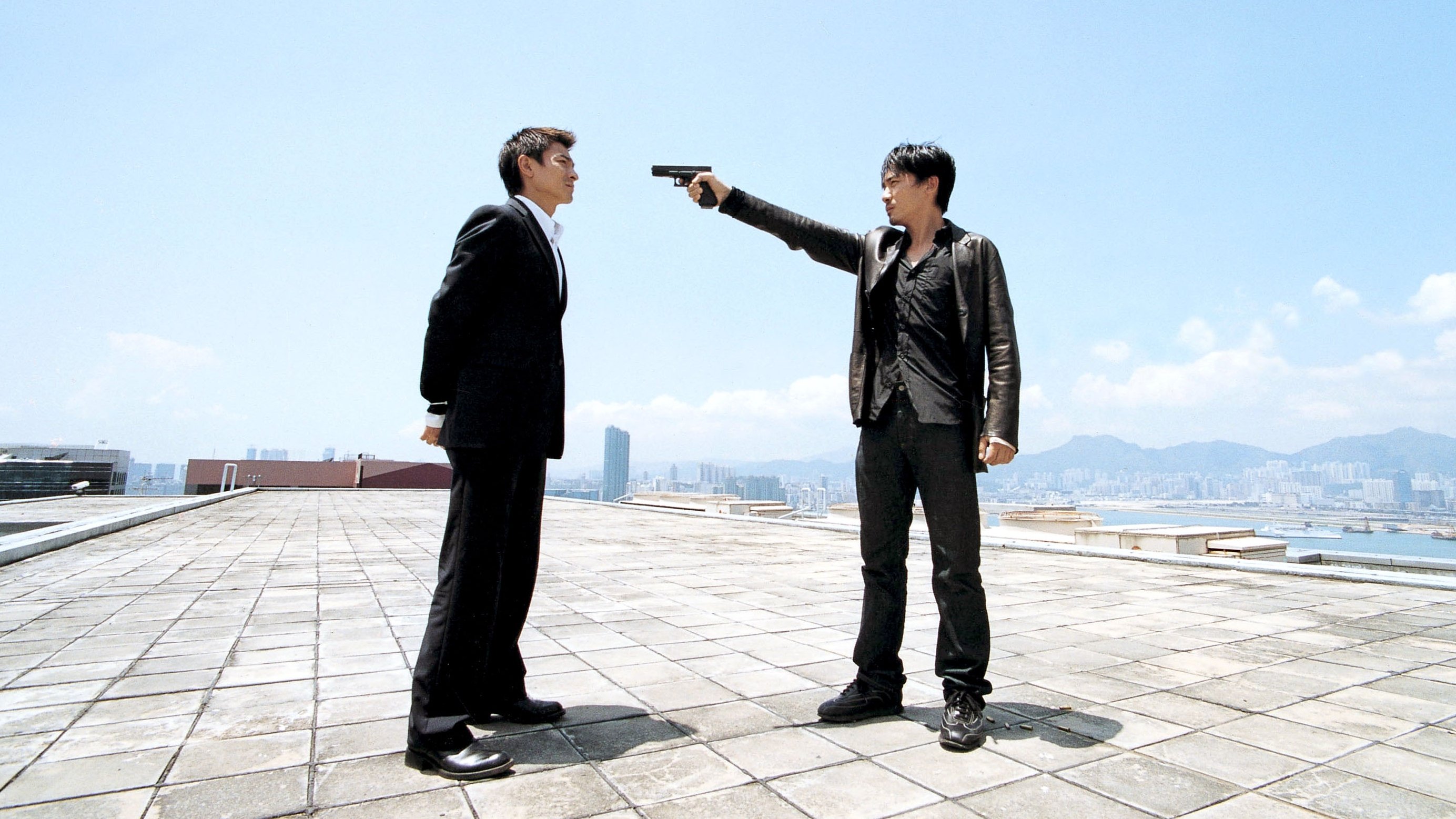
A policeman has infiltrated the criminals, and a criminal has infiltrated the police. Infernal Affairs makes an excellent thriller from the difficulty of hunting down the other informer while concealing that daily betrayal. Directors Andrew Lau Wai-Keung and Alan Mak Siu-Fai understand how much suspense there is in the effort to appear useful and trustworthy. Neither man can relax. At 101 minutes, the film moves quickly, but it gives us time to consider how exhausting that effort must be.
The screenplay, by Alan Mak Siu-Fai and Felix Chong Man-Keung, keeps the two jobs closely connected, so that progress for one man means trouble for the other. Information has to be obtained, passed on and acted upon without giving its source away. We held our breath during those exchanges, because getting a message through can put the sender in danger. Danny Pang Phat and Curran Pang’s editing makes the competing efforts legible without giving us the comfort of knowing what comes next.
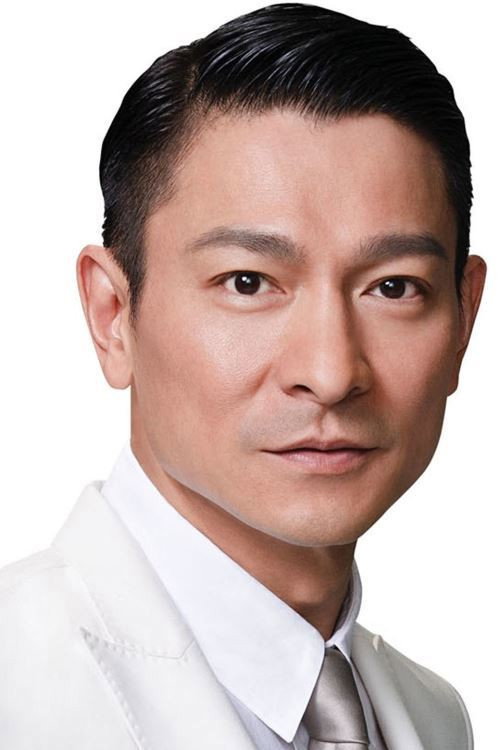
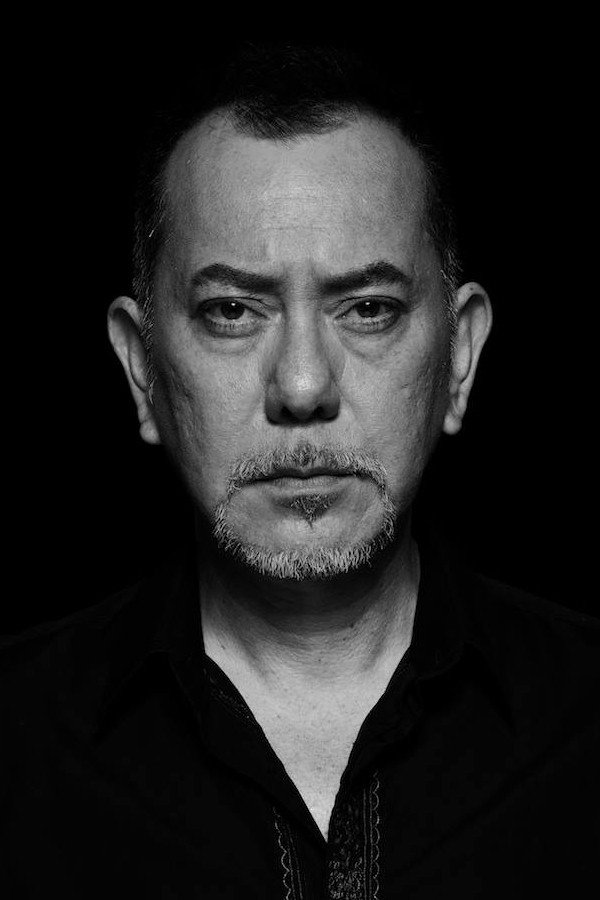
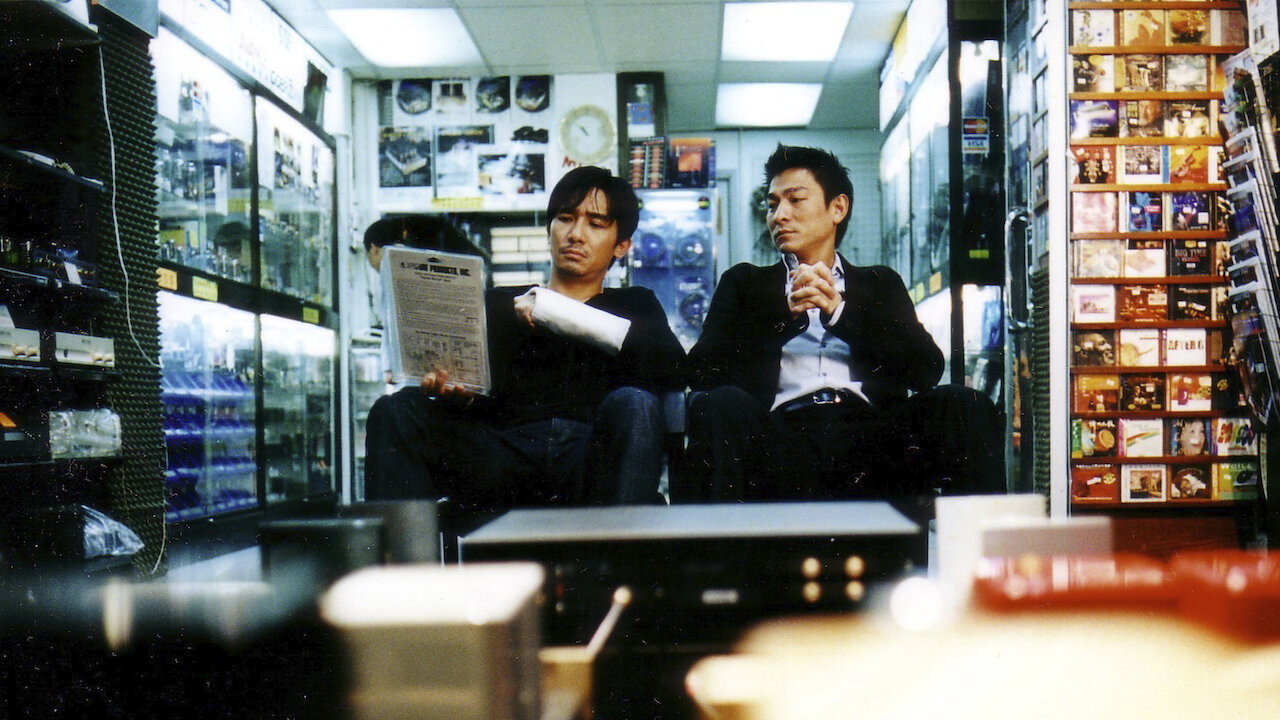
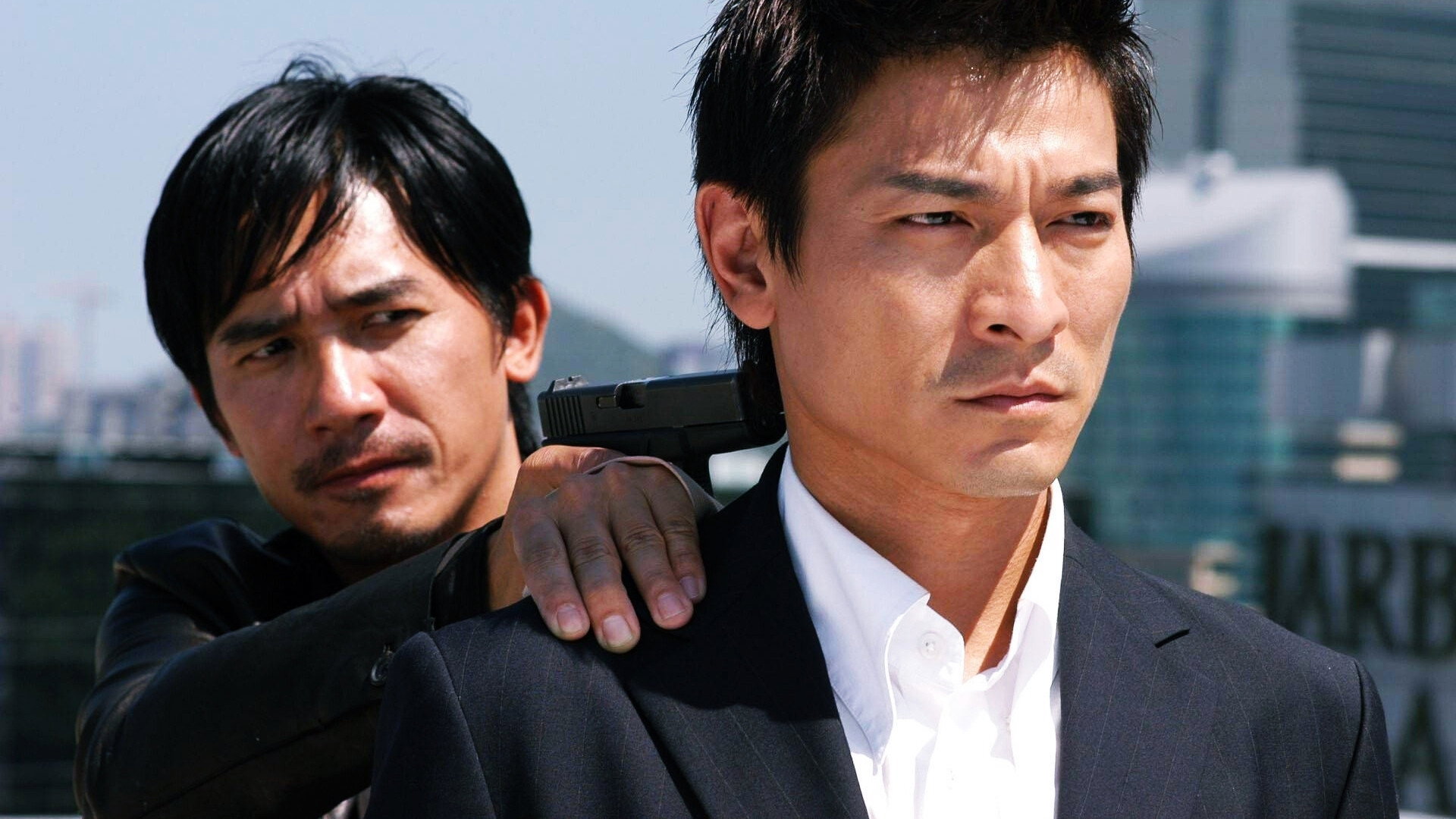
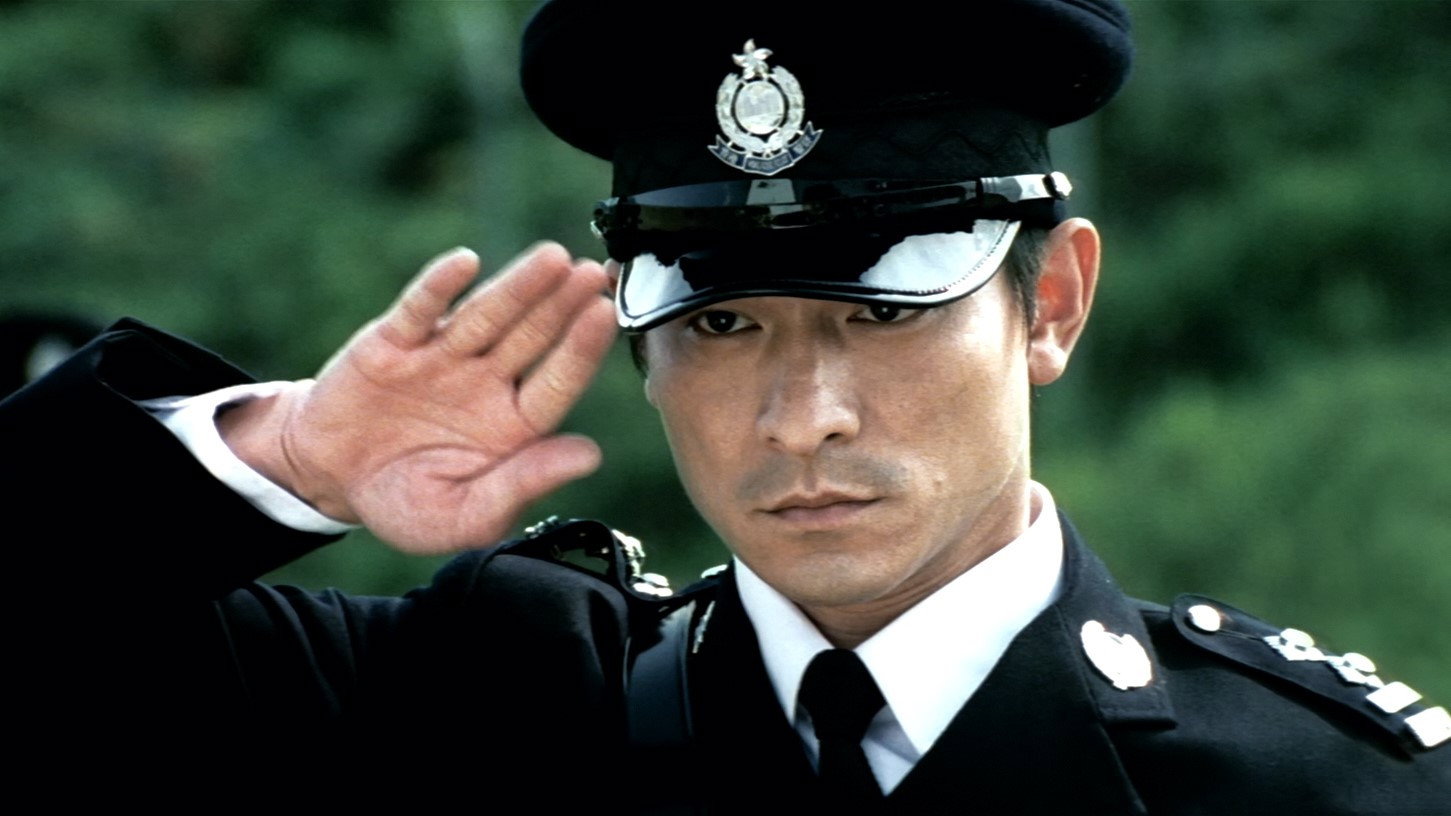
Tony Leung Chiu-wai gives the film a tired, frightened man to care about. He looks worn down by the need to calculate his behaviour, and his watchfulness makes even a quiet moment feel precarious. Andy Lau is more composed, with a face that seems to check itself before letting anything show. Small changes of expression do much of the work. Both men make keeping control look like a full-time occupation.
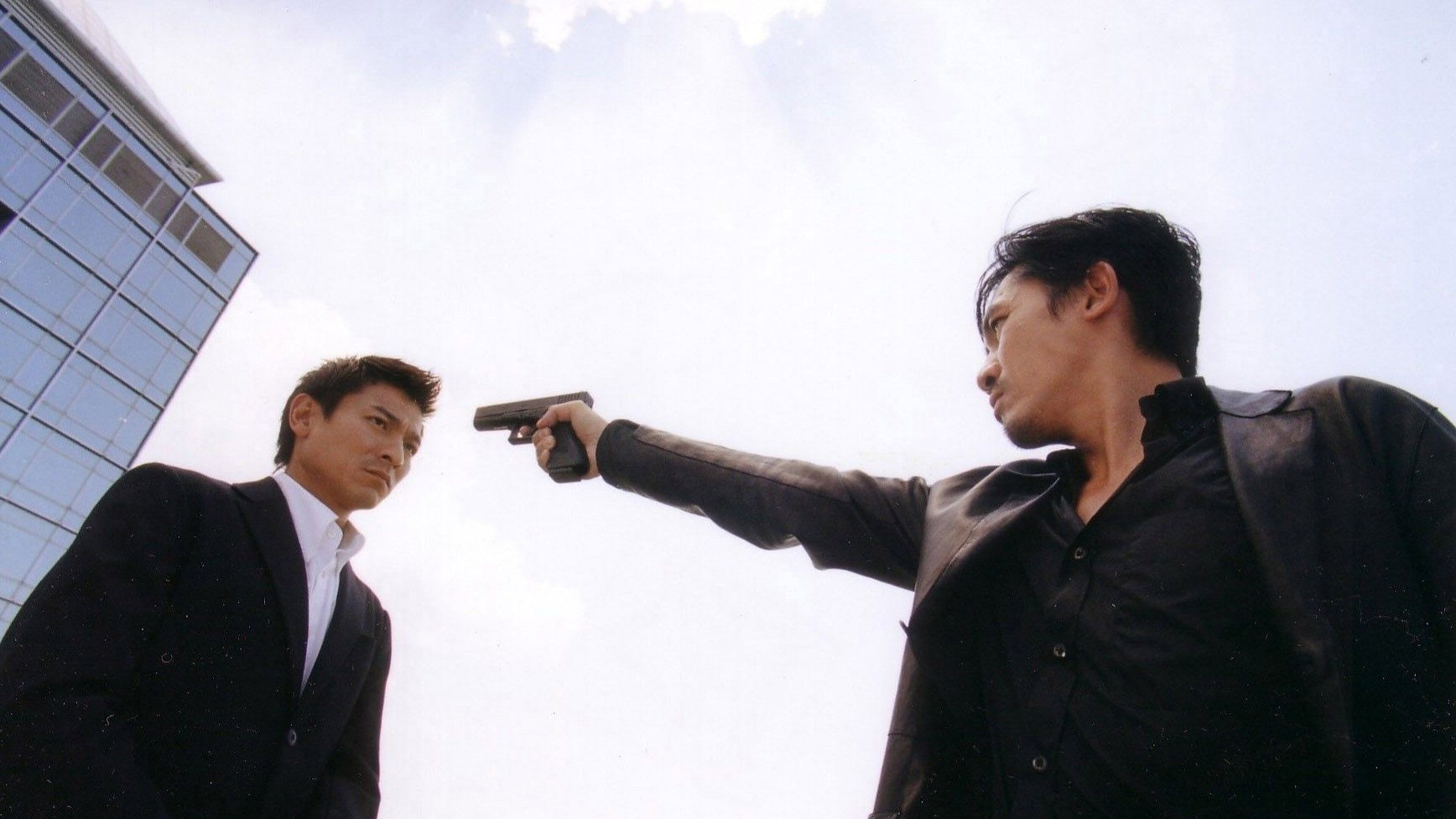
Andrew Lau Wai-Keung and Lai Yiu-Fai photograph the film with a polish that could easily have made it feel remote. The camera’s restless movement works because it keeps returning our attention to people watching one another and weighing what they have heard. The sleek surfaces are pleasing, but the faces remain the reason to look. It is particularly effective with Leung, whose visible strain prevents the handsome images from making this life look appealing.
The film can be too pleased with the resemblance between its two men. Mak and Chong occasionally press the comparison hard enough that we start noticing how carefully the situations have been matched, when we would rather be worrying about the next mistake. Comfort Chan’s music sometimes underlines distress that Leung has already made clear. Neither problem derails the suspense, but both make us appreciate the passages where an expression and a piece of withheld information are allowed to be enough.
The film earns its place among undercover thrillers by taking the strain of the job seriously. Being believed requires each man to keep behaving like the person he claims to be, and the script asks how long he can do that without changing. That gives the plotting a consequence beyond the prospect of exposure. We care about whether these men can keep going, and the directors let that question occupy time another action thriller might spend on a fight.
Go in prepared to follow the details rather than wait for the next burst of action. The film asks us to remember who knows what, and a distracted few minutes can cost more here than in a thriller built around pursuit alone. Give it an uninterrupted evening, and leave the messages until afterwards.