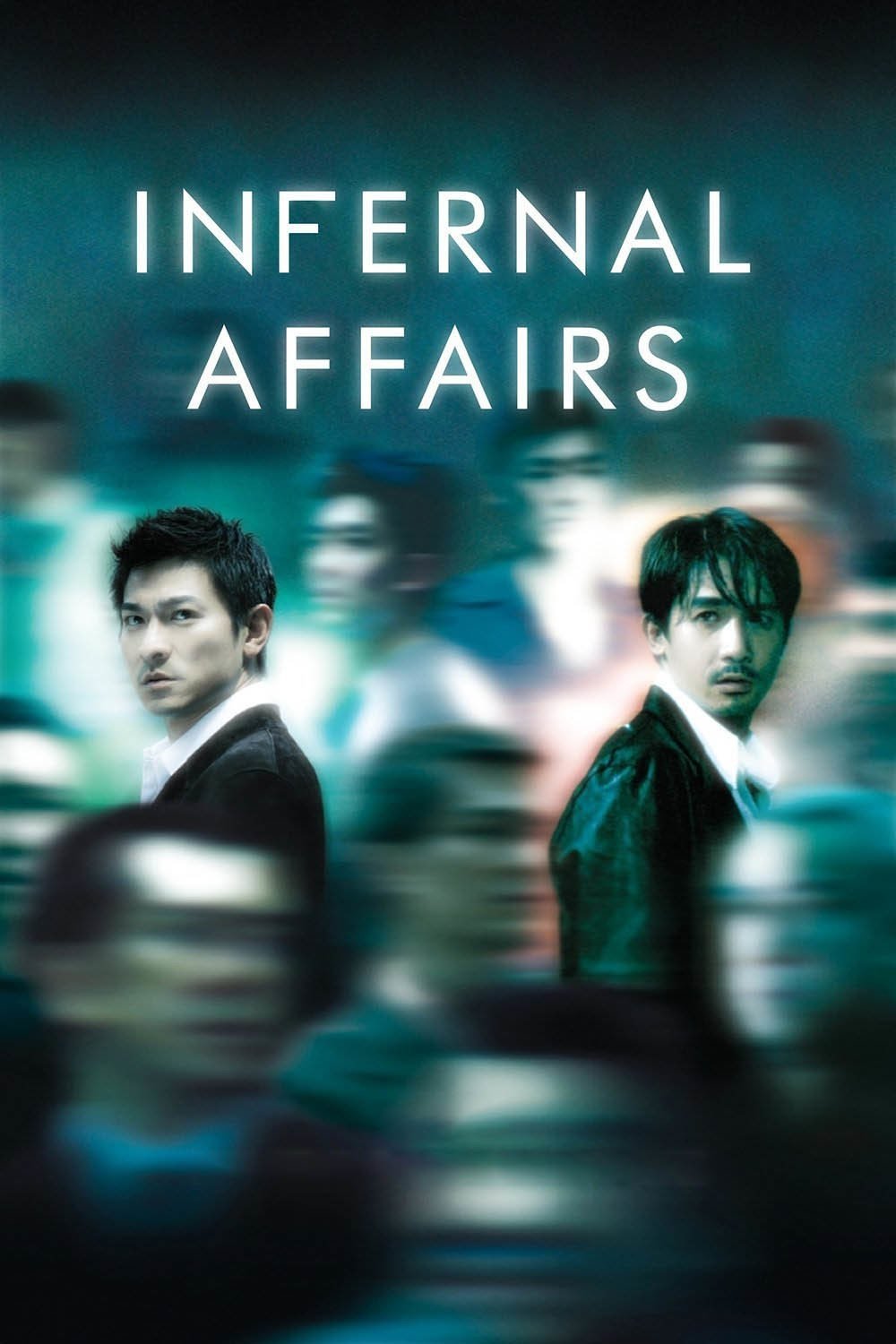
With only 4 reviews in so far, the consensus is uniformly positive, with praise centred on the dual-mole plot, controlled suspense and performances, particularly Tony Leung’s. The reviews find substance beneath the polished surfaces: careful writing and rich characterisation give the thriller’s intricate plotting emotional weight. Energetic camerawork and sharp editing also draw approval, supporting the tension rather than merely decorating it. There is little disagreement or explicit reservation in this sample; the main difference is emphasis, with some critics drawn to its youthful energy and others to its psychological depth.
E
Evening Standard
10 April 2012 · Antonia Quirke
85*
The critic praises the film's rapid, vulnerable and youthful energy that makes it feel epic, along with Tony Leung's magnificent lead performance. It is described as more than a typical triad film with an arty sheen.
The critic finds this super-stylish Asian crime thriller has gloss as well as depth and should reach beyond arthouse audiences. The film's complex dual-mole plot and energetic camerawork are highlighted as strengths.
The taut crime thriller glides along like a buffed-out muscle car with sleek surfaces and neon highlights, relying on psychology and performances by Tony Leung and Andy Lau rather than action to create tension. It is a solid, twist-filled 70s-style thriller whose success rides on the leads internalizing the good-cop bad-cop ethos.
A smart, cleverly written and energetically directed Hong Kong action thriller with twists that should travel well internationally; superbly shot and edited with ideal leads in Andy Lau and Tony Leung and a skilful script full of parallels and tension.
The film is a sophisticated, densely plotted high-gloss thriller with moral and psychological complexity far beyond standard Hong Kong fare, featuring strong performances especially from Tony Leung and Andy Lau and a sleek, steely visual style.
The review praises the first film's restless camerawork, editing, and tense sequences built around gadgets and communication rather than character drama. It finds the sequels overstuffed, melodramatic, and unnecessary by comparison.
The critic calls the film brilliantly executed and highlights its focus on the psychological toll of undercover work and deception rather than action. It notes the directors' skill at building paranoid tension through editing and atmosphere while keeping viewers in the dark.
The critic calls it a gripping thriller with grandstanding drama, muscle-clenching suspense and two great leads. He singles out its combination of exhilarating action with liquid-nitrogen existential cool and the complex cat-and-mouse paranoia.
The film is a beautifully shot stripped-down noir about two detectives leading undercover lives whose intricate story of loyalty and betrayal is well-told and tense. It signals a new era for Hong Kong filmmaking with its mean-streets crispness and vibrating terseness.
This huge domestic hit improves on prior HK undercover-cop films by twinning the moles and generating genuine suspense through careful plotting and rich characterisations, with standout work from Leung as a man on the edge and sleek mise-en-scène.
This high-concept riveting police drama holds the audience in a vice-like grip with its dark claustrophobic narrative and emotionally powerful climax, excelling at script and performance levels with character taking precedence over action. It is easily the most powerful movie from the territory in a long while and superbly honed.
The film realizes its brilliant premise of a cop pretending to be a criminal and a criminal pretending to be a cop facing off. It is expertly staged and directed with a great ending, building on a lightning quick genre sensibility where claustrophobia is key.
The critic praises this lean, gripping psychological thriller about two moles (one police, one triad) as an instant classic of the genre and the most exciting policier in years. They single out the complex characters, difficult choices, fine writing, and the cast's performances for particular praise.
Ordered by the weight we give each publication, then by score. Scores are normalised to 100; * means inferred from an unrated review. Summaries are ours, not quotations; follow the links for the reviews themselves. How we rate