Michael Mann gives the cop-and-robber pursuit room for loneliness, damaged relationships and frightening violence. Heat earns its long running time through patient character work, though its characters sometimes explain themselves too much.
Heat deserves almost three hours of close attention, even when its characters explain themselves more than they need to. Michael Mann, writing and directing, gives the pursuit of a thief by a detective enough room to include the damage their work does beyond the job. He wants us to understand why these men keep going, and why understanding them might not make us like them. We would recommend it to someone who ordinarily has little patience for crime films.
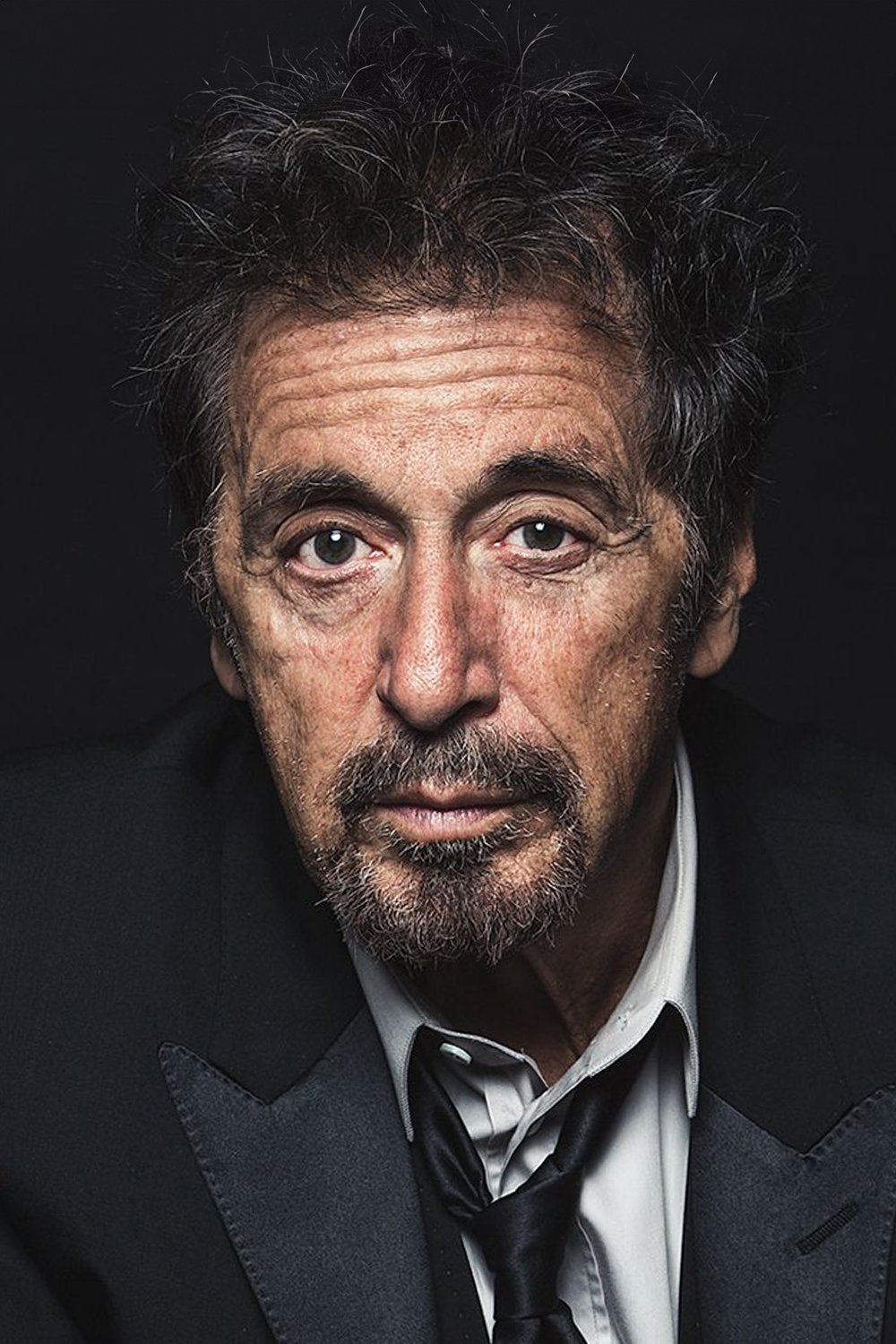
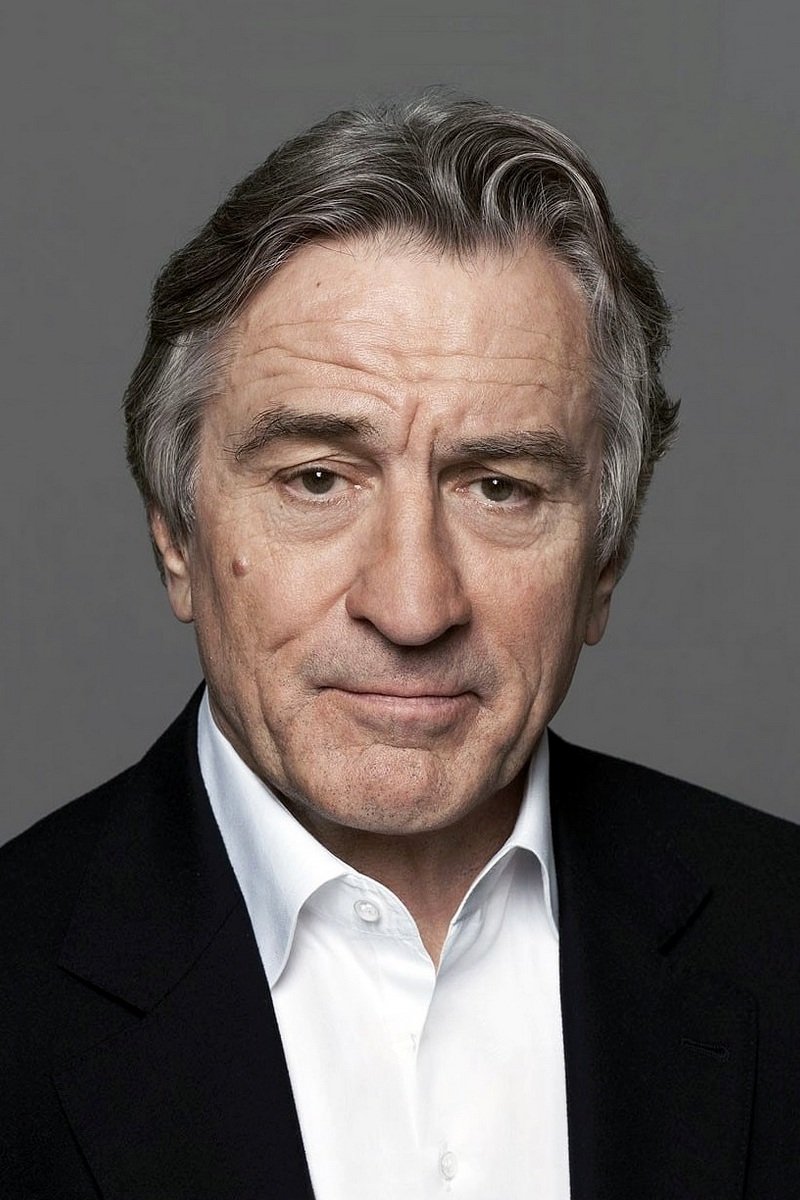
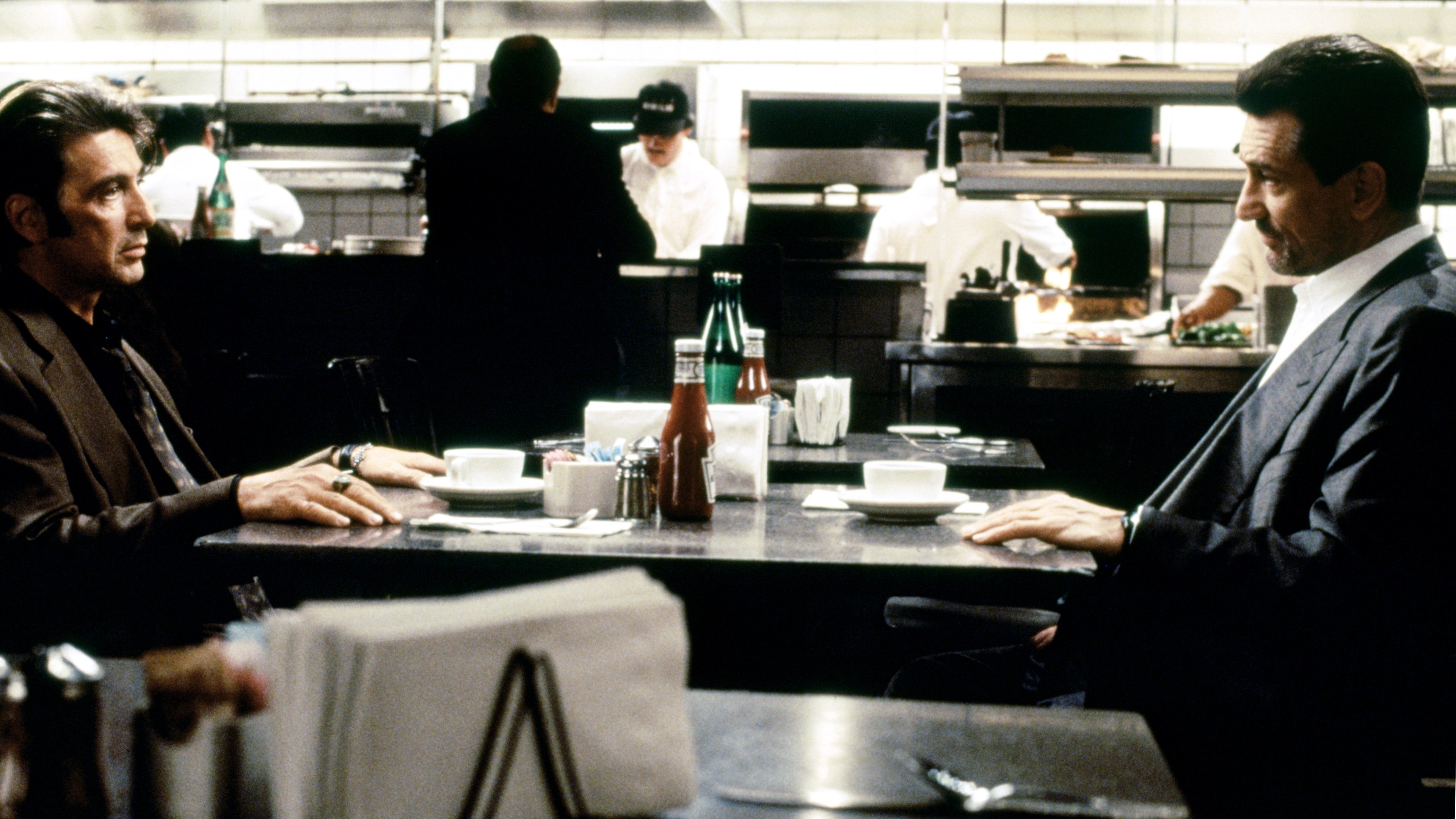
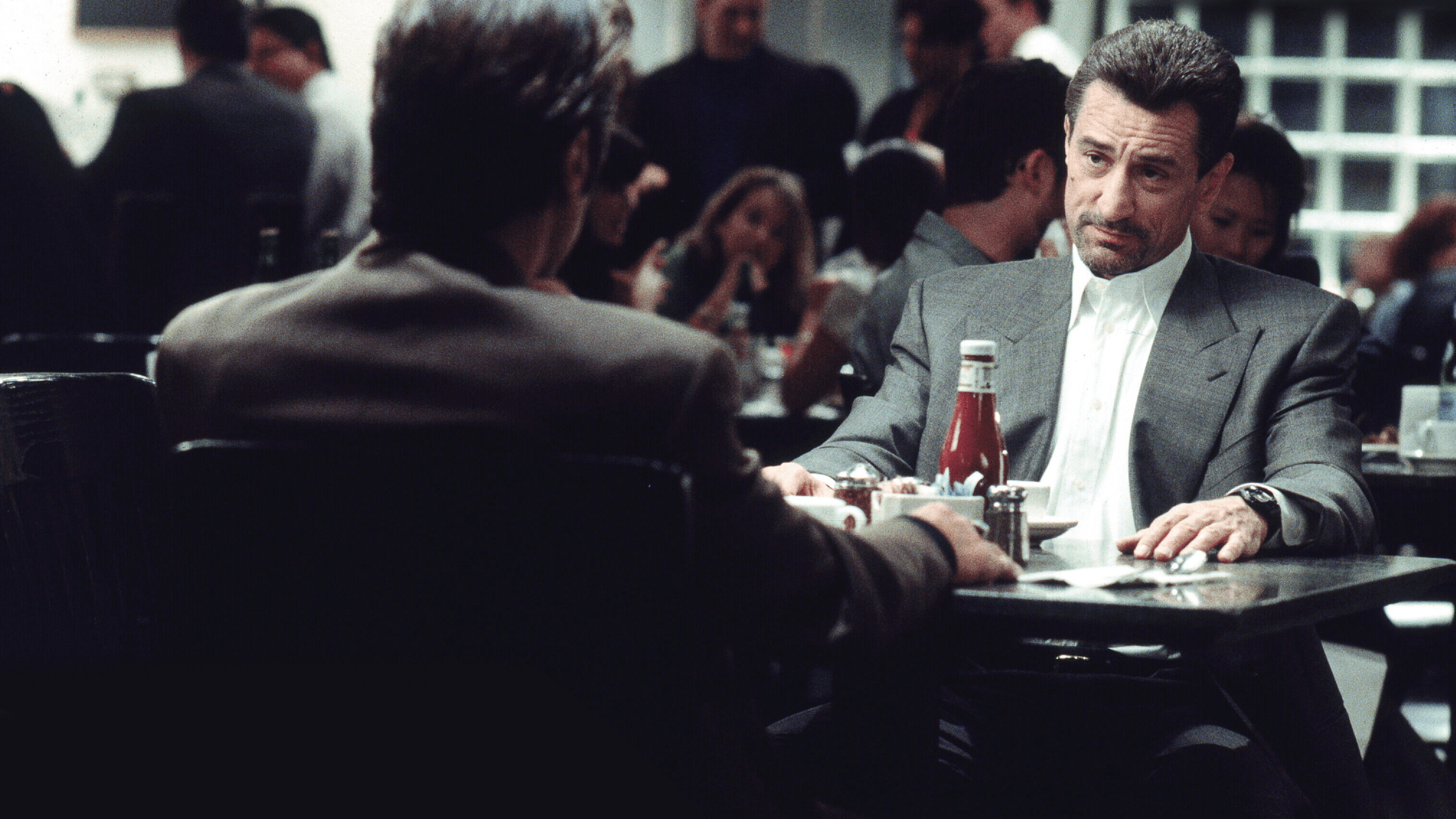
Al Pacino’s Lieutenant Vincent Hanna is exhausting company, and that is part of the performance’s force. His aggression can seem excessive, but it also makes the detective’s commitment look difficult to live alongside. Robert De Niro plays Neil McCauley with a reserve that invites closer attention; the thief’s self-control is compelling enough to make us wary of our own interest in him. In their diner conversation, the relative quiet lets us hear the common obsession without either actor having to force it.
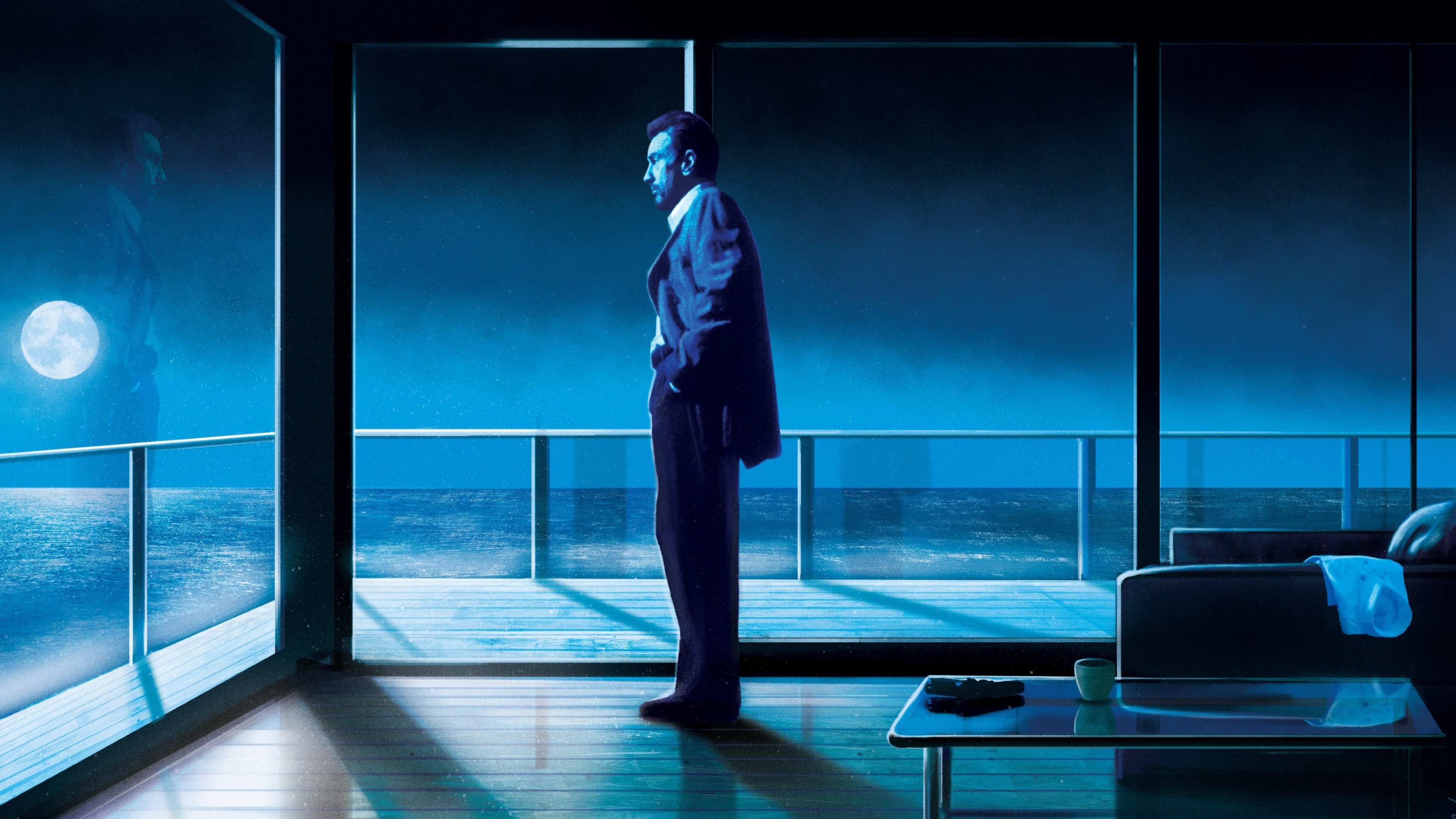
Dante Spinotti’s cinematography makes Los Angeles feel large enough for people to lose touch with one another, even while the pursuit tightens. Neil Spisak’s production design makes even the interiors feel lonely, a useful warning against envying these men their independence. The attention to location and décor helps us register how these people live as well as where they work. The city remains interesting during the quieter passages, when there is no immediate threat to keep us looking.
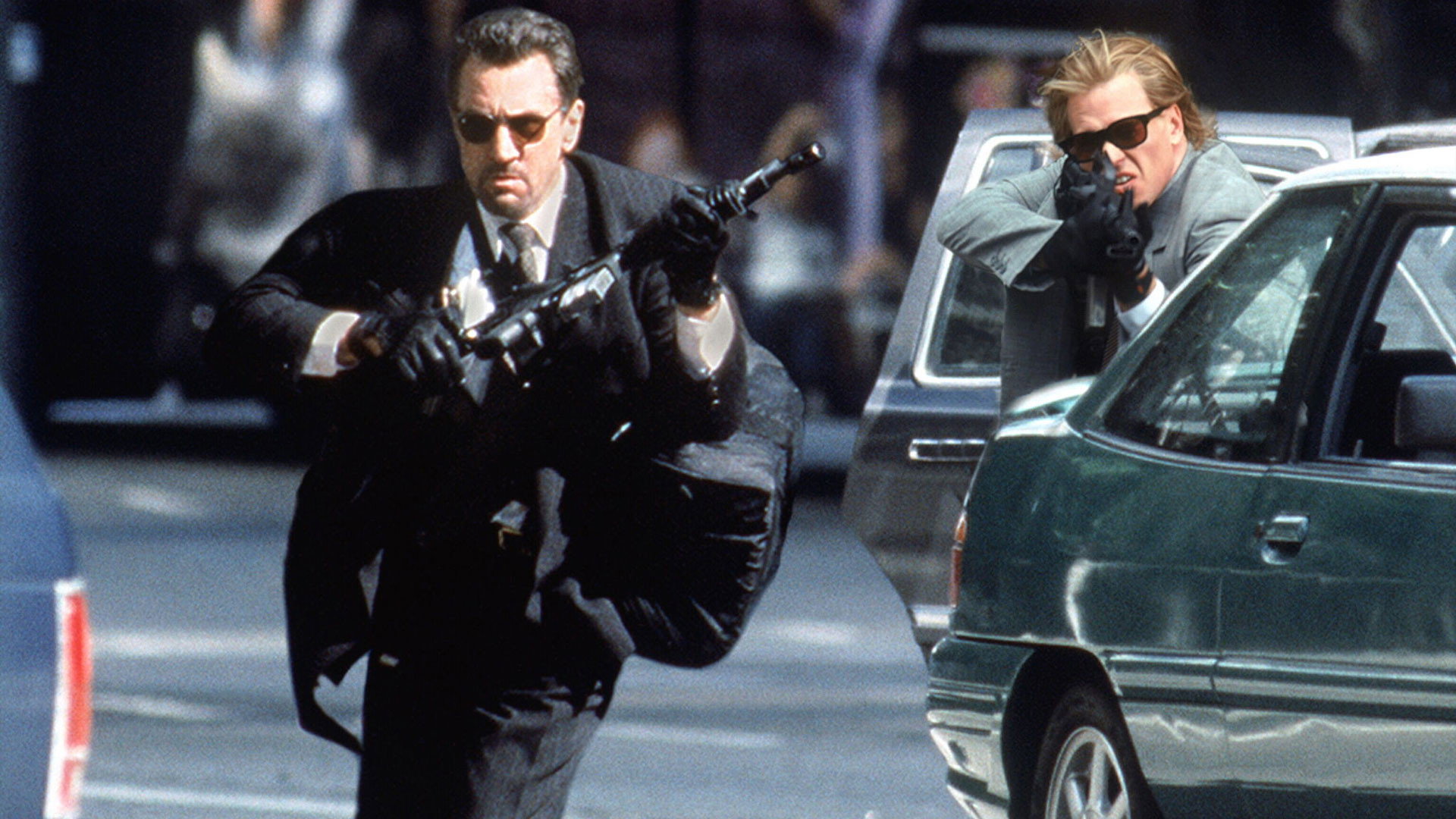
The action is where that attention to detail becomes frightening. We flinched at the gunfire during the bank robbery shootout, because the violence feels close enough to interrupt any comfortable admiration of the men’s competence. Editors Dov Hoenig, Tom Rolf, Pasquale Buba and William Goldenberg keep the action intelligible, allowing the pressure to build without reducing the characters to targets. There is spectacle here, but Mann makes the practical business of committing a robbery alarming enough on its own.
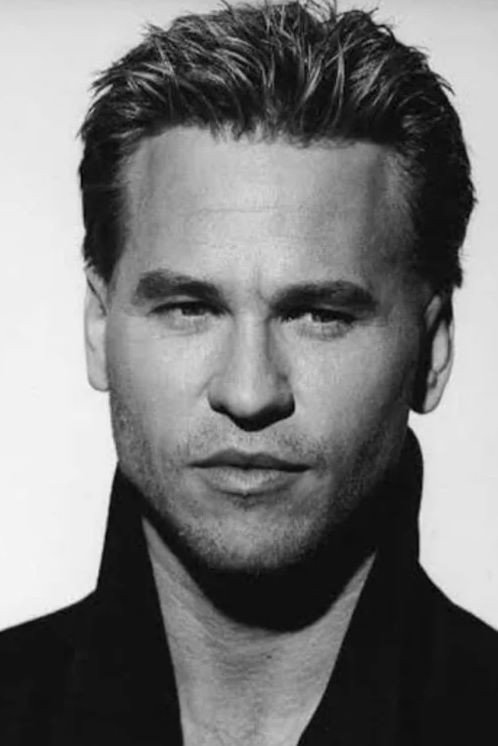
Elliot Goldenthal’s music helps the quieter stretches retain their unease, giving the film a sadness that the forceful performances could otherwise overwhelm. It encourages us to notice how little comfort these lives provide. The ensemble helps here too: Val Kilmer, Diane Venora, Amy Brenneman and Ashley Judd make the attention paid beyond the central rivalry feel worthwhile. At 170 minutes, the film has time to let that wider company matter, and most of the time it spends with them is well used.
Mann does sometimes insist on explaining what the actors have already made clear. The dialogue can sound too prepared, particularly when it sets out the men’s devotion to their work, and the similarities between them occasionally become too neat. We can feel the writing arranging the comparison instead of trusting the performances to establish it. The film survives these interruptions, though a few less solemn declarations would have made the people easier to believe.
Crime thrillers often ask professional skill to carry the whole evening; Heat has enough interest in the people doing the work to justify its length. Mann still gives the pursuit its urgency, and he does not require us to approve of either man’s choices before becoming involved. That leaves room for excitement without making the consequences feel like an afterthought. Give it an uninterrupted evening, and do not mistake the men’s dedication for advice.