M. Night Shyamalan’s Unbreakable is a quietly gripping superhero drama, held close to ordinary human worries by Bruce Willis and Samuel L. Jackson. Its patience occasionally becomes a hindrance, and the closing stretch feels compressed.
Unbreakable takes the possibility of a superhero seriously enough to wonder what the news might do to the person involved. M. Night Shyamalan’s film begins with David Dunn, played by Bruce Willis, surviving a train crash that leaves nobody else alive, then lets the implications settle slowly. We recommend it for the unease and tenderness it finds in that premise, with a reservation about how it manages its time. The prospect of special powers gives David something difficult to think about.
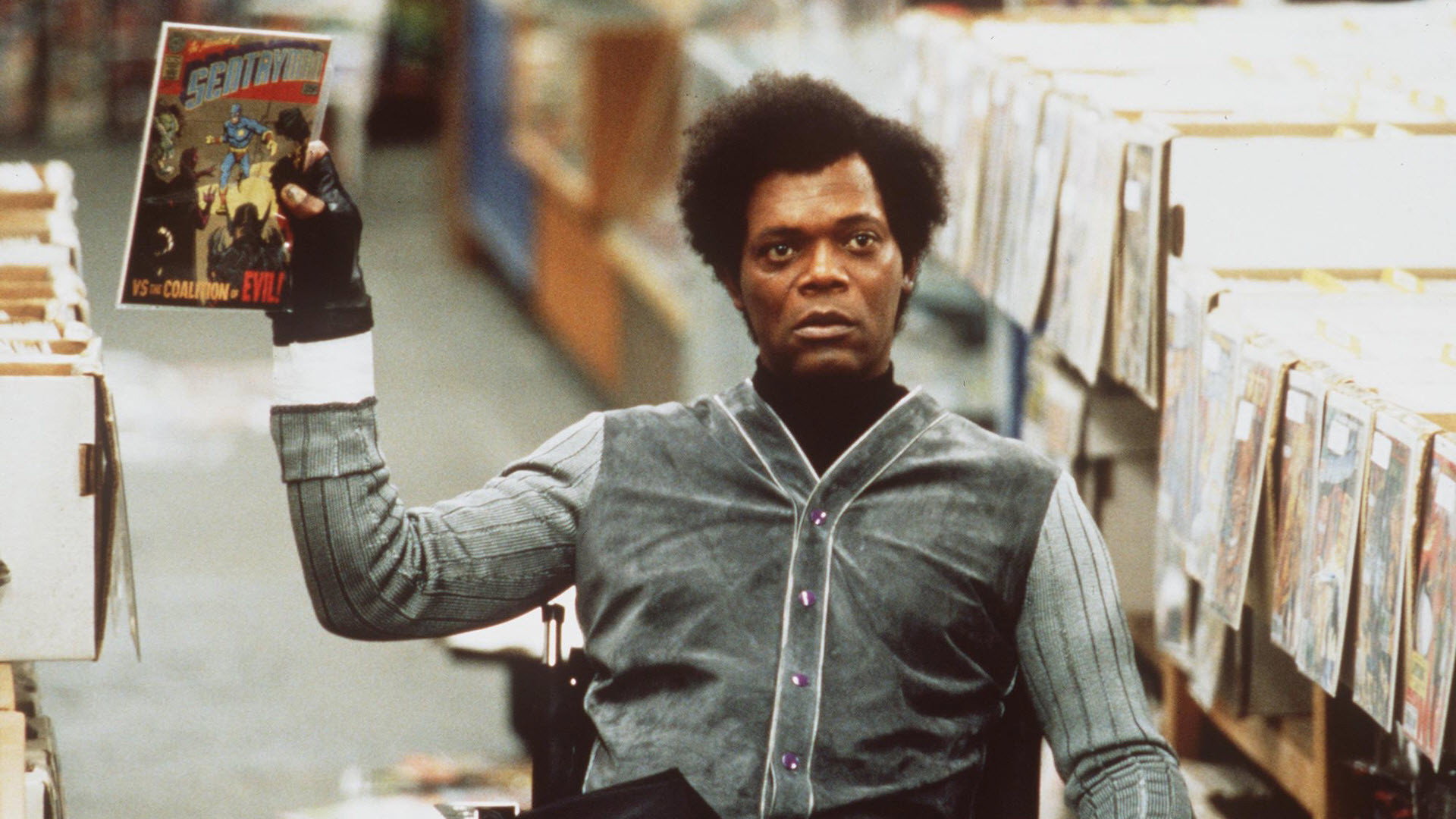
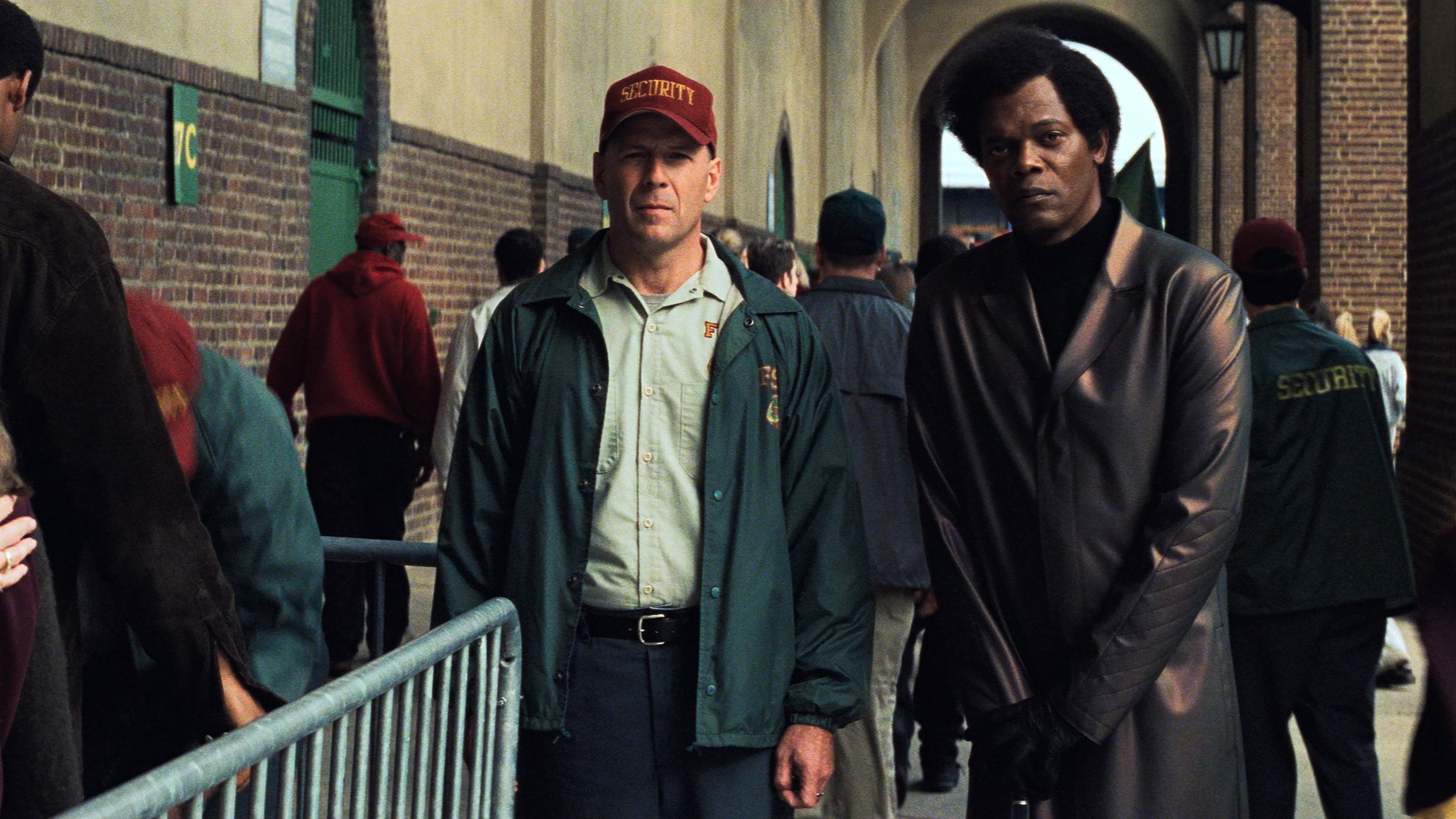
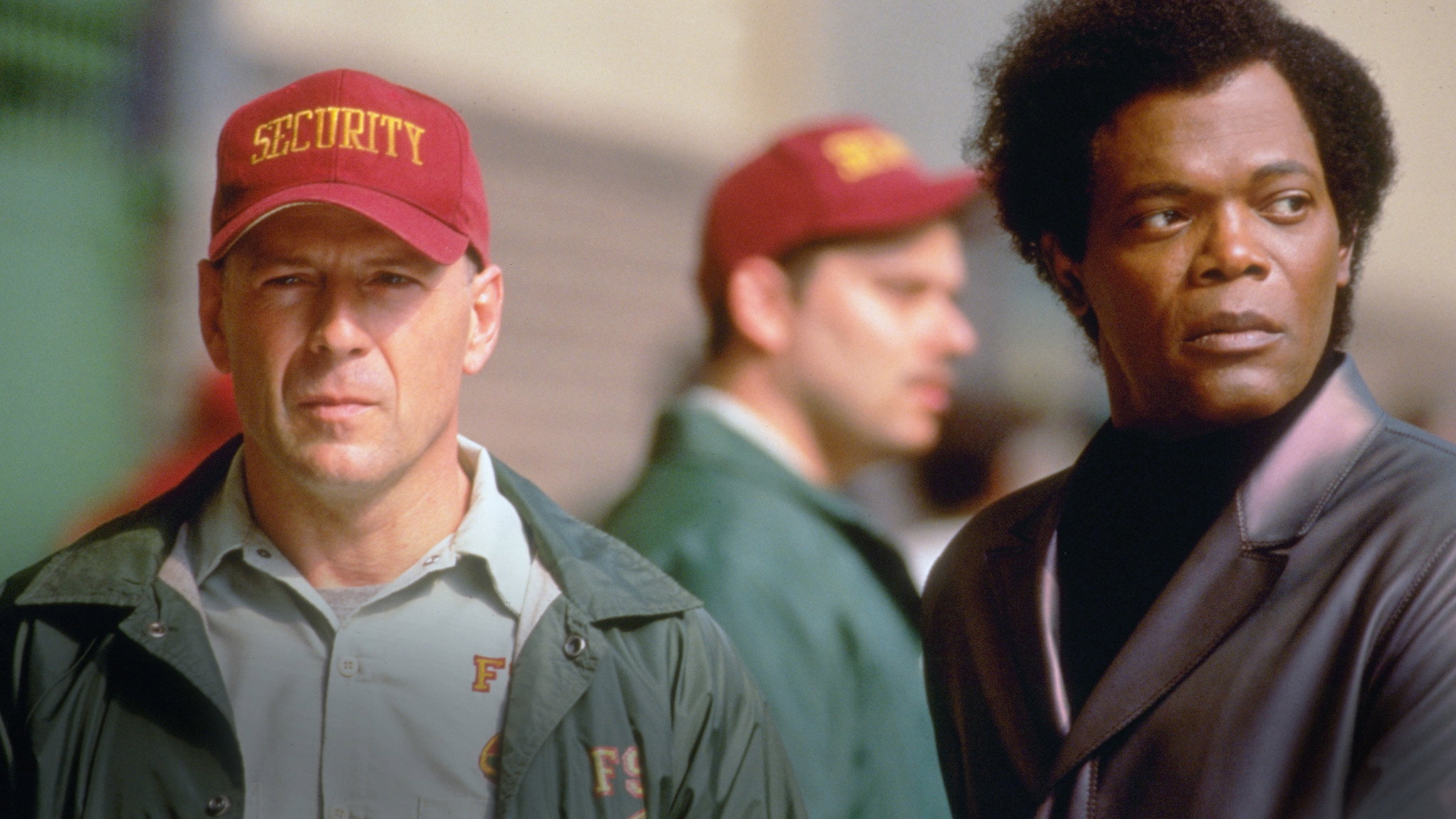
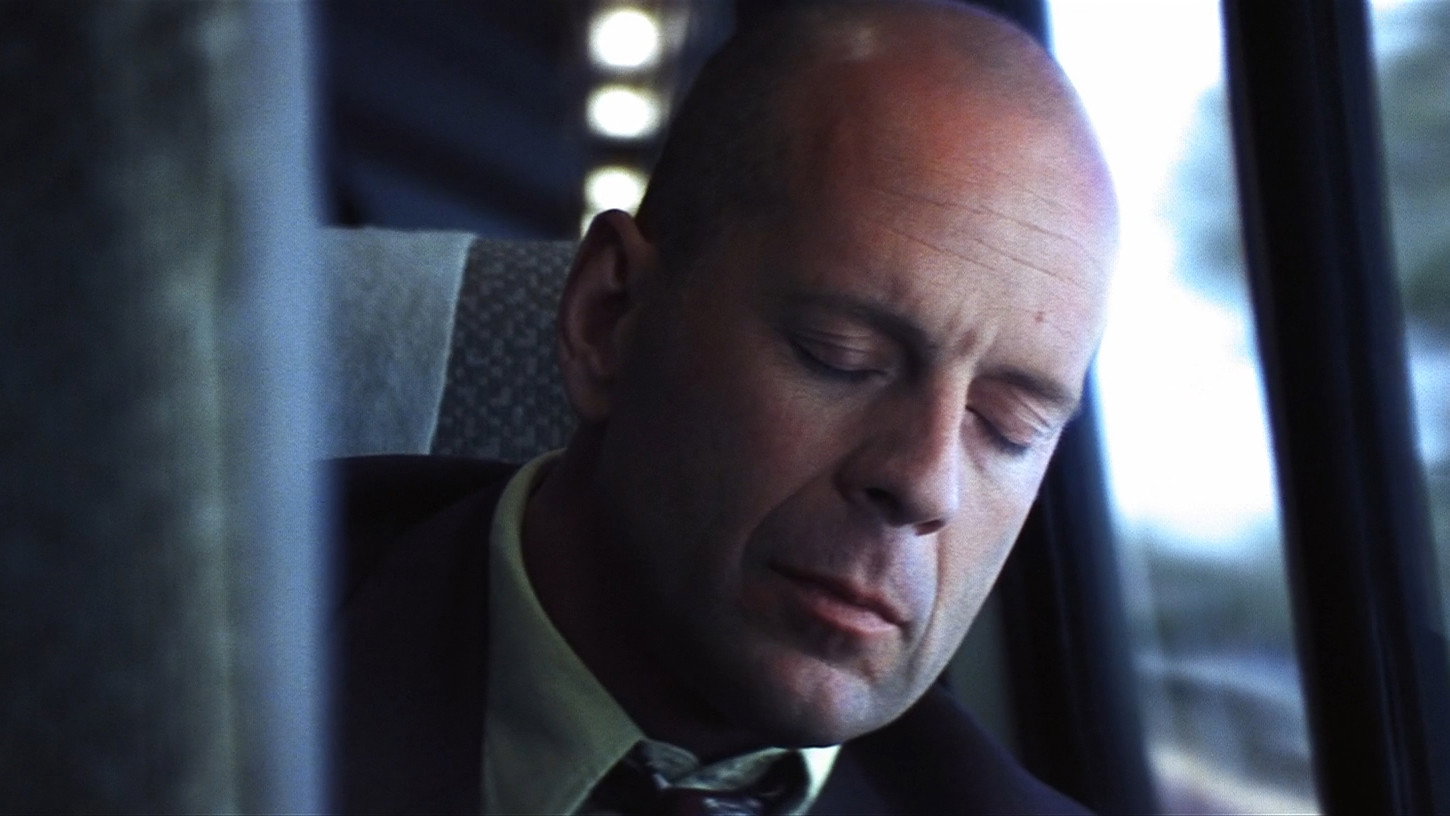
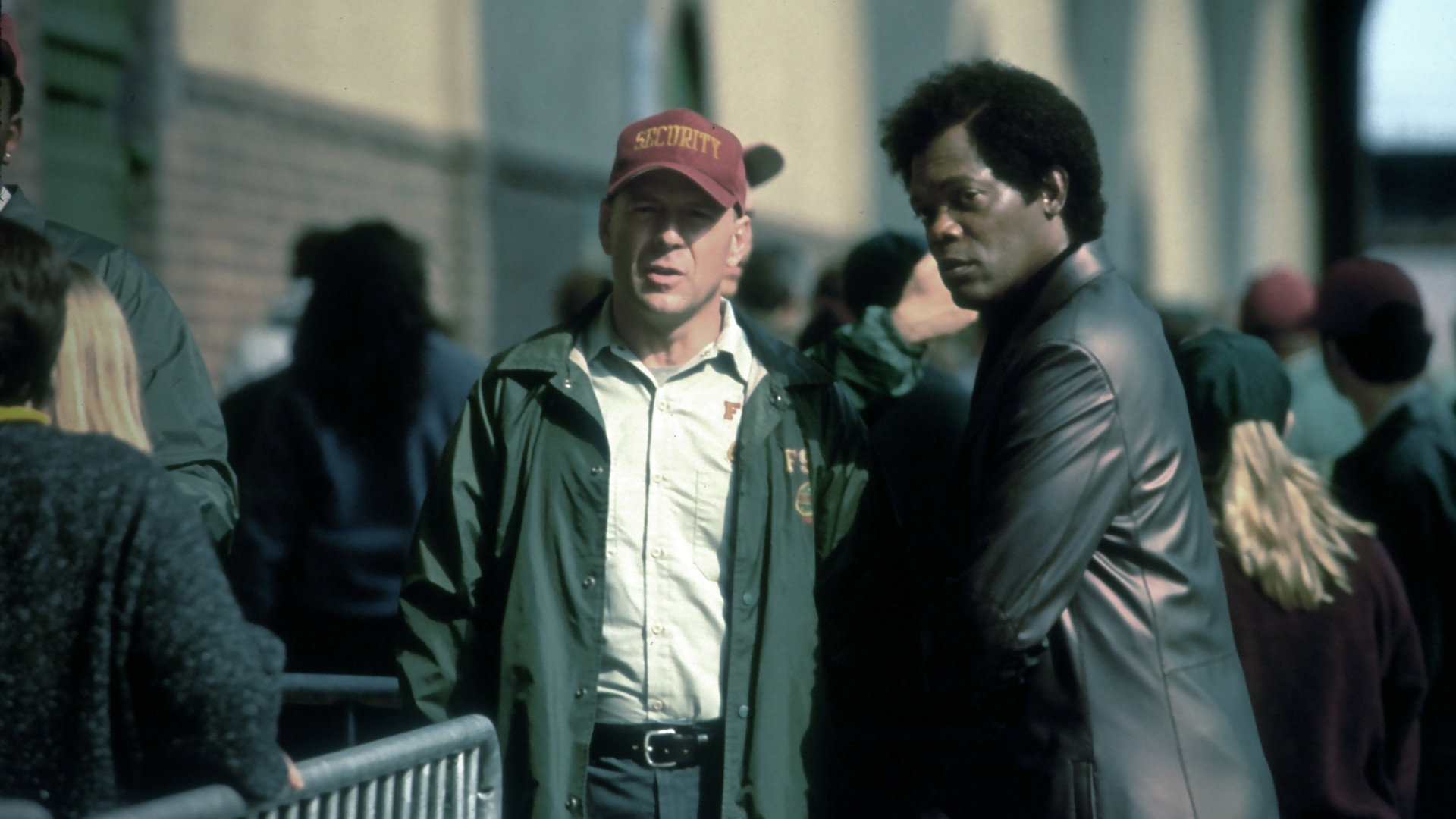
Willis plays David with a vulnerability that makes the comic-book premise unusually persuasive. We were moved more than we expected by how exposed he seems when the possibility of special powers enters his life. A less guarded performance might have made the character’s uncertainty look coy; Willis makes it feel painful. Samuel L. Jackson, as Elijah Price, supplies the more unsettling presence, and their pairing keeps the mystery alive without requiring either actor to overstate it. Their different kinds of seriousness give Shyamalan something worth lingering over.
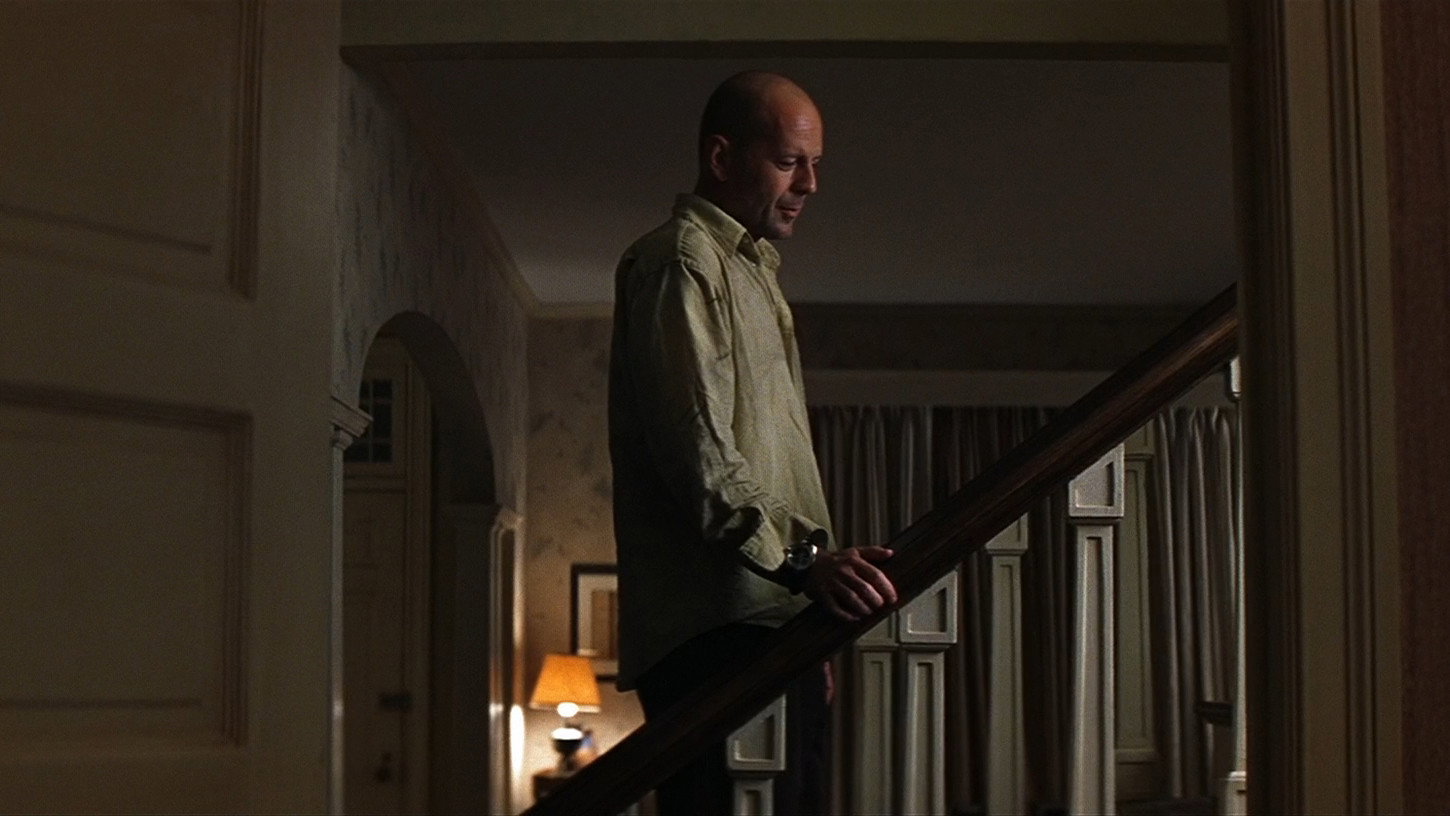
Eduardo Serra’s cinematography gives the domestic scenes enough weight that they never feel like intervals between the interesting bits. The careful framing suits Willis’s reserve, giving us time to look at a man who is difficult to read. Larry Fulton’s production design helps keep those surroundings ordinary and credible, which makes the talk of special powers more disquieting. The film needs its everyday setting to remain convincing as David’s understanding of himself becomes less secure.
Dylan Tichenor’s editing lets the uncertainty linger, and the measured pace is often absorbing. It also leaves some passages running after we have grasped what matters in them. James Newton Howard’s music lends conviction to material that could easily sound faintly silly when explained aloud. That seriousness matters in a film which would be easier to make with a protective layer of jokes. Occasionally, though, the pacing makes us too conscious of how carefully we are being asked to consider everything.
Shyamalan’s writing is most interesting when it treats being exceptional as a responsibility David may not welcome. The domestic drama gives that question consequences at a human scale, and the comic-book material does not require a knowing wink. A superhero story can spend a long time establishing what its central figure can do. This one also asks what such a person might owe others, and allows the question to remain difficult. Its lack of irony is part of its appeal.
The chief frustration is that the film eventually asks its closing stretch to do more work than it has left time for. After so much patient preparation, Shyamalan and Tichenor hurry matters that deserve a little more space. We will not describe where the story goes, but the compression leaves less room to absorb it than the preceding pace has taught us to expect. At 106 minutes, this is hardly an overlong film; a few of those minutes could have been better distributed.
For all that, the performances keep the film from feeling like an exercise set for the audience. Willis makes its sadness credible, and Jackson gives its stranger ideas a persuasive, uncomfortable force. We are happy to sit with these people while they try to make sense of something unlikely. Choose it when there is time to settle into its silences.